
Pregnancy massage may ease heartburn for some people by lowering stress, encouraging calmer breathing, and reducing tension in the diaphragm, ribs, neck, and upper back that can amplify reflux discomfort. It does not change the hormonal and pressure-related drivers of pregnancy reflux, such as progesterone-related sphincter relaxation and a growing uterus. Side-lying, especially left side-lying, and gentle, non-deep techniques help avoid abdominal pressure. Ongoing or severe symptoms need medical advice, with practical positioning and aftercare tips available ahead.
Can It Help With Heartburn?
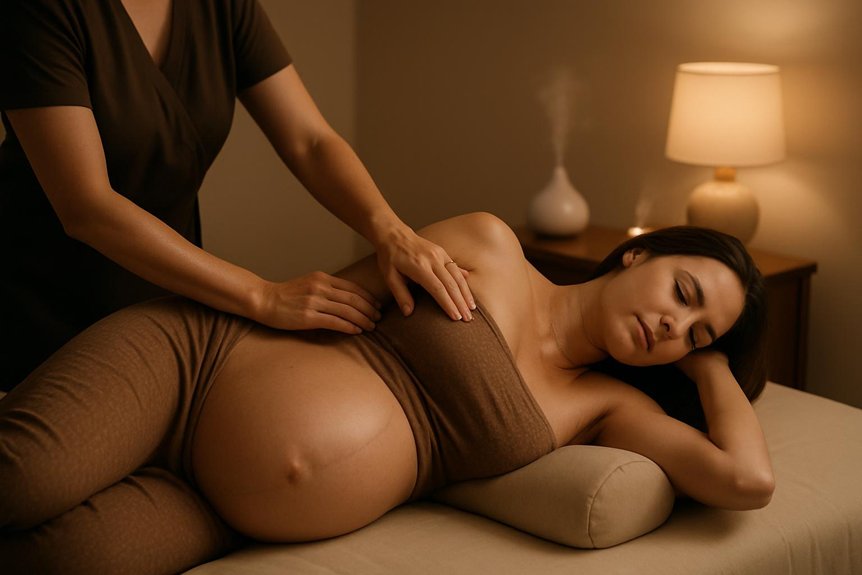
Managing heartburn in pregnancy can feel relentless, and massage is sometimes considered as a supportive option.
Evidence suggests massage won’t “cure” reflux, yet it may ease contributors such as stress, shallow breathing, and upper-back tension, which can heighten symptom awareness and discomfort.
At Spa & Massage, therapists use side-lying pregnancy positioning and gentle work through the diaphragm attachments, ribs, shoulders, and neck to encourage calmer breathing and relaxation without abdominal pressure.
Many clients find this helps them feel more comfortable after meals and settle more easily at night.
Supportive aromatherapy is used only when appropriate, in low dilution, with pregnancy-safe choices.
Pregnancy massage is one of the benefits often sought by expecting mothers to support overall comfort during pregnancy.
Massage works best alongside practical habits like smaller meals and upright rest, to reduce flare-ups.
When Pregnancy Massage Isn’t Suitable for Heartburn
Pregnancy massage is not appropriate for heartburn relief in certain situations, particularly when there are high-risk pregnancy conditions or complications that require specialist care. It should also be postponed if reflux is severe or accompanied by warning signs such as chest pain, vomiting blood, black stools, faintness, or sudden worsening symptoms, as these warrant urgent medical assessment.
At Spa & Massage, therapists may request medical clearance before treatment when risk factors are present, ensuring any care aligns with the client’s maternity team and prioritises safety.
High-Risk Pregnancy Conditions
Before booking massage to ease heartburn, it is important to recognise that certain high‑risk pregnancy conditions make pregnancy massage inappropriate without explicit medical clearance. These commonly include pre‑eclampsia or pregnancy‑induced hypertension, placental complications (placenta praevia, suspected abruption), unexplained bleeding, ruptured membranes, threatened preterm labour, cervical insufficiency, and significant swelling suggestive of clot risk.
People with a history of recurrent miscarriage, severe anaemia, uncontrolled gestational diabetes, or multiple pregnancy with complications may also need obstetric approval and modified positioning.
At Spa & Massage London clinics, therapists prioritise safeguarding: they pause treatment, liaise with the client’s care team when needed, and only proceed with a written go‑ahead.
When cleared, sessions remain gentle, side‑lying, and comfort‑led.
Severe Reflux Warning Signs
Noticing reflux that feels unusually intense or atypical is a cue to pause and prioritise medical assessment rather than massage.
Severe warning signs include chest pressure or pain; breathlessness; faintness; vomiting blood or “coffee-ground” material; black, tarry stools; persistent vomiting; difficulty or pain when swallowing; or unplanned weight loss.
Also concerning are heartburn with severe upper‑abdominal pain, a new headache, or sudden swelling, which can signal pregnancy complications rather than simple reflux.
At Spa & Massage, therapists are trained to screen gently and protectively: if a client describes these symptoms, the session is deferred so support can be sought promptly.
This approach honours both safety and intimacy—comfort should never come at the cost of overlooking danger.
Medical Clearance Needed
In some circumstances, heartburn in pregnancy calls for medical clearance rather than massage, because symptom relief should never take priority over ruling out an underlying complication.
Clinicians should review new, sudden, or worsening reflux, especially after 20 weeks, or if it comes with upper-right abdominal pain, severe headache, visual changes, swelling, vomiting blood, black stools, fever, or chest pain.
Persistent symptoms despite antacids also warrant assessment for oesophagitis, ulcers, or medication needs.
At Spa & Massage, therapists may request GP or midwife approval when there is high blood pressure, preeclampsia concerns, clotting risk, placenta complications, unexplained bleeding, or reduced foetal movement.
Clearance supports a safer, more relaxing session—so touch feels reassuring, not worrying.
Why Heartburn Is So Common in Pregnancy
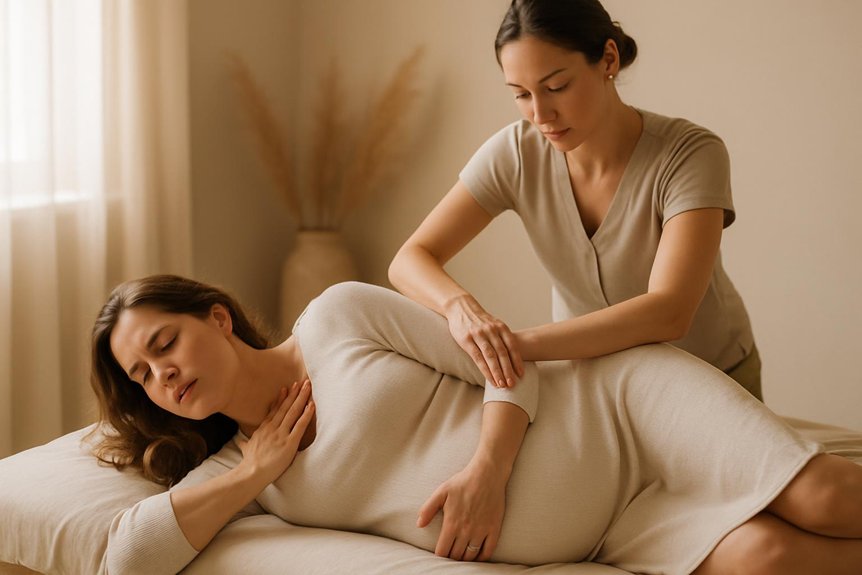
Heartburn often becomes more frequent during pregnancy because normal hormonal and physical changes make it easier for stomach acid to move upward into the oesophagus. Rising progesterone relaxes the lower oesophageal sphincter, reducing the valve-like barrier that typically keeps acid in the stomach. At the same time, slower gastric emptying can leave food and acid sitting longer, increasing the chance of reflux.
As pregnancy progresses, the growing uterus elevates abdominal pressure and can push stomach contents upward, especially after larger meals or when lying down. Many people also notice heightened sensitivity in the chest and throat, making even mild reflux feel intense and disruptive to closeness, rest, and confidence. If symptoms are severe, persistent, or accompanied by vomiting or weight loss, medical review is advised.
How Pregnancy Massage Can Reduce Heartburn Triggers
Easing the body’s stress response can make reflux episodes less frequent and less intense during pregnancy. Lower stress is linked with improved digestive motility and reduced sensitivity to oesophageal irritation.
Pregnancy massage can also soften protective bracing in the diaphragm, rib cage, neck, and upper back, which may lessen pressure patterns that aggravate heartburn. At Spa & Massage clinics across London, therapists use slow, grounding strokes, supportive bolstering, and gentle breath-led work to encourage relaxation without deep abdominal pressure.
Many clients find that calmer breathing reduces air swallowing and post-meal tightness—common triggers for burping and reflux. Treatments are adapted to trimester, symptoms, and medical guidance, with fragrance-free or pregnancy-safe oils when needed and careful communication throughout.
What Positions Help Heartburn During Pregnancy Massage?
Gentle relaxation can reduce reflux sensitivity, but positioning often determines whether a pregnancy massage feels soothing or whether it provokes pressure and discomfort. At Spa & Massage, therapists typically avoid flat-on-the-back or prone positions that can compress the abdomen and worsen burning.
Left side-lying is often preferred, supporting circulation and helping the stomach sit lower than the oesophagus. A semi-reclined, head-and-chest-elevated posture can also be comfortable, especially after meals; cushions under the upper back and between the knees reduce strain. Some clients feel best in a supported seated lean forward, letting the belly hang freely and easing diaphragm pressure. Comfort is guided by the client’s breathing, any nausea, and gestational age, with frequent check-ins and gentle repositioning throughout.
Pregnancy Massage Techniques We Use for Reflux Comfort
At Spa & Massage clinics across London, therapists prioritise side-lying reflux positioning to support comfortable breathing and reduce pressure on the stomach during pregnancy massage.
When appropriate and with clear consent, they may also use gentle diaphragm release work—light, non-invasive soft-tissue techniques aimed at easing upper abdominal and rib tension that can contribute to reflux discomfort.
Every approach is adapted to the client’s trimester, symptoms, and medical guidance, with comfort and safety monitored throughout.
Side-Lying Reflux Positioning
For many pregnant clients experiencing heartburn, side-lying positioning is the safest and most practical way to support reflux comfort during massage. At Spa & Massage, therapists use supportive bolsters so the torso is gently elevated and the abdomen remains free of pressure, helping reduce upward acid flow. A small wedge under the upper chest and a pillow between the knees can maintain spinal alignment and ease diaphragmatic strain without forcing a flat supine posture.
Left side-lying is often preferred, as it can support gastric positioning, yet comfort and medical guidance come first. Therapists check breathing, swallowing, and nausea cues throughout, adjusting angles slowly. Clients are encouraged to share what feels soothing; warmth, calm pacing, and close communication keep the experience intimate and reassuring.
Gentle Diaphragm Release Work
Releasing tension through the diaphragm can ease reflux discomfort in pregnancy by improving ribcage mobility and reducing upward pressure on the stomach.
At Spa & Massage, therapists use a gentle diaphragm release with the client side-lying, supporting the bump and keeping breathing slow and calm. Using soft contact along the lower ribs, the tissue is invited to soften on the exhale—never forced, never deep—helping the upper abdomen feel more spacious and settled.
This approach aligns with evidence that relaxation and improved breathing mechanics can reduce perceived heartburn intensity.
Sessions avoid strong pressure under the ribs, and any sharp pain, dizziness, bleeding, or reduced fetal movement prompts immediate referral.
Many clients report easier breaths and quieter burning afterward.
What to Tell Your Therapist Before a Prenatal Massage
Share key health details before the session begins so the prenatal massage can be adapted safely and comfortably.
At Spa & Massage clinics across London, clients should note gestational age, any complications (bleeding, preeclampsia signs, gestational diabetes), prior miscarriage, or high-risk care.
Mention heartburn patterns, nausea, and which positions worsen symptoms; this guides supportive side-lying bolsters and pacing.
Disclose medications, supplements, and allergies, including sensitivities to essential oils; in our clinics, fragrance can be kept neutral on request.
Report swelling, calf pain, shortness of breath, fever, or sudden headache, as these may require medical review before treatment.
Share comfort boundaries—pressure preference, touch concerns, and areas to avoid—so the work feels safe, respectful, and close.
Pregnancy Massage Aftercare for Calmer Digestion
Clear information given before a prenatal massage helps the therapist position the body comfortably and minimise reflux triggers; after the session, simple aftercare can further support calmer digestion.
Spa & Massage therapists advise resting on the left side for 10–15 minutes, as this position can reduce upward acid flow.
Slow sips of water may help rehydrate without distending the stomach.
If oils were used, clients should note any new skin sensitivity and wash gently if irritation appears; in Spa & Massage clinics, pregnancy-safe, lightly scented oils are chosen.
A warm, not hot, compress on the upper back can ease residual tension linked to heartburn.
Any persistent chest pain, breathlessness, or worsening reflux warrants prompt medical advice.
Heartburn-Friendly Habits to Pair With Massage
Often, the most noticeable improvement in pregnancy heartburn comes from pairing a well-positioned prenatal massage with a few low-effort habits that reduce pressure on the stomach and limit reflux triggers.
Spa & Massage therapists encourage a gentle side-lying rest after treatment, then small, frequent meals and slow eating to curb reflux. Remaining upright for 30–60 minutes post-meal, avoiding late-night snacks, and elevating the head of the bed can reduce nighttime symptoms.
Many find relief by loosening waistbands, choosing supportive bras, and taking brief walks rather than collapsing onto the sofa. Common triggers—spicy, fatty, citrus, chocolate, coffee, fizzy drinks—are best tested individually.
Hydration is safer in small sips. New or severe symptoms should be checked by a midwife or GP.
Conclusion
The theory that pregnancy massage can “help” heartburn is only partly true. Evidence suggests massage does not reduce stomach acid or stop reflux, but it may lessen triggers—stress, tight postural muscles, shallow breathing, and abdominal pressure patterns—that can intensify symptoms. When delivered in safe, side-lying positions by a trained prenatal therapist, it may support comfort and sleep, indirectly improving digestion. Persistent, severe, or sudden heartburn still warrants midwife or GP review.