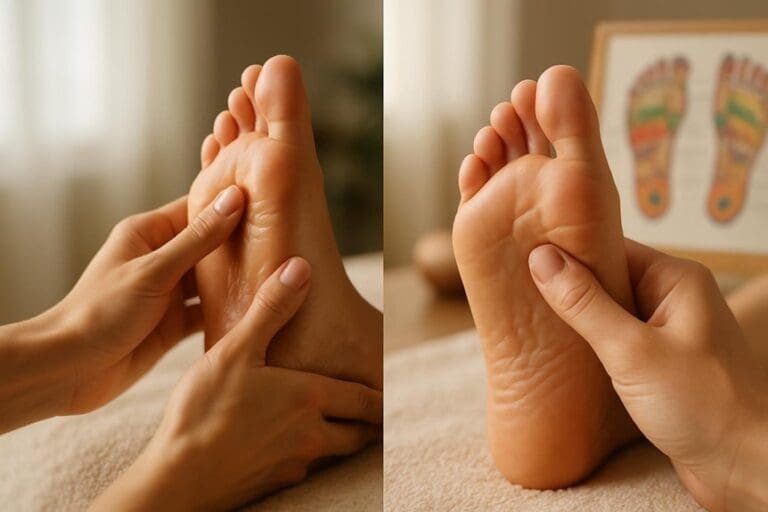
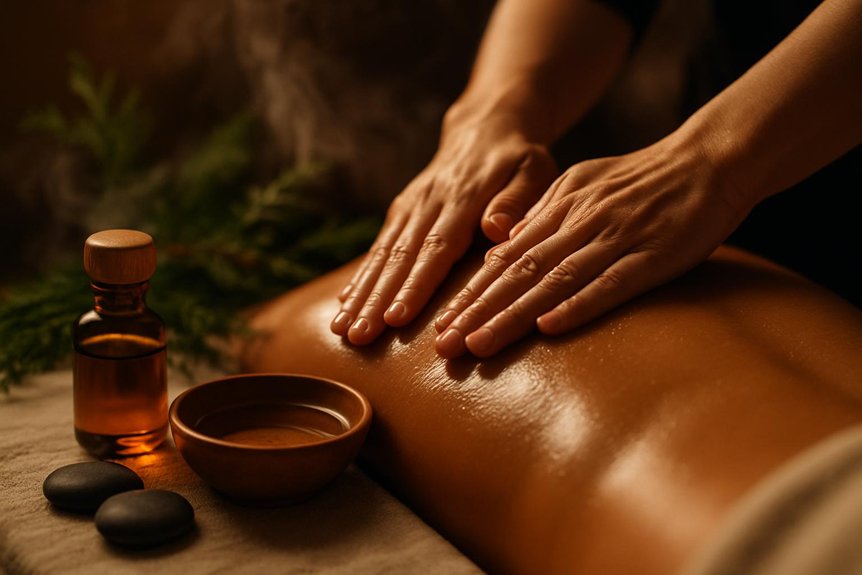
In essential oil massage, cedarwood essential oil is used diluted in a carrier oil to support relaxation and reduce perceived stress through its warm, woody scent. Small studies and clinical experience suggest it may encourage a calmer autonomic state, especially when paired with slow, steady massage strokes. It is commonly applied to the neck, shoulders, back, hips, or feet to promote comfort and soften tension indirectly. Use requires screening for asthma, pregnancy, and fragrance sensitivity. Further details cover safe dilution, placement, and aftercare.
Cedarwood Oil Massage: Benefits at a Glance
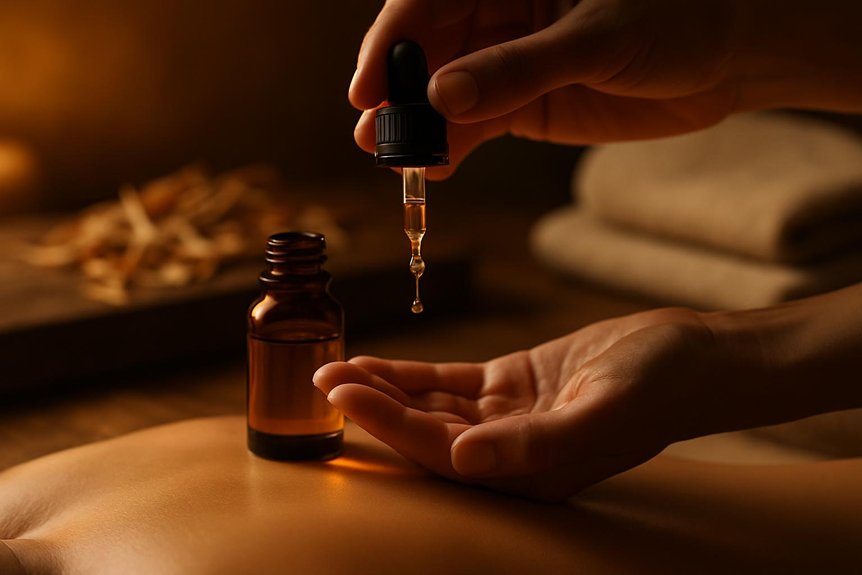
When used appropriately in essential oil massage, cedarwood essential oil is commonly selected for its calming scent profile and potential functional benefits. At Spa & Massage clinics across London, it is typically offered to support relaxation, improve perceived comfort, and encourage a grounded, intimate sense of ease during close-contact bodywork. Evidence for essential oils is mixed, so benefits are framed as supportive rather than curative.
At a glance, clients may report reduced stress, easier breathing sensations from gentle inhalation, and improved sleep readiness after treatment. Some also prefer it for its warm, woody aroma that can enhance emotional safety and connection. Many therapists combine scent and touch using aromatherapy massage tips to help clients relax and heal during a session.
Practical safety priorities include proper dilution in a carrier oil, avoidance on broken skin, and patch testing for sensitive clients. Pregnancy and asthma require individual screening by therapists.
What Does Cedarwood Oil Do in Massage?
Cedarwood essential oil primarily contributes to massage through aromatherapeutic inhalation and local skin exposure, shaping the sensory environment rather than producing a drug-like effect.
In practice, it can support a calmer autonomic state and help some clients feel more grounded, which may make touch feel safer and allow deeper relaxation during intimate, consent-led bodywork.
On skin, diluted cedarwood oil is used for its mild deodorising and soothing properties; it may help reduce the perception of irritation when friction is well controlled.
In Spa & Massage clinics, therapists blend it at low concentrations in a carrier oil, avoid broken skin and mucous membranes, and perform patch testing when indicated.
It is not a substitute for medical care; pregnancy, asthma, and allergies warrant extra caution.
What Cedarwood Oil Smells Like (and Why It Matters)
Cedarwood oil is typically characterised by a woody, warm aroma with earthy notes and subtle smoky or balsamic nuance, which can influence perceived comfort during essential oil massage.
Because scent perception is closely linked to mood and autonomic arousal, this profile is often selected to support relaxation, provided the client finds it pleasant and non-irritating.
At Spa & Massage clinics, therapists confirm scent preference and screen for sensitivities before use, as individual tolerability determines both safety and the likelihood of a positive emotional response.
Woody, Warm Aroma
Forest-resin warmth defines the characteristic scent profile of cedarwood oil: dry, woody, and gently balsamic, often perceived as grounding rather than bright or sweet.
In essential oil massage, this profile matters because olfactory cues can influence relaxation and perceived safety, supporting a calm, intimate treatment environment without feeling cloying.
At Spa & Massage clinics across London, therapists may select cedarwood when clients request a warm, close-to-skin aroma that pairs well with slower, pressure-led techniques.
Safety remains central: cedarwood is used only in properly diluted blends, with a patch test advised for sensitive skin and avoidance on irritated areas.
Clients who are pregnant, asthmatic, or fragrance-reactive are encouraged to disclose this during consultation for suitable alternatives.
Earthy Notes And Nuance
Beyond its warm, close-to-skin character, the aroma is often described as earthy and softly smoky, with dry pencil-shaving notes and a faint balsamic sweetness that can read as “clean” rather than perfumed.
This nuance matters in essential oil massage because cedarwood can sit unobtrusively in the background, supporting a sense of privacy and groundedness without dominating the room or clashing with personal fragrance.
In Spa & Massage clinics, therapists typically blend it with lighter notes only when appropriate, aiming for a scent that feels intimate yet neutral.
From a safety standpoint, the oil should be properly diluted in a carrier to reduce irritation risk, and patch testing is prudent for sensitive skin.
Quality sourcing and storage help preserve a consistent scent profile.
Scent’s Effect On Mood
In essential oil massage, scent acts as a primary sensory input that can modulate perceived stress and relaxation via learned associations and autonomic responses.
Cedarwood oil is typically described as warm, woody, and softly balsamic, which many clients interpret as grounding and emotionally steadying during close, nurturing touch.
Evidence from aromatherapy research suggests such profiles may support calmer mood states, potentially via limbic processing and reduced sympathetic arousal, though individual response varies.
At Spa & Massage clinics, therapists introduce cedarwood gradually and confirm preference before full-body application, as dislike can increase tension.
For safety, cedarwood is always diluted in a carrier oil and avoided on irritated skin.
Clients who are pregnant, sensitive, or asthmatic are advised to request a patch test or fragrance-light options.
Cedarwood Oil for Stress, Anxiety, and Sleep
Calm is often the primary outcome sought when cedarwood essential oil is used in essential oil massage for stress, anxiety, and sleep support.
In clinical terms, its woody aroma may reduce perceived stress and support relaxation, with limited human evidence suggesting mild sedative effects.
At Spa & Massage clinics across London, therapists may include cedarwood in bespoke blends to encourage slower breathing and a softened sense of vigilance, particularly during long, connected strokes that feel reassuring and close.
For safety, it is diluted in carrier oil, patch-tested when indicated, and avoided on irritated skin.
Clients who are pregnant, managing asthma, or using sedatives should seek medical advice first.
Post-treatment, lower light, hydration, and reduced screen time can help sustain the effect.
Why Cedarwood Oil Feels Grounding to the Nervous System
Many clients who use cedarwood oil for stress reduction and sleep support also describe a “grounded” sensation, which can be framed as a shift toward parasympathetic dominance and reduced autonomic arousal. In essential oil massage, slow inhalation of woody sesquiterpene-rich aromas may modulate limbic processing, while steady, reassuring touch supports interoception and safety cues. Evidence remains mixed, yet small studies and clinical experience suggest cedarwood can reduce perceived tension and improve calm when paired with massage.
At Spa & Massage clinics across London, therapists typically dilute cedarwood appropriately and monitor comfort, as skin sensitivity can occur. It is avoided around eyes, and clients who are pregnant, asthmatic, or highly reactive to fragrance are assessed individually for suitability and alternatives.
Cedarwood Oil for Sore, Tight Muscles
Target sore, tight muscles with cedarwood oil by using it as an adjunct to hands-on tissue work rather than as a standalone remedy. In Spa & Massage clinics, therapists may include a low dilution in carrier oil to support slow, warming strokes over guarded areas, while clinical pressure and pacing address trigger points and fascia.
Evidence for essential oils in pain is mixed, yet many clients report improved comfort when aroma and touch are paired, likely via relaxation-mediated reductions in protective muscle tone. Safety remains primary: avoid neat application, patch test when sensitive, and keep total dilution conservative, especially for pregnancy or asthma.
Cedarwood’s woody scent can feel intimate and reassuring, helping clients breathe steadily during deeper work. Aftercare includes hydration and gentle movement.
Cedarwood Oil for Skin: Balance and Softness
Cedarwood oil is sometimes used in essential oil massage to support skin comfort, with a particular focus on helping rebalance oily or acne-prone areas while improving the feel of dry, rough patches.
At Spa & Massage clinics, therapists use only properly diluted cedarwood in a suitable carrier and avoid application on broken or inflamed skin, reflecting standard safety practice and the limited clinical evidence for direct acne treatment.
Patch testing and conservative dosing are recommended to reduce irritation risk, especially for sensitive skin.
Balancing Oily Or Acne-Prone Skin
In essential oil massage, cedarwood essential oil is sometimes selected for oily or acne‑prone skin because its astringent profile may help reduce the appearance of excess sebum while supporting a softer skin feel. It is not a medical acne treatment, yet some clients find it complements a calm, close‑contact massage routine.
At Spa & Massage clinics, therapists typically dilute cedarwood in a neutral carrier oil and avoid applying it to broken, inflamed, or actively infected skin. A patch test is advised, and facial work is kept light, with strict hand hygiene to limit pore occlusion.
For acne‑prone clients, massage is focused on relaxation and stress reduction, as stress can aggravate blemishes. Clients are advised to shower after treatment and avoid comedogenic products.
Soothing Dryness And Roughness
While cedarwood oil is sometimes chosen to help manage the look of excess sebum, it may also suit clients who experience dry, rough, or weather-stressed skin when used appropriately.
In essential oil massage, it is typically diluted into a nourishing carrier oil to support slip and help reduce the feel of tightness, with gentle, slow strokes that protect an already compromised skin barrier.
Evidence for direct moisturising effects is limited, so Spa & Massage therapists position cedarwood as a supportive aromatic alongside emollient carriers, rather than a standalone treatment for dryness.
A conservative dilution (about 0.5–1%) and a patch test are recommended, especially for sensitive skin.
It should be avoided on broken skin, and discontinued if stinging, redness, or itching occurs.
Who Should Avoid Cedarwood Oil in Massage?
Although cedarwood oil is generally well tolerated when properly diluted, certain groups should avoid its use in massage due to higher risk of irritation, sensitisation, or adverse reactions.
Individuals with a known allergy to cedar, conifers, or fragrance components, or with prior essential-oil dermatitis, should not be exposed.
Those with active eczema, psoriasis flares, broken skin, recent shaving, or intimate micro‑irritation may experience stinging and should avoid it until skin is calm.
Pregnant or breastfeeding clients, and children, are typically managed with extra caution; avoidance is prudent unless cleared by a clinician.
People with asthma, migraine triggered by scent, or multiple chemical sensitivity may react to aromatic intensity.
Spa & Massage therapists screen these risks to keep touch comfortable and safe.
How We Use Cedarwood Oil in Our London Clinics + Aftercare
Often, cedarwood essential oil is incorporated at Spa & Massage London clinics only after a brief consultation and skin/scent tolerance check, then applied in low, standardised dilutions within a carrier oil during essential oil massage to support relaxation and groundedness while prioritising skin safety.
In clinics across Crouch End, Bayswater, Chiswick, Earl’s Court, Belsize Park, and Richmond, therapists select dose and placement based on goals: neck/shoulders for settling tension, back/hips for steady pressure work, or feet for a calming finish.
Use is avoided on compromised skin and adjusted for sensitivity; eyes and mucosa are strictly avoided.
Aftercare: clients are advised to hydrate, keep the oil on for 2–4 hours if comfortable, avoid heat treatments that day, and report delayed irritation promptly.
Conclusion
In essential oil massage, cedarwood oil is used to support relaxation, perceived groundedness, and comfort—outcomes often sought since antiquity, when forests symbolised refuge and steadiness. Its warm, woody profile may aid stress management and sleep routines, while massage techniques address muscle tension and promote skin softness through appropriate dilution. As with any essential oil, safe practice requires patch testing when indicated, conservative concentrations, and avoidance in pregnancy, epilepsy, or known sensitivity, with individual assessment guiding use.