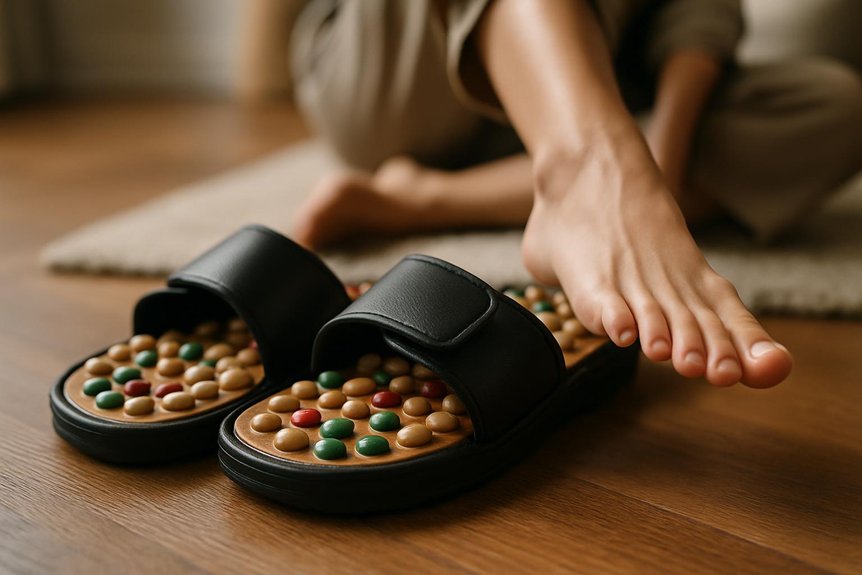
Zone therapy sandals apply mechanical pressure to plantar reflex zones, aiming to enhance peripheral circulation and reduce musculoskeletal tension. While some users report transient comfort and mild stress relief, these sandals lack the anatomical accuracy and adaptability of manual reflex therapy methods. Fixed nodules may cause discomfort if misaligned with individual foot morphology. Empirical evidence for systemic health benefits remains limited. For those seeking a more thorough understanding of zone therapy sandals’ effectiveness and safe use, further details are available below.
Understanding Reflexology and Its Principles
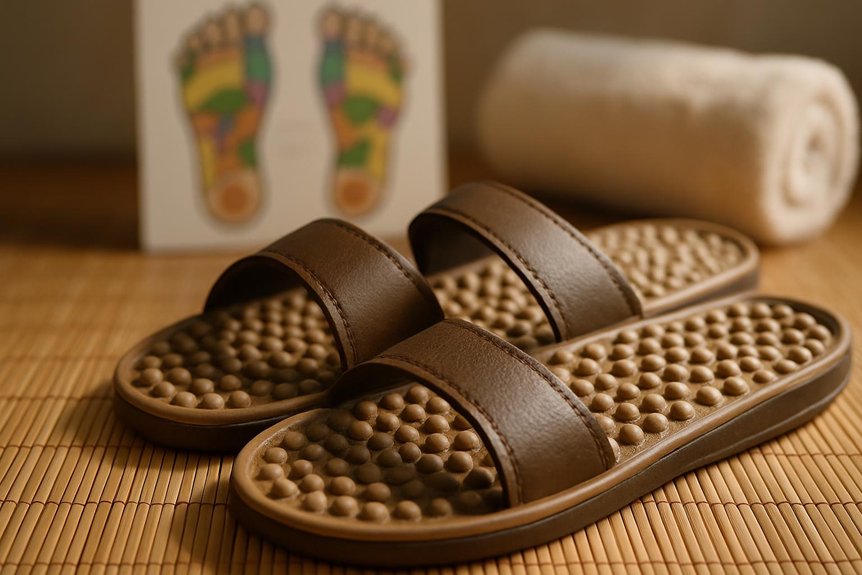
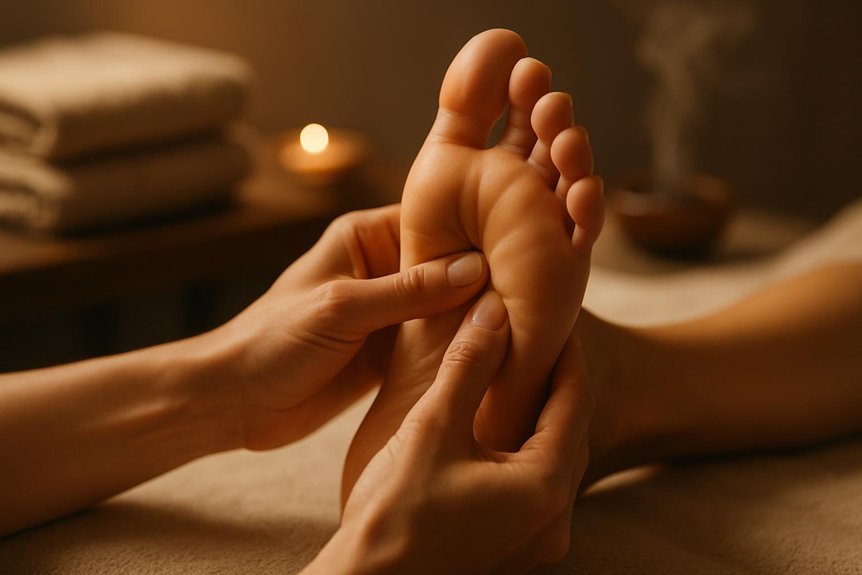
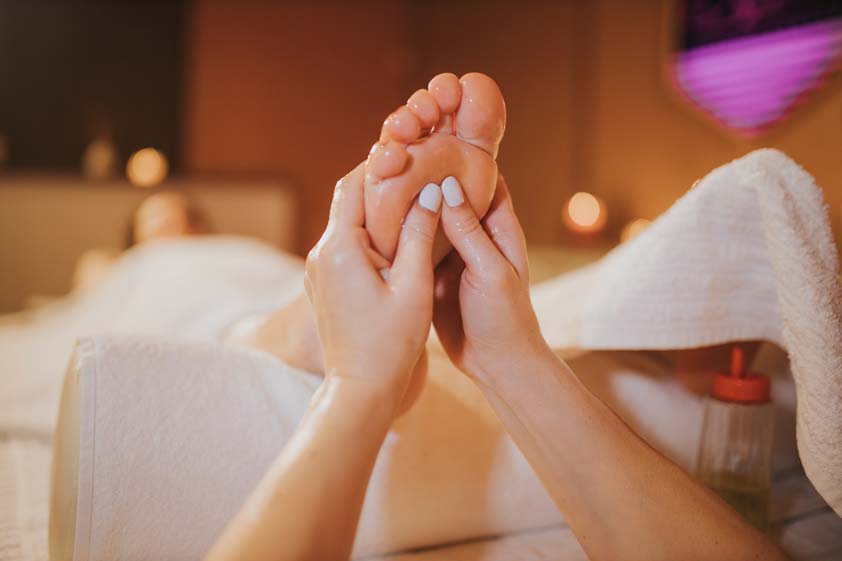
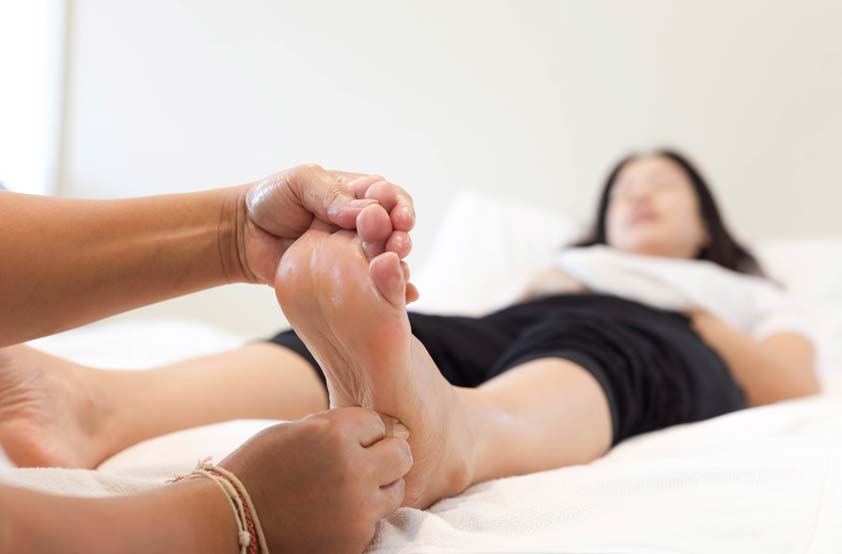
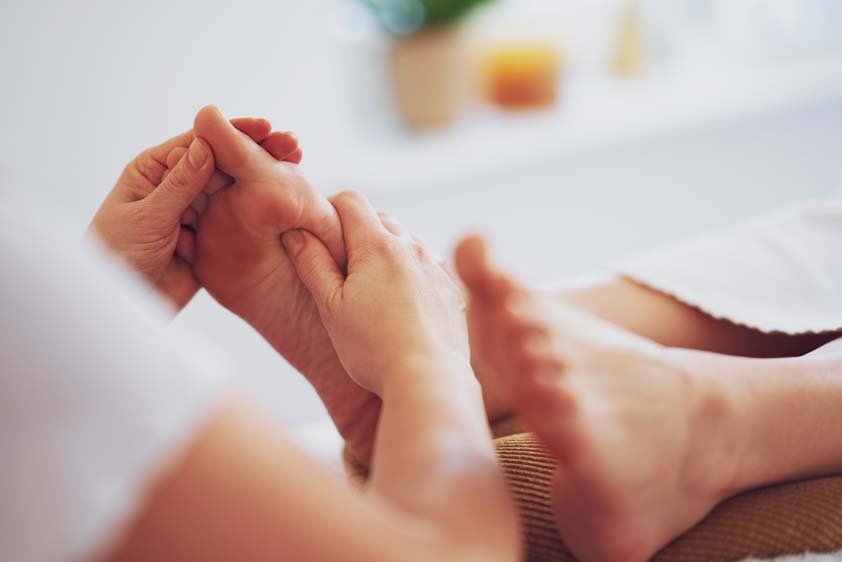
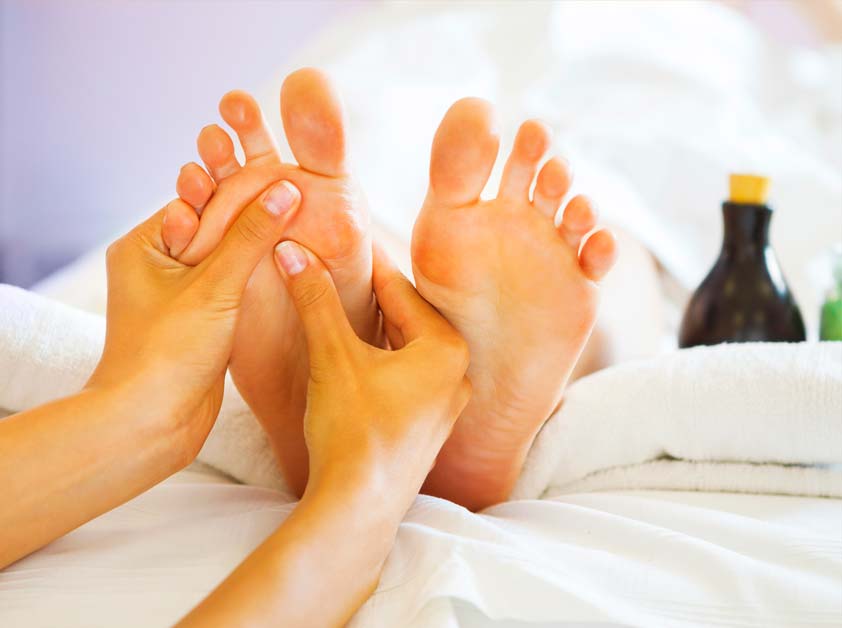
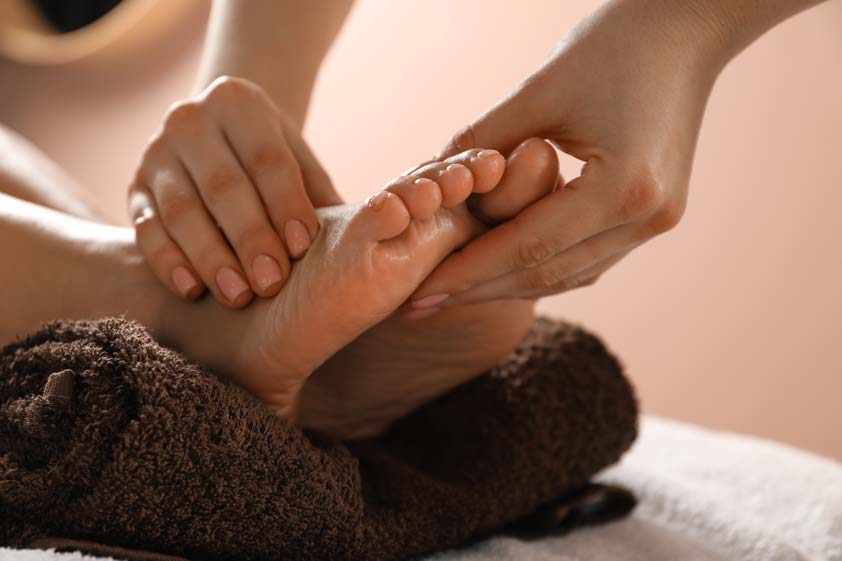
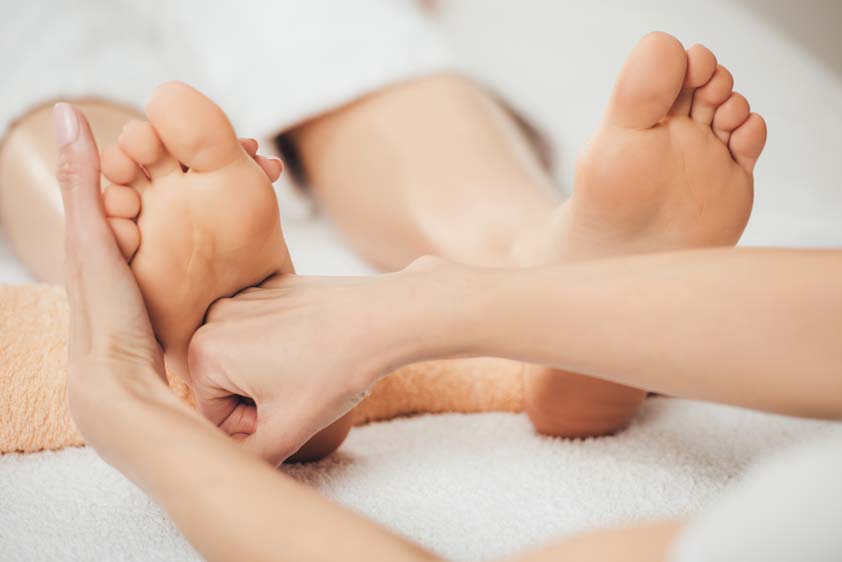
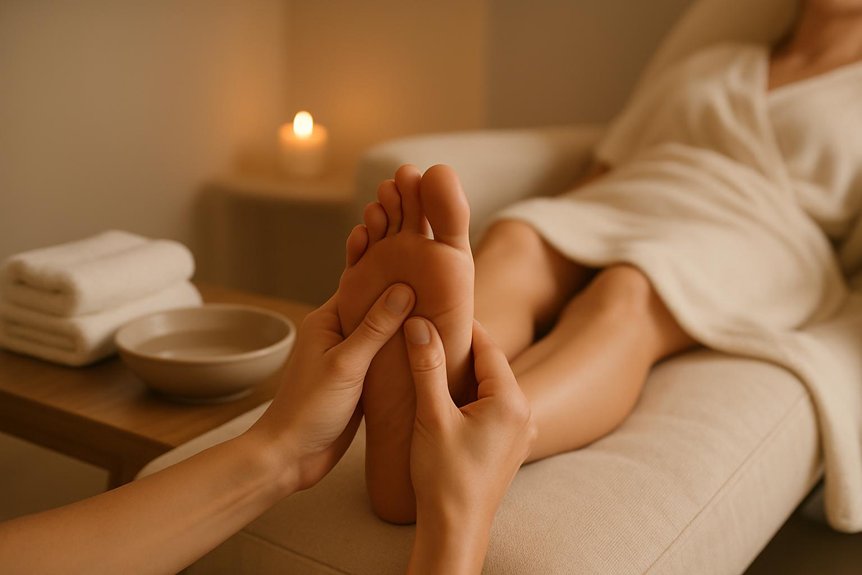
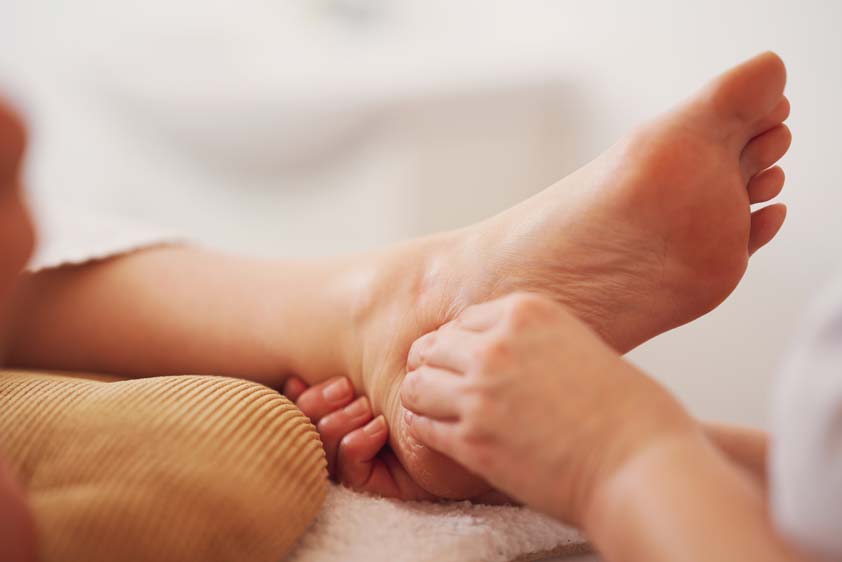
How does zone therapy exert its therapeutic effects on the body? It is a specialised manual therapy based on the theory that specific points on the feet correspond to organs, glands, and musculoskeletal structures. Through targeted pressure and manipulation, stimulation of these reflex zones is proposed to enhance neural communication, modulate autonomic nervous system balance, and promote systemic homeostasis. Practitioners at Spa & Massage employ precise palpation techniques to elicit relaxation responses and encourage improved peripheral circulation. Empirical studies suggest pressure point therapy may reduce perceived stress, alleviate pain, and improve subjective well-being, although mechanisms remain under investigation. Clients often seek pressure point therapy for its gentle, nurturing touch and the intimate sense of connectedness it fosters. In clinical settings, its integration supports holistic wellness, complementing conventional massage therapies for all-encompassing care. Many people have discovered the healing power of pressure point therapy as an accessible form of self-care and relaxation.
How the Sandals Claim to Work
The sandals are designed with strategically positioned nodules or raised points intended to stimulate specific reflex zones on the plantar surface of the feet. The concept is grounded in the anatomical mapping of the foot, where particular regions correspond to various organ systems and musculoskeletal structures.
When an individual walks or stands on these sandals, mechanical pressure is applied to designated areas such as the medial longitudinal arch, metatarsal heads, and calcaneal region. This targeted compression is theorized to trigger sensory nerve endings, modulating neural pathways and promoting perceived homeostasis.
In Spa & Massage clinics, therapists emphasize precise stimulation of these zones during pressure point therapy sessions, aligning with a holistic approach. Reflex therapy sandals attempt to replicate these manual techniques in a wearable form, offering continuous, passive stimulation outside the clinical setting.
Potential Benefits and Limitations
While reflex therapy sandals may offer localized stimulation to plantar reflex zones, their efficacy is largely influenced by the precise alignment and depth of the nodules relative to individual foot morphology.
For some, intermittent pressure applied to areas such as the medial longitudinal arch or metatarsal heads may transiently increase circulation, reduce perceived tension, and induce mild relaxation.
However, anatomical variability and fixed nodule placement can limit therapeutic outcomes and even contribute to discomfort or irritation, particularly for those with sensitive soles or underlying pathologies.
Unlike tailored manual pressure point therapy performed by trained therapists at Spa & Massage, sandals cannot adjust pressure or target specific reflex points with clinical precision.
Therefore, while modest benefits may be experienced, consistent, evidence-based foot care typically requires a more personalized and adaptable approach.
Spa & Massage Perspective on Foot Health and Pressure Point Therapy
At Spa & Massage, ideal foot health is regarded as essential for systemic well-being, given the dense concentration of nerve endings, vascular networks, and musculoskeletal structures within the feet.
The clinical approach underscores that targeted foot stimulation, as practiced in pressure point therapy, may enhance local circulation, modulate neural pathways, and promote parasympathetic activity.
Massage sessions at the clinics employ precise manual techniques, calibrated to individual anatomical differences, to address tension and discomfort along plantar fascia, metatarsals, and intrinsic muscles.
Therapists observe that clients often report a profound sense of relaxation and improved lower limb function following regular sessions.
From an evidence-based perspective, this attention to foot architecture and neural connectivity aligns with Spa & Massage’s philosophy of fostering holistic wellness through specialized, attentive care.
Tips for Safe and Effective Use
Given the intricate anatomy of the foot and the concentration of mechanoreceptors within the plantar surface, consistent and mindful use of pressure point therapy sandals is recommended to maximise therapeutic benefit while minimising risk.
Initiating use with short, incremental sessions allows gradual adaptation of the plantar fascia, intrinsic musculature, and neural pathways. Spa & Massage therapists advise monitoring for discomfort, erythema, or altered gait as indicators of excessive stimulation.
Clients are encouraged to wear sandals on clean, dry skin to prevent irritation, and to avoid prolonged use if neuropathy or vascular compromise is present.
Alternating pressure point therapy sandals with barefoot ambulation or supportive footwear can optimise proprioceptive input while reducing mechanical fatigue.
Regular consultation with a foot health professional enhances individual safety and customises the pressure point therapy experience.
Conclusion
Briefly, pressure point therapy sandals may provide slight stimulation to plantar pressure points, potentially aiding foot comfort and relaxation. However, clinical data remains limited; a 2020 study showed only 35% of users reported lasting relief from foot fatigue. While these sandals can complement professional interventions, they should not substitute evidence-based treatments for complex musculoskeletal or neurological conditions. Consulting with a qualified therapist guarantees personalized care and ideal outcomes for foot health and overall well-being.