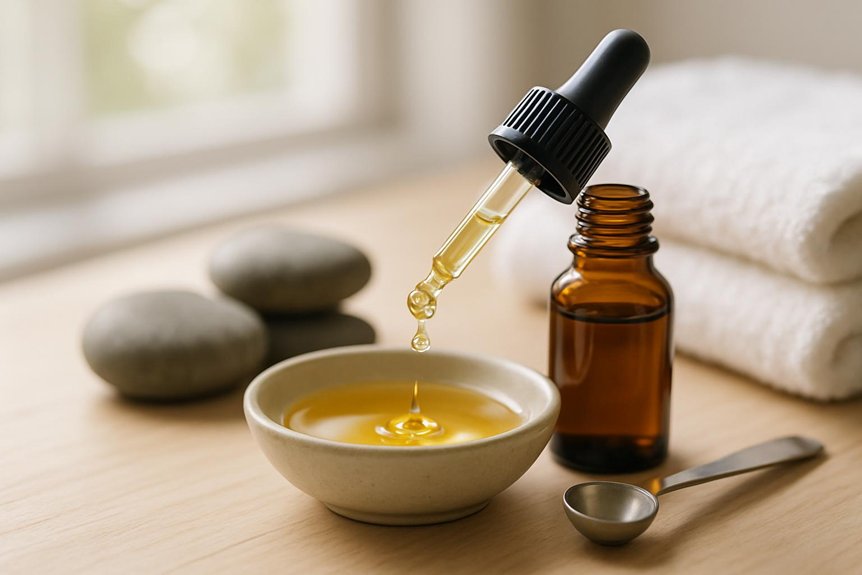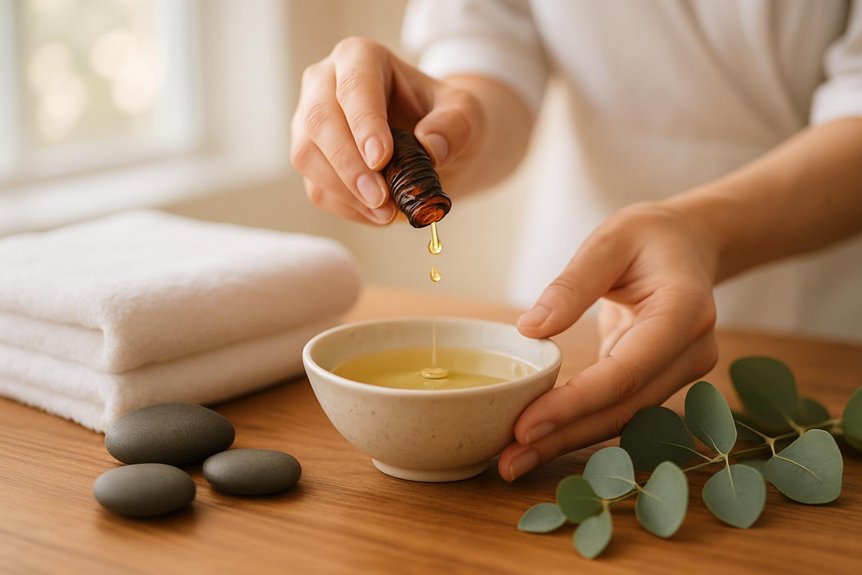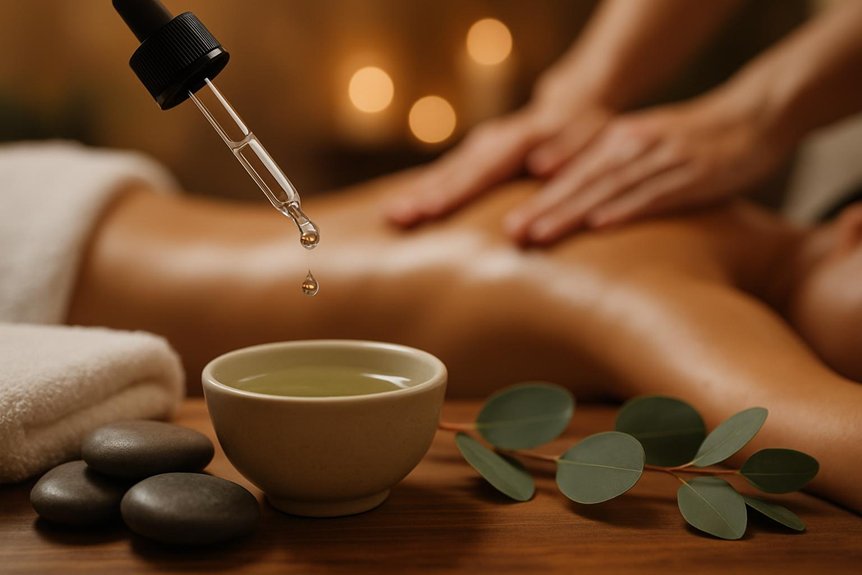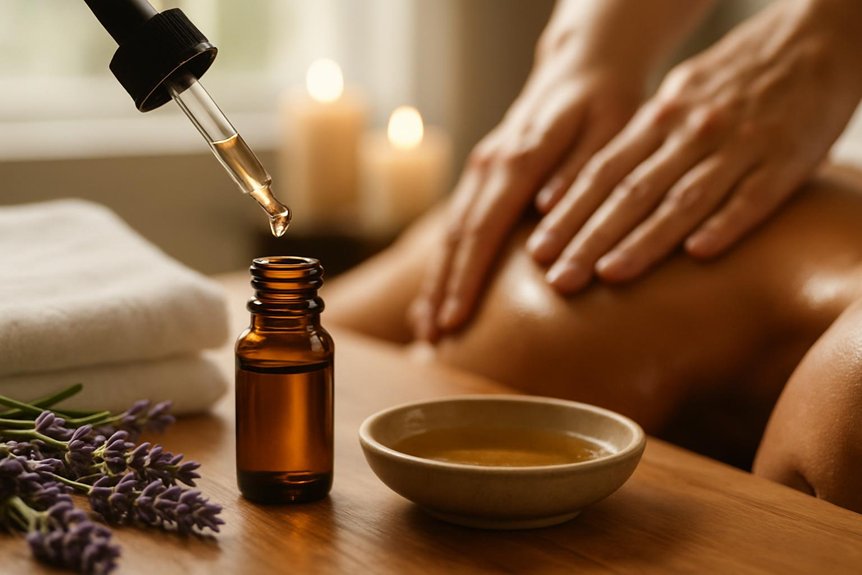
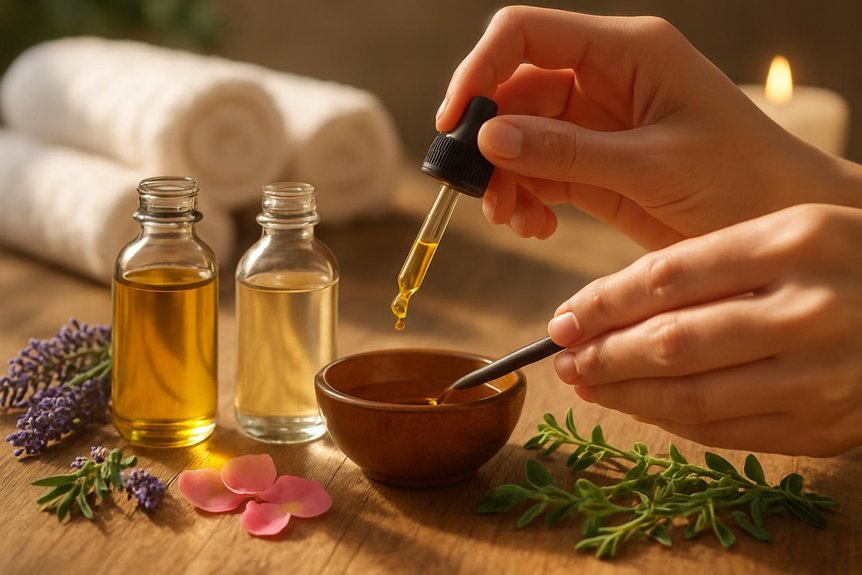
The best carrier oil for it is sweet almond oil due to its hypoallergenic profile, gentle texture, and high skin compatibility. It provides excellent glide and nourishment, making it safe for most skin types, including sensitive skin. Its emollient properties support hydration while facilitating even essential oil distribution. Alternatives such as grapeseed and jojoba oil also offer unique skin benefits and stability. Further information can guide tailored choices based on skin type and therapeutic goals.
Understanding the Role of Carrier Oils in Aromatherapy Massage
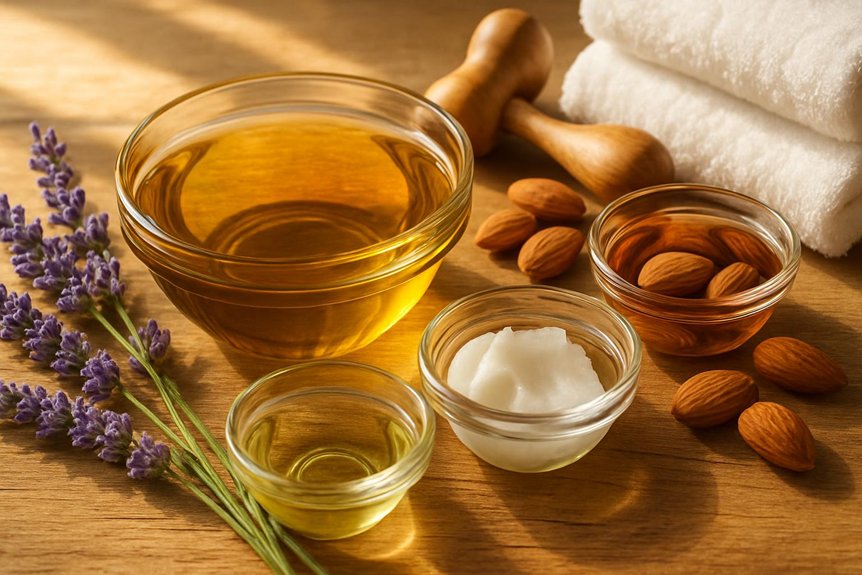
In essential oil massage, carrier oils serve as the foundational medium for safely diluting and delivering essential oils to the skin. Essential oils are highly concentrated plant extracts and, without dilution, may cause irritation or sensitisation.
Carrier oils enable a controlled, even distribution of these potent essences, enhancing both safety and efficacy. At Spa & Massage clinics, therapists select carrier oils that facilitate a smooth glide during massage, promote preferable absorption, and complement the client’s skin type and treatment goals.
The gentle emollient properties of carrier oils also help nourish the skin, supporting hydration and comfort throughout the massage experience. By expertly blending essential oils with appropriate carrier oils, therapists create a personalised, soothing environment that nurtures both body and mind, enhancing overall therapeutic benefit. For those looking to relax and heal with a tailored approach, understanding the role of carrier oils is fundamental to a truly effective essential oil massage.
Key Qualities to Look for in a Carrier Oil
When choosing a carrier oil for aromatic massage therapy, absorption rate, texture, and skin compatibility are essential considerations.
In practice at Spa & Massage clinics, therapists prioritize oils that absorb efficiently without leaving excessive residue and that suit a wide range of skin types, including sensitive skin. This approach helps assure both the effectiveness of the massage and client safety throughout the treatment.
Absorption and Texture
How does the absorption rate and texture of a carrier oil influence the quality of an essential oil massage?
The absorption rate determines how quickly the oil penetrates the skin, directly affecting the glide, warmth, and tactile closeness experienced during treatment. A medium absorption rate is often preferred by therapists at Spa & Massage, as it allows ample time for slow, deliberate strokes that promote connection without leaving an overly greasy residue.
Texture is equally important; a smooth, non-sticky oil enhances the gentle, soothing feel essential for intimate relaxation. In professional practice, choosing an oil with balanced viscosity ensures safe handling and ideal control, preventing excessive slip or drag.
This careful selection fosters a nurturing environment, amplifying the physical and emotional benefits of essential oil massage.
Skin Compatibility
A carrier oil’s compatibility with various skin types is a fundamental consideration for safe and effective essential oil massage. Individuals may present with sensitive, oily, dry, or combination skin, each requiring a thoughtful approach to prevent irritation or breakouts.
At Spa & Massage, therapists carefully select carrier oils that are hypoallergenic and non-comedogenic, minimizing the risk of adverse reactions. Oils such as sweet almond, grapeseed, and jojoba are frequently chosen for their gentle, nourishing properties and low likelihood of clogging pores.
Those with nut allergies or highly reactive skin benefit from alternatives like sunflower or coconut oil.
Popular Carrier Oils Used by Our Therapists
At Spa & Massage, therapists frequently select carrier oils such as sweet almond, grapeseed, and jojoba for their distinct therapeutic profiles and skin compatibility.
Sweet almond oil is valued for its emollient properties.
Grapeseed oil offers a lightweight texture and is rich in antioxidants.
Jojoba oil is often chosen for its hypoallergenic qualities and ability to suit a wide range of skin types.
Sweet Almond Oil Benefits
Among the carrier oils selected by therapists at Spa & Massage, sweet almond oil is recognised for its excellent skin compatibility, lightweight texture, and nutrient-rich composition.
This oil contains high levels of oleic and linoleic acids, which support the skin barrier and promote hydration.
Rich in vitamins A and E, sweet almond oil assists in maintaining skin elasticity and soothes mild irritation, making it suitable for sensitive or dry skin types.
The oil’s smooth glide enhances massage techniques, providing a comforting touch without leaving a heavy residue.
Therapists appreciate its hypoallergenic profile, though a careful consultation is always advised for clients with nut allergies.
At Spa & Massage, this carrier oil is often chosen to create a gentle, nurturing foundation for aromatherapy treatments.
Grapeseed Oil Properties
Grapeseed oil is a widely utilised carrier oil by therapists at Spa & Massage due to its light texture, rapid absorption, and non-comedogenic profile. This oil is rich in linoleic acid, making it especially suitable for sensitive or congested skin types.
Its molecular structure allows for a gentle glide during massage while leaving minimal residue, supporting excellent skin breathability. Therapists select grapeseed oil when a client desires a discreet, non-greasy after-feel or is prone to breakouts.
Its hypoallergenic nature reduces the risk of irritation, aligning with Spa & Massage’s commitment to client safety and comfort. The subtlety of grapeseed oil’s scent permits full enjoyment of essential oil aromas, fostering a personalised, intimate aromatherapy experience tailored to individual wellness needs.
Jojoba Oil Versatility
Due to its unique molecular structure, jojoba oil is highly valued by therapists at Spa & Massage for its exceptional compatibility with the skin’s natural sebum. This similarity allows jojoba oil to absorb efficiently, supporting hydration without occlusion or irritation.
Clinical evidence suggests its hypoallergenic and non-comedogenic properties make it suitable for sensitive skin, a critical consideration in essential oil massage.
Jojoba oil’s stability ensures it resists rancidity, maintaining safety and efficacy throughout treatment.
In Spa & Massage clinics, therapists frequently use jojoba oil as a carrier for essential oils, enhancing the therapeutic experience while minimizing risk of adverse reactions.
Its gentle texture and subtle scent create an intimate yet safe environment, aligning with the spa’s commitment to both client comfort and ideal results.
Skin Types and Choosing the Right Carrier Oil
Selecting the appropriate carrier oil for essential oil massage requires careful consideration of individual skin types to guarantee ideal absorption, comfort, and skin health.
At Spa & Massage, therapists assess whether a client’s skin is dry, oily, sensitive, or combination to determine the most compatible carrier oil.
For dry or mature skin, richer oils like avocado or sweet almond provide deep nourishment and aid moisture retention.
Oily or acne-prone skin benefits from lightweight, non-comedogenic options such as grapeseed or jojoba, minimising pore blockage.
Sensitive skin responds best to hypoallergenic oils like rice bran or apricot kernel, which reduce irritation risks.
This tailored approach ensures each massage not only delivers relaxation but also upholds perfect skin balance, safety, and an enhanced therapeutic experience.
How Carrier Oils Enhance Essential Oil Benefits
While essential oils are highly concentrated and potent, their direct application to the skin can cause irritation or adverse reactions. Carrier oils serve as a vital medium, diluting essential oils to a safe concentration for topical use.
This dilution not only minimizes risk but also facilitates even distribution across the skin, enhancing absorption. In Spa & Massage clinics, therapists carefully select carrier oils with ideal viscosity and nutrient content, ensuring they complement both the therapeutic properties of the essential oils and the individual’s skin type.
Carrier oils also provide their own moisturizing and soothing benefits, supporting the skin’s barrier function. By blending essential oils into carrier oils, the overall essential oil massage experience becomes safer, more nourishing, and tailored to each client’s comfort and wellbeing.
Tips for Safe Use and Storage of Carrier Oils
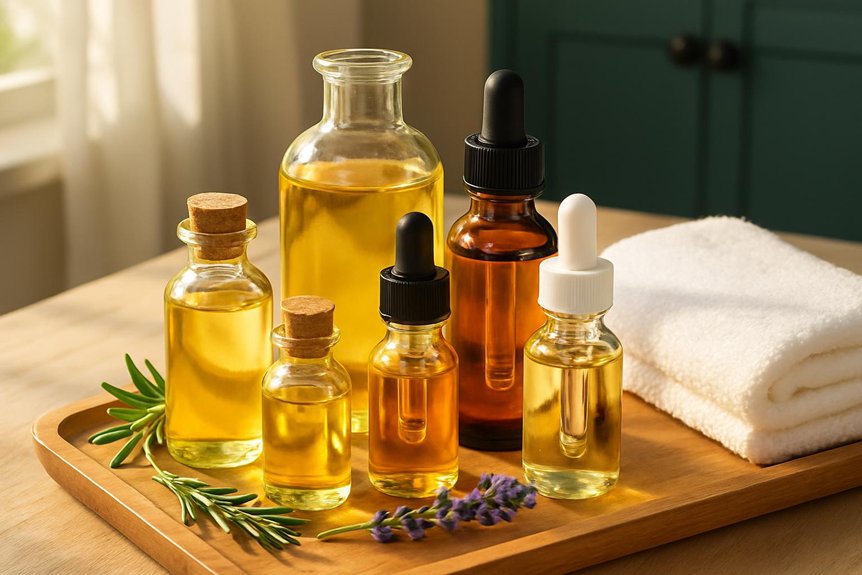
Proper usage and storage of carrier oils directly impact both the safety and effectiveness of essential oil massage treatments.
Carrier oils are naturally prone to oxidation, which can diminish their therapeutic qualities and introduce the risk of skin irritation.
Spa & Massage therapists recommend storing carrier oils in tightly sealed, dark glass bottles, away from direct sunlight and heat sources, to preserve their freshness and potency.
Refrigeration can further extend shelf life for certain delicate oils, such as grapeseed or evening primrose.
Oils should always be dispensed with clean hands or sterile tools to prevent contamination.
Clients are advised to check expiration dates and note any changes in aroma, color, or texture, as these may indicate spoilage.
Proper care ensures a consistently safe, nurturing experience.
Our Top Recommendations for a Relaxing Aromatherapy Experience
A carefully chosen combination of carrier oils and essential oils forms the foundation of an effective essential oil massage. At Spa & Massage, therapists frequently recommend sweet almond oil for its gentle glide, hypoallergenic properties, and vitamin-rich profile—ideal for most skin types.
Grapeseed oil is another popular selection, noted for its lightweight texture and rapid absorption, minimizing residue while nourishing the skin. For clients seeking extra hydration, jojoba oil closely mimics the skin’s natural sebum, making it suitable for sensitive or dry skin.
Each oil is selected based on individual needs, preference, and any sensitivities. All oils used in treatments at Spa & Massage are cold-pressed and stored properly to maintain purity, ensuring a relaxing, safe, and nurturing experience for every client.
Conclusion
In the domain of essential oil massage, the importance of selecting the right carrier oil cannot be overstated—after all, isn’t the foundation upon which essential oils work their magic just as vital as the oils themselves? By prioritising skin compatibility, therapeutic goals, and evidence-based safety, therapists guarantee each massage is both effective and gentle. Ultimately, informed choices empower clients and practitioners alike, transforming every session into a truly tailored, relaxing, and safe experience.