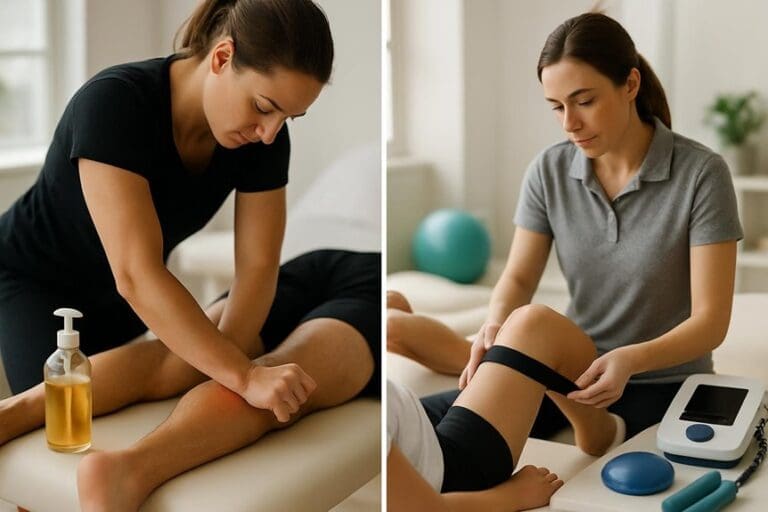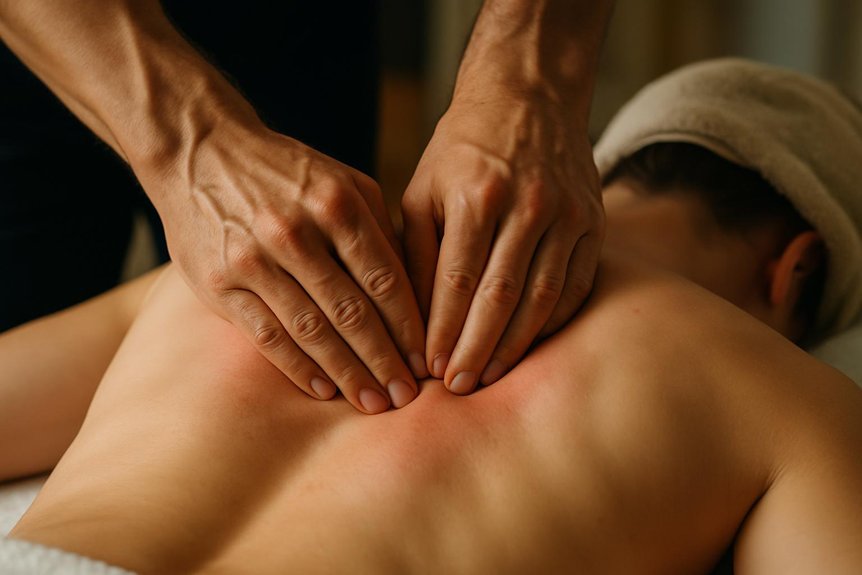
It is a clinically validated technique for alleviating muscle knots, also known as myofascial trigger points. By applying sustained, precise pressure and targeted manual methods, it disrupts adhesions, increases localized blood flow, and restores tissue pliability. This approach effectively addresses underlying muscular tension and persistent discomfort. Musculoskeletal symptoms often improve as a result, with enhanced mobility and relief from chronic pain. Further exploration will detail the underlying mechanisms, therapeutic techniques, and aftercare strategies.
Understanding Muscle Knots and Their Causes

How do muscle knots, medically referred to as myofascial trigger points, develop within the soft tissues? These hyperirritable nodules form when muscle fibres contract and fail to release, often due to repetitive strain, poor posture, or sustained tension.
Insufficient blood flow and localized metabolic stress contribute to the sensitization of nerve endings in the affected area, resulting in palpable tightness and discomfort. At Spa & Massage, therapists frequently encounter clients experiencing restricted movement and localized pain linked to these trigger points.
Contributory factors include physical overuse, emotional stress, or inadequate recovery following injury. Without timely intervention, these taut bands can perpetuate dysfunctional movement patterns and aggravate chronic musculoskeletal discomfort, emphasizing the importance of targeted assessment and therapeutic care within an expert clinical setting. In many cases, addressing these muscle knots may require deep tissue massage techniques, which are specifically designed to target and release deeply held tension in the muscle and connective tissue.
How Deep Tissue Massage Targets Muscle Knots
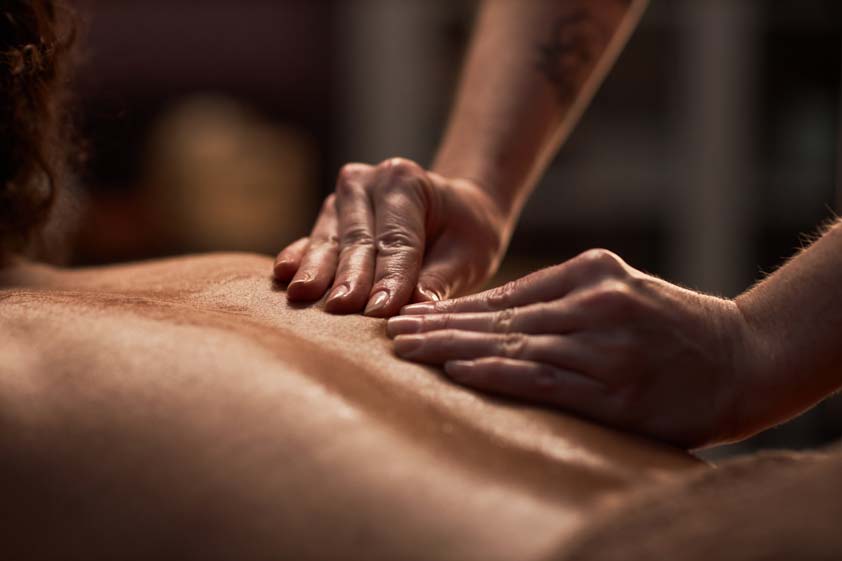
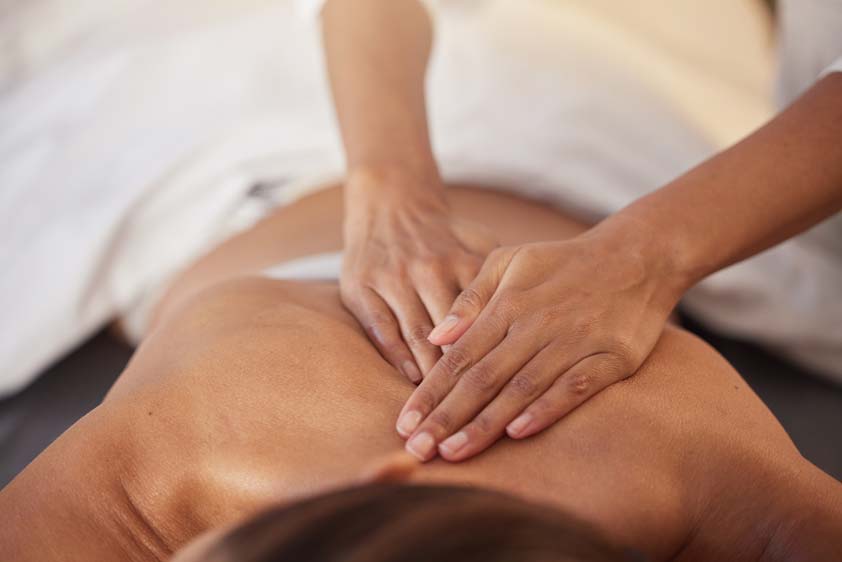
It addresses muscle knots by applying sustained, targeted pressure to adhesions formed within muscle fibers. This technique, utilized by therapists at Spa & Massage, disrupts myofascial restrictions and promotes localized circulation.
This facilitates the release of tension. Clinical evidence indicates that focused pressure not only alleviates discomfort but also enhances overall musculoskeletal function.
Understanding Muscle Knot Formation
Although muscle knots—clinically referred to as myofascial trigger points—can develop due to repetitive strain, poor posture, or acute injury, their underlying pathology involves localized areas of muscle fiber contraction and restricted blood flow.
These hyperirritable nodules form when muscle fibers remain in a sustained state of tension, disrupting normal circulation and leading to an accumulation of metabolic waste.
Clients at Spa & Massage frequently report sensations of tenderness, referred pain, and stiffness associated with these trigger points.
Left unaddressed, such knots may perpetuate a cycle of discomfort and compensatory movement patterns.
Understanding this mechanism is essential for accurate assessment and tailored intervention.
In our clinics, therapists employ thorough palpation and client feedback to identify the precise location and characteristics of muscle knots before proceeding with targeted treatment strategies.
Techniques for Knot Release
Effective management of myofascial trigger points relies on targeted manual therapy techniques that disrupt the cycle of sustained muscle contraction and restore normal tissue function. Practitioners at Spa & Massage employ slow, deliberate strokes combined with concentrated pressure, directly addressing affected muscle fibers and surrounding fascia.
Specific methods—such as sustained pressure, cross-fiber friction, and myofascial release—are utilized to reduce localized hypertonicity and facilitate the return of normal circulation. Therapists carefully palpate the tissue to identify nodular areas and progressively increase pressure within client tolerance, always adapting technique to individual comfort and anatomical needs.
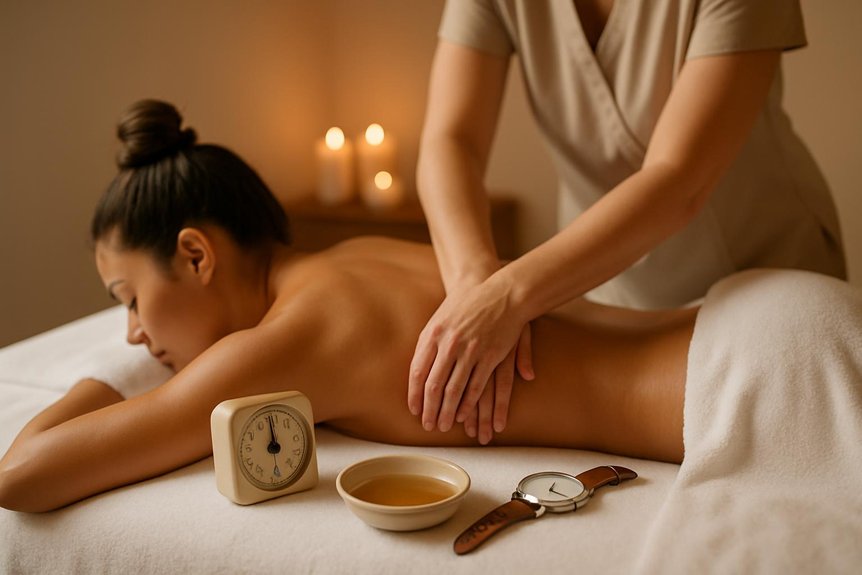
The use of hypoallergenic oils in our clinics enhances glide and precision, supporting both therapeutic intent and a sense of trust and relaxation throughout the session.
Benefits of Targeted Pressure
Precisely applied pressure plays a pivotal role in addressing muscle knots, or myofascial trigger points, by disrupting localized tension patterns and promoting tissue normalization.
It utilizes slow, deliberate strokes and sustained compression to reach sub-layer musculature and connective tissues. This targeted approach facilitates increased local circulation, reduces ischemia, and stimulates mechanoreceptors, which can diminish pain signaling and hypertonicity within affected fibers.
At Spa & Massage, therapists employ specific palpation techniques to accurately identify and apply calibrated force to dysfunctional areas, optimizing therapeutic outcomes.
Clients often experience reduced discomfort, improved range of motion, and enhanced muscular pliability following treatment.
This clinical method, grounded in anatomical understanding and professional expertise, underscores the value of individualized care in fostering both physical relief and a sense of profound bodily connection.
Techniques Used by Our Therapists to Release Knots
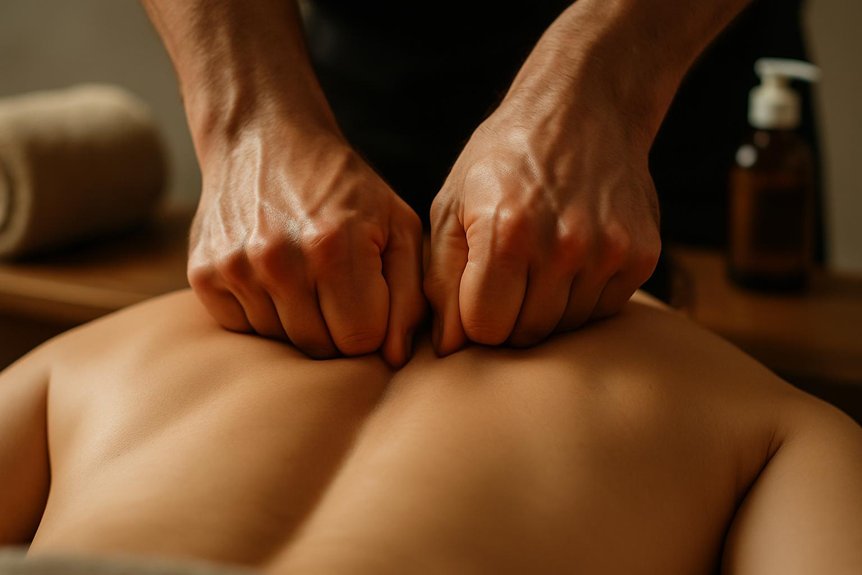
When addressing muscle knots, Spa & Massage therapists employ a combination of targeted manual techniques designed to release myofascial adhesions and restore ideal tissue mobility.
Utilising sustained deep pressure, frictional movements, and precise trigger point therapy, therapists systematically address hyperirritable nodules within muscle fibres.
Slow, deliberate strokes with focused thumb or elbow application allow practitioners to penetrate fascial layers, promoting the breakdown of adhesions and encouraging excellent blood flow.
Stretching and myofascial release are frequently integrated to elongate shortened tissues and facilitate neuromuscular relaxation.
Therapists maintain clear communication throughout, adjusting pressure in response to clients’ feedback to ensure both efficacy and comfort.
This evidence-based approach creates a therapeutic environment where chronic muscular tension can be approached with both clinical precision and mindful, attuned care.
Benefits of It for Persistent Tension
How does it alleviate persistent muscular tension?
This modality targets the deeper layers of muscle and fascia, utilizing sustained pressure and slow, deliberate strokes to disrupt chronic adhesions and restore *ideal* tissue pliability.
Clinical evidence suggests that it can *considerably* reduce myofascial trigger points, which are often implicated in persistent discomfort.
Enhanced blood flow, facilitated by these techniques, contributes to the removal of metabolic waste products and supports cellular repair.
At Spa & Massage, therapists are trained to identify areas of chronic tightness and apply tailored interventions, fostering both physiological and emotional relaxation.
Many clients report a profound sense of relief and increased mobility following treatment, attesting to the therapeutic efficacy of it in addressing entrenched muscular tension.
What to Expect During a Massage Session
During a massage session at Spa & Massage, clients undergo an initial consultation and assessment to identify specific areas of concern and treatment goals.
Therapists employ targeted manual techniques designed to address muscle adhesions and chronic tension, adjusting pressure according to client feedback.
Following the session, evidence-based aftercare and recovery recommendations are provided to optimise therapeutic outcomes and support ongoing musculoskeletal health.
Initial Consultation and Assessment
Prior to initiating a massage session at Spa & Massage, clients undergo a thorough initial consultation and assessment to guarantee ideal, individualised care. The process involves a confidential discussion of medical history, current symptoms, and specific areas of muscular discomfort, particularly regarding the presence and nature of muscle knots.
Therapists evaluate postural alignment, range of motion, and palpate affected musculature to detect tension patterns. This evidence-based assessment enables the practitioner to formulate a targeted treatment plan, ensuring clinical objectives align with the client’s unique needs and personal comfort.
The consultation phase fosters a sense of trust and emotional safety, allowing clients to express preferences, sensitivities, and expectations. This tailored approach underpins the efficacy and intimacy of every therapeutic encounter at Spa & Massage.
Techniques Applied by Therapists
Following the extensive assessment at Spa & Massage, therapists implement a carefully selected repertoire of its techniques, each chosen to address the client’s specific muscular adhesions and tension patterns.
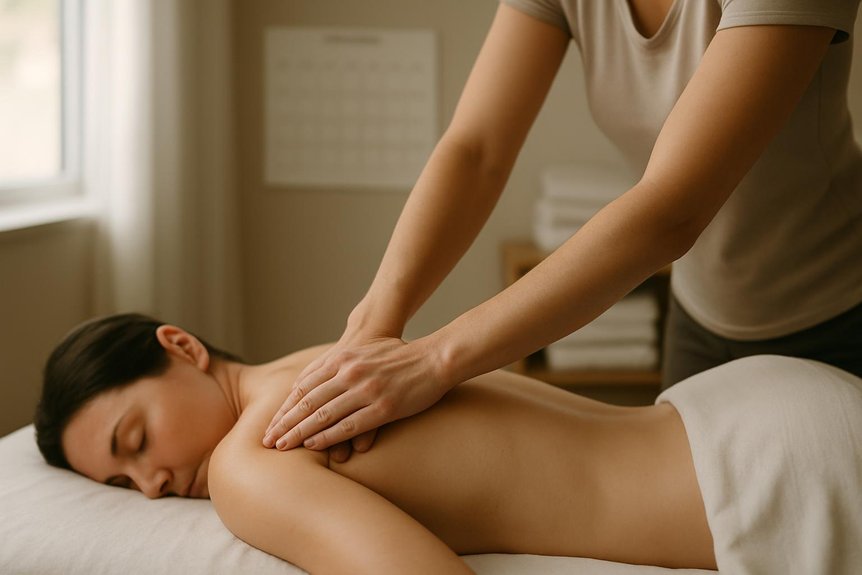
Commonly utilised methods include slow, sustained pressure with the thumbs, elbows, and forearms, targeting the myofascial structures beneath superficial muscle layers. Cross-fibre friction and longitudinal gliding strokes are applied to disrupt fibrotic tissue and enhance circulation within hypertonic zones.
Structural integration principles guide therapists in adjusting pressure and angle, ensuring that each movement is both therapeutic and considerate of the client’s comfort thresholds.
Throughout the session, communication is encouraged, fostering a collaborative environment where clients can share sensations and preferences. This facilitates a tailored, attentive approach to the relief of persistent muscle knots.
Aftercare and Recovery Tips
Although this type of massage is a highly effective intervention for alleviating muscle knots, clients should anticipate transient post-session effects as part of the physiological recovery process. Common responses include localized soreness, mild fatigue, and increased tissue sensitivity. These effects typically resolve within 24–48 hours.
At Spa & Massage, therapists recommend ample hydration to facilitate metabolic waste removal and reduce muscular discomfort. Gentle stretching and light activity are also encouraged to maintain tissue mobility and support ideal circulation.
Warm baths or targeted application of heat packs may further soothe residual tension. Clients are advised to avoid strenuous exercise immediately following treatment, allowing the body’s reparative mechanisms to function undisturbed.
Open communication with therapists regarding aftercare concerns ensures a tailored, restorative experience, fostering both physical relief and emotional reassurance.
Aftercare Tips for Sustained Relief From Knots
Effective aftercare is essential for enhancing and prolonging the therapeutic benefits of this massage in the management of muscle knots. Evidence indicates that hydration post-treatment facilitates metabolic waste removal and reduces the risk of post-massage soreness.
Spa & Massage therapists recommend gentle stretching within the first 24 hours to maintain myofascial elasticity and prevent recurrence of adhesions. Application of heat packs, as guided by the practitioner, may further improve local circulation and promote tissue recovery.
Clients are advised to avoid vigorous activity immediately after treatment to allow for ideal neuromuscular recalibration. Mindful self-care practices, including adequate rest and awareness of postural habits, support sustained relief.
At Spa & Massage, bespoke aftercare guidance is provided to foster ongoing musculoskeletal health and intimate body awareness.
When to Consider Deep Tissue Massage for Chronic Muscle Issues
Persistent myofascial discomfort and recurrent muscle knots may indicate an underlying chronic musculoskeletal imbalance requiring targeted intervention. When self-management strategies—such as stretching and ergonomic adjustments—fail to provide consistent relief, clinical evidence supports the consideration of this therapy as a therapeutic modality.
At Spa & Massage, experienced therapists assess individual patterns of tension and adapt deep tissue techniques to address persistent adhesions, reduce localized inflammation, and improve functional mobility. Clients presenting with chronic pain syndromes, postural dysfunction, or limited range of motion often benefit from a structured series of sessions.
The tactile precision and focused pressure applied during treatment are designed to release entrenched trigger points, restore tissue pliability, and promote long-term neuromuscular health, supporting a more comfortable, connected experience within one’s own body.
Conclusion
Much like a skilled gardener untangling overgrown vines, it systematically addresses muscle knots, promoting restoration and function. Clinical evidence and therapeutic expertise from Spa & Massage indicate that targeted pressure and advanced manual techniques can disrupt chronic tension, thereby improving mobility and comfort. With appropriate aftercare and professional guidance, it stands as an effective intervention for those experiencing persistent muscular knots, supporting long-term musculoskeletal health within a safe, controlled clinical environment.