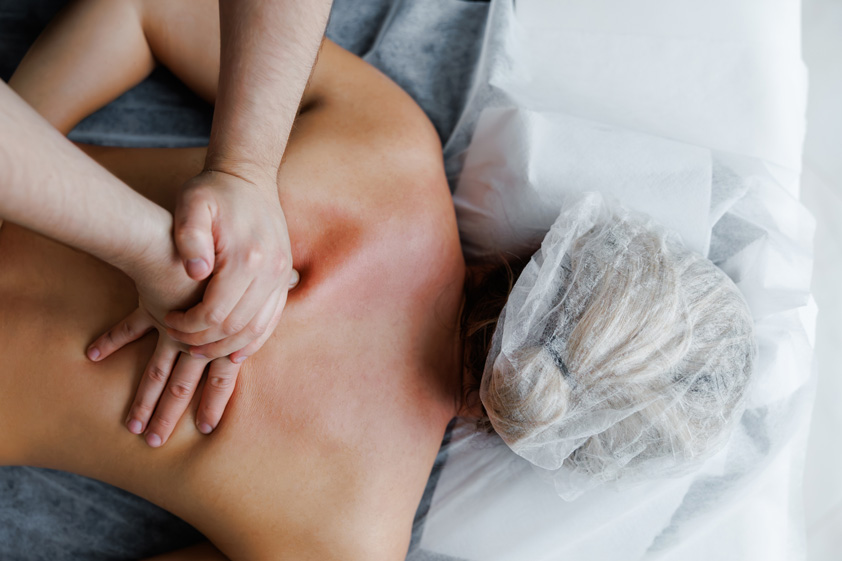

It can worsen sciatica if applied inappropriately, particularly in cases of acute nerve compression, significant inflammation, or recent trauma. Excessive pressure or incorrect technique may increase nerve irritation or muscular tension, leading to increased pain or neurological symptoms. Evaluation of symptom severity, underlying causes, and patient tolerance is vital before initiating treatment. Recognizing contraindications and adjusting approaches accordingly ensures safety. Further information highlights thorough assessment, individualized care, and guidelines for optimizing outcomes in sciatica management.
Understanding Sciatica and Its Causes

Although often described as a singular condition, sciatica refers to a set of symptoms resulting from irritation or compression of the sciatic nerve—the longest nerve in the human body.
Commonly, this manifests as unilateral pain radiating from the lower back through the gluteal region and down the posterior aspect of the leg.
Etiologies include lumbar disc herniation, spinal stenosis, spondylolisthesis, or muscular entrapment such as piriformis syndrome.
The pain is frequently accompanied by numbness, tingling, or muscular weakness.
At Spa & Massage, therapists are attentive to these clinical presentations, recognising that symptom severity and triggers vary by individual.
Accurate identification of the underlying cause is essential for effective management, as addressed in consultation prior to any tailored therapeutic intervention, ensuring each client receives informed, personalised care.
Some techniques from deep tissue massage may help alleviate muscle tension associated with sciatica when performed properly and customized to individual needs.
How It Works
Through the application of sustained, targeted pressure and slow, deliberate strokes, intensive tissue massage addresses adhesions and chronic tension in the deeper layers of muscles and fascia.
This modality employs specific techniques to manipulate underlying connective tissue, aiming to restore ideal tissue pliability and functional mobility.
At Spa & Massage, experienced therapists assess individual muscular patterns, applying informed palpation to identify and release myofascial restrictions.
The use of specialized oils in our clinics enhances tissue glide while mitigating excessive friction, supporting a precise therapeutic approach.
By methodically engaging deeper structures, practitioners facilitate the breakdown of fibrotic tissue, improve local circulation, and modulate neuromuscular tone.
This evidence-based methodology is central to the therapeutic philosophy at Spa & Massage, ensuring a personalised and attentive experience for every client.
Potential Benefits of This Therapy for Sciatica
It has been associated with significant reductions in pain intensity and improvements in functional mobility for individuals experiencing sciatica symptoms.
By targeting underlying myofascial adhesions and hypertonic muscle groups, this technique may decrease muscle tension contributing to nerve impingement.
Evidence-based practice at Spa & Massage prioritizes these therapeutic outcomes to support clients in managing discomfort and restoring daily activity levels.
Pain Relief and Mobility
It targets the deeper layers of musculature and connective tissue, aiming to disrupt pain signaling and diminish nociceptive input associated with sciatic nerve irritation.
By applying sustained, precise pressure, this technique may attenuate localized inflammation, decrease hyperalgesia, and promote the release of endogenous analgesics.
Within clinical settings such as Spa & Massage, therapists employ evidence-based protocols to individualize treatment, addressing both acute and chronic pain presentations.
As the intensity of discomfort decreases, many clients report increased confidence in movement and a restoration of functional range of motion.
This approach aligns with Spa & Massage’s philosophy of fostering gentle, sustainable recovery, empowering individuals to participate more fully in daily activities.
Reducing Muscle Tension
A significant contributor to sciatic discomfort is heightened muscle tension, particularly within the lower back, gluteal, and posterior thigh regions.
It is clinically recognized for its capacity to address myofascial adhesions and chronic muscular contracture associated with sciatica.
By applying sustained pressure and slow, targeted strokes, therapists at Spa & Massage facilitate the release of hypertonic muscle fibers that may compress or irritate the sciatic nerve.
This process promotes localized circulation and tissue pliability, which can reduce neuromuscular tension and alleviate referred pain.
Clients frequently report a discernible softening of muscle tone following treatment.
Reducing muscle tension is fundamental in restoring biomechanical balance and comfort, supporting a more relaxed, connected body state.
This individualized approach is integral to our clinical philosophy at Spa & Massage.
Risks and Considerations for Sciatica Sufferers

Individuals experiencing sciatica require careful assessment before undertaking intensive tissue massage, as improper technique or excessive pressure may exacerbate nerve irritation or underlying musculoskeletal issues.
Sciatica involves compression or inflammation of the sciatic nerve, rendering affected tissues more sensitive to manual intervention.
At Spa & Massage, therapists conduct thorough consultations to evaluate the severity and origin of symptoms, adapting pressure and technique accordingly to minimise risk.
Particular attention is given to areas of active inflammation, neurological deficit, or recent trauma, as these may be contraindications for deep, targeted work.
Evidence suggests that overstimulation of tense musculature near the sciatic pathway can occasionally intensify discomfort if not approached cautiously.
Close communication between client and therapist is essential, ensuring that each session is tailored to the individual’s current presentation and tolerance.
Signs Intensive Tissue Massage May Not Be Suitable
Certain clinical indicators suggest intensive tissue massage may be inappropriate for those with sciatica. Acute nerve compression, progressive neurological deficits such as worsening numbness or muscle weakness, and recent onset of severe pain are red flags.
Additionally, individuals presenting with significant inflammation, suspected disc herniation with marked neurological compromise, or coexisting conditions like deep vein thrombosis should exercise caution.
In some cases, heightened sensitivity or pain aggravation during or after massage indicates intolerance to deep pressure techniques.
At Spa & Massage, therapists are trained to identify these contraindications, prioritising client safety and well-being.
When these signs are present, intensive tissue massage may exacerbate symptoms or delay appropriate medical intervention, underscoring the importance of thorough assessment before proceeding with manual therapy for sciatica.
How Our Therapists Assess and Tailor Treatments
At Spa & Massage, therapists conduct a thorough initial consultation to evaluate each client’s symptoms, medical history, and functional limitations related to sciatica.
Based on these findings, individualised treatment plans are formulated to address specific needs and therapeutic goals.
Ongoing assessment and real-time adjustment of techniques ensure the best outcomes and client safety throughout the course of care.
Comprehensive Initial Consultation
How does a thorough initial assessment guarantee ideal outcomes for clients seeking relief from sciatica through intensive tissue massage?
The process begins with a detailed consultation, during which therapists at Spa & Massage systematically gather medical history, current symptoms, pain patterns, and functional limitations. This evidence-based approach enables the identification of contraindications and clarifies whether it is appropriate.
Skilled palpation and range-of-motion assessments further refine the understanding of underlying musculoskeletal issues.
By establishing clear baseline measures and listening attentively to client concerns, therapists create a collaborative environment that fosters trust and safety.
The initial consultation’s precision ensures that each treatment plan is grounded in clinical findings, maximising therapeutic benefit while minimising the risk of exacerbating sciatic symptoms.
Individualised Treatment Approaches
Following the initial consultation, therapists at Spa & Massage employ a structured assessment to determine the most suitable intensive tissue massage strategy for clients presenting with sciatica. This approach incorporates a thorough evaluation of pain distribution, muscular tension, postural dynamics, and any relevant medical history.
By identifying specific trigger points, myofascial restrictions, and patterns of referred discomfort, therapists create a personalised intervention plan. Techniques, pressure levels, and session duration are adjusted to accommodate the client’s unique presentation and tolerance.
This guarantees that treatment is both effective and safe, fostering trust and comfort. The clinical decision-making process is grounded in current best practices and evidence-based guidelines, reflecting Spa & Massage’s commitment to individualised care and ideal outcomes for clients seeking relief from sciatic symptoms.
Ongoing Assessment and Adjustment
As treatment progresses, therapists systematically re-evaluate each client’s response to intensive tissue massage, utilising both subjective feedback and objective clinical markers to inform ongoing care.
At Spa & Massage, this dynamic assessment includes regular monitoring of pain intensity, functional mobility, and neurological symptoms associated with sciatica.
Therapists encourage clients to communicate any changes in sensation, discomfort, or relief, fostering a collaborative environment that supports ideal therapeutic outcomes.
Adjustments in pressure, technique, or session frequency are implemented based on these assessments, ensuring interventions remain aligned with the client’s evolving needs and safety.
This ongoing, responsive approach facilitates a personalised care plan, minimising the risk of exacerbation while maximising the potential benefits of intensive tissue massage for sciatic pain relief and overall wellbeing.
Recommended Techniques for Sciatica Relief
When addressing sciatica, targeted intensive tissue massage techniques can play a significant role in alleviating nerve compression and muscular tension. Clinical evidence highlights the efficacy of slow, sustained pressure and friction applied to the gluteal muscles, piriformis, and lumbar paraspinals.
At Spa & Massage, therapists employ myofascial release and cross-fiber friction to reduce adhesions and promote neuromuscular relaxation. Trigger point therapy is used with precision along the sciatic nerve pathway, aiming to diminish referred pain without exacerbating symptoms.
Swedish techniques may also be integrated for circulation enhancement, fostering a sense of gentle reassurance. All interventions are customized, taking into account each client’s presentation and sensitivity.
This individualized, anatomically-informed approach reflects Spa & Massage’s commitment to therapeutic efficacy and client-centered care.
Aftercare Tips Following This Massage
To optimise therapeutic outcomes and minimise potential post-treatment discomfort, specific aftercare protocols are advised subsequent to intensive tissue massage for sciatica.
At Spa & Massage, therapists recommend maintaining hydration to facilitate metabolic byproduct clearance and tissue recovery.
Gentle mobility exercises, such as light stretching, support neuromuscular adaptation and prevent stiffness.
Clients are counselled to avoid strenuous activities and allow a restorative period following massage.
Application of cold packs may mitigate transient inflammation, while warm baths can enhance circulation and comfort.
Monitoring for atypical pain or prolonged soreness is essential for early intervention.
Individualised guidance, frequently offered during post-session consultations at Spa & Massage, ensures tailored support that respects the client’s unique physiological responses and wellbeing, embodying both clinical proficiency and attentive care.
When to Seek Alternative Therapies or Medical Advice
Following adherence to recommended aftercare protocols, certain clinical indicators may necessitate consideration of alternative therapies or prompt consultation with a healthcare professional.
Persistent or worsening pain, numbness, muscle weakness, or new-onset neurological symptoms may signal the need for further medical evaluation.
If intensive tissue massage fails to alleviate sciatic discomfort, or if adverse reactions develop—such as swelling, bruising, or radiating pain—timely intervention is advised.
At Spa & Massage, therapists are trained to identify when clients may benefit from adjunct therapies, such as physiotherapy or medical review, and routinely recommend an integrative approach.
Individualized assessment ensures that clients receive safe, effective care.
Open communication regarding symptom progression fosters trust, enabling tailored recommendations for ideal relief and long-term wellbeing.
Conclusion
In conclusion, while intensive tissue massage may offer symptom relief for some individuals with sciatica, improper technique or unresolved underlying pathology can exacerbate symptoms. For example, a hypothetical patient with acute disc herniation experienced increased radicular pain following aggressive massage. This underscores the importance of professional assessment and tailored intervention. Evidence suggests that in appropriately selected cases, intensive tissue massage is beneficial; however, clinicians must vigilantly monitor for adverse responses and adjust therapy as needed.