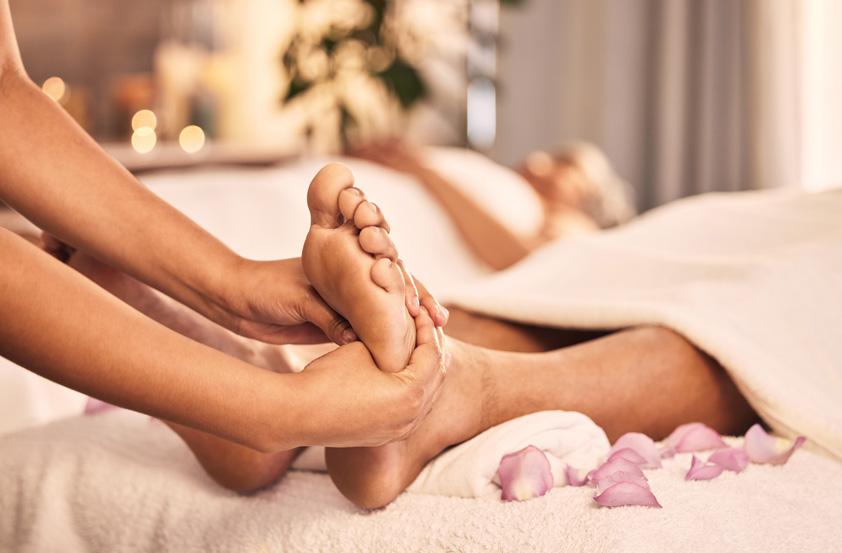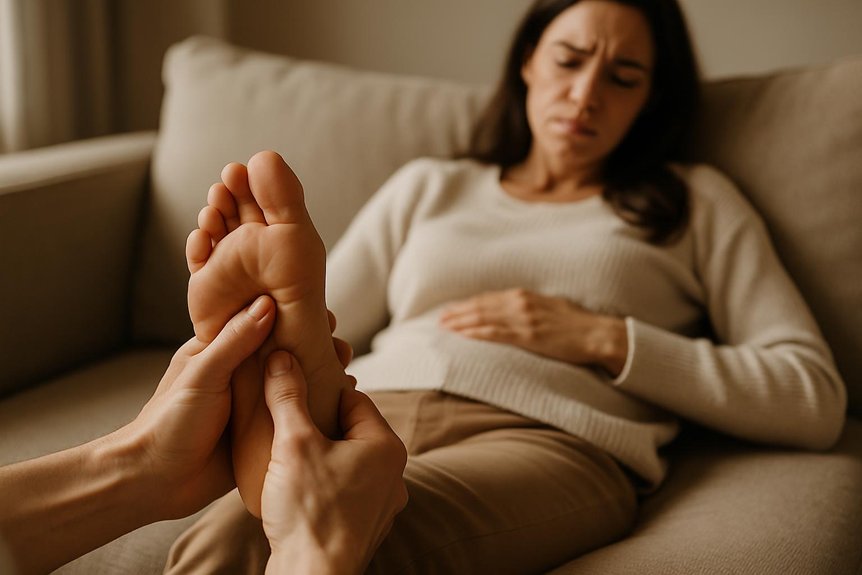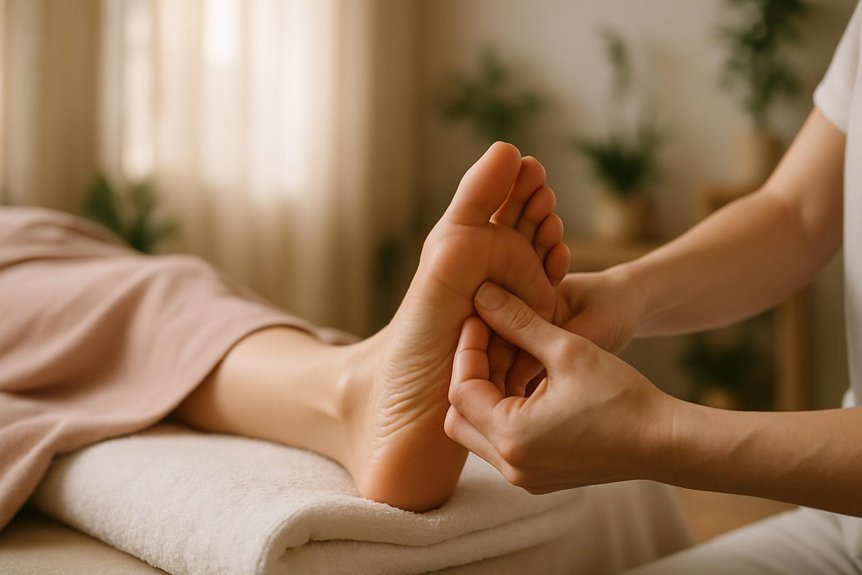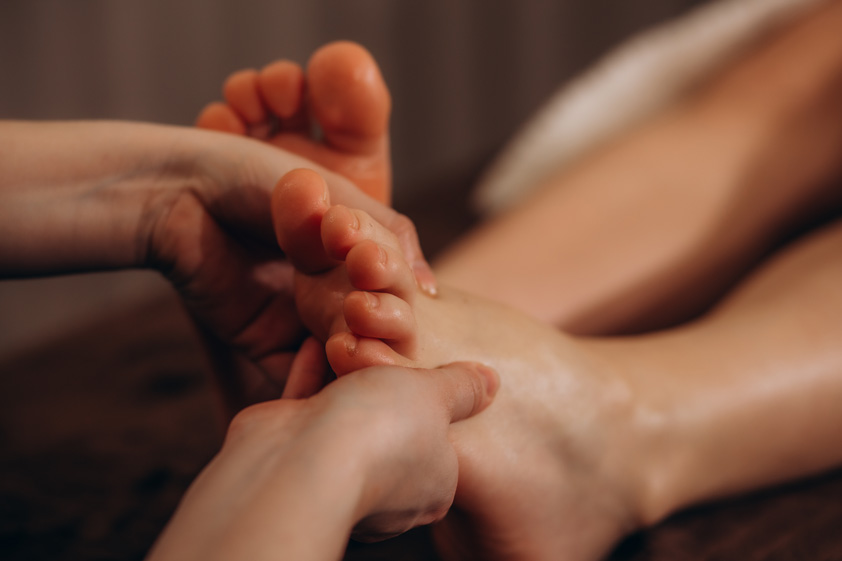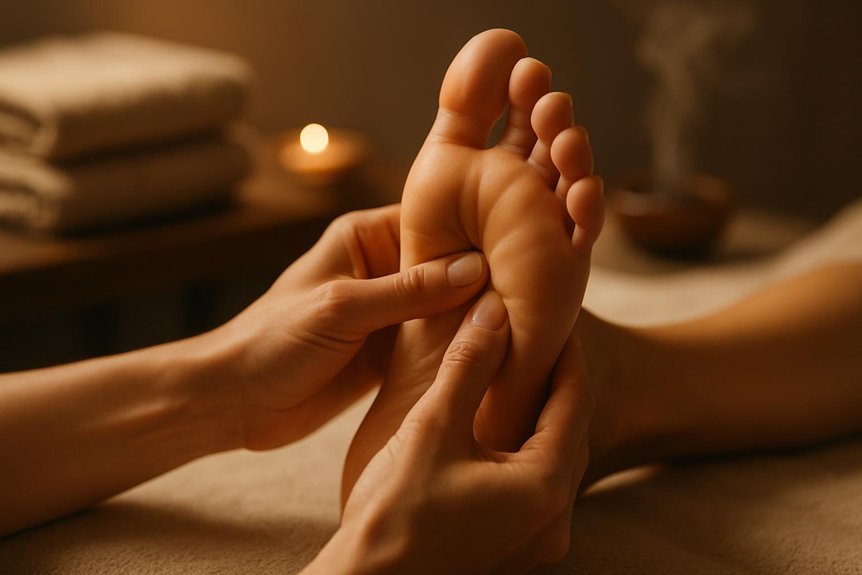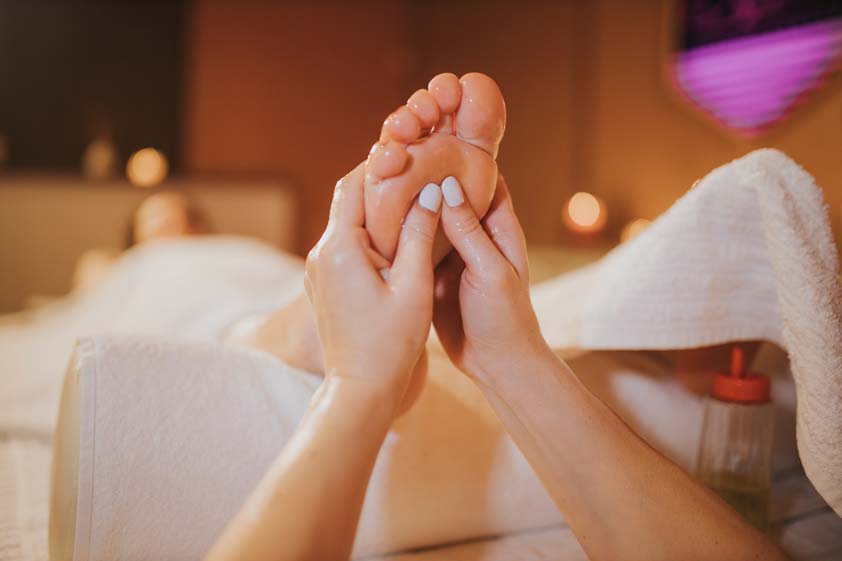
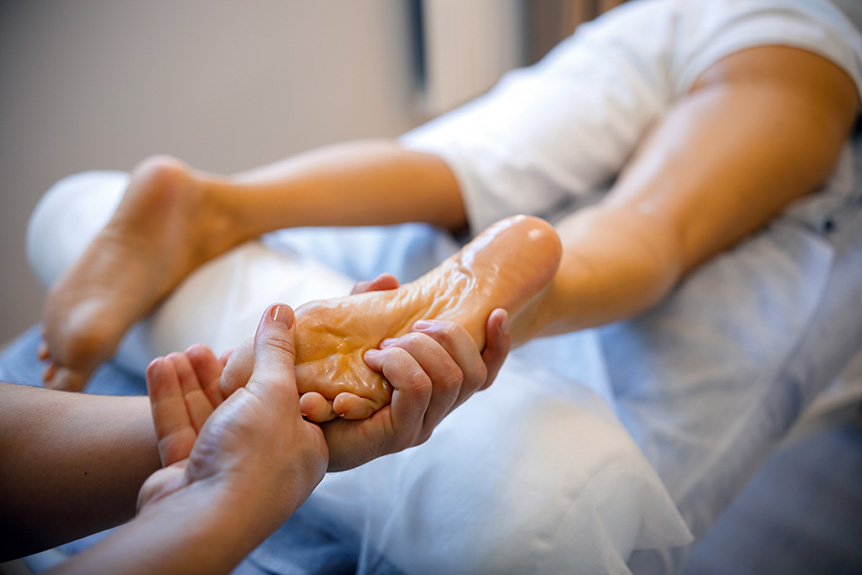
People with diabetes can safely have zone therapy when sessions are adapted to individual needs and performed by trained professionals. Reflex therapy may help with relaxation, circulation, and stress management, but it is not a substitute for medical treatment. Careful attention is paid to circulation, neuropathy, and current foot health. Open communication with the therapist and monitoring of blood sugar are recommended. Those with wounds or infections should wait until fully healed before treatment. More information is available for those seeking further guidance.
Understanding Diabetes and Its Impact on the Body

Although diabetes is a common chronic condition, its effects on the body are complex and far-reaching. Diabetes alters how the body processes glucose, leading to elevated blood sugar levels that can disrupt many bodily systems.
Over time, people with diabetes may experience nerve damage, particularly in the feet and hands, as well as issues with circulation and slower wound healing. These complications can affect daily comfort and overall well-being.
At Spa & Massage, therapists recognise that each person’s experience with diabetes is unique, requiring gentle, informed care. Understanding the potential for heightened sensitivity or reduced sensation is vital when supporting diabetic clients.
Emphasising open communication and tailored wellness strategies helps guarantee that every individual feels safe, valued, and empowered in managing their health. It’s important to note that techniques such as deep tissue massage can have specific benefits if adapted to suit unique needs, including improved circulation and relief from muscle tension.
What Is Reflexology and How Does It Work?
For individuals managing diabetes, exploring supportive therapies can offer meaningful ways to enhance comfort and overall wellness. It is a holistic therapy based on the principle that specific points on the feet, hands, or ears correspond to various organs and systems throughout the body.
In practice, a trained reflexologist applies gentle pressure to these reflex points, aiming to promote relaxation and support the body’s natural balance.
At Spa & Massage, therapists use targeted, precise techniques tailored to each client’s needs, ensuring a safe and nurturing experience.
Through careful attention to comfort and communication, massage sessions are designed to foster a sense of tranquility and grounding.
This evidence-informed approach aligns with our commitment to holistic wellness, providing support that is both gentle and personalized.
Potential Benefits of Reflex Therapy for People With Diabetes
Zone therapy may offer specific benefits for people with diabetes, particularly in supporting improved circulation and promoting nerve health.
Evidence suggests that targeted pressure techniques can also help reduce stress and encourage deep relaxation, which are important in managing overall wellbeing.
At Spa & Massage, therapists routinely tailor zone therapy sessions to address these needs, supporting clients in their diabetes care journey.
Improved Circulation and Nerve Health
When exploring complementary approaches to diabetes management, attention often turns to therapies that may support circulatory and nerve health. It is recognized for its potential to enhance blood flow and stimulate nerve pathways, areas of concern for many living with diabetes.
At Spa & Massage, therapists apply gentle yet precise pressure to specific reflex points, aiming to encourage circulation in the feet and lower limbs—regions where diabetics are most vulnerable to reduced blood flow and neuropathy.
Research suggests that improved circulation may help nourish tissues and support nerve function, potentially easing discomfort and promoting overall foot health.
While it is not a substitute for medical care, it can be an adjunctive measure, chosen by clients who seek natural ways to support their well-being alongside conventional diabetes management.
Stress Reduction and Relaxation
Many individuals living with diabetes experience heightened stress levels, which can adversely impact blood sugar control and overall well-being. Evidence suggests that chronic stress may increase insulin resistance and disrupt healthy routines.
A gentle, targeted therapy offered at Spa & Massage clinics, can promote deep relaxation and help alleviate stress by stimulating specific points on the feet and hands. Many clients with diabetes report feeling calmer and more balanced following sessions, which may contribute to improved emotional resilience and self-care habits.
Our therapists create a peaceful environment and tailor each zone therapy treatment to individual needs, aiming to reduce anxiety and foster relaxation.
Regular sessions may be a valuable component of a *holistic* diabetes self-management plan, supporting both mental and physical health.
Considerations and Precautions Before Receiving It
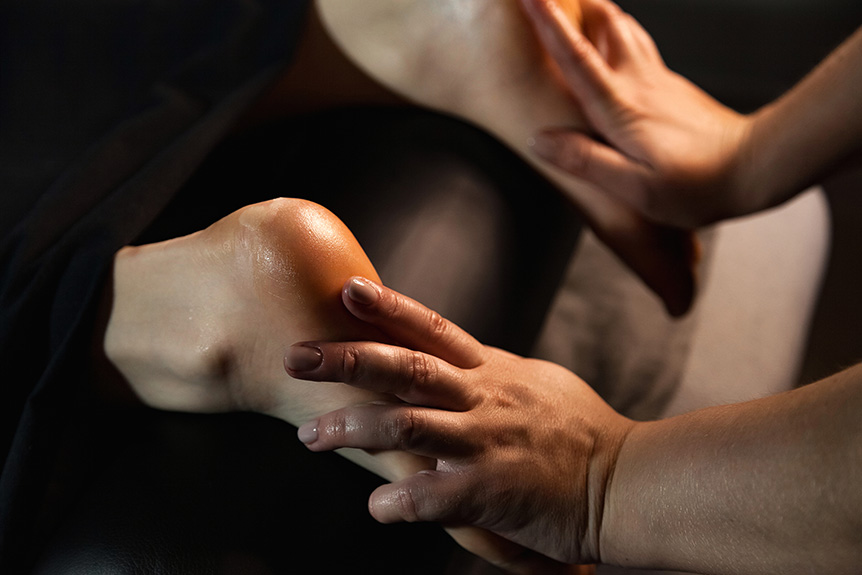
Before scheduling a zone therapy session, individuals living with diabetes should be aware of specific considerations to guarantee their safety and wellbeing. Blood sugar levels can fluctuate, so it is essential to monitor glycaemic control before and after sessions.
Neuropathy or reduced sensation in the feet and hands may increase the risk of unnoticed injuries or pressure-related discomfort. Open wounds, ulcers, or infections should be fully healed prior to treatment to prevent complications.
Communication is key; clients should inform their reflexologist about their medical history, current medications, and any areas of concern.
At Spa & Massage, therapists carefully review each client’s health status to ensure appropriateness of zone therapy and create a comfortable environment.
This proactive approach allows for a safe, supportive experience tailored to individual diabetic needs.
How Our Therapists at Spa & Massage Tailor Zone Therapy for Diabetic Clients
Recognising the unique needs of clients with diabetes, therapists at Spa & Massage employ a personalised approach to zone therapy that prioritises both safety and effectiveness.
Each session begins with a thorough consultation, allowing therapists to understand clients’ medical history, blood sugar management, and any areas of sensitivity or neuropathy.
With this information, pressure and techniques are adapted to assure comfort and minimise risk.
At Spa & Massage, therapists use gentle, mindful touch and avoid areas prone to skin breakdown or reduced sensation.
Special care is taken with massage oils, selecting hypoallergenic options to support skin integrity.
This evidence-based, attentive method fosters relaxation while helping diabetic clients feel secure and respected.
Regular communication encourages trust, making each session a supportive and nurturing experience.
Common Concerns and Myths About Zone Therapy and Diabetes
Many people living with diabetes have questions about the safety of zone therapy and may encounter a range of misconceptions about its effects.
At Spa & Massage, therapists emphasize the importance of evidence-based practice and clear communication to address these concerns.
Understanding both the real risks and the myths allows clients to make informed decisions about incorporating zone therapy into their wellness routines.
Safety Considerations for Diabetics
A common area of concern for individuals living with diabetes is whether zone therapy is safe and beneficial for their specific health needs.
Clinical studies suggest that zone therapy, when performed by qualified therapists, is generally safe for people with diabetes, provided certain precautions are observed.
At Spa & Massage, therapists are trained to take into account factors such as neuropathy, circulatory issues, and skin sensitivity—common concerns among diabetics.
Before beginning any treatment, therapists conduct a thorough consultation, allowing them to tailor sessions to each client’s unique needs.
Gentle pressure and attentive techniques are emphasized to avoid discomfort or injury.
Clients are encouraged to communicate openly about any changes in sensation or skin integrity.
This collaborative, attentive approach enhances both safety and the overall therapeutic experience for diabetic clients.
Addressing It Misconceptions
Questions often arise regarding zone therapy suitability for individuals with diabetes, leading to persistent myths and misunderstandings about its safety and effectiveness.
Some believe zone therapy could dangerously affect blood sugar or harm sensitive feet; however, evidence indicates that when provided by trained professionals, zone therapy is generally safe and well-tolerated for most people with diabetes.
At Spa & Massage, therapists are educated about diabetes-related concerns, including neuropathy and circulatory issues, and adapt treatments accordingly.
It is not a cure for diabetes, but it may support relaxation and stress reduction—benefits valued by many clients.
Open dialogue with practitioners ensures that individual health needs guide every session.
Dispelling misconceptions empowers clients to make informed choices about incorporating zone therapy into their holistic diabetes self-care plan.
Aftercare Tips for Diabetic Clients Following Zone Therapy
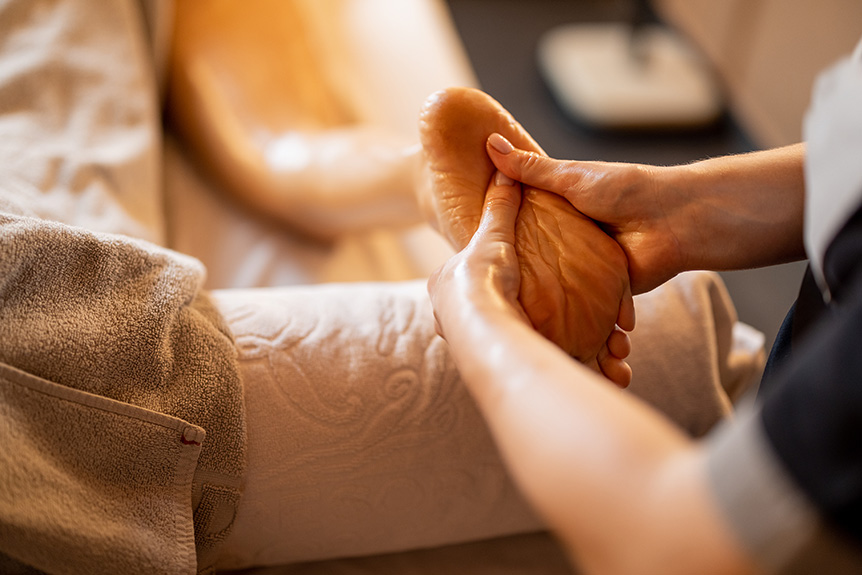
Following a zone therapy session, diabetic clients benefit from specific aftercare strategies to support ideal well-being and minimise any potential risks.
Spa & Massage therapists recommend clients monitor their blood glucose levels more closely after treatment, as relaxation may influence blood sugar. Hydration is essential; drinking water helps flush out metabolic byproducts released during massage.
Observing the feet for changes in colour, temperature, or sensation is also advised, as individuals with diabetes can be more susceptible to subtle injuries.
Resting, and avoiding strenuous activities for several hours post-session, allows the body to fully process the therapeutic effects.
If any unusual symptoms arise, clients are encouraged to contact their healthcare professional.
These aftercare steps, combined with our therapists’ personalised guidance, help guarantee a safe and nurturing zone therapy experience.
How to Book a Session at Spa & Massage
Booking a session at Spa & Massage is a straightforward process designed to prioritise client convenience and individual needs. Clients may reserve an appointment online via the Spa & Massage website, selecting their preferred clinic location across London and choosing a suitable time.
Detailed treatment descriptions help clients make informed decisions, and booking confirmation is provided promptly.
For those with diabetes or specific health considerations, Spa & Massage encourages disclosing relevant information during booking or directly to therapists. This ensures sessions are tailored for safety and maximum benefit.
The experienced team is available to answer questions by phone or email, fostering a supportive and personalised experience.
Spa & Massage’s approach values open communication, aiming to create a welcoming space for every client’s unique wellness journey.
Conclusion
For those living with diabetes, the potential of zone therapy to enhance wellbeing is nothing short of extraordinary—its gentle touch can be a beacon of comfort when tailored by skilled therapists. While it is not a miracle cure, evidence supports its role in stress reduction and relaxation, making it a valuable addition to holistic diabetes care. Ultimately, with professional guidance and informed decision-making, zone therapy can be a powerfully supportive, safe, and rejuvenating therapy for diabetic clients.