Foot reflex therapy may help alleviate sciatica by stimulating precise reflex zones on the plantar surface of the foot that correspond anatomically to the lumbar spine, sacrum, and sciatic nerve pathways. Clinical techniques such as targeted thumb-walking modulate neural input, promote relaxation, and encourage circulation, potentially reducing pain and muscle hypertonicity. While it does not replace conventional medical care, reflex therapy offers notable adjunctive benefits for persistent or complex cases. Further details explain mechanisms, technique, and aftercare considerations.
Understanding Sciatica: Causes and Symptoms
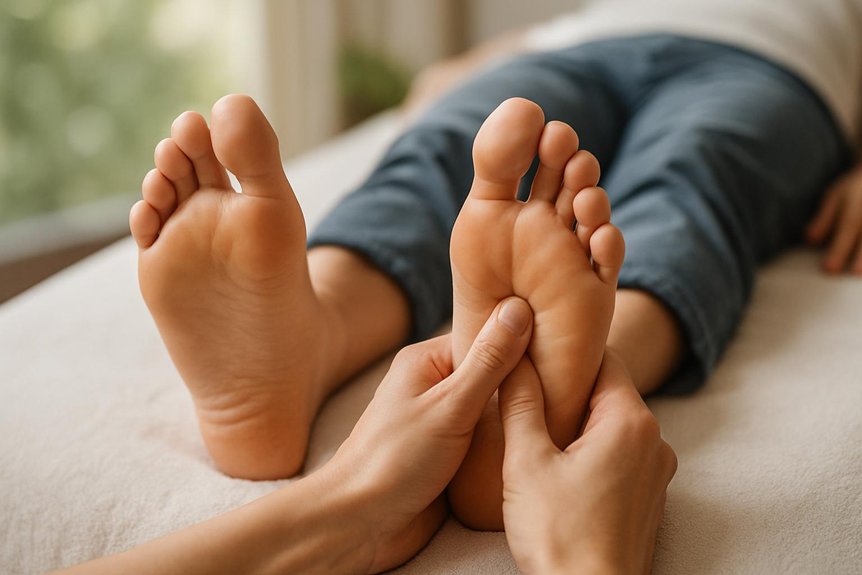
What underlies the discomfort and radiating pain of sciatica? Sciatica arises from irritation or compression of the sciatic nerve, the body’s longest nerve, which originates in the lumbar spine and travels through the pelvis, buttocks, and down each leg.
Common etiologies include lumbar disc herniation, spinal stenosis, or degenerative disc disease—conditions causing nerve root impingement.
Clinical manifestations often begin as lower back pain progressing to sharp, burning sensations radiating along the posterior thigh, calf, and sometimes the foot.
Numbness, tingling, and muscular weakness may accompany these symptoms, impacting daily movement and comfort.
At Spa & Massage, therapists recognize these patterns, intricately tailoring interventions to support musculoskeletal balance while respecting the complexity and individuality of each client’s nervous system presentation and pain experience.
Additionally, many people explore complementary therapies such as the healing power of reflex therapy to help manage sciatica-related discomfort and promote overall well-being.
What Is Foot Reflexology?
While sciatica’s hallmark symptoms often radiate along the leg and foot, targeted therapies addressing the feet can influence the entire nervous system.
Foot reflex therapy is a specialized manual therapy based on the principle that specific zones on the plantar surface correspond to organs, glands, and musculoskeletal tissues throughout the body. By applying precise pressure to these mapped reflex points, trained therapists aim to modulate neural pathways and promote physiological balance.
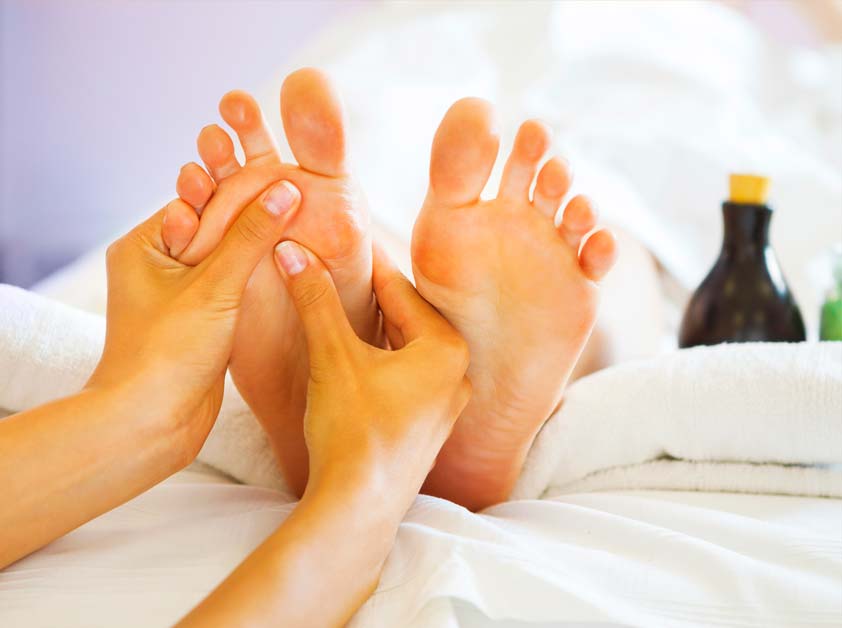
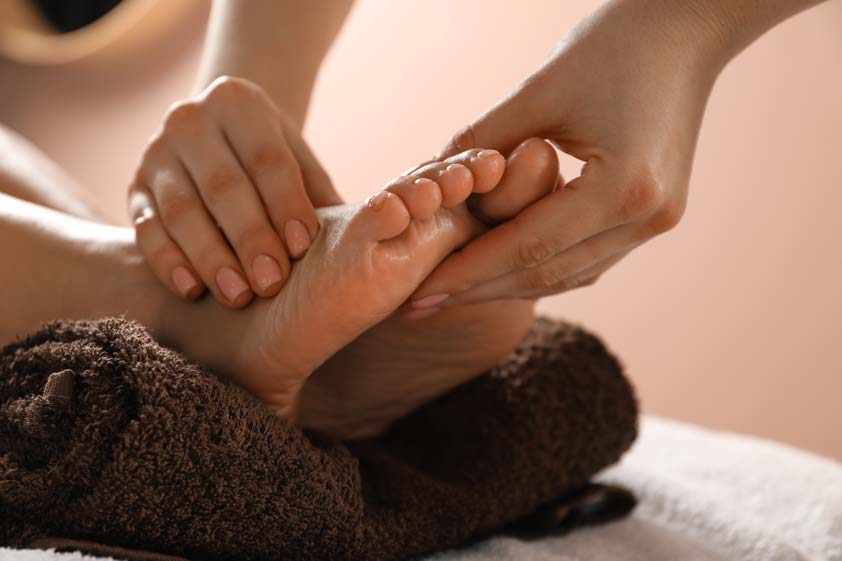
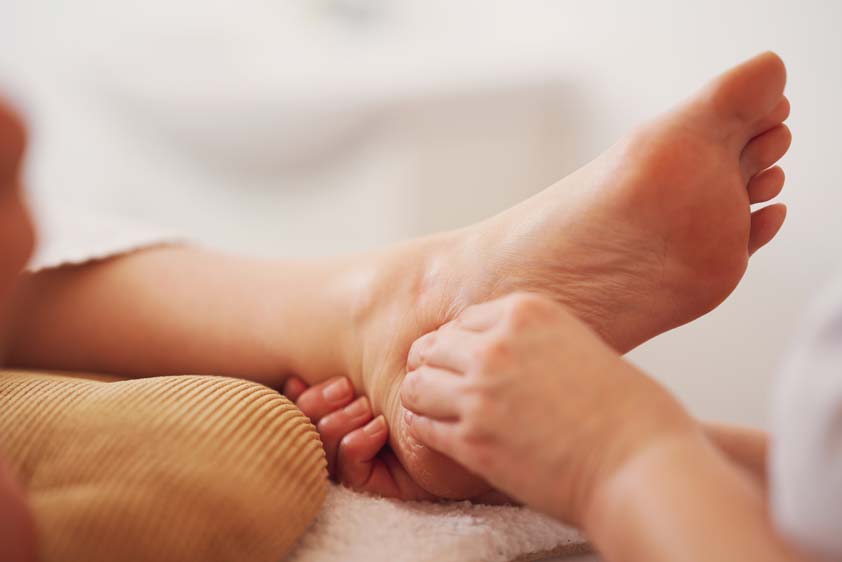
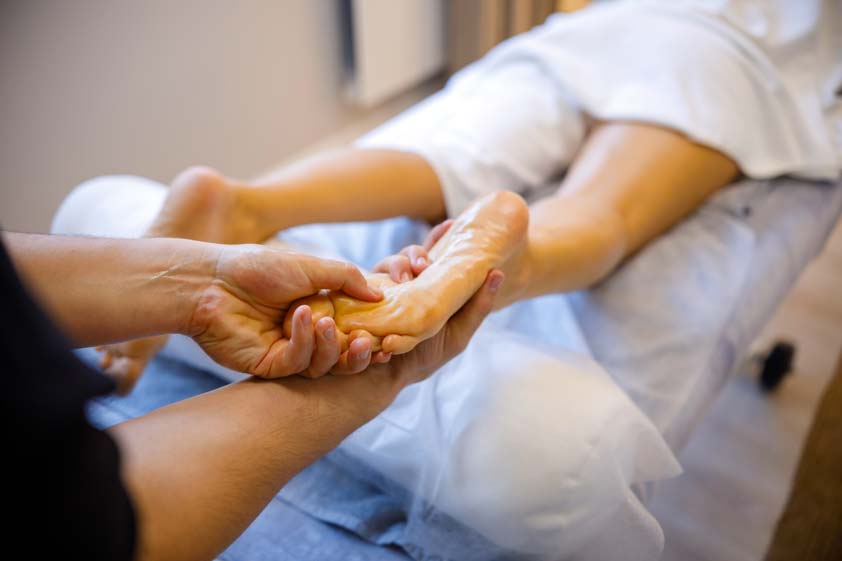
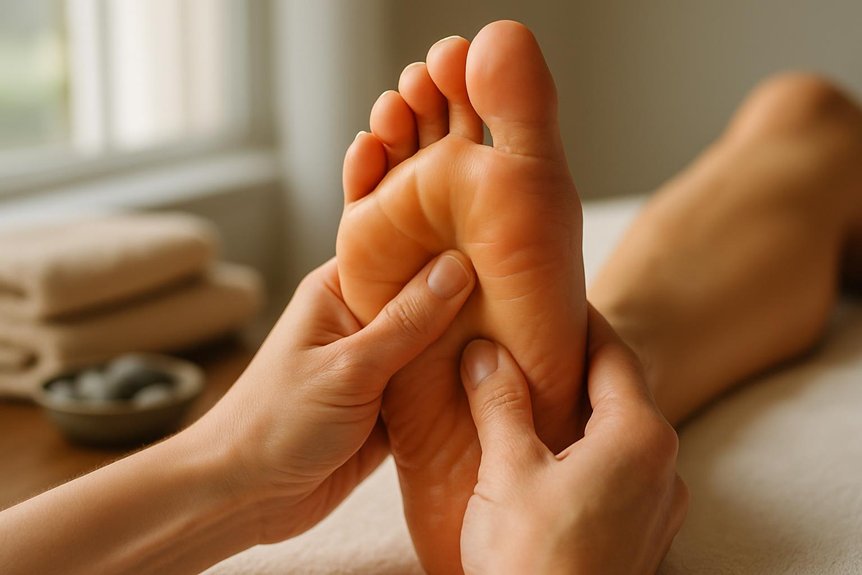
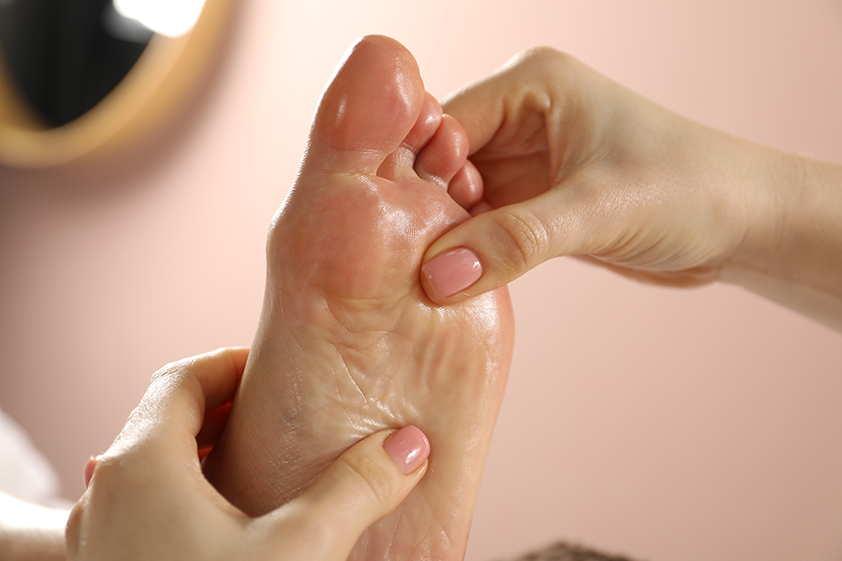
In clinical settings such as Spa & Massage, reflex therapy is delivered with anatomical accuracy, using thumb-walking and finger techniques to stimulate nerve endings embedded within the dermal and subdermal layers of the foot.
This holistic intervention is designed to support relaxation, facilitate circulation, and encourage the body’s innate restorative processes, offering clients a deeply personal sense of relief and connection.
How Zone Therapy Targets Sciatica-Related Discomfort
Reflex therapy employs targeted manual pressure to specific points on the feet that correspond anatomically to the lumbar spine, sacrum, and sciatic nerve pathways.
By stimulating these reflex zones, therapists aim to modulate neural signaling and promote relaxation of musculature implicated in sciatic nerve compression.
Clinical practice at Spa & Massage utilises these techniques to address discomfort associated with sciatica through precise, evidence-informed protocols.
Pressure Points for Relief
By applying targeted pressure to specific reflex points on the feet, therapists at Spa & Massage address neural pathways and musculoskeletal structures implicated in sciatica.
Anatomically, reflex therapy maps the sciatic nerve to areas along the medial and lateral aspects of the foot, particularly near the heel and outer edge.
When these zones are stimulated with precise, controlled force, it is theorized to influence the lumbar spine, gluteal region, and lower limb musculature associated with sciatic pain.
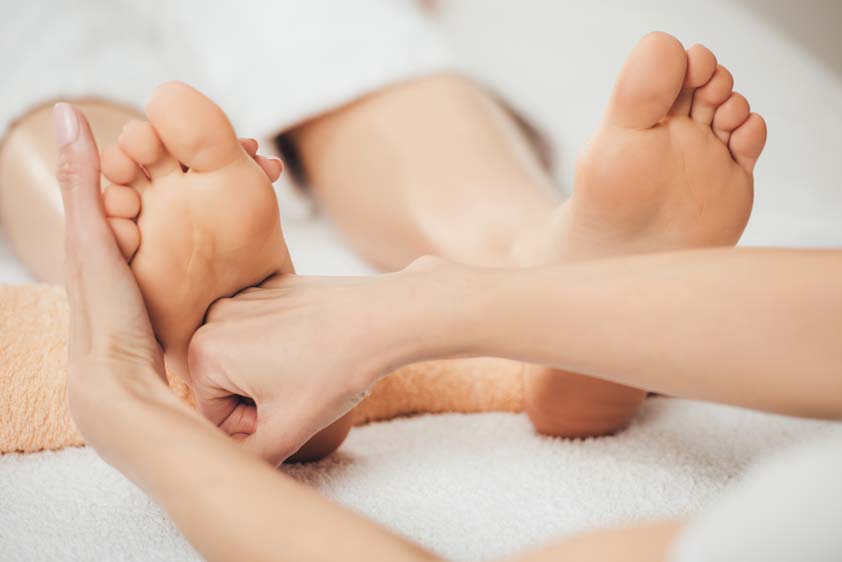
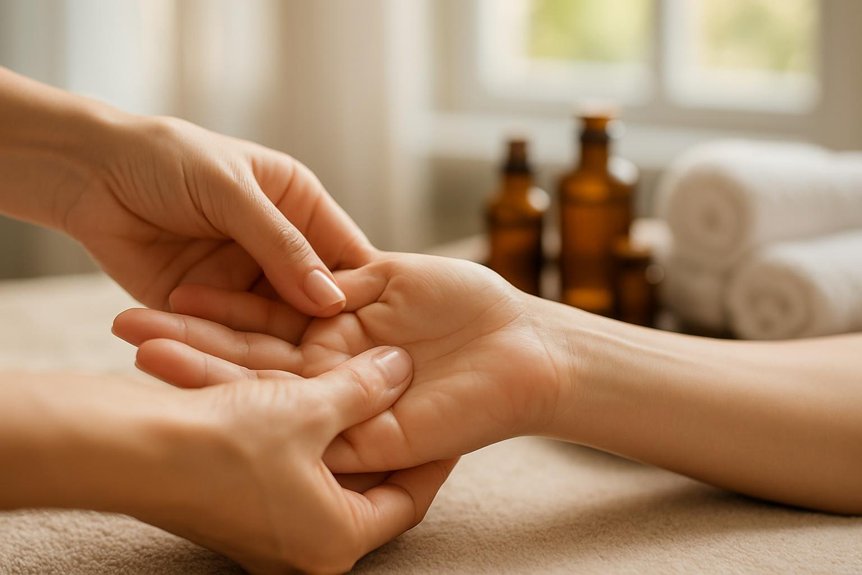
Therapists use their thumbs and fingers to palpate and manipulate these points, seeking to alleviate tension and promote local circulation.
This focused, hands-on approach is tailored to each client’s unique presentation, allowing for a personalised experience that honours the interconnectedness of the body’s systems while encouraging comfort and relaxation.
Nerve Pathway Stimulation
Targeted stimulation of foot reflex zones corresponding to the sciatic nerve pathway engages neural mechanisms that may modulate pain perception and muscular tension.
In clinical practice, reflex therapy involves precise application of pressure to areas on the foot mapped to the lumbar spine, sacrum, and gluteal region—key anatomical origins of sciatic nerve irritation. This stimulation is thought to activate afferent nerve fibers, promoting segmental inhibition of nociceptive signals along the spinal cord.
Additionally, increased local circulation and release of endogenous endorphins may contribute to reduced discomfort.
At Spa & Massage, therapists are trained to identify and address these specific reflex points, focusing on a tailored approach that supports neuromuscular relaxation.
Clients often report a sense of relief and restored connection to their bodies through this mindful, targeted intervention.
The Science Behind Zone Therapy and Nerve Pain
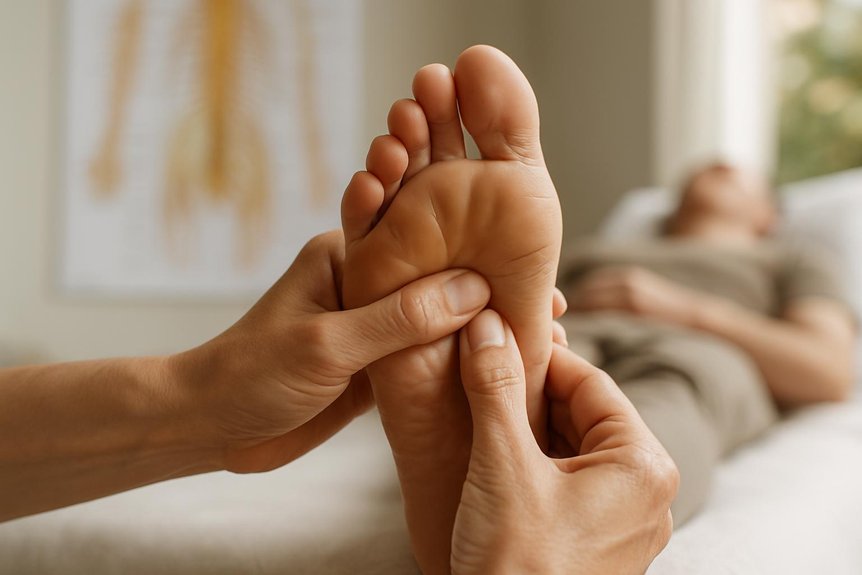
Clinical studies suggest that foot reflex therapy may influence peripheral nerve function by stimulating specific pressure points corresponding to the lumbar spine and lower limb nerve pathways.
This targeted stimulation is theorized to modulate nociceptive signaling, potentially reducing the perception of sciatic pain.
At Spa & Massage, therapists apply anatomically-informed techniques designed to support neural relaxation and enhance patient comfort.
It’s Effect on Nerves
Although the precise mechanisms of reflex therapy remain under investigation, current research suggests that stimulation of specific points on the feet may influence peripheral nerve pathways and modulate pain signals within the nervous system.
Anatomically, sensory receptors in the plantar surface connect to afferent nerve fibers, which transmit signals to the spinal cord and central nervous system. Targeted reflex therapy techniques—such as gentle pressure or circular movements—may activate these receptors, potentially altering nociceptive transmission and enhancing neural communication.
In clinical settings like Spa & Massage, therapists are trained to identify reflex zones that correspond with lumbar and sacral nerve roots, aiming to support harmonious nerve function. This approach is grounded in evidence-informed practice and tailored to each individual’s comfort, fostering a supportive environment for nerve health and relaxation.
Sciatic Pain Relief Pathways
Recent studies indicate that reflex therapy may influence sciatic pain by modulating neural pathways associated with the lumbar and sacral regions. This approach targets specific reflex zones on the foot corresponding to spinal nerve roots L4–S3, which form the sciatic nerve.
Stimulation of these zones may induce neurophysiological responses, such as altered nociceptive signaling, reduced peripheral sensitization, and enhanced endorphin release.
In clinical practice at Spa & Massage, therapists apply anatomically-informed pressure to these reflex points, supporting the body’s natural mechanisms for pain modulation.
Clients often report diminished radiating pain and improved lower limb comfort after targeted sessions.
These findings suggest a tangible link between foot reflex therapy and the body’s inherent pain relief pathways, offering a gentle, hands-on complement to conventional sciatica management.
Foot Reflex Therapy Techniques Used at Spa & Massage
Drawing on a thorough understanding of foot anatomy and reflex pathways, therapists at Spa & Massage employ targeted foot reflex therapy techniques designed to stimulate specific nerve endings corresponding to the lumbar spine and sciatic nerve regions.
Using precise thumb walking, finger pressure, and gentle rotational movements, practitioners systematically address the medial and lateral plantar surfaces of the foot—focusing on regions mapped to the lower back and sacral plexus.
By applying calibrated pressure to these reflex zones, therapists aim to modulate neural input, reduce hypertonicity, and promote parasympathetic activation.
This methodical approach is intended to facilitate localized circulation, encourage endorphin release, and support the body’s natural pain modulation processes.
Each technique is adapted to individual sensitivity, ensuring a therapeutic experience that is both effective and personally attuned.
What to Expect During a Massage Session
Following the application of targeted reflex therapy techniques, clients at Spa & Massage can anticipate a structured, clinically-informed session designed to optimise therapeutic outcomes.
The process typically begins with a detailed consultation to assess health history, current symptoms, and specific areas of discomfort.
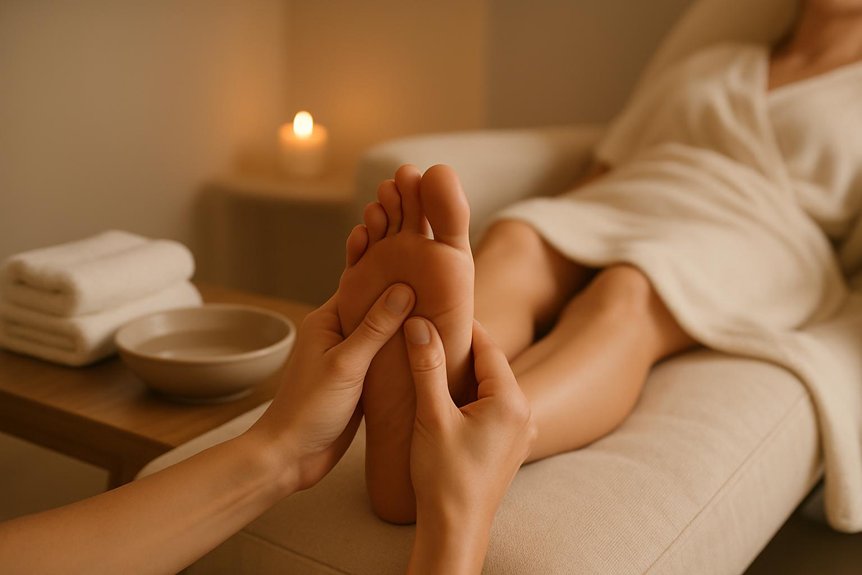
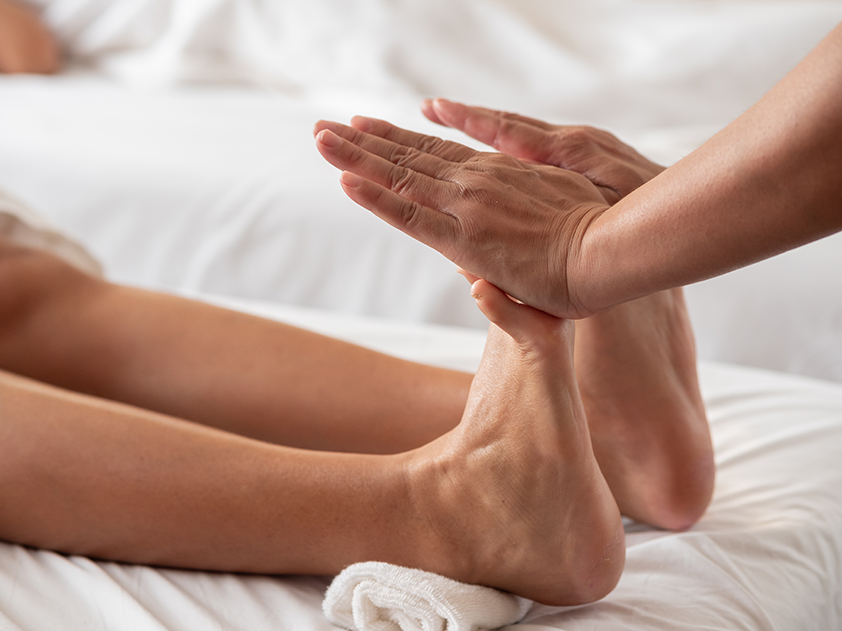
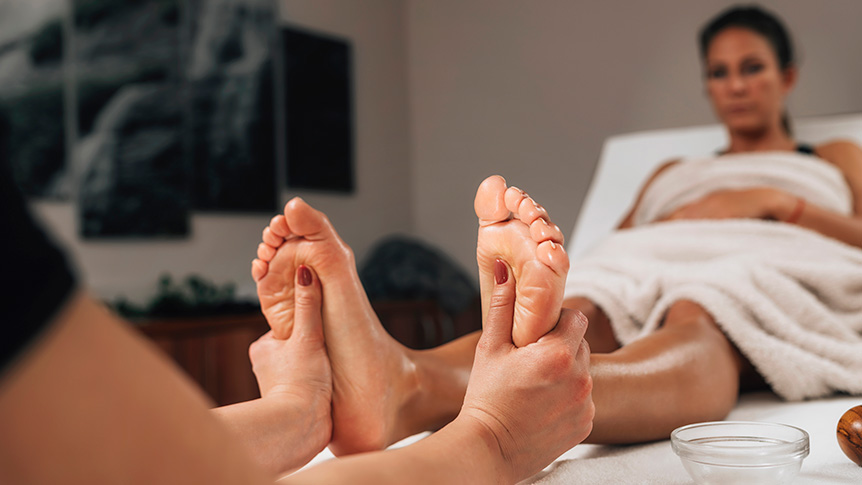
Clients are made comfortable in a tranquil environment, with the lower limbs exposed to facilitate precise palpation and application of pressure.
Therapists employ anatomically-specific manipulations, focusing on reflex points corresponding to the lumbar spine, sacrum, and sciatic nerve pathways.
Throughout the session, communication is encouraged to tailor pressure and technique to individual sensitivity.
The experience is both methodical and deeply personal, promoting a sense of safety and trust.
Each step prioritises anatomical precision and client comfort, reflecting Spa & Massage’s commitment to clinical excellence.
Potential Benefits for Sciatica Sufferers

While sciatic nerve irritation is primarily rooted in lumbar and sacral nerve compression, targeted foot reflex therapy may modulate neural pathways and support neuromuscular relaxation.
Zone therapy techniques applied to plantar zones corresponding to the lower back and gluteal regions may influence autonomic nervous system balance, potentially reducing pain perception and muscle spasm.
In clinical experience at Spa & Massage, clients often report improvements in localized discomfort, reduced lower limb tension, and enhanced overall well-being following massage sessions.
By stimulating peripheral nerve endings in the feet, the therapy may encourage endorphin release and improve microcirculation, consequently contributing to a gentle sense of relief.
It’s non-invasive nature appeals to those seeking adjunctive care for sciatica symptoms, aligning with Spa & Massage’s holistic and client-centred approach to musculoskeletal health.
Aftercare Tips Following Zone Therapy Treatments
Post-massage care is instrumental in maximizing neuromuscular relaxation and sustaining the analgesic effects observed during treatment.
At Spa & Massage, therapists recommend clients hydrate thoroughly post-session to facilitate metabolic waste clearance from soft tissues. Gentle mobilization of the lower limbs—including ankle circles and toe flexion—supports lymphatic return and prevents venous stasis.
Clients are encouraged to avoid strenuous activity for several hours, allowing the parasympathetic nervous system to maintain its restorative dominance.
Application of neutral, hypoallergenic foot creams—used in our clinics—can soothe any residual tenderness from acupressure. Elevation of the lower extremities further reduces edema and promotes microcirculation.
These aftercare strategies, when practiced consistently, enhance the cumulative benefits of reflex therapy, fostering ongoing relief from sciatic discomfort and optimizing musculoskeletal health in a nurturing manner.
When to Consider Reflex Therapy for Sciatica Relief
When conservative approaches such as rest, physiotherapy, and analgesic medication yield incomplete alleviation of sciatic symptoms, foot reflex therapy may be considered as an adjunctive intervention.
Sciatica, typically manifesting as neuropathic pain radiating along the L4–S3 dermatomes, often requires a multimodal management plan. Individuals with persistent paresthesia, muscle weakness, or discomfort unresponsive to first-line therapies may seek complementary modalities like reflex therapy.
In Spa & Massage clinics, therapists focus on targeted stimulation of specific foot reflex zones aligned with the lumbosacral plexus and lower limb pathways. This technique is designed to promote neuromuscular relaxation and facilitate circulation.
Clients who sense ongoing tension, reduced mobility, or incomplete relief after conventional care frequently benefit from integrating it within their broader pain management regimen.
Conclusion
Much like a gentle ripple in a pond can gradually ease the tension on its surface, evidence suggests that targeted foot reflex therapy may modulate neural signalling and promote musculoskeletal relaxation in patients with sciatica. At Spa & Massage, clients have reported measurable reductions in lumbosacral discomfort post-treatment. While it is not a cure, its integrative application may offer a valuable adjunct for those managing the persistent, radiating pain characteristic of sciatic nerve irritation.