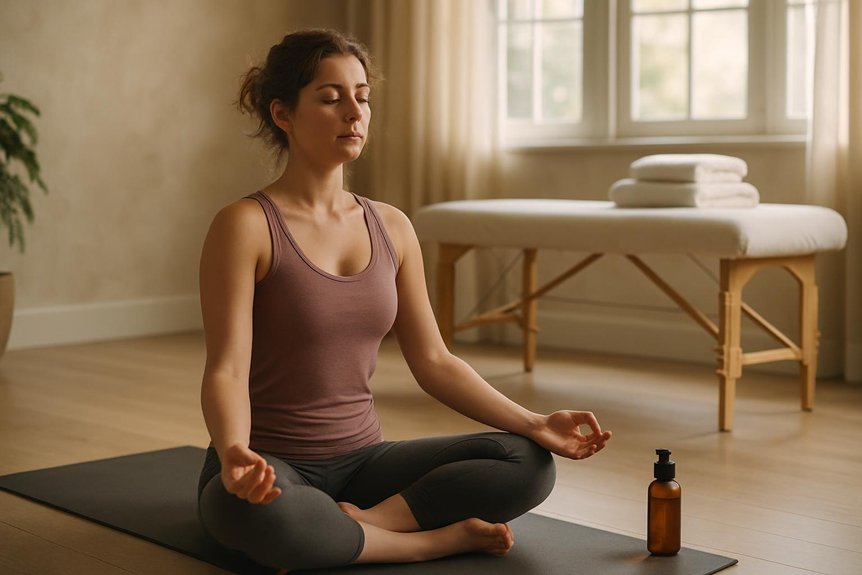
After a intensive tissue massage, it’s best to wait several hours before practicing yoga to allow tissues time to recover and avoid overstretching. Restorative or gentle, slow-flow styles are recommended, as muscles are temporarily more pliable and sensitive. Hydration, rest, and mindful self-observation help support tissue healing and integration. Noticing signs such as ease, lightness, and absence of soreness signals readiness for movement. Exploring further provides guidance for combining intensive tissue massage and yoga safely and effectively.
Understanding Intensive Tissue Massage and Its Effects
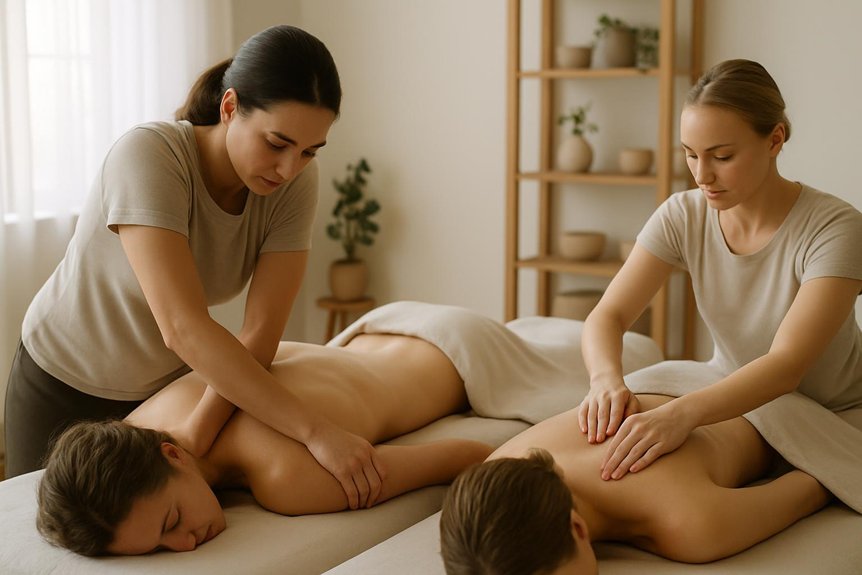
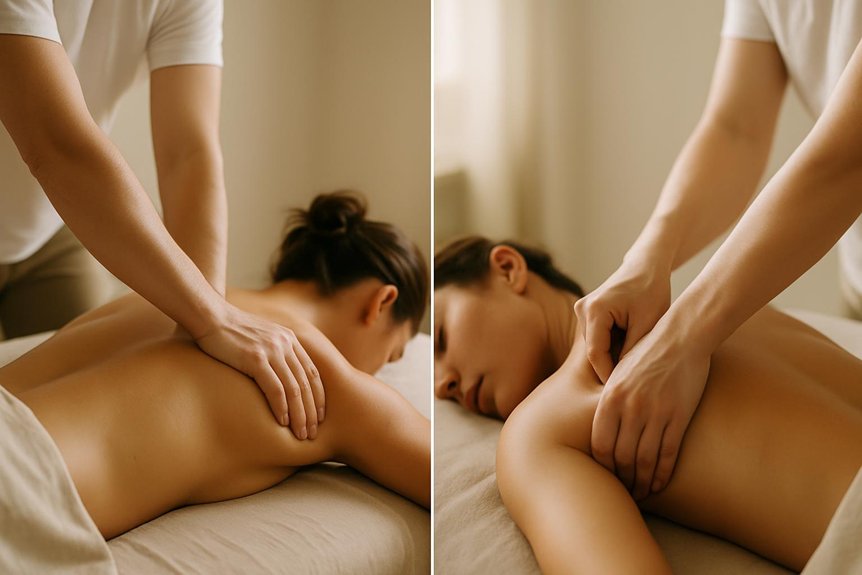
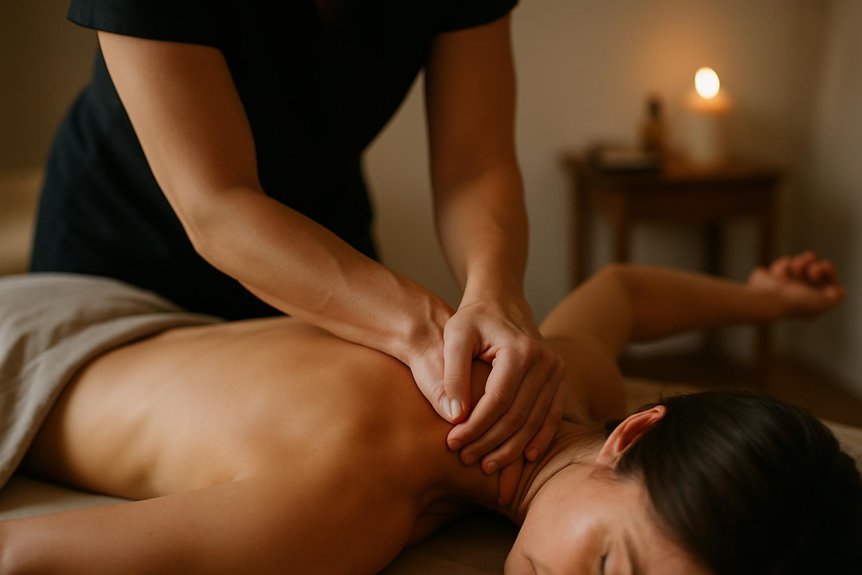
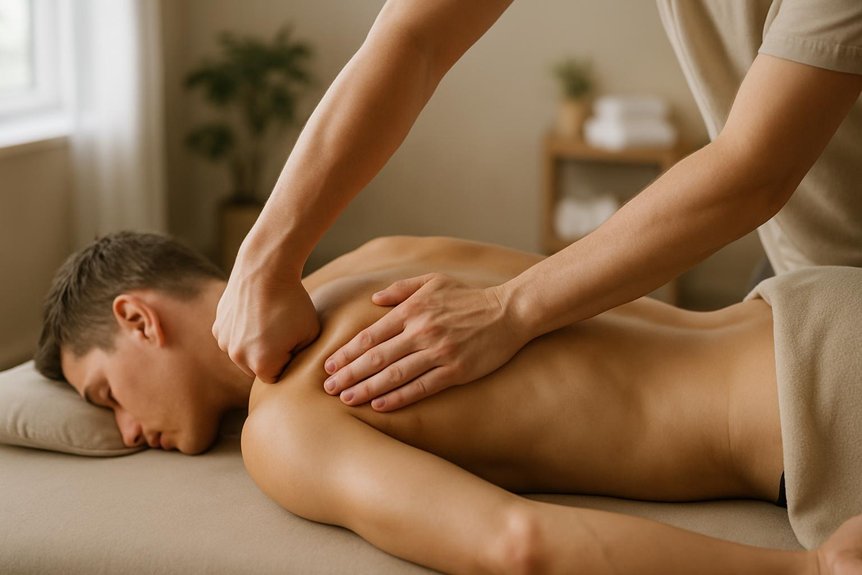
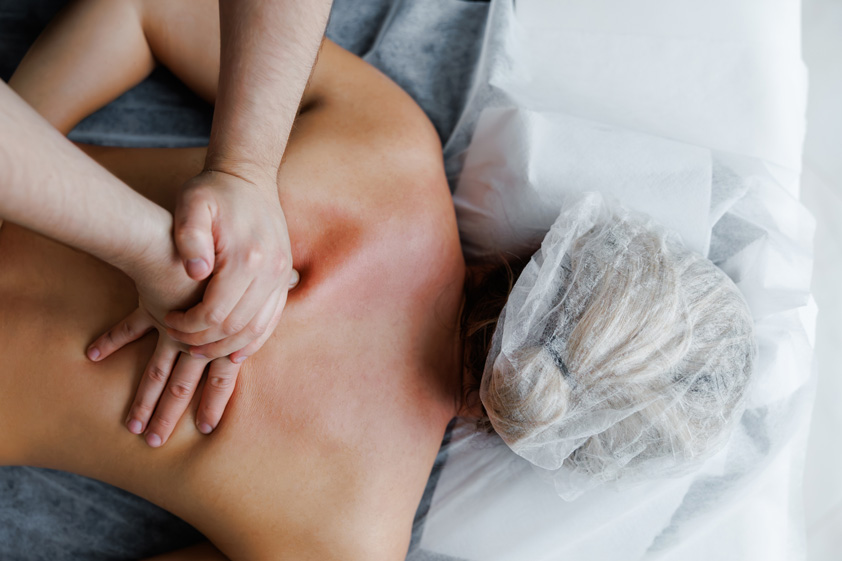
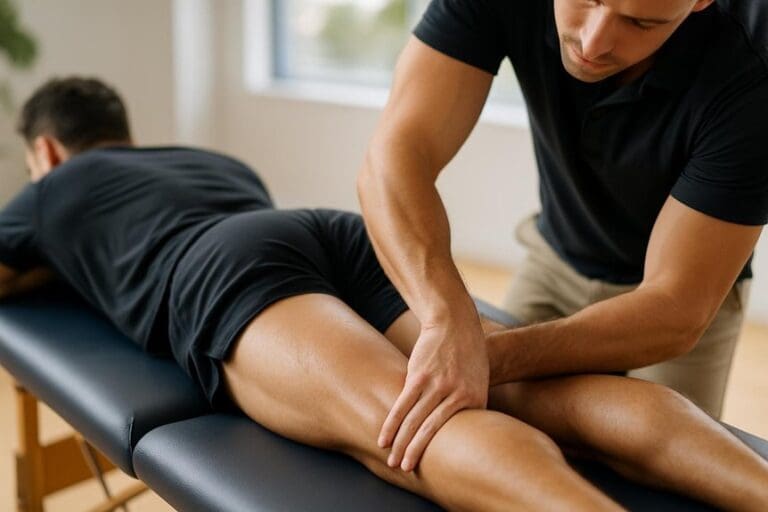
While intensive tissue massage is widely recognized for its therapeutic potential, its effects extend beyond immediate muscle relief. This technique targets deeper muscle layers and connective tissue, using slow, deliberate strokes to release chronic tension and adhesions.
At Spa & Massage clinics, therapists employ careful pressure and anatomical knowledge, ensuring treatment aligns with each client’s unique needs. The process encourages increased circulation, improved mobility, and a heightened sense of bodily awareness.
Clients often notice subtle shifts in posture, breath, and mental clarity—qualities that invite a mindful connection to the body.
Yet, this intensity can create temporary vulnerability within muscles and fascia, underscoring the importance of listening closely to one’s internal signals.
Spa & Massage prioritizes gentle integration, promoting comfort and safety throughout every stage of care.
Additionally, intensive tissue massage techniques are specifically designed to reach deeper layers of muscle and connective tissue, which is why they can provide long-lasting relief from chronic muscle tension and pain.
How the Body Responds After Deep Tissue Massage
Following a intensive tissue massage, the body initiates a multifaceted process of physiological and neurological adjustment. Muscle fibres, having been manipulated and lengthened, often experience a temporary increase in circulation and a gentle release of built-up tension.
This can result in sensations of lightness, mild soreness, or heightened body awareness. At Spa & Massage, therapists are attentive to the body’s natural need to recalibrate after deep work, supporting the shift from tension to relaxation.
The nervous system, responding to both physical touch and mindful breathing, tends to shift toward a parasympathetic state, encouraging profound calm.
Subtle biochemical changes occur, including the release of metabolic waste and endorphins, which can leave individuals feeling both relaxed and introspective in the hours following their treatment.
Recommended Waiting Period Before Practicing Yoga
Following a massage, Spa & Massage therapists advise clients to contemplate both immediate physical sensations and the body’s need for adequate integration time before engaging in yoga.
Muscles and connective tissues may be more pliable yet temporarily sensitive, making it essential to allow for ideal recovery—typically waiting at least several hours.
This mindful pause helps support tissue repair, nervous system balance, and a safer progression into movement practices.
Immediate Practice Considerations
After a massage, the body enters a state of deep relaxation and heightened circulation, which can temporarily affect muscle responsiveness and joint stability.
At Spa & Massage, therapists observe that this relaxed state, while restorative, may leave tissues more pliable yet less prepared for immediate dynamic movement, such as yoga postures requiring balance or strength.
Mindful awareness of subtle bodily sensations is essential; practitioners are encouraged to listen closely to their bodies and avoid rushing into physical activity.
Spa & Massage recommends gentle movement—like slow walking or mindful stretching—rather than intensive yoga sequences right after a deep tissue session.
This allows the nervous system to recalibrate and the muscles to gradually re-engage.
Taking this approach helps safeguard against overstretching or strain, supporting a more nurturing and intimate recovery.
Optimal Recovery Time
How long should individuals wait before resuming yoga practice post-massage? At Spa & Massage, therapists recommend allowing at least 24 hours between a intensive tissue massage and any vigorous yoga session. This interval gives muscle fibers adequate time to recover from the intensive manipulation experienced during deep tissue work, reducing the risk of overstretching or strain.
The body’s connective tissues, having been relaxed and realigned, benefit from a period of gentle rest and hydration—crucial steps in supporting suitable healing and lasting comfort.
For those who crave mindful movement, light stretching or restorative yoga may be appropriate after several hours, provided no discomfort is present. Listening to one’s body, as our therapists consistently advise, is essential for cultivating both safety and sustainable wellbeing.
Signs Your Body Is Ready for Yoga Post-Massage
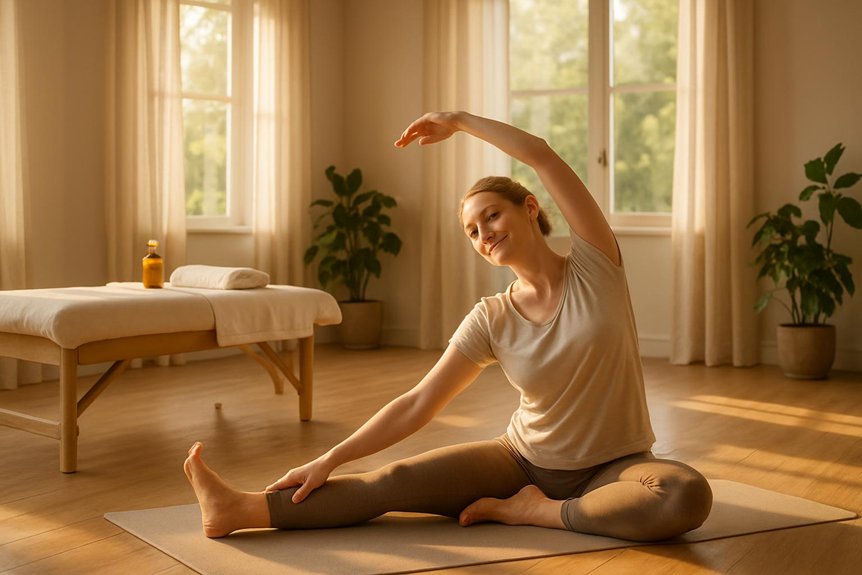
After a professional massage session at Spa & Massage, individuals may notice reduced muscle soreness and a gradual return of energy—both important indicators that the body is ready to engage in mindful movement such as yoga.
When tension and fatigue subside, the musculoskeletal system is better prepared for stretching and gentle strengthening. Our therapists advise tuning in to these bodily cues to *facilitate* a safe and beneficial *shift* into post-massage yoga practice.
Reduced Muscle Soreness
Once the intensity of muscle soreness has noticeably diminished, this often serves as a reliable indicator that the body is beginning to recover from a massage session.
At Spa & Massage, therapists observe that reduced discomfort in major muscle groups—such as the back, shoulders, and legs—often means tissues have benefited from increased blood flow and lymphatic drainage.
This anatomical response allows muscles to regain suppleness, making gentle yoga a safer, more mindful practice.
Clients are encouraged to tune into their bodies: if touch or movement no longer triggers sharp or lingering pain, the risk of overstressing healing tissues is minimized.
Restored Energy Levels
With muscle soreness subsiding, another key indicator of readiness for yoga is the return of natural energy and liveliness. After a intensive tissue massage at Spa & Massage, clients often notice a gentle resurgence of vitality as circulation improves and muscular tension eases.
This restored energy is often felt as a lightness in the body and clarity in the mind, signaling that tissues have begun to recover. Awareness of this renewed vitality is essential—forcing activity before energy returns may disrupt healing.
Our therapists advise tuning in to subtle cues: refreshed mood, deeper breathing, and a sense of physical ease. When these signs are present, gentle yoga can complement the benefits of massage, supporting flexibility, mindfulness, and an important changeover back to movement.
Types of Yoga Best Suited After a Massage Session
While the body remains in a state of relaxation and heightened tissue receptivity following a massage, gentle forms of yoga are especially appropriate to support ongoing recovery and integration.
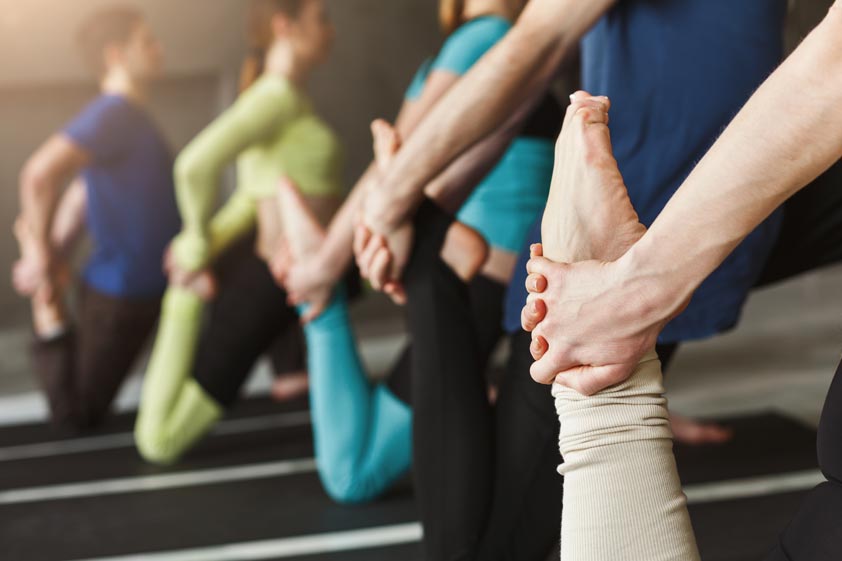
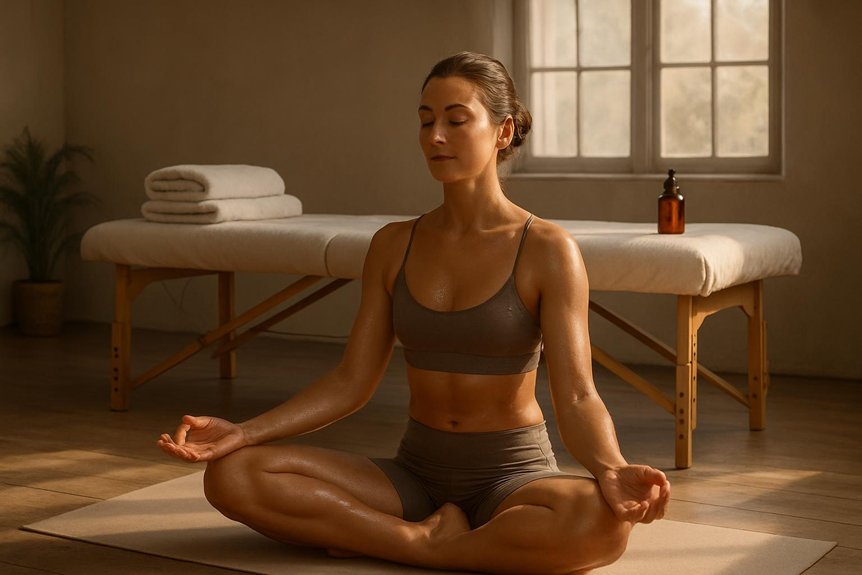
Practices such as restorative yoga, yin yoga, and slow-flow hatha are recommended by Spa & Massage therapists for their nurturing, low-impact nature. These styles prioritize prolonged, supported postures and mindful breathwork, which help tissues assimilate the benefits of deep tissue manipulation.
Attention to gentle stretching and supported poses protects recently released muscle fibres and fascia, reducing the risk of overstretching or strain.
By encouraging present-moment awareness, these yoga forms complement the calming effects of massage and support a mindful return to movement.
In our clinics, this thoughtful sequence promotes a deeper sense of embodied connection and safety.
Benefits of Combining It and Yoga
Following a massage session, the body’s tissues are more pliable and circulation is enhanced, creating an ideal environment for gentle, mindful movement. When it is paired with yoga, this synergy nurtures greater flexibility and range of motion, as adhesions and tight muscle fibers have already been addressed by skilled therapists.
In Spa & Massage clinics, many clients notice that post-massage yoga allows them to move with increased ease and heightened body awareness, deepening their connection to breath and sensation.
Combining these two practices also supports the nervous system, promoting relaxation and stress relief. The mindful attention encouraged by both disciplines fosters a sense of intimacy with one’s body, encouraging safe exploration of limits and self-care.
This holistic approach enhances overall wellbeing, both physically and emotionally.
Aftercare Tips From Spa & Massage Therapists
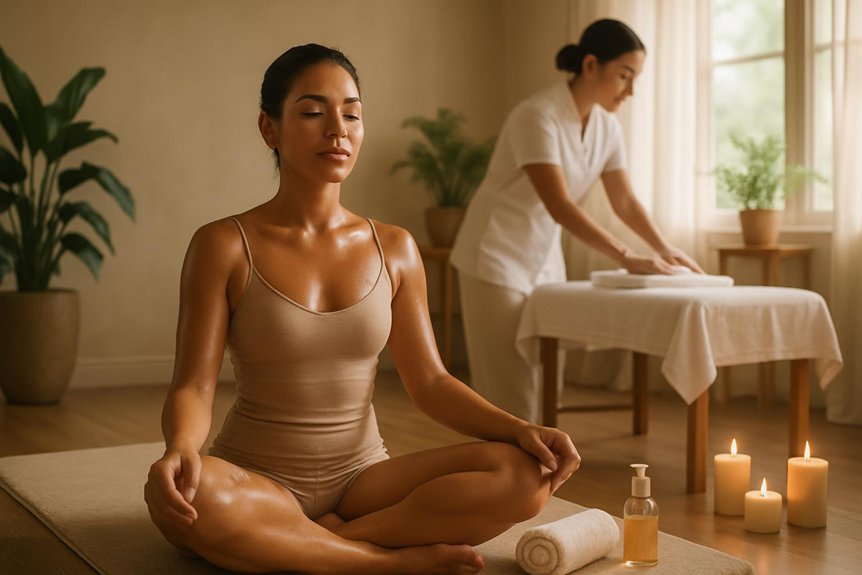
Because the body experiences significant shifts in muscle tone, circulation, and nervous system activity after a massage, appropriate aftercare becomes essential for maximising benefits and promoting recovery.
Spa & Massage therapists recommend drinking plenty of water to aid lymphatic drainage and help flush metabolic by-products released during deep tissue work.
Resting for several hours post-massage allows muscles and connective tissues to integrate changes without undue strain.
Gentle, mindful movement—such as walking or simple stretching—can maintain mobility without overloading sensitive areas.
Warm baths, especially with Epsom salts, may further soothe tense muscles and foster relaxation.
Therapists at Spa & Massage also advise tuning into subtle sensations, noticing areas of tenderness or warmth, and avoiding vigorous exercise or yoga until the body feels balanced.
Listening to Your Body: Personalising Your Wellness Routine
Attentive self-observation forms the cornerstone of lasting wellness after any massage or bodywork session. The body communicates through subtle signals—deep warmth, gentle soreness, or heightened flexibility—each one a guidepost for what movement, including yoga, serves best in the hours that follow.
Spa & Massage therapists advise clients to tune in, noticing breath, muscle tone, and energy levels before deciding to practice yoga post-massage. If muscles feel tender or overly relaxed, gentle stretching or restorative poses may be ideal, whereas deep or vigorous yoga can be postponed until full vitality reestablishes.
This mindful approach, grounded in anatomical awareness and respect for individual limits, ensures that every element of one’s wellness routine—whether massage, yoga, or rest—honours the body’s real-time needs and fosters genuine, sustainable balance.
Conclusion
Like ripples in calm water, the effects of intensive tissue massage linger through muscle and mind, inviting a gentle awareness. When considering yoga after such a treatment, envision the body as a finely tuned instrument—sensitive, responsive, yet resilient. By attuning to subtle signals and honouring a mindful, gradual approach, individuals can harmonise flexibility with recovery. In this attentive balance, the journey towards wellness becomes both restorative and empowering, safeguarding the body’s intricate architecture while nurturing holistic wellbeing.