

Intensive tissue massage during the first trimester is generally contraindicated due to increased physiological vulnerability, such as risk of miscarriage and changes in vascular and hormonal status. Deep, targeted pressure may stimulate uterine activity or impact placental blood flow. Clinical guidelines recommend gentler techniques, with careful consideration of anatomical changes in early pregnancy. Individuals should consult with qualified prenatal therapists and disclose any symptoms. Further information below provides thorough risk assessments, safer alternatives, and professional protocols for early pregnancy massage.
Understanding Deep Tissue Massage
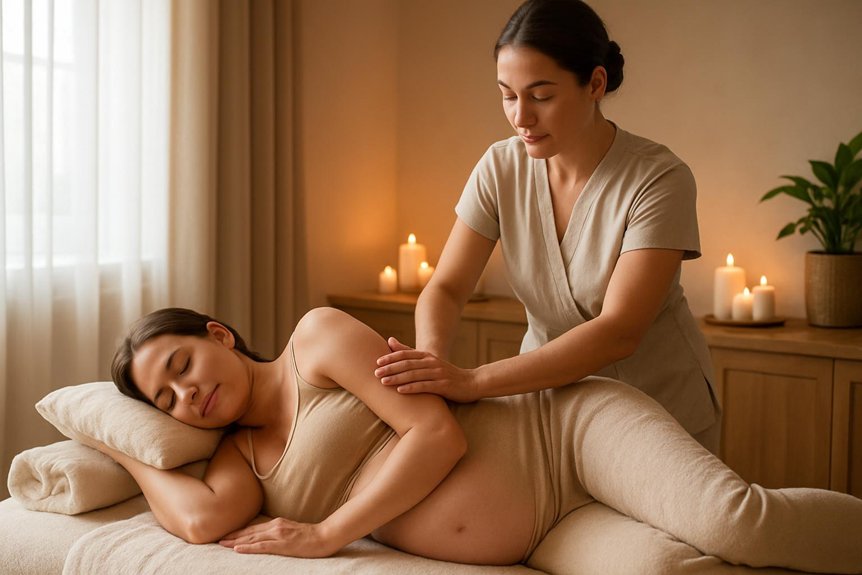
It employs slow, sustained strokes and targeted pressure to reach deeper layers of fascia and musculature.
Unlike Swedish massage, which primarily addresses superficial tissues for relaxation, deep tissue techniques focus on resolving chronic tension, adhesions, and musculoskeletal discomfort.
At Spa & Massage, therapists utilise anatomical precision to address specific concerns, such as deep muscle knots and restricted movement, while continuously monitoring client feedback to guarantee safety.
Clinical literature notes that deep tissue interventions may cause transient soreness, bruising, or circulatory changes, particularly in individuals with underlying risk factors.
As a result, Spa & Massage therapists thoroughly assess medical history and current health status before recommending this modality.
This risk-aware approach prioritises client well-being, fostering trust and a sense of intimate, personalised care.
Additionally, intensive tissue massage techniques are valued for their potential therapeutic benefits but should always be tailored to an individual’s unique health considerations.
The First Trimester: What Happens in Early Pregnancy
During the first trimester of pregnancy, rapid physiological and hormonal changes initiate critical embryonic development and organogenesis. This delicate phase encompasses cellular differentiation, the formation of essential organs, and the establishment of the placental interface.
Maternal cardiovascular, endocrine, and immune systems adapt to support the developing embryo, contributing to symptoms such as fatigue, nausea, and emotional variability. Fluctuations in progesterone and human chorionic gonadotropin (hCG) levels influence both physical and psychological well-being.
Clinically, the first trimester is associated with heightened vulnerability to external influences, as fetal tissues are particularly sensitive during this foundational period.
At Spa & Massage, understanding these early gestational dynamics allows therapists to tailor recommendations and support, acknowledging individual needs and the importance of safeguarding maternal and fetal health from the outset.
Safety Considerations for Massage During the First Trimester
During the first trimester, increased vulnerability to miscarriage and physiological changes necessitate careful assessment of any massage intervention.
Evidence-based practice highlights the importance of selecting therapists with specialised training in prenatal care to minimise potential risks.
At Spa & Massage, all therapists providing treatment to pregnant clients are qualified to recognise contraindications and adapt techniques accordingly.
Risks During Early Pregnancy
Although massage therapy offers many benefits, intensive tissue massage in the first trimester of pregnancy presents specific risks that require careful consideration.
During early pregnancy, physiological changes—such as increased blood volume, hormone fluctuations, and heightened vascular sensitivity—may increase susceptibility to adverse effects.
Vigorous pressure or deep manipulation could potentially stimulate uterine contractions, disrupt placental blood flow, or contribute to maternal discomfort.
Evidence suggests that inappropriate pressure or positioning, particularly in the abdominal or lower back regions, can heighten risk for complications during this delicate stage.
At Spa & Massage, clinical protocols emphasise gentle, targeted techniques and avoid deep tissue interventions in the first trimester to prioritise maternal and fetal wellbeing.
A nurturing, safety-focused approach remains essential as the body adjusts to early pregnancy.
Therapist Qualifications and Training
How does therapist expertise mitigate the risks associated with massage in early pregnancy? Therapist qualifications play a critical role in ensuring client safety, particularly during the first trimester when physiological changes heighten vulnerability.
At Spa & Massage, therapists receive advanced training in prenatal anatomy, contraindications, and adaptation of deep tissue techniques. This clinical knowledge enables them to identify red flags—such as unexplained bleeding or abdominal pain—and to modify pressure, positioning, and modalities accordingly.
Skilled practitioners also adhere strictly to evidence-based protocols, including extensive intake assessments and ongoing monitoring for adverse reactions. Their understanding of safe zones and gestational risk factors minimizes the likelihood of triggering uterine contractions or compromising maternal-foetal health.
Ultimately, therapist expertise provides reassurance and fosters an intimate, trusting environment throughout the pregnancy journey.
How It Differs From Other Massage Types
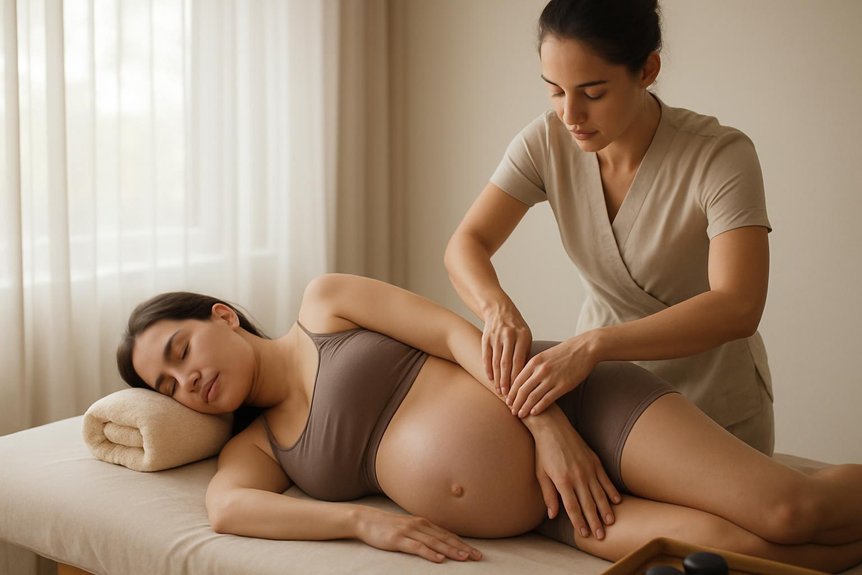
Intensive tissue massage employs greater pressure and slower, more focused techniques compared to other massage modalities. It aims to address specific musculoskeletal tension.
This approach is designed for targeted relief of deep muscle adhesions rather than general relaxation.
At Spa & Massage, therapists carefully select oils and products to minimize potential sensitivities, especially important for clients in the first trimester.
Pressure and Technique Differences
When comparing massage modalities, the primary distinction lies in the depth of pressure applied and the targeted manipulation of underlying tissues.
Intensive tissue massage employs firm, sustained pressure and slow strokes to reach deeper layers of muscle and fascia, contrasting with the lighter, more superficial techniques of Swedish or relaxation massage.
At Spa & Massage, therapists are trained to adapt their techniques, focusing on clinical precision and client safety.
During the first trimester, increased sensitivity and physiological changes require careful consideration of pressure intensity. Excessively deep manipulation may elevate risk of discomfort, vascular changes, or adverse reactions.
Consequently, therapists assess individual tolerance and contraindications, modifying techniques as needed.
This approach fosters a safe, nurturing environment while respecting the unique needs of early pregnancy.
Targeted Muscle Relief
Unlike lighter massage modalities, targeted muscle relief through intensive tissue massage employs specific, sustained pressure on areas of chronic tension or musculoskeletal dysfunction. This technique penetrates deeper layers of muscle and fascia, aiming to disrupt adhesion formation and facilitate myofascial release.
Evidence indicates that such focused work can alleviate localized discomfort, improve range of motion, and promote tissue recovery.
However, during the first trimester of pregnancy, clinical caution is paramount. Increased vascularity, hormonal fluctuations, and altered connective tissue integrity introduce heightened risks.
At Spa & Massage, therapists assess each client’s history and symptoms to determine the appropriateness of targeted techniques. Emphasis remains on safety and comfort, ensuring that relief is achieved without compromising maternal or fetal well-being in this sensitive period.
Oil and Product Selection
Attention to product selection is a defining feature of clinical massage practice, particularly when addressing the unique needs of clients in the first trimester.
During intensive tissue massage at Spa & Massage clinics, therapists employ hypoallergenic, unscented oils to minimise the risk of adverse dermal or systemic reactions. Essential oils with contraindications in early pregnancy, such as clary sage or rosemary, are strictly avoided to guarantee maternal and fetal safety.
Product purity and ingredient transparency are prioritised, with all formulations scrutinised for teratogenic or sensitising compounds. Therapists are trained to recognise and adapt to evolving sensitivities or aversions common during the first trimester.
This evidence-based, risk-mitigating approach reassures clients seeking both therapeutic efficacy and the comfort of knowing their wellbeing is safeguarded throughout the treatment.
Risks and Precautions for Expectant Mothers
Although intensive tissue massage offers therapeutic benefits, its application during the first trimester of pregnancy requires careful consideration due to potential risks. The first trimester is a critical phase, marked by heightened physiological changes and increased vulnerability to miscarriage.
Deep tissue techniques—characterised by intense pressure and manipulation of deeper muscle layers—may stimulate uterine contractions or affect maternal circulation. Clinical guidelines advise caution, especially with pressure points in the lower back, abdomen, and ankles, areas linked to uterine activity.
At Spa & Massage, therapists conduct thorough consultations, evaluating medical history and pregnancy progression before recommending any treatment.
Practitioners prioritise maternal and fetal safety, adapting techniques or deferring deep pressure interventions when indicated.
Expectant mothers are encouraged to communicate openly about symptoms and concerns during all sessions.
Alternative Massage Options for the First Trimester
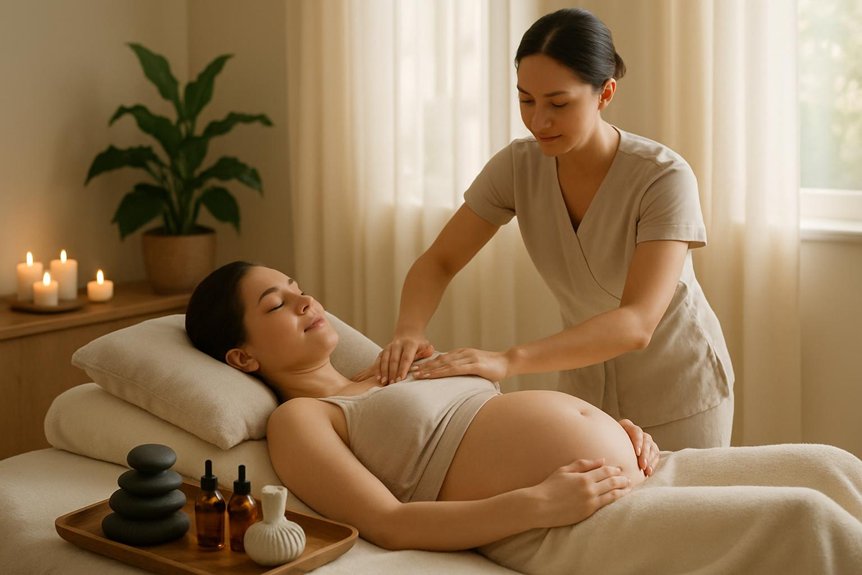
When considering safe therapeutic interventions during the first trimester, alternative massage modalities with gentler techniques are clinically advisable. Swedish massage, aromatherapy massage with pregnancy-safe oils, and reflexology are frequently recommended due to their lower risk profiles and capacity to promote relaxation without deep tissue manipulation.
These approaches prioritize light-to-moderate pressure, minimising potential vascular or musculoskeletal stressors that may compromise maternal or fetal wellbeing.
At Spa & Massage, therapists tailor each session to the unique physiological needs of early pregnancy, employing supportive positioning and careful oil selection to optimise comfort and safety.
Clients often report reduced anxiety, improved sleep, and alleviated mild muscular tension through these gentle interventions, fostering emotional connection and nurturing touch—elements essential to holistic prenatal care in the first trimester.
How Our Therapists Approach Prenatal Massage
Recognising the physiological complexity and elevated risk profile of early pregnancy, Spa & Massage therapists implement specialised protocols for prenatal massage during the first trimester. Therapists conduct thorough consultations to understand medical history, current symptoms, and any contraindications.
Techniques applied are gentle, avoiding deep tissue pressure or stimulation of reflex points associated with uterine activity. Client positioning is modified—side-lying or semi-reclined—to maximise maternal comfort and limit vascular compression.
Therapists use unscented, hypoallergenic oils to minimise skin sensitivities. Emphasis is placed on supporting circulatory function and reducing mild musculoskeletal discomfort without provoking systemic changes.
All interventions align with current safety guidelines and are tailored to the client’s evolving needs, offering reassurance and attentive care at this delicate stage of pregnancy.
Communication With Your Massage Therapist
Effective communication between client and therapist is integral to mitigating risks and optimising outcomes during massage in the first trimester.
Open disclosure of pregnancy status, relevant medical history, and any current symptoms allows therapists at Spa & Massage to tailor each treatment safely and appropriately. Clients are encouraged to articulate any discomfort, sensitivities, or emotional concerns before and during the session.
Evidence indicates that early identification of contraindications—such as unusual pain, spotting, or medical complications—reduces the likelihood of adverse events. Therapists employ attentive listening and professional judgment to adjust techniques, pressure, and positioning, ensuring maternal wellbeing.
This collaborative approach fosters trust and intimacy, enabling clients to relax and benefit from a safe, nurturing environment, aligned with Spa & Massage’s commitment to personalised care.
Aftercare and Self-Care Tips for Pregnant Clients
Following any massage session during the first trimester, immediate and ongoing aftercare is essential to minimise potential risks such as dehydration, dizziness, or musculoskeletal discomfort.
Spa & Massage therapists recommend that clients slowly rise from the table, hydrate with water, and avoid sudden, strenuous movements post-treatment.
Monitoring for any adverse symptoms—such as persistent cramping or lightheadedness—is critical.
Resting for at least 10–15 minutes before leaving the clinic can help stabilise blood pressure and promote safety.
At home, gentle stretching and continued hydration support ideal tissue recovery.
Clients are encouraged to communicate any unusual discomfort to their healthcare provider.
At Spa & Massage, therapists routinely provide individualised aftercare guidance, ensuring each pregnant client feels supported, secure, and informed throughout their wellness journey.
Conclusion
In conclusion, while intensive tissue massage may seem tempting for early pregnancy discomfort, it is best approached with caution during the first trimester—a critical window when the body is laying the foundation for new life. Like treading carefully across a frozen lake, expectant mothers are advised to contemplate gentler alternatives, prioritising safety and evidence-based care. Consulting qualified therapists ensures the risks are minimised and that maternal and foetal wellbeing remain firmly at the forefront of every treatment.