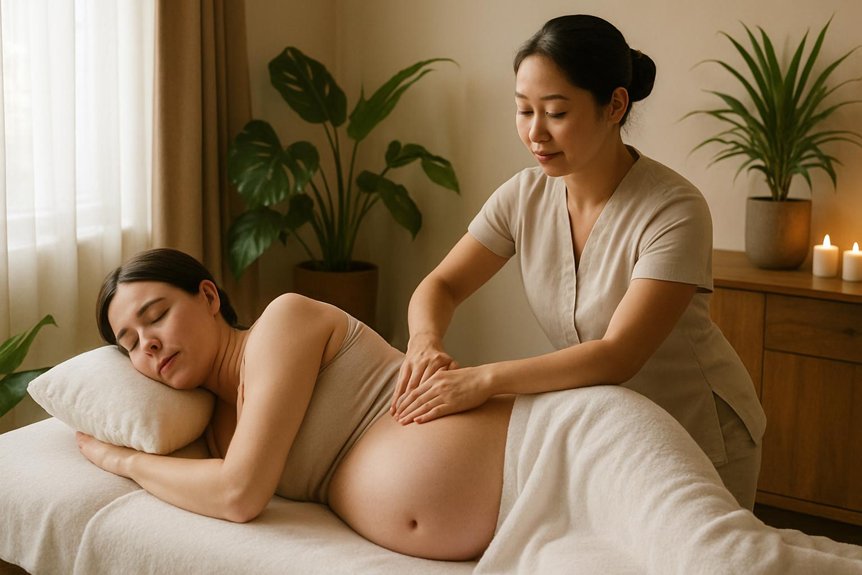
Intensive tissue massage is generally not recommended during pregnancy due to its intense pressure and deeper muscle manipulation, which may pose risks for both mother and baby. Pregnancy massage, using gentler techniques and careful positioning, is a safer alternative that addresses common discomforts and promotes relaxation. Therapists follow specific precautions to prevent complications and guarantee maternal and fetal safety. For those seeking comfort and well-being during pregnancy, gentler massage methods are advised. Additional information clarifies safe options and essential aftercare.
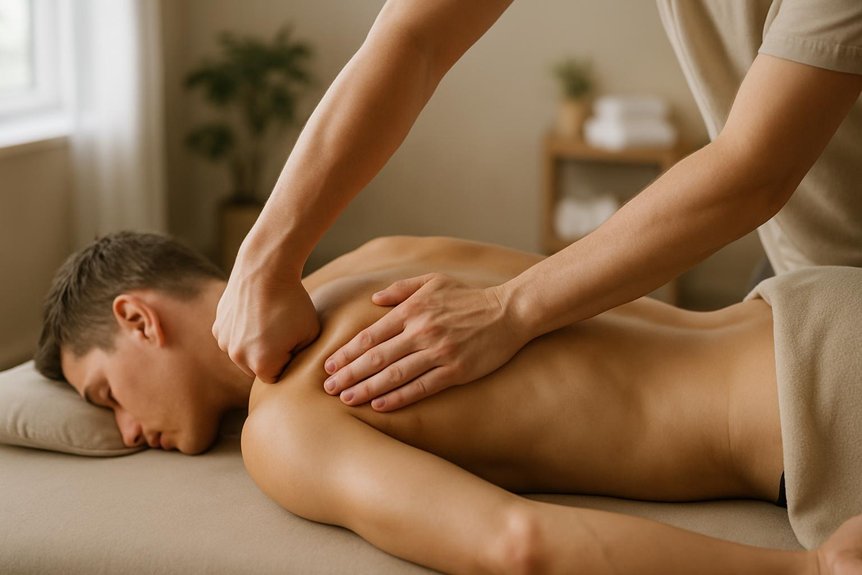
Understanding Deep Tissue Massage and Its Benefits
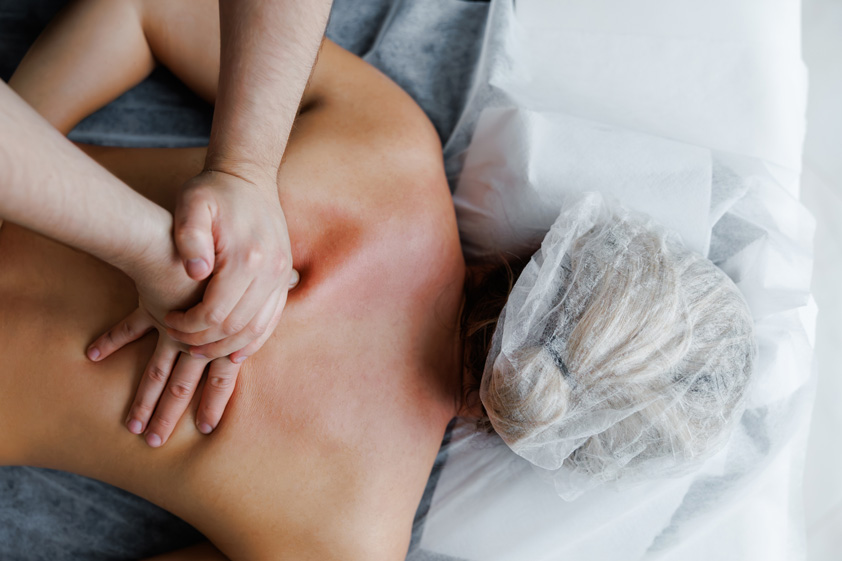
How does it support overall well-being? It is designed to reach deeper layers of muscle and connective tissue, targeting chronic tension and discomfort.
Evidence suggests that this technique can reduce muscle soreness, improve circulation, and promote relaxation by decreasing cortisol levels.
At Spa & Massage, therapists use slow, deliberate strokes and firm pressure, always adapting intensity to each client’s comfort and safety needs.
Many clients experience enhanced flexibility and a sense of release, both physically and emotionally, following treatment.
By addressing deep-seated tension, this massage promotes a sense of connectedness and calm.
The attentive care provided in a serene setting nurtures trust, ensuring clients feel supported and secure throughout their session, which is central to the Spa & Massage philosophy.
Additionally, intensive tissue massage incorporates techniques and benefits that specifically address chronic pain and muscle imbalances, further supporting individual health goals.
Pregnancy Massage: How It Differs From Deep Tissue Techniques
While both deep tissue and pregnancy massage offer therapeutic benefits, their approaches and techniques differ considerably to guarantee client safety and comfort.
Intensive tissue massage typically involves firm pressure and slow strokes targeting deeper muscle layers, which can provide relief from chronic tension but may not be suitable for everyone—especially during pregnancy.
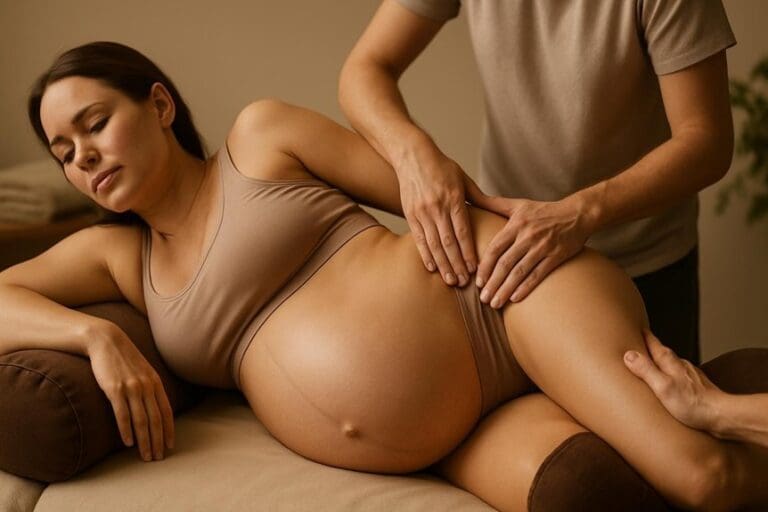
In contrast, pregnancy massage at Spa & Massage employs gentler, specially adapted techniques tailored to the physiological changes experienced by expectant mothers.
Therapists focus on alleviating common discomforts, such as lower back pain and swelling, while carefully avoiding areas and methods that could pose a risk.
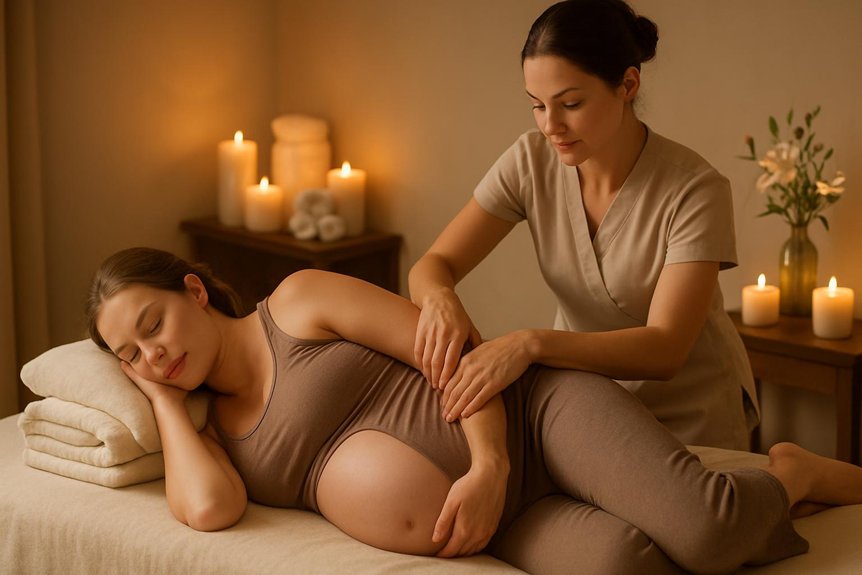
The use of supportive cushions and appropriate positioning further ensures a nurturing environment.
This thoughtful approach allows for relaxation and connection without compromising safety or well-being.
Safety Considerations for Massage During Pregnancy
Although massage can offer significant relief from the physical and emotional stresses of pregnancy, ensuring the safety of both mother and baby is paramount.
At Spa & Massage, therapists are trained to modify techniques, pressure, and positioning to suit the unique needs of expectant mothers.
Evidence suggests that certain areas, such as the lower back, abdomen, and specific pressure points, require careful handling or avoidance during pregnancy.
Using hypoallergenic oils and providing supportive cushions are standard practices in our clinics to enhance comfort and reduce strain.
Communication remains essential—clients are encouraged to discuss any concerns or discomfort immediately.
When Is It Safe to Have a Massage While Pregnant?
Provided there are no complications or contraindications, massage is generally regarded as safe during pregnancy after the first trimester.
At Spa & Massage, therapists recommend waiting until after twelve weeks, as this period marks a reduced risk of miscarriage and the body becomes more stable for therapeutic touch.
Regular massage from the second trimester onward can support relaxation, ease muscular tension, and foster a sense of well-being during a time of profound physical change.
Each session is tailored to the individual, with careful attention to comfort, positioning, and communication.
The therapists’ expertise ensures that every client feels cared for and protected, creating a nurturing experience that honours both mother and baby.
Booking with trained professionals helps guarantee a safe, restorative environment throughout pregnancy.
Areas to Avoid and Therapist Precautions in Pregnancy
During pregnancy, certain body areas—such as the abdomen, lower back, and specific pressure points—require special attention or should be avoided during intensive tissue massage.
At Spa & Massage, therapists are trained to modify techniques and apply safety measures that prioritise the well-being of both mother and baby. This includes careful assessment, gentle positioning, and clear communication to guarantee a safe and comfortable experience.
Sensitive Body Zones
Understanding which areas of the body require special attention or should be avoided is essential when providing massage to pregnant clients.
Certain zones—such as the abdomen, lower back, and inner thighs—are particularly sensitive during pregnancy.
Evidence suggests these areas may be more prone to discomfort or, in rare cases, trigger complications if handled with deep pressure.
At Spa & Massage, therapists take care to use lighter touch or avoid direct deep tissue techniques on these zones, focusing instead on promoting comfort and relaxation.
Gentle, nurturing contact is prioritized to ensure the well-being of both mother and baby.
Communication between client and therapist is encouraged, allowing for adjustments and reassurance, fostering a sense of safety and trust throughout the treatment experience.
Therapist Safety Measures
Recognising the unique physiological changes that occur during pregnancy, professional therapists at Spa & Massage implement specific safety protocols to protect both mother and baby.
Areas such as the abdomen, lower back, and certain pressure points around the ankles are carefully avoided or treated with extra caution, as stimulation here may induce discomfort or, in rare cases, contractions.
Therapists also adapt positions to guarantee comfort and ideal circulation, often employing side-lying or semi-reclined placements rather than traditional prone positions.
In each session, therapists employ gentle communication and encourage feedback, adapting pressure as needed to ensure safety and relaxation.
Only pregnancy-safe oils are used, and all treatments follow up-to-date, evidence-based guidelines.
This attentive, personalised approach ensures that every expectant client receives both effective and nurturing care.
Alternatives to Intensive Tissue Massage for Expectant Mothers
Although intensive tissue massage can offer significant relief for muscle tension, it is generally not recommended for expectant mothers due to the intensity of pressure involved.
Safer alternatives—such as pregnancy massage, gentle Swedish massage, and aromatherapy massage—are available at Spa & Massage clinics. These options are specifically tailored to support the unique needs of pregnant clients, using softer techniques that ease discomfort while prioritising safety.
Trained therapists adapt positioning and pressure to protect both mother and baby, ensuring a deeply soothing experience. Many expectant mothers find that incorporating calming essential oils, as recommended by our therapists, further enhances relaxation.
Reflexology, focusing on feet and hands, is another gentle therapy often chosen during pregnancy. These alternatives foster connection, comfort, and well-being throughout this special time.
The Role of Communication With Your Therapist
Effective communication between client and therapist forms the foundation of a safe and beneficial massage experience, especially during pregnancy. At Spa & Massage, therapists encourage open dialogue to understand each client’s comfort level, health history, and any unique pregnancy symptoms.
Sharing concerns about pressure, positioning, or areas of sensitivity is essential, as a tailored approach guarantees both relaxation and safety.
Evidence shows that clear communication helps therapists adapt techniques to suit the changing needs of expectant mothers, reducing the risk of adverse reactions and enhancing therapeutic benefits.
Clients are reassured that their preferences and feedback are valued throughout the session. This trust fosters a nurturing environment, where the client feels cared for and secure, allowing for a deeply personal and restorative massage experience.
Aftercare Tips for Pregnant Clients Receiving Massage
Following a intensive tissue massage during pregnancy, maintaining proper hydration and allowing time for rest are essential for supporting the body’s natural recovery processes.
Spa & Massage therapists advise clients to observe how they feel after their session and to report any unusual discomfort or lingering sensations. This approach helps guarantee the ongoing safety and comfort of pregnant clients as they benefit from therapeutic massage.
Hydration and Rest Importance
A well-considered aftercare routine is vital for pregnant clients to maximise the benefits of intensive tissue massage while prioritising safety and comfort.
At Spa & Massage, therapists emphasise the importance of hydration following treatment. Increased water intake helps the body flush out metabolic byproducts released during massage, supporting overall wellness and reducing the likelihood of post-massage discomfort.
Rest is equally essential, as the body requires time to integrate the therapeutic effects and restore energy. Clients are encouraged to listen closely to their bodies, allowing for gentle downtime and avoiding strenuous activities immediately after their session.
These recommendations, grounded in best practices, help guarantee that each visit remains a nurturing and restorative experience—one that respects both the unique needs of pregnancy and the client’s well-being.
Monitoring Post-Massage Sensations
How can pregnant clients best guarantee their comfort and safety after a massage session?
At Spa & Massage, clients are encouraged to pay close attention to how their body feels in the hours following treatment.
It is normal to experience mild soreness or relaxation, but any persistent discomfort, unusual swelling, dizziness, or changes in fetal movement should be noted.
Our therapists advise clients to rest and avoid strenuous activity, as well as to stay hydrated.
If any unusual sensations arise, such as sharp pain or prolonged cramping, it is important to consult a healthcare provider promptly.
Open communication with both the massage therapist and medical professionals ensures that any concerns are addressed quickly, supporting a safe and nurturing experience throughout pregnancy.
Conclusion
While intensive tissue massage is generally not recommended during pregnancy due to safety considerations, tailored pregnancy massage offers a secure and effective alternative for expectant mothers seeking relief. Isn’t the wellbeing of both mother and baby worth prioritizing over deeper pressure techniques? By choosing qualified therapists and open communication, pregnant clients can enjoy the many benefits of massage, with peace of mind that their comfort and safety remain at the heart of every session.