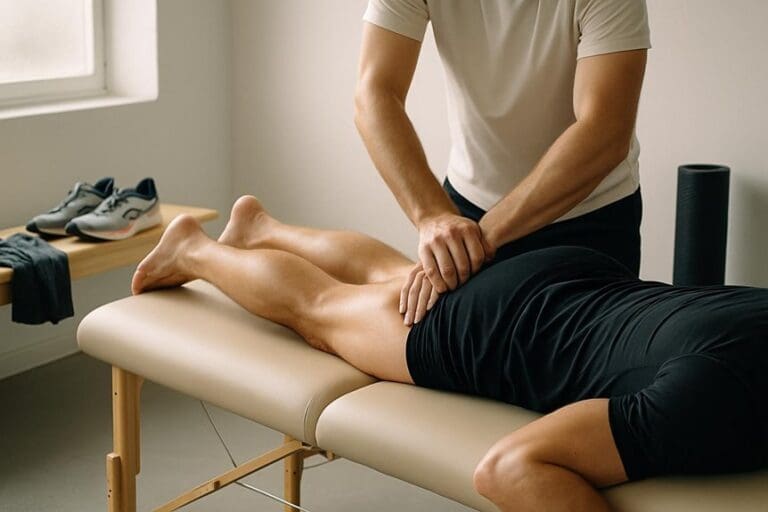
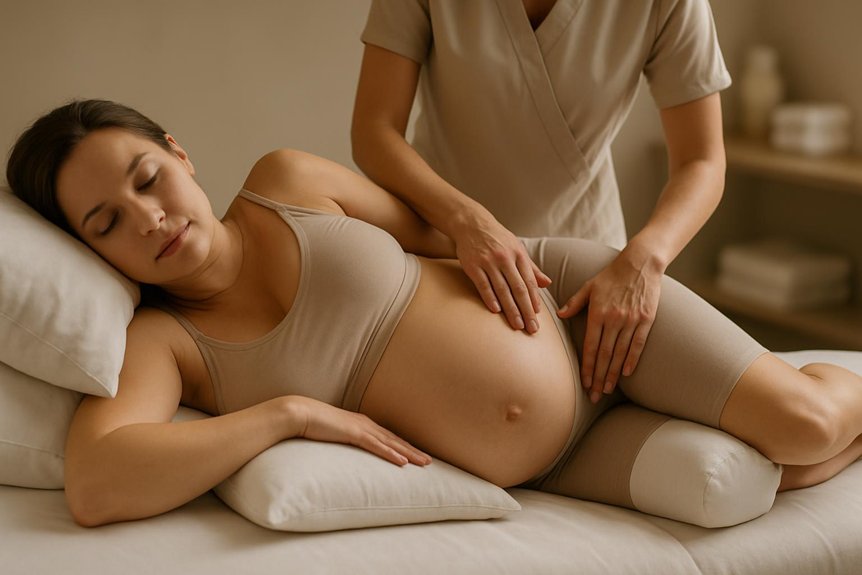
Prenatal massage can help ease pregnancy-related sciatica by gently reducing muscle tension in the lower back, gluteals, piriformis, and hip flexors that can irritate nearby nerves. It may also improve circulation, decrease pain sensitivity, and support better sleep when performed with side-lying positioning and pregnancy-safe pressure. It is not a cure and should be avoided with red flags like leg weakness, saddle numbness, or bladder changes. The sections below outline causes, safety, and aftercare.
Can Prenatal Massage Help Pregnancy Sciatica?
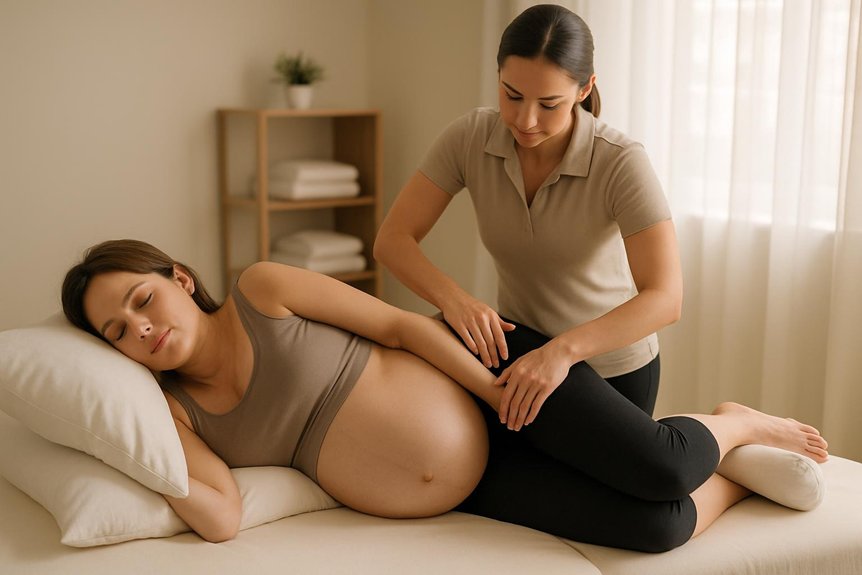
Ease the pressure, and sciatica in pregnancy often becomes more manageable: prenatal massage can help by reducing muscular tension around the lower back, hips, and gluteal muscles that commonly irritate the sciatic nerve.
Evidence-informed care suggests gentle, pregnancy-safe soft-tissue work may decrease pain sensitivity, improve local circulation, and support calmer sleep—factors that can make daily movement feel less guarded and more comfortable.
As part of the wider benefits of pregnancy massage, this supportive touch can also help expecting mothers feel more relaxed and at ease in their changing bodies.
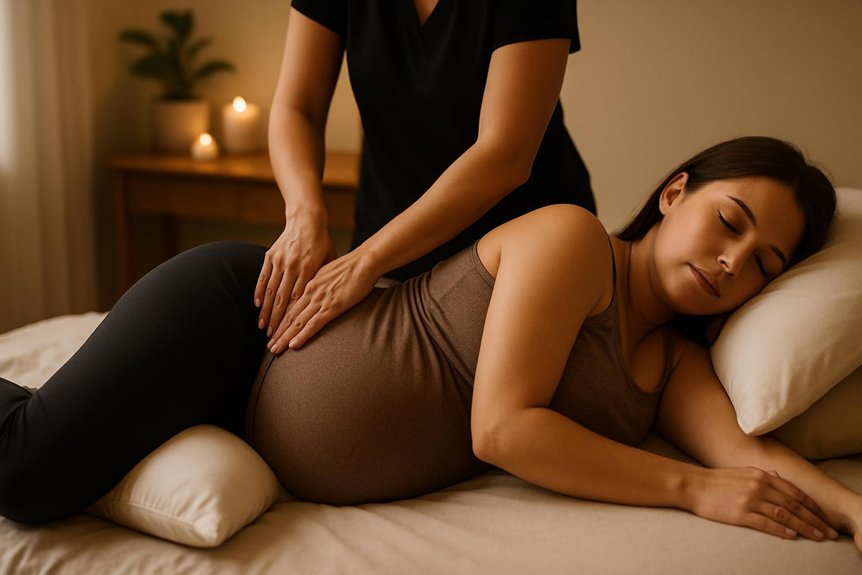
At Spa & Massage clinics across London, therapists adapt positioning, pace, and pressure, using supportive bolsters and avoiding deep, risky techniques.
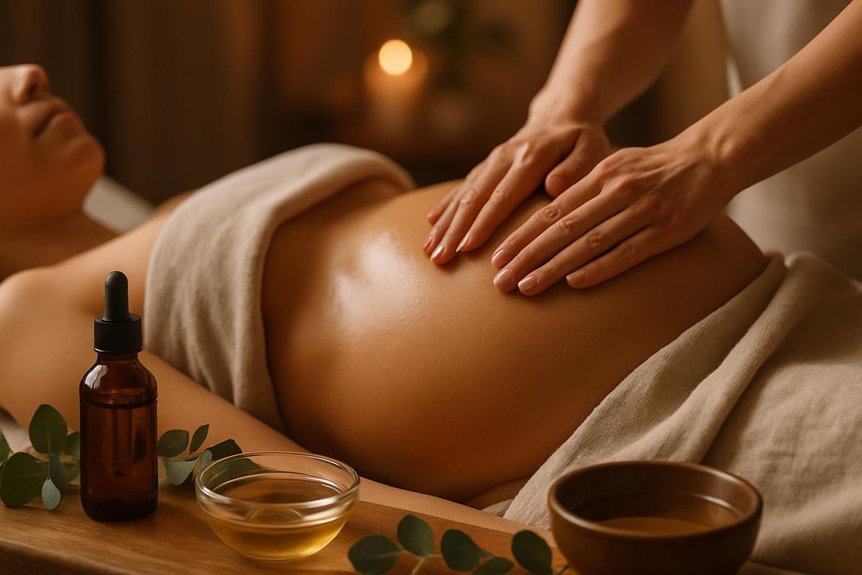
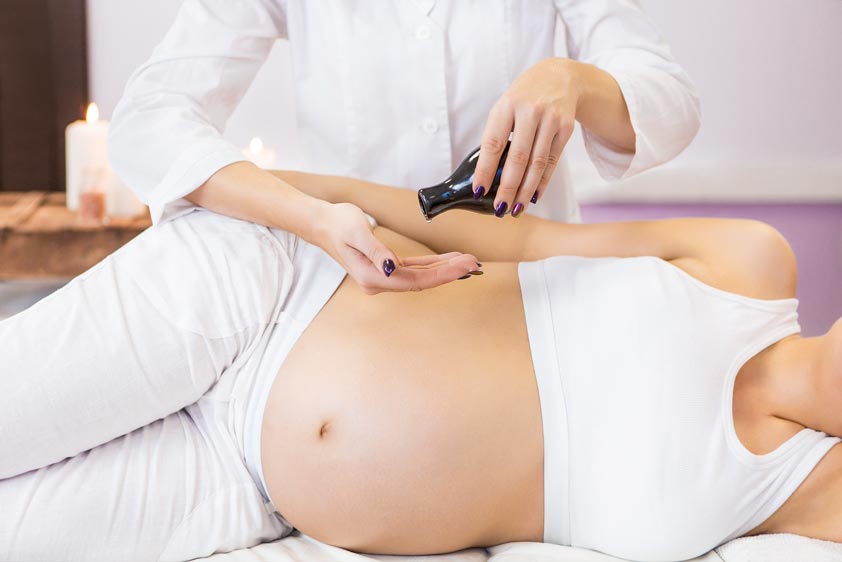
Many clients prefer unscented or lightly aromatherapeutic oils selected for pregnancy, with slow, reassuring strokes that feel safe and personal.
Massage is not a cure, but it can offer meaningful, hands-on relief and emotional steadiness.
What Causes Sciatica in Pregnancy: and What Worsens It?
Sciatica in pregnancy most often develops when changing biomechanics and hormonal shifts increase strain through the lower back and pelvis, creating irritation or compression along the sciatic nerve pathway. As the bump grows, posture typically shifts into increased lumbar lordosis, while the pelvis widens and muscles such as piriformis, gluteals, and hip flexors may tighten, sensitising nearby nerves. Fluid retention can add pressure in confined spaces, and reduced core stability may overload spinal joints.
Symptoms are commonly worsened by prolonged sitting, standing, or side-lying without adequate support; repetitive lifting; long walks on hard surfaces; and sudden increases in activity. At Spa & Massage clinics in London, therapists often note flare-ups after travel, poor sleep positioning, and stress-related muscle guarding, which can amplify pain perception.
When Is Pregnancy Sciatica a Medical Red Flag?
When does pregnancy-related leg and back pain move beyond typical discomfort and require urgent medical assessment? Red flags include sudden, severe pain after a fall; progressive weakness; numbness in the groin or “saddle” area; new difficulty walking; loss of bladder or bowel control; fever, chills, or unexplained weight loss; and pain paired with swelling, redness, or warmth in one calf (possible clot).
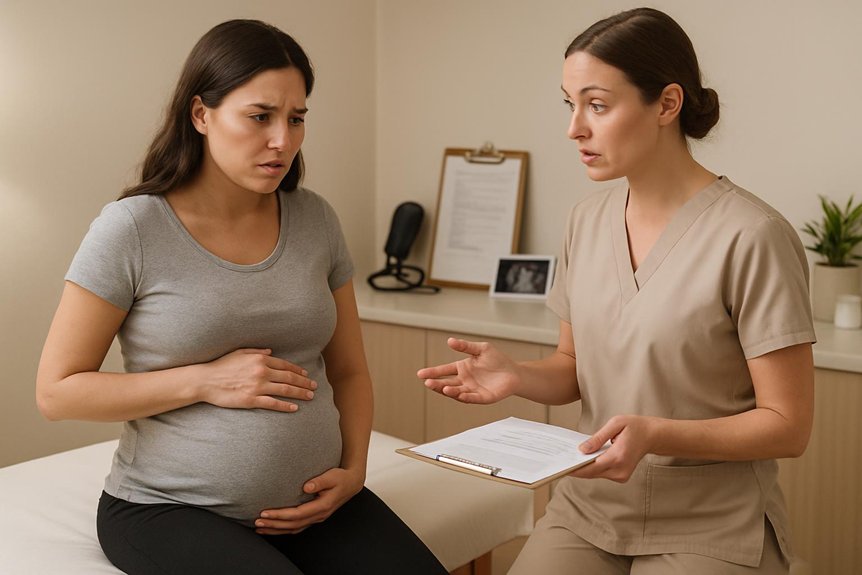
Constant pain that worsens at night, or pain with vaginal bleeding, severe abdominal cramping, headache, vision changes, or reduced fetal movement also warrants urgent review. Spa & Massage advises clients to contact a midwife, GP, or 111 promptly, and to seek emergency care for neurological symptoms or calf-clot signs.
How Does Prenatal Massage Relieve Pregnancy Sciatica Safely?
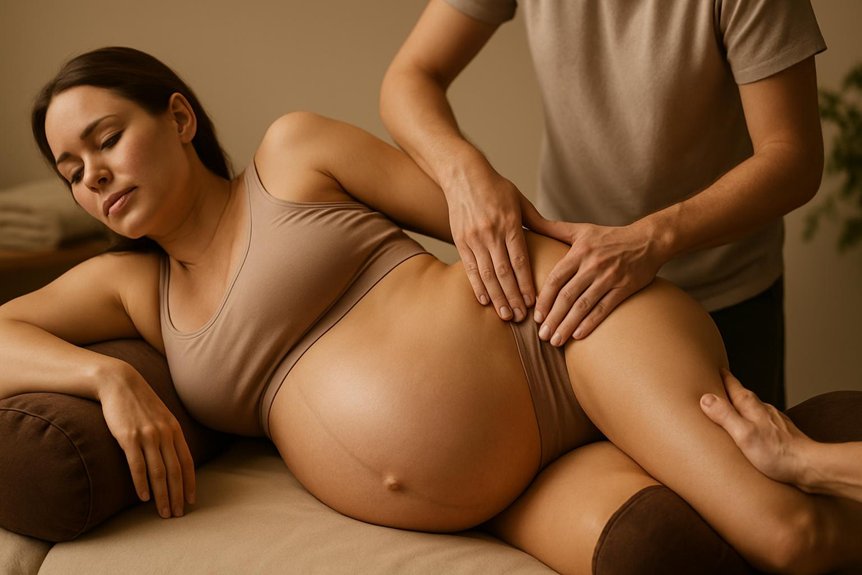
In many pregnancies, gentle, well‑positioned prenatal massage can reduce sciatica symptoms by easing muscular tension around the pelvis and lower back, supporting circulation, and calming the nervous system without placing pressure on the abdomen.
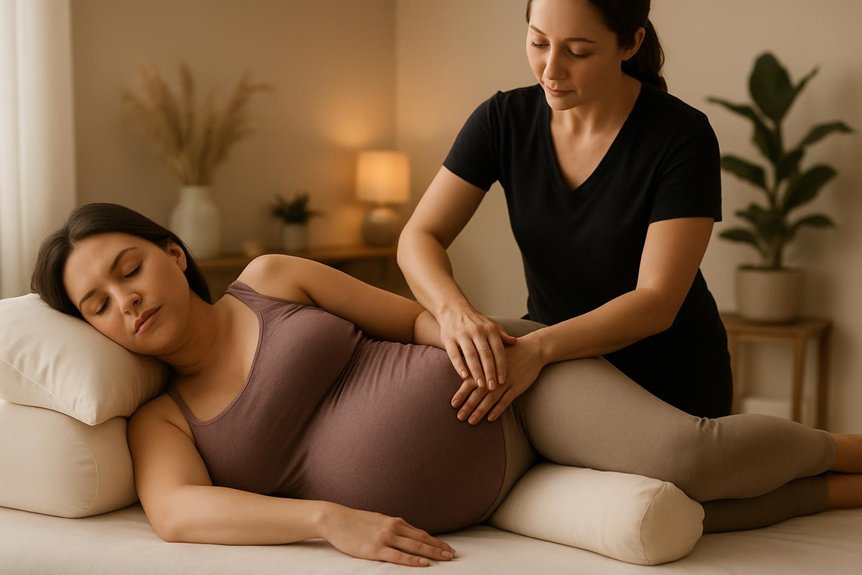
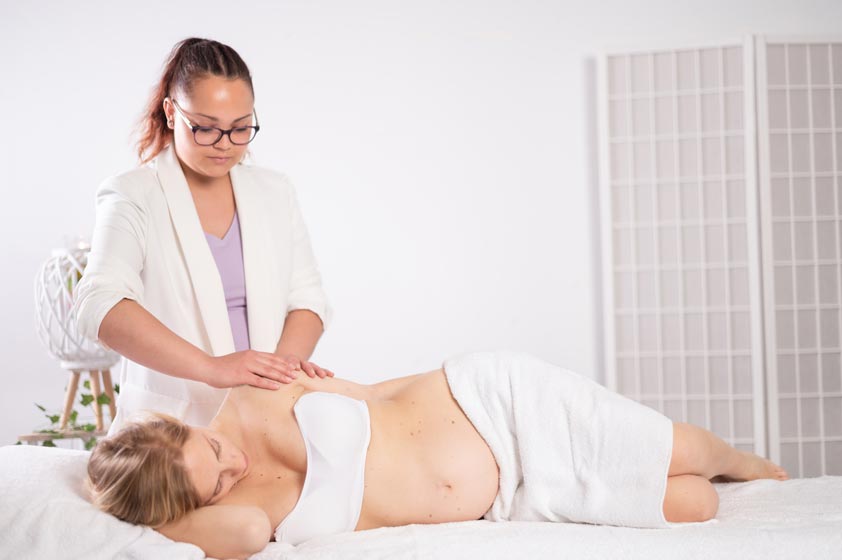
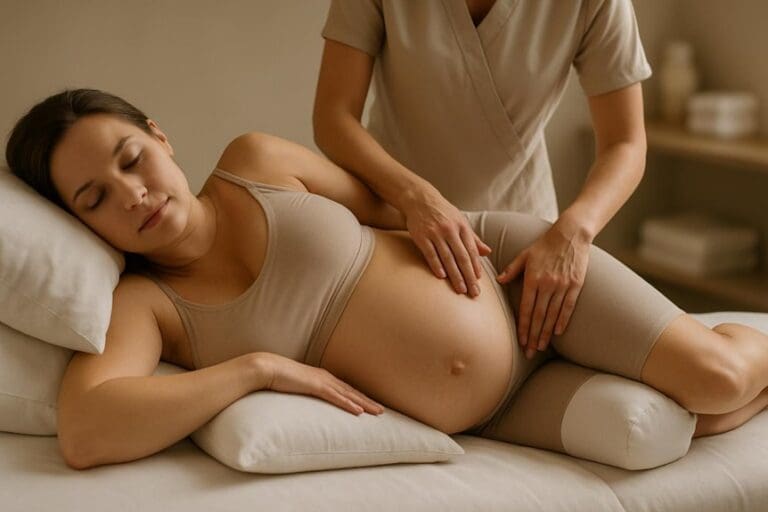
At Spa & Massage clinics, therapists prioritise side‑lying positioning with bolsters, avoiding prolonged supine work and any deep pressure over the sacrum that could irritate the nerve.
Treatment focuses on releasing gluteals, piriformis, hip flexors, and lumbar paraspinals, which commonly compress or sensitise the sciatic pathway; slow, connective strokes and targeted trigger‑point work are applied only within a comfortable, “good pain” threshold.
Light lymphatic techniques may reduce fluid retention, while diaphragmatic breathing cues support parasympathetic down‑regulation, helping the pelvis feel safer, softer, and more supported.
What Aftercare Keeps Pregnancy Sciatica Calmer Longer?
After a prenatal massage, consistent, low‑risk aftercare can help keep pregnancy‑related sciatica quieter for longer by preventing the same tissues from tightening and re‑irritating the nerve pathway.
Spa & Massage therapists typically advise gentle walking, then rest in side‑lying with a pillow between the knees to keep the pelvis neutral. Heat may soothe protective muscle guarding; cold can calm flare‑ups—both used briefly and with skin protection. Daily hip flexor, glute, and piriformis stretches should stay comfortable, never forcing end‑range. Hydration supports tissue recovery, while mindful posture—avoiding long sitting, crossing legs, and asymmetric carrying—reduces compression. Many clients benefit from a supportive maternity belt and regular, smaller massage sessions, adjusting pressure and positioning as pregnancy changes safely.
Conclusion
Prenatal massage may help ease pregnancy-related sciatica by reducing muscular tension, supporting circulation, and improving comfort when delivered by a trained therapist using appropriate positioning. However, it is not a cure, and persistent or worsening symptoms warrant clinical assessment. “An ounce of prevention is worth a pound of cure”: combining massage with targeted stretching, posture support, and activity modification often sustains benefits longer. With proper screening and aftercare, many pregnant patients experience meaningful, safe relief.