Current scientific evidence indicates that it cannot detect or diagnose illness. It practitioners may observe foot tenderness or texture changes, but these findings lack validated links to specific diseases or organ dysfunction. There are no clinical criteria supporting the use of reflex zones as diagnostic indicators. It is regarded as a supportive therapy for relaxation and wellbeing, not a medical assessment tool. Greater insight is available regarding its use in wellness and holistic care.
Understanding the Principles of Reflexology
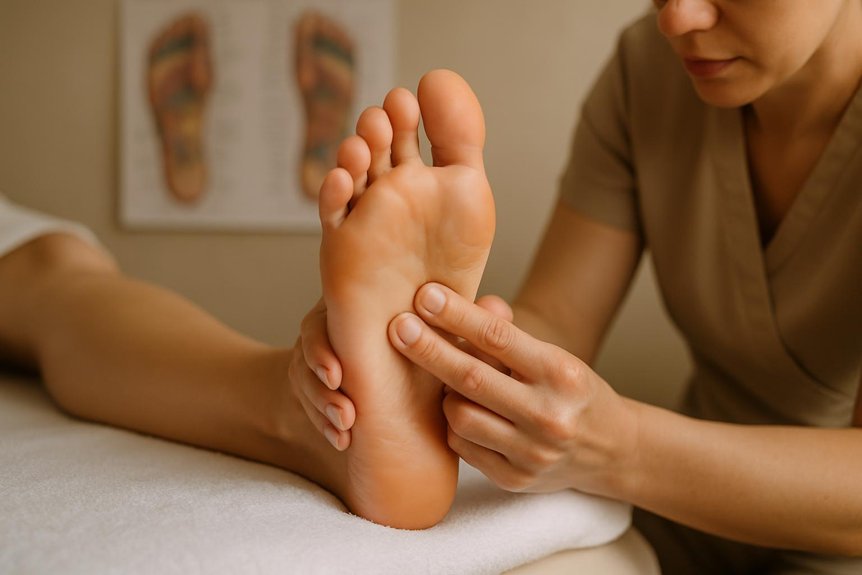
How does it work to support overall wellness? It is based on the concept that specific areas of the feet, hands, and ears correspond to organs and systems within the body. Through targeted pressure techniques, practitioners stimulate these reflex points, aiming to promote physiological balance and homeostasis. Clinical observations suggest that this tactile input may enhance peripheral circulation, modulate neural pathways, and encourage the parasympathetic response, supporting the body’s intrinsic ability to regulate stress and promote relaxation.
At Spa & Massage, therapists use anatomical knowledge to locate and apply precise pressure to reflex zones, fostering an environment conducive to physiological equilibrium. While it does not diagnose illness, its principles focus on optimizing systemic function, reinforcing the foundational belief in the body’s interconnectedness and innate capacity for self-regulation. The practice of it is renowned for helping individuals discover the healing power of targeted touch, further supporting holistic wellness through non-invasive techniques.
How It Is Used in Wellness Practices
It is integrated within wellness practices as a non-invasive therapeutic modality aimed at supporting physiological homeostasis and stress modulation.
In clinical settings such as Spa & Massage clinics, trained therapists apply targeted pressure to specific reflex zones on the feet, hands, or ears, activating neural pathways believed to promote relaxation and optimise autonomic nervous system balance.
This evidence-based approach is frequently incorporated alongside other massage therapies to address symptoms of tension, fatigue, and mild discomfort.
Clients often report a heightened sense of wellbeing and tranquility following treatment, consistent with literature indicating potential benefits for mood and sleep quality.
Spa & Massage therapists tailor each session to the individual, respecting unique health histories and preferences, while maintaining a tranquil, supportive environment conducive to holistic wellness.
Can It Identify Health Issues?
While it is frequently sought for its potential to promote relaxation and wellbeing, current scientific consensus does not support its use as a diagnostic tool for identifying specific health conditions.
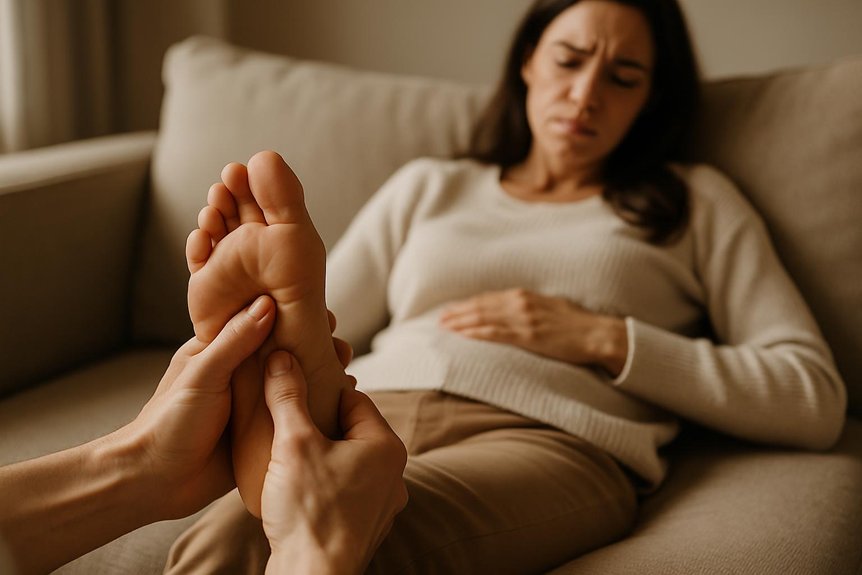
Evidence-based medical research indicates that it does not reliably detect or diagnose underlying medical disorders. Reflexologists may observe areas of tenderness or textural changes on the feet, but these findings are not clinically validated correlates of specific organ dysfunction or disease states.
In Spa & Massage clinics, practitioners focus on providing supportive care that aims to enhance comfort, reduce stress, and improve overall quality of life. Clients are encouraged to consult their primary care provider for medical assessment or diagnosis.
It is best viewed as a complementary therapy, not a substitute for conventional medical evaluation.
What to Expect During a Session at Spa & Massage
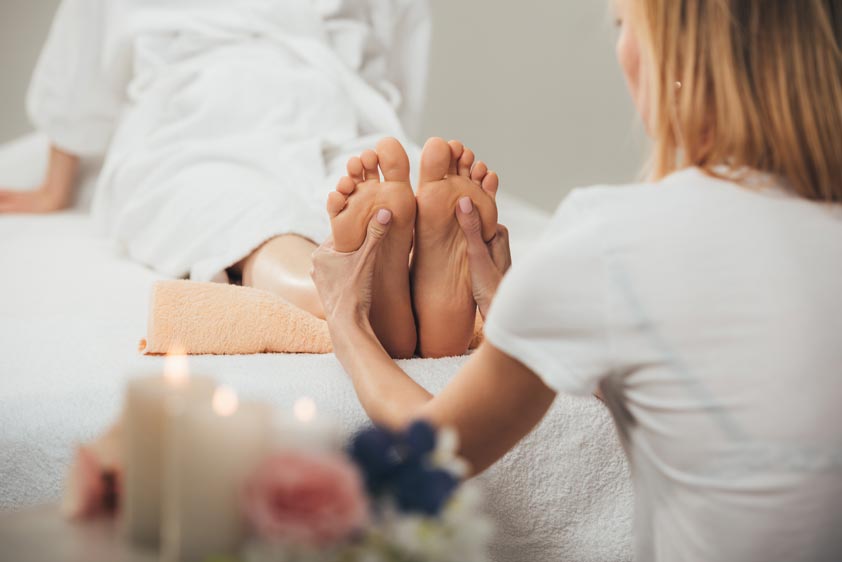
Upon arrival at Spa & Massage, clients undergo a brief consultation to assess individual needs and relevant health history, ensuring a tailored and safe approach to zone therapy. The practitioner reviews medical information, discusses specific concerns, and explains its process in detail.
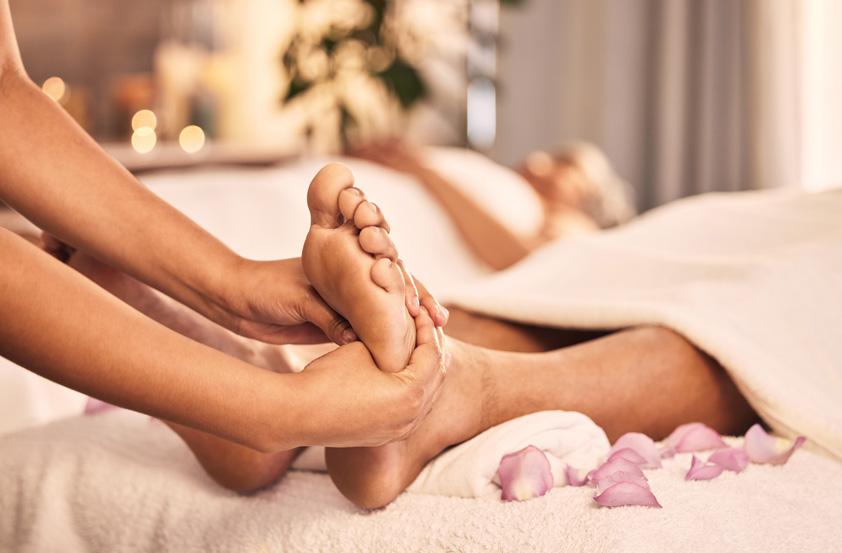
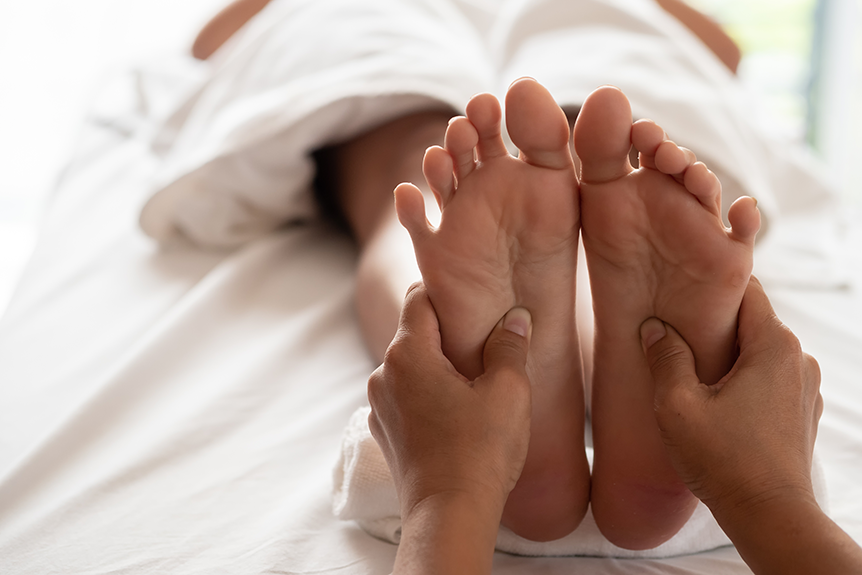
Clients are then invited to relax in a serene environment, removing footwear for maximum access to reflex zones on the feet.
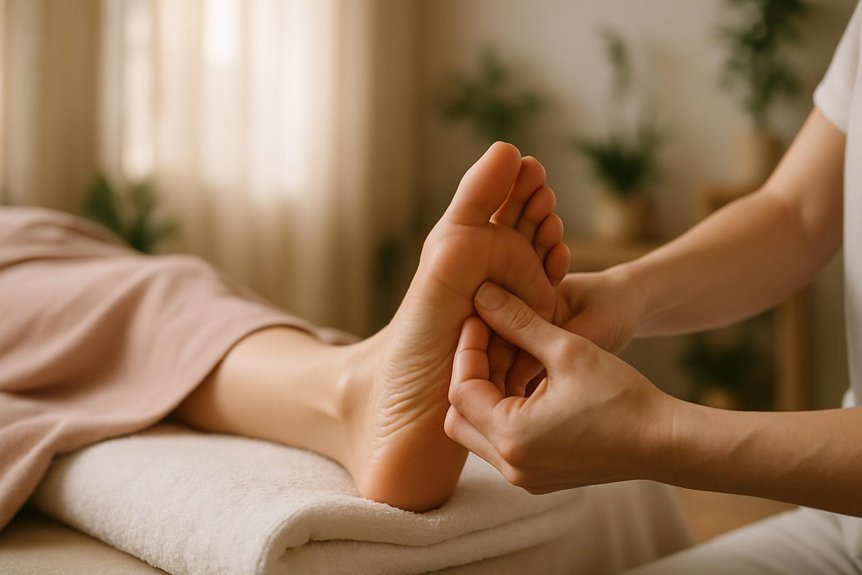
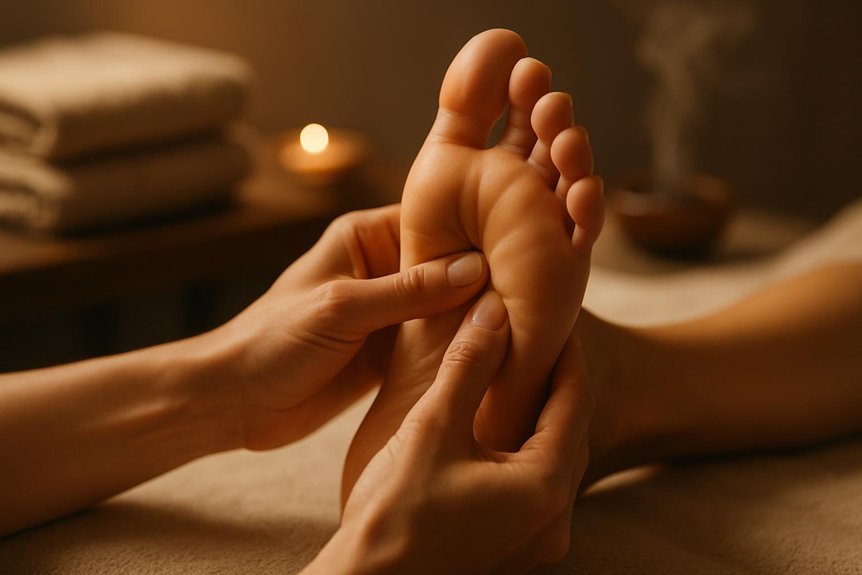
The therapist uses targeted pressure techniques, systematically stimulating mapped reflex points associated with various organ systems. Throughout the session, the practitioner monitors client comfort and adjusts technique accordingly.
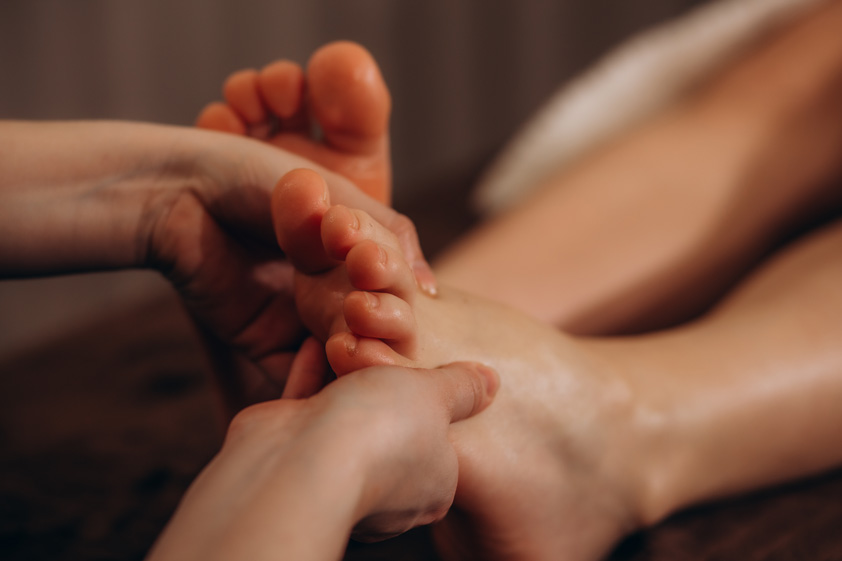
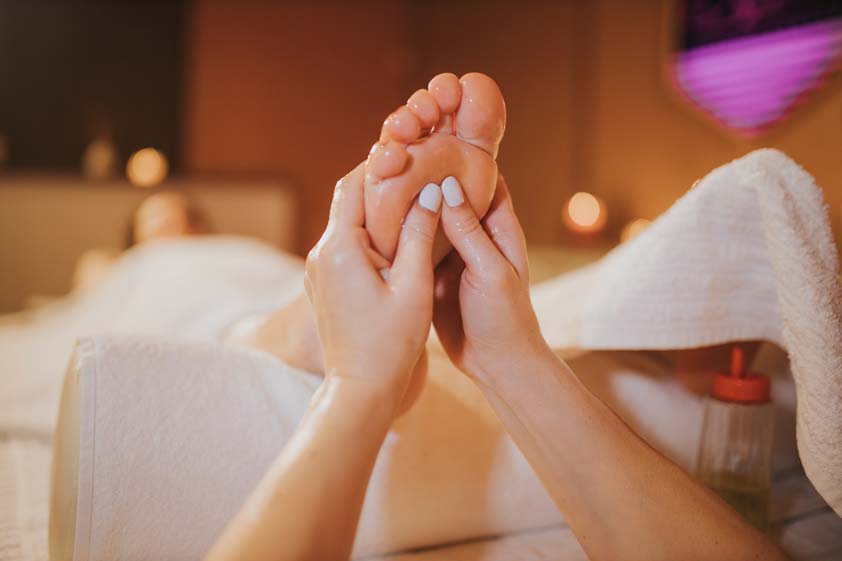
Clinical-grade oils or lotions, selected for their hypoallergenic properties, may be applied to enhance tactile sensitivity.
Post-session, clients often report a sense of relaxation and heightened body awareness, consistent with Spa & Massage’s therapeutic objectives.
The Role of This Therapy in Holistic Self-Care
An integrative approach to wellness considers the interplay between physical, psychological, and emotional health, viewing self-care as a multidimensional process. As practised at Spa & Massage, contributes to holistic self-care by stimulating specific reflex points on the feet, which are believed to correspond to various organ systems.
Clinical studies suggest that this may assist in reducing perceived stress, enhancing relaxation, and supporting homeostasis. Clients frequently report improved sleep quality and overall well-being following regular sessions.
It does not diagnose or treat specific illnesses; rather, it complements established medical care by fostering a state of relaxation and promoting the body’s natural restorative mechanisms.
Spa & Massage therapists integrate it within broader wellness plans, aligning with evidence-based practices to support each client’s unique self-care needs.
Conclusion
In conclusion, it is widely sought for its relaxation benefits, yet current evidence does not support its use as a diagnostic tool for detecting illness. According to a 2022 UK survey, 62% of clients reported improved well-being following a sessions, highlighting its role in holistic self-care. While reflexologists at Spa & Massage employ clinical protocols to support wellness, clients should rely on medical professionals for diagnosis, using it as a complementary, not primary, health approach.