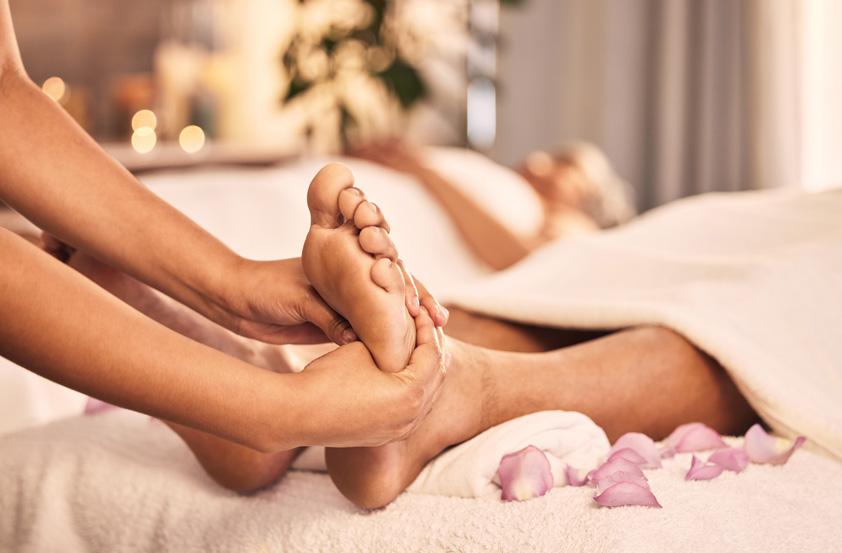
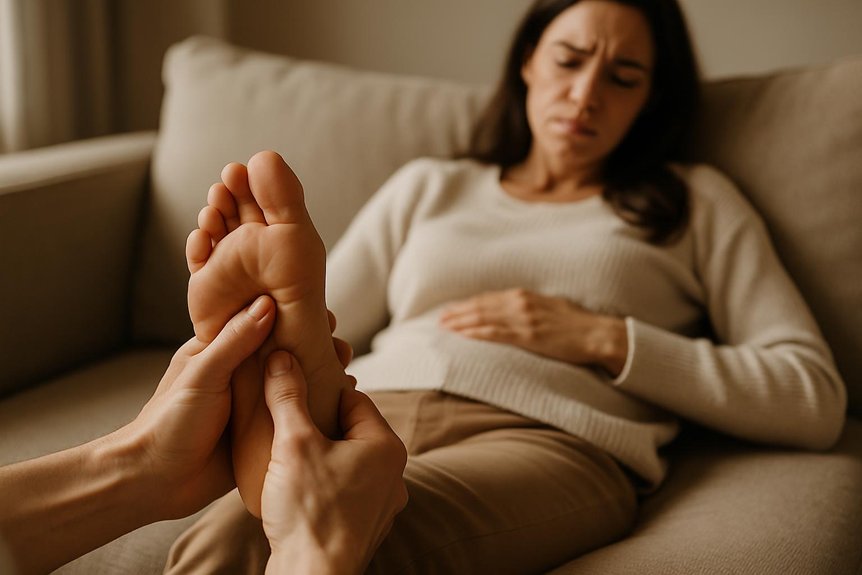
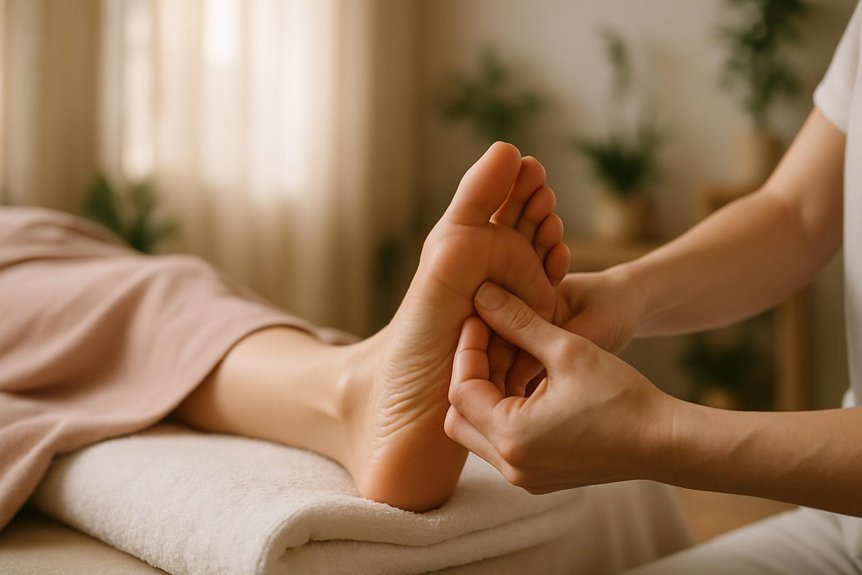
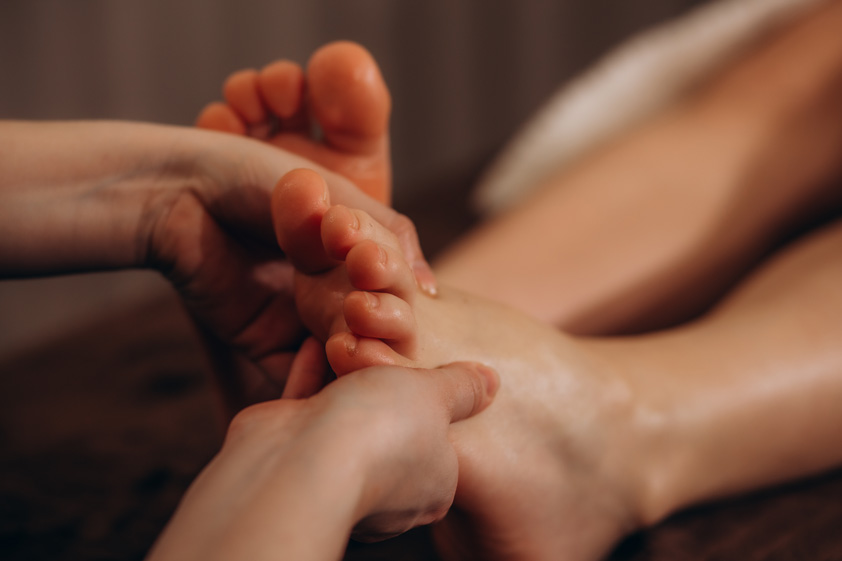
It applies gentle pressure to specific points on the feet, hands, or ears to help reduce stress, promote relaxation, and relieve pain. Evidence suggests it supports relief from headaches, digestive issues, chronic pain, and symptoms of anxiety. The technique encourages better circulation, balances the nervous system, and may enhance overall wellbeing. Many clients find it especially helpful for managing tension and supporting overall health. Discover more about how it targets a range of concerns and complements wellbeing goals.
Understanding It: What Is It?
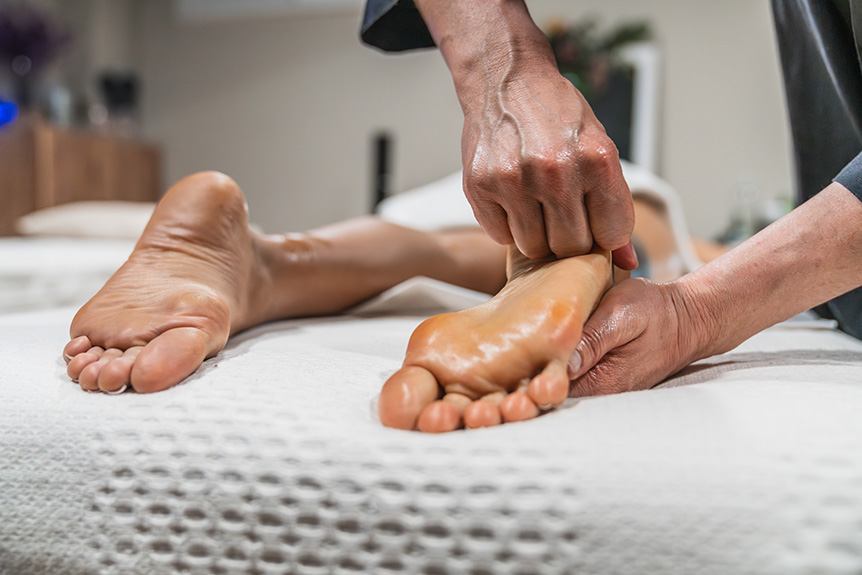
How does it work to promote well-being? It is a holistic therapy that involves applying gentle pressure to specific areas of the feet, hands, or ears, known as reflex points. These points are believed to correspond with various organs and systems throughout the body. At Spa & Massage, therapists use their expertise to tailor each session, focusing on the unique needs and preferences of every client. The intention is to foster relaxation, reduce stress, and encourage the body’s natural healing processes. Clients often describe a deep sense of calm and connection during their sessions. By nurturing both body and mind, it can be a supportive addition to one’s self-care routine, offering moments of restorative touch in a safe, welcoming environment. On this page, you can discover the healing power of this therapy and how it may enhance your overall well-being.
How Reflexology Works on the Body
It is based on the principle that specific points on the feet, hands, and ears correspond to different organs and systems within the body.
By applying targeted pressure using therapeutic techniques, practitioners aim to promote balance and support the body’s natural healing processes.
At Spa & Massage, experienced therapists tailor each massage session to address individual health concerns and enhance overall well-being.
Principles of This Therapy
Curiously, the underlying principles of this therapy are rooted in the idea that specific points on the feet, hands, and ears correspond to different organs and systems throughout the body.
Practitioners apply gentle, targeted pressure to these reflex points, aiming to promote balance and support the body’s natural healing processes.
At Spa & Massage, therapists are trained to work with these zones, using refined techniques developed through evidence-based practice and extensive experience.
Clients often seek this for its potential to relieve tension, encourage relaxation, and foster a sense of wellbeing.
The approach is client-focused, adapting each session to individual comfort and needs.
This foundational understanding guides every zone therapy treatment, offering a thoughtful, personalised experience intended to nurture both body and mind.
Body Systems Connection
When considering the effects of targeted touch on the body, it becomes evident that the reflex points addressed in each session are more than mere pressure spots—they serve as gateways to the body’s internal systems.
The practitioners at Spa & Massage understand that these points correspond to organs, glands, and physiological processes. By applying gentle, precise pressure, the body’s natural balance is supported and communication between systems is encouraged.
Scientific literature suggests that such stimulation may influence circulation, nerve pathways, and the body’s relaxation response.
Many clients report a sense of holistic well-being and improved vitality after sessions.
The approach at Spa & Massage is client-focused, always tailored to individual needs, fostering a supportive environment where each person feels understood and cared for throughout their wellness journey.
Therapeutic Massage Techniques
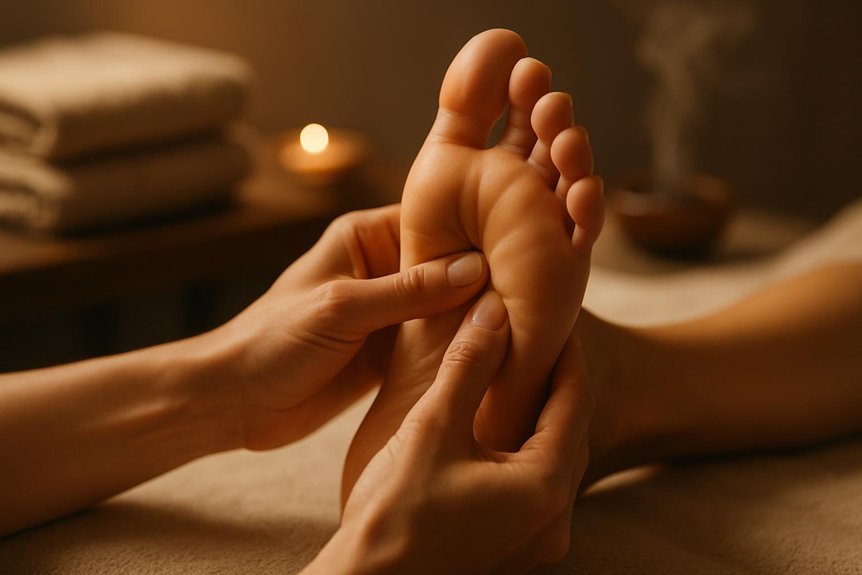
How does targeted touch translate into therapeutic benefit for the entire body? In this therapy, specific techniques such as gentle pressure, thumb walking, and kneading are applied to precise reflex points, most commonly on the feet.
These points correspond to organs and systems throughout the body. The therapists at Spa & Massage use their expertise to stimulate these areas, aiming to promote relaxation, enhance circulation, and encourage the body’s natural balance.
Research suggests that such focused stimulation may help moderate stress responses and provide relief from tension. Each session is tailored to the individual, with careful attention to comfort and preferences.
Clients often report a profound sense of calm, as well as subtle improvements in wellbeing, following regular massage treatments at Spa & Massage.
Common Conditions Addressed by This Therapy
Many individuals seek this therapy to address a variety of common conditions that affect physical comfort and overall wellbeing. It is often chosen by those experiencing headaches, migraines, digestive discomfort, and chronic pain, including back and neck issues.
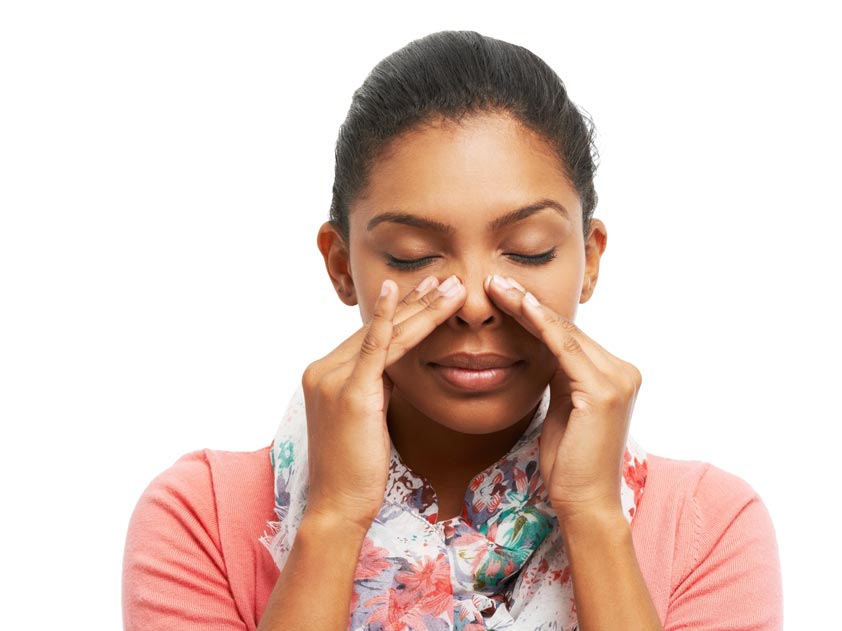
At Spa & Massage, therapists observe that clients with plantar fasciitis, sinus congestion, and menstrual discomfort also report positive outcomes from targeted sessions. Clients managing symptoms related to arthritis or peripheral neuropathy may find comfort in the gentle stimulation of reflex points.
Each session is tailored to individual needs, ensuring a personalised approach. Evidence suggests that it may support the body’s natural healing processes, offering relief and improved daily function.
Spa & Massage therapists prioritise attentive care, aligning each treatment with clients’ unique health concerns and goals.
Reflexology and Stress Reduction
Why does this is so often appeal to those seeking stress relief? At Spa & Massage, many clients report a profound sense of relaxation after massage treatments.
This response is believed to result from gentle pressure applied to specific points on the feet, which may encourage the nervous system to shift from “fight or flight” to “rest and digest” mode.
Research suggests that this can reduce anxiety and lower cortisol levels, promoting a calmer state of mind.
In practice, experienced therapists at Spa & Massage tailor each session to individual needs, creating a nurturing environment where clients can unwind.
Soft lighting, soothing oils, and expert touch combine to foster a sense of peace, allowing the body and mind to release tension naturally and effectively.
Zone Therapy for Pain Management
It is recognised for its potential to ease pain by stimulating specific pressure points that correspond to different areas of the body.
At Spa & Massage, clients frequently seek reflex therapy to support relief from headaches, back pain, arthritis, and other common discomforts.
Therapists employ targeted techniques tailored to individual needs and offer practical advice to help maximise pain management benefits between sessions.
How Reflex Therapy Eases Pain
At Spa & Massage, the targeted stimulation of reflex points on the feet, hands, or ears is utilised to help manage and ease various types of pain.
It operates on the principle that specific points correspond to different organs and systems within the body. By applying gentle, precise pressure to these points, therapists aim to interrupt pain signals, stimulate circulation, and encourage the body’s natural healing responses.
This process may help release tension, reduce inflammation, and promote a sense of deep relaxation, which can contribute to pain relief.
In our clinics, therapists carefully tailor each session to the individual, ensuring comfort and trust.
Clients often report a soothing, nurturing experience that supports both physical and emotional wellbeing, reinforcing the holistic approach at Spa & Massage.
Common Pain Conditions Supported
Across Spa & Massage clinics, therapists frequently support clients experiencing a variety of pain conditions through it. Chronic back discomfort, migraines, neck tension, and plantar fasciitis are among the most common concerns addressed.
Many individuals living with arthritis or joint pain also seek reflex therapy for relief, appreciating its gentle, non-invasive nature. Reflex therapy sessions may be particularly appealing to those who have not found lasting comfort with conventional approaches or who desire a complementary therapy tailored to their body’s needs.
Evidence suggests that it can help manage pain by promoting relaxation and improving circulation, which may ease muscle tension and discomfort.
Clients at Spa & Massage often report feeling lighter and more balanced after sessions, noticing a reduction in both pain intensity and stress levels.
Therapist Techniques and Advice
While each client’s experience with pain is unique, skilled therapists at Spa & Massage employ targeted reflex therapy techniques designed to address specific discomforts. Each session begins with a thoughtful consultation, allowing therapists to understand the client’s pain areas and wellness goals.
By applying precise pressure to mapped reflex zones on the feet, hands, or ears, therapists aim to stimulate the body’s natural healing pathways, potentially reducing pain intensity and improving overall wellbeing.
Adjustments in pressure and technique are made based on real-time client feedback, ensuring a personalised touch.
Aftercare advice, such as gentle hydration and light stretching, is commonly provided to prolong the therapeutic effects.
Spa & Massage therapists combine technical skill with attentive listening, fostering trust and creating a genuinely supportive environment for pain management.
Supporting Digestive Health With Reflex Therapy
How can reflex therapy contribute to a healthier digestive system? As practised at Spa & Massage, involves targeted pressure to specific points on the feet, hands, or ears believed to correspond with digestive organs. Evidence suggests that this gentle approach may help stimulate the parasympathetic nervous system, encouraging relaxation and allowing the digestive tract to function more efficiently.
Clients often report reduced bloating, discomfort, and stress after sessions—symptoms frequently associated with digestive imbalance.
Spa & Massage therapists focus on bespoke massage sessions, adapting each treatment to the individual’s unique needs and digestive concerns. By creating a calming environment and using expert techniques, therapists aim to support natural digestive processes.
Many clients find that regular massage sessions enhance both digestive comfort and overall wellbeing.
Reflex Therapy During Pregnancy
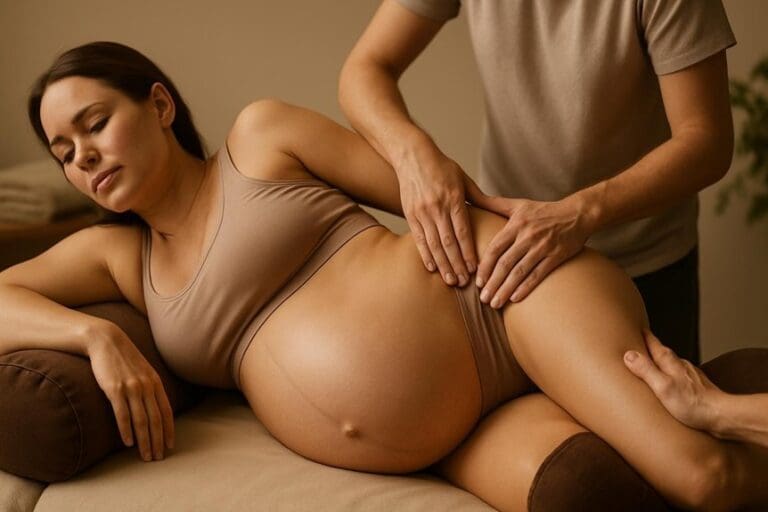
It can play a supportive role in promoting wellbeing during pregnancy. It is increasingly considered a gentle, non-invasive option for expectant mothers seeking comfort and balance.
Research suggests that targeted foot reflex therapy may help ease common pregnancy discomforts such as swelling, fatigue, and tension.
At Spa & Massage, therapists are trained to adapt their approach, ensuring safety and sensitivity throughout pregnancy.
Sessions focus on promoting deep relaxation, which can help reduce stress and encourage restorative sleep.
Many clients report feeling nurtured and supported during this period of change.
While reflex therapy is not a substitute for prenatal medical care, it can serve as a complementary practice.
It can enhance overall wellbeing and foster a sense of calm as the body prepares for birth.
What to Expect During a Reflex Therapy Session at Spa & Massage
Following the benefits of this can offer during pregnancy, many individuals are interested in understanding the structure of a typical session at Spa & Massage.
Upon arrival, clients are welcomed into a serene environment designed for comfort and privacy. An experienced therapist conducts a brief consultation, discussing health history and specific wellness goals. This guarantees the session is tailored to individual needs.
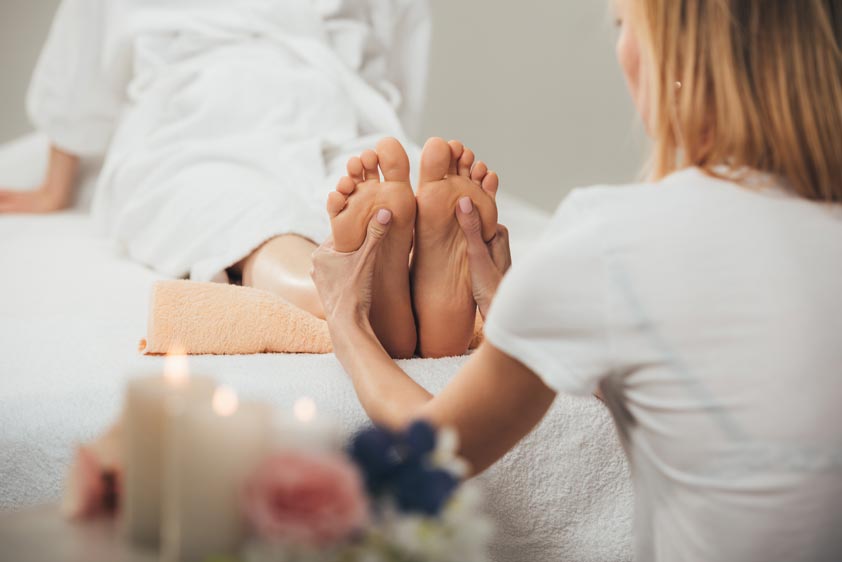
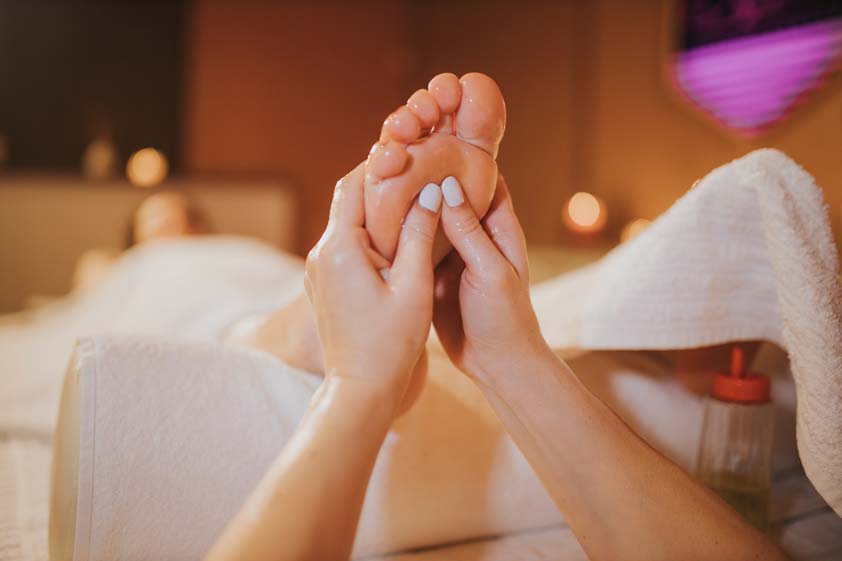
The client then reclines fully clothed, with shoes and socks removed. The therapist applies gentle, precise pressure to targeted areas on the feet. Each movement is guided by anatomical knowledge and client feedback, fostering deep relaxation.
Throughout the session, the environment remains tranquil, supporting both physical and emotional wellbeing.
At Spa & Massage, each step is guided by professionalism, empathy, and respect for personal boundaries.
Tips for Maximising the Benefits of Reflex Therapy
Achieving ideal results from this therapy requires thoughtful preparation and mindful aftercare. Clients are encouraged to arrive a few minutes early, allowing time to relax and shift from daily stresses.
Hydration is essential before and after a session, as it helps the body process and release toxins stimulated during treatment.
At Spa & Massage, therapists recommend wearing comfortable clothing and sharing any health concerns or goals prior to the session for a tailored approach.
Afterwards, clients benefit from taking time to rest, allowing the body to adjust and integrate the effects.
Gentle stretching, deep breathing, and avoiding strenuous activity further optimise results.
Regular sessions can enhance cumulative benefits, and keeping open communication with the therapist supports ongoing personalised care.
Consistency and self-awareness contribute to a deeper sense of well-being.
Conclusion
It offers relaxation, supports well-being, and addresses a range of common concerns. By easing stress, encouraging balance, and complementing overall health, this holistic therapy continues to attract those seeking natural solutions. Evidence suggests that, when delivered by skilled therapists such as those at Spa & Massage, it can be an effective addition to a client’s wellness routine. For individuals looking to unwind, manage discomfort, or simply restore harmony, it stands as a supportive and personalised option.