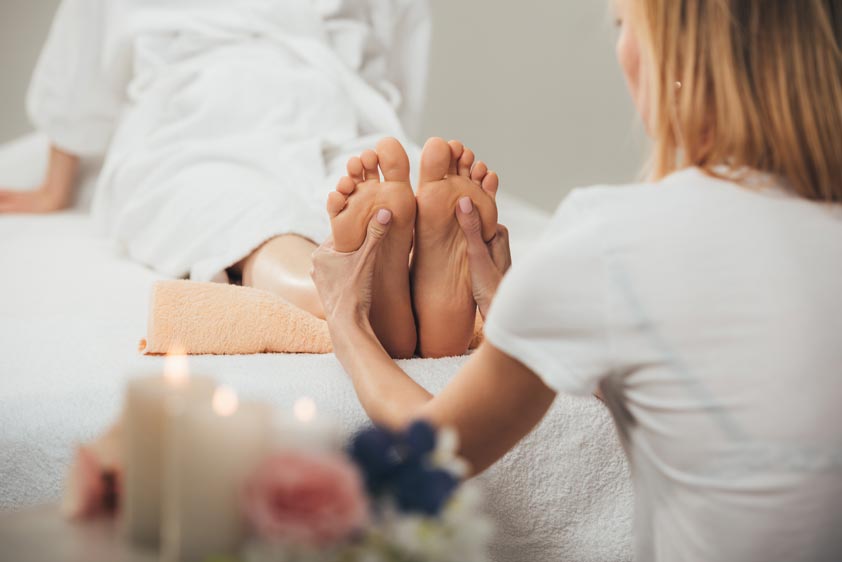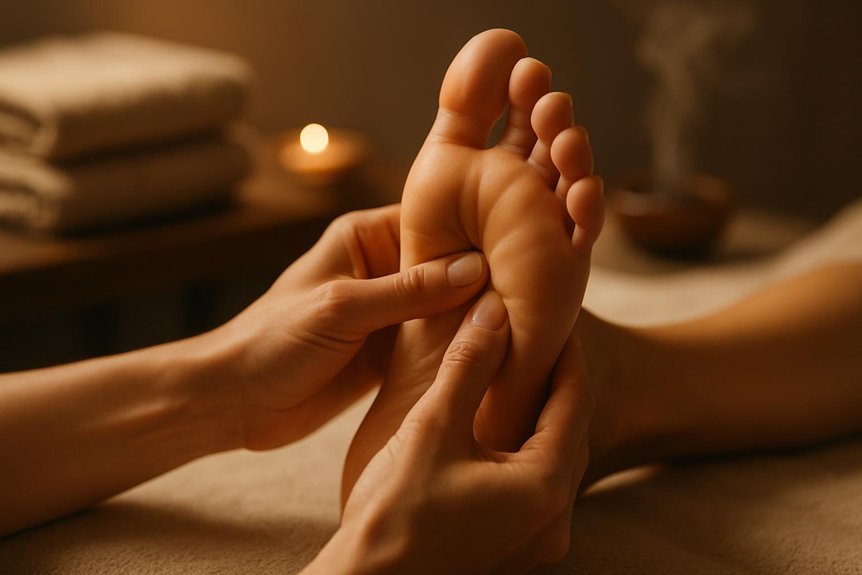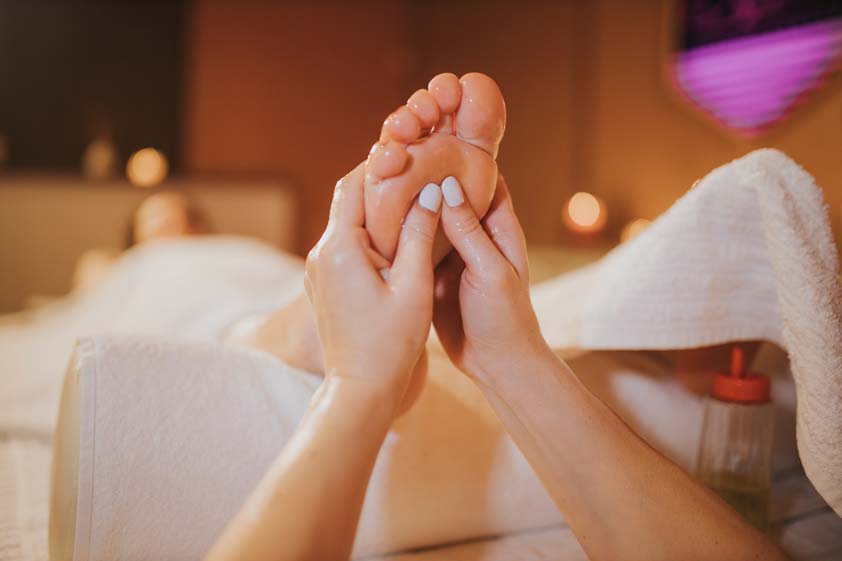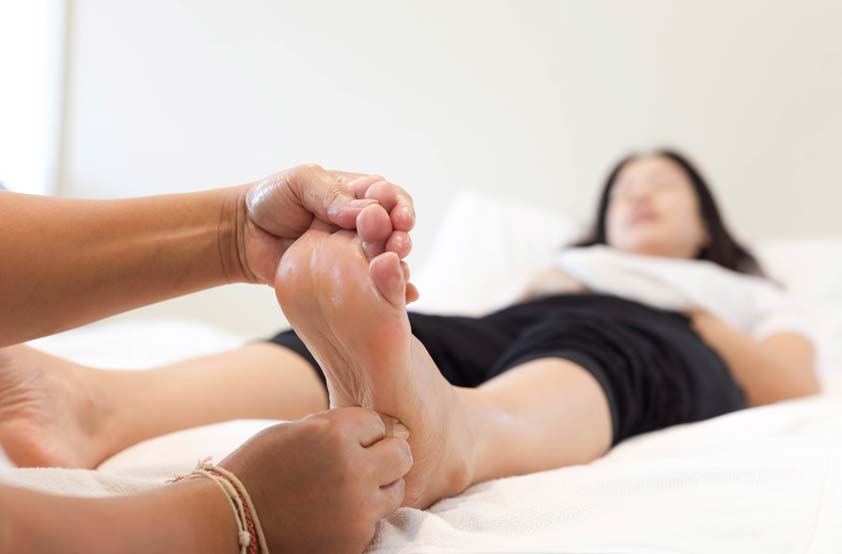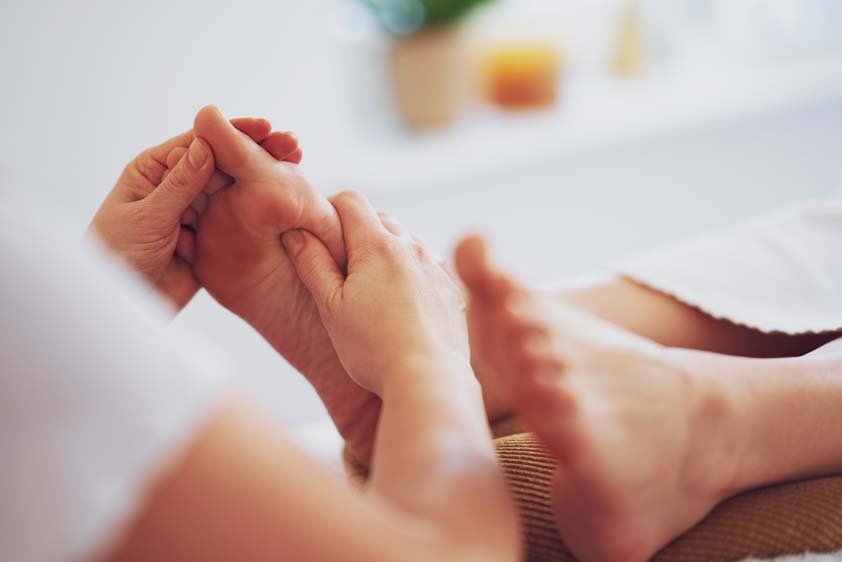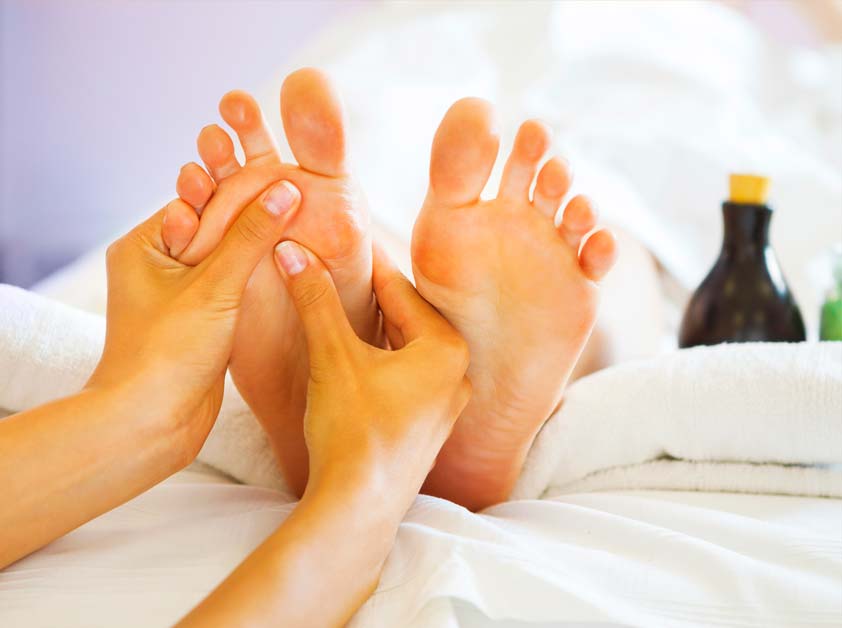
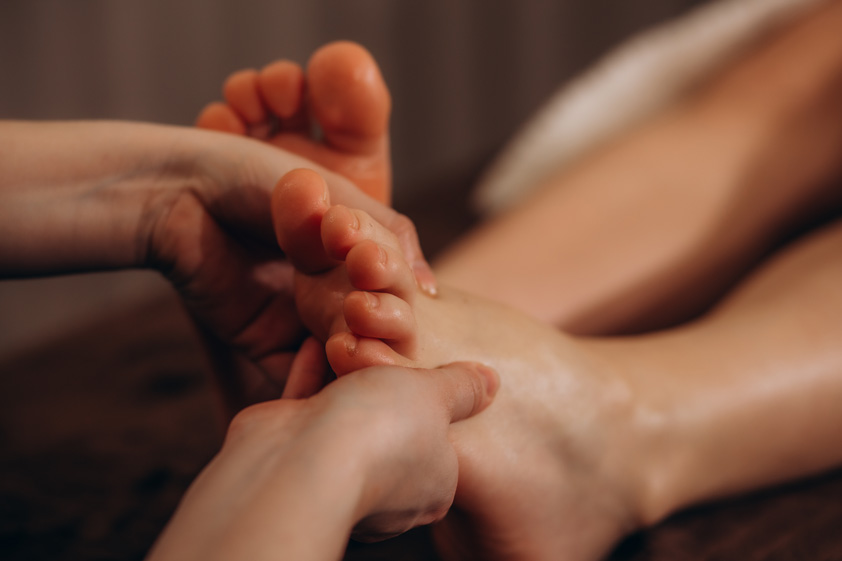
It may offer gentle, supportive help for constipation by promoting relaxation and shifting autonomic balance toward “rest-and-digest” activity, which can support normal gut motility. Proposed benefits relate to reduced stress reactivity, improved sleep, and less pelvic-floor tension rather than a direct cure. Evidence is mixed and effects vary, so it is best used alongside hydration, fibre, and regular movement. Ongoing symptoms or red flags need medical review, and further details can clarify safe use.
Can Reflexology Help Constipation?
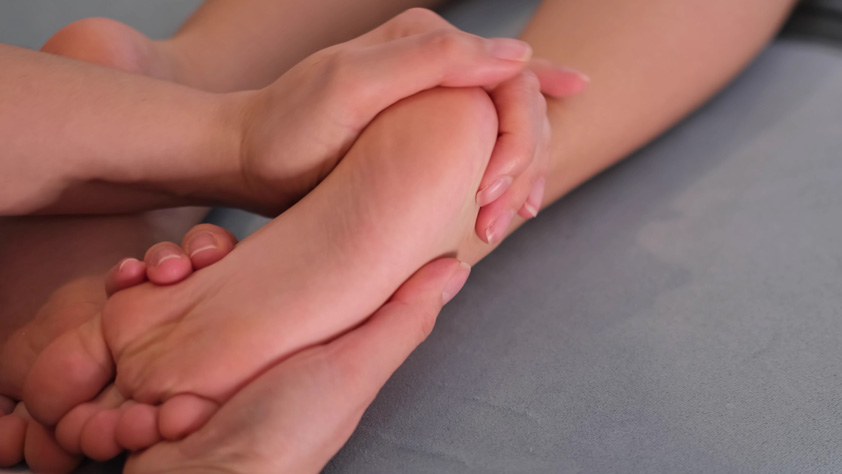
Although it is not a standalone treatment for constipation, it may help some people by promoting relaxation and modulating gut–brain axis.
Evidence remains mixed, yet small studies and clinical experience suggest that lowering stress arousal can support parasympathetic activity, which may aid bowel motility and reduce abdominal tension.
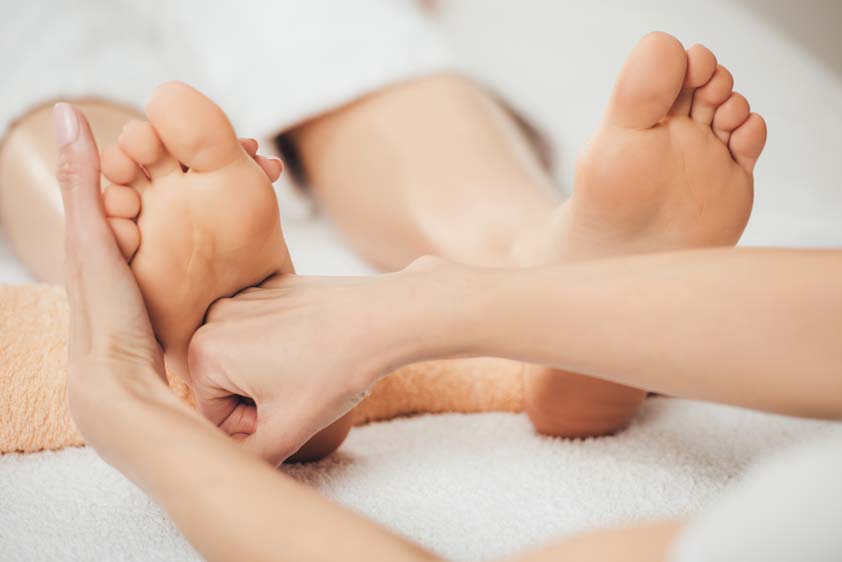
In Spa & Massage clinics across London, therapists use slow, pressure-based work on the feet to encourage a calmer nervous system and improve body awareness, often paired with guided breathing.
The proposed mechanisms include reduced sympathetic “fight-or-flight” tone, improved sleep, and softer pelvic-floor holding patterns that can make stools easier to pass.
Results vary; it suits those seeking gentle, hands-on support alongside hydration, fibre, and regular movement.
Many people explore the healing power of reflex therapy as a complementary approach for overall wellbeing while addressing constipation supportively.
When Constipation Needs Medical Advice First
Before considering reflex therapy for constipation, constipation should be screened for red flags that may indicate obstruction, inflammatory disease, infection, endocrine disturbance, or other pathology needing prompt assessment.
Warning signs include severe or worsening abdominal pain, vomiting, fever, blood in the stool, unexplained weight loss, marked abdominal distension, new constipation after age 50, or a sudden change in bowel habit.
If these features are present, or if constipation persists beyond 2–3 weeks despite basic measures, a GP review is advised before any reflex therapy session at Spa & Massage.
Red Flags And Symptoms
A clear set of red-flag symptoms should prompt medical assessment before trying reflex therapy or other self-care for constipation, because they can indicate bowel obstruction, significant inflammation, bleeding, infection, metabolic disturbance, or medication-related complications rather than simple slowed gut motility.
Concerning signs include severe or escalating abdominal pain, marked bloating with vomiting, inability to pass gas, fever, faintness, or signs of dehydration.
Blood in stool, black/tarry stools, or persistent rectal bleeding suggests mucosal injury or bleeding higher in the gut.
Unexplained weight loss, new constipation after age 50, or a sudden change in bowel habit can indicate structural disease.
Constipation with new urinary retention, leg weakness, or saddle numbness may reflect neurologic compression.
Spa & Massage advises pausing hands-on care until assessed.
When To See GP
When does constipation warrant a GP review rather than reflex therapy or other self-care? Medical advice is needed if constipation is new and persistent (over 2–3 weeks), recurrent, or worsening despite fibre, fluids, movement, and gentle foot work.
Urgent assessment is appropriate with severe or escalating abdominal pain, vomiting, fever, distension, inability to pass gas, or suspected bowel obstruction—mechanisms that require medical treatment, not manual therapy.
A GP review is also advised with blood in stool, black stools, unexplained weight loss, anaemia, night sweats, or a strong family history of bowel cancer.
Seek guidance in pregnancy, in children, or if taking opioids, iron, anticholinergics, or new medications.
Spa & Massage can support comfort alongside care.
How Reflex Therapy for Constipation May Help (Stress + Nerves)
Often, constipation is closely linked to stress-related changes in autonomic nervous system activity—shifting the gut toward sympathetic (“fight-or-flight”) dominance, reducing vagal tone, and in turn dampening coordinated intestinal motility and secretion. It may help indirectly by supporting relaxation and parasympathetic rebound, which can favour calmer gut signalling.
Evidence is mixed and not definitive; however, small studies suggest touch-based therapies can reduce perceived stress, pain sensitivity, and anxiety—factors that commonly tighten pelvic floor and abdominal muscles and disrupt bowel habits. At Spa & Massage clinics across London, therapists aim for slow, steady pressure and a soothing pace, encouraging easier breathing and a sense of safety.
For some clients, this downshifts arousal and may make bowel movements feel less strained over time. Outcomes vary.
Reflex Therapy Points Therapists Use for Constipation
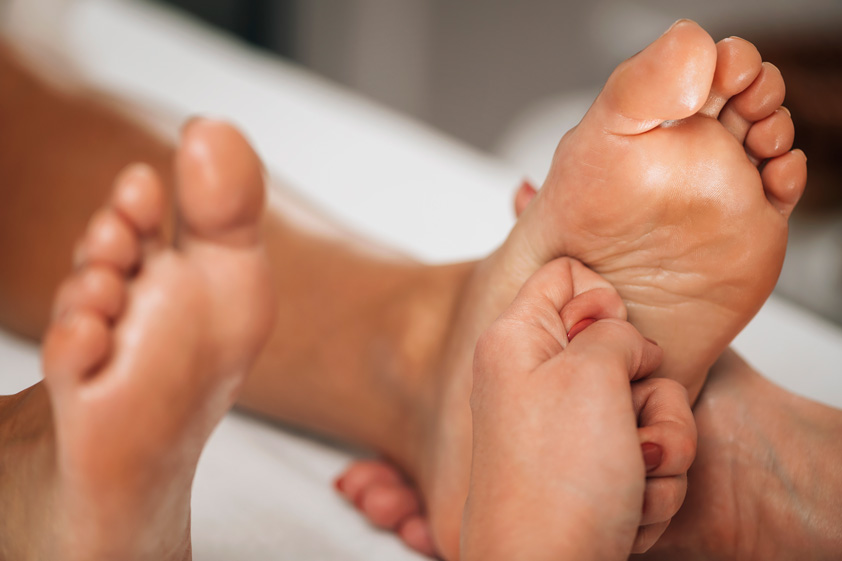
Reduced stress reactivity may set the conditions for easier gut motility, and in reflex therapy sessions therapists may then focus on specific foot zones traditionally associated with digestive and pelvic function.
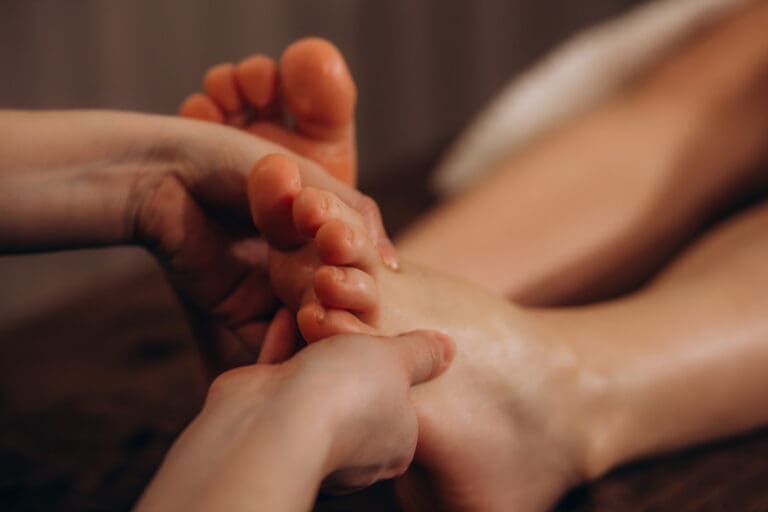
Common targets include the arch (often mapped to stomach and small intestine), the mid‑to‑lower arch (colon pathway), and the heel and inner ankle (pelvic floor and bladder/uterus/prostate regions).
Some practitioners also work the inner edge of the foot (spinal reflex line) to support parasympathetic tone, a plausible mechanism for easing “tight‑held” abdominal patterns.
Evidence remains limited and effects are not guaranteed, so Spa & Massage therapists frame point work as supportive rather than curative, and keep pressure slow, warm, and consent‑led to help the body feel safe and receptive.
What to Expect in a Constipation Massage Session
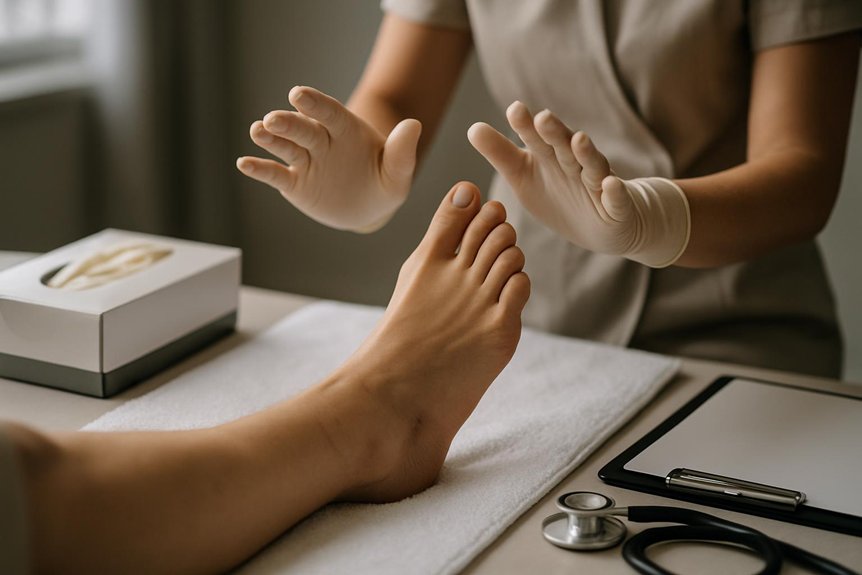
In a constipation-focused reflex therapy session at Spa & Massage, the therapist typically begins with a brief consultation and symptom check to identify patterns, screen for red flags, and tailor pressure and point selection to the individual.
The treatment then follows a structured flow, using measured stimulation of foot and ankle reflex areas thought to influence autonomic tone and gastrointestinal motility, while noting that evidence remains limited and responses vary.
Aftercare is usually provided to support comfort and safety—such as hydration, gentle movement, and guidance on when to seek medical review if symptoms persist or worsen.
Consultation And Symptom Check
Before any reflex therapy work begins, a constipation-focused session at Spa & Massage starts with a brief consultation and symptom check to clarify what the client is experiencing, identify potential red flags, and tailor the foot map and pressure approach to support bowel motility via relaxation and autonomic (stress-response) regulation.
The therapist asks about stool frequency/consistency, straining, pain, bloating, hydration, fibre intake, activity level, stress, sleep, medications (especially opioids, iron, anticholinergics), and relevant history such as IBS, hypothyroidism, or pelvic surgery.
Red flags—rectal bleeding, unexplained weight loss, persistent vomiting, fever, severe abdominal pain, new constipation after age 50, or pregnancy complications—prompt referral to a GP.
Consent, comfort boundaries, and preferred touch are confirmed, supporting a calm, private, safe experience.
Treatment Flow And Aftercare
With the consultation complete, a constipation-focused reflex therapy session at Spa & Massage typically follows a structured sequence—settling the nervous system first, then applying targeted pressure work—designed to support gut motility indirectly through relaxation, stress-response regulation, and improved comfort.
The client reclines, shoes off, with warm draping; slow breathing and gentle ankle/foot mobilisations help downshift arousal.
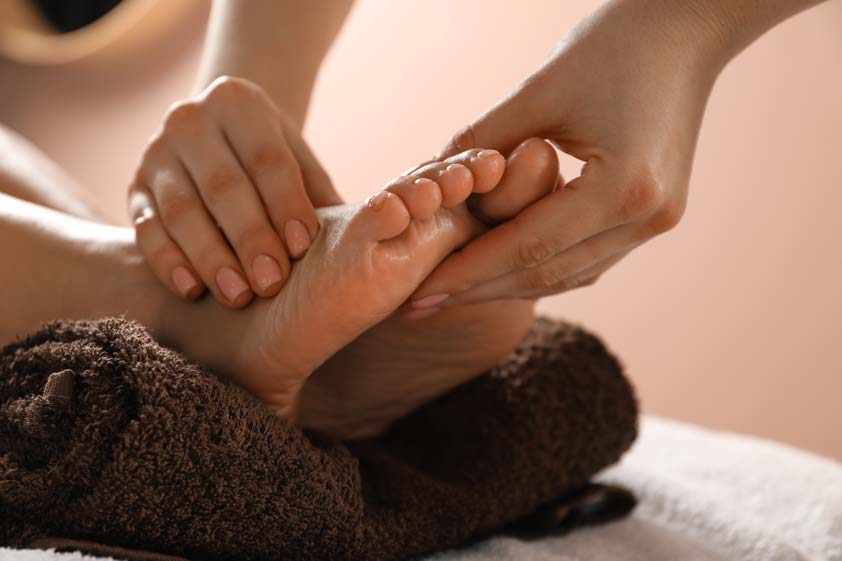
Pressure is then applied to commonly used reflex zones linked in maps to the colon, diaphragm, and pelvis, titrated to “comfortably intense,” never sharp. Therapists check in regularly and may use neutral balm for glide.
Aftercare is simple: hydrate, take an easy walk, prioritise fibre and regular meals, and note bowel changes. Ongoing symptoms, pain, fever, or bleeding warrant GP review.
Aftercare Between Massage Sessions for Constipation
Between reflex therapy sessions for constipation, aftercare is best framed as support for gut motility and autonomic regulation rather than a stand‑alone cure.
At Spa & Massage clinics, therapists commonly suggest hydration, gentle walking, and a consistent meal rhythm to reinforce parasympathetic “rest‑and‑digest” tone that may support peristalsis.
Many clients also benefit from warmth over the abdomen and slow diaphragmatic breathing (4–6 breaths per minute) to downshift stress reactivity that can tighten the pelvic floor.
A brief self‑massage of the lower abdomen, clockwise, may be recommended if comfortable and pain‑free.
Caffeine, alcohol, and heavy late meals are minimised when bloating is prominent.
Worsening pain, vomiting, fever, blood, or sudden change in bowel habits warrants medical review promptly.
Conclusion
It is best viewed as a gentle tailwind rather than a cure for constipation. By lowering stress arousal, it may ease autonomic “braking” on gut motility, helping the bowel’s rhythm return, like a metronome settling after a jolt. Evidence remains limited and mixed, so it should complement—not replace—hydration, fibre, movement, and medical care. Persistent, painful, or sudden constipation, bleeding, weight loss, or fever warrant prompt clinical assessment.