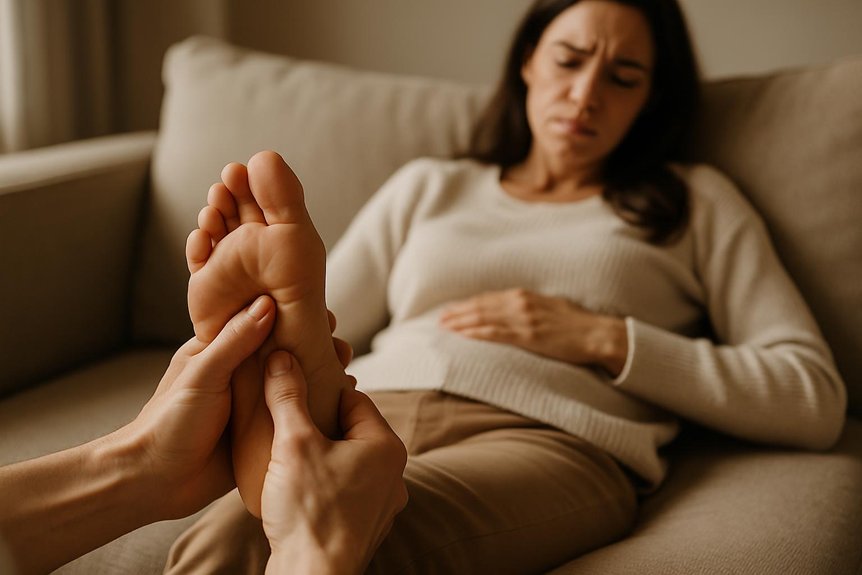
Reflex therapy may help some people experience less intense or less disruptive hot flashes by promoting relaxation and reducing stress reactivity, though evidence is limited and results are inconsistent. Hot flashes are often linked to increased thermoregulatory sensitivity during fluctuating oestrogen levels, and stress, alcohol, spicy foods, and warm rooms can worsen symptoms. It is best used as supportive care alongside medical guidance, with symptom tracking over a short course. Further details cover sessions, point choices, and when to seek GP review.
Hot Flashes in Perimenopause: What’s Happening?
Often, hot flashes in perimenopause reflect normal but disruptive shifts in thermoregulation driven by fluctuating oestrogen levels: the hypothalamus becomes more sensitive to small changes in core temperature, triggering sudden heat, sweating, and facial or upper-body flushing, sometimes followed by chills and sleep disturbance.
Episodes can cluster at night, contributing to fragmented rest, irritability, and lowered libido, and they may intensify with stress, alcohol, spicy foods, or warm rooms.
Clinically, frequency and severity vary widely; tracking timing, triggers, and associated symptoms (palpitations, anxiety, headaches) can support personalised care and timely medical review, especially with heavy bleeding or weight loss.
At Spa & Massage, therapists often recommend breathable clothing, hydration, cooling bedroom routines, and slow, grounding breathing to help clients feel steadier and more held.
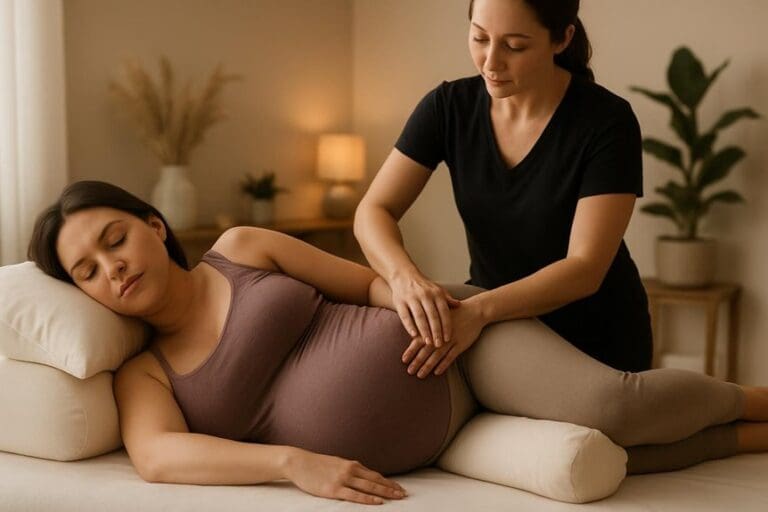
Some people also explore supportive bodywork approaches like pregnancy massage for relaxation and stress reduction, which can indirectly influence how intense heat episodes feel.
Can Reflexology for Hot Flashes Actually Help?
How much can it realistically influence a hot flash? Evidence remains limited and mixed: small studies suggest it may reduce perceived frequency or intensity for some, yet effects are not consistent and it should not replace medical care. From Spa & Massage’s perspective, it is best framed as a low‑risk, client‑centred option that may support comfort and body awareness during perimenopause.
In clinic, therapists take a brief health history, discuss triggers and goals, and tailor pressure to sensitivity, focusing on feet and ankles without pain. Many clients describe feeling steadier, less overwhelmed, and more able to tolerate surges when they arise. Results vary, so a short course with simple symptom tracking is recommended.
How It May Ease Stress and Support Sleep
It may help clients experiencing hot flashes by promoting parasympathetic (rest-and-digest) activity, which can calm the nervous system and reduce perceived stress.
Clinical hypotheses and emerging evidence suggest it may also moderate stress-related hormones such as cortisol, supporting a more settled physiological state.
In Spa & Massage clinics across London, therapists commonly observe that this shift can translate into improved sleep quality, particularly for clients reporting night sweats or frequent waking.
Calming The Nervous System
In periods of hormonal change, the nervous system can become more reactive, amplifying stress and disrupting sleep—both of which may worsen the perception of hot flashes. It is thought to support autonomic balance by providing slow, consistent pressure to specific foot points, encouraging a shift toward parasympathetic “rest-and-digest” activity.
Small clinical studies suggest that it may reduce perceived stress and improve sleep quality, which can make hot flashes feel less intrusive, even when frequency does not change. At Spa & Massage clinics across London, therapists tailor pressure, pace, and positioning to help clients feel safe, grounded, and physically held.
Many clients report easier settling at bedtime and fewer night-time awakenings after sessions. Home support may include brief foot holds and paced breathing before sleep.
Lowering Stress Hormones
With autonomic calming in place, attention often turns to the stress-hormone patterns that can intensify night sweats, restless sleep, and the felt intensity of hot flashes. Elevated cortisol and adrenaline can heighten temperature sensitivity, amplify palpitations, and keep the body primed for arousal at night.
It is used at Spa & Massage as a gentle, client-led intervention to reduce perceived stress and support parasympathetic dominance. Small clinical studies suggest that it may lower self-reported anxiety and improve stress markers, though evidence remains mixed and not a substitute for medical care.
In practice, therapists invite slower breathing, warm foot holds, and pressure that stays within the client’s comfort, helping the nervous system “stand down.” Many clients report a softer edge to flushing and fewer stress surges after sessions.
Improving Sleep Quality
At night, disrupted sleep can magnify the perceived intensity of hot flashes and reduce daytime resilience. It may support sleep by downshifting sympathetic arousal and easing the stress response, which can shorten sleep onset and reduce nighttime awakenings in some clients. Emerging evidence suggests reflex therapy can improve self-reported sleep quality and anxiety, though results vary and it should be viewed as supportive rather than curative.
At Spa & Massage clinics across London, therapists tailor pressure and pacing to the client’s comfort, often focusing on reflex areas linked with relaxation and breath regulation. Many clients prefer evening appointments, followed by a warm, dim-lit wind-down, light hydration, and avoiding alcohol or heavy meals.
If night sweats persist, a cooler bedroom and breathable bedding can complement treatment.
Which Reflex Therapy Points We Use for Hot Flashes
Targeted foot reflex therapy can help manage hot flashes by focusing on points associated with hormonal regulation, stress response, and thermoregulation.
At Spa & Massage, therapists commonly prioritise the pituitary and hypothalamus reflexes (central endocrine signalling), the adrenal reflexes (stress modulation), and the solar plexus reflex (autonomic calming).
For temperature swings, attention may be given to the kidney and lymphatic reflexes to support fluid balance and circulation, alongside the diaphragm line to encourage steadier breathing during a surge.
When hot flashes relate to perimenopause or menopause, the ovarian/uterine reflexes may be included to support pelvic comfort and hormonal shift.
Pressure is kept measured and responsive, guided by client feedback and sensitivity.
This supports emotional ease too.
What to Expect in a Session for Hot Flashes
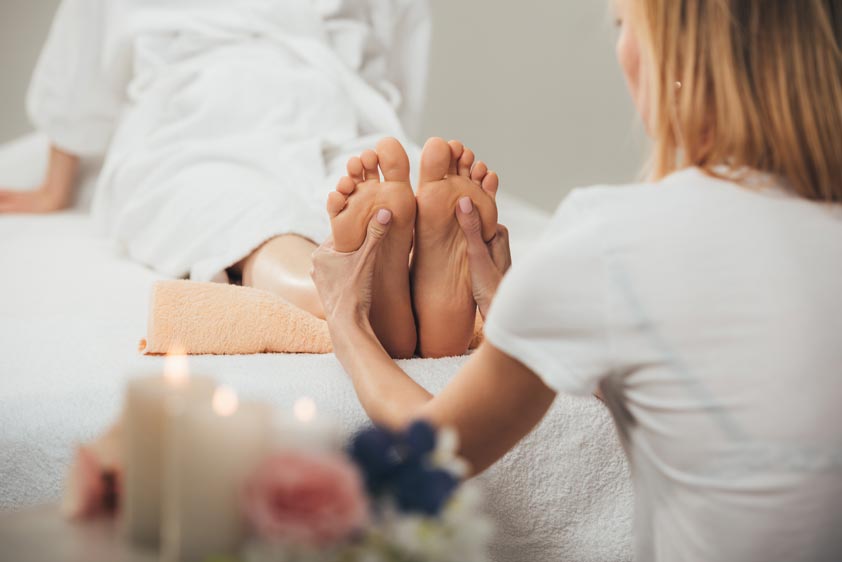
At Spa & Massage clinics, a reflex therapy session for hot flashes typically begins with a brief consultation and symptom review, including trigger patterns, frequency, sleep disruption, and relevant medical history to support safe, client-centred care.
The therapist then applies targeted foot pressure techniques to specific reflex areas identified during assessment, adjusting pressure and pacing to comfort and real-time feedback.
Outcomes are discussed at the end of the session, with practical guidance on monitoring symptom changes across subsequent visits.
Consultation And Symptom Review
Before any hands-on work begins, a reflex therapy session for hot flashes typically starts with a structured consultation and symptom review to make certain the treatment is appropriate and tailored.
The therapist will ask about frequency, intensity, timing (day or night sweats), triggers such as alcohol or stress, sleep disruption, and associated symptoms including palpitations, anxiety, or headaches.
Medical history is reviewed with attention to menopause stage, thyroid disease, migraine, cardiovascular concerns, medications, and cancer treatments, and red flags are screened for onward referral.
At Spa & Massage clinics across London, clients are invited to share comfort preferences, modesty needs, touch boundaries, and any areas that feel vulnerable.
Baseline goals are agreed, and simple tracking (e.g., symptom diary) may be suggested to evaluate change over time.
Targeted Foot Pressure Techniques
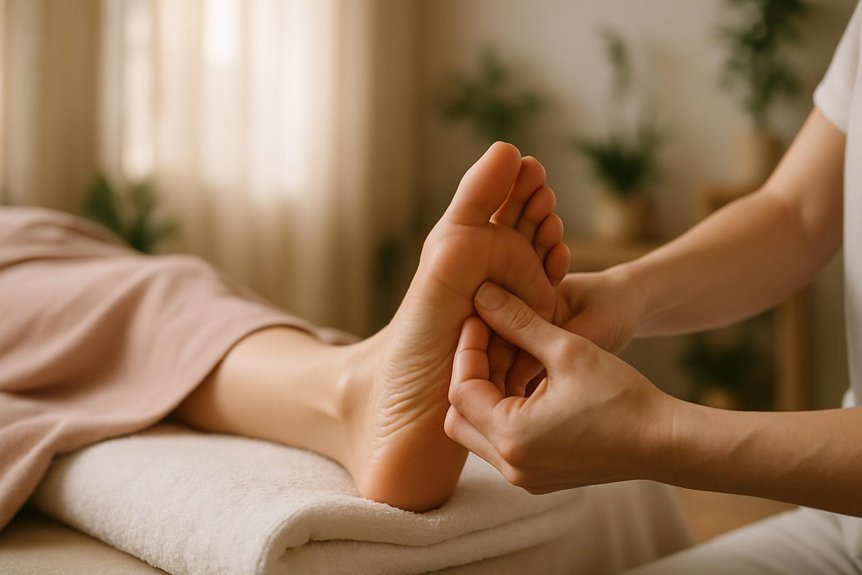
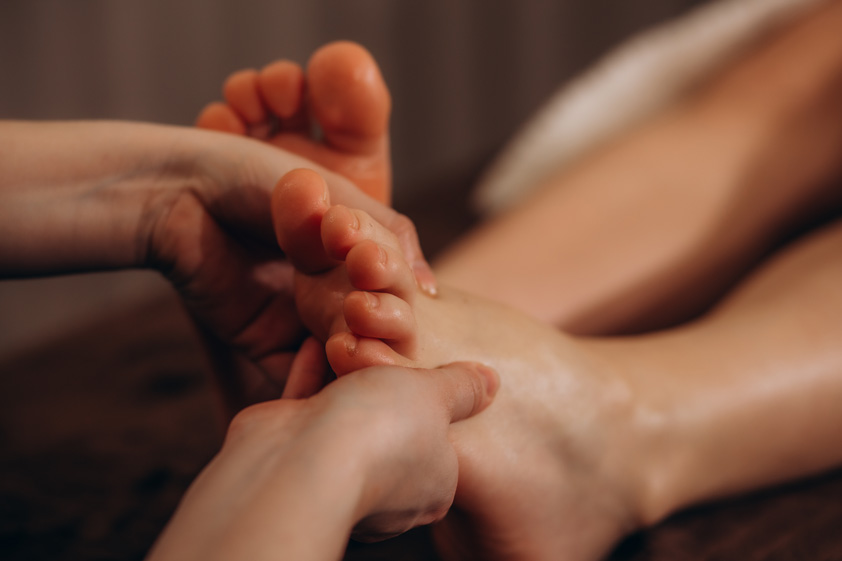
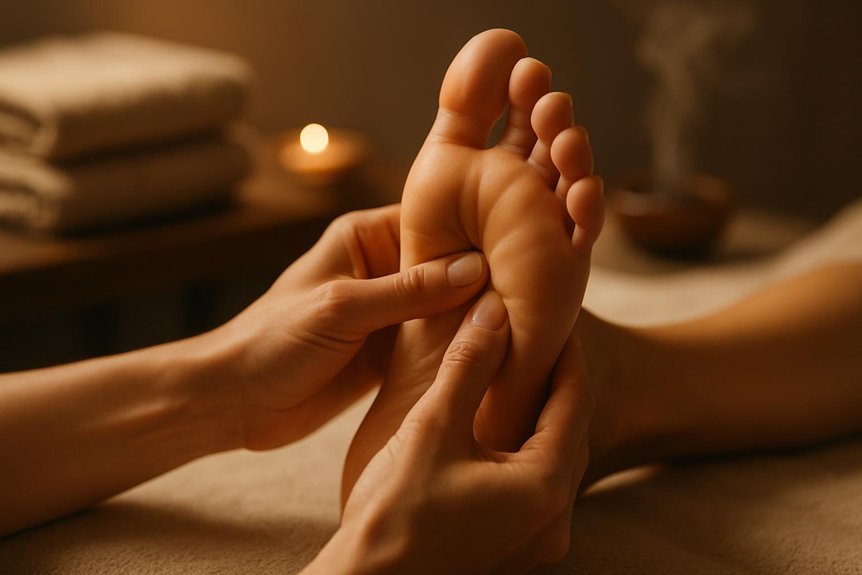
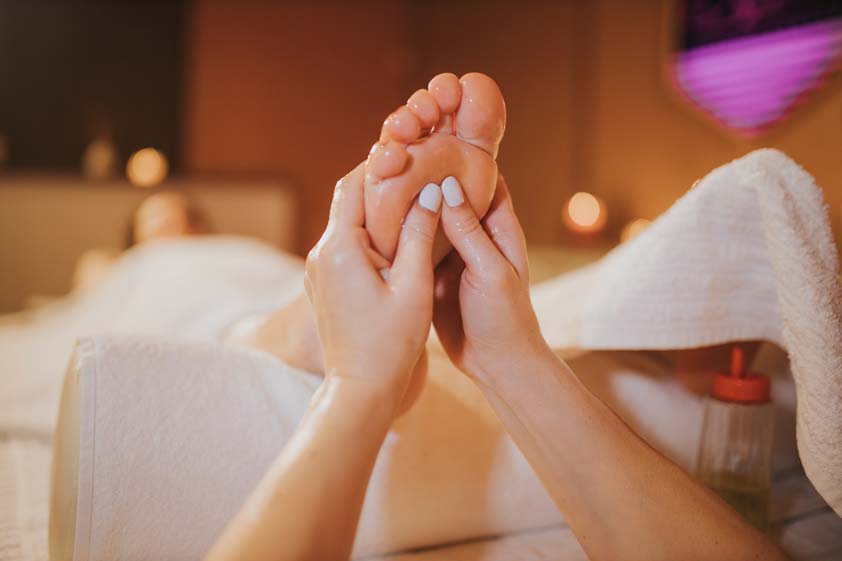
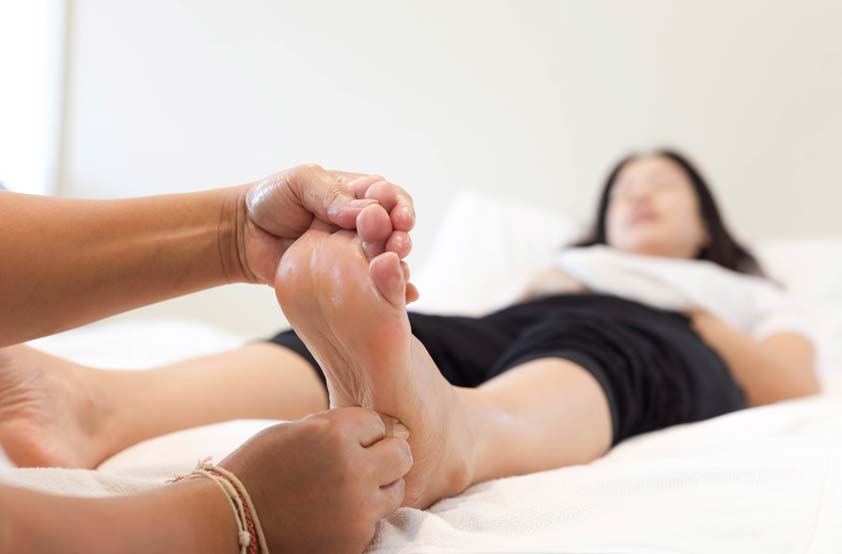
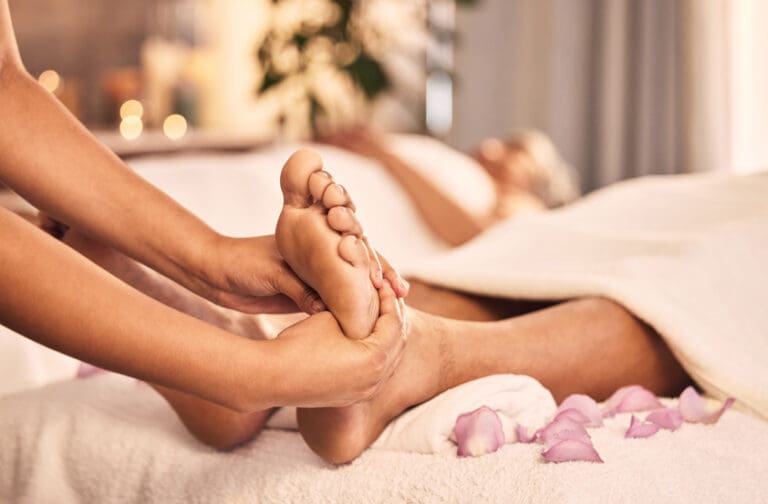
With the consultation complete, the hands-on phase typically uses slow, sustained thumb-and-finger pressures across specific foot zones thought in reflex therapy to correspond with thermoregulation and stress pathways, including the solar plexus/diaphragm area, spine line, and regions commonly mapped to endocrine balance.
At Spa & Massage clinics, pressure is titrated to comfort, aiming for a “good ache” without sharp pain; clients are encouraged to speak up, and pacing is adjusted to breath and sensitivity.
Techniques may alternate between gentle walking thumbs, small circular holds, and calming strokes to settle the nervous system.
While clinical evidence for hot-flash reduction is mixed, many clients report improved relaxation and sleep, which can reduce perceived intensity.
Aftercare includes hydration and quiet rest.
How Often Should You Have Reflex Therapy for Hot Flashes?
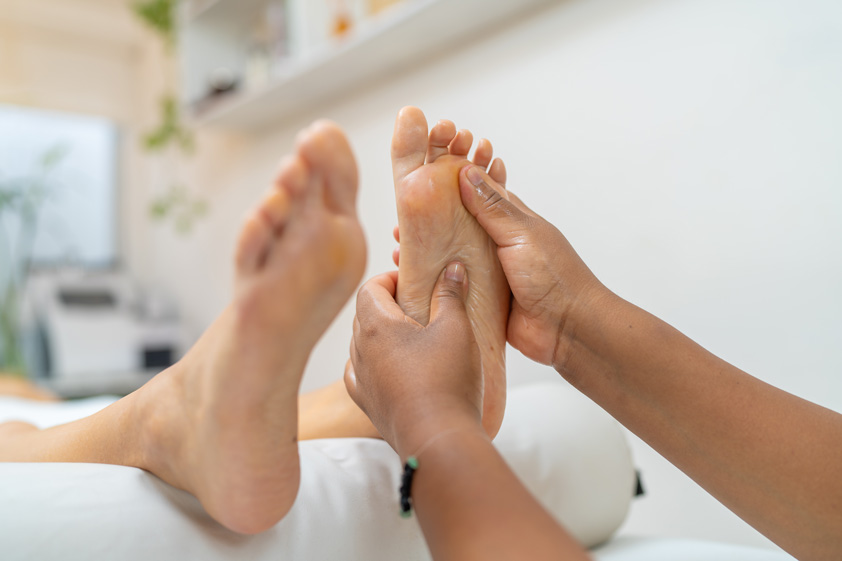
Typically, reflex therapy for hot flashes is scheduled as a short, consistent course—often weekly sessions for 4–6 weeks—then reviewed and tapered to maintenance (for example, every 2–4 weeks) based on symptom frequency, sleep disruption, stress levels, and overall response.
At Spa & Massage clinics in London, therapists typically begin with 45–60 minute appointments to establish a baseline and track changes in heat intensity, night sweats, and ease of falling back asleep.
If symptoms cluster around specific times (such as evenings), sessions may be timed to support nervous-system settling.
Many clients benefit from a brief “top-up” during high-stress periods, travel, or hormonal shifts.
Progress is usually reviewed after 3–4 visits and the plan adjusted to comfort, sensitivity, and preference.
When to See Your GP About Hot Flashes
In many cases, hot flashes are a predictable part of perimenopause or menopause, but medical review is advisable when symptoms are new, worsening, or disruptive.
A GP should be consulted if flushing starts before age 40, follows surgery, appears with fever, weight loss, palpitations, chest pain, fainting, or shortness of breath, or if night sweats soak bedding and impair sleep.
Review is also important when symptoms coincide with new medications, thyroid symptoms, or persist beyond expected menopausal changeover.
Heavy or irregular bleeding, pelvic pain, or a personal history of breast cancer warrants prompt assessment.
At Spa & Massage clinics across London, therapists encourage clients to share these signs and coordinate reflex therapy as supportive care alongside medical guidance.
Conclusion
It may offer a gentle adjunct for those negotiating menopausal heat episodes, primarily by supporting relaxation, sleep continuity, and perceived symptom coping. Evidence remains mixed and benefits are not guaranteed; outcomes often reflect individual stress load, session consistency, and broader lifestyle measures. A tailored treatment plan, clear aftercare, and monitoring of triggers can help maximise comfort. Persistent, worsening, or atypical flushing, palpitations, or night sweats should prompt GP review to exclude other causes.