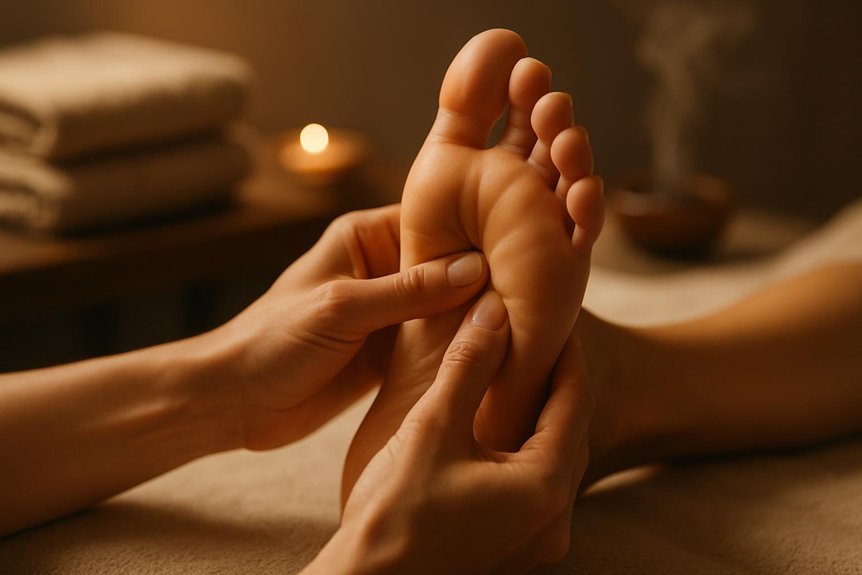

It may help neck tension for some people by applying graded pressure to foot or hand tissues, which can shift autonomic balance toward parasympathetic tone and reduce protective muscle guarding. Evidence is mixed, but studies suggest modest short-term improvements in perceived pain and relaxation, especially when symptoms are stress linked. Benefits are likely due to central pain modulation rather than specific point-to-organ effects. It is generally safe, with caution in neuropathy, thrombosis risk, or acute foot injury. Further details cover technique, key zones, and dosing.
Can It Help Neck Tension, and Is It Safe?

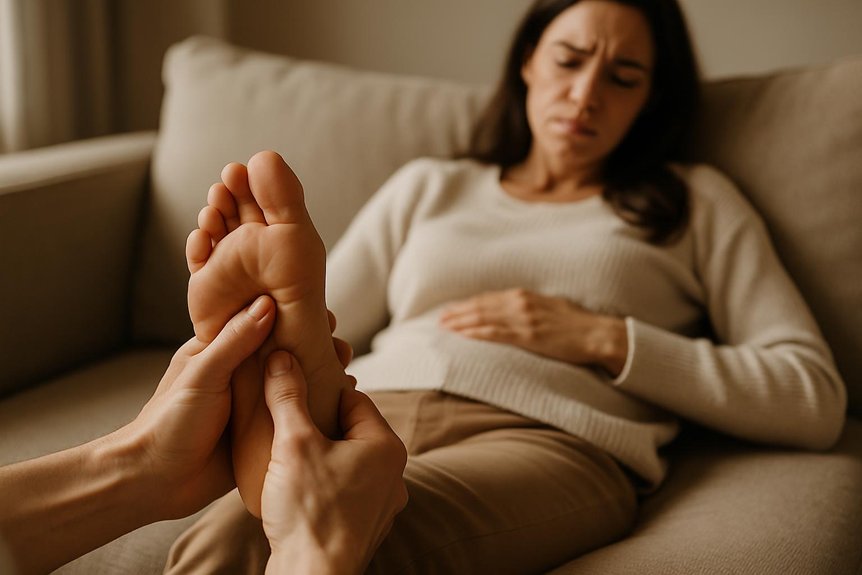
How can a foot-based treatment influence discomfort in the cervical region? It applies graded pressure to plantar tissues, stimulating cutaneous and mechanoreceptor input that may downshift sympathetic tone and reduce protective muscle guarding through central pain modulation.
Evidence is mixed but suggests modest short-term improvements in perceived pain and relaxation; it is best viewed as an adjunct, not a substitute for manual work to the neck.
Discover the Healing Power of Reflexology as a supportive approach that may complement other strategies for easing neck tension.
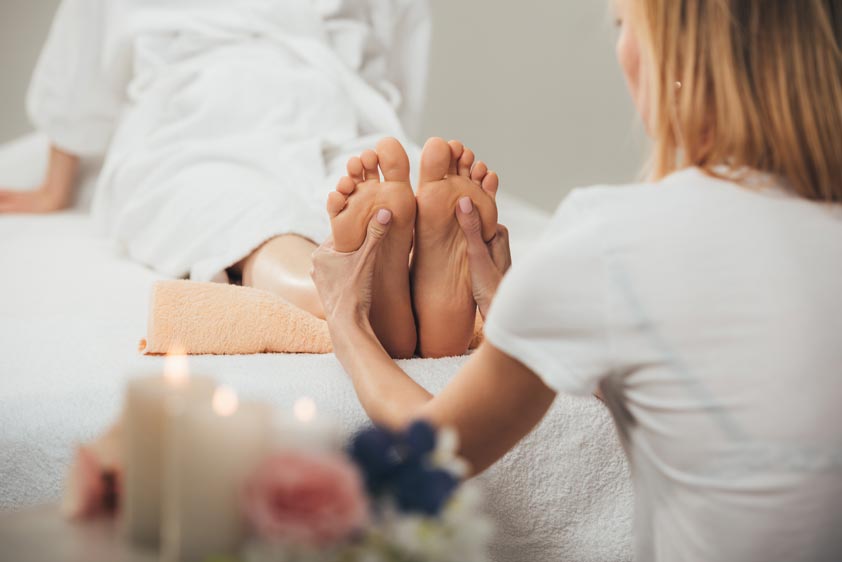
At Spa & Massage clinics across London, therapists tailor pressure for comfort and maintain clear consent, supporting a calm, close sense of safety.
It is generally safe for most adults, but caution is advised with acute foot injury, thrombosis risk, uncontrolled diabetes with neuropathy, or complicated pregnancy. Persistent, worsening, or neurological symptoms require medical assessment.
What Causes Neck and Shoulder Tension Day to Day?
Neck and shoulder tension commonly develops when cervical and scapular stabilisers—particularly the upper trapezius, levator scapulae, suboccipitals, and deep neck flexors—are repeatedly loaded in low-variation positions.
Day to day, prolonged screen use, forward-head posture, and rounded shoulders increase compressive load on cervical facets and sustained ischaemic demand in superficial neck extensors.
Jaw clenching and shallow upper-chest breathing can heighten tone in scalenes and pectoralis minor, subtly tugging the shoulder girdle forward.
Carrying bags on one side, cradling a phone, or sleeping with poor pillow height biases unilateral shortening.
Limited thoracic mobility and weak serratus anterior/lower trapezius reduce scapular upward rotation, overworking the upper trapezius.
At Spa & Massage, therapists often observe trigger points and tenderness along these patterns in clients across London.
How It May Relieve Stress-Related Neck Tension
Stress adds a significant neurophysiological layer to the postural and workload factors that sustain cervical and shoulder-girdle tightness, largely by upregulating sympathetic activity and increasing resting tone in muscles such as the upper trapezius, levator scapulae, scalenes, and suboccipitals.
It may help by shifting autonomic balance toward parasympathetic dominance, supporting slower respiration, reduced heart rate, and a downregulation of protective muscle guarding.
Evidence suggests touch-based therapies can lower perceived stress and pain, which may decrease nociceptive drive into the cervical dorsal horn and lessen trigger-point irritability.
In Spa & Massage clinics across London, therapists pace pressure and hold contact until a softened tissue response is felt, encouraging a calmer breath and a sense of being safely held, without directly manipulating the neck.
Neck Tension Reflex Therapy Points on the Feet
Several plantar zones are routinely targeted in reflex therapy when clients present with cervical and shoulder-girdle tension, with emphasis on the toes and the medial edge of the forefoot where practitioners map head–neck and upper spinal correspondences.
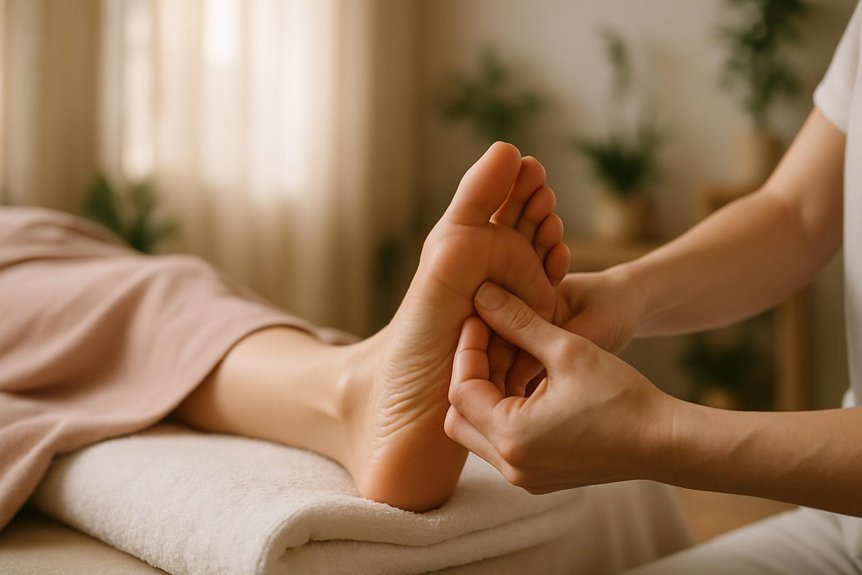
Work often focuses on the great toe and adjacent toes, using slow, sustained thumb-walking to modulate local tenderness that may mirror suboccipital and cervical strain patterns.
Along the medial arch, practitioners trace a “spinal” line toward the heel, applying graded pressure to areas associated with upper thoracic support for neck posture.
Evidence for specific point-to-organ links remains limited; however, clinical outcomes may arise via relaxation, altered pain appraisal, and improved parasympathetic tone.
At Spa & Massage clinics, pressure is kept comfortably deep, with attentive pacing and consent throughout.
Neck Tension Reflex Therapy Points on the Hands and Ears
In addition to the feet, reflex therapy for neck tension may also focus on hand reflex points along the thumb and index-finger region—areas commonly mapped to the cervical spine and upper trapezius—and ear reflex zones on the concha and antihelix that are used in auricular protocols for musculoskeletal discomfort.
At Spa & Massage clinics, therapists apply controlled, tolerable pressure in short holds and small circular movements, monitoring local tenderness and overall symptom response.
The following sections outline the key hand and ear locations and a safe method for applying pressure without aggravating sensitive tissues.
Hand Reflex Points For Neck
Neck–hand reflex mapping is commonly used in reflex therapy to target cervical muscle tension via pressure applied to specific zones on the hands and, when relevant, the external ear. On the hand, the cervical spine line is typically traced along the medial edge of the thumb from the base toward the tip, with adjacent thumb-pad areas linked to suboccipital and upper trapezius referral patterns. Many protocols also include the web space between thumb and index finger to calm protective gripping and jaw–neck co-contraction.
At Spa & Massage, therapists use slow, firm, comfortable holds (20–60 seconds) and small thumb-walks, guided by tenderness and tissue tone rather than force. Evidence remains mixed; benefits are framed as neuromodulation, relaxation, and improved proprioceptive ease.
Ear Reflex Zones For Tension
Hand-based reflex work is often paired with stimulation of external ear zones, reflecting the auricle’s dense innervation and its potential to modulate cervical muscle tone through autonomic and trigeminal–vagal pathways.
In reflex therapy mapping, areas commonly associated with neck tension include the antihelix (cervical spine line), the scapha (shoulder/upper trapezius region), and the concha (autonomic regulation), with the tragus sometimes linked to temporomandibular and suboccipital referral patterns.
Evidence for auricular approaches is emerging: small clinical studies suggest effects on perceived pain, heart-rate variability, and muscle guarding, plausibly via vagal afferents and segmental inhibition.
At Spa & Massage, therapists may integrate ear-zone awareness alongside hands-focused reflex therapy to support a calm, close-bodied sense of release without overstimulation.
How To Apply Pressure
Apply pressure with intent: effective reflex therapy for neck tension on the hands and external ear depends on controlled depth, stable contact, and dosing that stays within a tolerable “good pain” range rather than provoking guarding.
On the hand, a therapist typically uses the thumb pad to press and slowly “walk” along the web space between thumb and index finger, then along the ulnar edge below the little finger, pausing 5–10 seconds on tender nodules.
On the ear, use the fingertip or a cotton bud to apply micro-circles to the antihelix and concha, keeping the jaw relaxed and breathing steady.
In Spa & Massage clinics, pressure is increased only as tissue softens; numbness, sharp pain, or skin blanching signals to stop. Repeat 2–3 passes per side.
What to Expect in a Reflex Therapy Session for Neck Tension
Often, a reflex therapy session for neck tension begins with a brief clinical intake to map symptom location, aggravating activities (e.g., desk work, driving), headache patterns, and any contraindications, followed by a feet-focused assessment and treatment plan.
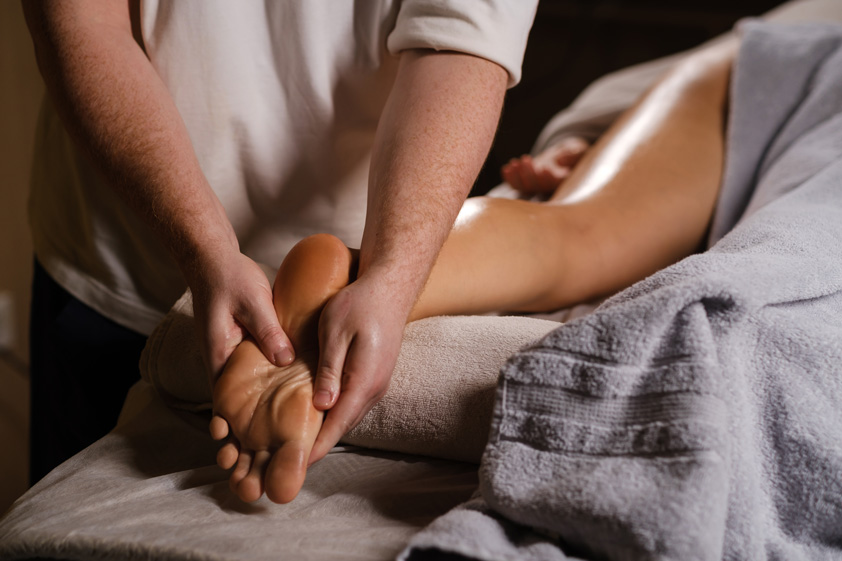
At Spa & Massage, the client is positioned comfortably and draped for warmth, supporting relaxation while maintaining clinical boundaries.
The therapist applies calibrated thumb-walking and static pressure to foot zones linked to cervical spine segments, upper trapezius, and suboccipital regions, monitoring tissue texture, tenderness, and autonomic signs.
Pressure is adjusted to remain “comfortably intense,” aiming to downshift sympathetic tone and reduce protective guarding.
Evidence suggests reflex therapy may modulate pain perception and stress responses; outcomes are tracked via range-of-motion and headache frequency.
A short aftercare plan may include hydration and gentle neck mobility.
Reflex Therapy or Massage for Neck Tension: Which to Choose?
With an understanding of how reflex therapy sessions target foot zones associated with cervical and shoulder-girdle tension, the next decision is whether reflex therapy or a direct neck-and-shoulder massage is the better fit.
Massage addresses local tissues—upper trapezius, levator scapulae, suboccipitals—modulating tone, circulation, and trigger-point sensitivity, and may suit clients wanting hands-on work where they hold stress.
It is indirect and fully clothed, supporting parasympathetic downshifting and perceived pain reduction when touch to the neck feels too intense or intrusive.
Evidence for both suggests short-term symptom relief, with outcomes shaped by preference and therapist skill.
At Spa & Massage London clinics, therapists screen posture, headache patterns, and nerve symptoms, then recommend reflex therapy alone, massage alone, or a blended plan for comfort and closeness.
How Many Reflex Therapy Sessions for Neck Tension Relief?
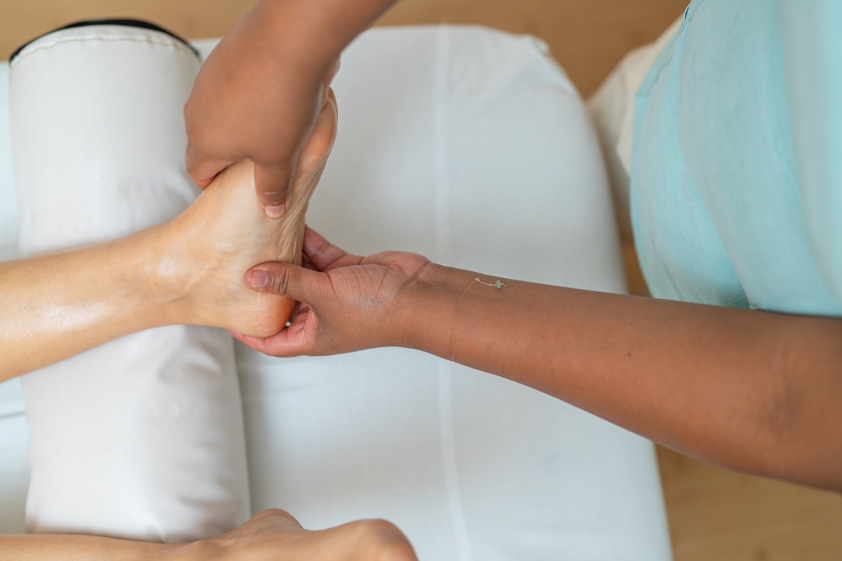
For neck tension linked to sustained loading of the cervical paraspinals and upper trapezius, a typical reflex therapy plan uses 1 session per week initially, then tapers as symptoms stabilise.
Many clients notice measurable change in perceived stiffness and range of motion within 2–4 sessions, although chronic presentations often require a longer course.
At Spa & Massage, therapists adjust session frequency based on response after each visit, alongside contributing factors such as posture, sleep, and stress-related muscle tone.
Typical Session Frequency
Typically, neck-tension protocols using reflex therapy begin with 1 session per week for 3–6 weeks, then taper to maintenance every 2–4 weeks once cervical discomfort and associated shoulder girdle tightness reduce. This cadence aims to downshift sympathetic arousal while addressing referred discomfort patterns linked to the upper trapezius, levator scapulae, and suboccipital region.
At Spa & Massage clinics across London, therapists adjust frequency based on palpated tone, sleep disruption, desk-posture load, and concurrent headaches or jaw clenching. Clients with persistent myofascial guarding or high stress may benefit from twice-weekly sessions briefly, while those with milder episodic tension often respond to fortnightly care. Each visit typically lasts 45–60 minutes, allowing unhurried, attentive touch and regulated breathing throughout.
Timeline For Noticeable Relief
Most clients notice an initial reduction in neck tension within 1–3 reflex therapy sessions, with more stable change commonly emerging after 4–6 sessions as autonomic arousal settles and cervicothoracic muscle tone (upper trapezius, levator scapulae, suboccipitals) begins to downshift.
In Spa & Massage clinics, therapists often see earlier relief when neck tightness is stress-linked, with improved breathing patterns and reduced jaw clenching accompanying softer paraspinal guarding.
Evidence-informed practice suggests benefits accrue as repeated input supports vagal tone, lowers sympathetic drive, and modulates pain sensitivity, which can reduce referred discomfort into the occiput and shoulder.
For long-standing postural overload, noticeable change may require 6–10 sessions as myofascial irritation and trigger-point sensitivity calm and sleep quality normalises.
Adjusting Your Treatment Plan
In clinical practice, the number of reflex therapy sessions needed for neck-tension relief is adjusted to the dominant driver—sympathetic overactivity, cervicothoracic postural load, or persistent nociceptive sensitisation—alongside symptom duration, distribution (suboccipital to upper trapezius/levator scapulae), and functional impact.
For recent, stress-linked tightness, Spa & Massage therapists often begin with 1–2 sessions weekly for 2–3 weeks, then taper as resting tone and sleep improve.
For desk-related load with scapular elevation and forward head posture, a 4–6 session block may be required, paired with home micro-breaks and gentle cervical rotation.
If pain is long-standing or referral patterns suggest central sensitivity, progress is slower; reviews every 3–4 sessions guide pacing, and reflex therapy may be combined with deep tissue or sports massage.
Aftercare: How to Keep Your Neck Relaxed at Home
Often, sustained neck relaxation after reflex therapy depends on reducing load through the cervical extensor and upper trapezius muscles while maintaining neutral alignment of the cervical spine.
Spa & Massage therapists advise micro-breaks every 30–45 minutes: soften the jaw, drop the shoulders, and lengthen the occiput away from C7 to limit compressive tone.
Heat for 10 minutes can improve local blood flow; brief cold may help if postural irritation feels sharp.
A rolled towel at the lower cervical curve supports sleep alignment, reducing morning guarding.
Slow nasal breathing (4–6 breaths/min) can downshift sympathetic drive and ease muscle spindle sensitivity.
Hydration and gentle walking assist tissue fluid exchange.
If symptoms radiate, worsen, or include numbness, clinical review is recommended promptly.
Conclusion
It may support neck tension management by promoting parasympathetic settling and reducing stress-driven muscle guarding in the cervical and scapular stabilisers. Evidence remains mixed, yet client reports suggest short-term softening of stiffness and improved sleep. When delivered by a trained therapist, it is generally safe, but persistent pain, progressive weakness, numbness, or headache warrants medical assessment. For best results, scheduled sessions plus simple stretches, screen breaks, and shoulder-blade strengthening sustain cervical comfort.