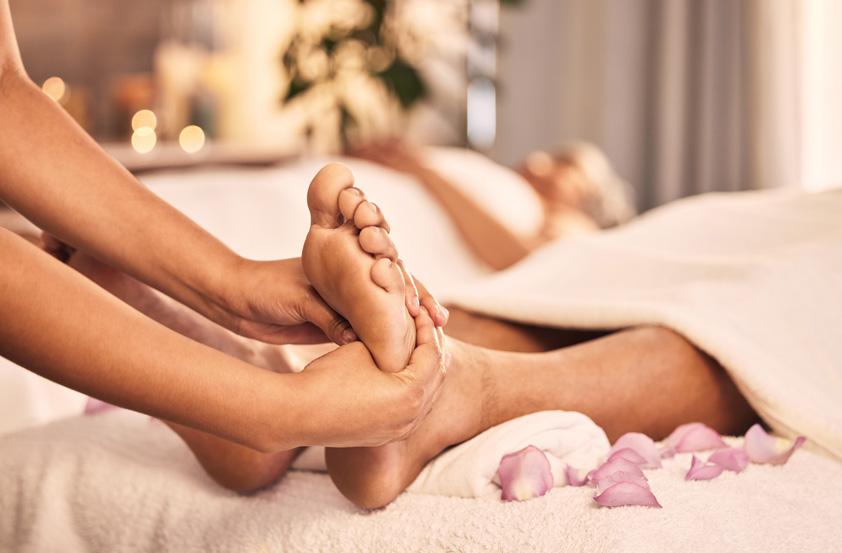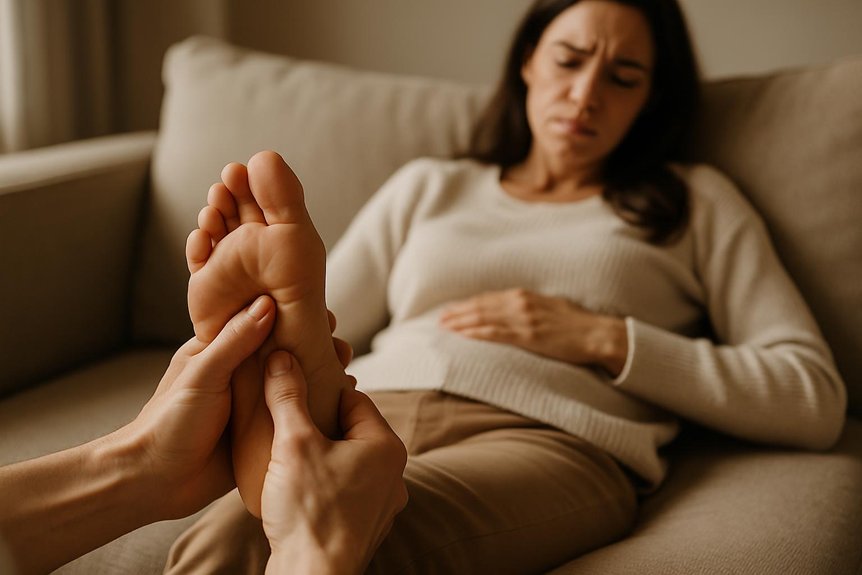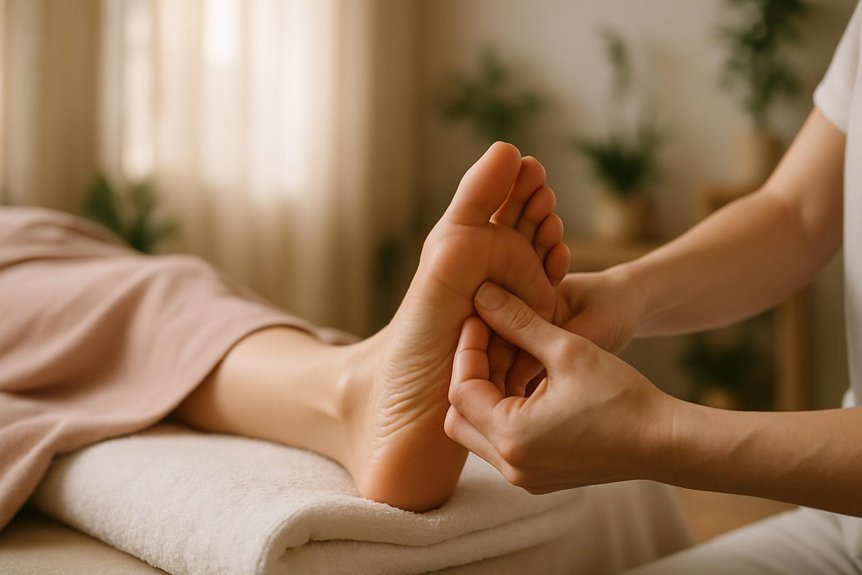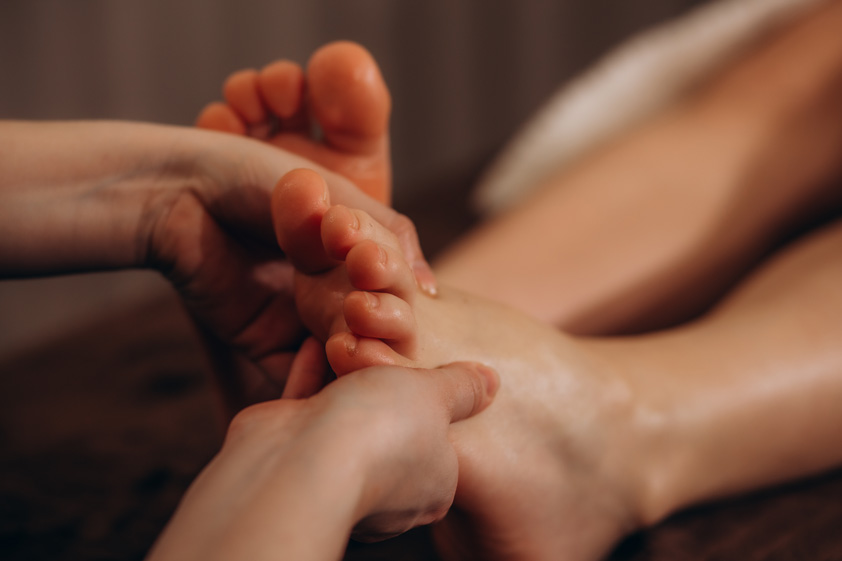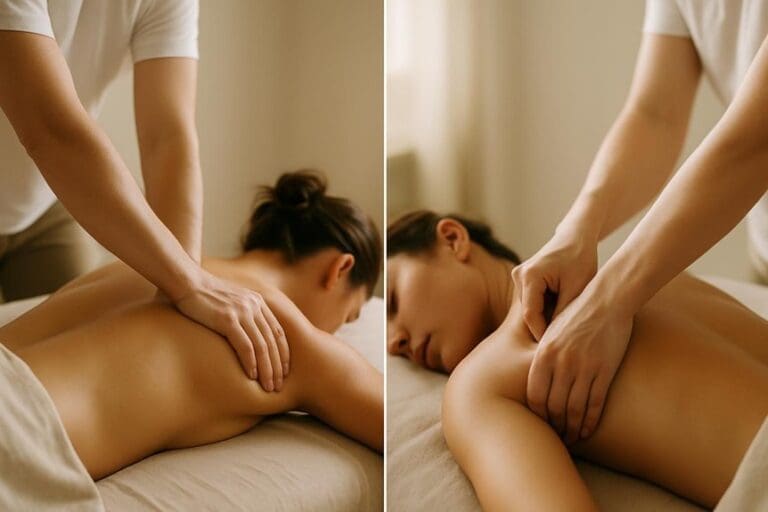
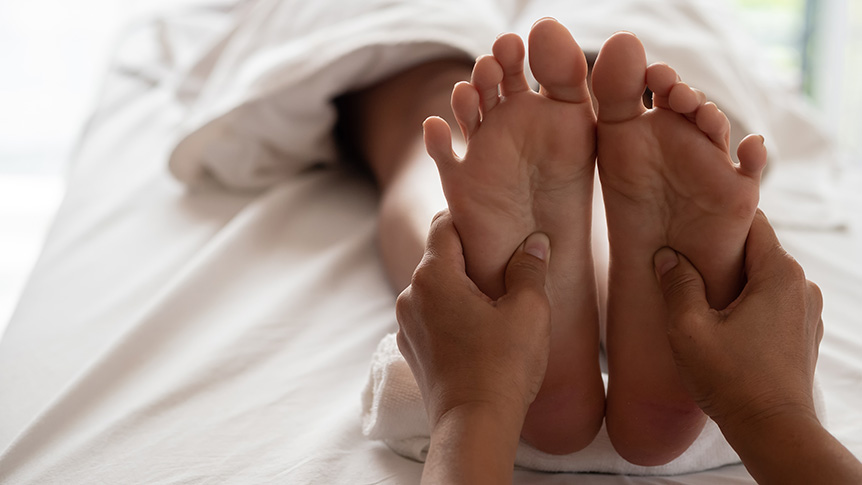
It can support improved sleep by stimulating reflex zones on the feet, hands, or ears that correspond to relaxation and hormonal balance. Research suggests this technique modulates autonomic nervous system activity, enhances parasympathetic responses, and reduces cortisol, promoting easier onset and deeper cycles of sleep. Sessions address stress-induced insomnia, nighttime restlessness, and overactive minds. Many clients experience calmness and systemic relaxation after therapy. In-depth insights demonstrate how this method fits within a broader sleep wellness strategy.
Understanding Reflexology and Its Principles
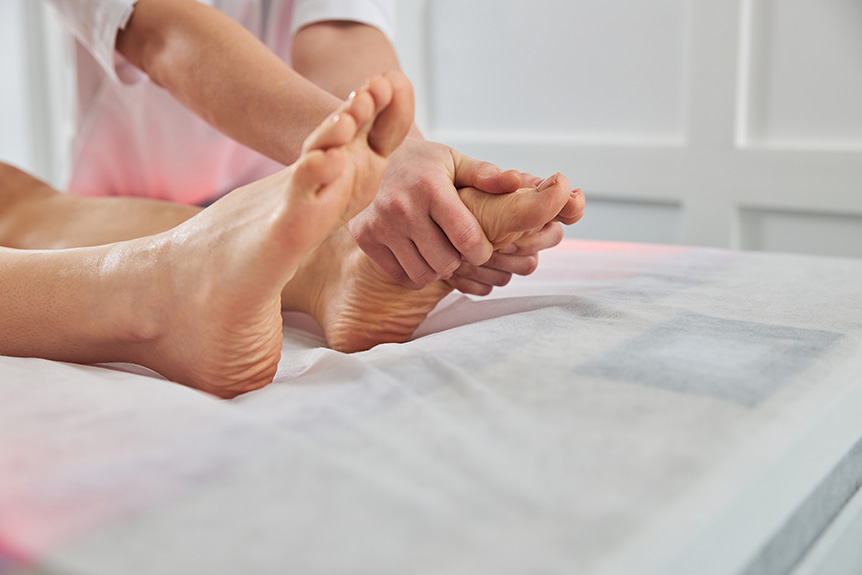
It is a therapeutic modality based on the application of precise pressure to specific points on the feet, hands, or ears, known as reflex zones. Each reflex zone is believed to correspond with organs, glands, and systems throughout the body.
Stimulation of these zones aims to promote ideal physiological function, restore homeostasis, and encourage the body’s innate healing processes. At Spa & Massage, experienced therapists utilize refined palpation techniques, adapting pressure and rhythm to individual sensitivity and health status.
Evidence suggests that this may modulate autonomic nervous system activity, reduce perceived stress, and enhance general well-being. The practice is client-centered, fostering trust and comfort through attentive listening and tailored care.
It’s gentle, non-invasive approach invites profound relaxation and nurtures a deeper sense of connection within oneself. Many people have discovered the healing power of reflex therapy as a meaningful way to support their overall wellbeing.
The Connection Between Zone Therapy and Sleep Quality
While sleep disturbances are frequently linked to heightened stress and imbalances within the autonomic nervous system, targeted stimulation of reflex zones has been associated with measurable improvements in sleep parameters.
Clinical research highlights that reflex therapy may enhance parasympathetic activity, fostering a relaxation response and promoting deeper, more restorative sleep cycles.
At Spa & Massage, therapists apply precise pressure to specific points on the feet and hands, aiming to regulate hormonal balance, reduce cortisol levels, and support circadian rhythm stability.
Clients often report a tangible sense of calm and increased ease in shifting to sleep following sessions.
This holistic approach is tailored to individual needs, integrating soothing techniques and a tranquil environment.
Consistent zone therapy treatments can support long-term improvements in sleep quality, aligning with Spa & Massage’s commitment to personalised wellness.
Common Sleep Issues Addressed by Pressure Point Therapy
It has been shown to support clients experiencing common sleep disturbances such as nighttime restlessness, stress-induced insomnia, and an overactive mind.
Targeted pressure techniques, as practiced by Spa & Massage therapists, are designed to modulate autonomic nervous system activity and promote relaxation responses.
Evidence suggests that these interventions may contribute to improved sleep quality by directly addressing physiological and psychological contributors to disrupted sleep.
Reducing Nighttime Restlessness
Although chronic sleep disturbances can stem from multiple underlying causes, nighttime restlessness frequently involves heightened autonomic nervous system activity and imbalances in stress hormone regulation. As practiced by Spa & Massage therapists, targets specific reflex zones on the feet and hands associated with the nervous system and endocrine functions.
Gentle, precise stimulation of these zones may help modulate sympathetic arousal and promote a parasympathetic shift, encouraging physical and psychological calmness. Clinical observations and emerging studies indicate that regular massage sessions can decrease nocturnal agitation, reduce muscular tension, and support more consistent sleep cycles.
Clients at Spa & Massage often report experiencing a sensation of warmth and heaviness in the limbs post-session—a physiological sign of relaxation conducive to reduced nighttime restlessness and improved sleep continuity.
Easing Stress-Induced Insomnia
Due to the intricate connection between psychological stress and sleep regulation, stress-induced insomnia remains a prevalent concern among individuals seeking restorative rest.
As practiced at Spa & Massage, targets specific reflex points on the feet and hands that correspond to the body’s stress response systems, including the adrenal glands and hypothalamic-pituitary-adrenal (HPA) axis. By applying calibrated pressure to these zones, it aims to modulate cortisol secretion and promote autonomic balance.
Evidence indicates that clients receiving targeted pressure point therapy sessions report decreased physiological arousal and subjective stress, both of which are implicated in sleep initiation difficulties.
Our therapists frequently observe that regular sessions foster a sense of calm, enabling the body’s natural shift toward restful sleep, particularly for those whose insomnia is closely linked to ongoing stressors.
Calming Overactive Mind
When persistent mental activity interferes with the onset or maintenance of sleep, individuals frequently experience an overactive mind characterized by racing thoughts and cognitive hyperarousal.
In clinical practice at Spa & Massage, it is applied to modulate autonomic nervous system activity, specifically targeting reflex points associated with the head, brain, and solar plexus.
Evidence suggests that stimulating these areas may reduce sympathetic nervous system dominance, facilitating a relaxation response and diminishing mental agitation.
Clients often report that the gentle, rhythmic pressure employed by experienced therapists induces a meditative state, helping to quiet intrusive thoughts.
This neurophysiological shift supports the natural initiation of sleep.
For those struggling with chronic mental restlessness at bedtime, it offers a non-pharmacological intervention tailored to restore cognitive calm and promote restorative sleep patterns.
How a Zone Therapy Session Works at Spa & Massage
During a massage session at Spa & Massage, clients are welcomed into a serene environment where the focus is on promoting relaxation and holistic balance. Each session begins with a thorough consultation, allowing the therapist to understand individual needs and health goals.
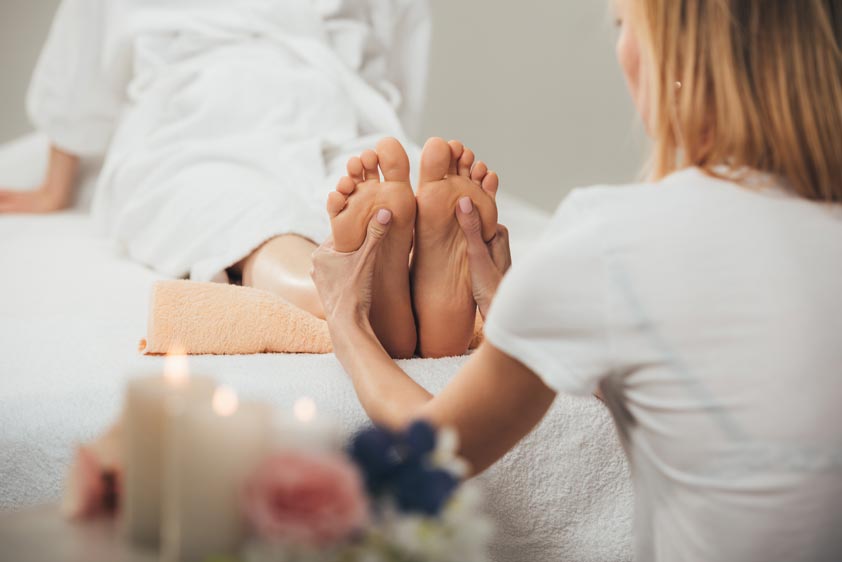
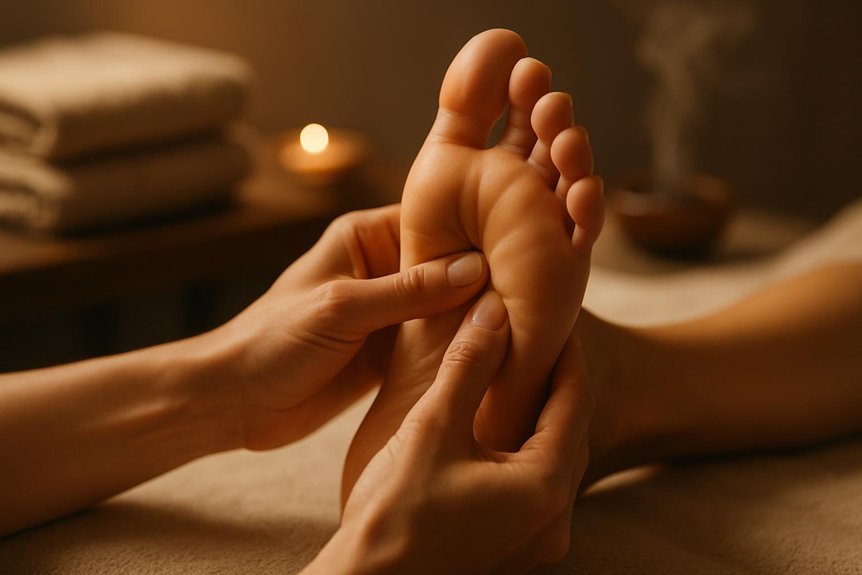
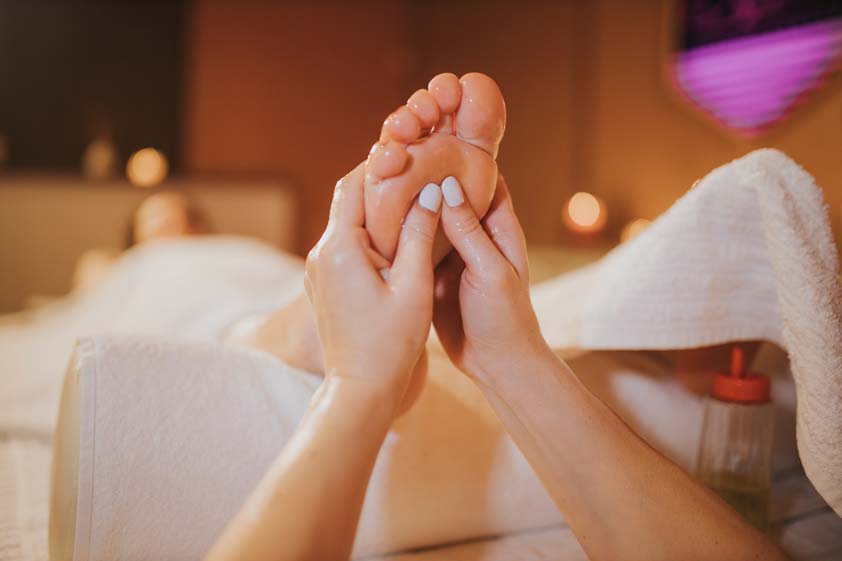
Skilled therapists use precise thumb and finger pressure techniques on specific reflex zones of the feet, following evidence-based protocols to stimulate neural pathways and encourage systemic equilibrium.
The atmosphere is intentionally quiet, with gentle lighting and calming aromas enhancing the experience. Clients are encouraged to communicate their comfort levels throughout.
Sessions typically last 30 to 60 minutes, with therapists adjusting pressure and technique based on real-time feedback.
Aftercare guidance is provided to support continued relaxation and ideal therapeutic outcomes beyond the clinic.
Key Reflex Points Linked to Relaxation and Restfulness
Following the structured approach of a massage session at Spa & Massage, attention is directed to specific reflex points on the feet that have demonstrated links to the body’s relaxation response and improved sleep quality.
Particularly, the solar plexus reflex—located in the center of the foot—plays a pivotal role in calming the nervous system and fostering a sense of inner balance.
The pituitary gland reflex, situated at the center of the big toe, is addressed to support hormonal regulation related to sleep cycles.
Additionally, the spinal reflex zones along the medial foot edge are stimulated to promote musculoskeletal relaxation.
What Clients Experience During Zone Therapy for Sleep
A typical session aimed at improving sleep at Spa & Massage is characterised by a systematic, targeted approach to foot reflex zones associated with relaxation and homeostasis.
Clients are welcomed into a serene environment, where skilled therapists apply calibrated pressure to specific points, such as the solar plexus, diaphragm, and pituitary gland reflexes.
This methodical stimulation is designed to promote parasympathetic nervous system activity, decrease heart rate, and reduce muscular tension—physiological shifts linked to sleep readiness.
Many clients report a progressive sense of tranquility, often describing a subtle shift from alertness to deep relaxation.
Throughout the session, therapists monitor comfort levels and adapt techniques to individual sensitivities, ensuring both emotional reassurance and physical ease.
This personalised attention fosters a profound sense of care and connection.
Additional Benefits of This Therapy Beyond Sleep Support
Beyond its role in promoting restful sleep, it has demonstrated efficacy in reducing stress and anxiety while supporting ideal circulatory function.
Evidence suggests that targeted pressure techniques may facilitate improved blood flow and assist the body’s natural detoxification processes.
Clients at Spa & Massage frequently report benefits such as enhanced relaxation and a greater sense of overall wellbeing following this therapy sessions.
Stress and Anxiety Reduction
It demonstrates measurable efficacy in reducing stress and alleviating symptoms of anxiety, making it a valuable adjunct to sleep support.
Clinical studies indicate that targeted pressure on reflex points activates the parasympathetic nervous system, promoting relaxation and decreasing cortisol levels.
At Spa & Massage, therapists employ precise therapy protocols designed to address both physiological and emotional tension, supporting clients’ holistic wellbeing.
Many clients report a profound sense of calm and emotional balance following sessions, citing reductions in muscle tension, nervousness, and mental fatigue.
These outcomes are attributed to the interplay between reflex point stimulation and the body’s stress response pathways.
Enhanced Circulation and Detoxification
In addition to its stress-relieving properties, stimulation of reflex points has been shown to improve circulatory dynamics and support the body’s natural detoxification processes. Enhanced blood flow facilitates nutrient delivery to tissues and accelerates the removal of metabolic waste, contributing to a sense of overall vigor.
Within Spa & Massage clinics, therapists apply targeted therapy techniques to optimise microcirculation, which may aid in the reduction of localised swelling and promote cellular repair. Clients often report sensations of warmth and lightness following sessions, reflecting improved peripheral circulation.
Moreover, effective lymphatic drainage is encouraged, assisting the body’s ability to clear toxins. For individuals seeking holistic wellness, incorporating therapy sessions can complement other self-care routines, fostering both physiological renewal and a restorative sense of inner balance.
At-Home Tips to Complement Zone Therapy for Better Sleep
How can individuals maximise the sleep-enhancing effects of this therapy between professional sessions? Spa & Massage recommends establishing a consistent pre-sleep routine that incorporates gentle self-massage of reflex zones, particularly those linked to relaxation, such as the solar plexus and adrenal reflex points on the feet.
Utilising nourishing massage oils—carefully selected by Spa & Massage for their calming properties—can further enhance tactile sensory input and support relaxation. Clients are encouraged to engage in diaphragmatic breathing during self-massage to facilitate parasympathetic nervous system activation.
Maintaining a quiet, dimly lit environment can reinforce the body’s natural circadian signals. Hydration and mindful stretching, both promoted by Spa & Massage therapists, help optimise physiological recovery.
This integrative, evidence-based approach nurtures intimacy with one’s own body and supports restorative sleep.
Booking Reflexology at Spa & Massage: What to Expect
Upon booking a therapy session at Spa & Massage, clients can anticipate a structured, client-centered approach designed to maximise therapeutic benefit.
Each consultation begins with a confidential assessment, allowing therapists to tailor pressure points and techniques to individual needs—especially for those seeking sleep enhancement.
Sessions are conducted in a tranquil environment, utilising clinical-grade hygiene protocols and evidence-based zone therapy methods.
Therapists at Spa & Massage employ precise acupressure on feet, hands, or ears, focusing on neural pathways linked to relaxation and circadian regulation.
Clients are encouraged to communicate their comfort levels and wellness goals throughout.
Aftercare advice includes hydration and rest, supporting the body’s natural recovery and sleep cycles.
This integrated process fosters both immediate relaxation and long-term improvement in sleep quality.
Conclusion
In summary, it acts as a gentle key, opening the body’s natural mechanisms for relaxation and sleep restoration. Evidence suggests that targeted pressure techniques can help rebalance the nervous system, reduce tension, and address common sleep disturbances. At Spa & Massage, client-focused, tailored sessions offer a holistic pathway to improved rest and overall well-being. Integrating this with healthy sleep habits may empower individuals to navigate the nightly journey toward restorative, uninterrupted sleep with greater ease.