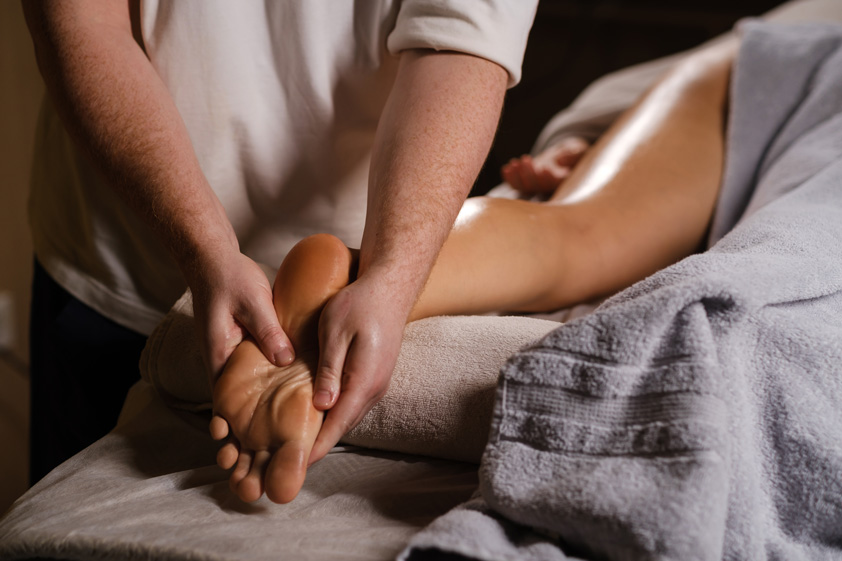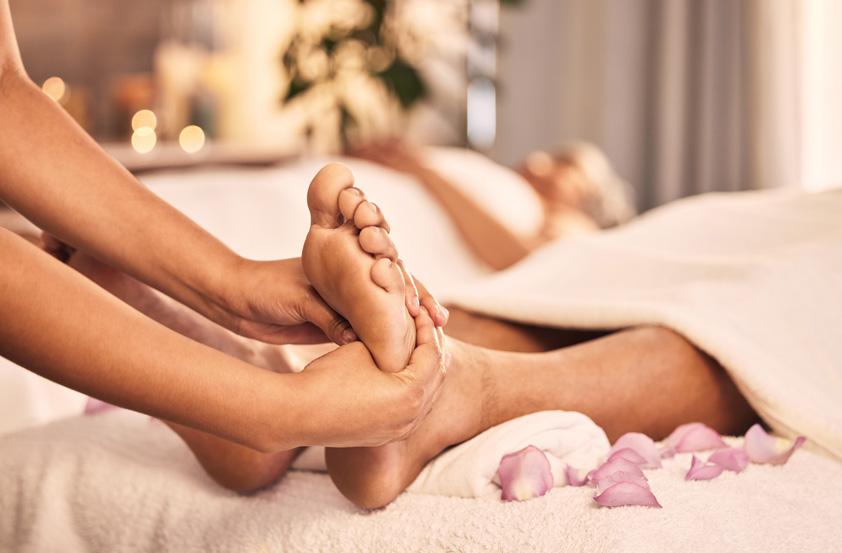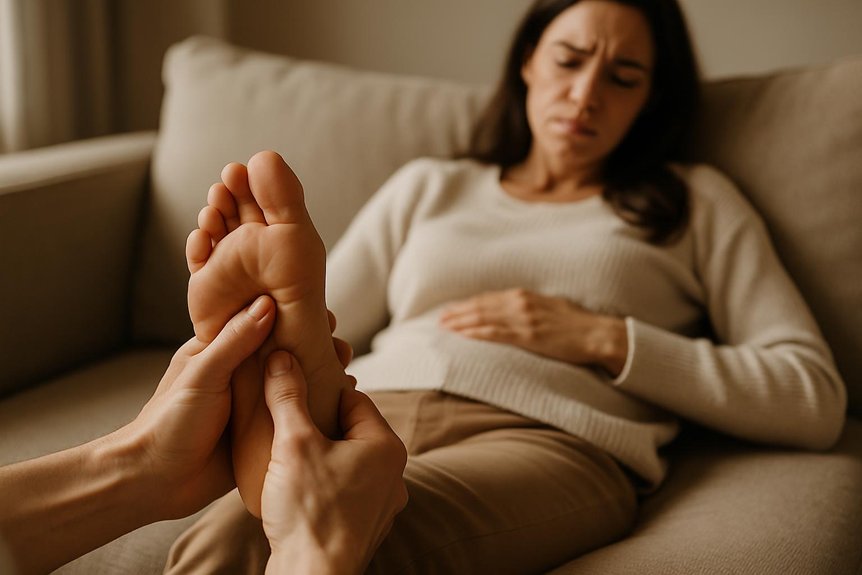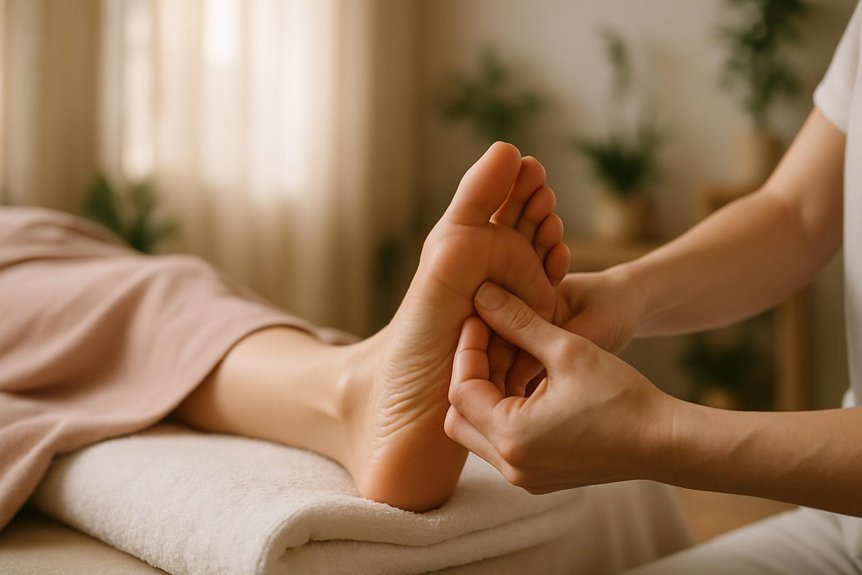
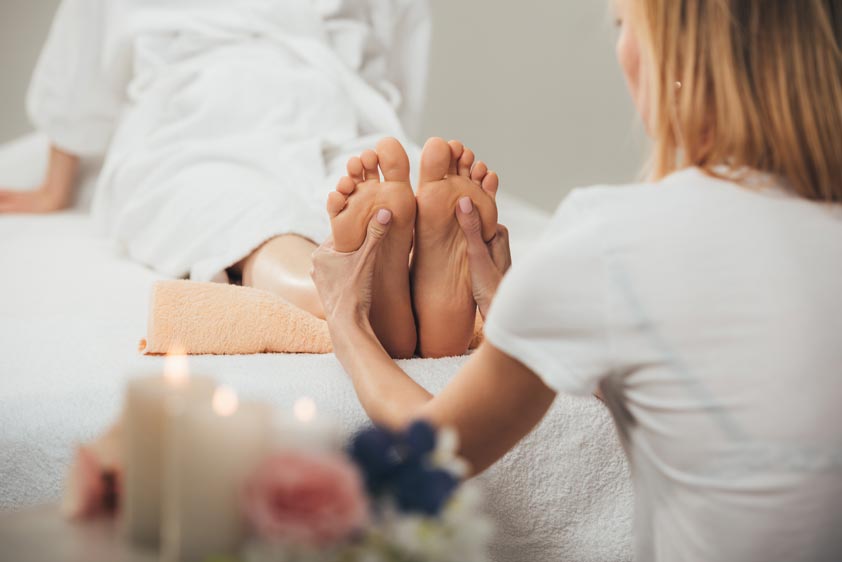
It may help some people sleep better by promoting relaxation and easing perceived stress, which can support faster sleep onset and fewer awakenings. Evidence from small clinical studies is mixed, so it is best viewed as a complementary approach rather than a cure for insomnia. Consistent, tailored sessions often report the most noticeable benefits, commonly emerging over 3–6 visits. It also pairs well with sleep hygiene and a screen-light-free wind-down. More guidance on points, sessions, and suitability follows.
Can It Help You Sleep Better?
How might reflex therapy influence sleep quality? Evidence suggests that gentle, structured foot pressure can shift the body toward a calmer physiological state, which may support easier sleep onset and fewer nighttime awakenings for some people.
Small clinical studies report improvements in self‑rated sleep, particularly when sessions are consistent and tailored, though results vary and it is not a cure for insomnia.
At Spa & Massage clinics across London, therapists begin with a quiet consultation, then apply steady, unhurried techniques focused on comfort and consent, helping clients feel held and safe. Many clients choose evening appointments, allowing the nervous system time to settle before bed.
Practically, a course of sessions and simple aftercare—hydration and a warm, screen‑light‑free wind‑down—often complement sleep routines.
Many people explore the healing power of this therapy as part of a broader approach to relaxation and rest.
How Does Reflexology Support Stress Relief and Sleep?
It may support better sleep by helping calm the nervous system, which is closely linked to stress arousal and difficulty switching off at night.
At Spa & Massage clinics across London, therapists use structured foot techniques that many clients find help release recurring tension patterns held in the body.
With regular sessions, this relaxation response may also support a steadier sleep–wake rhythm by making it easier to settle at bedtime and feel more restored on waking.
Calming The Nervous System
In a busy London routine, many clients notice that stress keeps the body in a “high alert” state that makes it harder to fall asleep and stay asleep. It may support a shift toward parasympathetic “rest and digest” activity, which is associated with slower breathing, lower muscle tone, and easier settling at night.
At Spa & Massage clinics across London, therapists use steady, reassuring pressure on the feet to encourage comfort and safety signals through touch.
Small clinical studies suggest it can reduce perceived stress and anxiety, and some people report improved sleep quality afterward. While it is not a cure for insomnia, it can be a gentle adjunct when stress is a driver. Clients are encouraged to notice warmth, heaviness, and quieter thoughts as bedtime approaches.
Releasing Tension Patterns
A session also offers a structured pause: warmth, stillness, and skilled touch that helps interrupt rumination and reduce perceived stress.
When muscular tension and mental bracing drop, the body has fewer cues to stay alert. Therapists tailor pressure and pacing, inviting comfort rather than intensity, and suggest simple aftercare—hydration and gentle ankle circles—to keep release settling in.
Supporting Sleep-Wake Rhythm
Once that immediate “on-guard” feeling eases, attention can turn to the body’s daily timing—its sleep–wake rhythm. It may support this rhythm by encouraging parasympathetic activity, which is associated with lower arousal and smoother shift into sleep.
Small clinical studies suggest it can reduce perceived stress and improve sleep quality, though evidence remains mixed and not a replacement for medical care. At Spa & Massage clinics across London, therapists often pair unhurried, consistent pressure with quiet breathing cues, helping clients notice when their body begins to soften.
Many clients find that evening appointments, repeated weekly, create a predictable “wind-down” signal. Therapists also recommend simple aftercare: dimmer lights, warm socks, and screen breaks to reinforce the same calming timing at home.
When Should You Try Zone Therapy for Sleep Problems?

For many people, the right time to try zone therapy for sleep problems is when disrupted sleep becomes a recurring pattern—difficulty falling asleep, frequent night waking, or waking unrefreshed—despite consistent sleep habits. It can be a supportive option during high-stress periods, after travel or shift changes, or alongside lifestyle steps already in place.
Evidence suggests hands-on relaxation therapies may help downshift the nervous system, which some clients experience as easier settling at night. It may also be worth considering when sleep disturbance is linked to tension, overwhelm, or a “busy mind,” and a quiet, nurturing treatment feels more accessible than talk-based approaches.
At Spa & Massage clinics across London, therapists tailor pressure and pacing for comfort. Persistent insomnia, loud snoring, or mood changes should prompt medical advice.
Which Zone Therapy Points Help You Sleep?
When disrupted sleep becomes a pattern and zone therapy feels like a supportive next step, the natural question is which points are typically used to encourage settling at night.
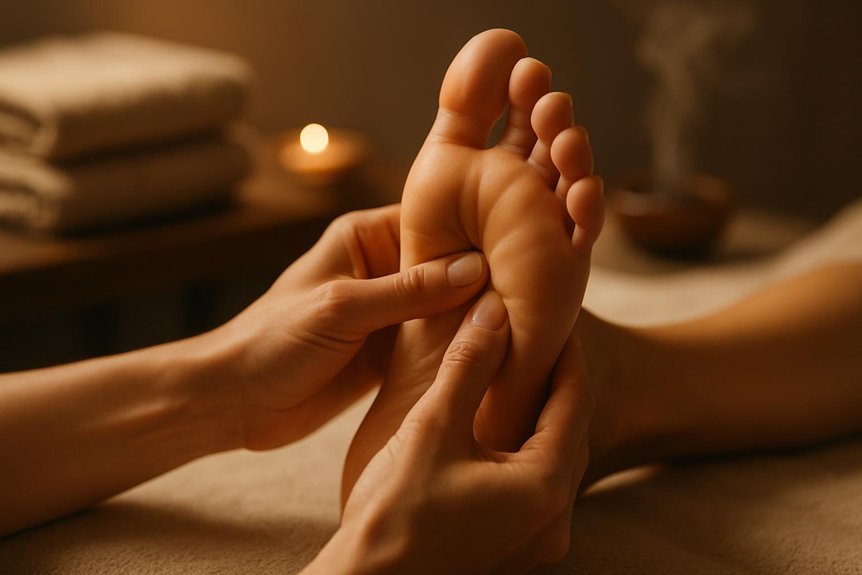
In practice, therapists often prioritise the solar plexus point (to ease stress), the diaphragm/lung reflexes (to soften tight breathing), and the head/brain area across the toes (to quiet mental “noise”).
The pineal and pituitary reflexes, located on the big toe, may also be used because of their relationship to circadian regulation in traditional maps, though clinical evidence remains limited.
Many sessions also include gentle work on spine and neck reflexes to support relaxation.
At Spa & Massage clinics across London, pressure is kept slow, consistent, and responsive, inviting a safe, unhurried downshift.
Can You Do Self-Zone Therapy for Sleep at Home?
In many cases, self-zone therapy can be used at home to support sleep by gently cueing the nervous system toward relaxation.
At Spa & Massage, therapists suggest a simple, consistent routine: warm the feet, then use slow thumb-walking or small circles with comfortable pressure for 2–5 minutes per area.
Common choices include the solar plexus point (midline below the ball of the foot), the diaphragm line (under the ball), and the inner edge of the foot associated with the spine.
Research on zone therapy for sleep is emerging, so it is best viewed as a soothing adjunct to good sleep hygiene.
If pain, neuropathy, pregnancy complications, or circulatory concerns exist, gentle touch only and professional guidance are recommended.
What Happens in a Sleep-Focused Massage Session?
In a sleep-focused zone therapy session at Spa & Massage, the therapist begins with a brief intake to understand sleep patterns, stress levels, and client goals, supporting a safe, individualised plan.
The session then follows a calming footwork sequence that prioritises gentle pressure and steady rhythm—approaches commonly used to encourage relaxation and downshift arousal.
Throughout, feedback guides pressure and pacing so the experience remains comfortable and aligned with the client’s needs.
Sleep Intake And Goals
Before any hands-on work begins, a sleep-focused zone therapy session at Spa & Massage starts with a brief, structured intake to clarify the client’s sleep pattern, current stress load, and any contributing factors such as shift work, caffeine or alcohol timing, pain, or hormonal changes.
The therapist gently explores sleep onset, night waking, early waking, and perceived sleep quality, alongside bedtime routines and screen exposure.
If relevant, medications, pregnancy, or diagnosed conditions are noted, with referral encouraged where medical review is needed.
Together, they set practical, measurable goals—such as reducing time to fall asleep, easing nighttime restlessness, or improving next-day energy—grounded in realistic timelines.
Consent, comfort preferences, and boundaries are confirmed to support a sense of safety and closeness.
Calming Footwork Sequence
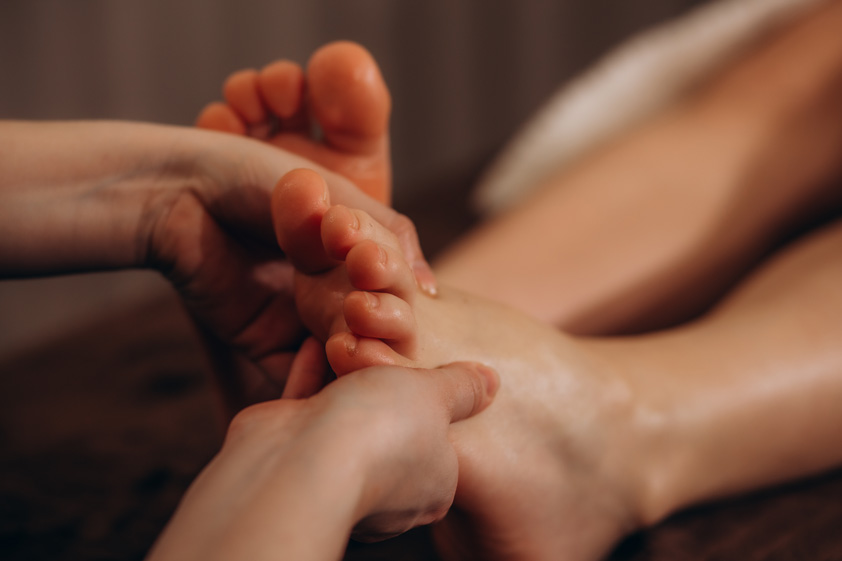
After the intake is complete, the sleep-focused zone therapy sequence begins with slow, grounding contact—typically gentle ankle holds and broad, even strokes across the soles—to signal safety and encourage a downshift in arousal.
At Spa & Massage clinics, therapists then use unhurried thumb-walking and light-to-moderate pressure around the diaphragm line, solar plexus area, and inner arch, pacing touch with the client’s breathing.
If tension is present, they soften the calves and Achilles first, as lower-leg tightness can keep the nervous system alert.
Work finishes with soothing heel compressions and feather-light sweeps to cue closure. Clients are encouraged to notice warmth, heaviness, and quieter thoughts; evidence supports zone therapy relaxation response and reduced perceived stress, which can support sleep readiness.
How Many Massage Sessions Improve Sleep?
Often, noticeable sleep improvements with zone therapy emerge over a short course rather than a single appointment, with many clients experiencing the most consistent changes after 3–6 sessions spaced weekly or fortnightly. Evidence-informed practice suggests repetition helps settle the stress response and support steadier bedtime routines.
At Spa & Massage clinics across London, therapists typically recommend starting with a 60‑minute session, then reviewing sleep onset, night waking, and morning energy after the third visit. Some people feel calmer immediately, yet durable change often arrives gradually as the nervous system learns safety and rest.
For persistent insomnia, a further 2–4 sessions may be advised, then monthly maintenance. Progress is tracked gently, and pressure is adjusted to sensitivity, comfort, and emotional ease throughout each treatment.
Zone Therapy vs Massage for Sleep: Which Suits You?
Which is more effective for better sleep—zone therapy or massage? Evidence suggests both can lower stress and support parasympathetic “rest-and-digest” activity, yet the best choice depends on comfort, touch preference, and the body’s cues.
It focuses on pressure points on feet (and sometimes hands), often suiting clients who want grounding, minimal undressing, and a quiet, inward experience.
Massage works through broader soft‑tissue contact; many clients feel sleepier after aromatherapy or slow, nurturing strokes that ease muscle tension and calm breathing.
At Spa & Massage clinics across London, therapists tailor pressure, pace, and oils, and can combine brief zone therapy with a soothing back-and-shoulder massage.
The most suitable option is the one that feels safe, supported, and deeply relaxing.
When to Seek Extra Help Beyond Zone Therapy for Sleep?
Zone therapy and massage can be valuable, low-risk ways to reduce stress and support healthier sleep, yet persistent or worsening insomnia may signal that additional support is needed alongside bodywork.
If sleep problems last longer than three months, occur at least three nights weekly, or affect mood, focus, or safety, a GP review is sensible. Urgent help is warranted for breathing pauses, loud snoring with daytime sleepiness, chest pain, severe depression, panic, or thoughts of self-harm.
Extra assessment is also advised when insomnia follows a new medication, heavy alcohol use, shift work, or significant pain, hot flushes, or restless legs.
At Spa & Massage clinics, therapists can adapt zone therapy and calming massage, yet encourage coordinated care so clients feel held, heard, and safely supported throughout London.
Conclusion
It is not a magic switch, yet emerging studies and consistent client reports suggest it may help some people drift into calmer waters at night. By easing stress signals, loosening physical tension, and supporting a steadier bedtime rhythm, sessions can feel like turning down the dimmer on a busy nervous system. Used alongside sleep hygiene and medical guidance when needed, zone therapy may offer a gentle bridge toward deeper rest, particularly during demanding seasons.