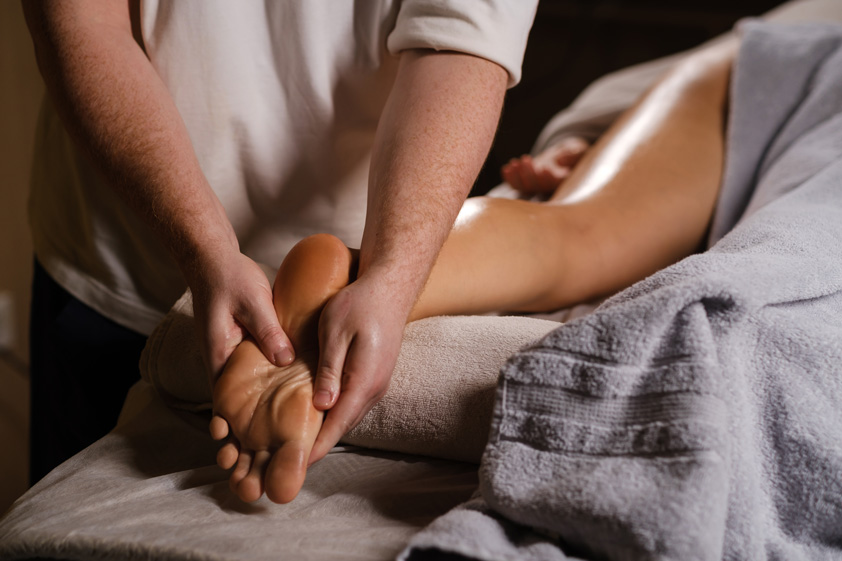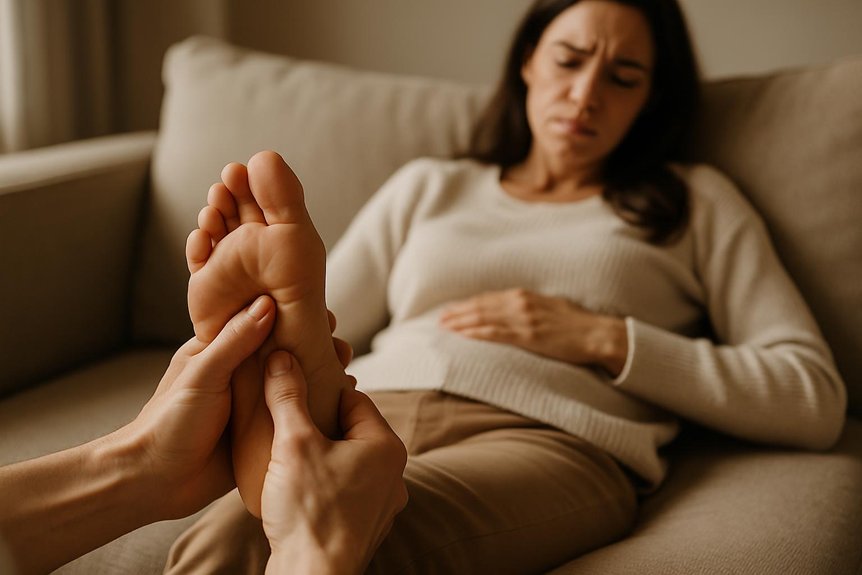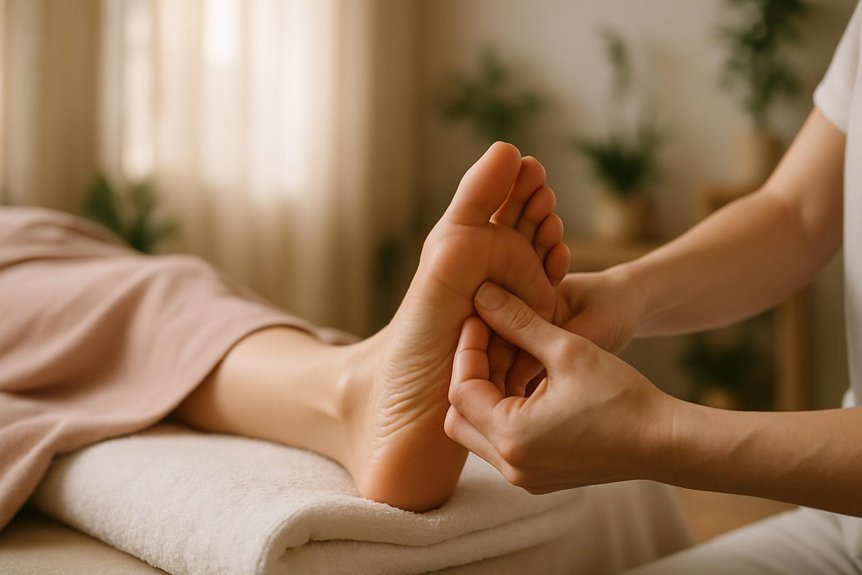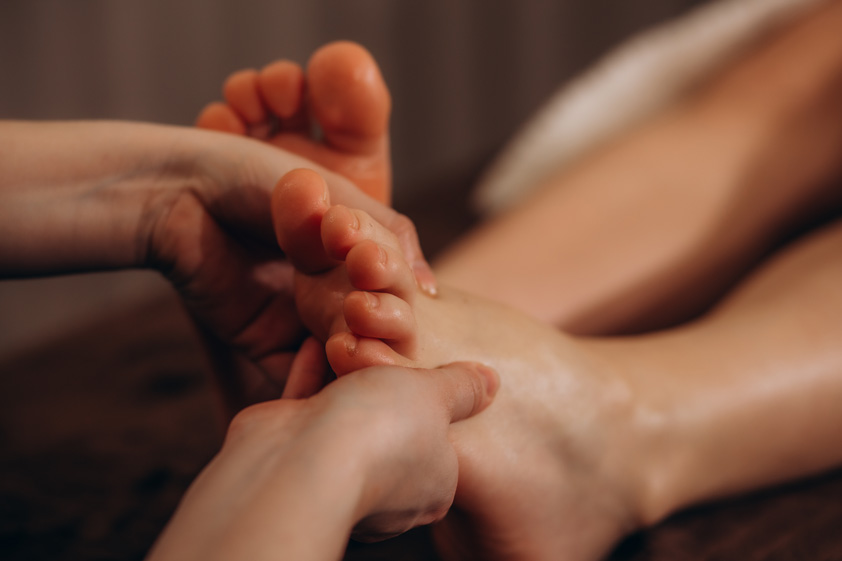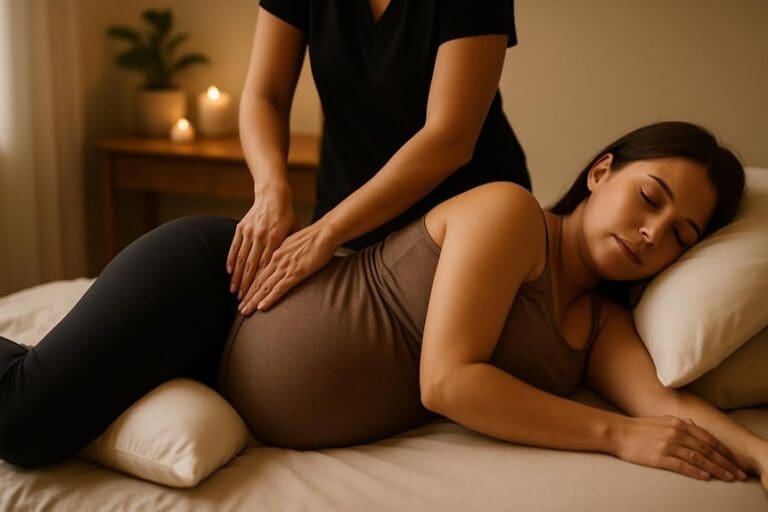
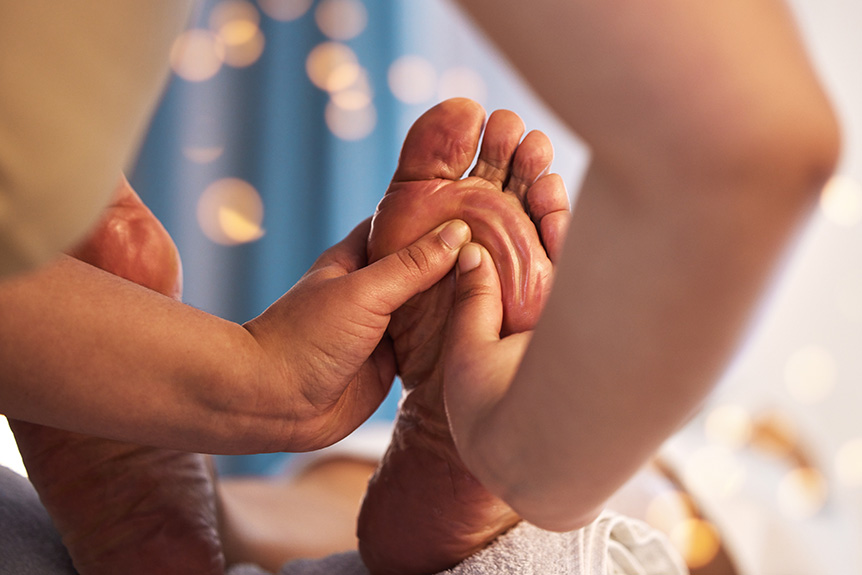
It can sometimes cause mild, short-term symptoms such as headache, fatigue, or mild nausea, especially in those new to the therapy. These sensations reflect the body’s natural adjustment and detoxification response to improved circulation and nerve stimulation. Typically, these effects are temporary and ease with rest and hydration. Persistent or worsening symptoms are uncommon and should be discussed with a healthcare provider. Further detail clarifies why these reactions occur and how to stay comfortable after a session.
Understanding It and Its Principles
Although it is often associated with relaxation, its foundations are rooted in the belief that specific points on the feet, hands, and ears correspond to different organs and systems within the body.
Practitioners at Spa & Massage approach zone therapy with careful attention to these mapped zones, applying gentle pressure to encourage natural balance and support the body’s inherent healing processes.
It is not a diagnostic tool, but rather a complementary therapy designed to promote overall wellbeing. Many clients appreciate the sense of connection and calm achieved during sessions, as therapists use skilled touch tailored to individual needs.
At Spa & Massage, each zone therapy treatment is personalised, focusing on supporting comfort and relaxation while respecting the body’s subtle signals.
An important aspect of zone therapy is its role in supporting the body’s healing, which is achieved by stimulating reflex points believed to correspond to the body’s organs and systems.
Common Reactions After a Reflexology Session
Following a massage session, it is not uncommon for individuals to experience temporary detoxification symptoms, mild discomfort, or emotional release.
Spa & Massage therapists reassure clients that these reactions are generally short-lived and reflect the body’s natural response to renewed balance.
Understanding these common responses can help clients feel confident in managing any mild after-effects as part of the overall wellness process.
Temporary Detoxification Symptoms
Occasionally, individuals may notice mild and short-lived symptoms after a massage session, a phenomenon sometimes described as temporary detoxification. These reactions can include headache, increased thirst, slight fatigue, or more frequent urination.
At Spa & Massage, therapists recognize that such symptoms are generally considered a normal response as the body adapts to improved circulation and relaxation.
Current research suggests these effects are not harmful and typically resolve within 24 to 48 hours.
Clients are encouraged to rest, hydrate, and listen to their bodies following a session.
In practice, these temporary symptoms are viewed as a sign the body is recalibrating.
If discomfort persists or intensifies, clients are invited to consult with their therapist for further support and reassurance.
Emotional Release Experiences
How does it influence not only the body but also the emotions?
Research and clinical experience suggest that it is gentle stimulation of the feet may sometimes prompt emotional release.
At Spa & Massage, therapists note that clients occasionally experience a sense of emotional lightness, unexpected tears, or a wave of calm during or after a session.
Such responses are believed to arise from the body’s relaxation response and the release of tension—both physical and emotional—that has accumulated over time.
These experiences are a normal, healthy part of the healing process and often reflect the body’s natural way of rebalancing.
Clients are reassured that emotional release is temporary and a sign of positive internal shifts, rather than cause for concern, following a massage.
Managing Mild Discomfort
While emotional release is one response sometimes observed during massage sessions, mild physical discomfort can also occur as the body adjusts to treatment.
Common reactions include slight fatigue, mild headache, or temporary sensitivity in the feet.
At Spa & Massage, such effects are considered a normal part of the body’s natural rebalancing process, often resolving within a day or two.
Clients are encouraged to rest, stay hydrated, and avoid strenuous activity post-session.
Our therapists recommend gentle self-care, such as soaking the feet in warm water or practicing deep breathing, to ease any lingering discomfort.
Open communication with therapists about post-treatment sensations is welcomed, ensuring every individual receives attentive guidance and reassurance throughout their wellness journey.
Why Some People Experience Discomfort
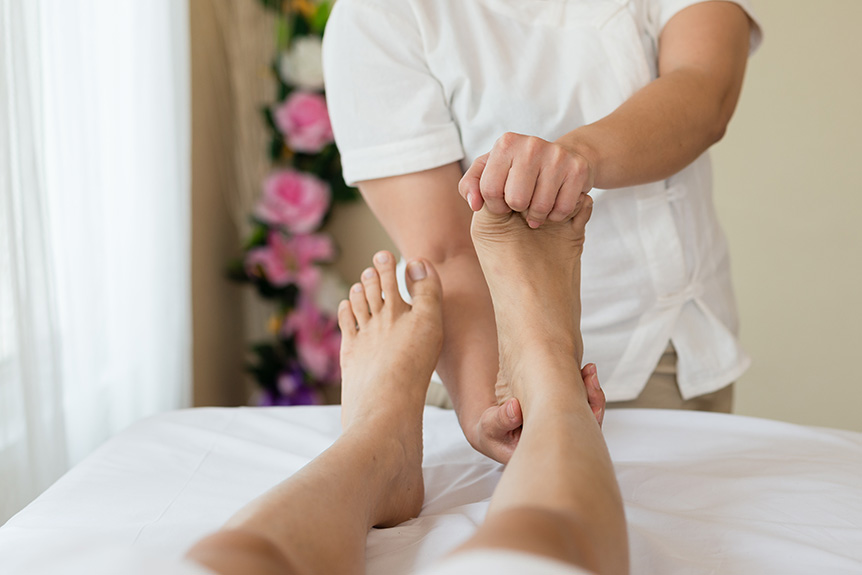
Some individuals may notice temporary discomfort during or after zone therapy due to normal detoxification responses, heightened emotional release, or sensitivity in specific reflex points. These reactions are generally mild and indicate the body’s natural adjustment to the therapy.
At Spa & Massage, therapists are trained to recognise and support clients through these common experiences, ensuring a safe and comfortable environment.
Normal Body Detox Reactions
Many individuals notice mild discomfort or temporary symptoms following a zone therapy session, a response often attributed to the body’s natural detoxification process.
At Spa & Massage, therapists explain that as zone therapy stimulates circulation and the lymphatic system, it can prompt the release of metabolic waste products. This may lead to sensations such as fatigue, mild headache, or increased thirst—signs the body is working to rebalance itself.
These reactions are typically short-lived and considered a positive sign of the body’s adjustment. Clients are encouraged to drink water and rest, supporting this gentle cleansing.
Our team assures that these detox reactions are normal and usually fade within 24-48 hours, leaving most people feeling refreshed, lighter, and more balanced after the initial adjustment period.
Emotional Release During Sessions
Although it is widely sought for its physical benefits, it can also prompt emotional responses during a session. Clients at Spa & Massage sometimes report feelings of sadness, unexpected tears, or waves of emotion while receiving zone therapy. This emotional release is a recognised phenomenon in holistic therapies and is believed to result from the body’s response to relaxation and the gentle stimulation of reflex points.
Emotional discomfort can surface as energy shifts and tension dissolve, allowing the mind and body to process past experiences. Our therapists are trained to provide a safe, supportive environment to reassure clients through these moments.
Experiencing emotional release during it is considered normal and, for many, can be a valuable step toward greater emotional balance and overall well-being.
Sensitivity to Touch Points
In addition to emotional responses, physical sensations such as sensitivity or discomfort at specific touch points can occur during zone therapy sessions.
This sensitivity is often attributed to areas of tension or imbalance within the body, which may be reflected in corresponding reflex points on the feet, hands, or ears.
At Spa & Massage, therapists are trained to recognise these responses and adapt their pressure or technique to guarantee a supportive and comfortable experience.
It is not uncommon for clients to feel brief tenderness at certain points, which typically subsides as the session progresses.
This feedback allows therapists to target areas that may benefit from further attention.
Sensitivity is considered a normal response, and open communication helps assure the session aligns with each client’s comfort and well-being.
Typical Sensations Versus Unusual Symptoms
During a massage session, clients commonly experience sensations such as warmth, tingling, mild pressure, or slight sensitivity in specific areas of the feet or hands. These responses are generally considered typical and reflect the body’s natural engagement with the technique.
At Spa & Massage, therapists are attentive to each individual’s comfort, adjusting their approach to guarantee a soothing, supportive experience.
Unusual symptoms—such as intense pain, dizziness, nausea, or persistent discomfort—are not expected and should be communicated immediately to the therapist. Such reactions are rare when zone therapy is performed by skilled professionals.
Spa & Massage places client well-being at the forefront, prioritising careful observation and tailored care to help foster a sense of trust and relaxation throughout every zone therapy session.
When to Expect Temporary Side Effects

Occasionally, clients may wonder when temporary side effects from zone therapy could arise.
At Spa & Massage, it is observed that such side effects—like mild fatigue, heightened emotions, or light-headedness—most often appear within the first 24 hours following a session.
This timing is linked to the body’s natural process of responding to focused stimulation and rebalancing.
These reactions are generally short-lived, resolving on their own as the body adjusts.
Such effects are considered normal, particularly for those new to zone therapy or when experiencing a deeper session than usual.
Spa & Massage therapists encourage clients to rest, stay hydrated, and listen to their bodies after treatment.
These measures can help ease any discomfort and support a smoother shift to wellbeing.
How Spa & Massage Therapists Support Your Wellbeing
A focus on holistic care guides every zone therapy session at Spa & Massage, where therapists draw on extensive training to support each client’s overall wellbeing. Each treatment is tailored, with therapists carefully listening to clients’ needs and observing subtle physical cues.
By integrating techniques developed from evidence-based practice, they aim to restore balance and encourage the body’s natural healing processes. The tranquil clinic environment further enhances relaxation, helping clients feel safe and cared for throughout their experience.
Therapists at Spa & Massage understand that reactions to zone therapy can vary. They remain attentive, offering reassurance and answering any concerns with empathy and professionalism.
Their commitment extends beyond the session, as they provide guidance and support to help clients achieve lasting benefits from their treatments.
Tips for Minimising Post-Session Discomfort
Some clients may notice mild discomfort, fatigue, or emotional shifts following a zone therapy session. These responses are generally temporary, reflecting the body’s natural process of rebalancing.
To minimise post-session discomfort, Spa & Massage therapists recommend staying well hydrated, allowing the body to flush out any released toxins. Gentle movement, such as a short walk, can help maintain circulation and ease any lingering tension.
Clients are encouraged to rest if needed—listening to the body’s cues supports the overall therapeutic benefit.
Light, nourishing meals are preferable after treatment to avoid overloading the digestive system.
At Spa & Massage clinics, therapists also advise clients to communicate openly about their experiences, ensuring sessions are tailored for ideal comfort and care, both during and after treatment.
When to Seek Further Advice or Adjust Your Treatment
While mild after-effects such as temporary soreness or fatigue are common following zone therapy, persistent or worsening symptoms may indicate the need for further guidance.
At Spa & Massage, therapists advise clients to monitor their response after each session. If symptoms such as prolonged nausea, dizziness, or pain persist, it is important to consult a healthcare provider and inform the reflexologist before the next appointment.
This allows treatments to be adjusted, ensuring safety and comfort. Occasionally, an individual’s unique health profile may require a modified approach or temporary pause in sessions.
Open communication with therapists helps tailor care to individual needs, reflecting the commitment at Spa & Massage to client wellbeing and trust. Professional guidance supports a safe and positive wellness journey.
Conclusion
Like a gentle tide stirring the shore, zone therapy may occasionally unsettle the body before restoring calm. Most clients experience only mild, short-lived symptoms—an expected part of the body’s natural rebalancing process. With the guidance of skilled therapists at Spa & Massage, these waves of sensation are carefully monitored, ensuring safety and comfort. By understanding what to expect, clients can embrace zone therapy benefits with confidence, knowing support is always at hand if any concerns arise.