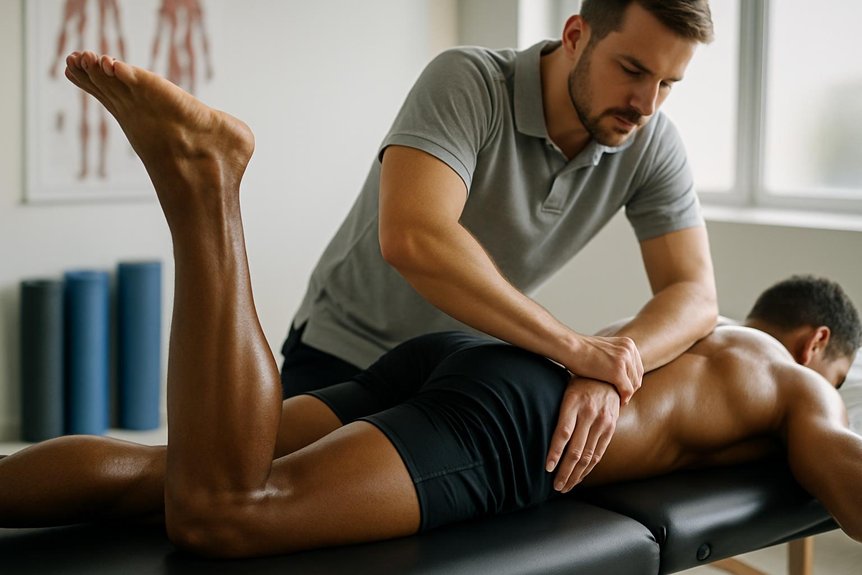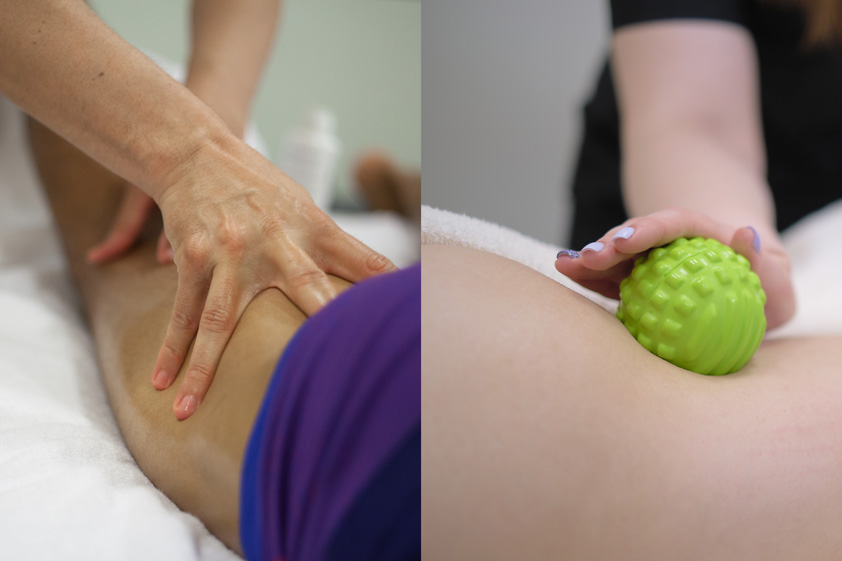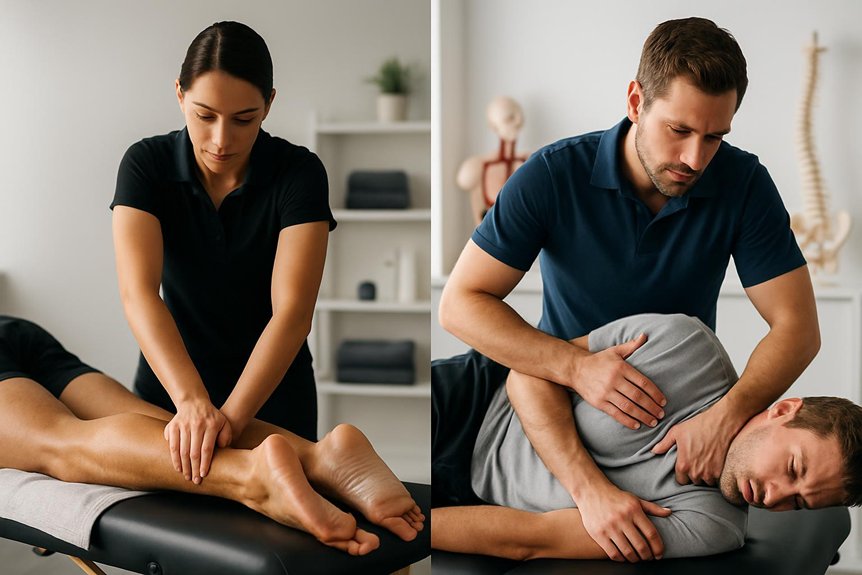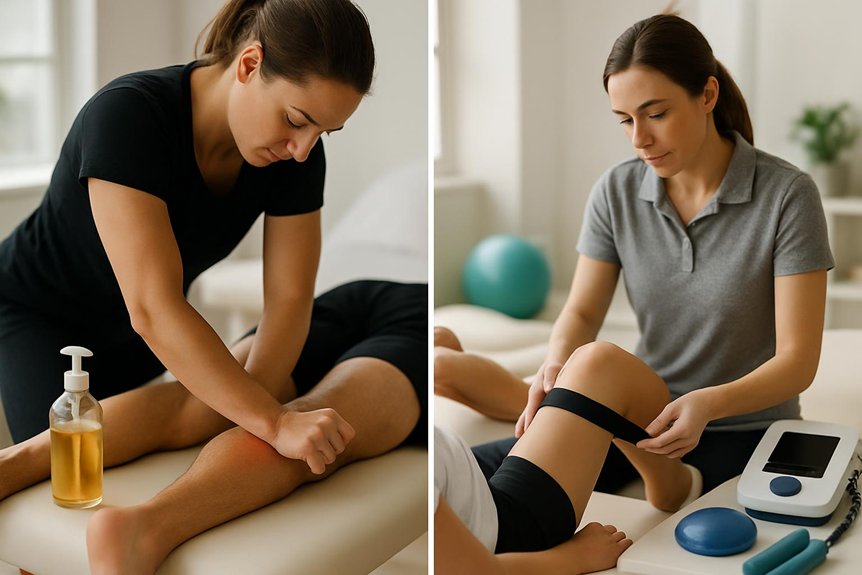
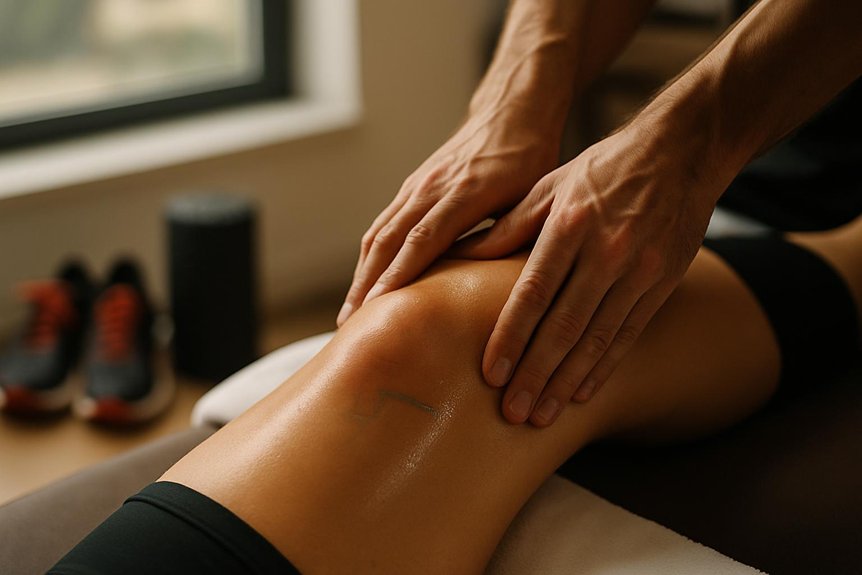
It can help runner’s knee (patellofemoral pain) by reducing pain and improving short‑term tolerance to running and daily tasks when symptoms are driven by overuse and modifiable soft‑tissue tightness. Treatment commonly targets the quadriceps, lateral thigh/ITB region, hip rotators, and calf to reduce patellar compressive and shear forces and ease protective guarding. Benefits are greatest when paired with load management and strengthening. Further guidance explains typical sessions, timing, and red flags.
What Is Runner’s Knee (And Is It Yours)?
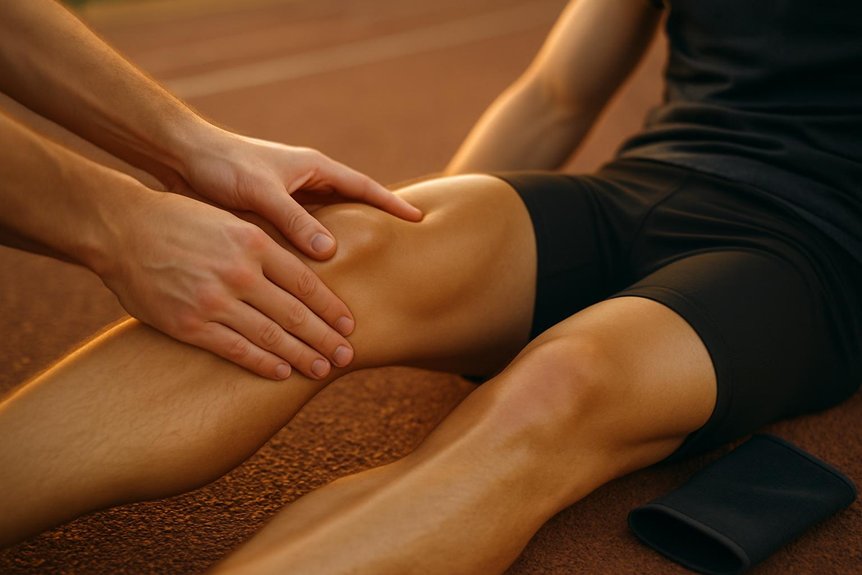
Runner’s knee—most often referring to patellofemoral pain syndrome—is a common overuse condition in which pain arises from increased stress at the patellofemoral joint (between the kneecap and thigh bone).
It typically presents as a diffuse ache around or behind the kneecap, worsened by running downhill, stairs, squatting, or prolonged sitting (“theatre sign”).
Tenderness may be minimal, and swelling is usually absent.
It is more likely when training loads rise quickly or when biomechanics increase patellar stress: hip abductor weakness, quadriceps imbalance, reduced ankle dorsiflexion, or overpronation.
As part of managing overuse issues like this, some athletes use sports massage to support recovery and address muscle tension that may contribute to altered biomechanics.
Red flags include true locking, significant effusion, instability, fever, or acute trauma—these warrant medical assessment.
At Spa & Massage, clients are encouraged to note symptom triggers and gait/shoe changes before booking.
Can It Help Runner’s Knee Pain?
In many cases, it can help reduce runner’s knee pain by addressing modifiable soft‑tissue and load-related contributors rather than altering the patellofemoral joint itself. By reducing quadriceps, iliotibial band, lateral retinaculum, and hip rotator tone, massage may ease compressive and shear forces across the patella during running and stairs.
Evidence supports short‑term pain relief and improved tolerance to activity, particularly when symptoms are driven by overuse, muscle tightness, or altered movement patterns. At Spa & Massage clinics in London, therapists assess tenderness, tissue reactivity, and training history, then apply targeted deep‑tissue and sports techniques within comfort, respecting acute inflammation.
Relief is typically greatest when massage is paired with sensible load management and strengthening rather than used alone.
How Athletic Massage Helps Runner’s Knee
It tends to be most effective for runner’s knee when it targets the soft‑tissue drivers that increase patellofemoral load during running, squatting, or stair use. By reducing excessive tone and adhesions in the lateral quadriceps, iliotibial band interface, tensor fasciae latae, and hip rotators, tissue glide can improve and lateral patellar tracking forces may lessen.
Work to the calf–soleus complex and foot intrinsics can also support smoother tibial rotation, influencing knee mechanics upstream.
At Spa & Massage clinics, therapists aim to down‑regulate protective guarding, improve local circulation, and restore comfortable range, which can make strengthening and gait‑retraining more tolerable. Many clients report a steadier, less “pinchy” kneecap sensation and easier stair descent between sessions.
What Happens in a Runner’s Knee Athletic Massage?
From the initial assessment onward, a runner’s knee–focused athletic massage typically begins with a brief history and movement screen (e.g., squat, step-down, and symptom mapping around the patellofemoral joint) to identify tissue irritability and likely contributors such as lateral quadriceps/TFL overactivity, reduced hip control, or calf–ankle stiffness.
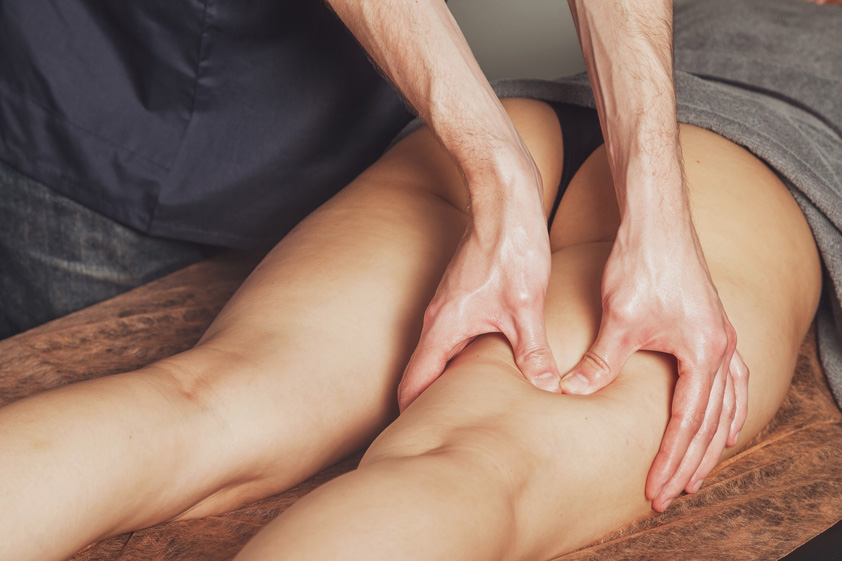
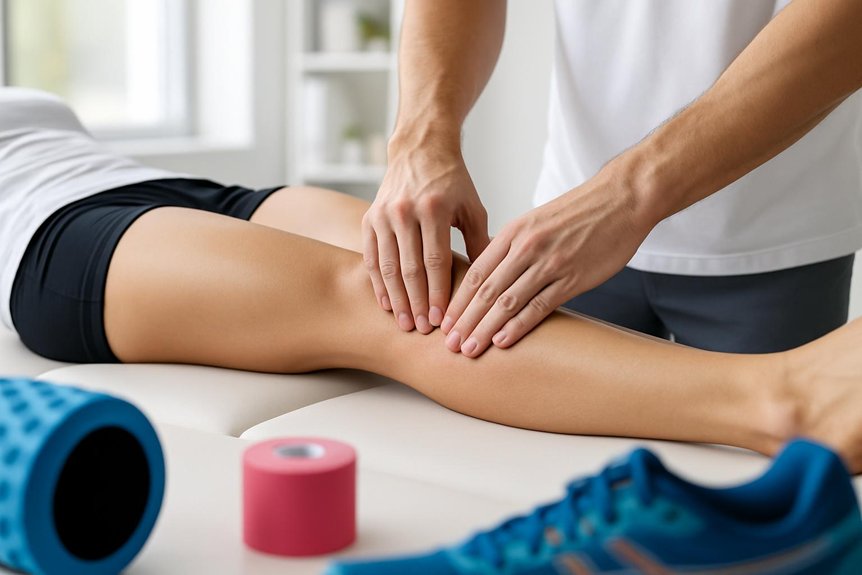
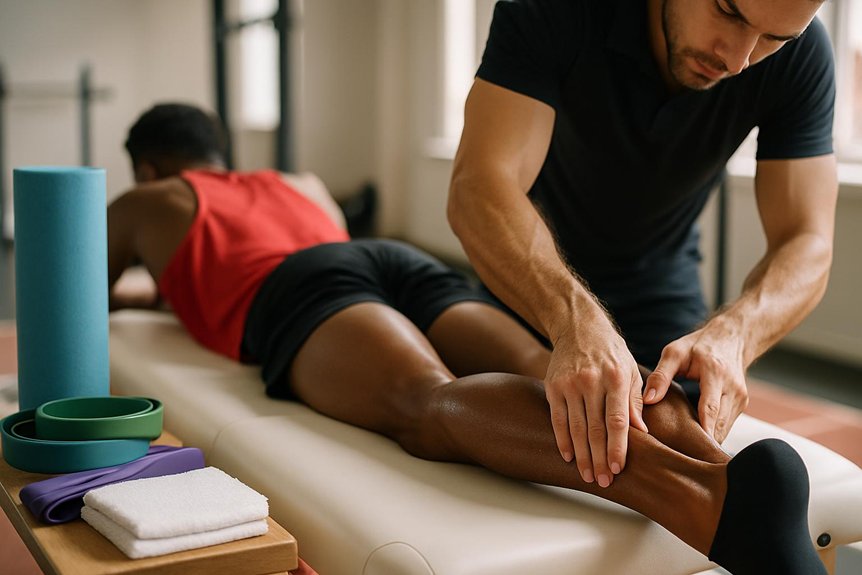
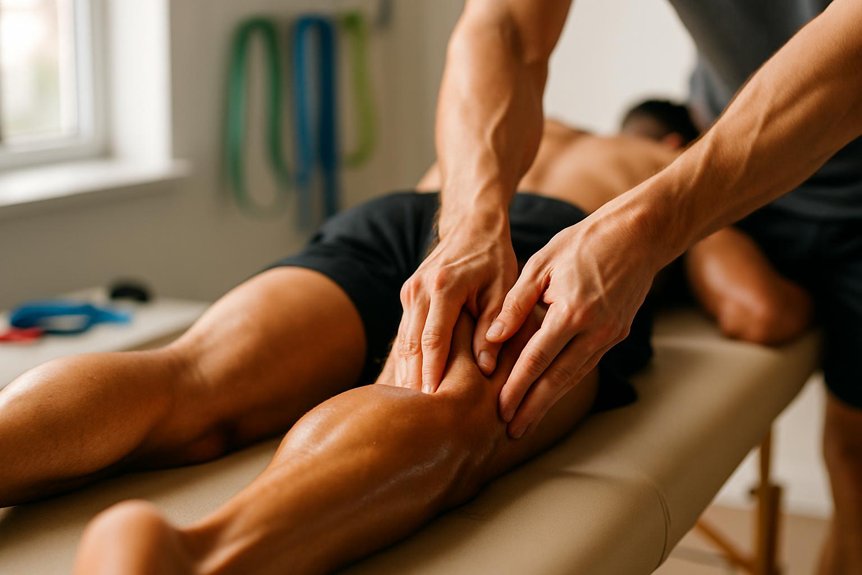
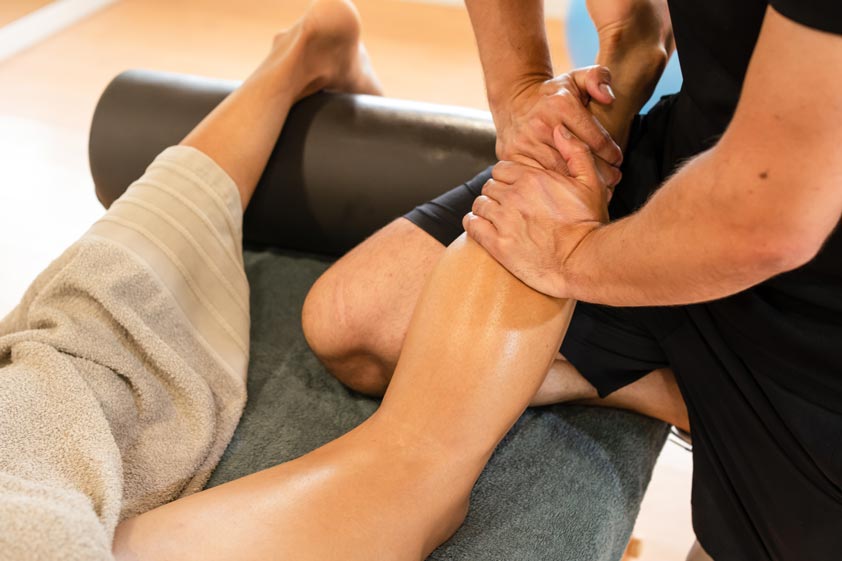
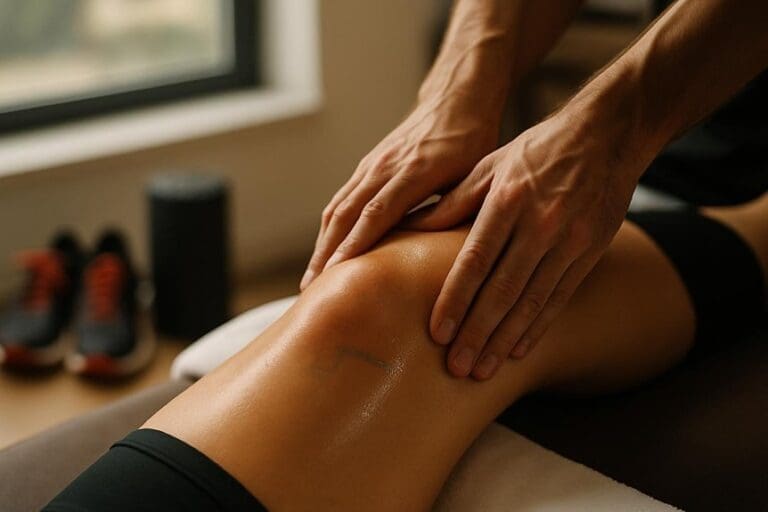
Treatment then targets modifiable soft-tissue load: graded deep-tissue and myofascial techniques to quadriceps, iliotibial band region, adductors, gluteals, and calf, plus focused work around the patellar retinaculum when tolerated. Pressure is titrated to a “good pain” level, aiming to downshift guarding, improve glide, and restore comfortable knee flexion.
At Spa & Massage clinics, therapists often finish with gentle hip and ankle mobility, brief neuromuscular cueing, and home guidance on activity pacing for the next 24–48 hours.
When Athletic Massage Isn’t Enough (Red Flags)
Despite the benefits of targeted athletic massage for patellofemoral pain, runner’s knee symptoms that are severe, rapidly worsening, or atypical should be treated as potential red flags and assessed by an appropriate healthcare professional rather than managed with soft‑tissue work alone.
Concerning features include inability to bear weight, marked swelling or joint effusion, true locking, recurrent giving way, deformity, fever, unexplained night pain, or pain after a clear traumatic twist or fall.
Localised bony tenderness at the patella or tibial plateau, persistent bruising, or a sudden “pop” may indicate fracture, osteochondral injury, or tendon rupture.
Numbness, calf swelling, warmth, or breathlessness warrants urgent assessment for vascular causes.
Spa & Massage therapists in London will pause treatment and advise prompt medical review when these signs are present.
How to Pair Athletic Massage With Runner’s Knee Rehab
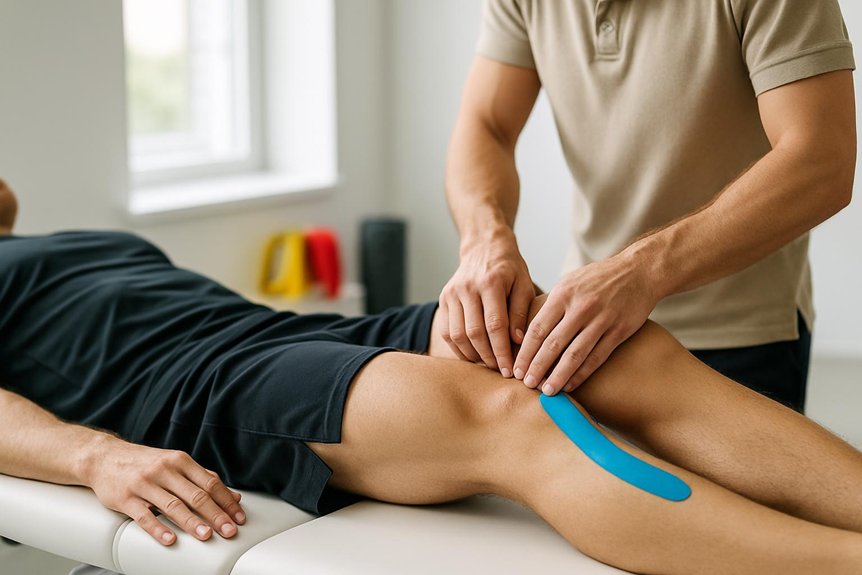
Alongside a structured strengthening programme, athletic massage can be paired with runner’s knee (patellofemoral pain) rehab to reduce pain-related inhibition, improve tolerance to loading, and address contributing soft‑tissue restrictions without replacing exercise-based recovery. At Spa & Massage clinics, therapists coordinate timing: treatment is placed 24–48 hours after heavier sessions, or immediately before exercise to ease symptoms and improve movement confidence. Work commonly targets quadriceps, lateral thigh (ITB region), hip rotators, and calf, using graded pressure that stays within comfortable pain limits.
Rehab remains the priority: progressive hip abductor/external rotator and knee extensor loading, plus gait and cadence cues. Clients are advised to track pain (0–10), keeping exercise pain ≤3 and settled by next morning, adjusting volume accordingly.
Conclusion
Athletic massage may support runner’s knee by reducing myofascial tone in the quadriceps, iliotibial band region, hip rotators, and calf—structures that influence patellofemoral load and tracking. A common objection is that massage “only treats symptoms”; however, when paired with progressive strengthening, load management, and gait or footwear adjustments, it can improve tolerance to rehab by lowering pain and restoring movement options. Persistent swelling, locking, instability, or night pain warrants medical assessment.