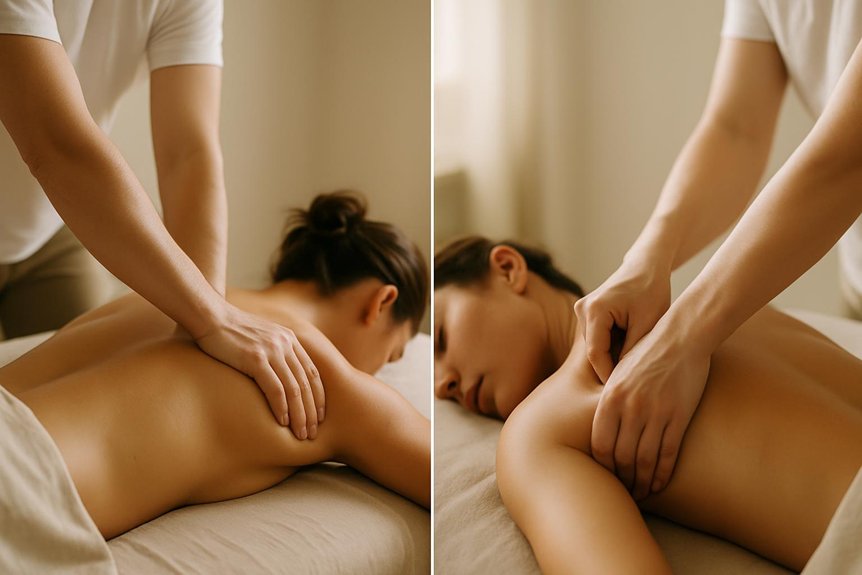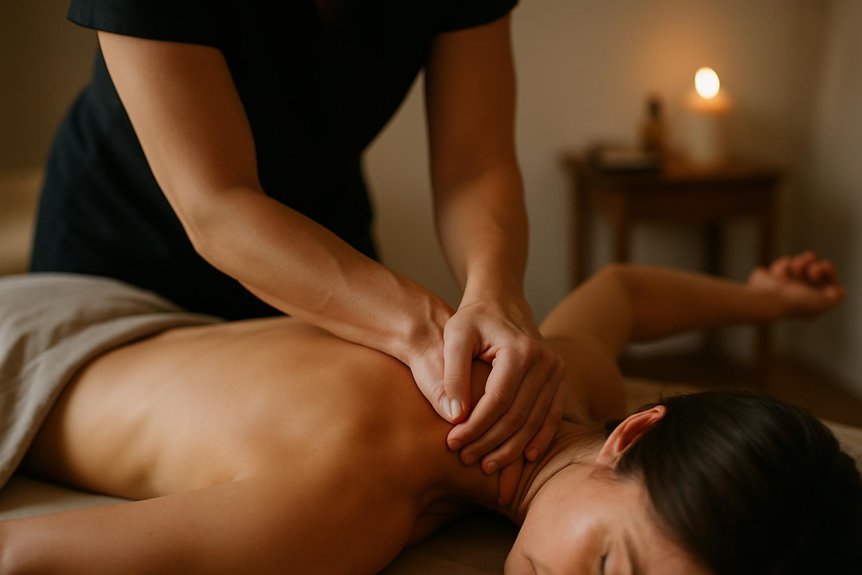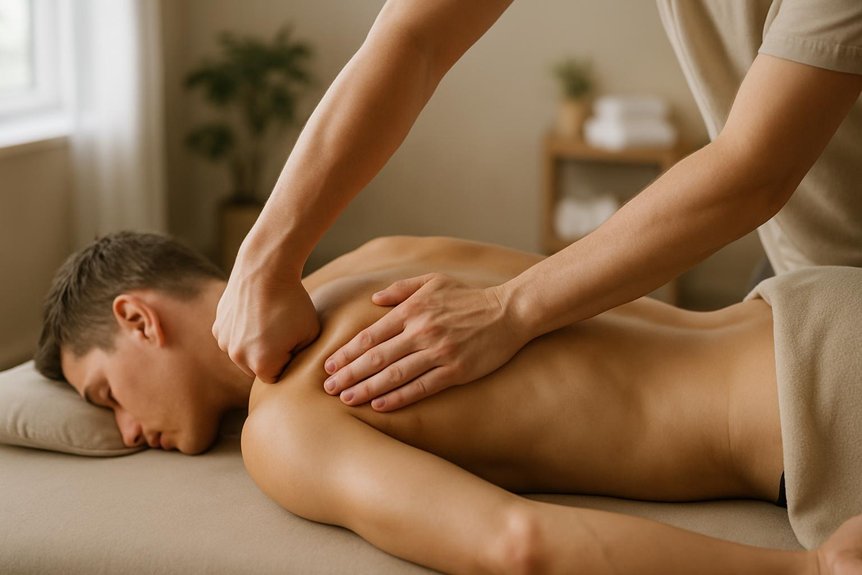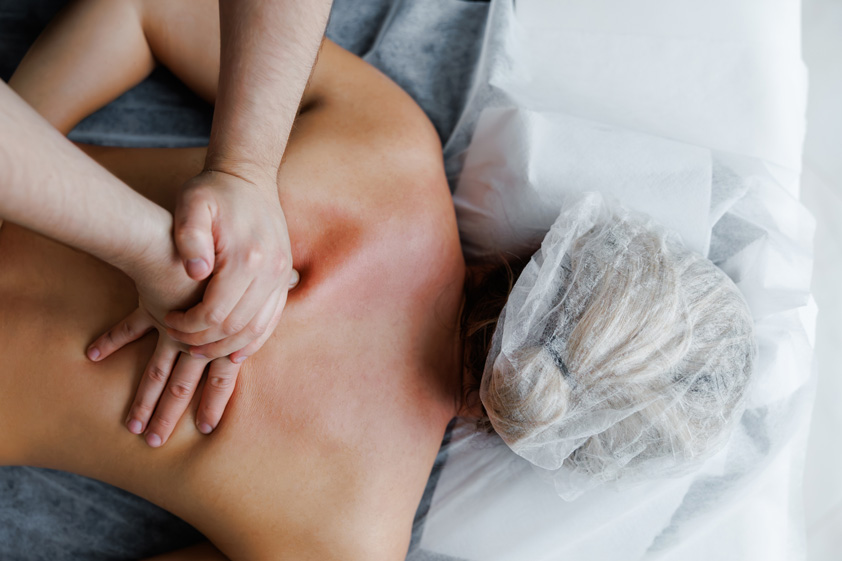
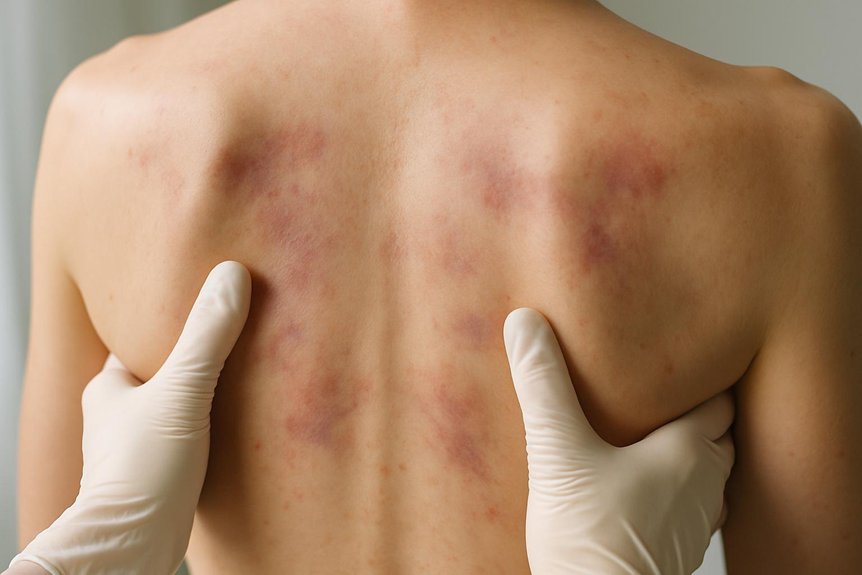
Bruising can occur after intensive tissue massage due to capillary disruption beneath the skin from sustained, targeted pressure on deeper muscle layers. This is typically mild and resolves within several days, but risk increases with certain medications, age, or health conditions affecting vascular integrity. Therapists minimise this risk through careful technique and by tailoring pressure individually. Distinguishing between normal post-treatment soreness and actual bruising is important for aftercare. Further insight into prevention and management is available below.
Understanding This Massage
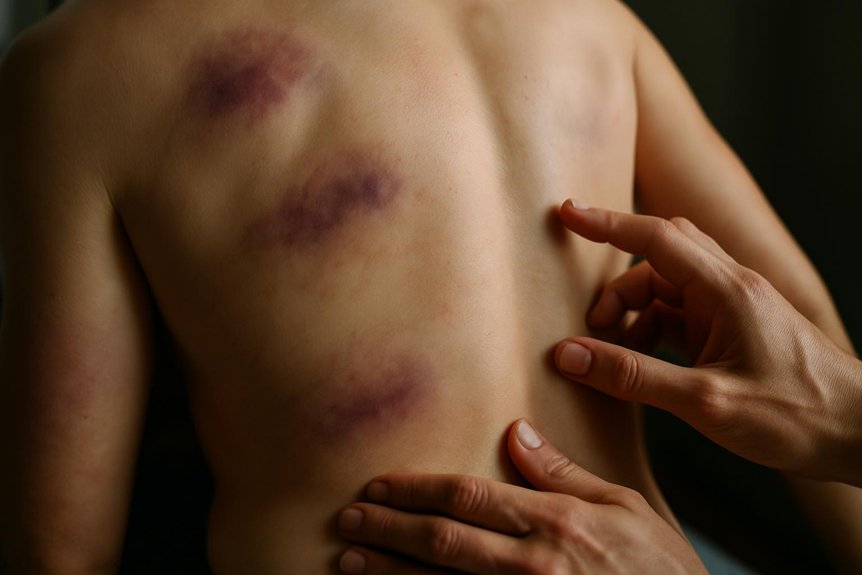
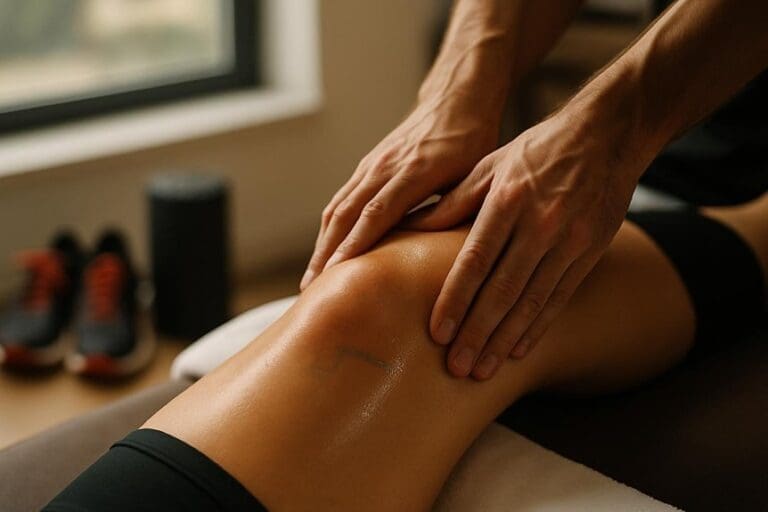
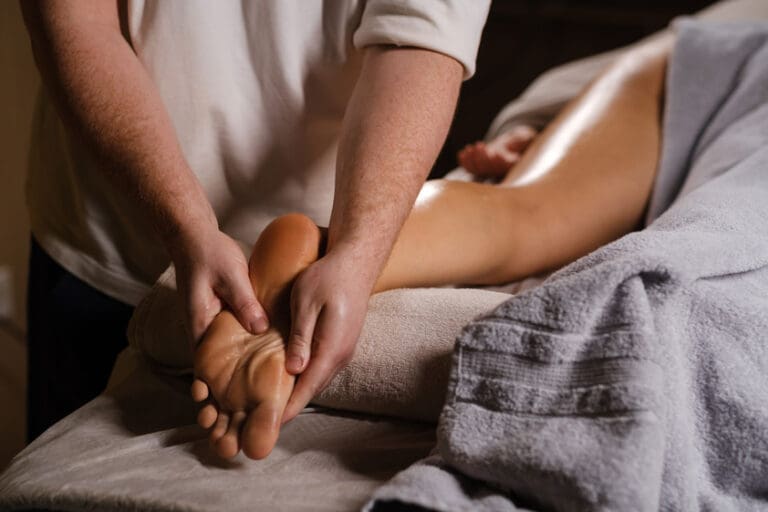
Although often associated with relaxation, intensive tissue massage is a targeted therapeutic technique designed to address musculoskeletal issues by applying sustained pressure to deeper layers of muscle and connective tissue. At Spa & Massage, therapists employ this method to relieve chronic tension, release adhesions, and restore ideal function.
This approach utilizes slow, deliberate strokes and focused pressure, often following the natural grain of muscle fibers. Evidence supports its efficacy in managing persistent discomfort, improving mobility, and facilitating postural correction.
Therapists prioritize communication, adapting pressure and technique to each client’s comfort and therapeutic goals, fostering a sense of trust and connection. Clients are encouraged to engage openly regarding their sensations and boundaries, ensuring the experience remains both effective and attuned to individual needs. In addition to relieving chronic tension, intensive tissue massage can significantly help with postural correction by targeting the deeper muscle structures.
Why Bruising Can Occur After Deep Tissue Massage
Despite the significant therapeutic benefits of intensive tissue massage, some clients may experience mild bruising following treatment. Bruising occurs when capillaries—small blood vessels just beneath the skin—are disrupted due to sustained pressure or targeted manipulation of deeper muscle layers.
This vascular response can manifest as localized discoloration or tenderness. At Spa & Massage, therapists employ careful assessment and evidence-based techniques to prevent unnecessary tissue trauma. Yet, the intensity required to address chronic muscular tension can sometimes exceed individual tissue tolerance.
Clients with heightened sensitivity may notice slight bruising as part of their body’s natural inflammatory response. Open communication with the therapist, as encouraged in our clinics, ensures that treatment pressure remains within safe and comfortable limits while still delivering effective therapeutic outcomes.
Common Risk Factors for Bruising
When evaluating the likelihood of post-massage bruising, several physiological and lifestyle factors are identified as significant contributors. Age-related changes in skin elasticity and vascular fragility increase susceptibility; older adults often experience more pronounced bruising.
Medications such as anticoagulants or corticosteroids compromise clotting mechanisms, heightening risk. Individuals with underlying conditions like diabetes, clotting disorders, or compromised immune function may also present with increased vulnerability.
Additionally, those who engage in intensive exercise or consume alcohol prior to treatment may observe amplified bruising due to transient vascular changes.
At Spa & Massage, a thorough consultation process ensures these risk factors are clearly understood before treatment begins. This client-centered approach allows tailored care, creating a nurturing environment where individual needs and sensitivities are respectfully prioritized throughout every session.
How Our Therapists Minimise the Risk of Bruising
At Spa & Massage, therapists employ skilled pressure application and an all-encompassing consultation process to markedly reduce the likelihood of bruising during intensive tissue massage.
Each session is customised with tailored techniques that account for individual health history and tissue sensitivity.
This evidence-based approach prioritises client safety while optimising therapeutic outcomes.
Skilled Pressure Application
Through precise assessment and calibrated manual techniques, Spa & Massage therapists employ skilled pressure application to effectively target deep tissue layers while minimising the risk of bruising. Their approach is grounded in anatomical knowledge and tactile sensitivity, allowing therapists to adapt pressure dynamically based on individual tissue response.
By utilising gradual, controlled force and continuous feedback from the client’s musculature, therapists ensure that each stroke is intentional and safe. This method reduces the likelihood of capillary damage, a primary factor in post-massage bruising.
At Spa & Massage, therapists are trained to discern subtle tissue changes, responding immediately to signs of discomfort or excess resistance. This expertise creates a therapeutic experience that respects both physiological integrity and the client’s need for a nurturing, attentive touch.
Thorough Consultation Process
A thorough consultation precedes every intensive tissue massage at Spa & Massage, serving as a critical measure to minimise the risk of bruising. During this process, therapists systematically assess medical history, current medications, previous injuries, and any underlying conditions that may predispose clients to bruising.
Particular attention is given to circulatory health, skin integrity, and individual pain thresholds, allowing therapists to identify specific contraindications or heightened sensitivities. This personalised assessment fosters a sense of trust and safety, ensuring that each session is precisely aligned with the client’s physiological needs and comfort levels.
Tailored Massage Techniques
Recognising the diverse presentation of tissue sensitivities among clients, Spa & Massage therapists employ tailored massage techniques to mitigate the likelihood of bruising during deep tissue sessions. Clinical assessment guides the selection of pressure, stroke depth, and tempo, ensuring interventions are both effective and gentle on vascular structures.
Techniques such as myofascial release, trigger point therapy, and gradual tissue warming are utilised to enhance circulation and prepare tissues for deeper manipulation.
Therapists continuously monitor client feedback—both verbal and non-verbal—to adjust techniques in real time, prioritising client comfort and tissue integrity.
What to Expect During Your Treatment at Spa & Massage
At Spa & Massage, clients can anticipate clear communication from therapists regarding treatment techniques to guarantee ideal comfort and safety.
Evidence-based aftercare guidance is provided to support tissue recovery and minimize the likelihood of bruising.
This client-focused approach prioritizes individualized support before, during, and after each session.
Therapist Communication and Comfort
How does effective therapist-client communication enhance the massage experience? At Spa & Massage, clear dialogue between client and therapist is fundamental to achieving ideal therapeutic outcomes.
During intensive tissue massage, therapists employ clinical assessment skills to gauge comfort levels, pain thresholds, and individual preferences. Clients are encouraged to articulate sensations, pressure tolerances, and any areas of concern before and during the session. This ongoing feedback loop allows therapists to adjust techniques in real time, minimising the risk of excessive pressure or unwanted bruising.
Spa & Massage therapists foster a safe, confidential environment, promoting trust and relaxation. Such attentive communication ensures that each session is personalised, supporting both physical relief and emotional intimacy—hallmarks of genuine client-centred care.
Aftercare Guidance and Support
Following a intensive tissue massage at Spa & Massage, clients receive all-encompassing aftercare guidance tailored to enhance therapeutic benefits and support recovery.
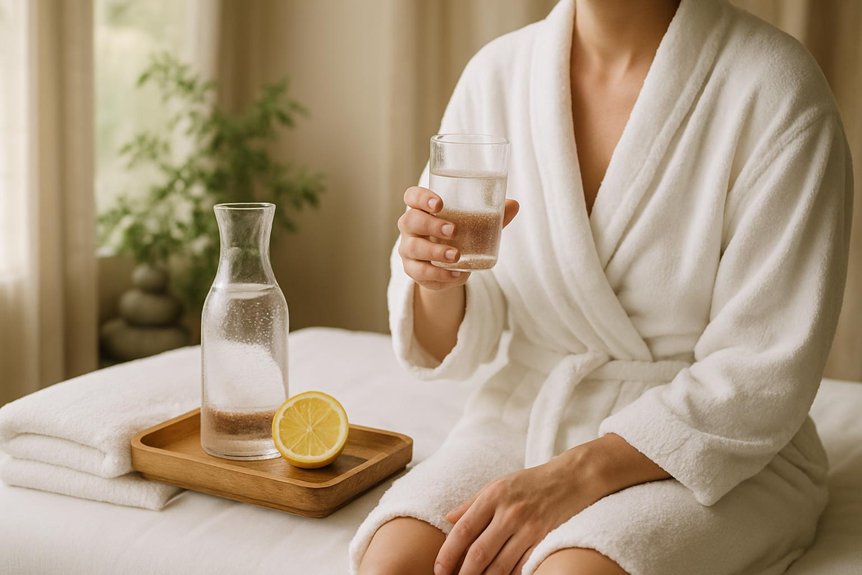
Therapists advise on hydration strategies to facilitate metabolic waste removal, recommend gentle mobility exercises, and suggest rest periods to improve tissue repair.
Clients are educated about the potential for transient soreness or mild bruising, which is a recognised physiological response to deep pressure.
In our clinics, the emphasis is placed on attentive follow-up; clients are encouraged to report any persistent discomfort so that their care protocols may be adjusted.
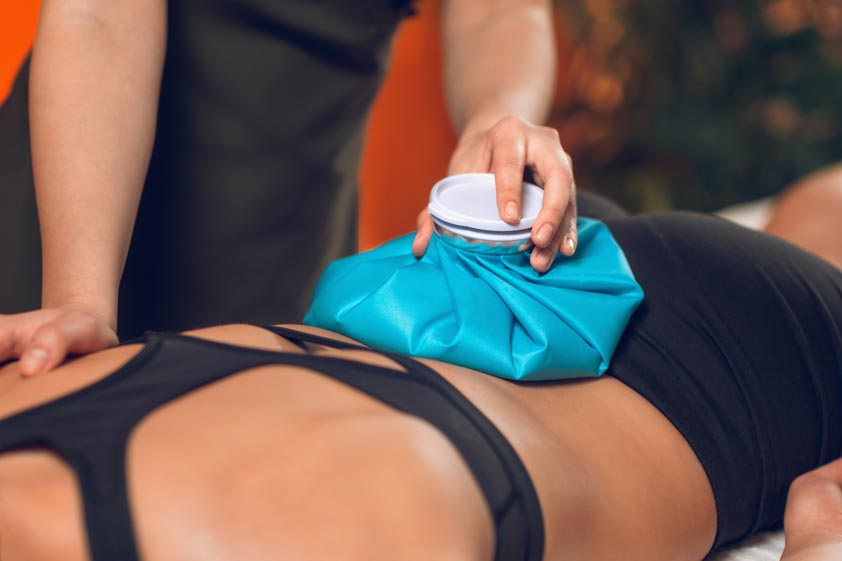
Application of cold compresses and avoidance of strenuous activity are commonly recommended.
This evidence-based aftercare fosters a nurturing environment, empowering clients to achieve ideal outcomes while feeling cared for and supported throughout their post-massage experience.
Recognising the Difference Between Therapeutic Soreness and Bruising
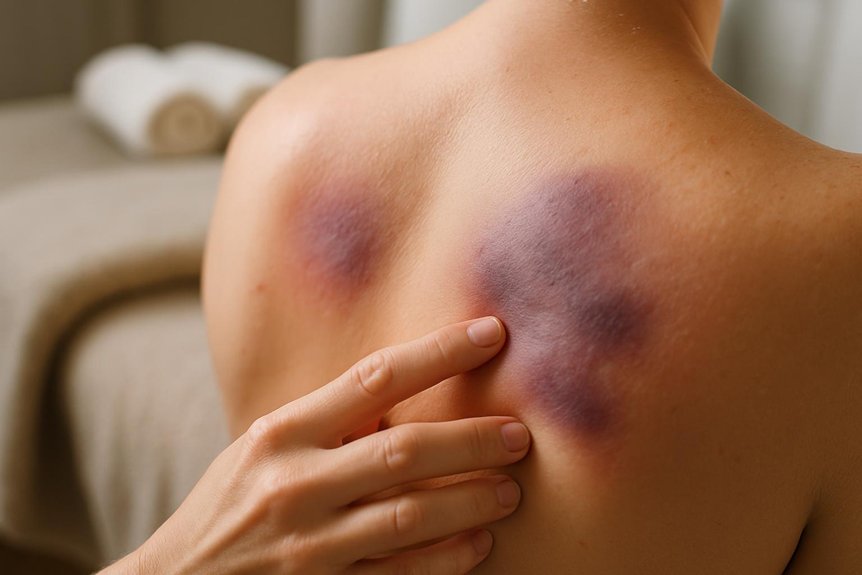
While intensive tissue massage often results in post-treatment sensations, it is essential to distinguish between expected therapeutic soreness and actual bruising.
Therapeutic soreness typically presents as a diffuse, tender sensation in the muscle tissue, peaking within 24–48 hours and gradually subsiding. This discomfort indicates increased circulation and the release of muscle tension—responses commonly noted by clients at Spa & Massage clinics.
Bruising, however, manifests as localized discoloration—red, blue, or purple—often accompanied by swelling or sensitivity to light pressure. Bruises are caused by minor capillary damage under the skin, which is distinct from the muscle fatigue of therapeutic soreness.
Recognising these differences allows clients to monitor their response to deep tissue treatments and communicate effectively with their therapist for most effective care and comfort.
Aftercare Tips to Reduce Bruising and Discomfort
Although intensive tissue massage provides significant therapeutic benefits, appropriate aftercare is essential to minimise the risk of bruising and manage post-treatment discomfort.
Spa & Massage therapists recommend clients to apply a cold compress intermittently to affected areas during the initial 24 hours post-massage, helping to constrict blood vessels and reduce potential swelling.
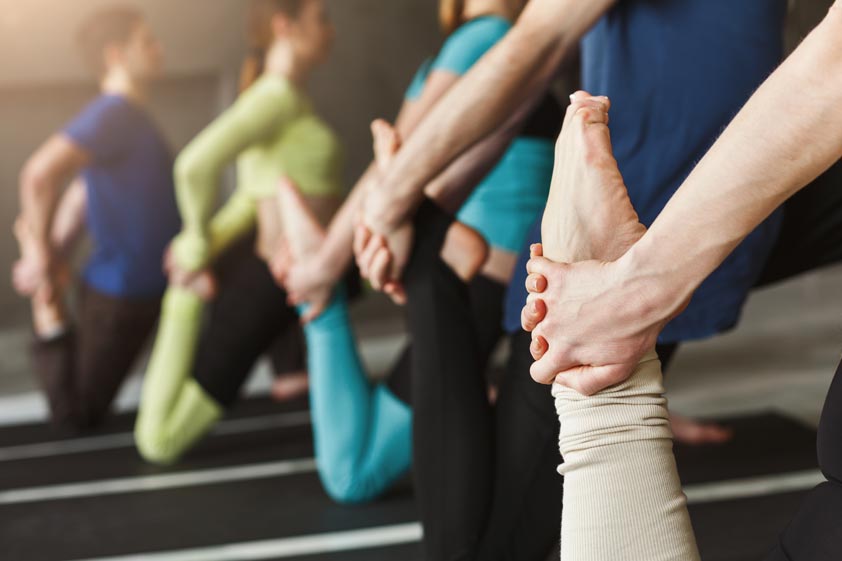
Gentle movement and light stretching, as advised by a professional, can support circulation and decrease muscle stiffness.
Hydration is vital, as it facilitates metabolic waste removal and tissue recovery.
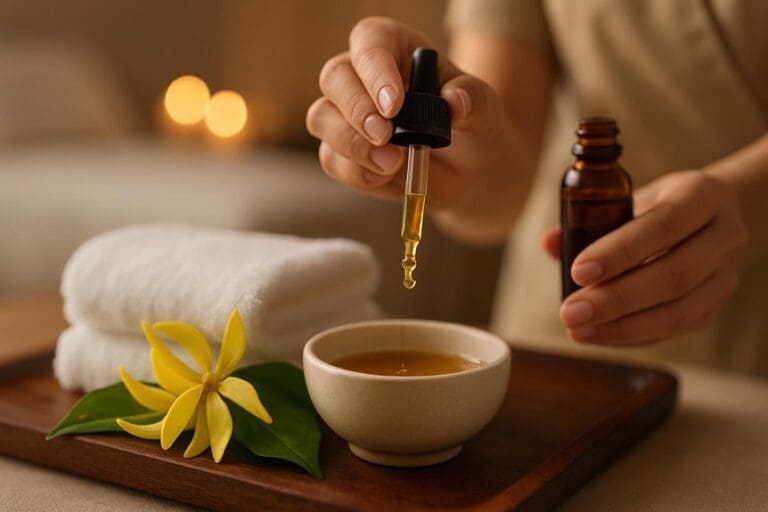
In Spa & Massage clinics, hypoallergenic oils are employed to soothe the skin and diminish inflammation.
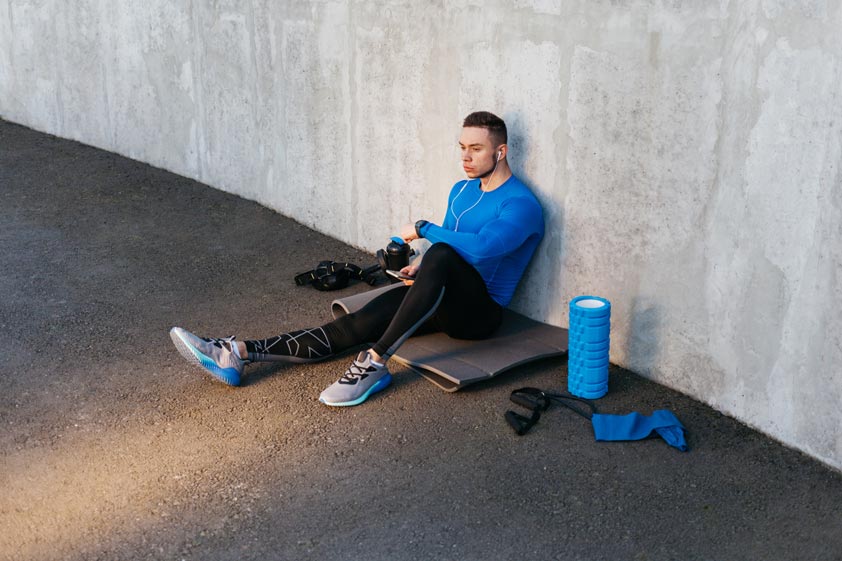
Clients are encouraged to listen to their bodies, resting as needed, and to avoid strenuous activities immediately following treatment to allow the body to fully integrate the therapeutic effects.
When to Seek Advice Following Intensive Tissue Massage
Proper aftercare measures can substantially reduce the likelihood of adverse reactions after a intensive tissue massage. However, certain symptoms may indicate the need for further professional evaluation.
Persistent or severe bruising, disproportionate swelling, intense pain unrelieved by rest or ice, or signs of infection—such as warmth, redness, or fever—should prompt timely consultation with a healthcare provider.
Clients at Spa & Massage are advised to monitor their bodies closely following treatment and to trust their intuition regarding unusual changes.
While mild soreness is typical, any escalation in symptoms warrants professional assessment to safeguard wellbeing.
Spa & Massage therapists emphasise that attentive follow-up care is integral to the healing process and encourage individuals to seek guidance if concerns arise, ensuring the massage experience remains safe, supportive, and restorative.
Communicating Your Needs and Concerns With Your Therapist
Effective communication between client and therapist is fundamental to optimising outcomes during intensive tissue massage. Detailed disclosure of medical history, pain thresholds, and specific areas of tension enables therapists at Spa & Massage to tailor interventions safely. Clients are encouraged to articulate sensations—whether warmth, discomfort, or tenderness—throughout the session.
This feedback guides pressure adjustments, minimising the risk of bruising or excessive soreness. Open dialogue fosters mutual trust, empowering the client to set boundaries and express preferences regarding massage techniques or oils.
At Spa & Massage, therapists are trained to respond with sensitivity and professionalism, creating a supportive environment for intimate self-care. Proactive communication enhances therapeutic efficacy, guarantees comfort, and respects each individual’s physical and emotional needs throughout their massage experience.
Conclusion
In conclusion, while bruising may occasionally follow intensive tissue massage, it is neither inevitable nor indicative of improper technique. Like the ebb and flow of the healing process itself, outcomes vary based on individual physiology and treatment intensity. With transparent communication and evidence-based aftercare, clients can minimise adverse effects and maximise therapeutic benefits. Ultimately, informed collaboration between therapist and client is the cornerstone of a safe, effective, and restorative massage experience at Spa & Massage clinics.