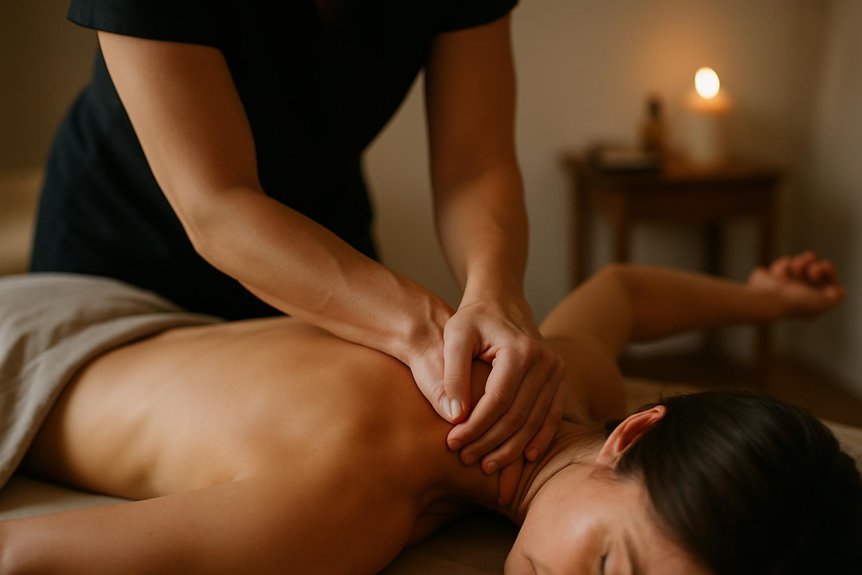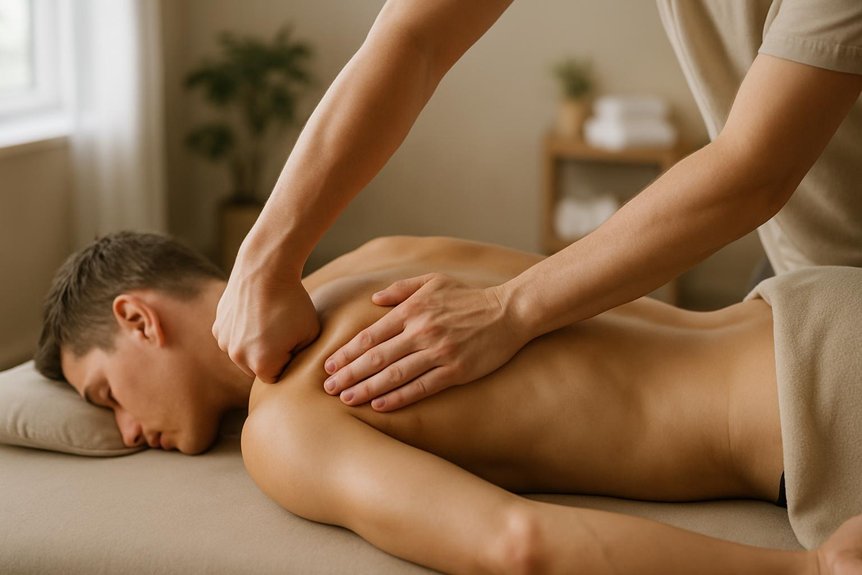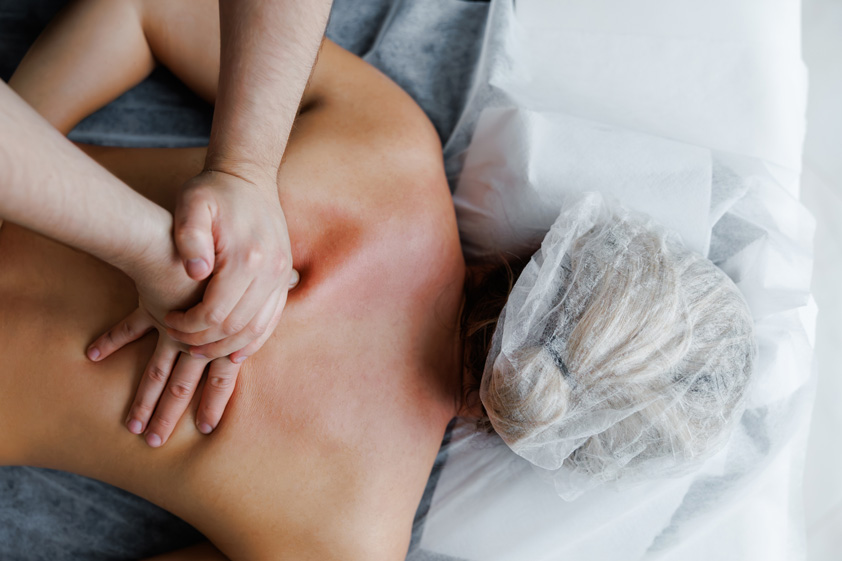

It is possible to feel mildly unwell after a intensive tissue massage, with symptoms such as nausea, dizziness, mild headache, or fatigue being relatively common. These temporary reactions typically arise from increased circulation, mild inflammation, and the body’s physiological adjustment to manual therapy. Most symptoms resolve within 24-48 hours and do not signal any harm. Persisting or severe symptoms should be discussed with a therapist. Further information addresses causes, management, and recommended aftercare strategies.
Understanding It and Its Effects

While intensive tissue massage is widely recognized for its therapeutic benefits, it involves the application of sustained pressure and slow strokes to target deeper layers of muscle and connective tissue. This technique, frequently employed by the therapists at Spa & Massage, aims to alleviate chronic muscle tension, reduce adhesions, and enhance mobility.
Clinical research indicates that such focused manipulation can improve circulation, promote relaxation, and assist in the breakdown of scar tissue. Clients often experience a sense of profound release, both physically and emotionally, as tension stored within the musculature is addressed.
At Spa & Massage, therapists carefully assess individual needs, selecting tailored approaches that prioritize client comfort and safety. This ensures each session is not only effective but also nurturing, fostering a deep sense of well-being.
One of the core techniques of intensive tissue massage involves slow, deliberate strokes and pressure applied across the grain of the muscle, maximizing the massage’s impact on chronic muscle issues and connective tissue health.
Common Post-Massage Reactions
Following a intensive tissue massage, it is not uncommon for individuals to experience a range of physiological and emotional responses as the body adapts to the therapeutic work performed. Transient muscle soreness, mild fatigue, and localized tenderness are among the most frequently reported reactions. These are considered normal, as deep tissue techniques apply sustained pressure to target adhesions within deeper layers of musculature.
Additionally, some may notice increased thirst, slight bruising, or subtle shifts in mood. At Spa & Massage, therapists advise clients to rest, hydrate, and allow time for the body to integrate the benefits of treatment.
Such responses typically resolve within 24 to 48 hours. These post-massage sensations reflect the body’s natural processes of recovery, recalibration, and enhanced circulation following focused manual therapy.
Why Some People Feel Unwell After Deep Tissue Massage
Although intensive tissue massage is widely recognised for its therapeutic benefits, some individuals may experience transient feelings of malaise or discomfort post-treatment.
This phenomenon can be attributed to several physiological responses. Deep tissue techniques intentionally manipulate the deeper layers of muscle and connective tissue, which can provoke a mild inflammatory response, increase localised circulation, and occasionally trigger the release of metabolic by-products.
Sensitive individuals might interpret these changes as temporary fatigue, light-headedness, or mild nausea.
At Spa & Massage, clients are advised that such reactions are generally short-lived and part of the body’s adjustment process.
The expertise of our therapists ensures techniques are tailored to individual tolerance levels, minimising adverse effects while supporting each person’s journey towards holistic well-being and recovery in a nurturing environment.
Toxins and the Body’s Natural Response
There is a common misconception that intensive tissue massage releases stored toxins into the bloodstream. However, scientific evidence supporting this claim is limited.
The body’s natural detoxification is managed primarily by the liver and kidneys, regardless of massage intervention.
Occasionally, individuals may experience mild, flu-like symptoms post-massage, which are more likely attributable to temporary inflammatory responses or physiological changes rather than toxin release.
Myths About Stored Toxins
Curiously, the notion that intensive tissue massage releases “stored toxins” from the muscles remains widespread, despite limited scientific evidence supporting this claim. Research in physiology indicates that metabolic byproducts are not stored in the muscle tissue awaiting release, but are continuously processed and eliminated by the body’s natural systems.
At Spa & Massage, therapists recognise that the benefits of intensive tissue massage—such as improved circulation, reduced muscular tension, and enhanced well-being—are rooted in evidence-based mechanisms rather than the expulsion of unspecified toxins.
Clients may experience temporary sensations, including mild fatigue or soreness, following treatment, but these are generally attributable to the physical manipulation of tissue.
Dispelling myths allows clients to approach their massage experiences with realistic expectations, deepening trust in clinical expertise and self-care practices.
Body’s Detoxification Process
While the concept of massage-induced detoxification is prevalent, the human body is inherently equipped with highly efficient systems for processing and eliminating metabolic byproducts. Organs such as the liver, kidneys, lungs, and skin continually filter, neutralize, and expel waste products and potential toxins without external prompting.
Scientific evidence indicates that these physiological mechanisms operate independently of physical manipulation, such as massage.
At Spa & Massage, therapists support the body’s intrinsic detoxification by encouraging hydration and mindful breathing. They recognize that these practices complement natural processes rather than trigger “toxin release.”
Clients are reassured that a intensive tissue massage primarily influences musculoskeletal health, circulation, and relaxation.
Understanding the body’s innate capabilities fosters trust and empowers clients to appreciate the therapeutic benefits without misconceptions about detoxification.
Post-Massage Flu-Like Symptoms
Following a intensive tissue massage, some individuals may experience transient flu-like symptoms such as mild fatigue, headache, or muscle soreness. These temporary effects are often attributed to the body’s natural response to the release of metabolic byproducts and increased circulation.
At Spa & Massage, therapists explain that deep tissue manipulation can mobilise fluids and stimulate lymphatic flow, facilitating the removal of cellular waste. This process may trigger mild inflammatory responses, leading to sensations similar to those experienced during minor illness.
Evidence suggests these symptoms typically resolve within 24–48 hours. Clients are encouraged to remain hydrated and rest, supporting the body’s recovery.
Our therapists recommend gentle aftercare and open communication to assure a comfortable, reassuring experience throughout the post-massage period.
Managing Mild Side Effects Safely
Although most individuals experience only beneficial effects from intensive tissue massage, mild side effects such as temporary soreness, fatigue, or slight headache can occasionally occur. These responses are typically transient and reflect the body’s natural adjustment to therapeutic intervention.
At Spa & Massage, therapists recommend ideal post-session hydration to assist metabolic waste elimination and reduce muscular discomfort. Applying a cold or warm compress to affected areas, gentle stretching, and rest can further alleviate symptoms.
Nutrition also plays a role; consuming a balanced meal supports recovery. If fatigue arises, prioritizing quality sleep may expedite the return to equilibrium.
These practices, integrated into Spa & Massage’s aftercare philosophy, foster a nurturing environment and empower clients to manage mild side effects safely, promoting overall well-being and comfort following treatment.
When to Seek Advice From Your Therapist
It is important for clients to recognise symptoms such as persistent nausea, severe headache, dizziness, or unusual pain following a intensive tissue massage, as these may indicate an adverse response.
Spa & Massage therapists encourage clear communication regarding any post-massage effects that are concerning or do not resolve within 24 hours.
Promptly seeking professional guidance guarantees that any potential complications are addressed and appropriate aftercare is provided.
Recognising Concerning Symptoms
Occasionally, clients may experience symptoms after a intensive tissue massage that extend beyond typical mild soreness or fatigue. While transient aches and slight bruising are expected, certain responses require careful attention.
At Spa & Massage, therapists advise clients to be vigilant for persistent or severe pain, pronounced swelling, numbness, tingling, or joint instability.
Other concerning signs include dizziness, fever, shortness of breath, or nausea that does not resolve within 24 hours.
These symptoms may indicate an underlying condition or an adverse reaction requiring prompt evaluation.
Recognising these warning signals is essential for safeguarding well-being and ensuring therapeutic benefit.
Our therapists encourage clients to trust their intuition and seek guidance if symptoms feel unfamiliar, intense, or limiting to daily activity, supporting each step of the recovery process.
Communicating Post-Massage Effects
Prompt and transparent communication regarding post-massage effects is essential for optimising therapeutic outcomes and guaranteeing client safety.
At Spa & Massage, clients are encouraged to share any unexpected symptoms—such as persistent nausea, dizziness, or excessive fatigue—with their therapist as soon as possible. Immediate reporting allows therapists to assess whether the response is within normal post-massage parameters or warrants further evaluation.
Open dialogue also enables the therapist to provide tailored aftercare advice, modify future sessions, and address any underlying health concerns.
Timely feedback helps build trust and fosters a supportive therapeutic relationship, aligning with Spa & Massage’s commitment to holistic wellbeing.
This approach ensures the client’s experience remains both safe and beneficial, and that any adverse effects are managed with clinical expertise and empathy.
How to Reduce the Risk of Feeling Sick
Although post-massage discomfort is uncommon, several evidence-based strategies can help minimise the risk of feeling unwell after a intensive tissue massage.
At Spa & Massage, therapists emphasise the importance of adequate hydration both before and after treatment, as this supports metabolic waste clearance and tissue recovery. Clients are encouraged to communicate openly about their medical history and any sensitivities, allowing therapists to tailor pressure and techniques accordingly.
Gradual pressure modulation, as practiced in our clinics, reduces the likelihood of circulatory or neurological responses that may cause dizziness or nausea.
Additionally, scheduling sessions at times when one is not fatigued or fasting can help stabilise blood sugar and energy levels, further decreasing risk.
These clinical precautions foster a sense of security and enhance overall wellbeing.
Aftercare Recommendations From Spa & Massage
Following a intensive tissue massage, Spa & Massage recommends a structured aftercare regimen to optimise therapeutic outcomes and minimise potential adverse effects.
Clients are advised to increase fluid intake, particularly water, to facilitate metabolic waste elimination mobilised during treatment.
Gentle movement, such as walking, may assist circulation and reduce post-massage soreness.
Rest is encouraged, allowing the body’s natural reparative processes to take effect.
Application of a warm compress can alleviate residual muscular discomfort.
Spa & Massage therapists frequently counsel clients to avoid strenuous activity, alcohol, and caffeine for several hours post-treatment, as these can exacerbate dehydration or fatigue.
Should any nausea, headache, or malaise occur, clients are reassured that these responses are generally transient and may indicate the body’s adjustment to therapeutic intervention.
Conclusion
In conclusion, while intensive tissue massage frequently promotes relaxation and muscular relief, it may also precipitate transient symptoms such as nausea or malaise—a paradox of healing discomfort. Recognising these responses as the body’s physiological adaptation underscores the importance of evidence-based aftercare. By staying informed, following professional guidance, and listening to one’s body, clients can transform fleeting unease into lasting benefit, ensuring their therapeutic journey with Spa & Massage remains both safe and restorative.