A intensive tissue massage can support post-exercise recovery by promoting circulation, reducing muscle adhesions, and alleviating soreness. However, it is generally recommended to wait 24–48 hours after intense workouts before receiving deep tissue work, as immediate manipulation may exacerbate inflammation or discomfort in micro-damaged tissues. Therapists tailor approaches based on individual needs, exercise intensity, and recovery stage. Those interested in timing, technique adjustments, and post-massage care can discover further evidence-based guidance ahead.
Understanding Deep Tissue Massage
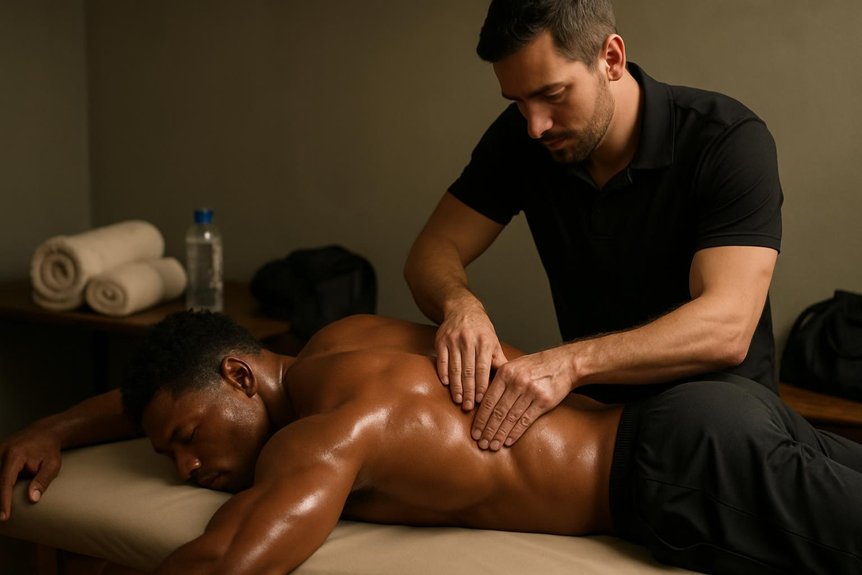
What distinguishes intensive tissue massage from other modalities is its targeted approach to affecting musculoskeletal structures beneath the superficial layers.
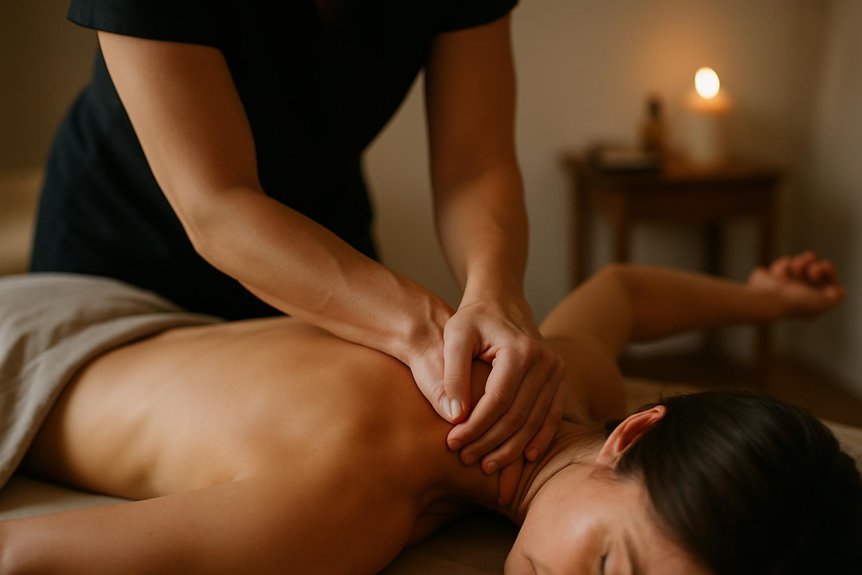
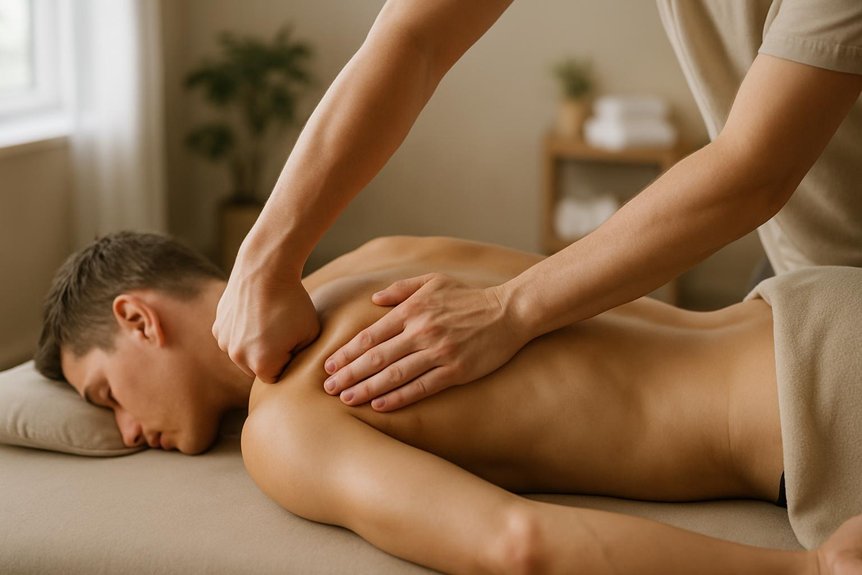
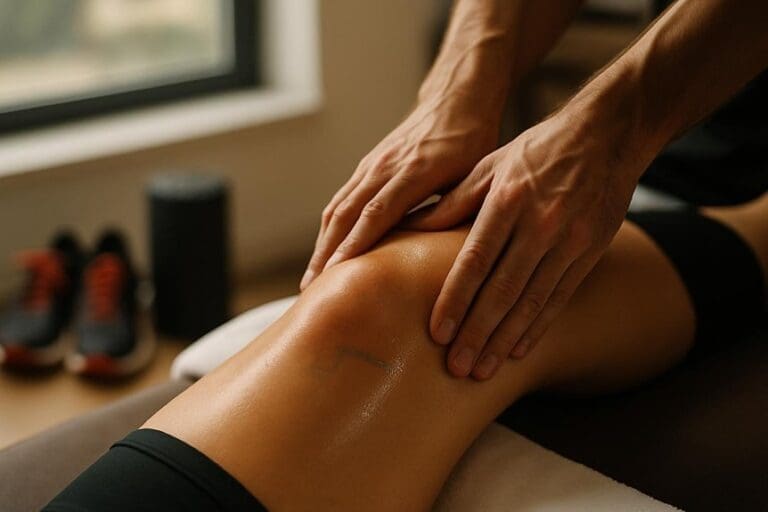
This technique employs deliberate, slow strokes and firm pressure, specifically designed to reach fascia and deeper muscle fibers.
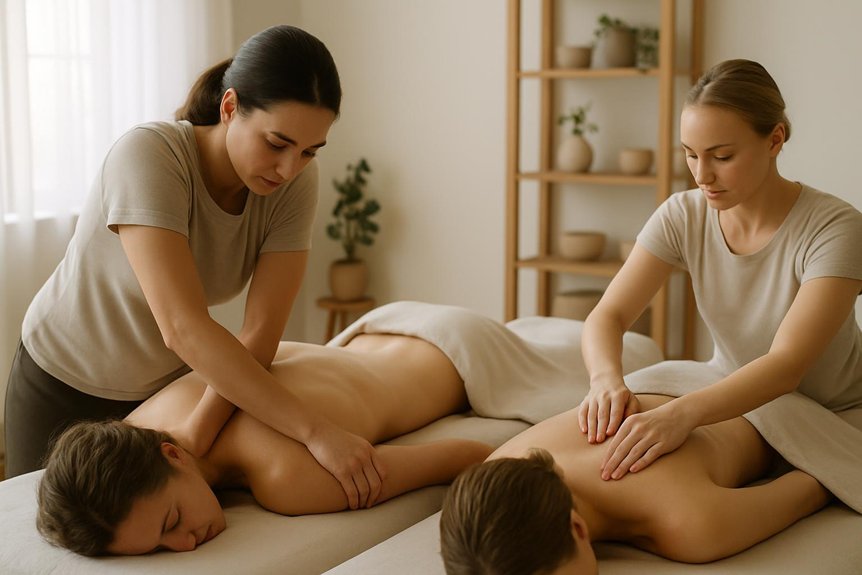
At Spa & Massage, therapists utilize anatomical knowledge and palpation skills to identify areas of tension or adhesions that may contribute to discomfort or restricted movement.
By methodically working through these tissues, intensive tissue massage facilitates the release of chronic muscle tightness, enhances circulation, and promotes ideal tissue recovery.
Clients often report a profound sense of relief and renewed bodily awareness, fostering a closer connection with their physical selves.
The process, while clinical in execution, is tailored to individual needs to ensure both efficacy and comfort.
One of the key techniques of intensive tissue massage involves using slow, sustained pressure to address chronic patterns of tension and support long-term musculoskeletal health.
How Exercise Affects Your Muscles
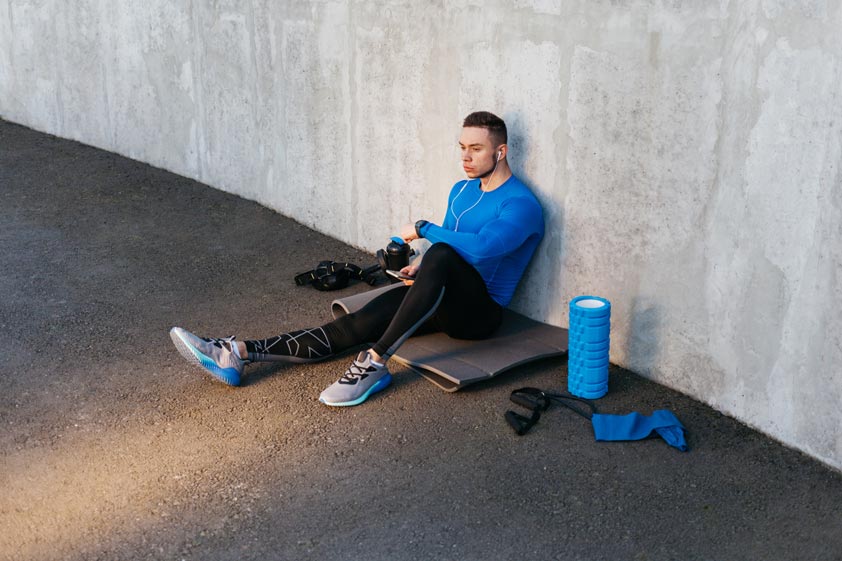
Regular physical exercise induces a series of physiological responses within skeletal muscle tissue, including increased metabolic demand, microtrauma to muscle fibers, and localized inflammatory processes.
During exertion, muscle fibers are subjected to mechanical load, leading to microscopic tears that stimulate repair and adaptation.
This remodeling process is accompanied by an influx of blood flow, which supports nutrient delivery and waste product removal, yet also contributes to transient swelling and stiffness.
Metabolic byproducts such as lactic acid accumulate, often causing delayed onset muscle soreness (DOMS) in the hours or days following activity.
At Spa & Massage, therapists understand that these post-exercise changes are a natural part of the body’s adaptive response, guiding clients with evidence-based care tailored to support muscle recovery and overall well-being after physical exertion.
Benefits of Intensive Tissue Massage Post-Workout
Post-exercise intensive tissue massage has been shown to facilitate muscle recovery by promoting circulation and reducing delayed onset muscle soreness.
Clinical studies indicate that targeted manual therapy can diminish local inflammation, thereby accelerating the healing process.
At Spa & Massage clinics, therapists utilize evidence-based techniques to support ideal musculoskeletal recovery following physical activity.
Muscle Recovery Enhancement
Following intense physical activity, the body undergoes numerous physiological changes that can impede ideal muscle recovery. Microtrauma to muscle fibers, accumulation of metabolic byproducts, and increased muscle tension can all delay restoration processes.
Intensive tissue massage, as practiced at Spa & Massage clinics, strategically targets the deeper layers of muscle and connective tissue, promoting enhanced circulation and oxygen delivery to affected areas. This intervention accelerates the elimination of metabolic waste, encouraging efficient nutrient exchange and tissue repair.
Skilled therapists employ specific techniques to address muscle adhesions and restore perfect muscle length and flexibility. Many clients experience a noticeable improvement in muscle responsiveness and reduced stiffness post-session.
Through precise manipulation, intensive tissue massage supports the body’s intrinsic capacity for renewal, facilitating a more complete and intimate recovery experience.
Inflammation and Soreness Reduction
How does targeted manual therapy influence post-exertional inflammation and delayed onset muscle soreness? Clinical evidence suggests that intensive tissue massage, applied with skilled precision, modulates inflammatory responses by increasing local circulation and promoting lymphatic drainage. This process accelerates the removal of metabolic byproducts—such as lactic acid—that contribute to post-exercise discomfort and swelling.
At Spa & Massage, therapists utilise evidence-based techniques to address common sites of inflammation, tailoring pressure and tempo to individual tissue tolerance. For many, this approach mitigates the intensity and duration of delayed onset muscle soreness, facilitating a gentler recovery trajectory.
Optimal Timing for a Intensive Tissue Massage After Exercise

The timing of a intensive tissue massage after exercise considerably influences its efficacy and safety. Clinical evidence suggests that immediate post-workout sessions may not always be ideal, as the body requires an initial recovery period to manage acute inflammation and metabolic waste clearance.
At Spa & Massage, therapists typically recommend allowing a short interval—such as several hours post-exercise—before undergoing deep tissue techniques to support the best tissue healing and comfort.
Immediate Post-Workout Considerations
Although intensive tissue massage offers significant recovery benefits, essential timing post-exercise remains crucial to maximise therapeutic outcomes and minimise potential adverse effects. Immediately following intense physical exertion, skeletal muscles are subject to heightened blood flow, metabolic by-product accumulation, and potential microtrauma.
Applying deep tissue techniques during this acute phase may exacerbate inflammation, increase discomfort, or delay natural reparative processes. At Spa & Massage, therapists assess each client’s physiological state, considering factors such as muscle temperature, hydration, and perceived soreness before recommending treatment.
Clinical evidence suggests that allowing a brief interval post-exercise enables the body to initiate its own acute recovery mechanisms, reducing the risk of excessive tissue stress. This careful consideration fosters a more tailored, safe, and restorative massage experience, optimising post-workout recovery.
Recommended Recovery Time
Ideal scheduling of intensive tissue massage post-exercise is a key component for effective recovery and tissue repair. Clinical evidence suggests that waiting at least 24 to 48 hours after intense exercise allows for the acute inflammatory response to subside, minimising the risk of exacerbating muscle soreness or microtrauma.
At Spa & Massage, therapists often suggest this window to optimise therapeutic outcomes, facilitating myofascial release without impeding natural healing processes.
This interval also enables the body to replenish fluids and restore electrolyte balance, promoting a more receptive tissue environment.
For clients seeking both performance enhancement and relaxation, adhering to this recommended recovery time ensures that deep tissue techniques are delivered at the most opportune moment, supporting intimacy with one’s own body and fostering long-term musculoskeletal health.
Potential Risks and Precautions
While intensive tissue massage offers significant post-workout benefits, certain risks and precautions must be considered to guarantee client safety and ideal outcomes. Post-exercise tissues may be inflamed or micro-damaged, increasing susceptibility to excessive pressure or bruising.
At Spa & Massage, therapists carefully assess for contraindications such as acute muscle strains, open wounds, or recent injuries, as deep manipulation may exacerbate these conditions.
Clients with circulatory disorders, skin sensitivities, or recent surgeries require tailored approaches and, in some cases, medical clearance.
Hydration status is monitored, as dehydration can heighten soreness post-treatment.
Therapists communicate closely with clients regarding pressure tolerance and discomfort, ensuring each session remains therapeutic.
Adhering to these evidence-based protocols, Spa & Massage prioritizes client well-being and fosters ideal recovery in a nurturing environment.
How Our Therapists Tailor Intensive Tissue Massage for Athletes
Recognising the unique physiological demands placed on athletes, Spa & Massage therapists implement a customised approach to intensive tissue massage that addresses specific musculoskeletal patterns and recovery objectives.
Therapists conduct a thorough assessment of muscle tone, joint integrity, and fascial adhesions, allowing them to target areas of heightened tension or post-exertional soreness.
Techniques such as myofascial release, trigger point therapy, and cross-fibre friction are selectively applied to optimise circulation, reduce inflammation, and facilitate tissue repair.
By integrating clinical reasoning with the athlete’s training cycle, therapists at Spa & Massage modulate intensity and pressure, focusing on restoration without compromising performance.
This personalised methodology not only supports injury prevention but also enhances the client’s sense of physical attunement, fostering trust in the therapeutic relationship.
What to Expect During Your Session
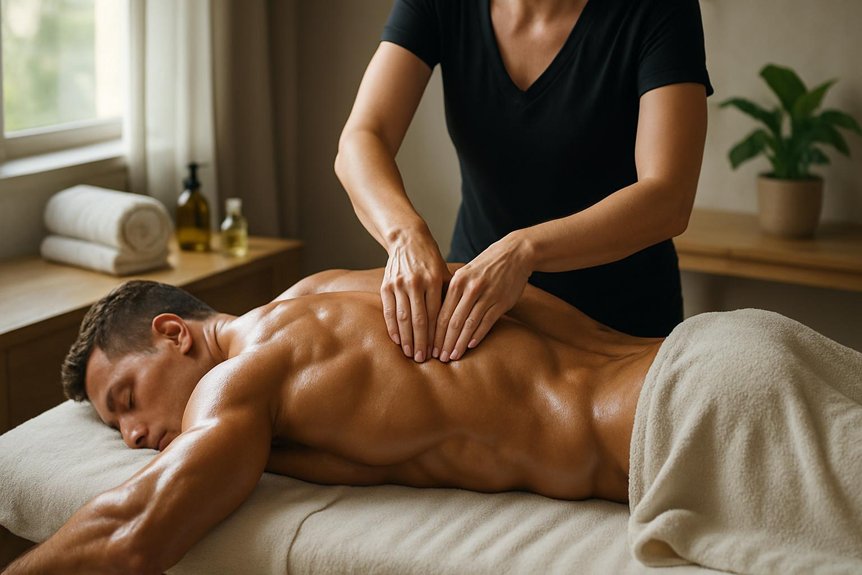
Upon arrival at a Spa & Massage clinic, clients undergo an initial consultation to discuss health history, current physical concerns, and specific post-workout symptoms. This assessment enables therapists to adapt deep tissue techniques to the individual’s physiological needs, ensuring safe and effective intervention.
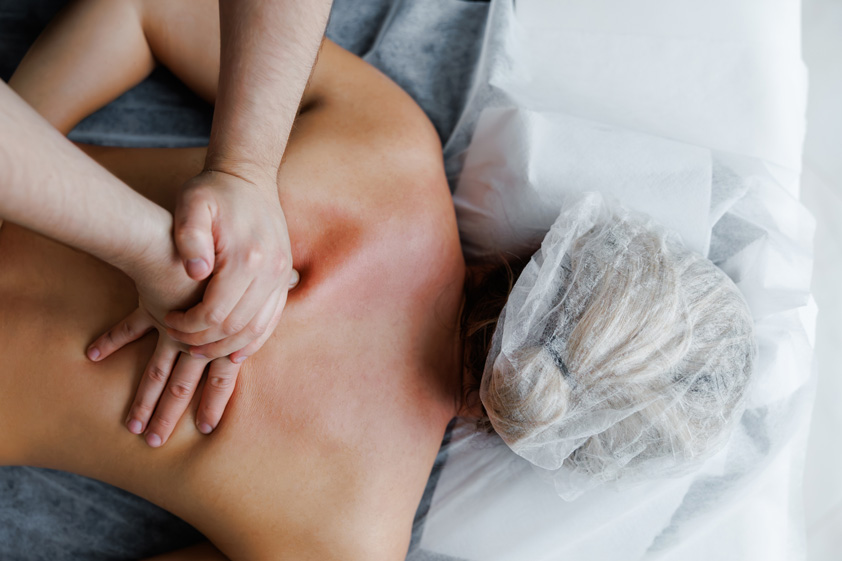
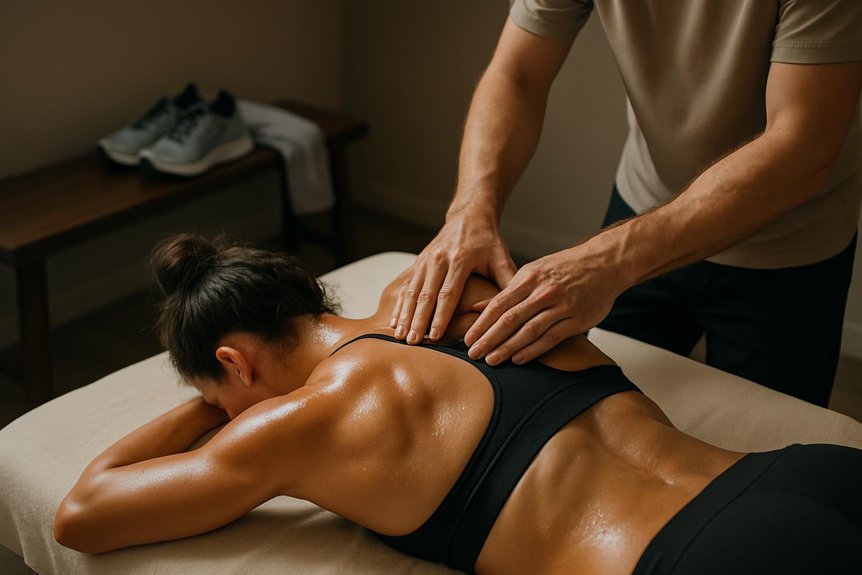
During the session, the therapist employs slow, deliberate strokes and focused pressure to target muscular adhesions and areas of tension. Communication is encouraged throughout, allowing for adjustments in technique and pressure to maintain comfort.
High-quality massage oils, selected for their glide and skin-nourishing properties, are used to enhance the therapeutic experience. Clients may notice a deep, gradual release of muscular tightness and an increased sense of relaxation, all within a private, supportive setting designed to foster trust and holistic wellbeing.
Aftercare Advice From Our Experts
Following a intensive tissue massage, Spa & Massage therapists advise clients to prioritise hydration, gentle movement, and rest to optimise recovery and enhance therapeutic outcomes.
Adequate fluid intake assists in metabolite clearance and supports tissue repair, particularly after intense manual therapy. Engaging in light activity, such as walking or stretching, maintains circulation without imposing further strain on the musculature.
Clients may experience transient soreness or sensitivity as a physiological response to deep tissue manipulation; this is normal and typically resolves within 24–48 hours.
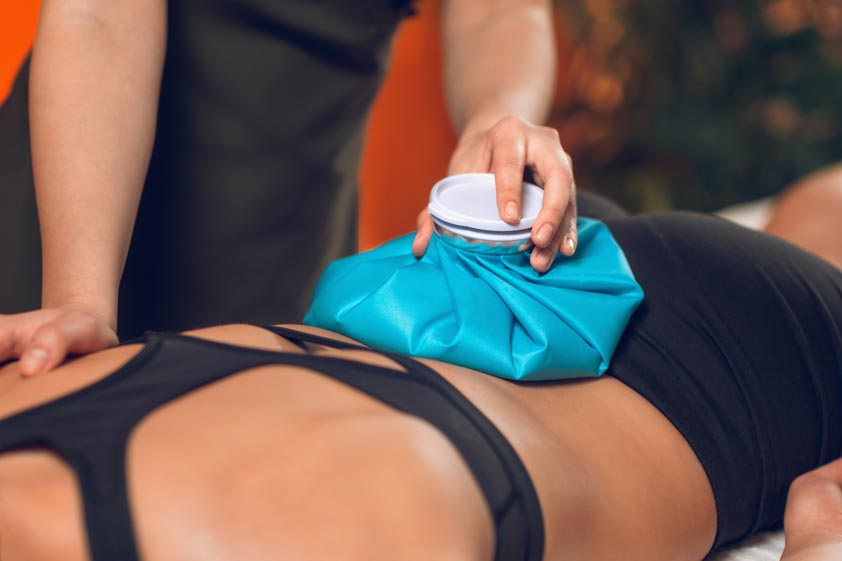
Application of heat or warm baths can aid relaxation and reduce residual tension.
At Spa & Massage, therapists recommend avoiding strenuous exercise or alcohol consumption post-treatment, allowing the body’s reparative processes to unfold naturally, fostering a sense of comfort and well-being.
When to Book Your Next Appointment
How soon should a client schedule their next intensive tissue massage after a workout?
Spa & Massage recommends that clients allow a minimum of 24 to 48 hours between an intensive workout session and their subsequent intensive tissue massage.
This interval enables muscle fibers to initiate natural recovery processes and reduces the risk of exacerbating microtears or inflammation.
For those seeking ongoing muscular maintenance and enhanced well-being, a regular schedule—such as biweekly or monthly sessions—can be *conducive*.
Therapists at Spa & Massage assess individual needs, exercise intensity, and recovery status to tailor recommendations accordingly.
Intimate understanding of one’s body and response to treatment guides the *ideal* booking frequency, ensuring that each session supports both physiological restoration and the cultivation of personal wellness.
Conclusion
While the invigorating effects of exercise prime muscles for growth and adaptation, the targeted intervention of intensive tissue massage offers a counterbalance—facilitating recovery through the alleviation of tension and promotion of circulation. However, juxtaposing immediate post-exercise vulnerability with the therapeutic intensity of deep tissue techniques underscores the necessity for ideal timing and professional guidance. Evidence indicates that, when appropriately scheduled, intensive tissue massage can be a strategic adjunct in supporting musculoskeletal health and enhancing athletic performance.