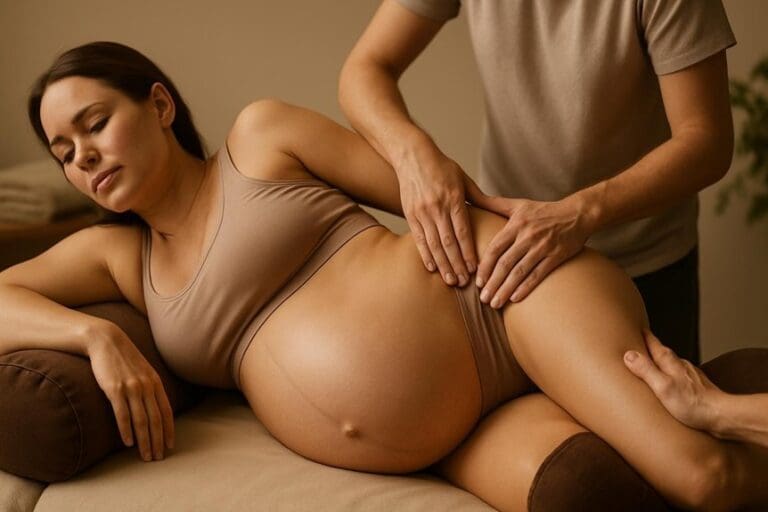

Self-administered intensive tissue massage can offer targeted muscle relief by using firm pressure, myofascial release, and tools like foam rollers or massage balls. However, limitations arise due to restricted reach, difficulty maintaining precise technique, and limited depth compared to professional sessions. Risks of overexertion or improper pressure may also occur without anatomical knowledge. For chronic or persistent discomfort, professional intervention is recommended. Further guidance on safe self-massage methods, effective tools, and aftercare practices follows below.
Understanding Intensive Tissue Massage Techniques

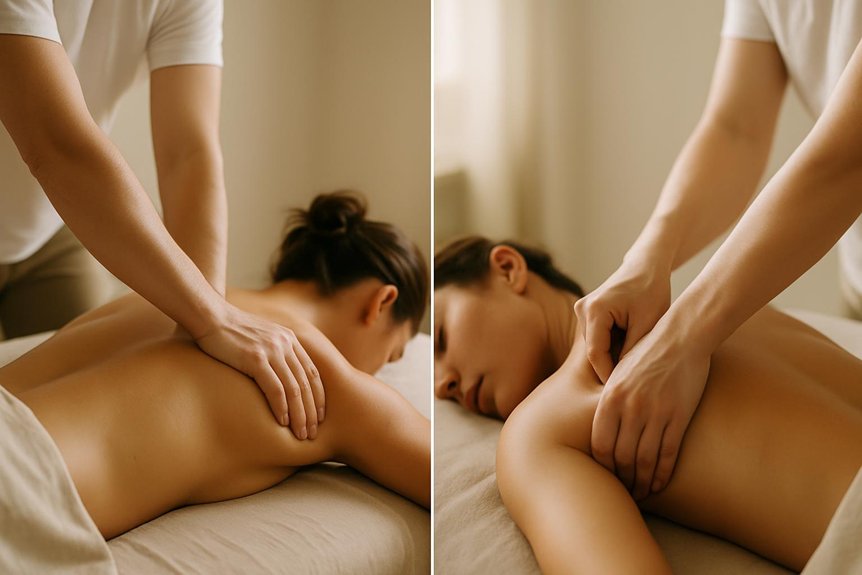
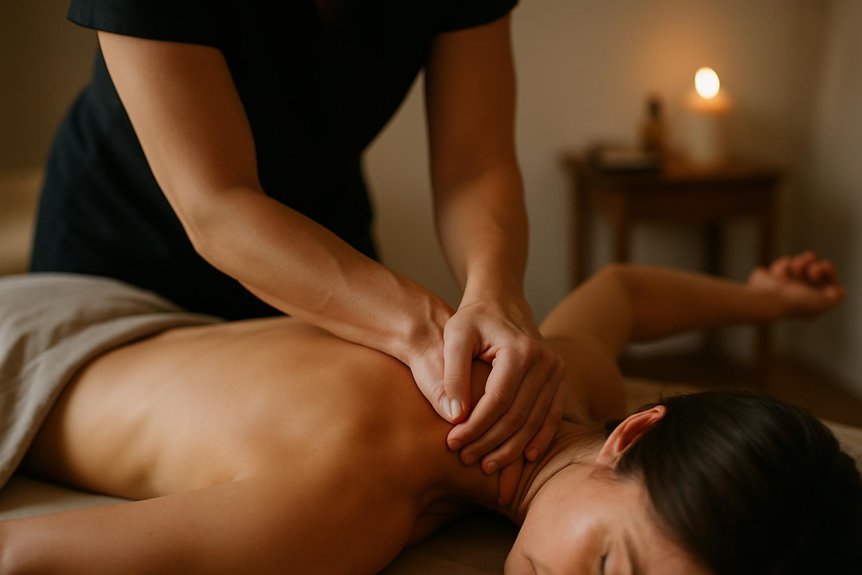
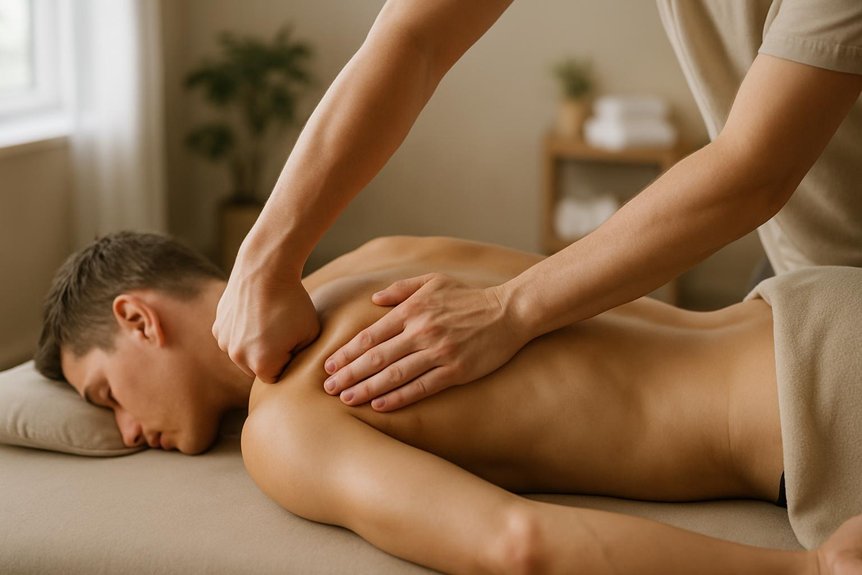
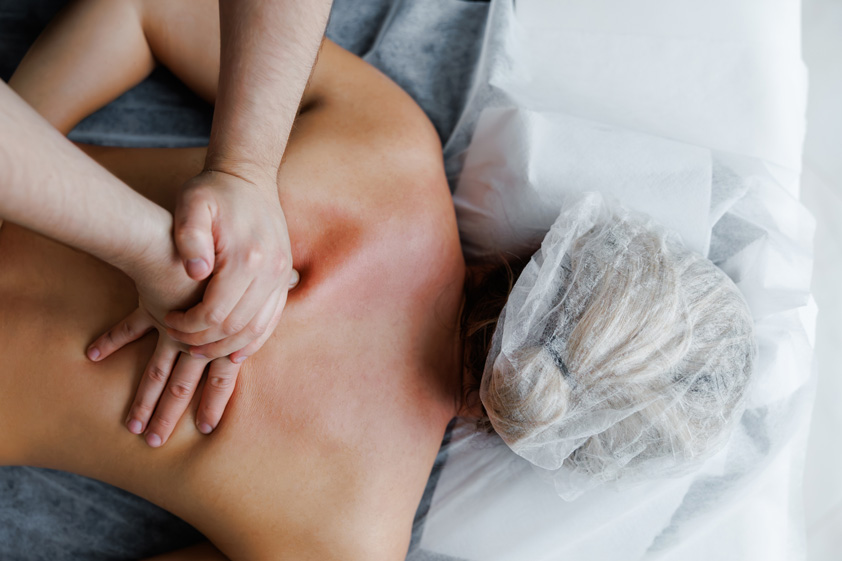
It targets the deeper layers of muscle and connective tissue, utilizing slow, firm pressure and specialized strokes. Unlike relaxation-focused techniques, such as Swedish massage, deep tissue approaches are designed to address chronic muscle tension and adhesions.
Techniques commonly include myofascial release, sustained pressure, and friction across muscle fibers. At Spa & Massage, therapists assess muscle tone, tension patterns, and specific client needs to tailor sessions for maximum therapeutic benefit.
Evidence indicates that intensive tissue massage can improve mobility, reduce pain, and foster a profound sense of connection within the body. Clients seeking a more intimate awareness of their physical state often prefer these methods for their ability to reach and release persistent knots and restrictions. Additionally, many people experience the benefits of intensive tissue massage through improved mobility and targeted pain relief as a result of these focused techniques.
Limitations of Self-Administered Deep Tissue Massage
Self-administered intensive tissue massage is limited by restricted reach, making it difficult to address certain muscle groups effectively.
Individuals often encounter challenges in maintaining appropriate technique and consistent pressure, which are critical for therapeutic outcomes.
There is also an increased risk of overexertion or improper application, potentially leading to muscle soreness or injury.
Reach and Accessibility Challenges
Although intensive tissue massage offers significant therapeutic benefits, individuals attempting to perform these techniques on themselves often encounter notable reach and accessibility limitations.
Anatomical factors restrict the ability to effectively target posterior regions such as the upper back, shoulders, and certain areas of the lower body.
Even with assistive tools, self-massage rarely achieves the depth, precision, or sustained pressure that a professional therapist can deliver.
At Spa & Massage clinics, therapists utilise expert body mechanics and positioning, making it possible to address deep-seated muscular tension in otherwise inaccessible zones.
For those seeking an intimate, restorative experience, professional guidance ensures thorough coverage and ideal results.
These limitations highlight the value of skilled touch and the holistic approach provided by trained practitioners in a therapeutic setting.
Technique and Pressure Control
While anatomical reach poses a significant barrier to effective self-massage, technique and pressure control present further limitations for individuals attempting deep tissue work on themselves.
It requires precise application of sustained, targeted pressure to specific muscle layers—skills developed through extensive training and anatomical understanding, as exemplified by the therapists at Spa & Massage.
Self-administered approaches frequently lack the nuanced technique needed to achieve therapeutic outcomes without causing discomfort. Individuals may struggle to modulate depth and direction of pressure, risking uneven application or muscular guarding.
In a professional setting, therapists employ tailored techniques and feedback to optimize tissue release and client comfort.
At Spa & Massage, expert practitioners combine technical proficiency with careful pressure control, ensuring each session is both effective and attuned to client needs.
Risk of Overexertion
Without objective feedback or external monitoring, individuals attempting intensive tissue massage on themselves face a heightened risk of overexertion. This limitation arises because self-administered techniques often lack the sensory detachment required to accurately gauge tissue tolerance and pressure thresholds.
At Spa & Massage, therapists are trained to identify signs of excessive force or tissue distress, ensuring the intervention remains both therapeutic and safe. In contrast, when individuals apply pressure to their own muscles, there is a tendency to exceed ideal intensity, potentially leading to bruising, inflammation, or exacerbation of underlying conditions.
Evidence suggests that improper application of deep tissue techniques can compromise muscle recovery and increase discomfort. For this reason, our clinics advocate professional guidance to achieve effective results while mitigating risks associated with self-treatment.
Safe Methods to Relieve Muscle Tension at Home
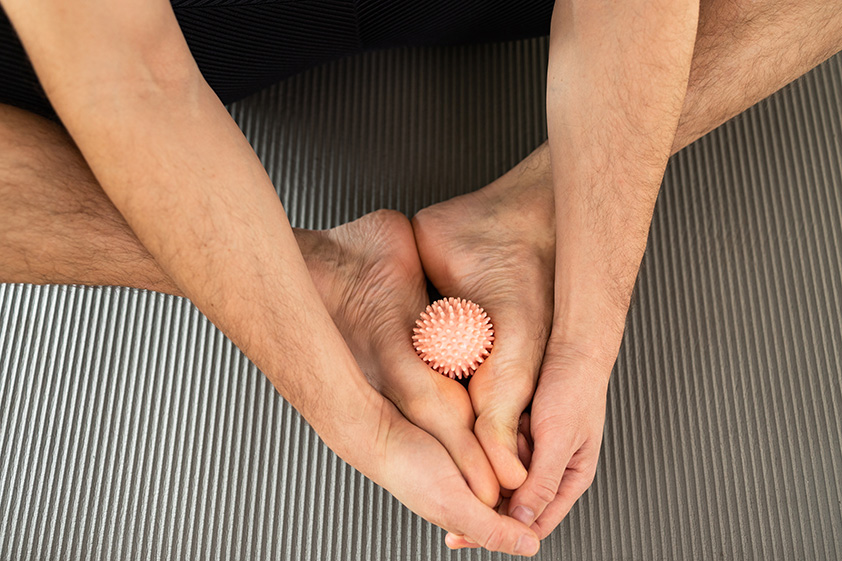
To support safe muscle tension relief at home, evidence-based self-massage techniques and appropriate home massage tools can be employed under proper guidance.
Spa & Massage therapists recommend targeted approaches such as gentle pressure application, myofascial release, and the use of foam rollers or massage balls to address specific areas of discomfort.
These methods, when performed correctly, can effectively complement professional treatments while minimizing the risk of strain or injury.
Self-Massage Techniques Explained
Although professional intensive tissue massage yields ideal results, practical self-massage techniques can effectively reduce muscle tension at home when applied correctly.
At Spa & Massage, therapists recommend targeting large muscle groups—such as the back, shoulders, and thighs—using slow, deliberate strokes and firm, consistent pressure with the fingers, knuckles, or elbows. Circular motions and gentle kneading along the muscle fibres help release localized tension.
Additionally, sustained pressure on trigger points can encourage myofascial release. Hydrating the skin with massage oil, as practiced in our clinics, minimizes friction and enhances tactile feedback.
For excellent results, individuals should focus on breathing deeply and maintaining awareness of bodily sensations, adjusting intensity to avoid discomfort. Self-massage is most effective when performed with intention, patience, and mindful attention to one’s own needs.
Effective Home Massage Tools
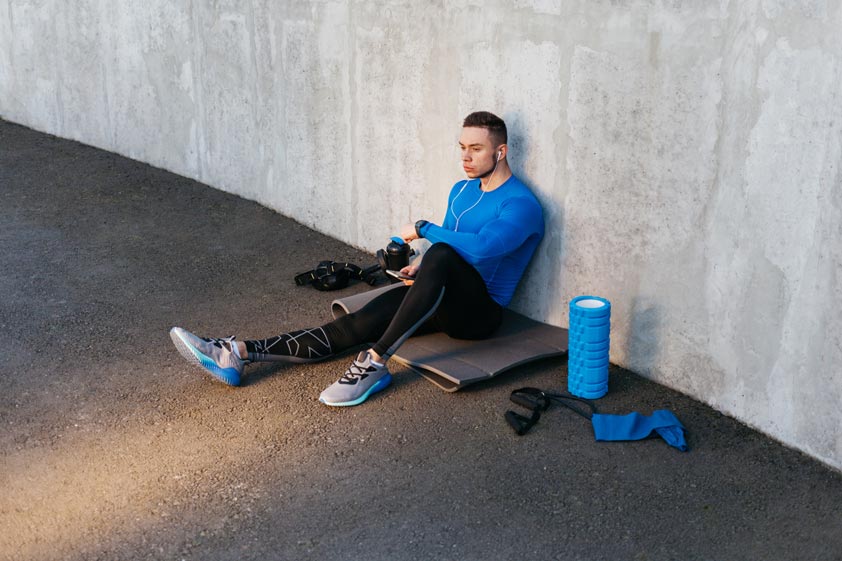
A range of home massage tools can considerably enhance the effectiveness of self-administered deep tissue techniques when used appropriately. Foam rollers, massage balls, and handheld percussive devices are among the most evidence-based options for alleviating muscle tension.
When targeting larger muscle groups such as the back or thighs, foam rollers facilitate broad, controlled pressure. Smaller tools like massage balls provide precision for localized trigger points.
Handheld massagers deliver adjustable intensity and can be directed to specific areas of discomfort. At Spa & Massage, therapists recommend integrating these tools with slow, mindful breathing to maximize relaxation and minimize risk of overstimulation.
Consistent use, combined with proper technique and attention to personal comfort, supports muscular recovery, enhances flexibility, and fosters ongoing physical intimacy and self-care.
Recommended Tools and Products for Self-Massage
While professional intensive tissue massage remains the most effective approach for addressing chronic muscle tension, certain tools and products can enhance the efficacy of self-massage techniques at home. Evidence supports the use of foam rollers, massage balls, and handheld massage tools for targeted myofascial release.
At Spa & Massage, therapists recommend selecting tools with adjustable pressure options to suit individual sensitivity and muscle group needs.
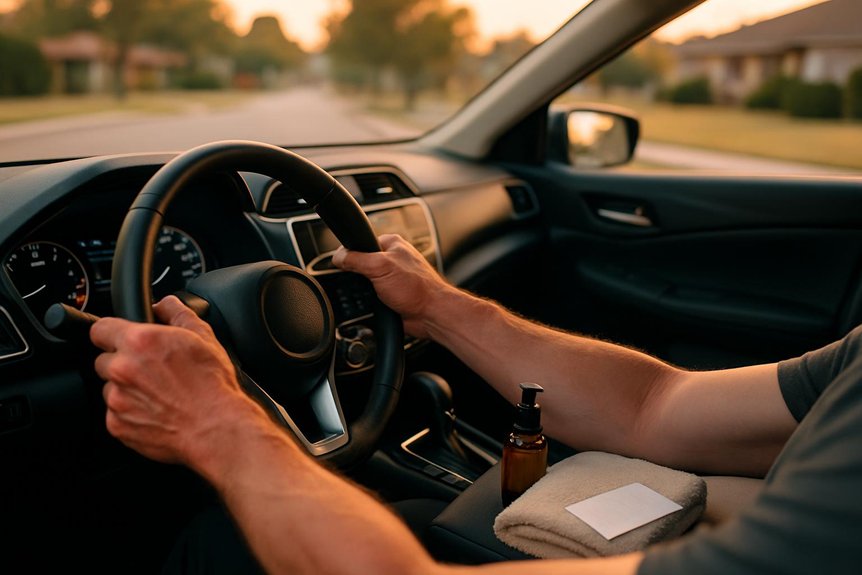
Additionally, high-quality massage oils formulated to reduce friction and nourish the skin, such as those used in our clinics, can optimize glide and comfort during self-massage.
For clients seeking a more intimate experience, incorporating soothing essential oils—under professional guidance—can promote relaxation.
Consistent use of these tools and products may help maintain muscular health and support ongoing wellness routines.
When to Seek Professional Intensive Tissue Massage
For individuals experiencing persistent muscular discomfort, limited mobility, or recurring pain that does not respond to self-massage techniques, professional intensive tissue massage may be indicated.
In such cases, the expertise of a qualified therapist, such as those at Spa & Massage, provides targeted assessment and hands-on intervention that often surpasses what self-care can achieve.
Professional therapists employ advanced palpation skills to identify and address myofascial restrictions, chronic tension, or underlying biomechanical dysfunction.
Additionally, clinical judgement ensures that massage pressure and techniques are adjusted appropriately for individual needs, reducing risk of injury or exacerbation.
Seeking professional treatment also enables the integration of tailored wellness recommendations, fostering trust and comfort.
At Spa & Massage, therapists create a safe, supportive environment for clients requiring deeper therapeutic attention, prioritising both efficacy and intimacy.
How to Enhance Your Results With Aftercare Practices

Optimising the benefits of a intensive tissue massage requires adherence to evidence-based aftercare practices that support tissue recovery and enhance therapeutic outcomes.
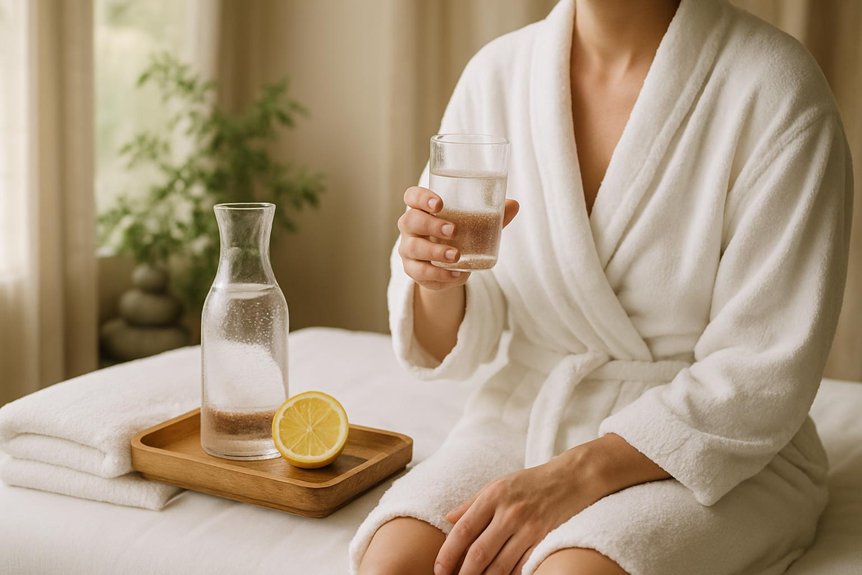
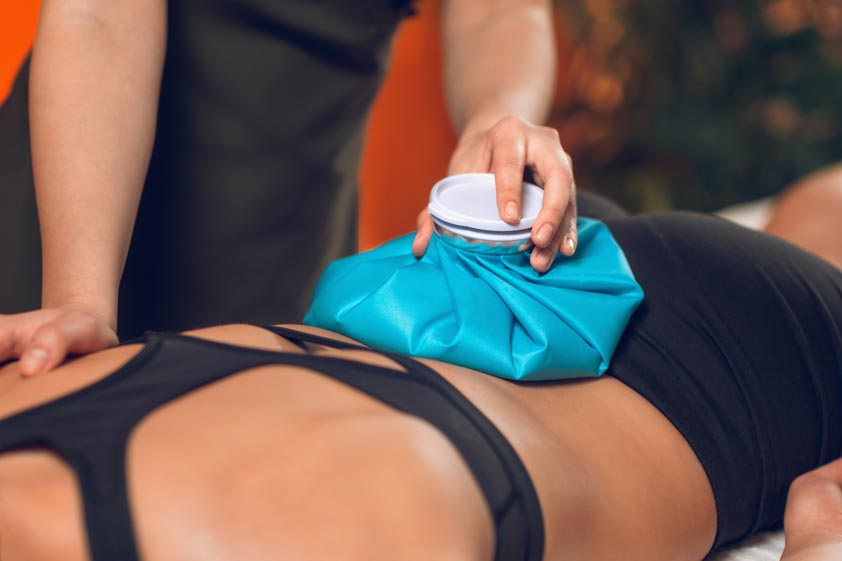
At Spa & Massage, therapists recommend immediate hydration post-massage to facilitate metabolic waste removal, alongside gentle stretching to maintain increased tissue mobility. Application of cold compresses can mitigate minor inflammation, while warm baths may further promote circulatory improvements and relaxation.
Clients are advised to avoid strenuous activity for at least 24 hours, allowing muscular adaptations to solidify.
Mindful breathing techniques, as demonstrated in our clinics, can deepen the relaxation response and foster intimate body awareness.
Regular aftercare, including attentive self-monitoring for delayed soreness or discomfort, allows for prompt adjustment of future sessions and ensures each massage experience delivers maximum, lasting results.
Conclusion
While self-massage can offer a fleeting glimpse into the profound muscle relief of professional deep tissue therapy, it pales in comparison to the targeted precision and anatomical expertise of a trained therapist. Attempting deep tissue techniques at home may temporarily soothe minor discomfort, but without clinical knowledge, one cannot replicate the transformative outcomes delivered by professionals. For truly ideal muscle health and lasting results, entrusting care to a qualified practitioner remains the gold standard, far surpassing any at-home methods.