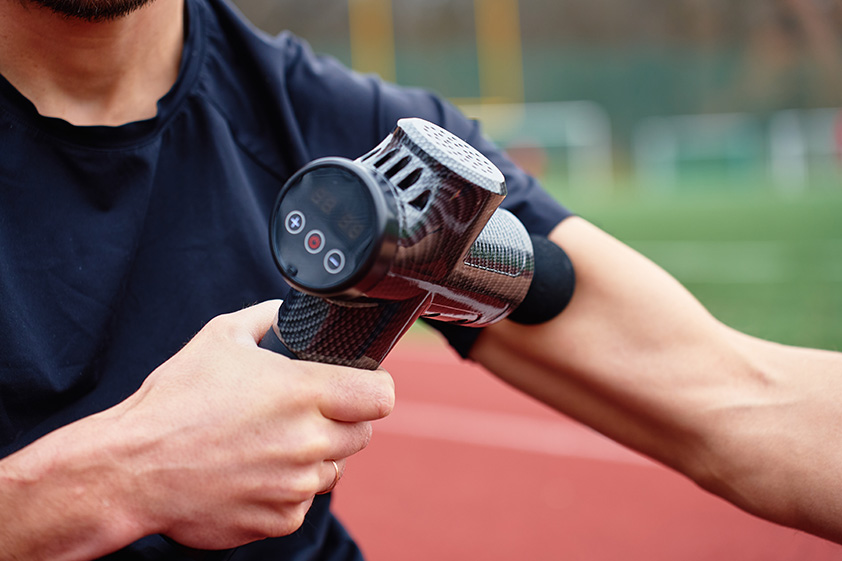
Deep muscle massage guns provide percussive therapy to muscles, delivering rapid, targeted pressure to help reduce myofascial tension, improve circulation, and accelerate post-exercise recovery. Clinical evidence suggests they can decrease muscle soreness and stiffness and enhance range of motion when applied correctly. However, these devices lack the nuanced assessment and adaptive response of skilled manual therapists. Understanding their practical benefits, ideal usage, and limitations is essential for choosing the most appropriate recovery method in various scenarios.
Understanding It and Its Benefits
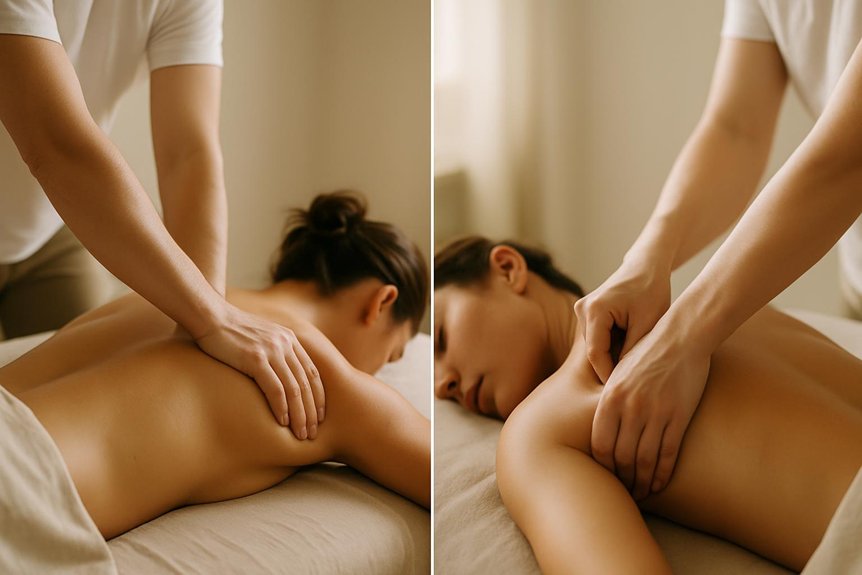
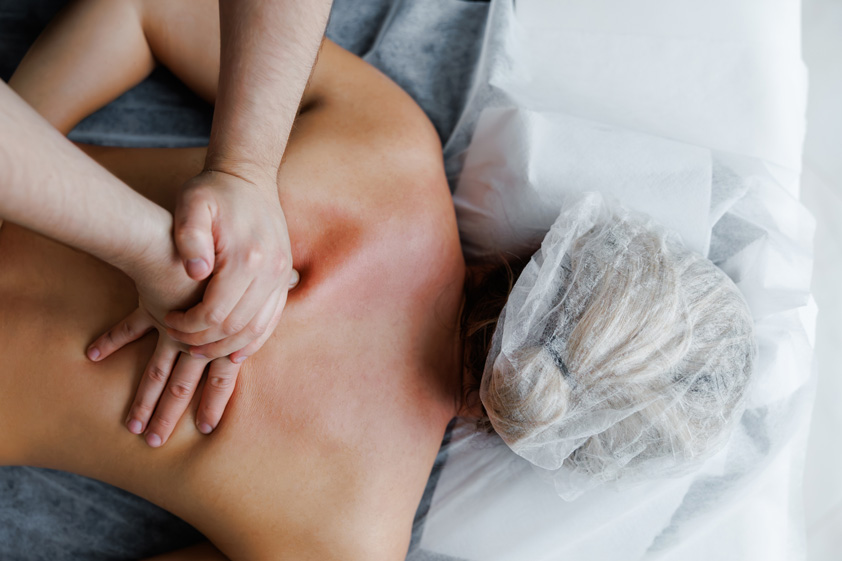
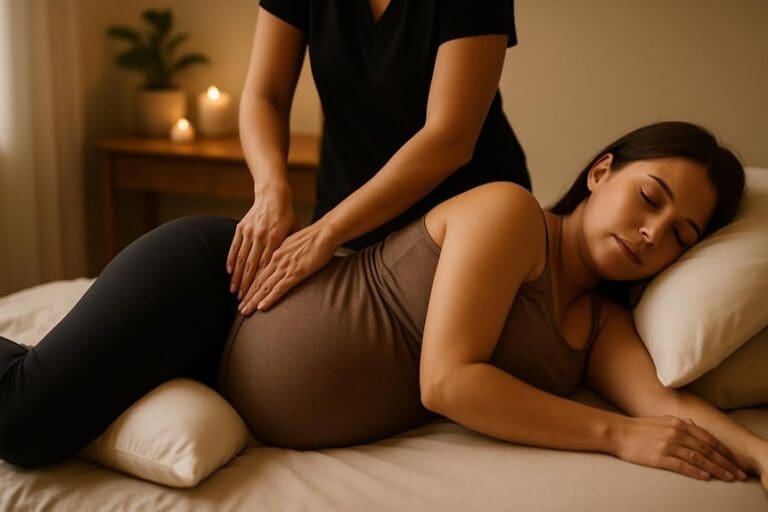
It employs slower, more sustained pressure targeting deeper layers of muscle and fascia compared to lighter, superficial techniques.
At Spa & Massage, therapists utilize anatomically informed strokes to address chronic tension, adhesions, and restricted mobility, supporting myofascial release and improved circulation.
Clinical studies indicate that deep tissue massage may alleviate musculoskeletal discomfort, decrease stress hormone levels, and increase serotonin and oxytocin, fostering both physical and emotional wellbeing.
Unlike relaxation-focused modalities, this approach prioritizes structural change and functional recovery, often recommended for persistent pain or postural imbalances.
Clients at Spa & Massage often report heightened body awareness and a sense of therapeutic intimacy, as therapists tailor each session to individual needs within a calm, supportive environment.
A key benefit of it is its ability to support myofascial release and promote overall mobility, distinguishing it from other massage techniques.
How Massage Guns Claim to Mimic Deep Tissue Techniques
Although marketed as convenient tools for musculoskeletal relief, massage guns operate by delivering rapid, percussive pulses to soft tissue. They theoretically emulate the pressure and repetitive motion of its techniques.
Manufacturers assert that these devices penetrate muscle layers, promote circulation, and reduce myofascial tension through mechanical stimulation. The oscillatory action is designed to reach deeper structures, targeting areas of muscular tightness or soreness.
Proponents claim this approach mirrors the sustained pressure and rhythmic kneading performed by experienced therapists during sessions at Spa & Massage clinics.
While the devices are intended to offer ease of use and accessibility, their mechanized delivery cannot adjust intuitively to individual muscle responses as a skilled therapist would.
Nonetheless, massage guns present an accessible modality for those seeking relief between professional treatments.
Comparing Massage Guns to Hands-On Massage
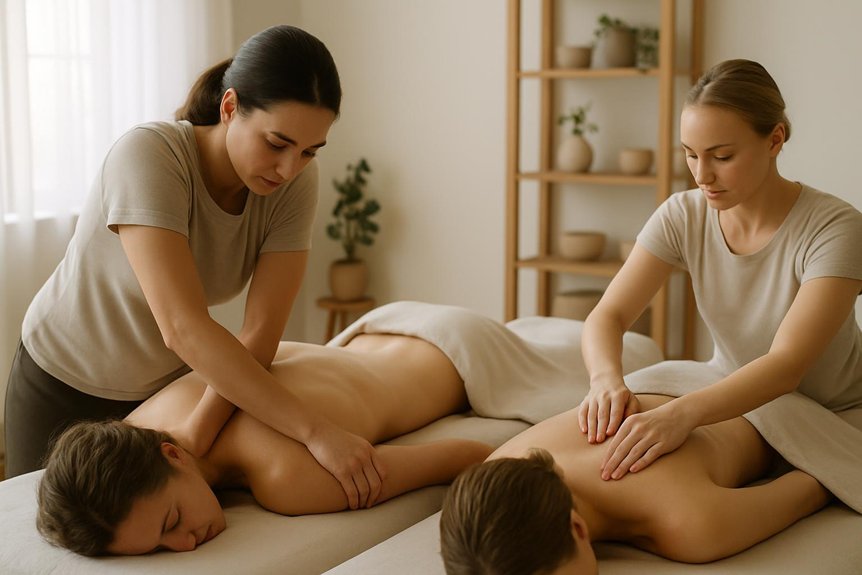
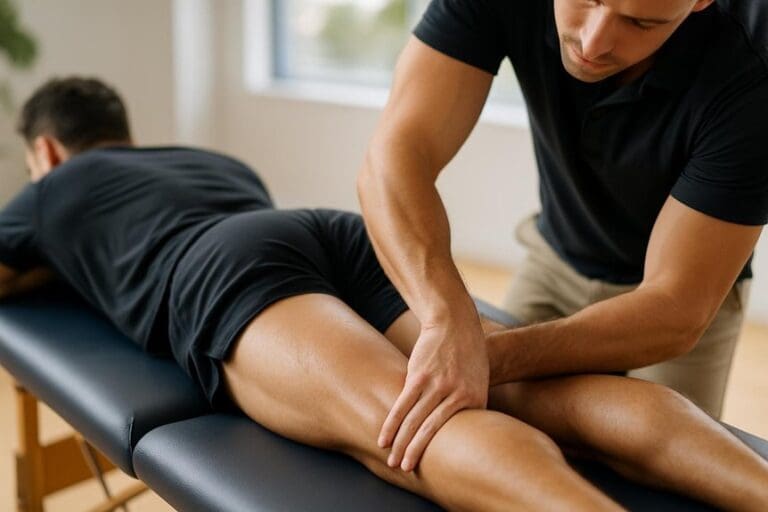
While massage guns offer a mechanized approach to muscle relief through percussive stimulation, hands-on intensive tissue massage provided by trained therapists at Spa & Massage clinics involves a nuanced application of manual pressure, palpation, and targeted manipulation.
Clinical observation demonstrates that therapists adjust pressure in real-time, responding to subtle variations in muscle tension, fascia adhesions, and client feedback. This interactive process enables precise targeting of deep musculature and connective tissue, often addressing underlying biomechanical imbalances.
In contrast, massage guns deliver repetitive, uniform oscillations, which may not adapt seamlessly to unique anatomical contours or complex muscular restrictions. Spa & Massage therapists integrate personalized techniques, guided by experience and anatomical knowledge, to foster both physiological release and emotional reassurance—elements that mechanized devices, by their nature, cannot fully replicate.
When and How to Use a Massage Gun Safely
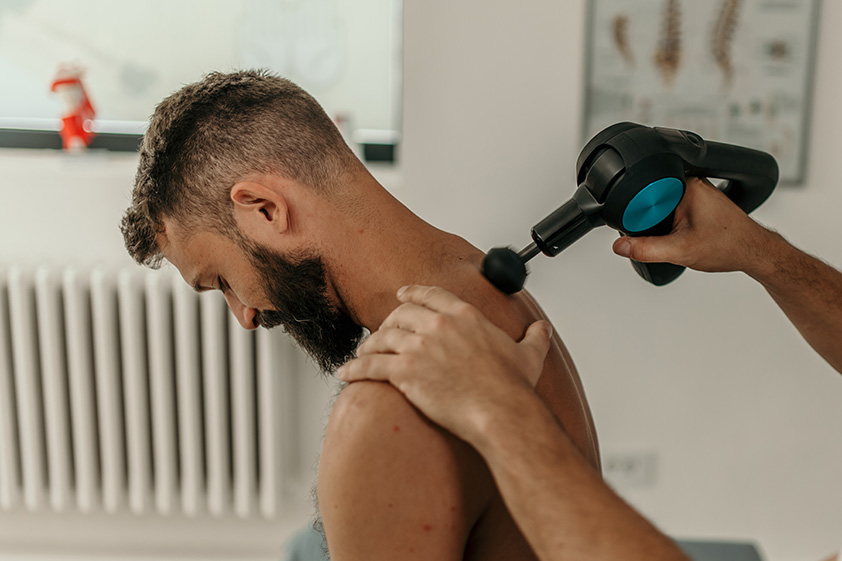
Effectively incorporating a massage gun into a wellness routine requires a thorough understanding of both its appropriate applications and potential contraindications. Clinically, massage guns are most beneficial when used on large muscle groups post-exercise or during recovery phases, applying moderate pressure for brief intervals—typically 15 to 60 seconds per muscle group.
Spa & Massage therapists advise clients to begin at the lowest intensity, gradually increasing based on tissue response and personal comfort. Avoiding bony prominences, inflamed areas, and regions with compromised skin integrity is essential.
At Spa & Massage, therapists educate clients on ideal usage techniques, such as sweeping motions along muscle fibers, to enhance efficacy and safety. This evidence-based approach encourages mindful, controlled application, aligning with the clinic’s commitment to personalised, attentive care.
Potential Risks and Limitations of Massage Guns
Despite the therapeutic benefits when used appropriately, massage guns present specific risks and limitations that require careful consideration.
Improper use may lead to bruising, muscle soreness, or aggravation of underlying injuries such as strains, sprains, or inflammation.
Individuals with circulatory disorders, neuropathies, or who are pregnant should consult a healthcare professional before use, as percussive therapy may not be suitable.
Anatomical regions with minimal soft tissue coverage—such as over bony prominences—are particularly vulnerable to discomfort or tissue irritation.
Additionally, massage guns lack the nuanced assessment and adaptive touch provided by experienced therapists at Spa & Massage clinics.
They cannot tailor pressure, technique, or respond intuitively to muscular feedback, which may diminish their effectiveness for individuals seeking precise, responsive care or relief from complex musculoskeletal conditions.
Spa & Massage Therapists’ Recommendations for Effective Muscle Relief
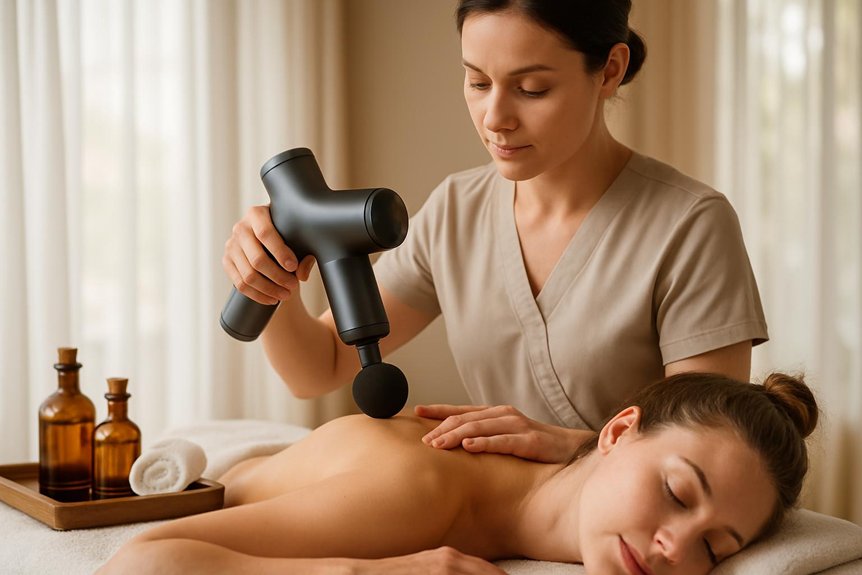
Spa & Massage therapists emphasise the clinical efficacy of professional hands-on techniques for targeted muscle relief, utilising palpation, myofascial release, and tailored pressure based on individual assessment.
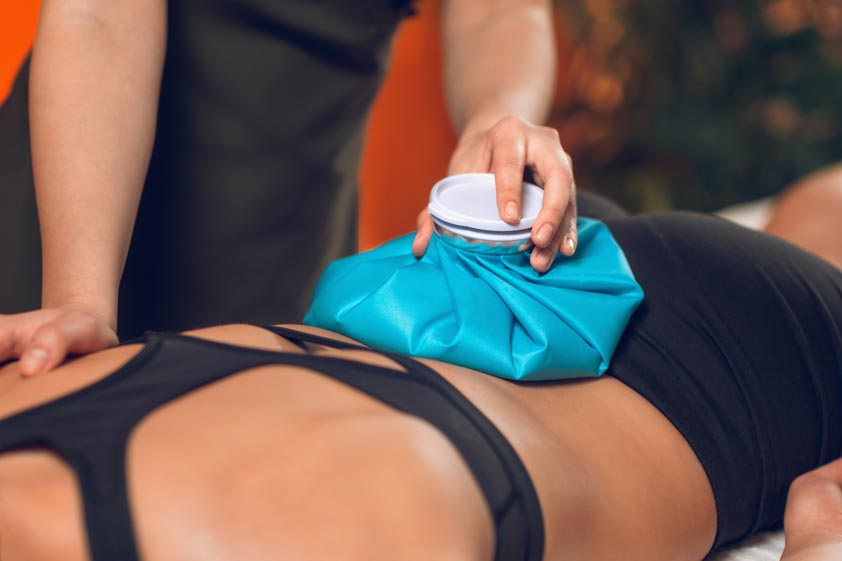
Personalised aftercare strategies, such as guided stretching and home self-care protocols, are routinely recommended to optimise recovery and maintain tissue health.
This integrated approach reflects current best practices for sustainable musculoskeletal well-being.
Professional Hands-On Techniques
While massage guns have gained popularity as a tool for muscle relief, clinical evidence consistently supports the efficacy of targeted, hands-on techniques delivered by skilled therapists.
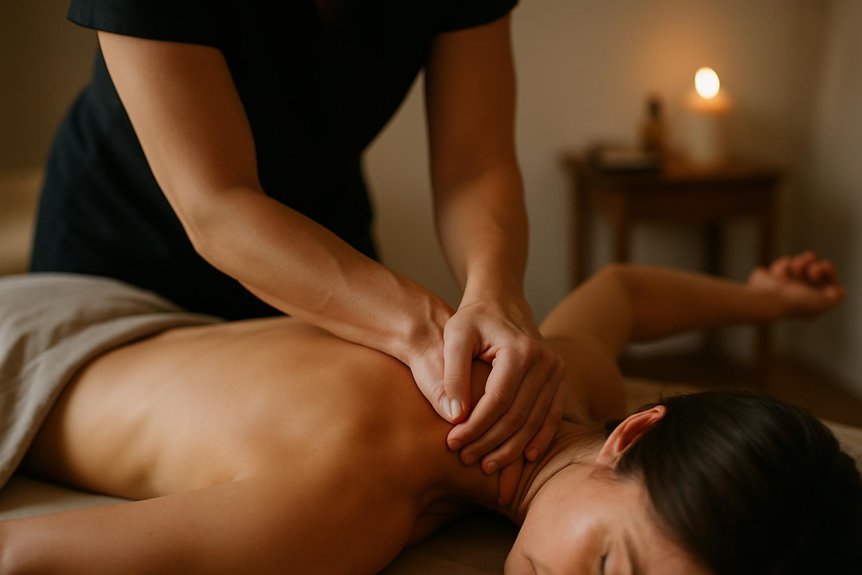
At Spa & Massage, therapists employ palpation, myofascial release, and advanced manual manipulation to identify and address myofascial trigger points, muscular adhesions, and tissue restrictions with precision. These techniques facilitate increased localised blood flow, improved lymphatic drainage, and ideal neuromuscular response—outcomes that are difficult to replicate using mechanical devices alone.
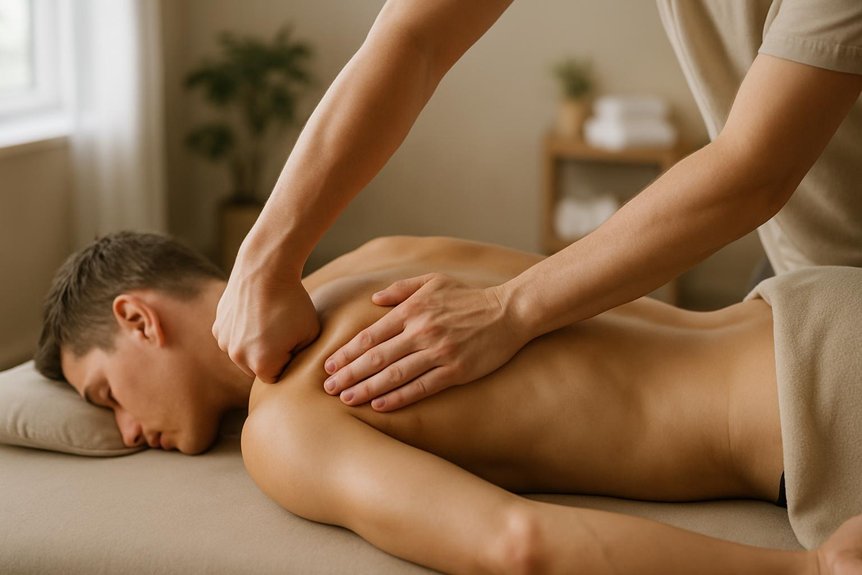
Through direct therapist-client interaction, pressure and technique are continuously adapted to individual tissue response, enhancing therapeutic outcomes and client comfort. Many clients at Spa & Massage report a sense of connection and trust, reinforcing the value of human touch in fostering effective muscle relief and holistic wellbeing.
Personalised Aftercare Strategies
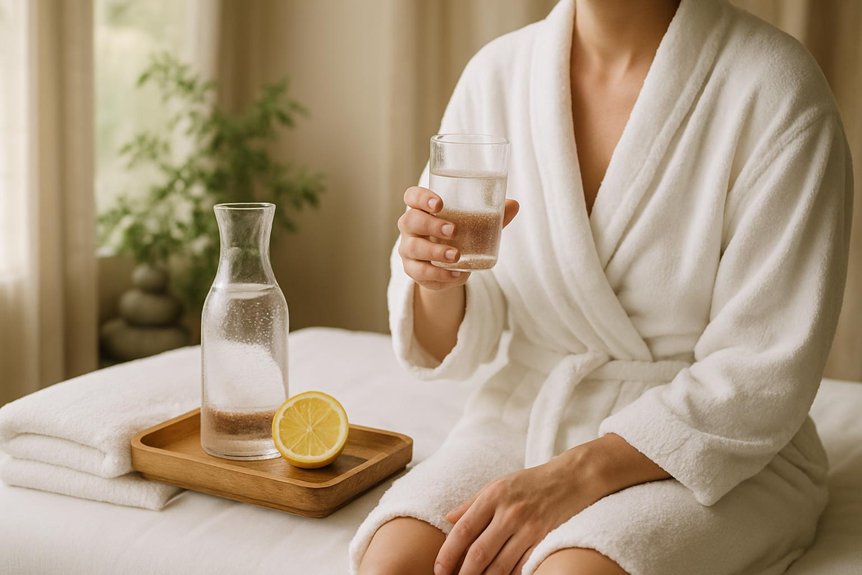
Following hands-on therapeutic intervention, optimising recovery and maintaining muscle health require structured aftercare strategies. Spa & Massage therapists recommend a multifaceted approach: gentle stretching, targeted hydration, and rest are fundamental for tissue repair.
Application of specific massage oils, chosen for their anti-inflammatory and soothing properties, may further alleviate residual discomfort. Clients are advised to monitor for delayed onset muscle soreness and adjust activity levels accordingly.
Controlled use of deep muscle massage guns can complement manual therapy, provided intensity and duration are suited to individual tolerance.
In practice, therapists at Spa & Massage tailor aftercare guidance, ensuring recommendations align with client goals, physical condition, and lifestyle. This personalised methodology enhances therapeutic outcomes, fostering ongoing muscle resilience and a sense of intimate body awareness.
Conclusion
In the landscape of muscular health, deep muscle massage guns represent a modern compass—guiding users toward relief, yet not replacing the seasoned navigator: the trained therapist. Evidence suggests these devices can alleviate superficial tension and support home care, but their reach is limited relative to hands-on expertise. Ultimately, integrating massage guns as supplementary tools, rather than substitutes, ensures one’s journey toward muscular well-being remains on a course both effective and clinically sound.