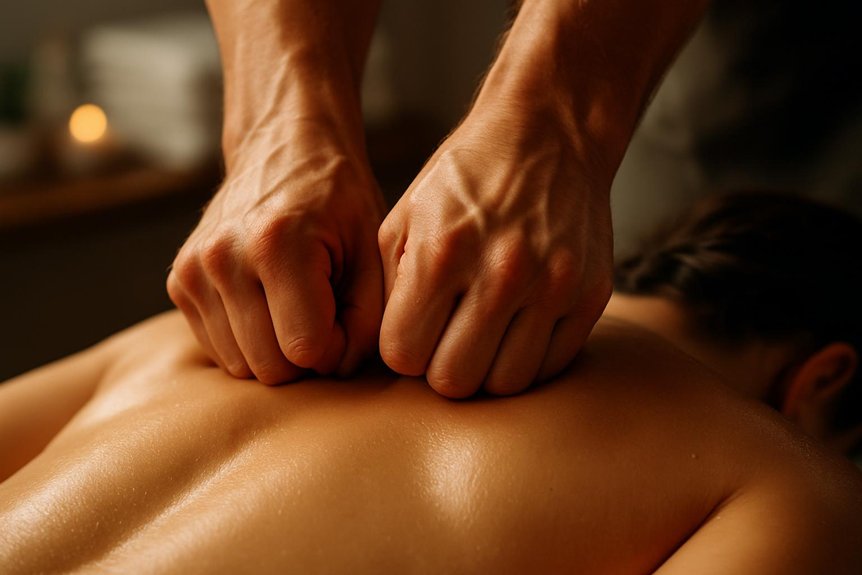
Intensive tissue massage uses targeted, sustained pressure to release myofascial trigger points—commonly called muscle knots—by breaking down adhesions and improving tissue pliability. These techniques enhance circulation, oxygenation, and waste removal in affected muscles, resulting in reduced discomfort and greater mobility. While acute knots often respond within a few sessions, chronic or deeply rooted adhesions may require an individualized, ongoing therapy plan. Detailed insights into session structure, therapist technique, and ideal long-term care are available below.
Understanding Muscle Knots: What Are They?
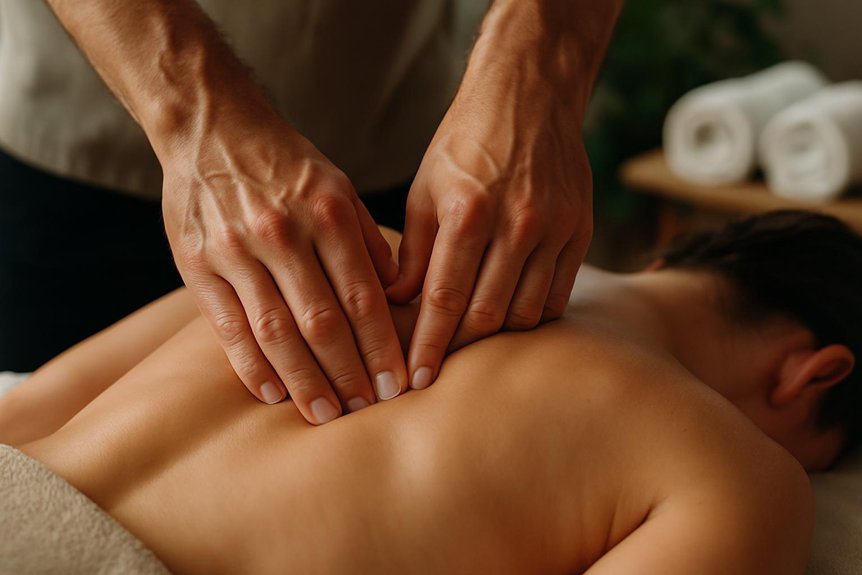
Although commonly referred to as “muscle knots,” these areas are technically known as myofascial trigger points—localized, hyperirritable spots within taut bands of skeletal muscle fibers.
Trigger points often develop due to repetitive strain, postural imbalances, or acute muscle overload, and can cause discomfort, restricted movement, or referred pain that radiates beyond the immediate area.
At Spa & Massage, therapists frequently encounter clients who describe sensations of tightness, tenderness, or dull aching linked to these nodules.
Research indicates that myofascial trigger points disrupt normal muscle function, heightening sensitivity and reducing flexibility.
By understanding the physiological basis of muscle knots, individuals are better equipped to recognize the early signs and seek personalised care.
This awareness enables a more empathetic, responsive approach to restoring comfort and mobility.
It is a beneficial technique commonly used by therapists to target and alleviate muscle knots by reaching deeper layers of muscle and connective tissue.
How Deep Tissue Massage Targets Knots
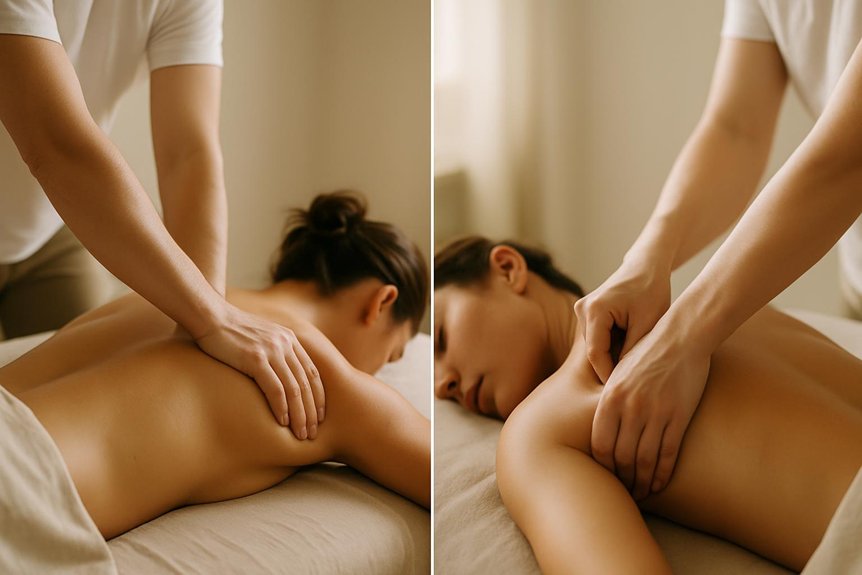
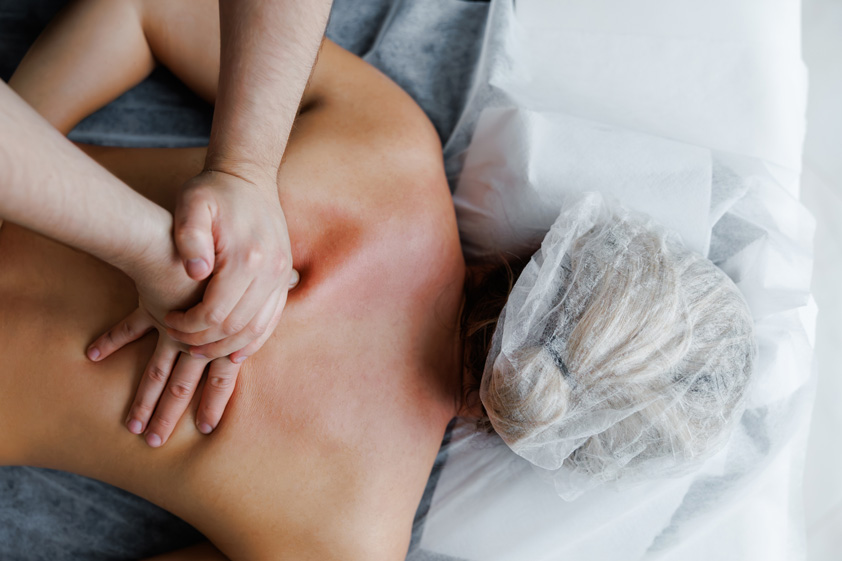
Precisely how does intensive tissue massage address stubborn muscle knots? It employs targeted pressure and slow, deliberate strokes to access the deeper layers of muscle fascia and connective tissue.
By applying sustained pressure, the massage disrupts the fibrous adhesions—often called “knots”—that restrict circulation and limit range of motion. This process encourages increased blood flow, oxygen delivery, and metabolic waste removal in affected tissues.
At Spa & Massage clinics, therapists carefully adjust pressure to each client’s comfort, respecting individual sensitivity while ensuring effective release of tension.
Through this evidence-based approach, it is not only reduces pain and muscle tightness, but also fosters a profound sense of relief and connection, helping clients feel more at ease within their own bodies.
Techniques Used by Our Therapists for Effective Relief
Building on the understanding of how intensive tissue massage alleviates muscle knots, the effectiveness of this therapy at Spa & Massage clinics is rooted in the specific techniques employed by experienced therapists. These professionals utilise slow, sustained pressure and precision targeting of adhesions, allowing for the release of chronic tension within deeper muscle layers.
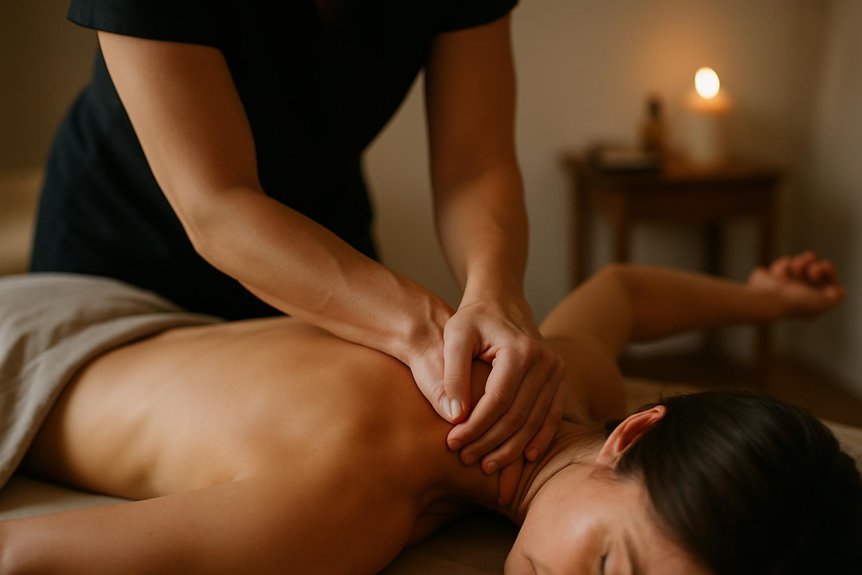
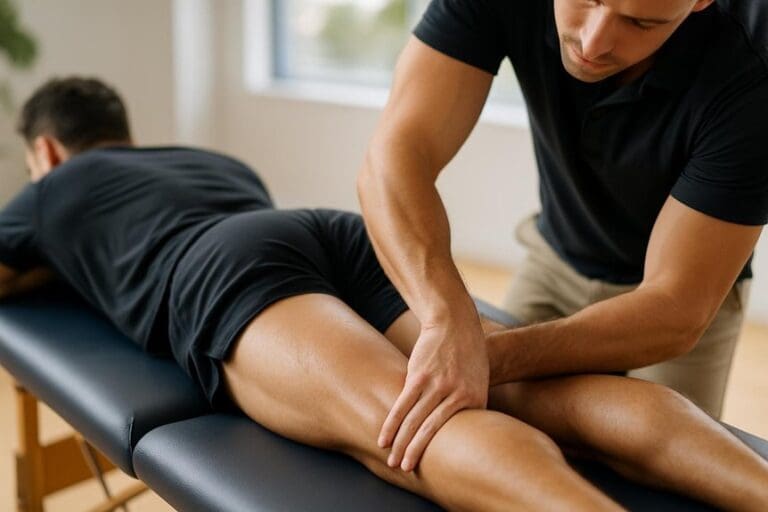
Techniques such as myofascial release, cross-fibre friction, and deep longitudinal gliding are frequently applied to disrupt the fibrous tissue that forms knots. Therapists adapt their approach based on palpatory feedback and client response, ensuring focused, personalised care.
The integration of warmed massage oils aids tissue pliability and comfort, enhancing relaxation. Through these carefully honed methods, clients experience not only relief from discomfort but also a sense of profound therapeutic connection and trust.
What to Expect During and After Your Session
During an intensive tissue massage session at Spa & Massage, clients can anticipate a structured approach that integrates targeted manual techniques designed to address specific musculoskeletal concerns.
It is common to experience varying pressure and localized discomfort during the session, as therapists systematically work through areas of tension.
Post-massage, transient soreness or mild fatigue may occur, reflecting the body’s physiological response to therapeutic intervention.
Session Flow and Techniques
How does a typical intensive tissue massage session unfold at Spa & Massage clinics? Each session begins with a confidential consultation, allowing therapists to assess the client’s needs, medical history, and areas of tension.
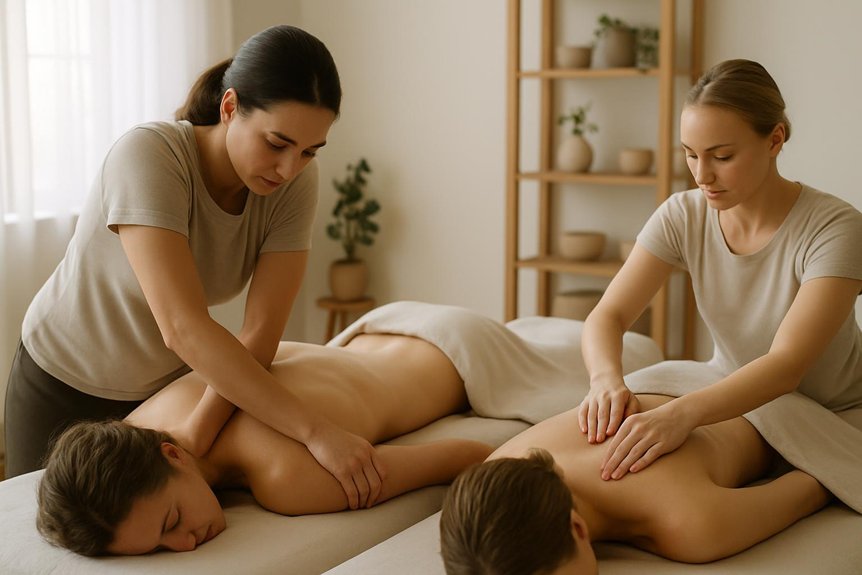
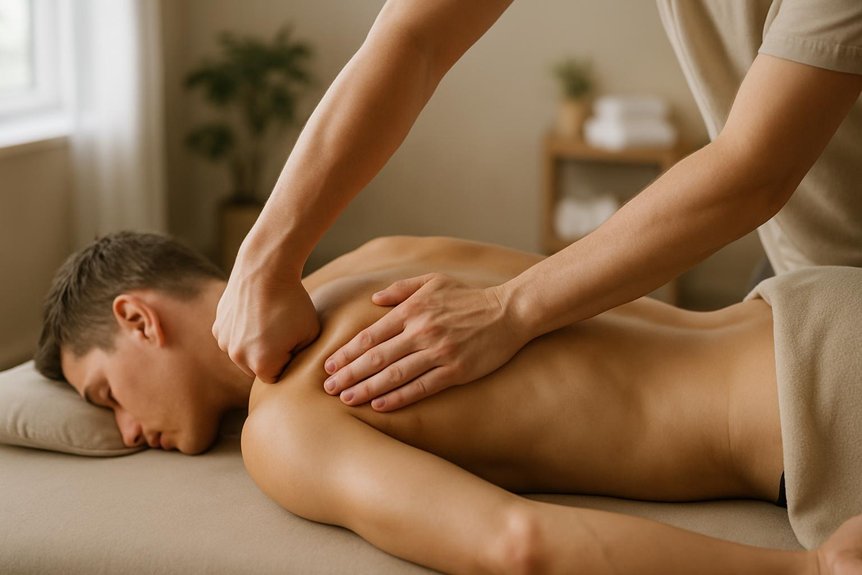
After settling into a tranquil treatment room, clients are positioned comfortably, often with supportive bolsters. Therapists employ slow, deliberate strokes and focused pressure using fingers, knuckles, elbows, and forearms to target myofascial adhesions and muscular knots.
Techniques such as stripping, friction, and sustained compression are applied to facilitate tissue release and enhance circulation. Throughout the session, communication is encouraged to ensure ideal comfort and pressure.
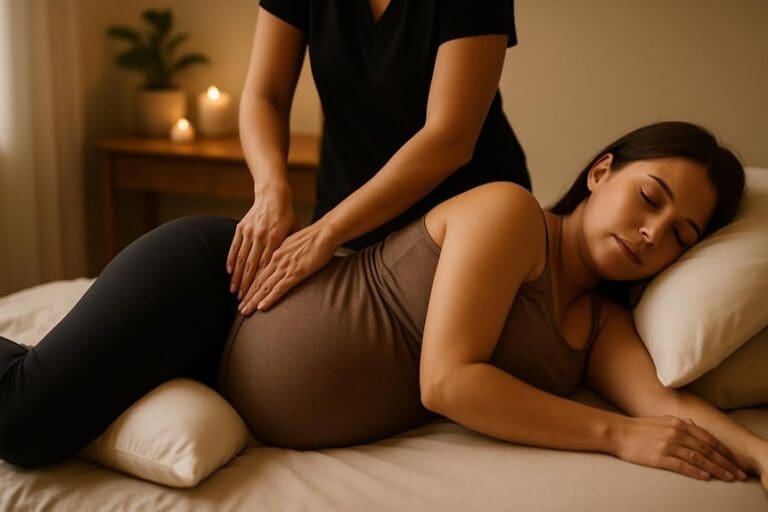
Spa & Massage therapists prioritise both therapeutic efficacy and a nurturing environment, fostering a sense of safety, relaxation, and deep trust throughout the treatment experience.
Post-Massage Sensations Explained
Following an intensive tissue massage at Spa & Massage clinics, clients typically experience a range of physiological and sensory responses directly related to the manipulation of deeper muscle layers and connective tissues.
Common sensations include localized tenderness, mild soreness, or a “worked” feeling in areas targeted during the session. These effects are a natural outcome of increased circulation, myofascial release, and the breakdown of adhesions.
Some clients notice a sense of lightness or improved mobility, while others report transient fatigue as the body integrates therapeutic changes. Therapists at Spa & Massage advise gentle hydration and rest post-session to facilitate ideal recovery.
Subtle warmth or flushing may occur as vascular perfusion improves. These responses generally subside within 24–48 hours, revealing lasting relaxation and enhanced muscular function.
How Many Sessions Are Needed to Address Knots?
The number of intensive tissue massage sessions required to address muscle knots varies based on the severity of the adhesions, the individual’s tissue healing response, and ongoing muscular habits.
At Spa & Massage, therapists conduct a thorough assessment and develop a personalised treatment plan to optimise outcomes for each client.
Evidence indicates that chronic or deep-seated knots may necessitate multiple sessions for sustained relief and functional improvement.
Severity of Muscle Knots
Because the severity of muscle knots varies greatly among individuals, determining the necessary number of intensive tissue massage sessions requires a tailored assessment by an experienced therapist.
At Spa & Massage, therapists evaluate each client’s myofascial restrictions, the chronicity of trigger points, and the depth of muscular tension.
Mild knots may respond within one or two sessions, while chronic or deeply entrenched adhesions typically require a structured series of treatments.
Therapists monitor changes in tissue pliability, pain referral patterns, and functional mobility to guide session frequency.
The therapeutic process is collaborative, ensuring clients’ comfort and progress are prioritized.
Recommendations often include targeted aftercare, such as specific stretches or hydrotherapy, to optimize outcomes between sessions.
This individualized approach fosters trust and supports clients’ unique journeys toward muscular relief.
Individual Healing Response
How do individual physiological differences influence the number of intensive tissue massage sessions required to resolve muscle knots? The healing response to intensive tissue massage is inherently personal, shaped by factors such as age, tissue elasticity, circulation, underlying health conditions, and prior injury history.
At Spa & Massage, therapists observe that some clients experience relief after a single session, while others require a series of treatments to achieve *ideal* muscle release.
The chronicity of knots, stress levels, and commitment to recommended self-care—such as stretching or hydrotherapy—also play significant roles.
Recognizing these variables allows therapists to tailor approaches for each client’s unique needs and comfort. This individualized attention fosters a sense of trust, ensuring that each step of the healing process feels attentive and genuinely supportive.
Therapist Treatment Plan
Building on the understanding that each individual’s healing response is unique, Spa & Massage therapists develop personalised treatment plans to address muscle knots effectively.
The required number of intensive tissue massage sessions depends on factors such as chronicity, severity, and the client’s overall musculoskeletal health.
Typically, acute knots may respond within one to three sessions, while chronic or deeply embedded adhesions might necessitate a structured series over several weeks.
Therapists at Spa & Massage conduct thorough assessments, monitoring tissue response after each session and adjusting frequency accordingly.
Recommendations may include adjunctive home care, such as targeted stretching or hydration strategies, to optimise outcomes.
Self-Care and Prevention Tips After Your Massage
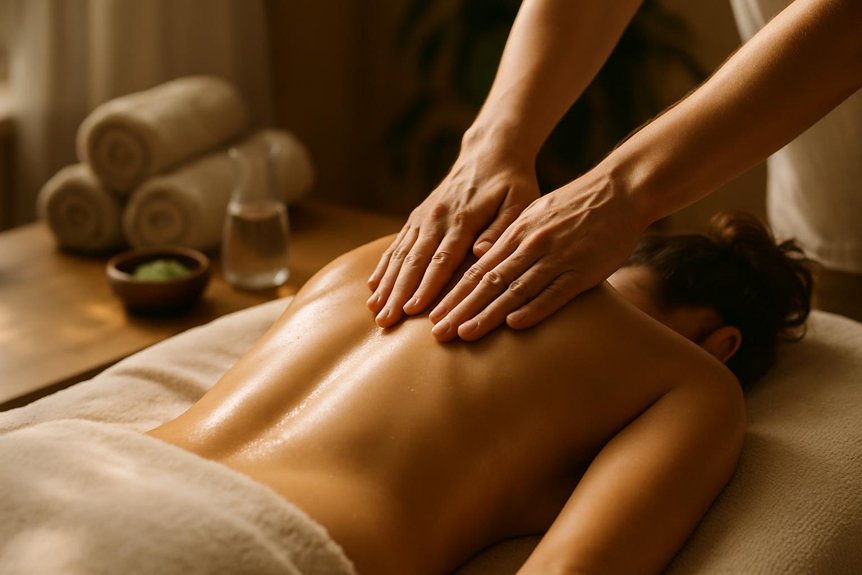
Following an intensive tissue massage, appropriate self-care and prevention strategies are essential to maximise therapeutic outcomes and support musculoskeletal recovery.
Spa & Massage therapists recommend maintaining ideal hydration to facilitate metabolic waste removal and tissue repair.
Gentle mobility exercises and targeted stretching, as advised by the therapist, help sustain improved muscle length and flexibility.
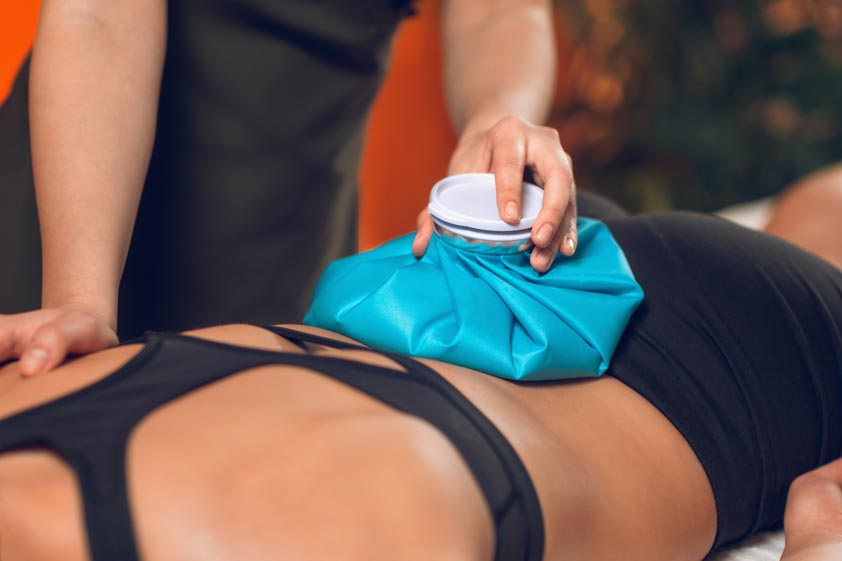
Application of heat or cold packs may be suggested to manage post-treatment tenderness and reduce inflammation.
Clients are encouraged to monitor their body’s response, avoiding strenuous activities for at least 24 hours.
Regular deep tissue sessions, complemented by ergonomic awareness and daily self-massage techniques, contribute to long-term relief from muscular adhesions.
In our clinics, self-care guidance is tailored, ensuring each individual feels supported in their ongoing wellness journey.
Conclusion
Like untangling a tightly wound rope, intensive tissue massage works to unravel the intricate knots within muscle fibers, offering both relief and renewed mobility. While clinical evidence supports its efficacy for myofascial trigger points, the journey to lasting comfort may require multiple sessions and ongoing self-care. Informed by therapist expertise and individualised treatment plans, clients can navigate their path to wellness, confident that professional guidance acts as both compass and anchor in their pursuit of muscular balance.