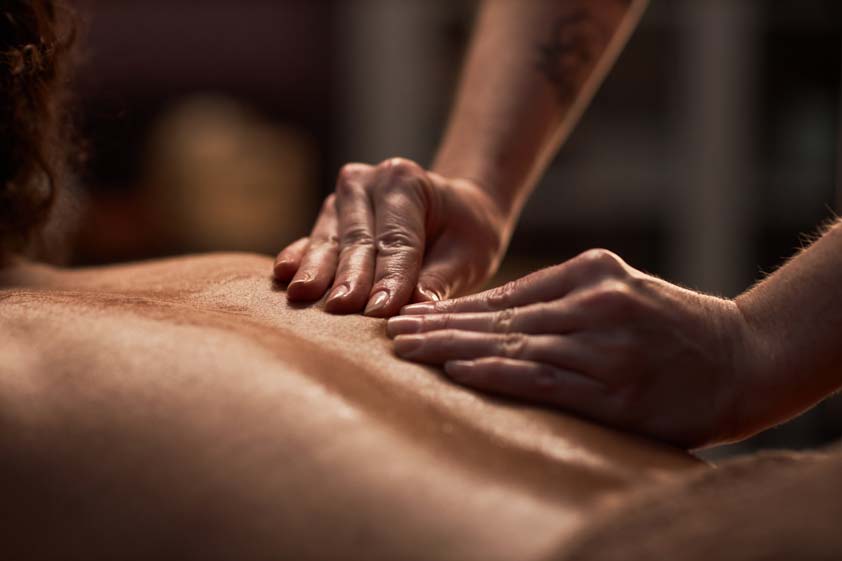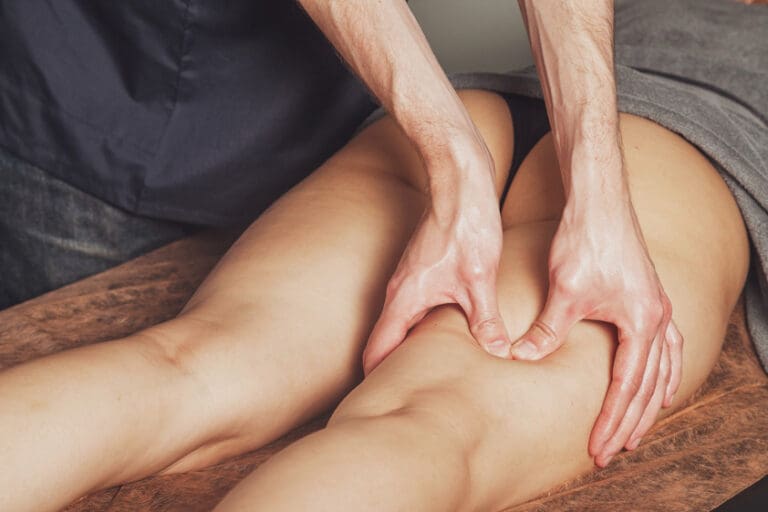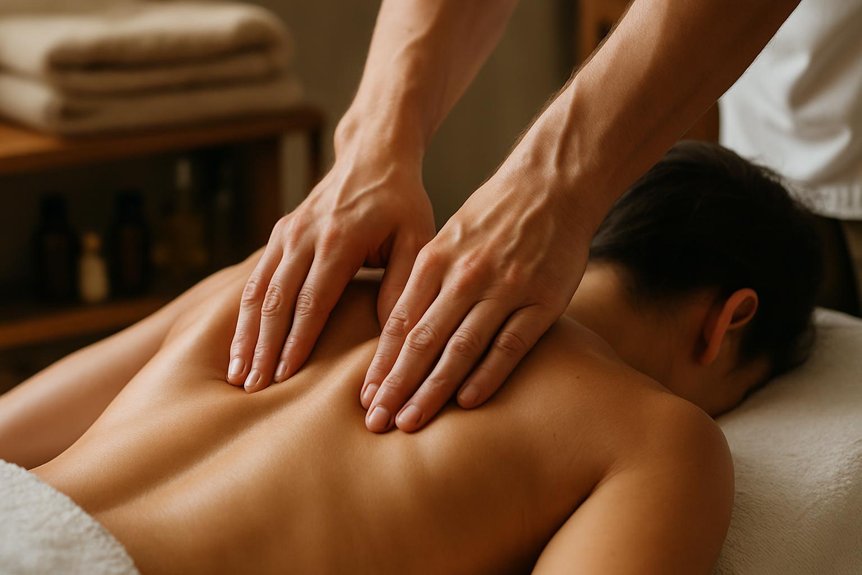
An intensive tissue massage is indicated for those experiencing chronic muscle tension, persistent soreness, or restricted mobility, especially in areas like the neck, shoulders, back, or legs. This technique utilizes sustained, focused pressure to target deeper muscle and connective tissue layers, aiding recovery from repetitive strain, postural imbalances, or muscular knots. Not suitable for everyone, such as individuals with recent injuries or certain medical conditions, its suitability requires careful consideration. More information on benefits, contraindications, and aftercare follows.
Understanding Massage Therapy
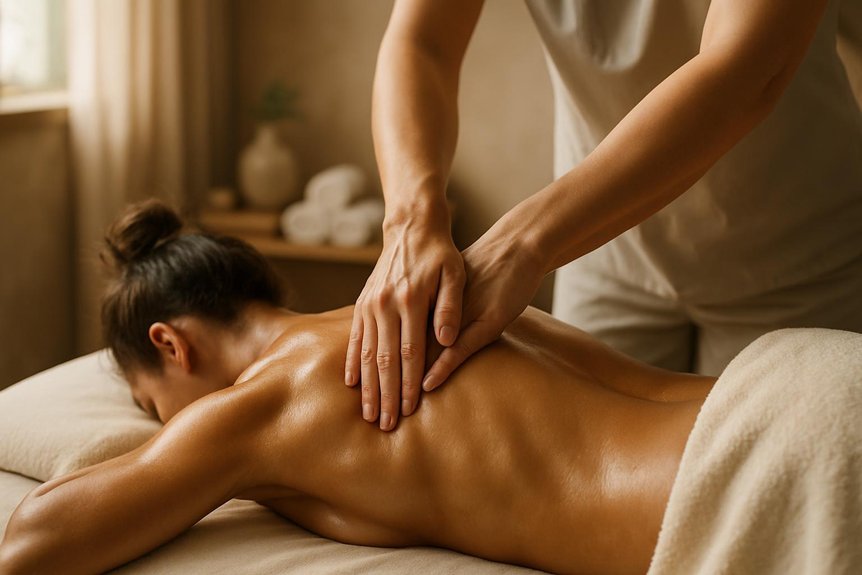
Although often associated with relief from chronic muscle tension, intensive tissue massage is a therapeutic technique that targets the deeper layers of muscle and connective tissue through firm, deliberate pressure.
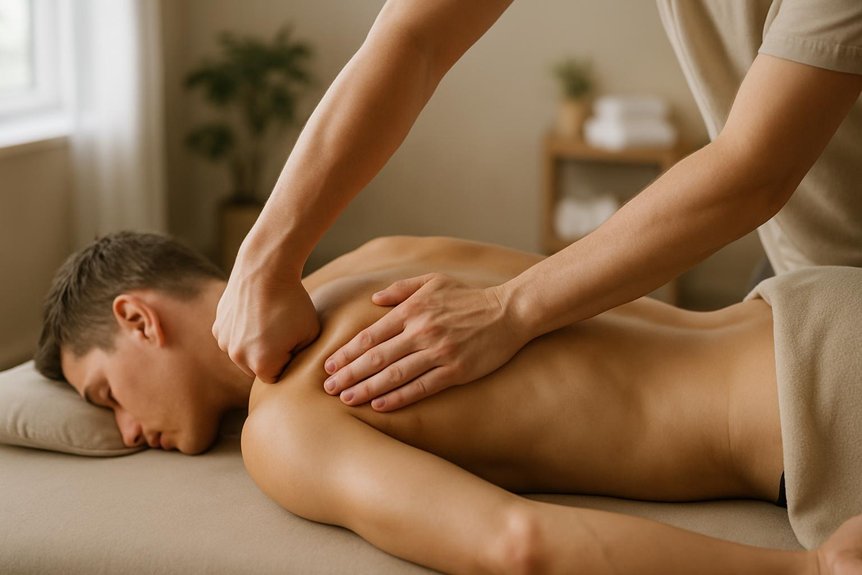
At Spa & Massage clinics, therapists employ slow, methodical strokes and focused pressure to address areas of persistent tightness and muscular adhesions. The primary objective is to facilitate the release of tension, enhance circulation, and promote the body’s natural healing processes.
Evidence supports that intensive tissue massage can aid in reducing inflammation, improving mobility, and fostering a profound sense of relaxation. Every session is tailored, ensuring the technique responds to the unique contours and sensitivities of each client.
This attentive, skilled approach nurtures both physical relief and a deeper connection to one’s own well-being. Studies have shown that intensive tissue massage benefits include not only muscle tension relief but also long-term improvements in circulation and mobility.
Common Signs You Might Benefit From Deep Tissue Massage
Persistent muscle tightness, recurring discomfort, and restricted mobility are indicators that may signal the need for an intensive tissue massage.
Individuals experiencing chronic tension, localised soreness, or muscle knots—particularly in the neck, shoulders, lower back, or legs—often find relief through targeted therapeutic work.
It is also recommended for those recovering from repetitive strain or postural imbalances related to sedentary lifestyles or athletic activity.
At Spa & Massage, therapists frequently observe that clients with ongoing stress, stiffness after exercise, or difficulty unwinding at the end of the day benefit considerably from this technique.
When daily routines are impacted by discomfort or flexibility is compromised, a professional assessment can determine if it offers an appropriate, restorative solution tailored to individual needs.
How It Differs From Other Techniques
Unlike lighter modalities such as Swedish or aromatherapy massage, it employs sustained, focused pressure to reach deeper layers of muscle and connective tissue. This technique is highly effective for addressing chronic tension, muscular adhesions, and areas of long-standing discomfort.
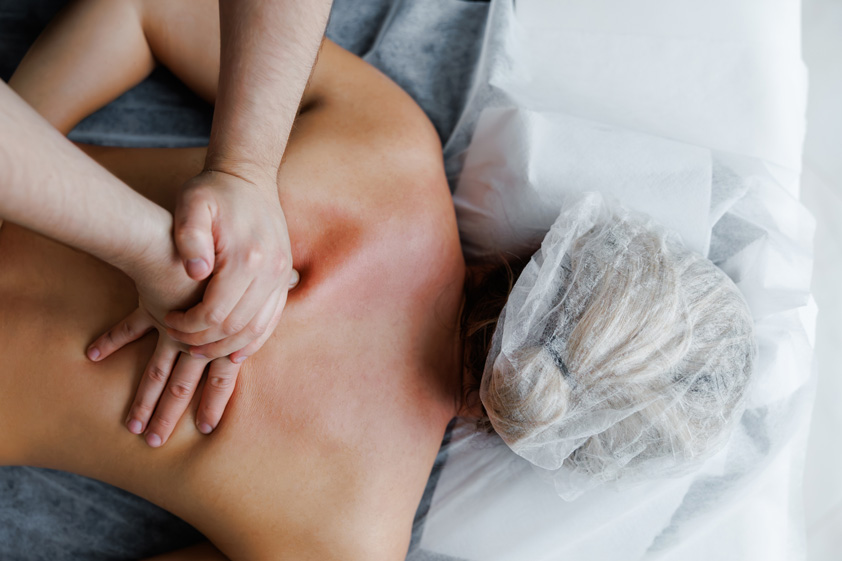
At Spa & Massage clinics, therapists are trained to differentiate between superficial relaxation and the specific manipulation required to release deep-seated restrictions. It often incorporates slow, deliberate strokes and advanced techniques such as myofascial release or trigger point therapy.
While Swedish massage primarily promotes relaxation and enhances circulation at the surface, deep tissue work aims to restore mobility, reduce pain, and facilitate recovery from repetitive strain.
This distinction allows clients to select treatments best aligned with their individual needs and wellness goals.
Who Should Avoid This Massage
Certain individuals should exercise caution or avoid this massage, particularly those with specific medical conditions, recent injuries, or post-surgical sites.
Additionally, pregnancy requires special consideration, as deep tissue techniques may not be appropriate in all stages.
At Spa & Massage, therapists conduct thorough consultations to guarantee each treatment is safe and suitable for every client’s unique circumstances.
Medical Conditions Requiring Caution
When considering this massage as a therapeutic option, it is essential to recognise that the technique may not be suitable for everyone. Individuals with certain medical conditions should exercise caution or consult their healthcare provider before seeking this form of treatment.
At Spa & Massage, therapists carefully assess clients for conditions such as blood clotting disorders, severe osteoporosis, or uncontrolled hypertension, as deep pressure may exacerbate symptoms or create additional risk.
Those with cardiovascular concerns or skin infections are also advised to avoid intensive tissue massage, as the intensity of the technique can interfere with underlying health issues.
Recent Injuries or Surgeries
Clients presenting with recent injuries or recovering from surgery require a tailored approach to massage therapy to confirm safety and promote ideal healing. Intensive tissue massage, while beneficial for chronic tension, may not be suitable during the acute or early recovery phase.
At Spa & Massage, therapists conduct thorough consultations to assess the status of injuries or post-surgical sites, considering factors such as inflammation, tissue integrity, and medical clearance.
Applying deep pressure to compromised tissues can exacerbate pain, disrupt healing, or increase the risk of complications.
Instead, gentle techniques or alternative therapies may be recommended until sufficient recovery has occurred.
Clients are encouraged to communicate openly about recent trauma or procedures, enabling therapists to create a customised treatment plan that prioritises safety and supports ideal long-term recovery.
Pregnancy Considerations
Intensive tissue massage involves intense pressure and manipulation of deeper muscle layers, which can lead to discomfort and potential risks for expecting mothers.
Clinical evidence suggests that such techniques may inadvertently stimulate sensitive areas or disrupt blood flow, particularly during the first trimester.
At Spa & Massage, therapists follow best practices by recommending gentler approaches, such as pregnancy massage, specifically tailored to the unique needs of pregnant clients.
These techniques prioritize comfort, safety, and emotional connection, using supportive positioning and lighter strokes.
Women experiencing high-risk pregnancies, preeclampsia, or complications should always consult their healthcare provider before seeking any form of massage.
The well-being of both mother and baby remains the utmost priority in every session.
What to Expect During Your Massage Session
Before an intensive tissue massage session at Spa & Massage, a thorough consultation is conducted to assess specific areas of tension, previous injuries, and individual health considerations. This guarantees the treatment is tailored to each individual’s needs and comfort level.
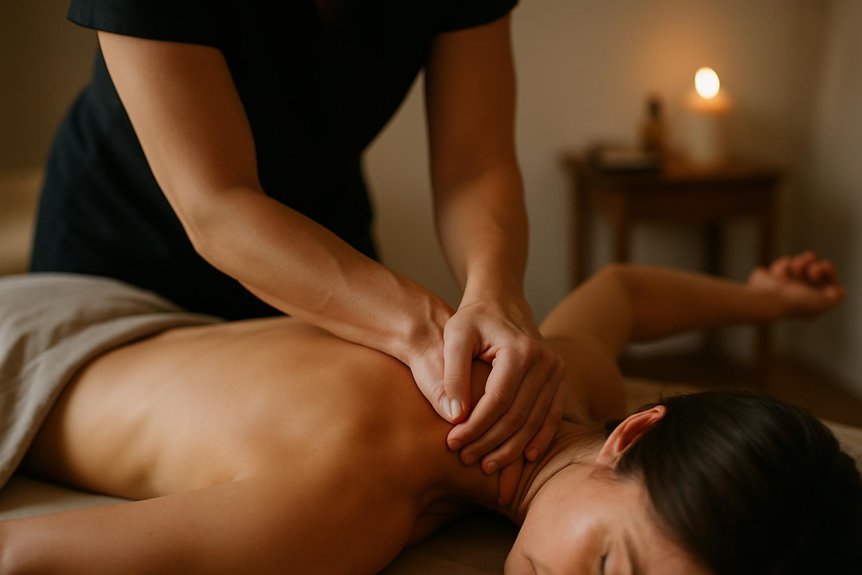
During the session, clients are guided to relax in a private, calming environment. Therapists at Spa & Massage use slow, deliberate strokes and focused pressure, often targeting deeper muscle layers and connective tissue.
Communication is encouraged throughout, allowing adjustments in technique to maximise therapeutic benefit while maintaining comfort. Some intensity or mild discomfort may be experienced as therapists address chronic tension, but pain should never be overwhelming.
Each aspect of the session is designed to promote a sense of trust, safety, and restorative relief.
Aftercare Tips for Intensive Tissue Massage
Following an intensive tissue massage, Spa & Massage therapists emphasize the importance of hydration and adequate rest to support ideal recovery.
Clients may experience mild soreness, which can be managed through gentle movement and self-care strategies recommended by our team.
Incorporating simple at-home practices further enhances the therapeutic benefits and promotes lasting relief.
Hydration and Rest Importance
How does proper aftercare enhance the benefits of intensive tissue massage? Spa & Massage emphasizes that hydration and rest are key components of post-massage care. Deep tissue techniques stimulate circulation and encourage the release of metabolic waste from muscle fibers.
Adequate water intake supports efficient elimination of these by-products, reducing the likelihood of residual fatigue. At Spa & Massage clinics, therapists routinely advise clients to increase fluid consumption immediately after treatment.
Rest is equally essential. Allowing the body a period of calm following a session enhances tissue repair and maximizes the therapeutic effects of the massage. Clients are encouraged to avoid strenuous activity and to listen to their body’s cues.
This mindful approach, promoted by Spa & Massage, cultivates deeper, longer-lasting relief and nurtures overall well-being.
Managing Post-Massage Soreness
Although intensive tissue massage offers substantial therapeutic benefits, some degree of post-massage soreness is common as muscle fibers adapt to the release of tension and metabolic waste.
At Spa & Massage, therapists educate clients that mild discomfort is a natural response, especially after targeted work on dense or chronically tight tissue.
Soreness typically resolves within 24 to 48 hours.
To support comfort, therapists recommend gentle movement and mindful awareness of the body’s signals, advising clients to avoid strenuous activity immediately following treatment.
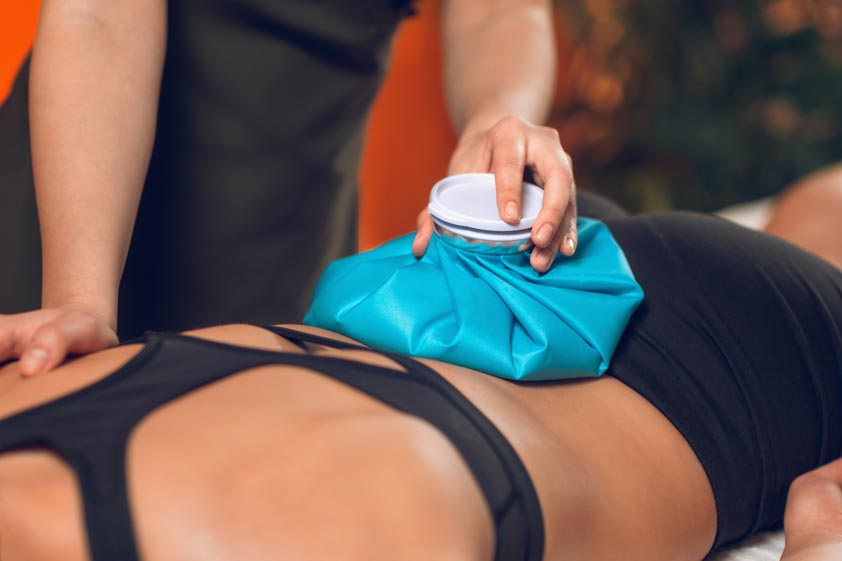
Applying a cool or warm compress to sensitive areas may alleviate residual tenderness.
Open communication is encouraged; clients can share their sensations during and after the session, allowing therapists to tailor future treatments, ensuring both safety and an ongoing sense of wellbeing.
Enhancing Recovery at Home
To maximise the therapeutic effects of intensive tissue massage, effective aftercare is essential for ideal recovery and sustained muscle health. Spa & Massage recommends clients remain well-hydrated post-treatment, as increased water intake supports metabolic waste removal from tissues.
Gentle stretching, as advised by therapists, helps maintain flexibility and prevents residual muscle tightness.
Applying a warm compress to affected areas may ease lingering tension and promote circulation, enhancing the massage’s benefits.
Rest is also crucial; allowing the body to integrate changes from deep tissue work aids in optimal recovery.
At Spa & Massage, therapists often provide tailored aftercare guidance based on individual needs, ensuring a nurturing experience continues beyond the clinic.
Consistent self-care between sessions fosters deeper, longer-lasting relief and encourages ongoing wellbeing.
Booking Your Intensive Tissue Massage at Spa & Massage
Booking an intensive tissue massage at Spa & Massage is a straightforward process designed to guarantee clients receive expert care tailored to their individual needs.
Clients may schedule appointments online or by phone, choosing from six convenient London locations. During booking, clients are encouraged to specify their primary areas of concern, allowing Spa & Massage therapists to customise each session for maximum therapeutic benefit.
Upon arrival, a brief consultation ensures a clear understanding of medical history and personal goals. The clinic’s tranquil environment and attentive staff foster a sense of comfort and trust.
Each therapist at Spa & Massage practices evidence-based techniques, ensuring a safe, effective experience.
Clients often report feeling physically revitalised and emotionally supported, reflecting the clinic’s commitment to holistic wellbeing.
Conclusion
In conclusion, intensive tissue massage serves as a skilled sculptor, precisely chiselling away at layers of tension to reveal improved mobility and relief beneath. Understanding the signs, benefits, and contraindications empowers individuals to make informed choices about their musculoskeletal health. With guidance from experienced therapists at Spa & Massage, those seeking targeted intervention can confidently integrate intensive tissue massage into their wellness regimen, ensuring each session is both therapeutic and tailored to their unique needs.