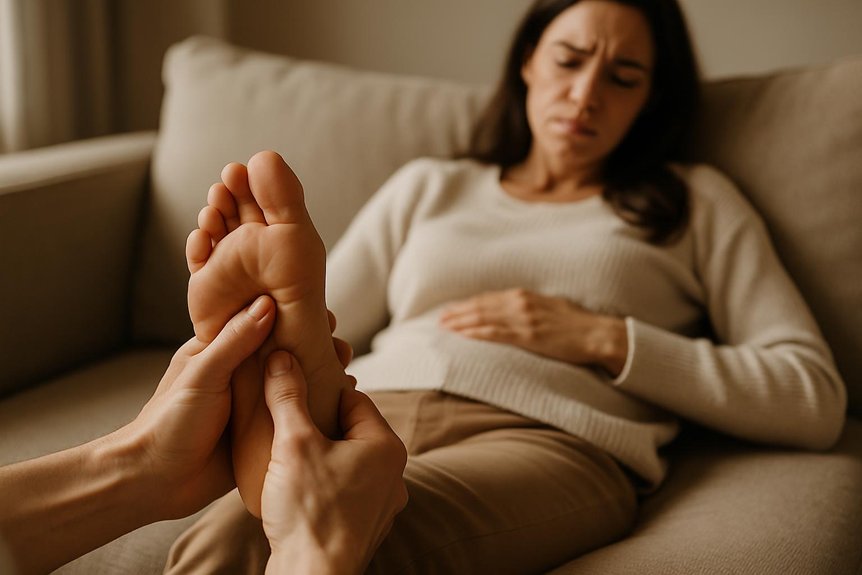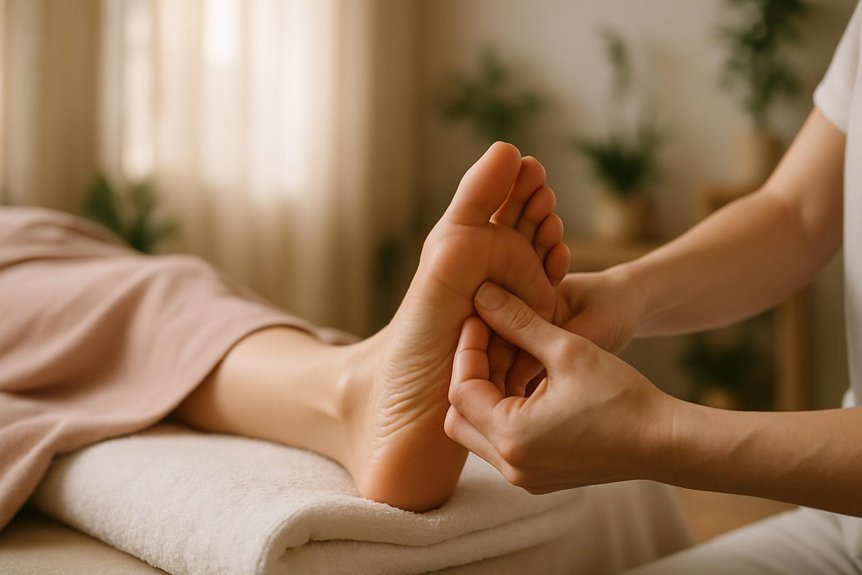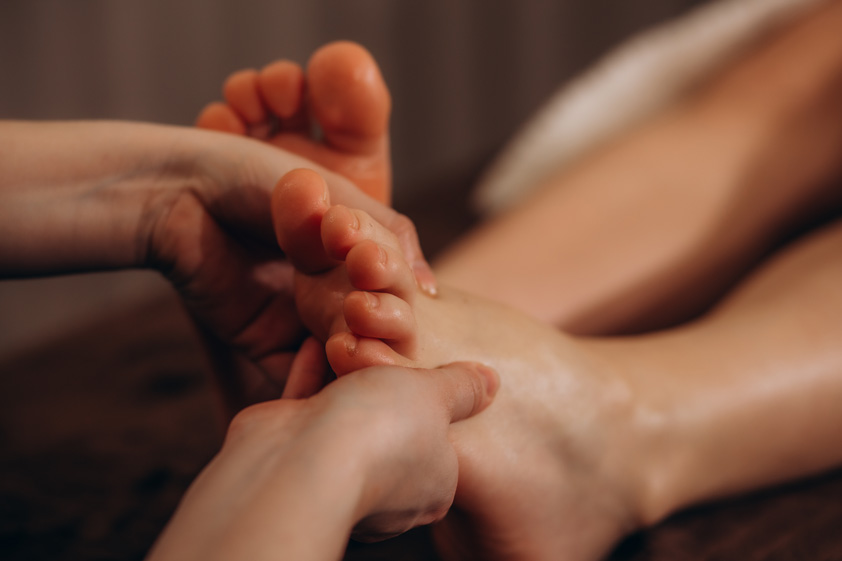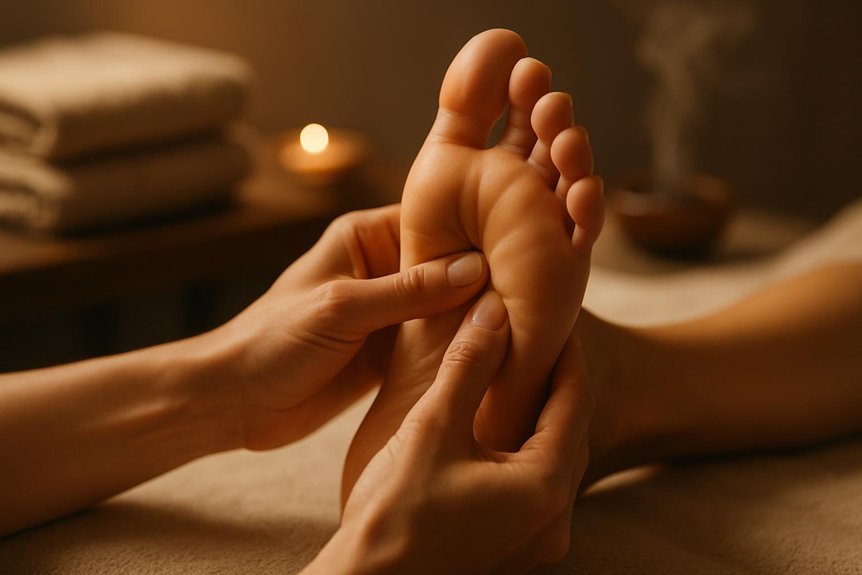
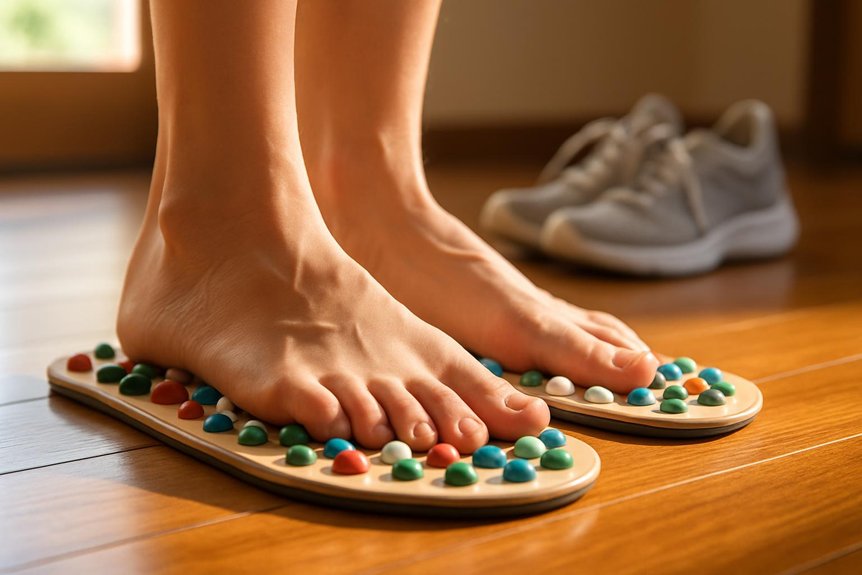
It insoles are designed to stimulate specific plantar reflex zones using textured surfaces, aiming to modulate neural pathways and promote relaxation. However, clinical studies show limited and inconclusive evidence regarding their effectiveness in relieving pain or improving physiologic outcomes. Their impact is primarily superficial, lacking the depth and adaptability found in professional manual reflex therapy. Those interested in the anatomical and physiological rationale or potential alternatives may gain additional insight by continuing with the material provided.
Understanding It and Its Principles
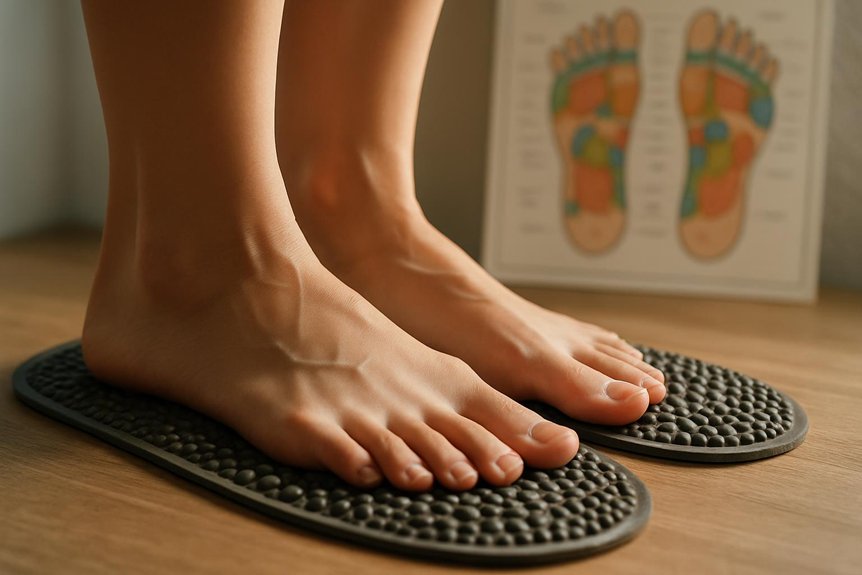
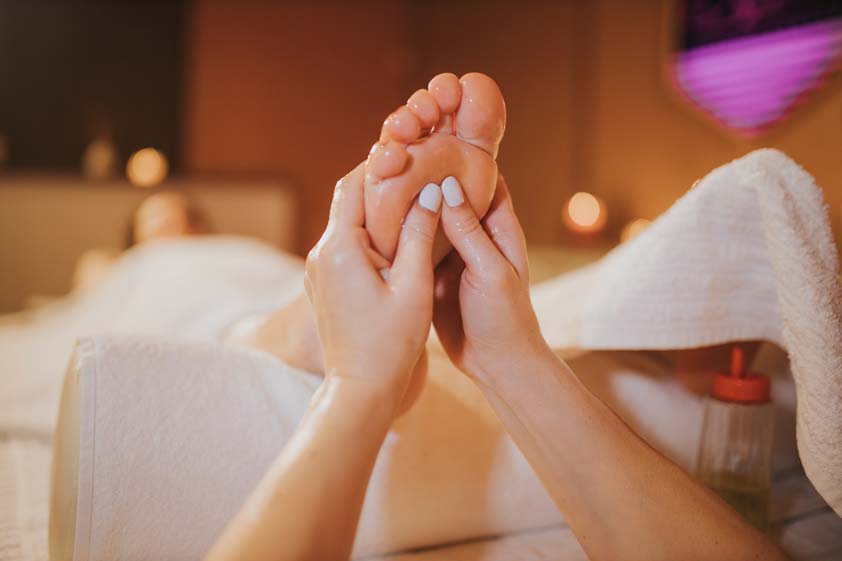
How does it exert its therapeutic effects? It is a manual therapy grounded in the concept that specific points on the feet, hands, and ears correspond to distinct anatomical regions and organ systems. Stimulation of these reflex zones is theorized to prompt physiological responses via neural pathways and microcirculatory mechanisms. Evidence suggests that targeted pressure may modulate autonomic nervous system activity, potentially reducing sympathetic arousal and promoting relaxation. At Spa & Massage, therapists use their anatomical knowledge to locate and apply precise pressure to these areas, aiming to relieve tension and enhance well-being. It’s effects are believed to arise from both local tissue changes and central nervous system modulation, supporting homeostasis. This method aligns with an integrative philosophy, encouraging clients’ physical and emotional balance through skilled, attentive touch. Many people have found that exploring the healing power of this massage therapy can provide them with noticeable benefits for stress reduction and overall wellness.
How Reflexology Insoles Are Designed to Work
It insoles are engineered with strategically positioned nodules or textured surfaces intended to stimulate specific plantar reflex zones. These zones correspond to various organ systems and anatomical regions.
The plantar surface of the foot houses numerous nerve endings. By applying targeted mechanical pressure through these nodules, the insoles aim to trigger neural pathways associated with relaxation and homeostasis.
This design draws from mapped zone therapy charts, which link discrete areas of the sole to organs such as the liver, kidneys, or lungs.
At Spa & Massage, therapists appreciate how anatomical targeting can encourage clients’ heightened body awareness and comfort.
While insoles cannot replicate the nuanced touch of a trained reflexologist, their structure is intended to deliver continuous, low-level stimulation throughout daily activities, supporting self-care between professional treatments.
Evidence and Research on This Therapy Insoles
To what extent do clinical trials and scientific reviews support the efficacy of this insoles? Evidence remains limited and inconclusive.
Most published studies employ small sample sizes, lack rigorous controls, or rely on subjective outcomes such as perceived pain reduction or relaxation.
Anatomically, it insoles are designed to stimulate specific plantar regions corresponding to organ systems, yet objective measurements—such as improved circulation or measurable reductions in musculoskeletal discomfort—are not consistently demonstrated in peer-reviewed trials.
Some users anecdotally report relief from plantar fasciitis or fatigue. However, systematic reviews suggest placebo effects may play a significant role in perceived benefits.
At Spa & Massage, the approach to holistic wellness prioritises interventions with robust clinical backing, ensuring clients receive therapies grounded in both anatomical understanding and credible evidence.
Comparing This Therapy Insoles to Professional Reflex Therapy Treatments
While zone therapy insoles deliver mechanical stimulation to predetermined plantar zones, professional zone therapy treatments involve targeted manual techniques applied by trained therapists who assess individual anatomical and physiological responses in real time. Insoles apply uniform pressure, primarily affecting superficial mechanoreceptors of the plantar fascia.
In contrast, manual zone therapy allows for nuanced palpation, rhythm adjustment, and modulation of force, facilitating engagement with deeper tissues and dynamic feedback from the client. This personalized approach enables therapists to identify subtle imbalances, areas of tension, or sensitivity, tailoring the intervention accordingly.
Clinical literature suggests that manual therapies can evoke parasympathetic responses, promote local circulation, and enhance relaxation through both tactile stimulation and therapeutic presence—outcomes difficult to replicate with insoles. Therefore, the physiological depth and adaptability of hands-on zone therapy remain distinct.
Recommendations From Our Therapists at Spa & Massage
Although zone therapy insoles may offer superficial stimulation to the plantar aspect of the foot, Spa & Massage therapists emphasize the importance of individualized assessment and manual intervention for peak therapeutic outcomes.
The nuanced palpation of intrinsic foot muscles, fascial layers, and specific reflex zones during a professional session allows for tailored pressure and adaptation to unique anatomical variations.
Therapists at Spa & Massage recommend in-person zone therapy or massage therapies, where adjustments are made according to each client’s needs, promoting ideal relaxation, circulation, and neuromuscular balance.
Evidence suggests that the dynamic feedback between client and practitioner enhances efficacy, which static insoles cannot replicate.
For those seeking holistic benefits and a deeply personalized experience, professional treatments are preferred over generic, mass-produced insole devices.
Conclusion
While zone therapy insoles may offer a stepping stone toward comfort, the scientific evidence supporting their efficacy remains limited when contrasted with professional zone therapy treatments. Like a map without a guide, insoles provide generalised pressure rather than the targeted manipulation of anatomical reflex points delivered by skilled therapists. For individuals seeking holistic wellbeing and precise neuromuscular stimulation, hands-on zone therapy in a clinical setting continues to hold the most robust anatomical and evidence-based merit.