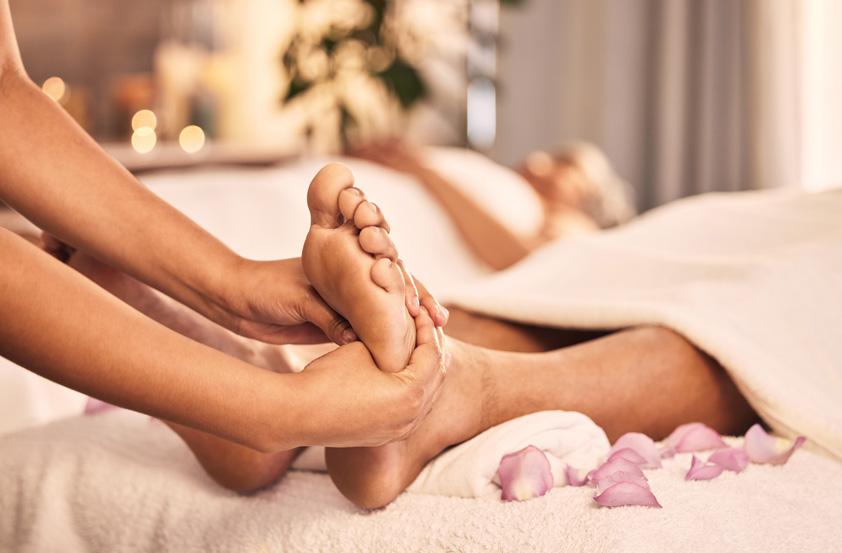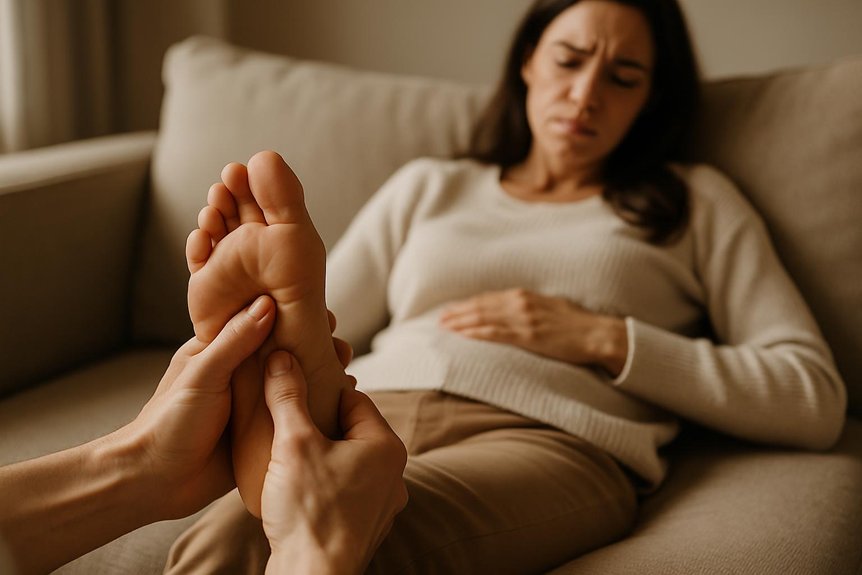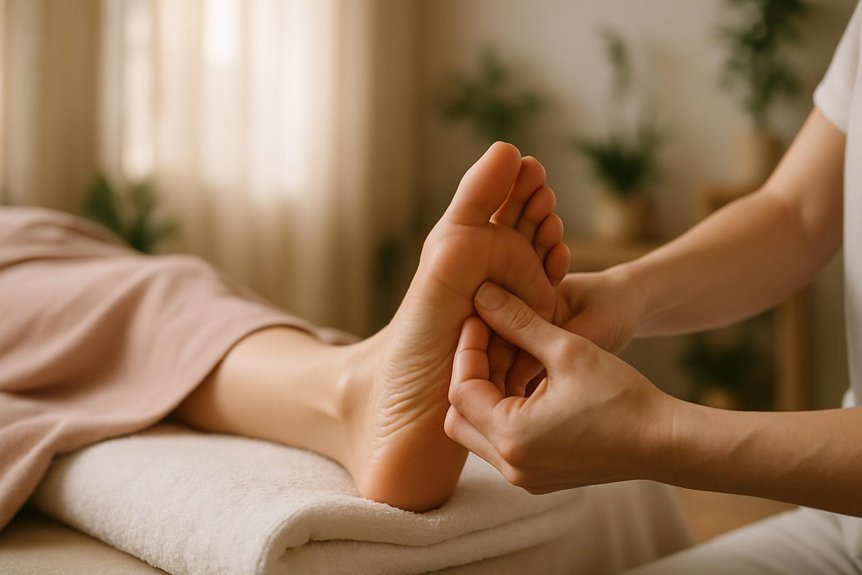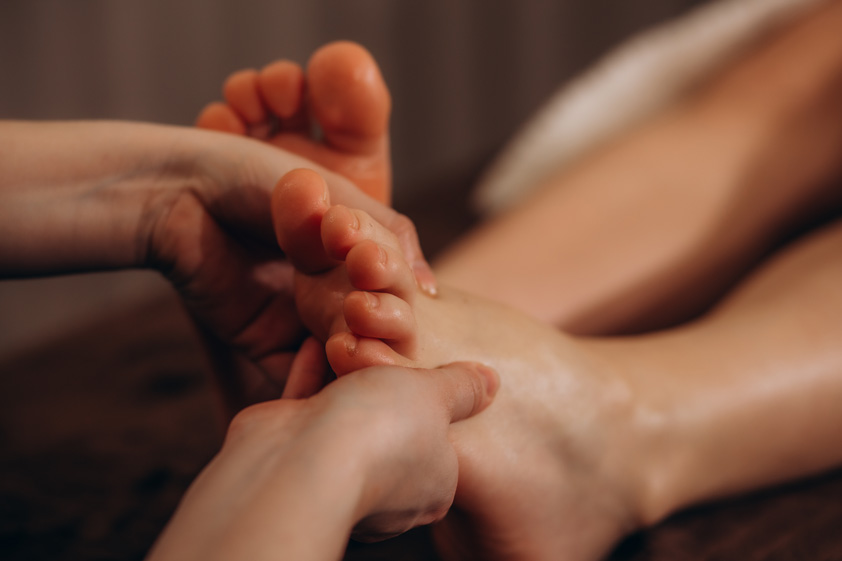
Facial reflex therapy utilizes targeted pressure on facial zones thought to correspond with internal organs and bodily systems, aiming to induce relaxation, reduce stress, and improve skin tone. Preliminary evidence suggests benefits relating to microcirculation, lymphatic flow, and autonomic nervous system modulation. However, robust scientific validation is limited, with most available data derived from small studies and anecdotal reports. Further knowledge on technique, scientific perspectives, and candidate suitability is available in subsequent information on this topic.
Understanding Facial Reflex Therapy
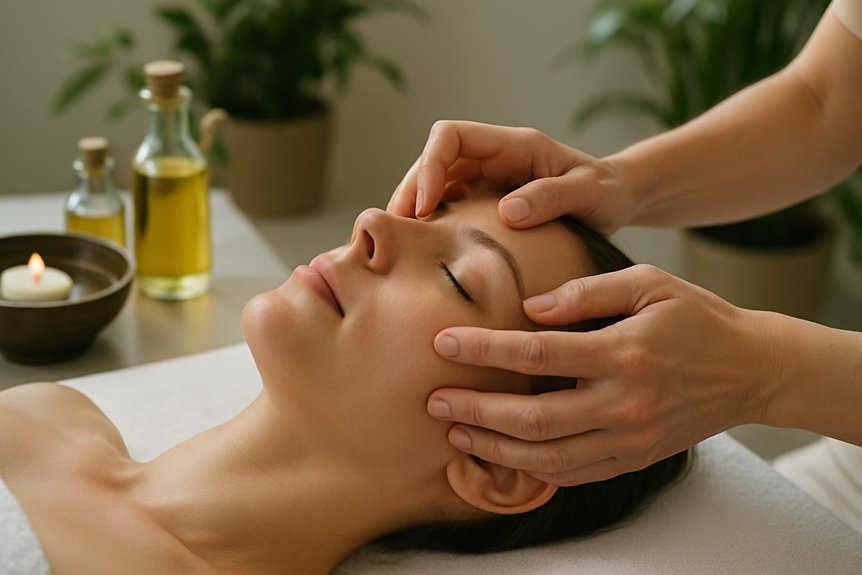
How does facial reflex therapy work to support holistic wellbeing? Facial reflex therapy is grounded in the principle that specific zones and points on the face correspond with internal organs and physiological systems. By applying targeted manual pressure to these facial reflex points, practitioners aim to stimulate the body’s neural pathways, encouraging homeostasis and self-regulation. This method promotes increased blood circulation, optimised lymphatic drainage, and the activation of the parasympathetic nervous system. Scientific literature suggests that such stimulation may foster stress reduction and enhance emotional equilibrium, contributing to an overall sense of wellness. At Spa & Massage, therapists integrate evidence-based facial reflex therapy protocols tailored to individual needs, facilitating a nurturing environment. This approach supports clients’ holistic health by addressing both physical and psychological dimensions through non-invasive, hands-on techniques. Reflexology is recognized for its healing power in supporting the body’s natural processes and encouraging overall wellbeing.
How Facial Reflex Therapy Is Performed
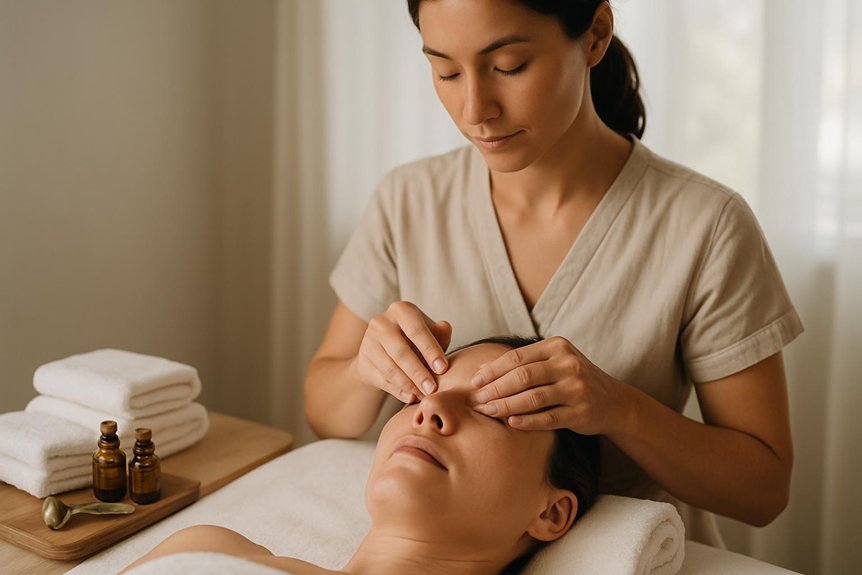
Building upon the foundational principles of facial reflex therapy, the procedure involves a systematic assessment and stimulation of specific reflex zones and points on the face. Skilled therapists first evaluate the client’s skin tone, muscle tension, and areas of sensitivity.
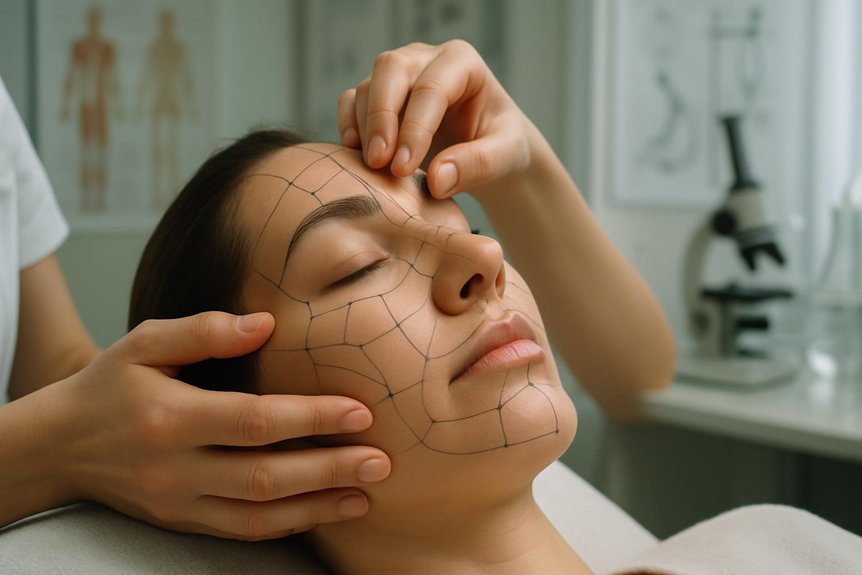
Using sustained pressure, gentle stroking, and circular motions, practitioners target predetermined reflex points, which correspond to organs and systems throughout the body according to reflex therapy maps.
At Spa & Massage clinics, therapists employ clean, hypoallergenic oils to facilitate smooth touch and reduce friction, enhancing comfort and precision during the session.
The sequence and duration of stimulation are tailored to individual needs, ensuring a personalised approach. This meticulous technique aims to foster relaxation while maintaining respect for the client’s boundaries and comfort at every stage.
Potential Benefits of Facial Reflex Therapy
Facial reflex therapy is associated with measurable outcomes such as stress reduction and physiological relaxation, attributed to the stimulation of specific facial zones.
Empirical observations suggest enhanced microcirculation, which may result in improved skin tone and a noticeable glow.
These effects align with the holistic approach employed by Spa & Massage, emphasizing both psychological and dermatological benefits for clients.
Stress Relief and Relaxation
Amidst daily stressors, individuals often seek therapeutic interventions that promote both physiological and psychological equilibrium. Facial reflex therapy, as practiced at Spa & Massage, targets specific reflex points on the face believed to correspond with various body systems.
Research suggests that stimulation of these points can activate the parasympathetic nervous system, thereby modulating stress responses and inducing relaxation. Clients frequently report a subjective reduction in anxiety and muscle tension following sessions.
Therapists at Spa & Massage employ gentle, rhythmic techniques that not only address facial musculature but also foster a sense of calm through tactile engagement. The tranquil environment and personalized approach further enhance the treatment’s soothing effect.
This combination of targeted touch and relaxation-focused methodology offers a restorative experience, potentially mitigating the impact of chronic stress.
Enhanced Circulation and Glow
A targeted stimulation of facial reflex points has been shown to promote microcirculation within the superficial and deeper layers of the skin. This physiological response enhances oxygen delivery and nutrient exchange, supporting cellular regeneration and optimising dermal health.
Clinical evidence indicates that improved microvascular flow can contribute to a more radiant complexion, often described as a natural “glow.”
In Spa & Massage clinics, therapists employ precise techniques to stimulate these reflex zones, aiming to facilitate capillary dilation and enhance lymphatic drainage. This process may assist in reducing facial puffiness and promoting a healthy, luminous appearance.
Clients frequently report a visible improvement in skin tone and texture post-treatment, reflecting the interplay between circulatory enhancement and overall skin importance, which aligns with holistic wellness principles.
Scientific Perspectives on Facial Reflex Therapy
Current scientific perspectives on facial reflex therapy focus on evaluating available evidence, examining proposed physiological mechanisms, and appraising potential health benefits.
Research studies have explored correlations between facial stimulation and autonomic nervous system modulation, as well as localized increases in circulation.
While some findings suggest positive outcomes, further rigorous clinical trials are necessary to substantiate these effects.
Evidence-Based Research Findings
Although facial reflex therapy is widely practiced in wellness settings, robust scientific investigation into its efficacy remains limited. The current body of research consists primarily of small-scale studies and anecdotal reports, with few rigorously designed randomized controlled trials.
Existing investigations suggest potential benefits in reducing perceived stress, promoting relaxation, and improving subjective well-being. However, methodological limitations—such as small sample sizes, lack of blinding, and short follow-up periods—restrict the generalizability of these findings.
Systematic reviews consistently call for more thorough research to establish standardized protocols and objectively measured outcomes. At Spa & Massage, therapists remain attentive to emerging evidence while focusing on client-centered care, understanding that individual responses to facial reflex therapy may vary.
Clients’ experiences are valued, yet scientific consensus remains forthcoming.
Physiological Mechanisms Explained
Emerging scientific perspectives propose that facial reflex therapy may exert its effects through the stimulation of cutaneous mechanoreceptors and underlying neural pathways. These mechanoreceptors, located within the skin, respond to gentle pressure and movement, transmitting signals via afferent nerves to the central nervous system.
This neural activity may influence autonomic balance, modulating physiological responses such as heart rate variability and stress hormone levels. Additionally, activation of facial nerves—particularly the trigeminal and facial nerves—can impact cranial nerve pathways, potentially affecting sensations of relaxation and well-being.
In Spa & Massage clinics, therapists employ precise techniques that are believed to maximise these neuromodulatory effects, supporting clients’ holistic experience. Such scientific understanding provides a foundation for appreciating how targeted facial stimulation may interact with the body’s broader neurophysiological systems.
Potential Health Benefits
How might facial reflex therapy contribute to health and well-being? Scientific perspectives suggest that facial reflex therapy may stimulate neural pathways and modulate autonomic nervous system activity.
Some studies propose that targeted pressure on facial zones can enhance microcirculation, support lymphatic drainage, and promote homeostasis. These effects may lead to reduced muscular tension, improved skin tone, and a sense of relaxation.
Preliminary evidence indicates potential benefits in managing stress, alleviating headache frequency, and enhancing overall mood. While robust, large-scale clinical trials remain limited, clients at Spa & Massage often report heightened relaxation and subjective improvements in sleep quality following facial reflex therapy sessions.
The integration of facial reflex therapy with other therapeutic modalities may further support individualised wellness goals, aligning with a holistic approach to client care.
What Clients Can Expect During a Session
During a typical facial reflex therapy session at Spa & Massage, clients undergo a systematic consultation process followed by a tailored treatment protocol. The initial assessment allows the therapist to understand individual concerns, medical history, and desired outcomes.
Therapists then employ precise palpation techniques to stimulate specific reflex zones on the face, aiming to influence corresponding organ systems via neural pathways. The environment is maintained with low lighting and calming ambience to promote relaxation and parasympathetic activation.
Sessions typically last 45 to 60 minutes, during which hypoallergenic oils may be used to enhance gliding movements and skin hydration. Communication is encouraged throughout, ensuring pressure and technique remain comfortable.
Many clients report a profound sense of calm and subtle physiological shifts as the session progresses.
Aftercare Recommendations for Optimal Results
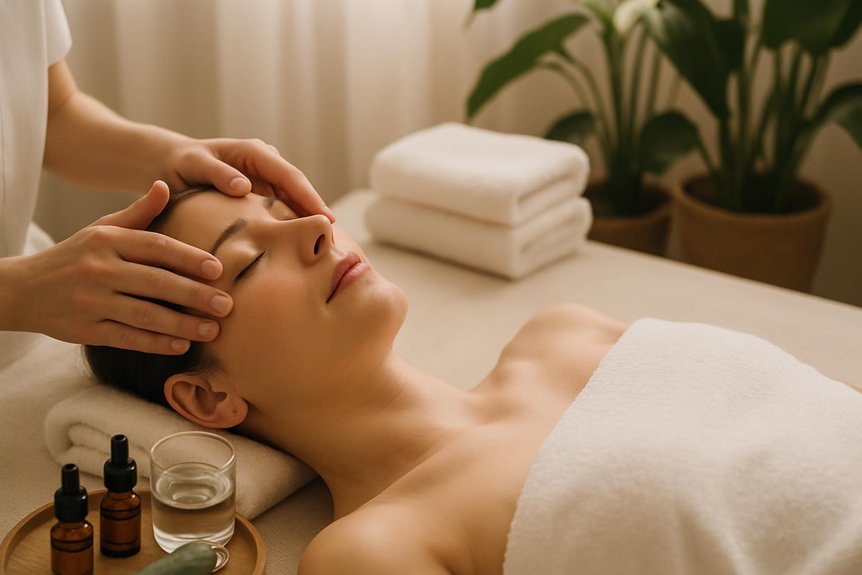
Following the completion of a facial reflex therapy session at Spa & Massage, specific aftercare measures are recommended to support ongoing therapeutic effects and enhance client wellbeing. Clients are advised to remain well hydrated, as increased lymphatic drainage and microcirculation may mobilise metabolic byproducts.
Gentle cleansing of the facial area is encouraged, avoiding harsh exfoliants or active skincare ingredients for at least 24 hours to minimise irritation.
Spa & Massage therapists recommend allowing natural oils to remain on the skin post-treatment to maximise nourishment and barrier repair.
Rest and mindfulness are promoted to extend the state of relaxation induced by the session.
Sun exposure and high-temperature environments, such as saunas, should be limited immediately after treatment to prevent potential dermal sensitivity and maintain ideal skin balance.
Who Can Benefit Most From Facial Reflex Therapy
A diverse range of individuals may experience significant benefits from facial reflex therapy, particularly those seeking to address stress-related symptoms, tension headaches, or disrupted sleep patterns. Empirical observations suggest that people experiencing chronic stress often report reduced anxiety and improved mood following regular sessions.
Individuals suffering from migraine or persistent headache may find the gentle pressure techniques helpful for alleviating cranial tension. Additionally, those with mild sleep disturbances may benefit from the relaxation response facilitated by targeted facial stimulation.
At Spa & Massage, therapists tailor each session to address specific client concerns, drawing on both anatomical knowledge and holistic principles. Individuals seeking non-pharmacological approaches to wellbeing or those sensitive to systemic treatments often express satisfaction with this gentle, yet methodical, intervention for enhancing daily resilience and emotional atmosphere.
Facial Reflex Therapy at Spa & Massage
Facial reflex therapy at Spa & Massage integrates established reflex therapy principles with precise facial mapping techniques to target specific reflex points corresponding to various bodily systems.
Therapists employ gentle, methodical stimulation of facial zones, utilizing both manual pressure and advanced palpation methods. This approach is designed to encourage homeostasis and optimize systemic function through neurovascular pathways.
At Spa & Massage, practitioners are trained to recognize subtle differences in skin texture and muscle tone, tailoring each session to the client’s physiological needs.
The environment is curated to promote relaxation, allowing for enhanced parasympathetic activity.
Evidence suggests that such targeted interventions may contribute to stress reduction, improved circulation, and a sense of holistic balance.
Clients are encouraged to communicate preferences, fostering an experience that is both therapeutic and deeply personal.
Conclusion
Facial reflex therapy, while rooted in holistic traditions, remains a field where scientific validation is still catching up with anecdotal acclaim. Like a bridge between ancient wisdom and modern wellness, this therapy offers potential benefits such as relaxation and improved circulation, but robust clinical evidence is limited. For clients at Spa & Massage, facial reflex therapy may serve as a valuable adjunct to well-being routines, provided expectations are grounded in both empirical findings and individualized therapeutic response.