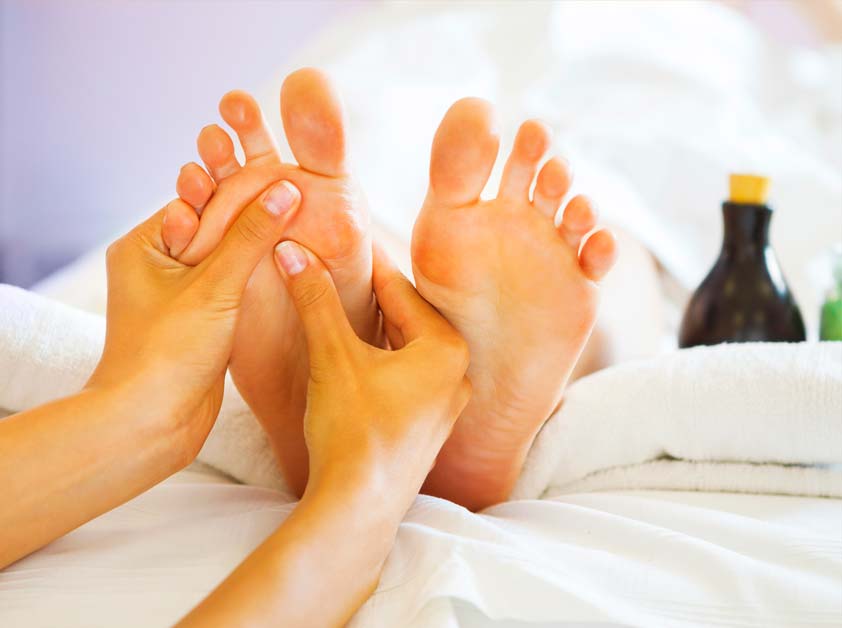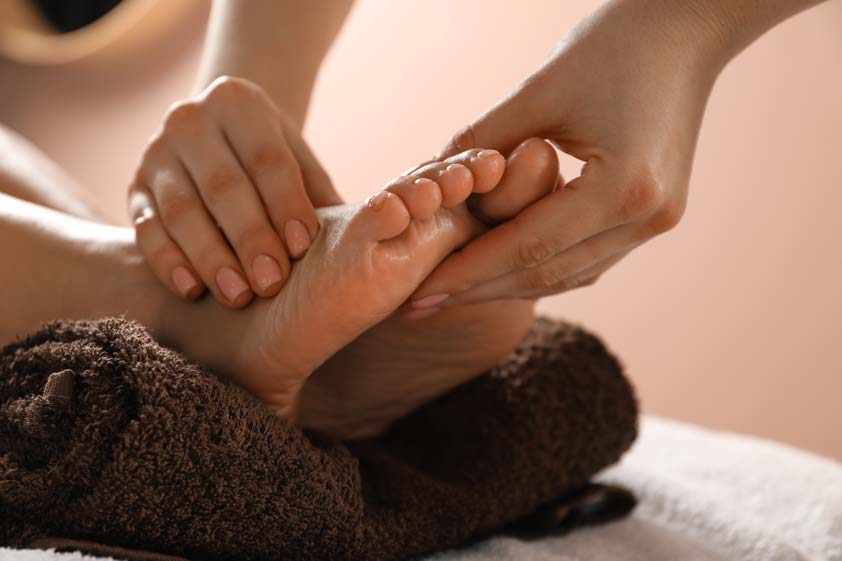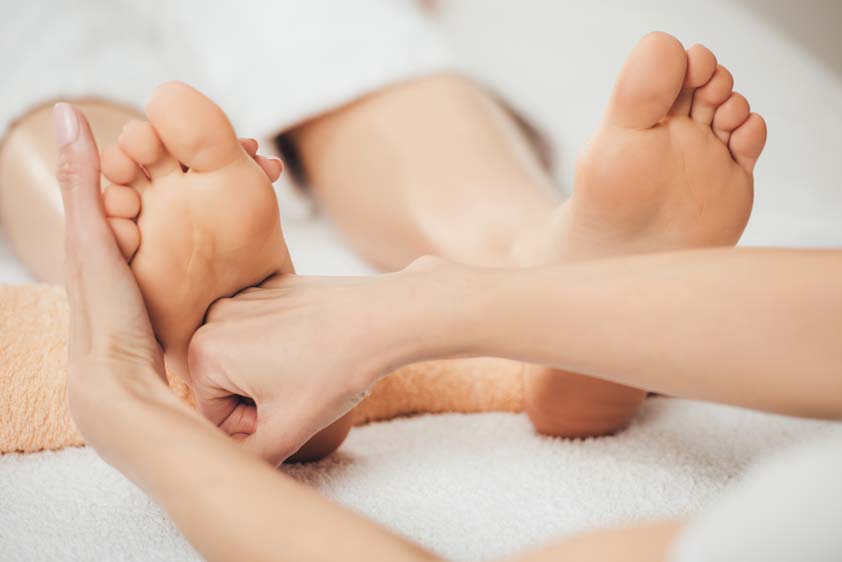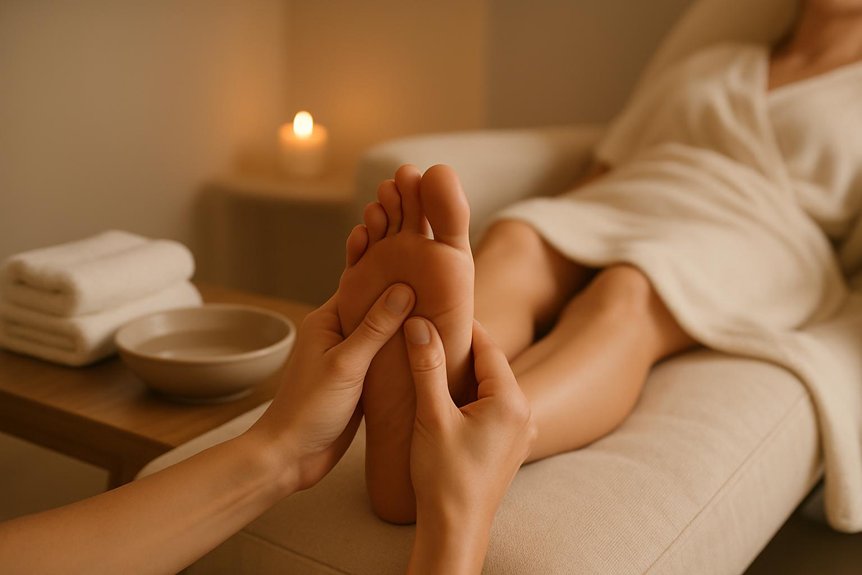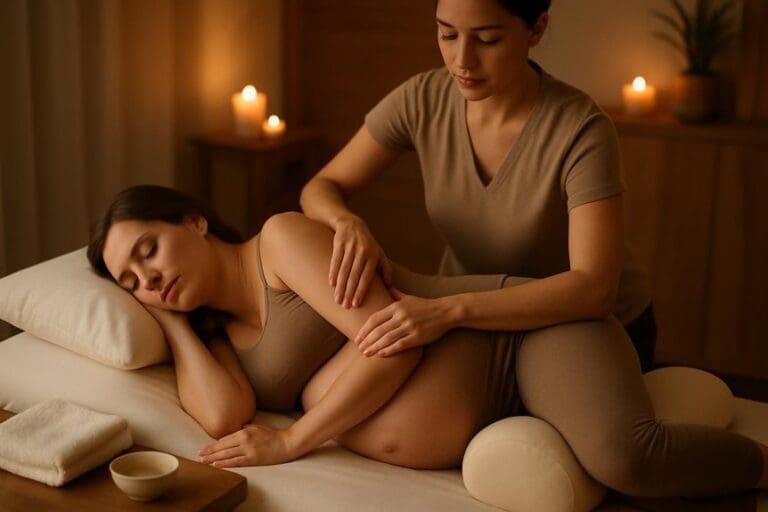
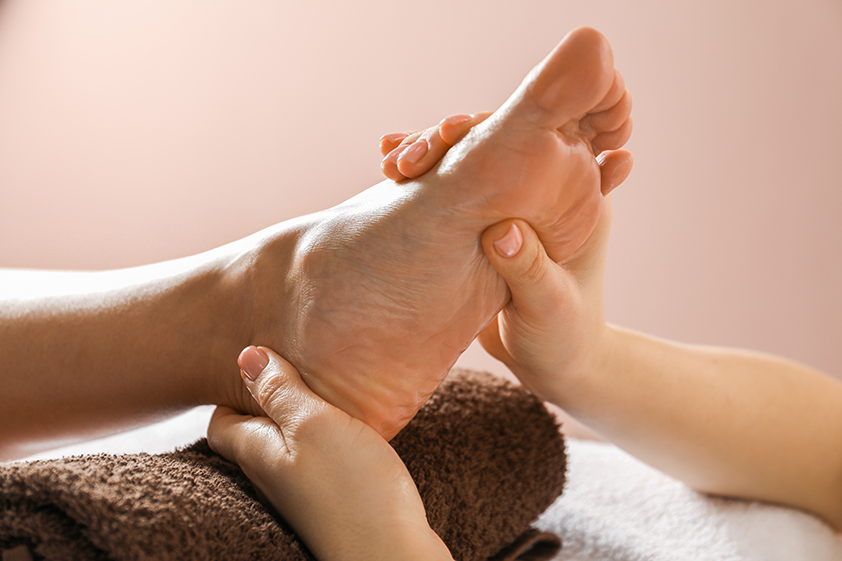
It is not typically painful, though some individuals may feel mild discomfort or sensitivity in certain areas, often reflecting underlying tension or stress. Most clients experience soothing sensations such as warmth, tingling, or gentle pressure. Therapists carefully adjust techniques based on personal feedback to guarantee comfort and relaxation. Open communication about sensitivity helps further minimize any discomfort during the session. Those wishing to understand why discomfort occurs and how therapists optimize comfort can find more detailed insights ahead.
Understanding the Sensations of Foot Reflexology
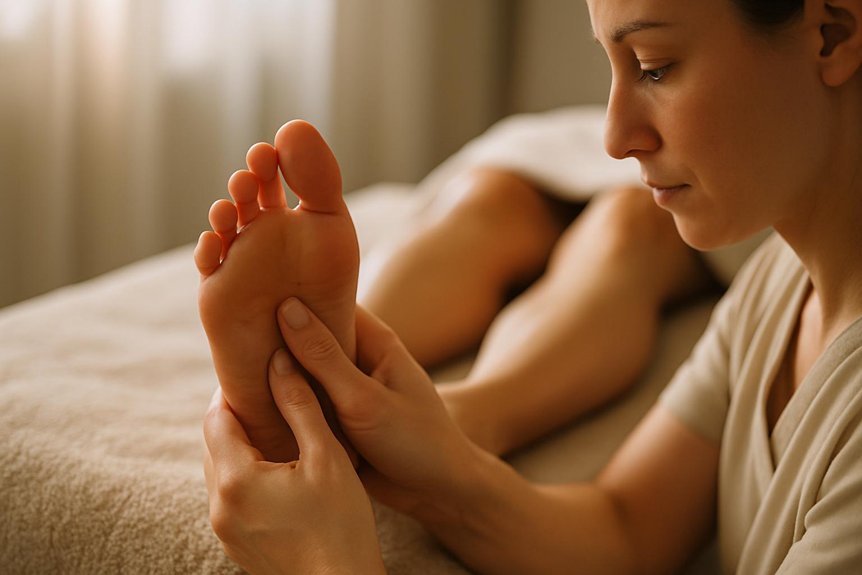
While each individual may experience foot pressure therapy differently, it is common to notice a range of sensations during a session. Some clients describe gentle warmth, tingling, or a subtle pressure as the therapist’s skilled hands work along the feet’s reflex points.
At Spa & Massage, therapists endeavor to ensure that these sensations are never overwhelming, instead fostering a soothing and attentive atmosphere. Occasionally, mild discomfort may arise when areas of tension or sensitivity are addressed, reflecting underlying imbalances.
However, this is typically brief and signals the body’s natural response to therapeutic touch. Most people find the experience deeply relaxing, accompanied by a sense of connection and care.
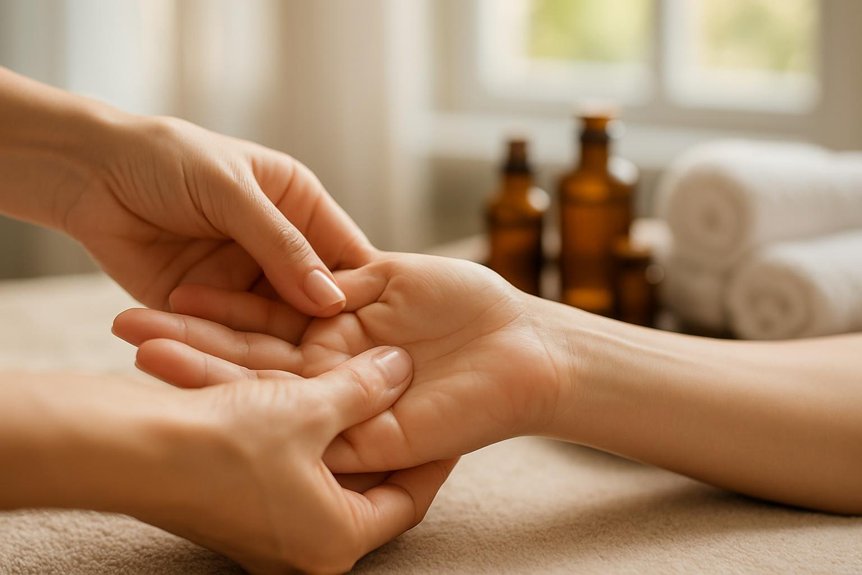
The goal is always to support comfort, mindful presence, and individual needs throughout every session. For those interested in further relaxation techniques, combining foot foot pressure therapy with aromatherapy massage can enhance the overall healing experience.
What to Expect During a Massage Session
During a session at Spa & Massage, clients can expect initial sensations that range from gentle pressure to mild discomfort, depending on individual sensitivity and specific reflex points.
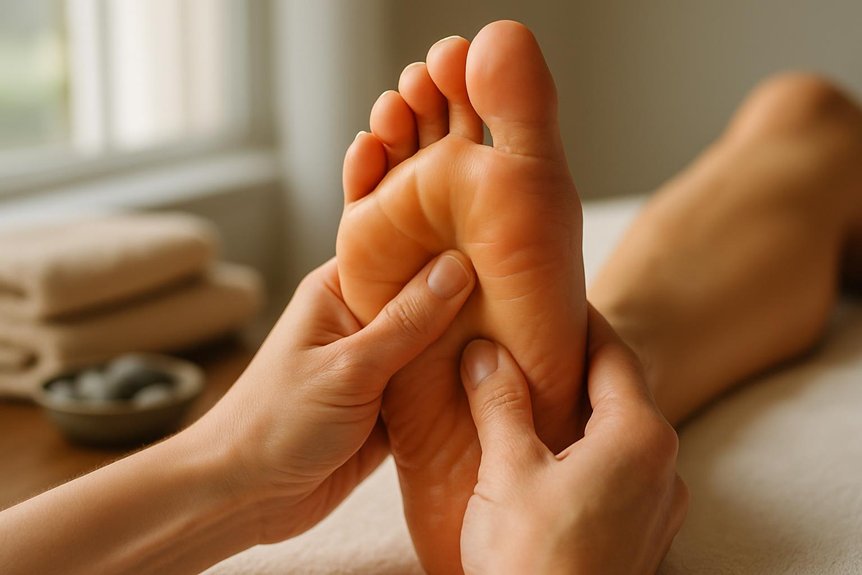
Therapists use targeted pressure techniques designed to stimulate areas of the feet linked to different parts of the body.
They always adjust intensity based on client feedback.
This approach aims to guarantee comfort while promoting relaxation and therapeutic benefits throughout the session.
Initial Sensations and Comfort
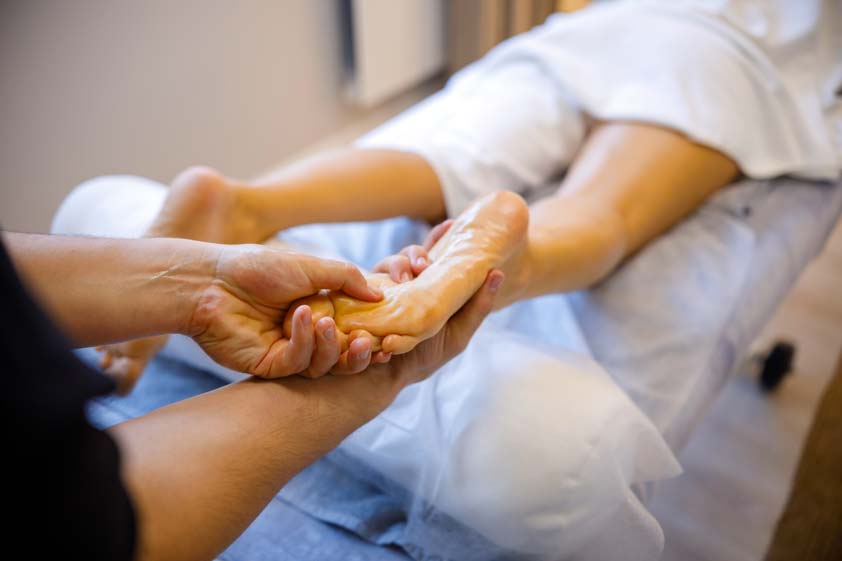
As a massage session begins at Spa & Massage, clients typically experience a gentle introduction to touch, with the therapist applying light to moderate pressure on specific points of the feet. This initial phase is designed to foster relaxation and trust, allowing the individual to become accustomed to the therapist’s hands and the environment.
Many clients notice a comforting warmth and subtle tingling as circulation increases, often accompanied by a sense of calm and attentiveness to their own body. Skilled therapists at Spa & Massage are attentive to each client’s comfort, always encouraging open communication about sensations.
Most individuals describe the early moments as pleasant and soothing, with any mild discomfort addressed immediately, ensuring a supportive, intimate experience tailored to personal needs and sensitivities.
Pressure Techniques Explained
Because zone therapy relies on strategic application of pressure to specific points on the feet, Spa & Massage therapists are meticulous in their use of targeted techniques designed to achieve both relaxation and therapeutic benefit.
During a session, therapists apply varying degrees of gentle to firm pressure, carefully observing each client’s response. These techniques are adapted in real time to guarantee comfort, with focused movements often delivered through the thumb, fingers, or knuckles.
At Spa & Massage clinics, the aim is to stimulate reflex zones without causing undue discomfort, allowing the body to respond naturally.
Clients can expect clear communication throughout their session, with therapists inviting feedback to tailor pressure as needed.
This attentive, personalized approach supports both wellbeing and a sense of trustful ease.
Common Reasons for Discomfort in Zone Therapy
Discomfort during foot reflex therapy often arises from heightened sensitivity in specific reflex points or from the amount of pressure applied.
Spa & Massage therapists are trained to recognize these responses and use tailored pressure adjustment techniques to guarantee a comfortable experience.
Understanding and addressing these common factors helps promote relaxation and maximize the benefits of each session.
Sensitivity in Reflex Points
When a client experiences sensitivity or mild pain during foot pressure therapy, this often signals underlying tension or imbalances in corresponding organs or body systems. Reflex points on the feet are mapped to various parts of the body, and heightened sensitivity in these areas can reflect stress, inflammation, or energetic blockages.
At Spa & Massage, therapists observe that clients sometimes notice tender spots that may feel surprising or unfamiliar. Such sensations are not uncommon and are considered part of the body’s natural feedback mechanism.
Skilled therapists use this information to tailor sessions, focusing on areas that require extra attention. Sensitivity in reflex points is a normal response and can guide both therapist and client toward understanding the body’s unique needs, fostering a more attentive, nurturing approach to wellness.
Pressure Adjustment Techniques
Sensitivity in reflex points during foot pressure therapy often prompts therapists to carefully assess and adjust their pressure techniques.
At Spa & Massage, therapists are trained to read subtle cues from each client, ensuring that pressure is tailored to individual comfort and therapeutic needs.
Evidence shows that gradual pressure adjustments can minimize discomfort while still providing effective stimulation of reflex zones.
Open communication is encouraged throughout each session, allowing clients to voice preferences or sensitivities at any stage.
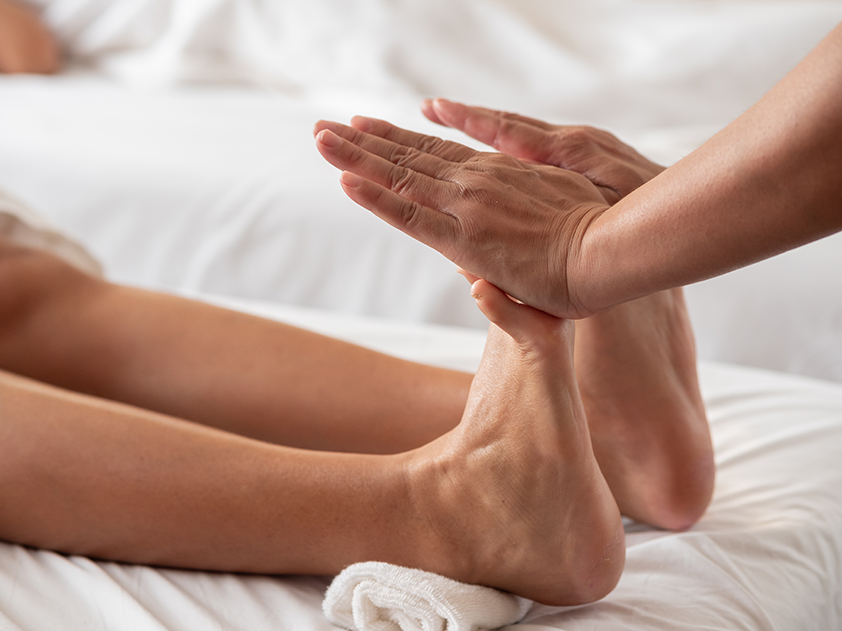
Therapists may alternate between lighter and firmer pressure or modify their thumb and finger techniques to accommodate areas that are more tender.
This personalized approach helps foster trust and relaxation, making the zone therapy experience not only effective, but also deeply respectful of each client’s unique physical and emotional boundaries.
How Our Therapists Minimise Pain and Maximise Comfort
A hallmark of the approach at Spa & Massage is the careful attention therapists pay to each client’s comfort and pain thresholds during foot pressure therapy.
Therapists begin each session by thoughtfully evaluating the client’s feet for sensitivity and tension, applying gentle pressure and adapting their technique as needed.
Evidence-based practices, such as gradual pressure progression and targeted thumb-walking, are used to guarantee stimulation without discomfort.
Therapists remain vigilant to non-verbal cues, ensuring that any sign of distress is immediately addressed.
Soft linens, supportive bolsters, and calming aromatherapy oils further enhance the sense of safety and relaxation.
Communicating Your Sensitivity and Preferences
Open, honest communication forms the foundation of an effective and comfortable zone therapy experience at Spa & Massage.
Clients are encouraged to share their individual sensitivities, preferences, and any areas of discomfort before and during the session. This information allows therapists to tailor pressure and techniques, ensuring each treatment is aligned with the client’s unique needs and comfort levels.
Evidence suggests that discussing boundaries and expectations leads to greater relaxation and improved outcomes.
At Spa & Massage, therapists view this dialogue as an essential part of building trust and fostering a nurturing environment.
Tips for a Relaxing Zone Therapy Experience
Achieving a deeply relaxing zone therapy experience hinges on several key factors, all thoughtfully prioritised at Spa & Massage clinics.
First, a tranquil environment is essential; soothing music, soft lighting, and calming scents help clients feel at ease.
Skilled therapists at Spa & Massage focus on gentle, precise techniques, always adapting pressure to individual comfort levels.
Open communication is encouraged, allowing clients to express preferences and sensitivities before and during the session.
Hydration is recommended both before and after zone therapy, supporting the body’s natural detoxification.
In addition, clients are advised to allow time for rest following their treatment, enhancing the relaxation benefits.
At every stage, the approach centres on nurturing well-being, ensuring each client’s experience is both restorative and deeply personal.
Conclusion
In summary, foot pressure therapy can be likened to a gentle journey along a well-tended garden path—occasional stones may be felt underfoot, but the overarching experience is one of comfort and renewal. With skilled therapists guiding each step, discomfort is addressed and ease is restored. At Spa & Massage, this balance of technique and empathy ensures that clients discover not only relaxation but also a renewed sense of wellbeing, rooted in attentive, personalised care.