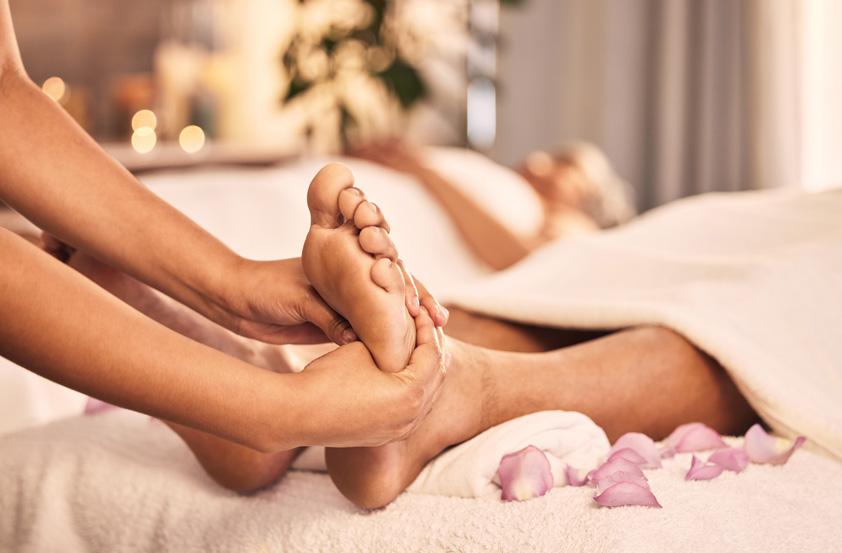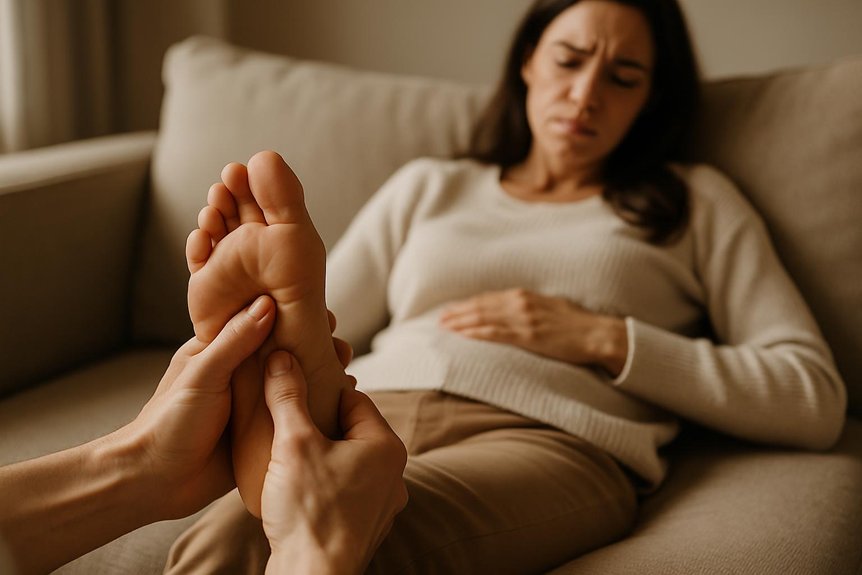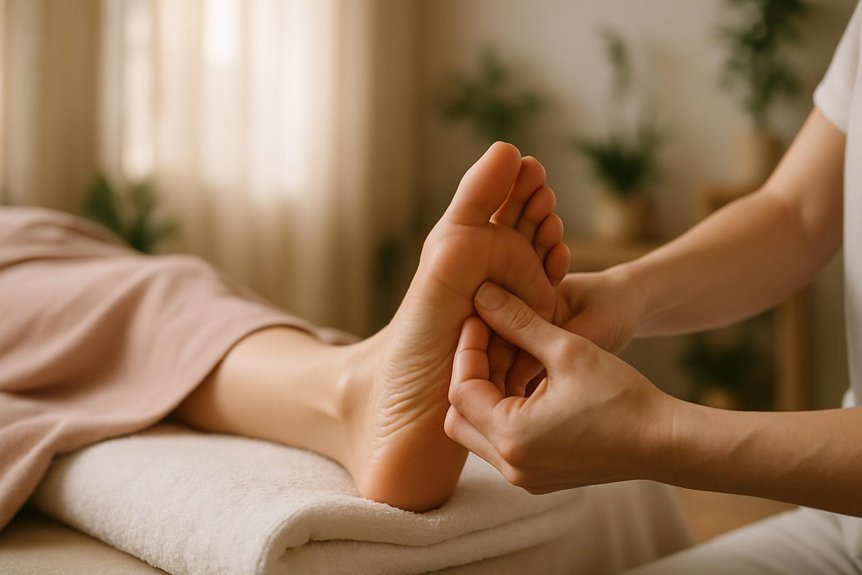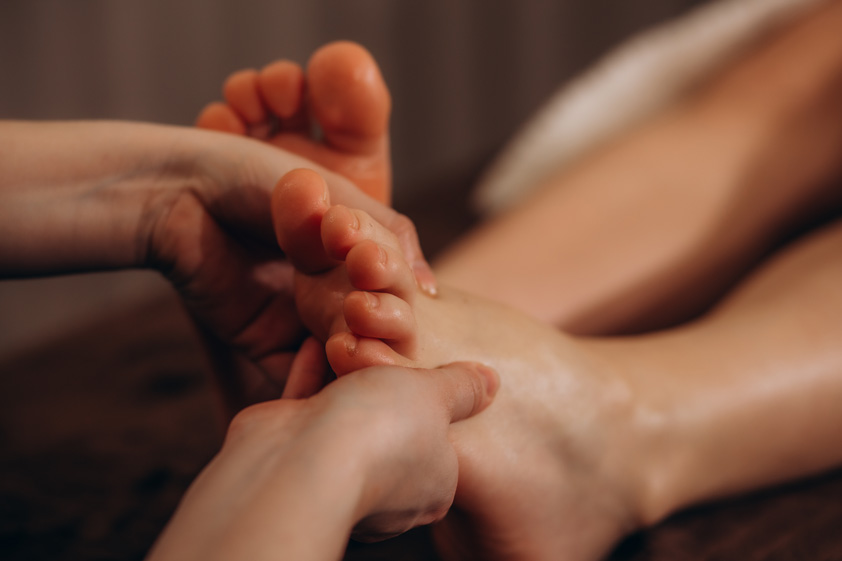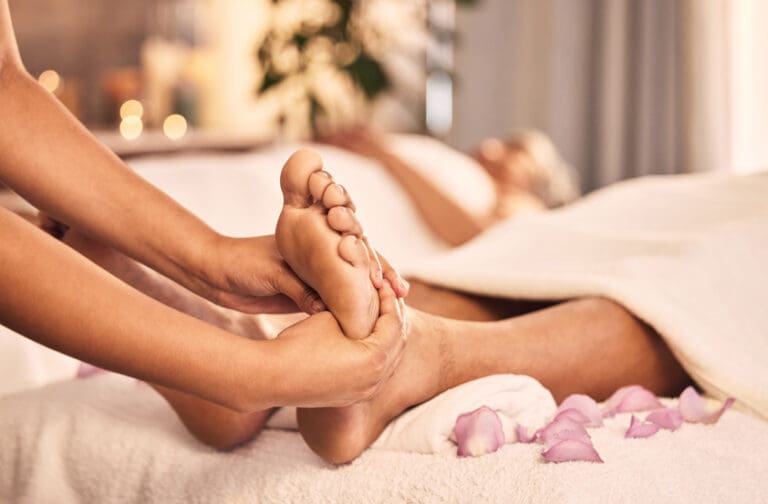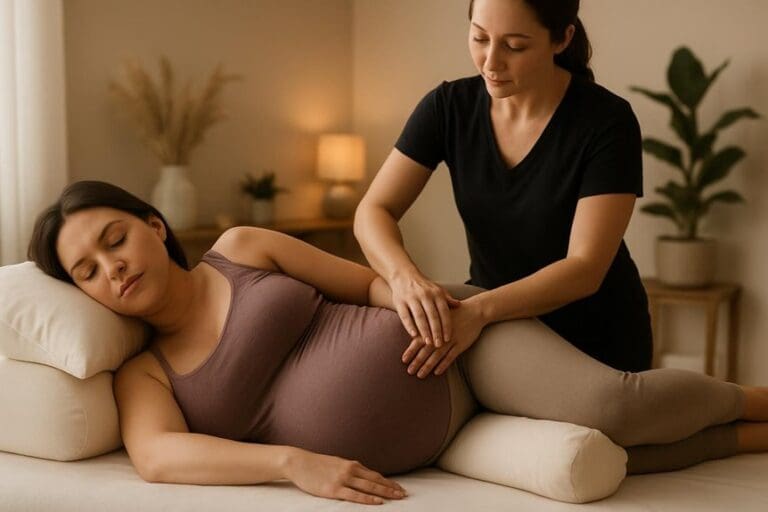
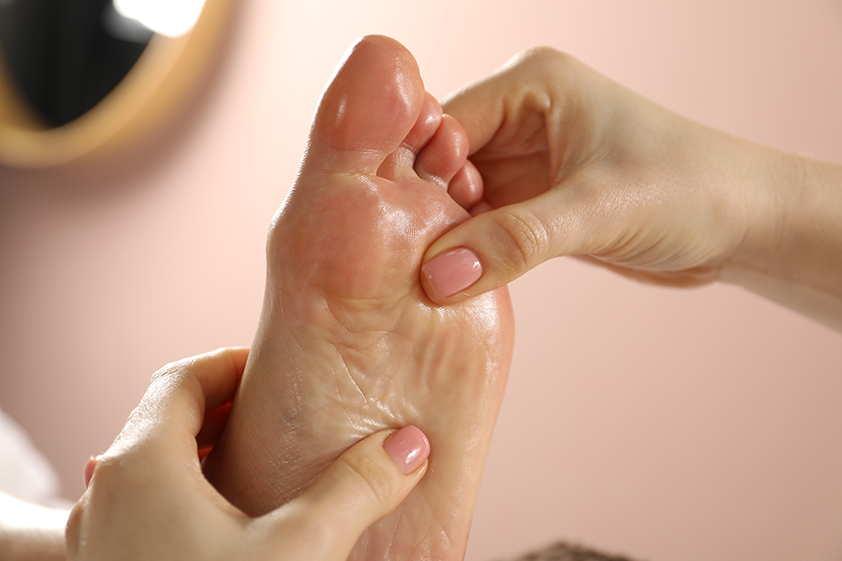
Foot pressure therapy involves applying systematic pressure to specific points on the feet that correspond anatomically to various organs and body systems. Clinical observations and some studies suggest this technique may reduce musculoskeletal tension, enhance peripheral circulation, and promote a physiological relaxation response. While scientific evidence continues to evolve, many clients report both immediate and cumulative benefits such as reduced discomfort and heightened wellbeing. Further information explores the underlying mechanisms, session expectations, and ways to optimise therapeutic outcomes.
Understanding Foot Pressure Therapy: What Is It and How Does It Work
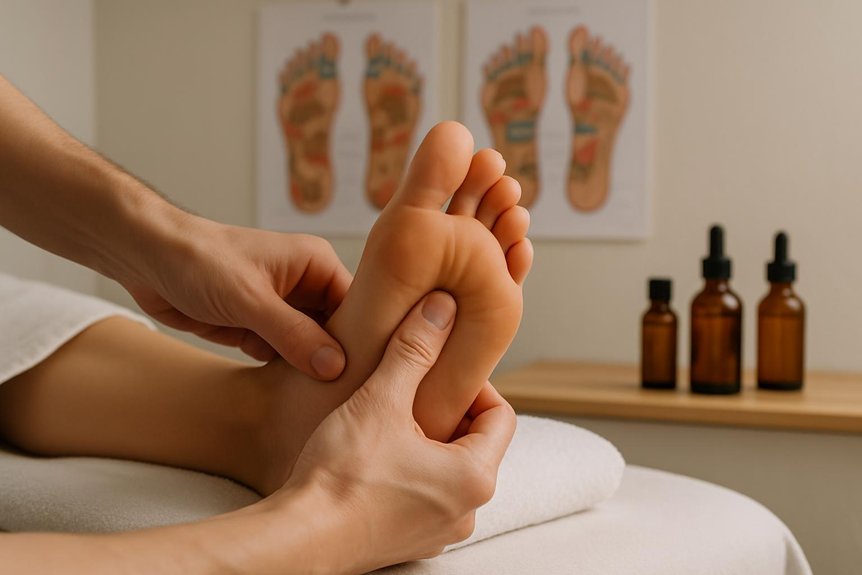
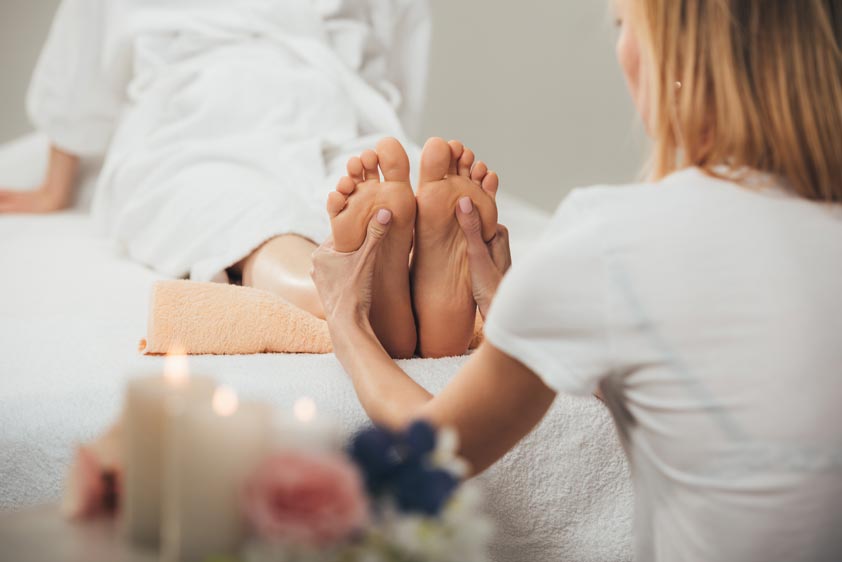
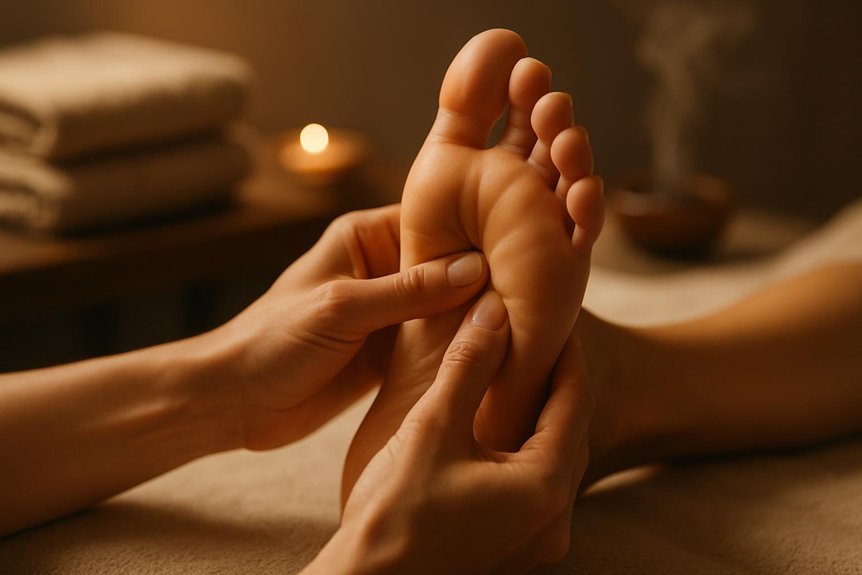
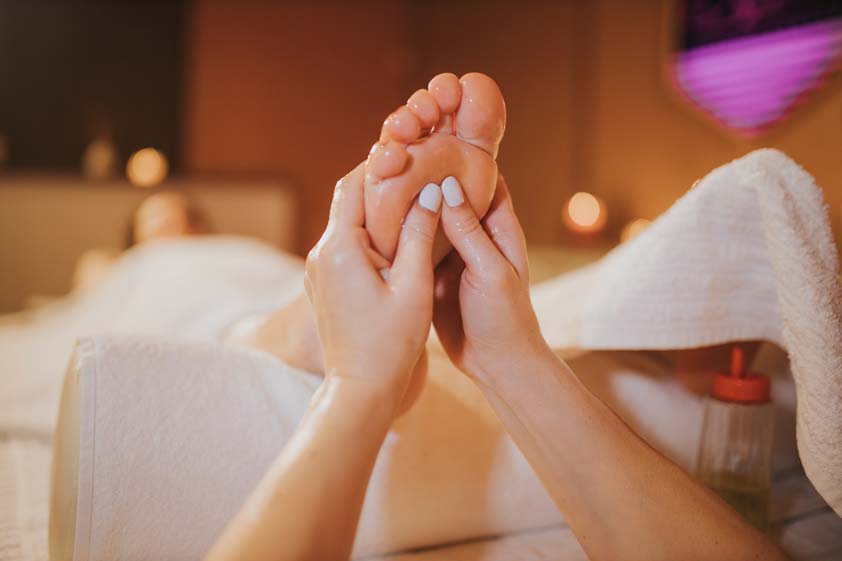
How does foot pressure therapy exert its effects on the body? It is a manual therapy involving targeted pressure applied to specific points on the feet, which correspond anatomically to various organs and systems. Reflex points are mapped along the plantar, dorsal, medial, and lateral aspects of each foot, with practitioners utilizing precise thumb and finger techniques to stimulate these zones. At Spa & Massage, therapists are trained to locate and apply pressure to these reflex areas, aiming to elicit physiological responses throughout the body. Clients often report sensations of warmth, relaxation, and subtle shifts in tension, reflective of systemic engagement. This technique focuses on fostering balance and promoting circulation, with a gentle yet purposeful touch designed to support overall wellbeing and encourage a restorative state. Many believe that the healing power of reflexology lies in its ability to influence the body’s natural processes and promote holistic health.
The Science and Theories Behind Zone Therapy
A growing body of research explores the physiological mechanisms and theoretical frameworks underlying foot pressure therapy. This modality is based on the premise that specific points on the feet correspond anatomically to organs, glands, and systems throughout the body.
Some hypotheses suggest that targeted pressure may stimulate peripheral nerves, modulate autonomic nervous system activity, and promote homeostasis.
Anatomical mapping charts guide practitioners in identifying zones theoretically linked to distinct physiological functions.
Neurovascular pathways and the gate control theory of pain are frequently cited to explain observed effects, such as relaxation and the mitigation of tension.
While scientific consensus remains under development, clinical studies continue to investigate measurable outcomes.
At Spa & Massage, therapists incorporate evidence-informed approaches, ensuring each session aligns with current understanding and prioritises client well-being.
Key Benefits Reported by Clients at Spa & Massage
Clients at Spa & Massage frequently report a marked reduction in musculoskeletal tension, particularly in the lower limbs and back, following foot pressure therapy sessions.
Subjective feedback gathered from client experience forms consistently highlights alleviation of discomfort localized to the plantar fascia, Achilles tendon, and lumbar paraspinal muscles.
Many individuals describe improved joint mobility and a sense of lightness in the lower extremities, attributed to targeted stimulation of reflex points.
Additionally, therapists note that clients often experience a decrease in perceived stress and enhanced circulation to distal tissues, fostering a restorative environment for both mind and body.
These outcomes align with the clinic’s emphasis on individually tailored treatments, delivered in a tranquil setting, reinforcing the potential for zone therapy to provide both immediate and cumulative therapeutic benefits.
What to Expect During a Massage Session
Upon arrival at Spa & Massage, individuals are greeted by a registered therapist who conducts a brief consultation to assess medical history, current symptoms, and specific treatment goals.
The session begins with the client reclining comfortably while the therapist sanitises the feet and examines key anatomical landmarks.
Using precise thumb and finger techniques, pressure is systematically applied to targeted reflex points corresponding to organs and musculoskeletal structures.
The therapist monitors subtle changes in tissue quality, temperature, and client feedback, ensuring ideal pressure and adapting technique as needed.
The environment remains quiet, with a focus on facilitating physiological relaxation and enhancing somatosensory awareness.
Sessions typically last 30 to 60 minutes, with the therapist providing supportive presence and attentive care throughout, fostering a sense of safety and physiological intimacy.
Tips for Maximising Results After Your Zone Therapy Treatment
Following a massage session, targeted neuromuscular stimulation continues to influence local circulation, lymphatic drainage, and autonomic nervous system balance.
To optimise these physiological benefits, clients are advised to maintain hydration, as adequate fluid intake facilitates metabolic waste removal enhanced by treatment.
Gentle ambulation post-session encourages venous return and supports musculoskeletal relaxation.
At Spa & Massage, therapists recommend avoiding strenuous activity or excessive heat exposure for several hours, allowing the body’s parasympathetic state to persist.
Clients may practice diaphragmatic breathing and mindful rest, which reinforce autonomic recalibration initiated by zone therapy.
Observing these post-treatment protocols can deepen the therapeutic effects and sustain well-being.
Regular appointments, as personalised by Spa & Massage professionals, further support cumulative neuromuscular and circulatory health outcomes.
Conclusion
Much like a gardener tending roots to nourish distant branches, foot pressure therapy seeks to influence systemic health through targeted stimulation of plantar reflex points. While empirical evidence remains varied, anatomical pathways suggest plausible mechanisms for relaxation and circulatory enhancement. As clients at Spa & Massage attest to subjective improvements, the practice stands as an adjunctive modality—its efficacy rooted in the interplay between neurophysiological processes and the holistic pursuit of homeostasis within the body’s intricate landscape.