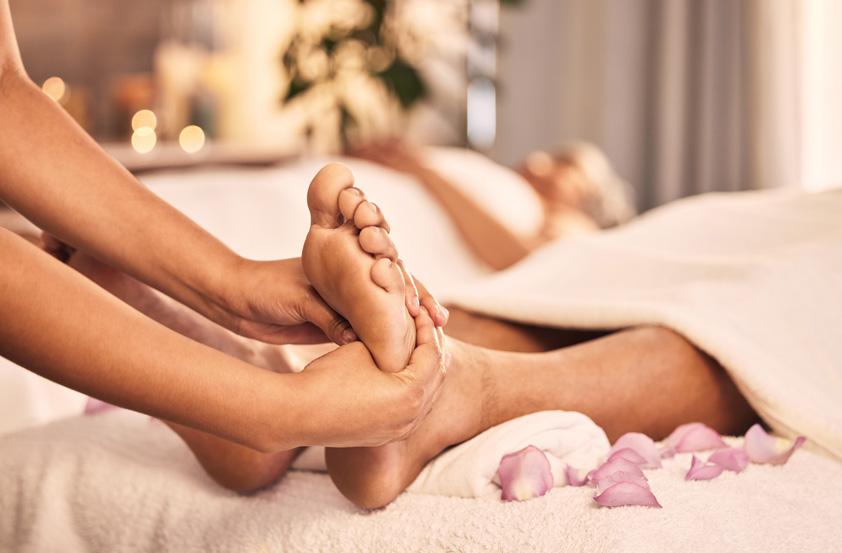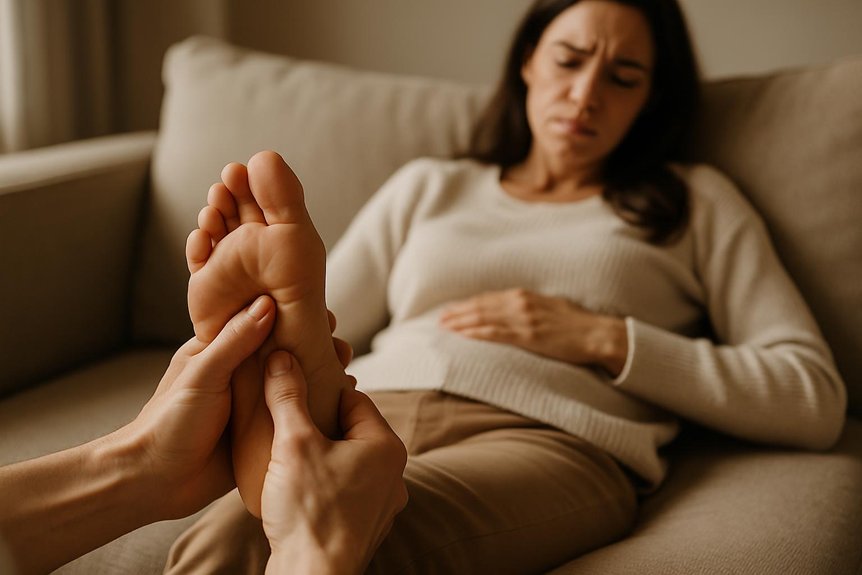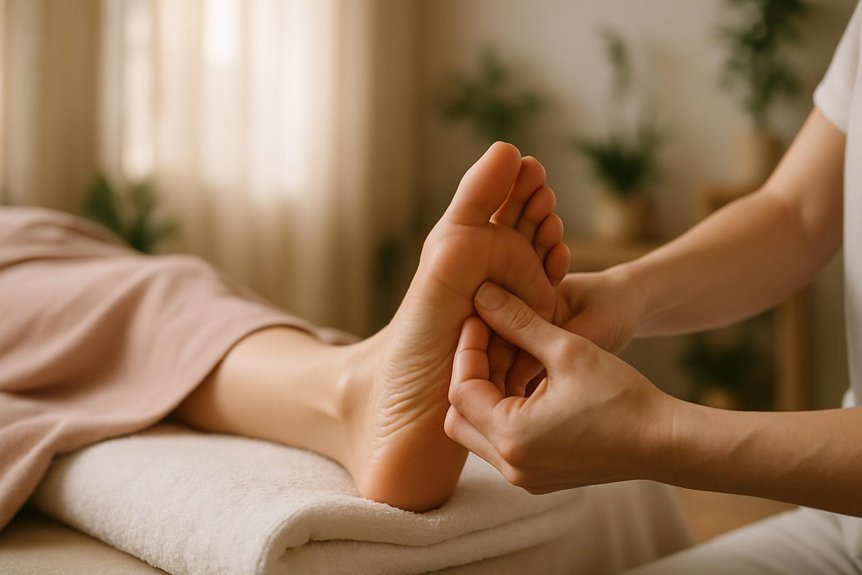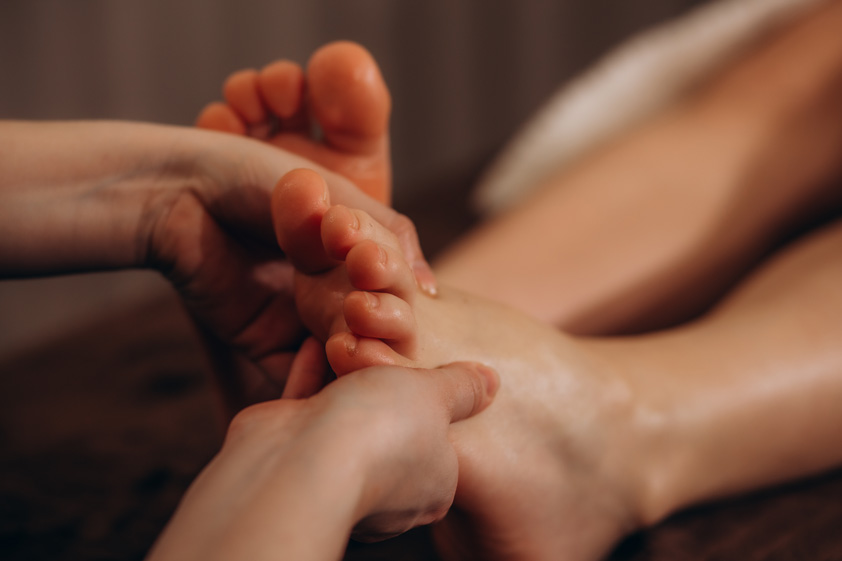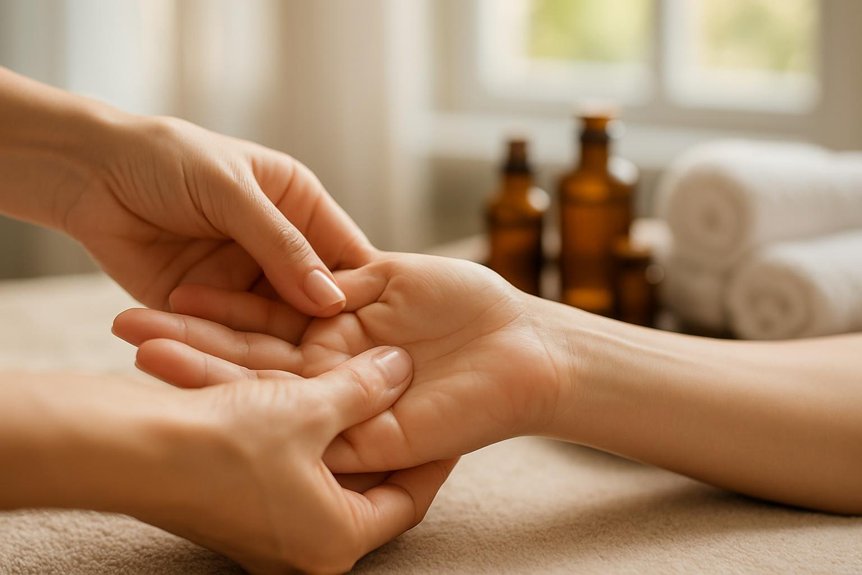
Hand reflex therapy is an evidence-informed therapy that stimulates specific reflex zones on the hands, aiming to promote physiological balance, enhance microcirculation, and reduce stress. Research suggests it can modulate autonomic nervous system activity, supporting relief from headaches, anxiety, and digestive concerns. The practice applies refined manual techniques based on anatomical knowledge and client assessment, ensuring a client-centered approach. While individual results may vary, further information can clarify its protocols, benefits, and integration in wellness routines.
Understanding Hand Reflexology: The Basics
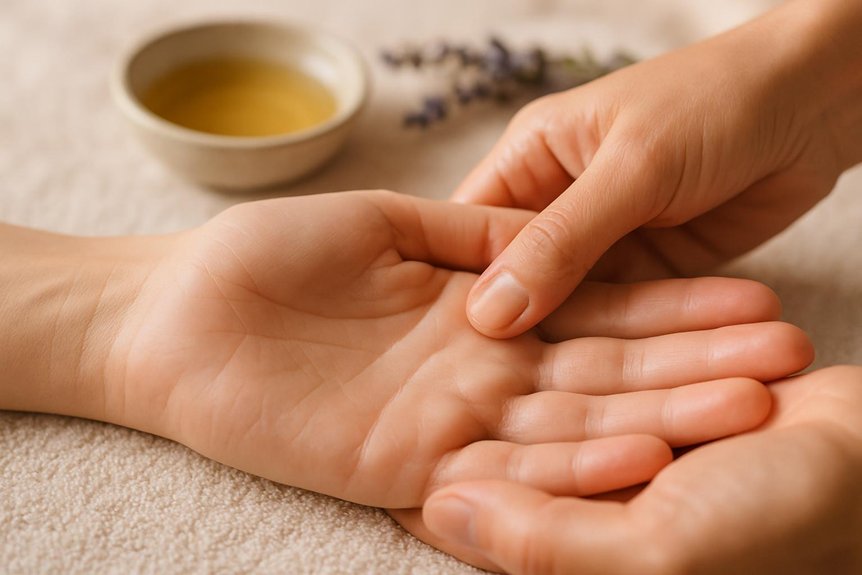
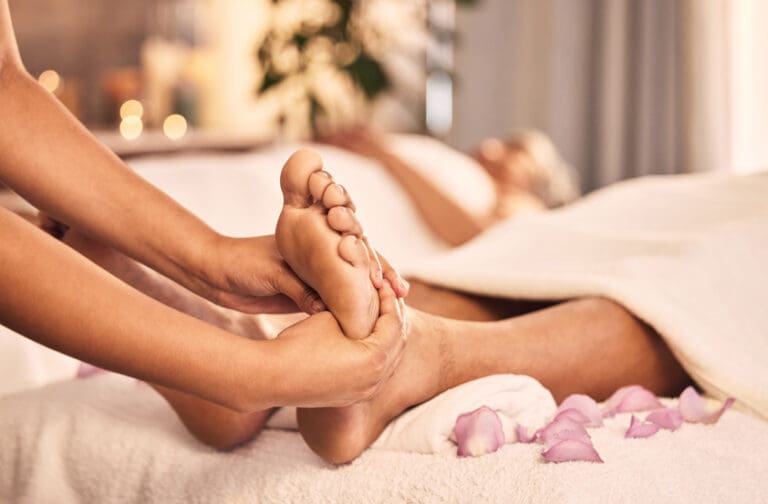
Although often overshadowed by its better-known counterpart, foot reflex therapy , hand reflex therapy is a specialised therapeutic technique that applies targeted pressure to specific points on the hands corresponding to various organs and systems within the body.
This approach is grounded in the concept of reflex zones—distinct areas on the hands believed to mirror the body’s internal landscape. By stimulating these reflex points, practitioners aim to promote physiological equilibrium, enhance circulation, and encourage deep relaxation.
The technique is non-invasive, making it suitable for clients seeking a gentle yet effective method for supporting holistic wellbeing.
Evidence suggests hand reflex therapy may reduce perceived stress, alleviate certain discomforts, and improve mood.
At Spa & Massage, therapists integrate client preferences and clinical expertise to optimise each hand reflexology session for individual wellness goals.
Many people explore both hand and the healing power of zone therapy to support their overall health and wellbeing.
How It Is Practised at Spa & Massage
Building upon the foundational principles of reflex zones in the hands, Spa & Massage applies a structured and evidence-informed approach to hand reflex therapy.
Each session begins with a personalised assessment, where therapists consult with clients to identify areas of tension or discomfort.
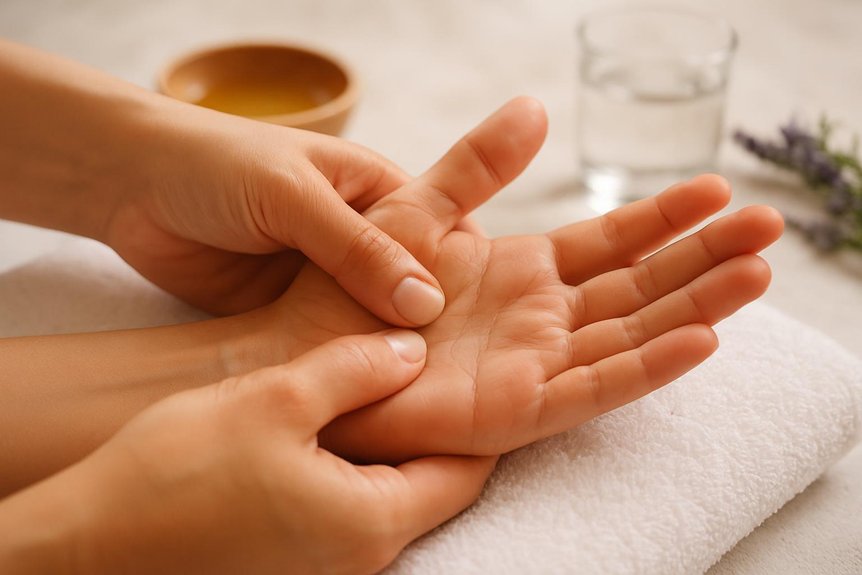
Using targeted pressure techniques, therapists stimulate specific reflex points corresponding to organs and systems of the body.
At Spa & Massage, practitioner touch is both precise and mindful, ensuring that pressure is modulated according to client sensitivity and preference.
High-quality, hypoallergenic oils are often incorporated to enhance tactile engagement and facilitate smooth, therapeutic movements.
Throughout the session, therapists maintain attentive communication, creating an environment where clients feel secure and valued.
This client-focused methodology is designed to foster a sense of connection and overall well-being.
Potential Benefits of Hand Reflex Therapy
When applied with clinical precision, hand reflex therapy may contribute to systemic relaxation, improved circulation, and modulation of stress responses.
At Spa & Massage, therapists utilise targeted thumb and finger techniques to stimulate reflex zones, aiming to elicit the parasympathetic nervous system’s calming effects.
Evidence suggests these interventions can reduce physiological markers of stress, such as heart rate and blood pressure, fostering a sense of gentle tranquillity.
Enhanced microcirculation in the hands may promote tissue oxygenation and support the body’s innate healing mechanisms.
Many clients report heightened body awareness and mental clarity following treatment, correlating with improved emotional equilibrium.
Spa & Massage therapists focus on safe, client-centered protocols, ensuring every session is adapted to individual needs and sensitivities, always prioritising comfort and therapeutic efficacy.
Common Conditions Supported by Hand Reflex Therapy
Hand reflex therapy is frequently utilised to address stress and anxiety management, alleviate headache and migraine symptoms, and promote digestive health.
Evidence-based practice highlights its potential to modulate the autonomic nervous system and improve client well-being.
At Spa & Massage clinics, therapists tailor reflex therapy sessions to target these prevalent concerns, supporting holistic care for diverse client needs.
Stress and Anxiety Relief
Although chronic stress and anxiety are increasingly prevalent in modern life, targeted hand reflex therapy techniques have demonstrated significant potential in alleviating these conditions by modulating the autonomic nervous system and promoting homeostasis.
Clinical evidence suggests that specific pressure applied to reflex points associated with the adrenal glands, diaphragm, and solar plexus may reduce physiological markers of stress, such as heart rate and cortisol levels.
At Spa & Massage, therapists are trained to identify tension patterns within the hands and deliver tailored zone therapy protocols designed to elicit relaxation and emotional balance.
Many clients report sensations of calm, warmth, and groundedness during sessions, which may facilitate a shift toward parasympathetic dominance.
This gentle, hands-on approach supports holistic well-being and may complement broader strategies for managing stress and anxiety.
Headache and Migraine Support
How might targeted manipulation of reflex points help individuals experiencing headaches or migraines? Reflex therapy theory posits that specific points on the hands correspond to regions of the head and nervous system. By applying controlled pressure to these zones, therapists at Spa & Massage aim to stimulate neural pathways, promote endorphin release, and facilitate vascular regulation—mechanisms believed to alleviate headache and migraine symptoms. Clinical studies suggest reflex therapy may contribute to reduced headache frequency and intensity, though individual responses vary. Clients report sensations of relief, relaxation, and calming of tension during sessions. At Spa & Massage clinics, experienced practitioners assess each client’s presentation, tailoring pressure and techniques for ideal comfort. This personalized approach supports those seeking non-pharmacological management of recurrent headaches or migraines within a soothing, supportive environment.
Digestive Health Improvement
When seeking natural support for digestive health, individuals may benefit from the targeted application of hand reflex therapy, which stimulates reflex zones mapped to organs such as the stomach, intestines, and liver.
In clinical practice, this technique aims to promote autonomic regulation, enhance blood flow, and encourage relaxation—factors linked to improved gastrointestinal function.
At Spa & Massage, therapists utilise precise palpation and pressure techniques on specific hand points, supporting clients who experience symptoms like bloating, sluggish digestion, or mild discomfort.
While scientific evidence is emerging, some studies suggest that hand reflex therapy may help alleviate digestive complaints by modulating stress responses and facilitating homeostasis.
Many clients report a sense of internal ease and better digestive regularity following sessions, reinforcing the value of holistic, client-centred care.
What to Expect During a Hand Reflex Therapy Session
During a hand reflex therapy session at Spa & Massage, clients can anticipate a structured approach that incorporates targeted pressure techniques on specific reflex points.
Therapists provide clear guidance throughout, ensuring both physical comfort and an understanding of each step. This evidence-based process is designed to optimise therapeutic outcomes and address individual wellness goals.
Session Flow and Techniques
Before commencing a hand reflex therapy session at Spa & Massage, clients are welcomed into a calm environment designed to promote relaxation and comfort.
The session typically begins with a brief consultation to identify specific concerns and preferences.
Following this, the therapist employs structured techniques—such as thumb walking, finger pressure, and rotational movements—targeting reflex zones believed to correlate with various organ systems.
These movements are performed with controlled pressure to stimulate circulation and enhance neuromuscular response.
Sessions progress methodically from one area of the hand to another, ensuring all major reflex points are addressed.
At Spa & Massage, therapists integrate evidence-based protocols, always mindful of client feedback and sensitivity levels, to optimise therapeutic effects and create a tailored, nurturing experience that fosters a sense of intimacy and well-being.
Therapist Guidance and Comfort
Although each individual’s needs may vary, Spa & Massage therapists adhere to a systematic, client-centred approach throughout hand reflex therapy sessions to guarantee both therapeutic efficacy and comfort.
Initial consultations address health history and specific concerns, establishing a foundation of trust and open communication.
During the session, therapists employ anatomical knowledge and precise palpation techniques to identify areas of tension or imbalance.
Feedback is encouraged, allowing dynamic adjustment of pressure and technique to align with the client’s comfort threshold.
Consistent focus on client relaxation, privacy, and well-being is maintained throughout.
At Spa & Massage, therapists use high-quality oils to enhance tactile sensitivity and skin health, ensuring a soothing sensory experience.
Aftercare advice is tailored, fostering lasting benefits and continued client satisfaction.
Tips for Maximising the Effects of Hand Reflex Therapy
To optimise the therapeutic outcomes of hand reflex therapy, several key practices can be employed to enhance both immediate and lasting effects.
Consistency in scheduling sessions supports cumulative benefits, as evidenced by client feedback and clinical outcomes at Spa & Massage.
Hydration post-treatment is essential, aiding metabolic waste elimination and promoting tissue recovery.
In our clinics, therapists recommend mindful breathing techniques during each session, which deepen relaxation and amplify the body’s receptivity to touch.
Integrating gentle hand stretches and self-massage between appointments may further maintain flexibility and reinforce neural pathways.
Clients are encouraged to communicate openly regarding pressure preferences and sensitivities, allowing for precise, individualised care.
Conclusion
To conclude, does hand reflex therapy work? The evidence, though still evolving, suggests that this targeted approach may offer measurable benefits—particularly in the domains of stress reduction, enhanced circulation, and subjective well-being. At Spa & Massage, therapists integrate proven reflex therapy protocols, prioritising client safety, comfort, and outcomes. While more robust research is needed, the clinical experience and client testimonials form an increasingly persuasive case for hand reflex therapy as a supportive, client-centred wellness intervention.