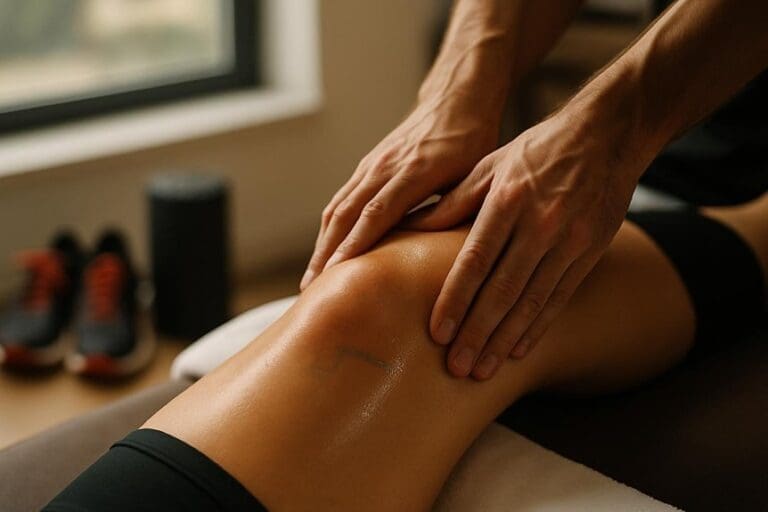
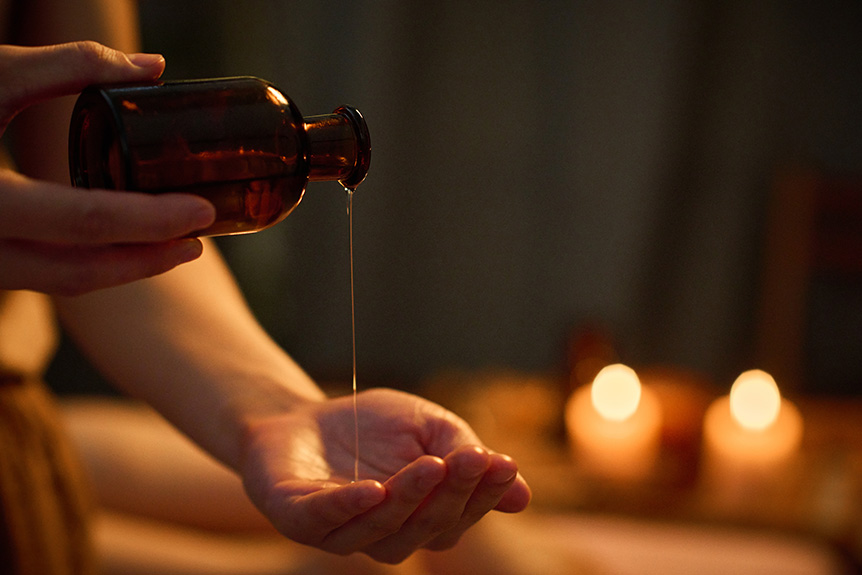
Aromatherapy oils enhance massage by introducing bioactive compounds that act through both skin absorption and olfactory pathways, influencing the limbic system to promote relaxation, reduce stress, and modulate mood. Clinical studies support the anxiolytic, analgesic, and uplifting effects of specific essential oils such as lavender and rosemary. Professional therapists select and dilute oils for safety, tailoring blends to address individual sensitivities and therapeutic goals. There are further insights into optimizing benefits and ensuring best practices in this domain.
The Science Behind Aromatherapy Oils
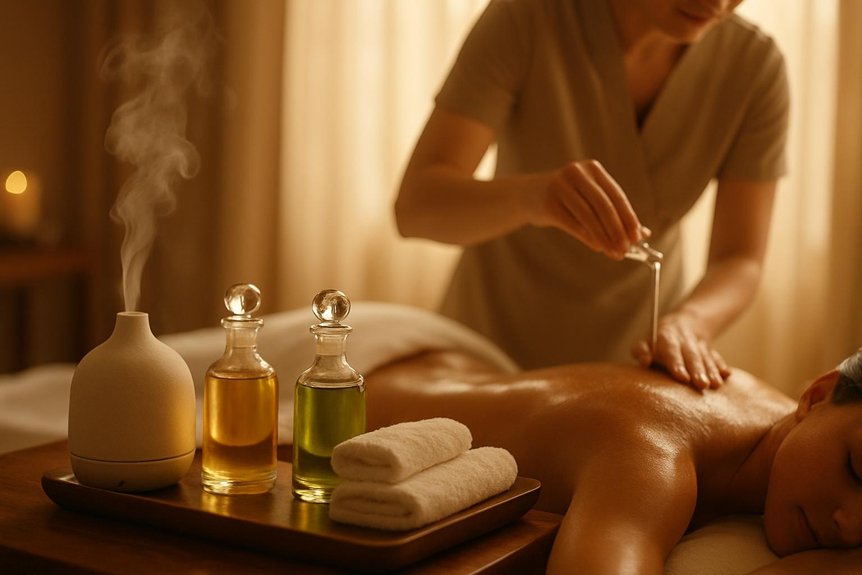
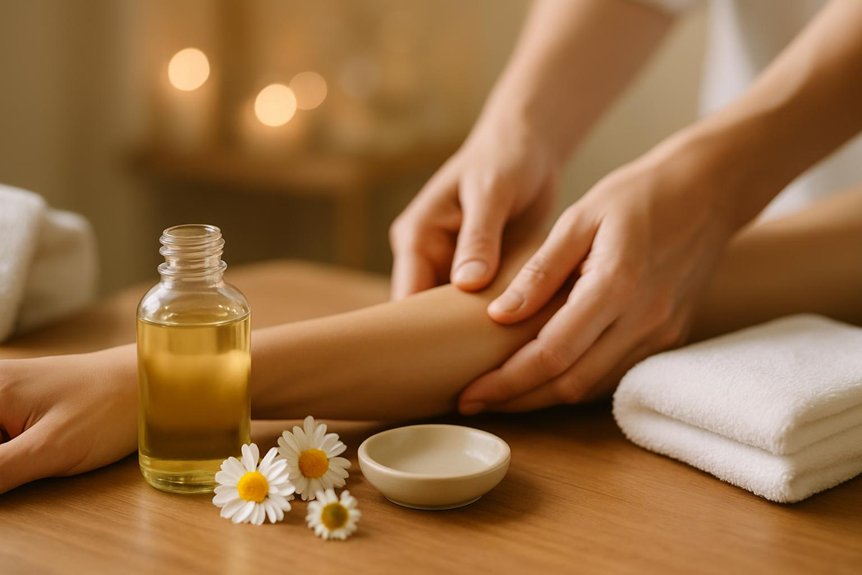
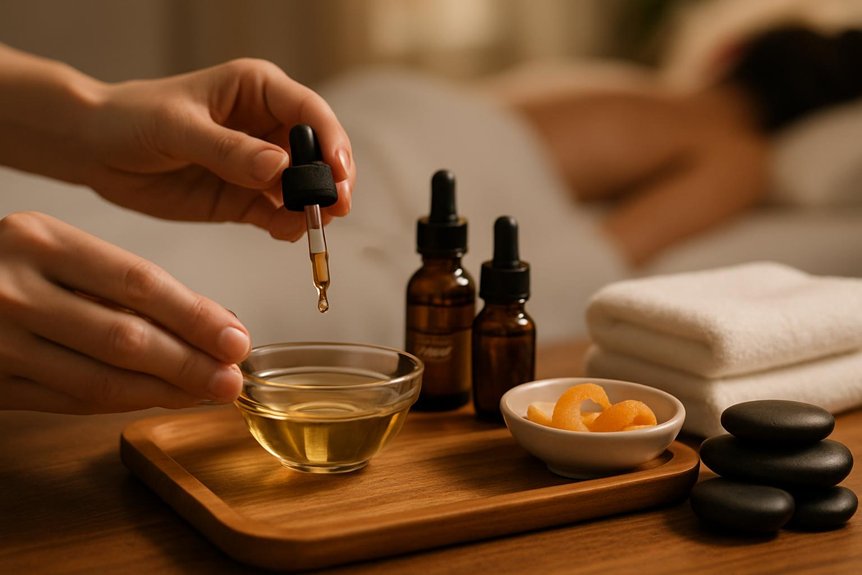
How do aromatherapy oils interact with the body to enhance wellbeing? In aromatic massage, essential oils are absorbed through the skin, where they may influence physiological processes.
Scientific literature suggests that volatile compounds within these oils can traverse the epidermal barrier and potentially enter systemic circulation.
At Spa & Massage, therapists select high-grade oils known for their purity and specific therapeutic profiles, always performing patch tests to minimise risk of sensitisation or adverse reaction.
The oils’ molecular properties—such as lipophilicity—facilitate skin penetration, while their aromatic qualities may gently stimulate the olfactory system.
This dual-action approach aligns with best practice, maximising safety and efficacy.
Clients are encouraged to communicate preferences or sensitivities, fostering a personalised, nurturing spa experience that supports both emotional and physical wellness.
A related therapy, the healing power of Reflexology, can further complement the benefits of aromatherapy by focusing on specific pressure points to support overall wellbeing.
How Essential Oils Interact With the Body and Mind
When essential oils are introduced during massage, their bioactive compounds engage both physiological and psychological pathways to promote holistic wellbeing. Volatile molecules are absorbed through the skin and inhaled, activating olfactory receptors and influencing the limbic system—an area deeply linked to mood and emotional processing.
This dual action may mod modulate stress responses, promote relaxation, and foster a profound sense of connection within oneself. At Spa & Massage, therapists carefully dilute essential oils to guarantee dermal safety and maximum absorption, always considering individual sensitivities.
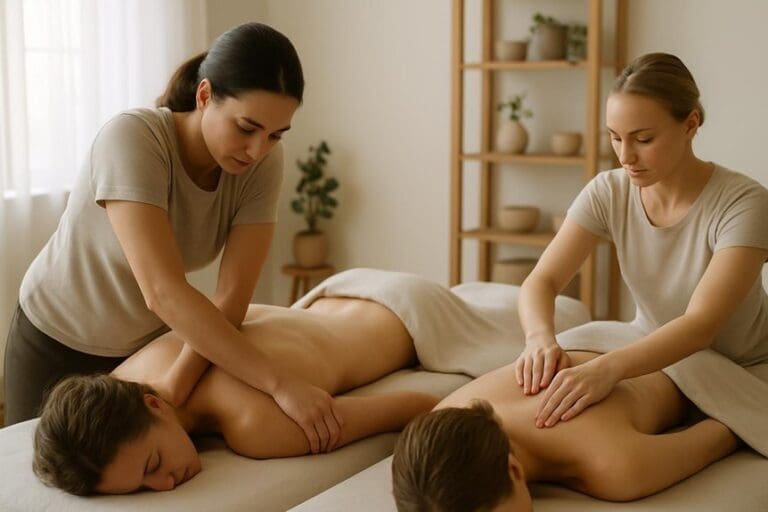
Through tailored application, the interplay of aromatic cues and gentle touch enhances intimacy and presence, supporting deep relaxation. Evidence suggests that this synergy can reduce anxiety and tension, amplifying the restorative potential of therapeutic massage in a safe, nurturing environment.
Popular Aromatherapy Oils Used in Massage
In professional massage therapy, the selection of aromatherapy oils is based on their documented effects, with calming options such as lavender and chamomile frequently chosen to promote relaxation and stress relief.
Invigorating blends, including citrus and eucalyptus oils, are utilised to enhance energy and mental clarity during treatment.
At Spa & Massage clinics, therapists assess each client’s needs to recommend safe, targeted aromatherapy oil combinations for ideal therapeutic benefit.
Calming Essential Oil Choices
While individual preferences and sensitivities should always be considered, certain essential oils are consistently recognized for their calming properties and are frequently selected for aromatherapy massage at Spa & Massage clinics.
Lavender oil, renowned for its anxiolytic and sedative effects, is a mainstay in promoting deep relaxation and emotional comfort.
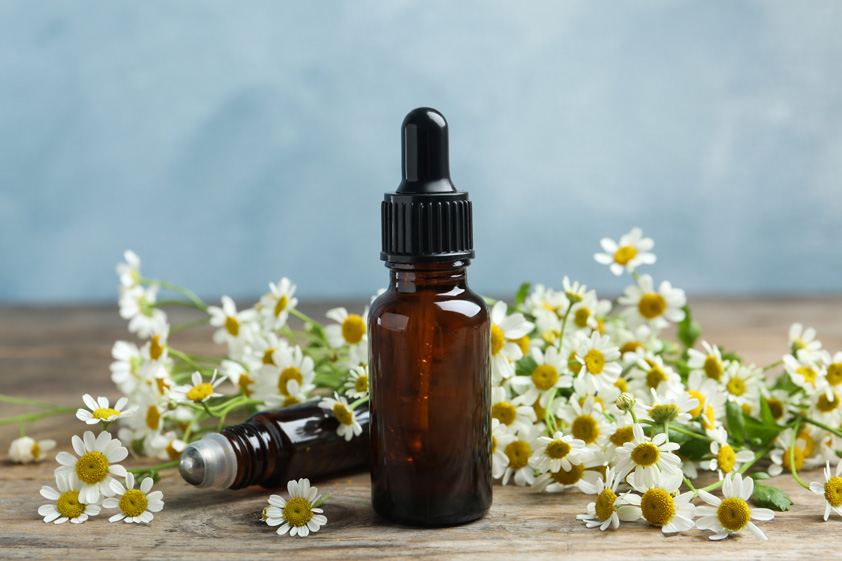
Chamomile, with its gentle, soothing aroma, supports tension relief and is favoured for clients seeking tranquillity.
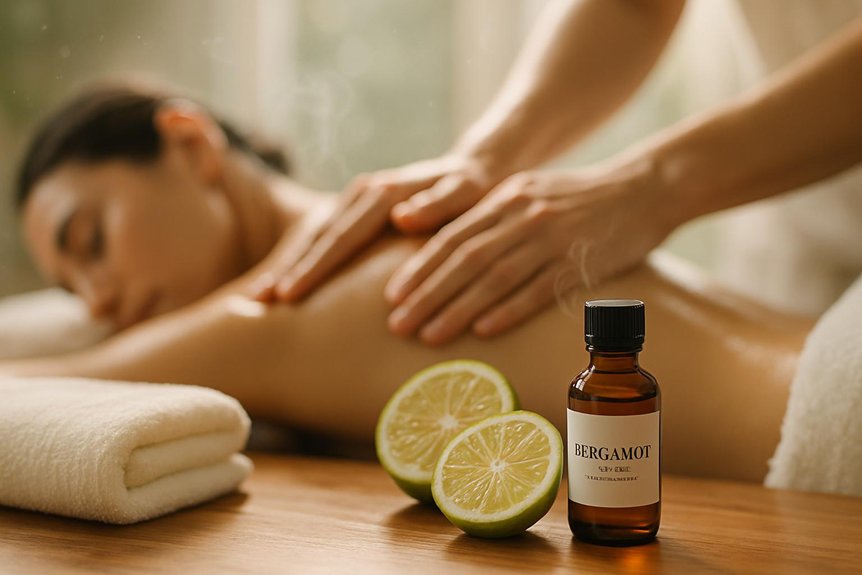
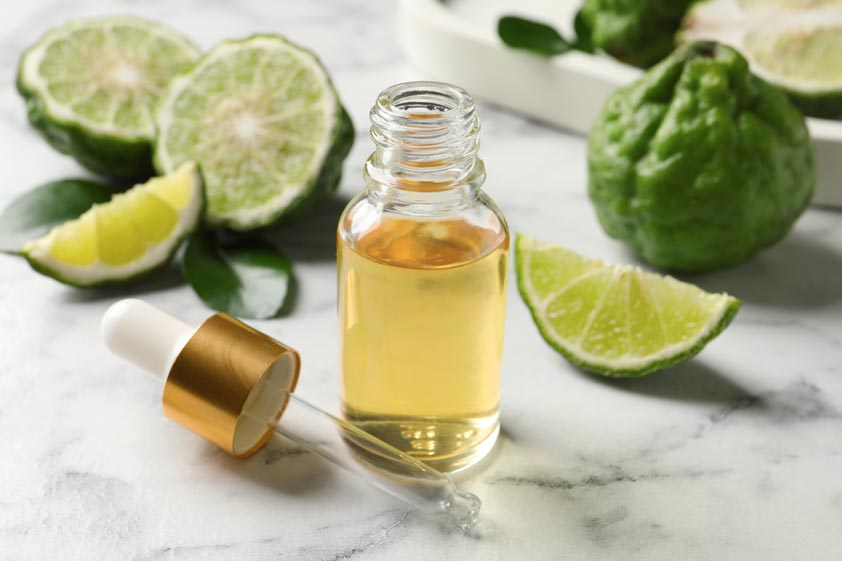
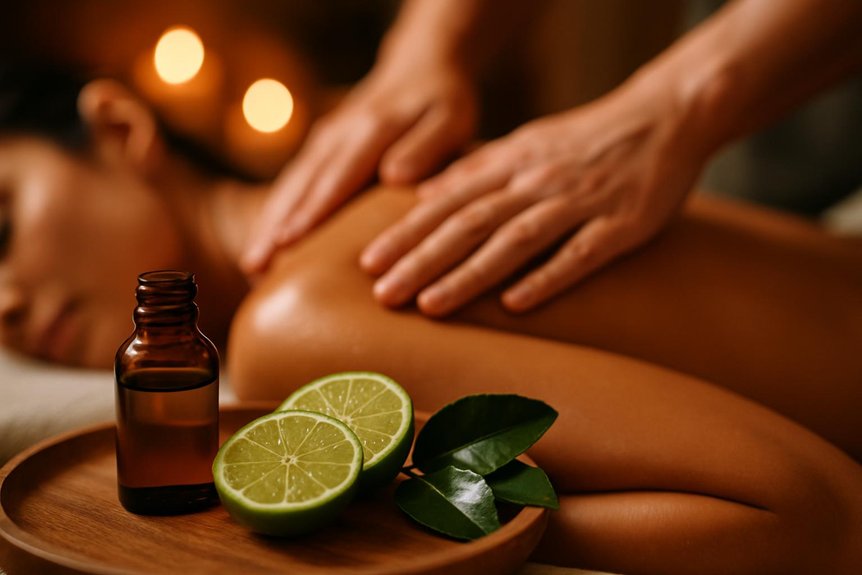
Bergamot oil, when used judiciously due to its phototoxicity, offers uplifting yet calming effects, ideal for alleviating mild stress.
At Spa & Massage, therapists tailor blends to individual requirements, always adhering to strict dilution guidelines and patch-testing to ensure a safe, intimate experience.
These calming oils are chosen to foster serenity and a restorative therapeutic environment.
Invigorating Aromatherapy Blends
How can aromatherapy blends revitalize both body and mind during massage sessions? Invigorating essential oils, such as eucalyptus, peppermint, rosemary, and lemongrass, are frequently selected at Spa & Massage clinics to stimulate circulation, awaken the senses, and promote mental clarity.
Their active compounds—like menthol in peppermint or cineole in eucalyptus—exert a cooling, energising effect, counteracting fatigue and muscular tension.
Our therapists expertly integrate these oils into bespoke massage treatments, tailoring concentrations to each client’s comfort and health profile. Safety is paramount; invigorating oils are always diluted in carrier oils to mitigate skin sensitivity.
Many clients appreciate these blends for their brisk, uplifting aroma and the gentle, lingering sensation of vitality.
This approach enhances the therapeutic intimacy and efficacy of every session.
Enhancing Relaxation and Stress Relief
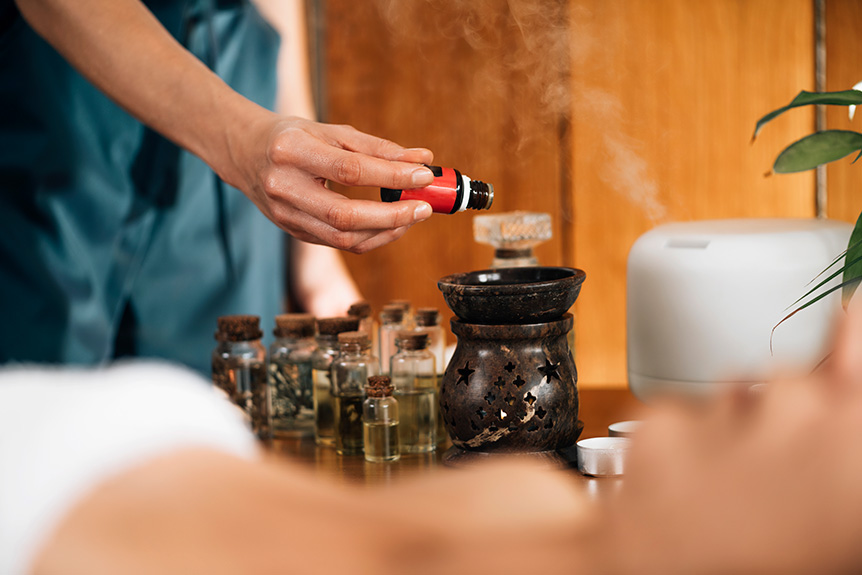
Why do certain aromatherapy oils have such a profound effect on relaxation and stress relief? The answer lies in their unique phytochemical profiles, which interact with the body’s limbic system through olfactory pathways, modulating emotional states and promoting tranquility.
At Spa & Massage, therapists select oils such as lavender, chamomile, and bergamot for their clinically supported anxiolytic and sedative properties. These essential oils, when expertly blended and applied during massage, facilitate a deeper state of calm, lowering heart rate and cortisol levels.
Safety is paramount; therapists at Spa & Massage always conduct thorough consultations to identify sensitivities, ensuring a personalized approach. The result is an immersive, nurturing experience that fosters emotional intimacy and profound relaxation, aligning with clients’ desire for mindful self-care.
Supporting Muscle Recovery and Easing Tension
In addition to their calming effects, specific aromatherapy oils demonstrate efficacy in supporting muscle recovery and alleviating physical tension.
At Spa & Massage, therapists often select oils such as rosemary, black pepper, and eucalyptus for their well-documented anti-inflammatory and analgesic properties. These essential oils, when properly diluted and expertly applied during massage, can promote increased circulation, reduce muscular discomfort, and assist in the breakdown of lactic acid accumulation post-exertion.
Aromatherapy blends are tailored to each client’s needs, ensuring a personalised and safe experience.
Therapists at Spa & Massage perform thorough consultations to identify any sensitivities or contraindications, prioritising client safety and wellbeing. This attentive approach allows for deeper muscle relaxation and fosters an intimate, restorative environment that nurtures both body and mind.
Boosting Mood and Emotional Wellbeing
It is recognised for its ability to elevate positive emotions, modulate stress responses, and foster mental clarity through targeted use of essential oils.
At Spa & Massage, therapists select oils such as bergamot, lavender, and geranium based on both their clinically studied benefits and individual client preferences.
All oils are used in safe, therapeutic dilutions to optimise emotional wellbeing while minimising any risk of sensitivity.
Elevating Positive Emotions
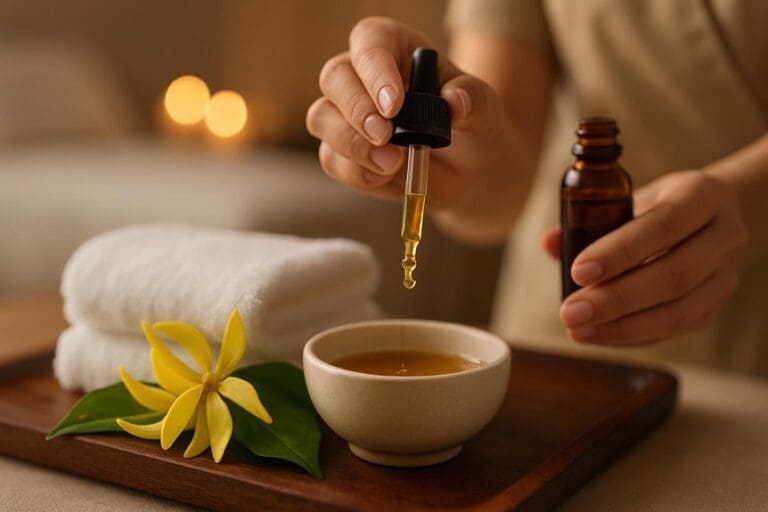
How can targeted use of essential oils influence emotional wellbeing? Scientific research has demonstrated that olfactory stimulation through specific essential oils, such as sweet orange, bergamot, and ylang-ylang, can activate neural pathways associated with positive affect and pleasure.
Within Spa & Massage clinics, therapists carefully select oils with proven mood-enhancing properties, integrating them into massage treatments to foster an environment of warmth, comfort, and emotional uplift.
This sensory approach promotes neurotransmitter release—such as serotonin and dopamine—contributing to improved mood and a sense of intimate connection throughout the treatment.
Safety remains paramount: all essential oils are diluted to clinically recommended concentrations, ensuring efficacy while minimizing risk of dermal sensitivity.
The result is a bespoke experience designed to support emotional flourishing and authentic relaxation.
Reducing Stress Responses
Why do certain aromatherapy oils profoundly impact the body’s stress response? Scientific research indicates that specific essential oils, such as lavender and bergamot, interact with the limbic system—the brain’s emotional centre—modulating neurochemical activity linked to stress and anxiety.
In Spa & Massage clinics, therapists carefully select and blend oils to support the parasympathetic nervous system, encouraging physiological relaxation and reducing cortisol levels. This approach creates an environment where clients can safely release tension and experience a sense of calm.
The therapist’s expert touch, combined with the targeted use of aromatherapy, allows for a nurturing experience tailored to emotional needs. Strict protocols guarantee that oils are diluted appropriately for skin safety, respecting individual sensitivities and fostering both wellbeing and intimacy in every session.
Supporting Mental Clarity
While sensory experiences play an essential role in cognitive and emotional function, the targeted application of essential oils during massage therapy has been shown to influence neurotransmitter activity associated with mental clarity and mood regulation.
Specific oils, such as rosemary and peppermint, are frequently selected by Spa & Massage therapists for their documented effects on alertness and concentration. When integrated into a tailored treatment, these oils may enhance synaptic communication, potentially improving focus and emotional equilibrium.
Safety remains a priority; all blends are carefully diluted and allergy-checked in Spa & Massage clinics to support client wellbeing.
Clients often report a renewed sense of clarity and lightness post-treatment, reflecting the clinic’s commitment to both physical and psychological restoration through expertly administered aromatic massage.
Customising Your Aromatic Massage Experience
Because individual needs and preferences can vary considerably, the process of customising an aromatic massage at Spa & Massage begins with a thorough consultation to assess each client’s goals, sensitivities, and wellness priorities.
This tailored approach allows therapists to select specific essential oils—such as lavender for relaxation or eucalyptus for invigoration—based on evidence of their therapeutic properties. The concentration and method of oil application are carefully adjusted, ensuring safety and efficacy for every client.
Ambient factors like lighting and music are also refined, fostering an environment of trust and connection.
At Spa & Massage, this meticulous attention to personalisation promotes not only physical and emotional comfort but also meaningful intimacy, allowing each client to feel genuinely understood and deeply cared for throughout their bespoke aromatherapy experience.
Safe Use and Therapist Recommendations
Following the detailed customisation of aromatic massage at Spa & Massage, client safety remains a primary consideration throughout every stage of treatment. Therapists rigorously select and dilute essential oils to clinically appropriate concentrations, mindful of individual sensitivities and contraindications.
A thorough consultation precedes each session, ensuring that allergies, skin conditions, and medical history are carefully reviewed.
Only high-quality, pure essential oils are used, and patch testing is available for clients with heightened sensitivity.
Therapists are trained to avoid certain oils during pregnancy or for those with respiratory conditions, and to guarantee ventilation during sessions.
The professional approach at Spa & Massage prioritises both efficacy and safety, fostering a nurturing environment where clients can relax with confidence in the well-being-focused expertise of their therapist.
Aftercare Tips for Prolonged Benefits
To optimise the therapeutic effects of aromatic massage, Spa & Massage therapists recommend a structured aftercare routine grounded in clinical best practices.
Clients are advised to prolong the absorption of essential oils by avoiding showers or vigorous activities for at least two hours post-treatment.
Hydration is essential; increased water intake supports lymphatic drainage and toxin elimination.
Rest is strongly encouraged, allowing the nervous system to integrate the calming effects of both massage and aromatherapy.
Light stretching or mindful breathing can enhance relaxation and extend the sense of intimacy experienced during the session.
Spa & Massage therapists also recommend avoiding stimulants such as caffeine or alcohol immediately after treatment, as these may counteract the benefits.
Following these aftercare guidelines supports sustained physical and emotional well-being.
Conclusion
It is no coincidence that the therapeutic power of aromatherapy oils aligns seamlessly with the benefits of expert massage. Scientific studies confirm that when carefully selected oils are applied by trained therapists, clients experience measurable improvements in both physical and emotional wellbeing. By prioritising evidence-based practices and individualised treatment protocols, Spa & Massage ensures that each session is both safe and maximally effective—demonstrating that, sometimes, the perfect union of nature and expertise occurs by design as much as by chance.