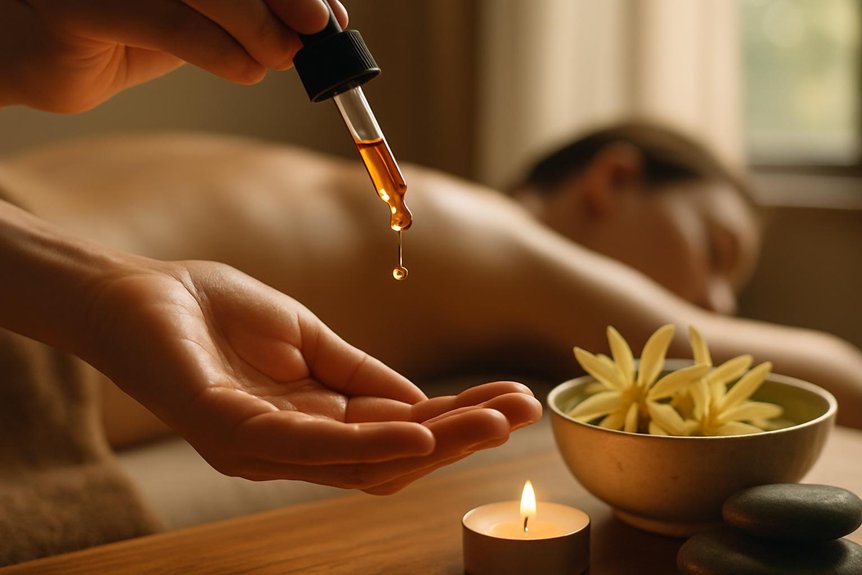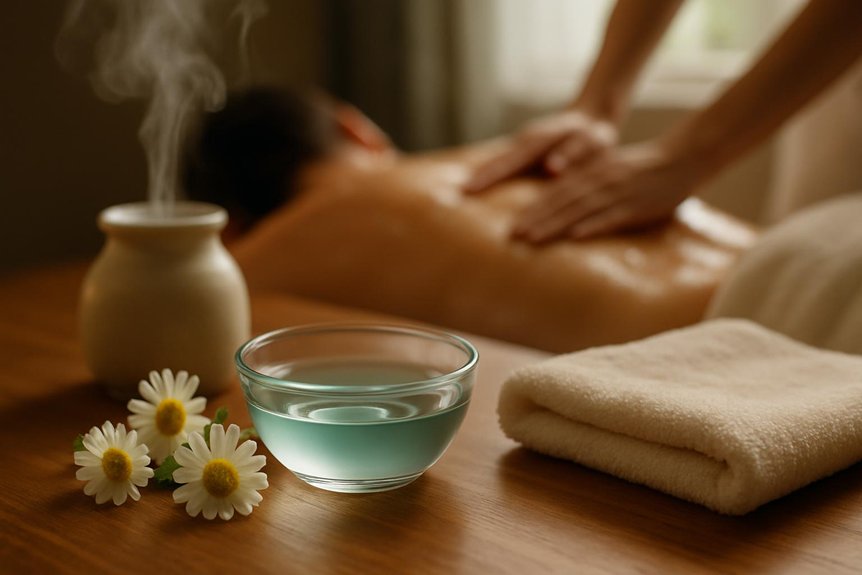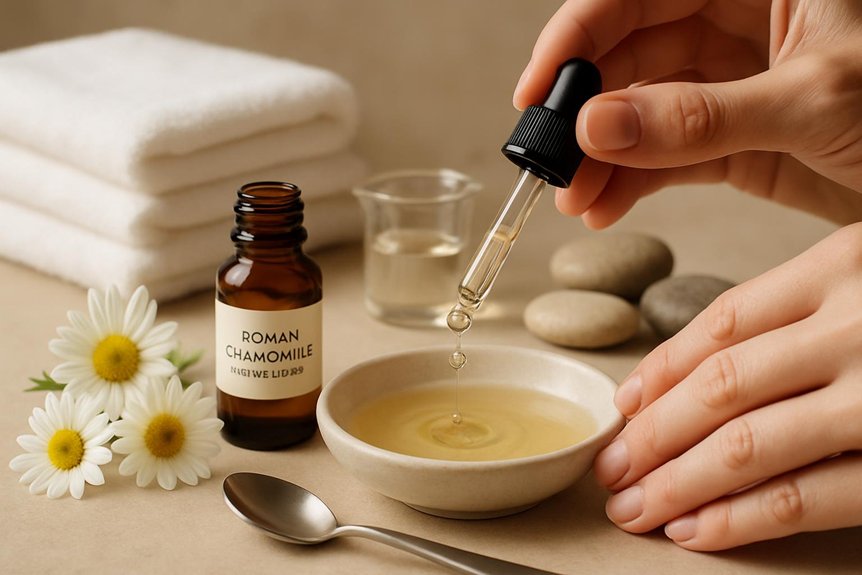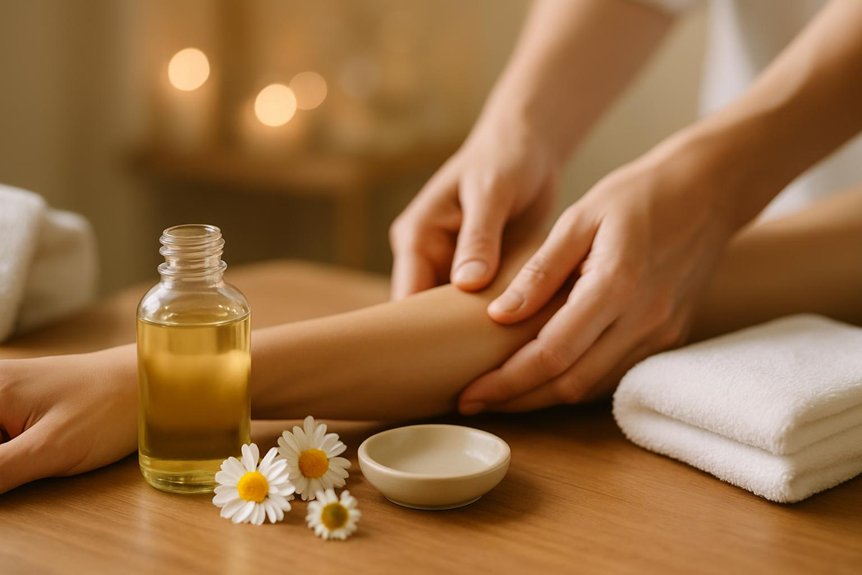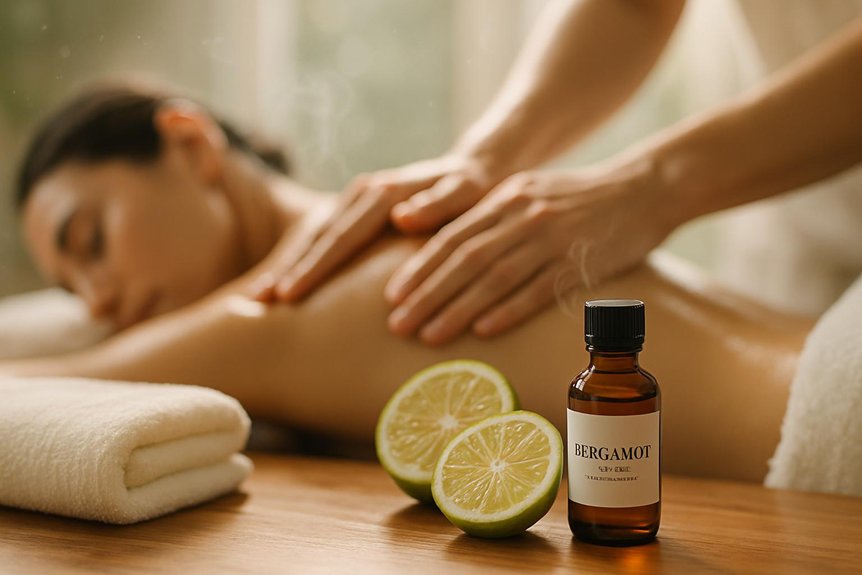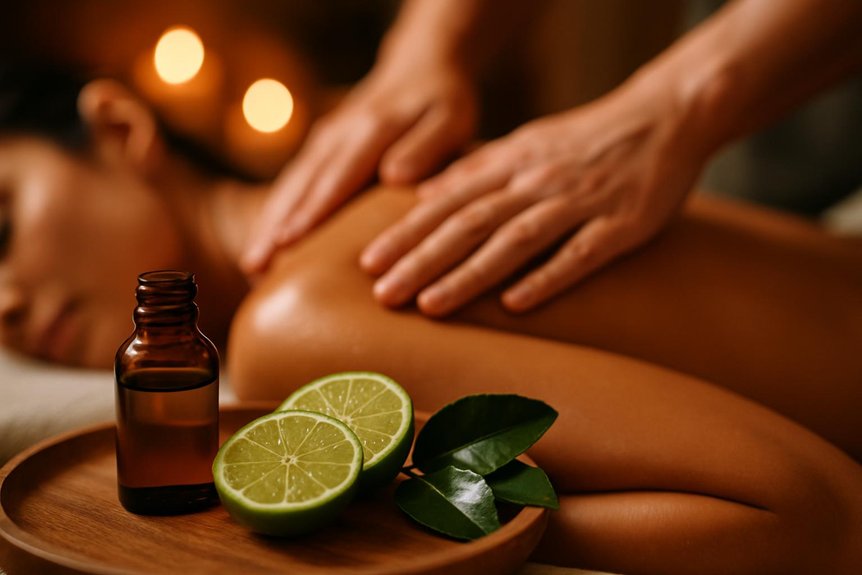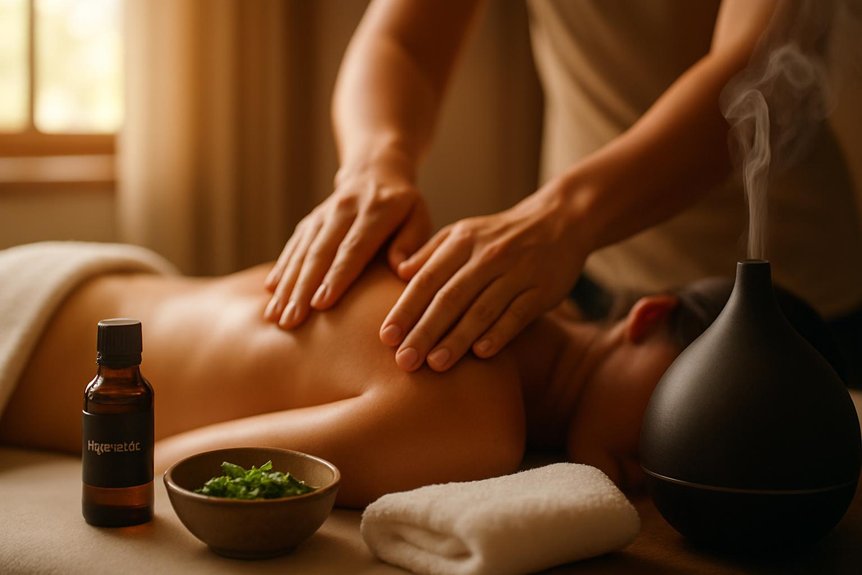
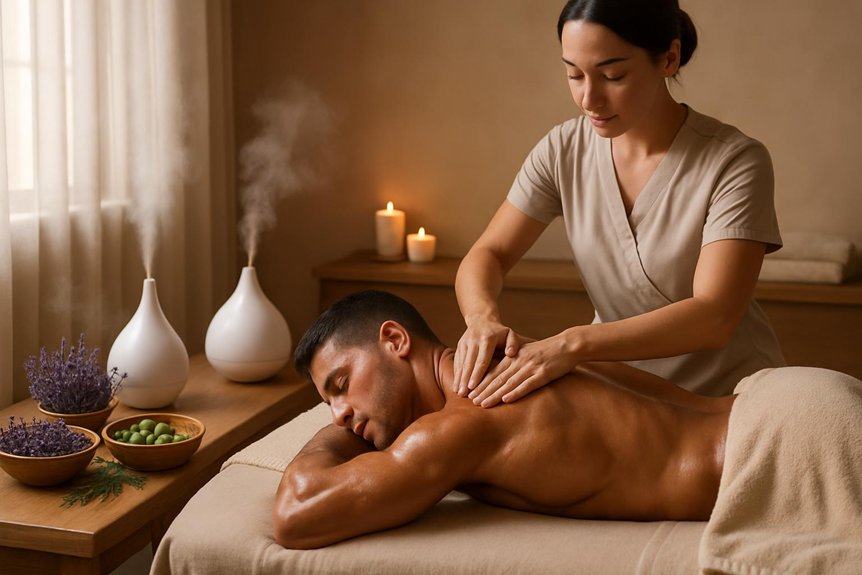
Sports massage complements aromatherapy by combining precise manual techniques with essential oils to target soft tissue dysfunction, enhance local circulation, and promote metabolic waste removal. The use of oils such as lavender, rosemary, or black pepper modulates autonomic nervous system activity, reduces inflammation, and supports myofascial recovery. This integration accelerates muscle repair, improves flexibility, and decreases cortisol levels, facilitating both physical and emotional restoration in active individuals. More details reveal the specific techniques and tailored protocols involved.
Understanding the Principles of Sports Massage
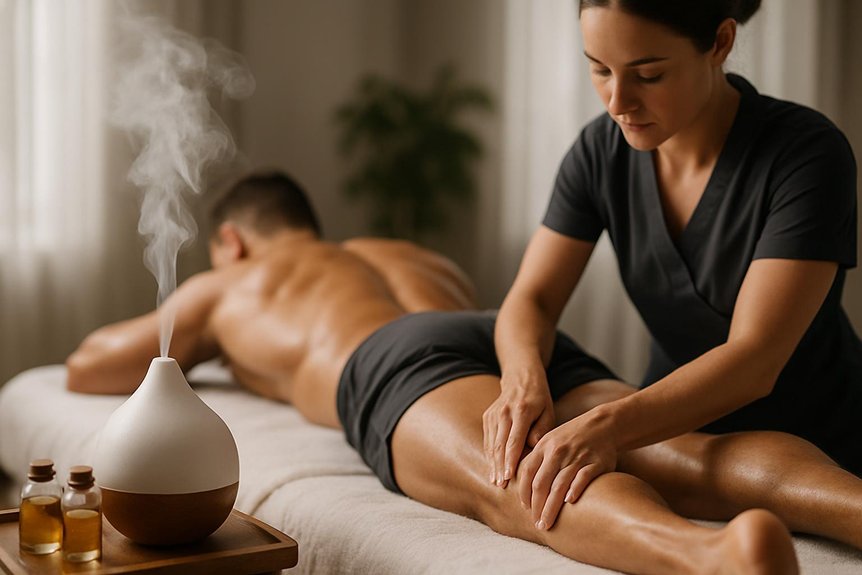
Although sports massage is often associated with athletic performance, its core principles focus on manipulating soft tissues—muscles, tendons, and ligaments—to enhance function, aid recovery, and prevent injury.
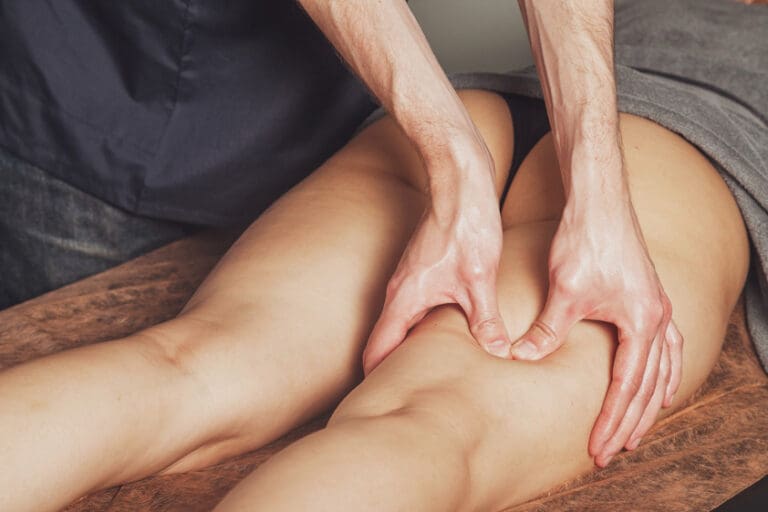
At Spa & Massage, therapists apply a combination of effleurage, petrissage, and friction techniques, targeting specific anatomical structures based on the client’s muscular demands. This direct approach promotes increased blood flow, assists in the removal of metabolic waste, and reduces adhesions within muscle fibers.
Accurate palpation and knowledge of musculoskeletal anatomy enable therapists to identify areas of tension or imbalance. Clients are advised to communicate openly about discomfort or sensitivity, allowing for adjustments in pressure and technique.
Regular sports massage sessions at Spa & Massage help maintain tissue pliability, support neuromuscular efficiency, and foster a deeper connection to one’s own physical well-being. Additionally, some methods used in sports massage are similar to those found in deep tissue massage, which also seeks to break down adhesions and release chronic muscle tension.
Key Benefits of Aromatherapy in Massage
The integration of aromatherapy massage significantly enhances the physiological and psychological impact of massage therapy. By incorporating carefully selected essential oils, aromatherapy massage amplifies the sensory experience, directly influencing the limbic system through olfactory pathways. This neural stimulation helps regulate autonomic nervous system activity, supporting parasympathetic dominance and facilitating deep relaxation.
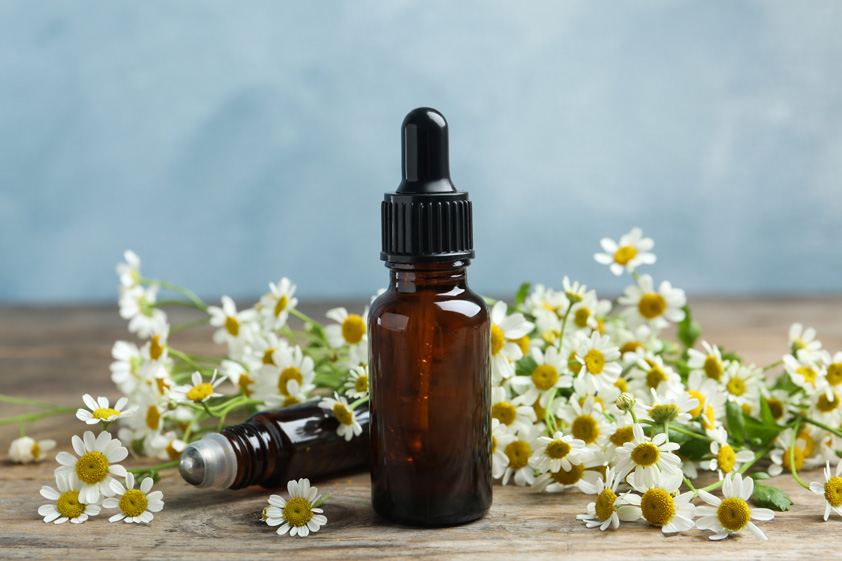
At Spa & Massage, therapists deliver aromatherapy massage using oils such as lavender or chamomile to encourage vasodilation and improve local circulation, optimizing nutrient delivery and metabolic waste removal within muscle tissue. The combined effects of touch and aroma also contribute to the reduction of cortisol levels, promoting a heightened sense of calm, emotional balance, and mind–body connection.
Clients often report increased body awareness, enhanced tension release, and prolonged relaxation following aromatherapy massage sessions. The aromatic environment fosters emotional safety, intimacy, and trust—key elements for effective therapeutic outcomes. Through this holistic approach, aromatherapy massage deepens the restorative and healing benefits of professional massage therapy.
How Essential Oils Enhance Muscle Recovery
Essential oils selected for sports massage at Spa & Massage clinics offer targeted anti-inflammatory properties that can assist with tissue repair after exertion.
By supporting local circulation, these oils may facilitate the efficient removal of metabolic waste from muscle fibers.
Additionally, their calming effects on the nervous system contribute to reduced stress levels, optimizing conditions for muscular recovery.
Targeted Anti-Inflammatory Benefits
When muscle fibres become strained or micro-torn during intense physical activity, the body initiates an inflammatory response that, while essential for healing, can also contribute to discomfort and delayed recovery.
At Spa & Massage, therapists utilise essential oils with scientifically recognised anti-inflammatory properties—such as lavender, eucalyptus, and chamomile—applied directly to target zones during sports massage. These oils interact with the skin and underlying tissues, modulating local inflammation and reducing the accumulation of pro-inflammatory cytokines.
The precise manipulation of soft tissue, coupled with these botanicals, supports the body’s natural resolution of inflammation.
Clients are encouraged to communicate areas of tenderness so that therapists can focus both manual techniques and targeted aromatherapy, optimising relief and fostering an environment conducive to intimate, thorough muscle recovery.
Improved Circulation Support
Although the circulatory system operates continuously to deliver oxygen and nutrients to muscle tissues, targeted intervention can markedly accelerate post-exercise recovery.
At Spa & Massage, therapists integrate sports massage techniques with select essential oils—such as black pepper, rosemary, and ginger—to promote vasodilation and enhance microcirculation within affected muscle fibers. This combination supports the removal of metabolic waste and facilitates nutrient delivery at a cellular level, optimizing the recovery of overworked tissues.
Manual manipulation, when paired with carefully chosen oils, stimulates both superficial and deep vascular networks. Clients often report a sensation of warmth and increased suppleness, reflecting improved blood flow.
For those seeking to maximize muscle recovery, therapists at Spa & Massage recommend regular sessions, tailored to each individual’s anatomical needs and activity levels.
Stress Reduction for Recovery
How does psychological stress impact muscle recovery following intense physical activity? Elevated stress levels trigger the release of cortisol and adrenaline, hormones known to delay tissue repair and heighten muscular tension.
At Spa & Massage, therapists address this physiological barrier by integrating essential oils such as lavender or chamomile into post-exercise treatments. These oils, absorbed through the skin and inhaled, interact with the limbic system, helping to downregulate sympathetic nervous activity and promote parasympathetic dominance.
This shift facilitates decreased muscle tone, improved sleep quality, and optimized protein synthesis—critical components for recovery. Clients are encouraged to combine targeted sports massage techniques with aromatherapy in a tranquil setting, maximizing both physical and psychological restoration.
This dual approach supports full-body healing and fosters a deeper sense of well-being.
Techniques Used to Blend Sports Massage and Aromatherapy
At Spa & Massage, therapists integrate targeted manual therapy techniques with the precise application of essential oils to support ideal musculoskeletal recovery.
By customising oil blends based on anatomical areas of tension or injury, clinicians enhance both the physiological and therapeutic effects of sports massage.
This tailored approach ensures that each treatment addresses specific soft tissue needs while maximising the benefits of aromatherapy.
Combining Manual Therapy Methods
When integrating sports massage techniques with aromatherapy, therapists at Spa & Massage employ a systematic approach to optimise musculoskeletal function and enhance psychological relaxation.
Manual therapy methods such as effleurage, petrissage, and deep tissue friction are blended with the targeted use of aromatic compounds.
Effleurage promotes lymphatic drainage and prepares the fascia and superficial muscle layers for deeper work.
Petrissage mobilises underlying tissues, facilitating toxin release and improved circulation.
Deep friction techniques address adhesions and trigger points, encouraging myofibril realignment.
Throughout these methods, the diffusion of essential oils is synchronised with massage strokes, maximising both the physiological and olfactory pathways.
This combination addresses muscle tension while also calming the nervous system, creating a tailored, multi-sensory experience that supports both physical recovery and mental restoration.
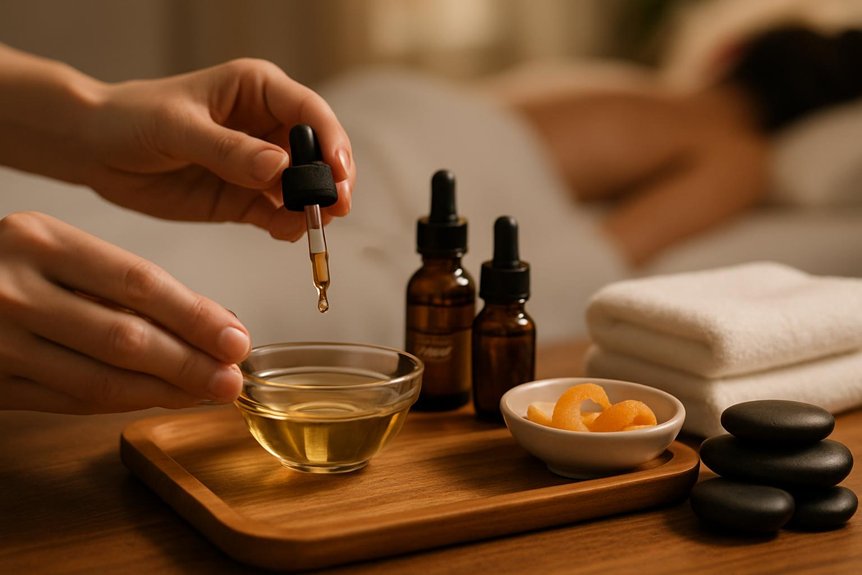
Customising Essential Oil Application
To optimise both musculoskeletal recovery and neurological relaxation, therapists at Spa & Massage employ precise protocols for customising essential oil application during sports massage.
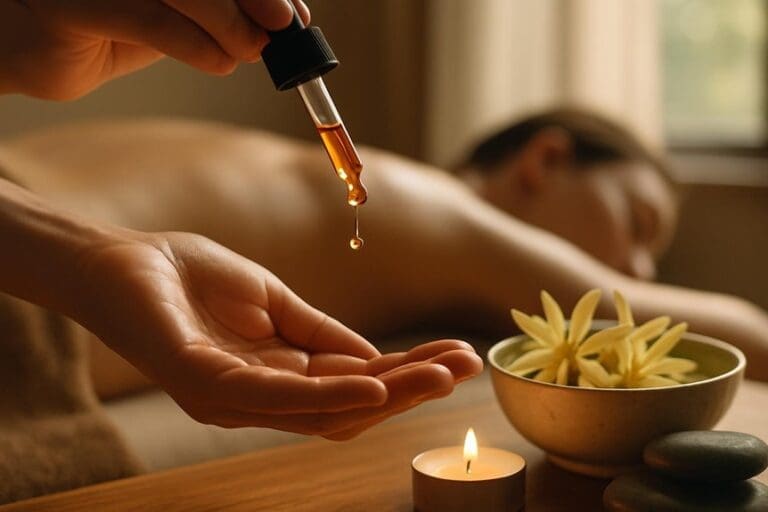
Selection begins with a thorough assessment of the client’s physical condition and treatment goals—focusing on muscle tension, tissue inflammation, or nervous system fatigue. Oils such as lavender for parasympathetic activation or marjoram for myofascial release are blended at concentrations tailored to individual sensitivity.
Application techniques include effleurage for superficial absorption and petrissage for deeper tissue penetration. These techniques are always aligned with anatomical structures such as muscle bellies, tendinous insertions, and neural pathways.
This targeted, layer-specific approach ensures the aromatic compounds act synergistically with manual therapy, promoting both swift muscular repair and profound emotional ease—integral elements of the Spa & Massage philosophy.
Supporting Athletic Performance and Flexibility
How can targeted manual therapy and essential oils work together to optimise athletic capacity and flexibility? At Spa & Massage, therapists combine advanced sports massage techniques with carefully selected aromatherapy oils to address myofascial restrictions, enhance circulation, and support efficient muscle fibre elongation.
Deep tissue manipulation targets adhesions in key muscle groups—such as the hamstrings, quadriceps, and calves—while essential oils like rosemary or black pepper are integrated to facilitate neuromuscular relaxation and ease joint stiffness.
This dual approach allows for improved range of motion and faster post-exertion recovery. For clients, practical aftercare advice includes gentle stretching and hydration to maintain tissue suppleness.
Stress Relief and Mental Clarity for Active Lifestyles
Beyond physical performance, the demands of an active lifestyle also exert significant pressure on the nervous system, often leading to elevated cortisol levels and impaired cognitive function.
At Spa & Massage, practitioners recognise that chronic stress manifests through muscular tension, shallow respiration, and disrupted sleep patterns.
Sports massage, when combined with aromatherapy, targets the parasympathetic nervous system, encouraging a reduction in sympathetic overactivity and facilitating the release of endorphins.
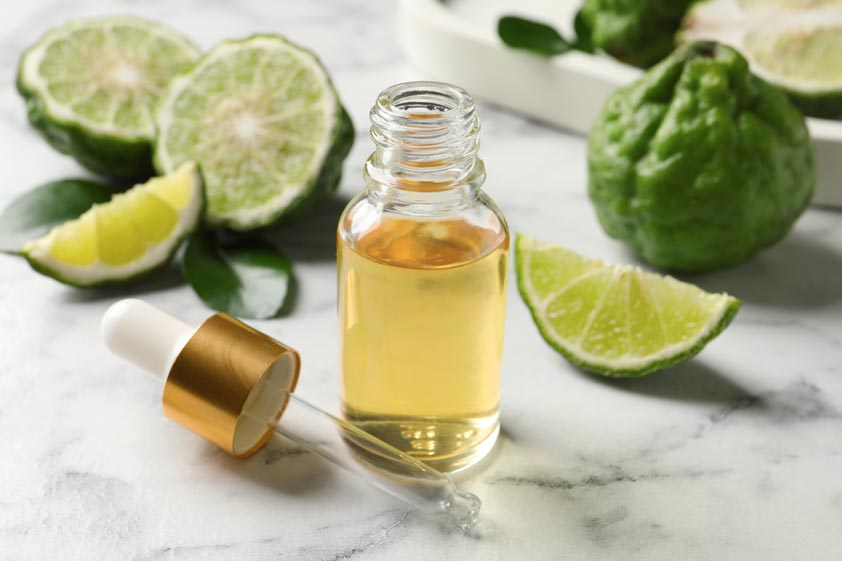
Essential oils such as lavender and bergamot, integrated during treatment, interact with the limbic system to promote relaxation and sharpen mental focus.
By alleviating myofascial tightness and supporting neurochemical balance, clients experience improved clarity and emotional stability.
This synergy is essential for individuals seeking not only physical recovery but also a profound sense of mental restoration.
Aftercare Recommendations From Our Therapists
Why is aftercare essential following a sports massage complemented by aromatherapy? Aftercare guarantees that the physiological benefits achieved during treatment are preserved and enhanced.
Spa & Massage therapists advise clients to hydrate thoroughly to facilitate lymphatic drainage and the removal of metabolic waste released from myofascial manipulation. Gentle stretching of target muscle groups—often the quadriceps, hamstrings, and deltoids—can further reduce residual tension.
Avoiding strenuous activity for at least 24 hours allows connective tissue and muscle fibres time to repair and adapt. Additionally, our therapists recommend inhaling residual aromatic oils or using them in a warm bath to prolong neurovascular relaxation.
Monitoring for localized tenderness or erythema is important; applying a cold compress can mediate post-treatment inflammation if necessary.
This approach maximizes therapeutic gains.
Why Clients Choose Combined Treatments at Spa & Massage
A significant proportion of clients at Spa & Massage select combined sports massage and aromatherapy treatments for their synergistic impact on both musculoskeletal function and neurophysiological wellbeing. This approach addresses localised soft tissue dysfunction—such as myofascial adhesions and hypertonic muscle groups—while leveraging olfactory pathways to modulate the autonomic nervous system.
Clients seeking relief from chronic tension, delayed onset muscle soreness, or repetitive strain injuries benefit from targeted manual therapy that increases circulation and promotes tissue repair.
Concurrently, the use of therapeutic essential oils—chosen by therapists for their specific neurochemical actions—facilitates parasympathetic activation, reducing cortisol levels and encouraging deep relaxation.
This dual modality supports both physical recovery and emotional restoration, making it a preferred choice for individuals who value holistic, intimacy-driven care at Spa & Massage.
Conclusion
Ultimately, the fusion of sports massage and aromatherapy is the unsung hero in the gladiatorial arena of modern wellness. Who knew that a deft kneading of the latissimus dorsi, combined with a whiff of lavender, could turn mere mortals into paragons of flexibility and calm? Athletes, rejoice: your quadriceps may ache, but your olfactory bulb will thank you. For those seeking the ultimate in muscular recovery and serenity, this dynamic duo is practically a prescription.