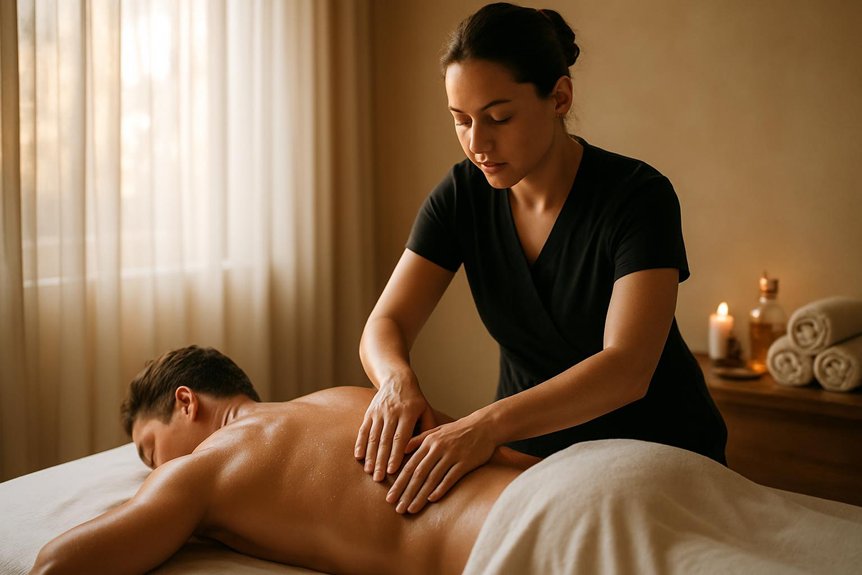
Soreness after a deep muscle therapy typically lasts 24–48 hours, with peak tenderness often occurring within the first day. A smaller proportion of clients may feel residual sensitivity for up to 72 hours, especially after intensive work on tight areas. This response is usually mild to moderate and described as a “worked” or post-exercise stiffness that steadily improves. Pain that worsens, significant swelling, spreading bruising, numbness, or symptoms beyond three days warrants reassessment; further guidance is outlined below.
How Long Does Deep Muscle Therapy Soreness Last?

How long does soreness last after a deep muscle therapy? Most clients experience tenderness for 24–48 hours, with a smaller proportion feeling it up to 72 hours, depending on pressure, treated areas, training load, sleep, and hydration.
Evidence on delayed-onset muscle soreness suggests peak sensitivity often occurs within the first day, then steadily resolves.
At Spa & Massage clinics across London, therapists pace depth and duration to match tissue response, so post-treatment ache stays within a tolerable, close-to-the-body “worked” sensation rather than sharp discomfort.
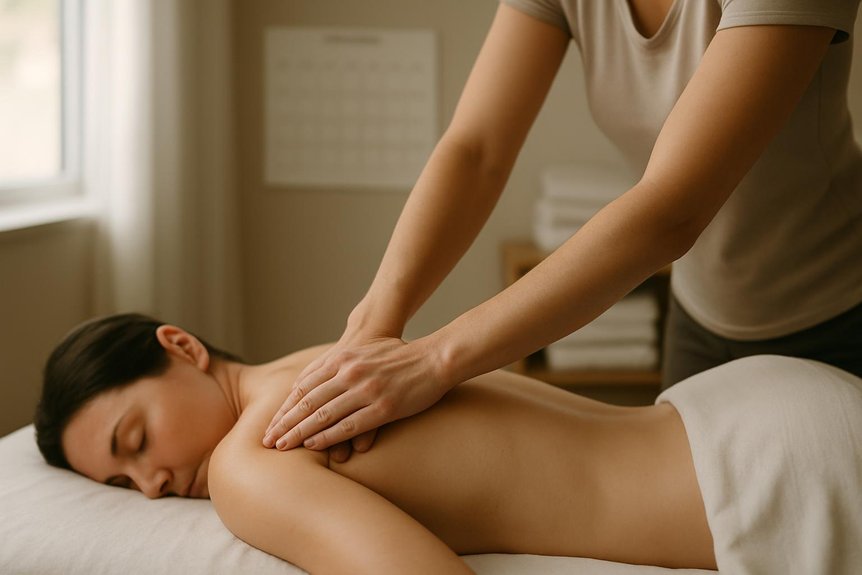
Because deep tissue work targets deeper muscle layers and connective tissue, deep tissue massage techniques can influence how long that “worked” feeling lingers.
When soreness persists beyond three days, clients are advised to pause intense exercise, prioritise gentle movement and warmth, and book a follow-up assessment to recalibrate pressure and technique.
Is This Normal After a Deep Muscle Therapy?
Mild to moderate soreness is often normal after a deep muscle therapy, particularly when deeper layers of muscle and fascia have been worked and long-held tension patterns have been challenged. Many clients describe a tender, “worked” feeling similar to post-exercise stiffness, sometimes alongside warmth or mild heaviness in the treated areas.
In Spa & Massage clinics across London, therapists screen for contraindications, adjust pressure, and check in frequently so intensity stays therapeutic and comfortable. Normal responses typically improve with gentle movement, hydration, and rest, and should not prevent daily function.
However, sharp pain, increasing swelling, numbness, bruising that spreads, dizziness, or symptoms lasting beyond a few days warrant contacting the clinic and seeking medical advice. Clear communication about comfort, boundaries, and aftercare supports safe, intimate recovery.
Why Are You Sore After Deep Muscle Therapy?
Deep muscle therapy can leave muscles tender because sustained, targeted pressure mechanically loads tight tissue and stimulates local inflammatory and neurochemical responses.
Microtrauma to muscle fibres and fascia may occur, similar to delayed onset muscle soreness after unfamiliar exercise, increasing sensitivity for 24–72 hours.
Pressure also activates nociceptors and can temporarily amplify protective muscle guarding before relaxation follows.
At Spa & Massage clinics across London, therapists often find soreness is more likely when long-held tension, trigger points, or postural overload are treated, especially in the neck, shoulders, hips, and calves.
Increased circulation and fluid shift can create a heavy, bruised sensation even without visible marks.
Emotional softening may accompany physical release, as the nervous system downshifts and previously braced areas become newly perceptible and vulnerable.
How to Ease Deep Muscle Therapy Soreness (Today and Tomorrow)
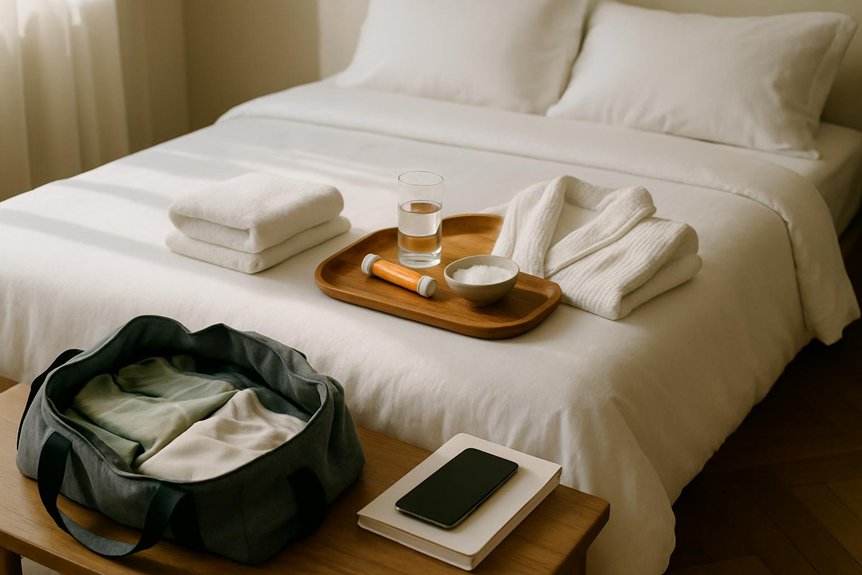
After a deep tissue session, post-treatment soreness is usually best managed with simple, low-risk measures that support tissue recovery and calm the nervous system over the next 24–48 hours.
At Spa & Massage, clients are advised to hydrate, eat a balanced meal, and prioritise sleep, as recovery is driven by rest.
Gentle movement—short walks, light stretching, or easy mobility—can improve comfort without re-irritating tender fibres.
A warm shower or heat pack may soothe stiffness; if the area feels puffy or inflamed, brief cold application can reduce sensitivity.
Self-massage with slow, light pressure and a neutral oil, as used in Spa & Massage clinics, can reassure the tissues.
Avoid intense workouts, alcohol, and deep stretching until tenderness eases.
When to Call Your Therapist or GP
In most cases, post-massage soreness settles within 24–72 hours; however, a therapist should be contacted if pain is worsening rather than improving, function is limited (e.g., reduced range of motion, weakness, or difficulty weight-bearing), or new symptoms develop such as marked swelling, significant bruising, numbness/tingling, dizziness, or shortness of breath.
At Spa & Massage, clients are encouraged to message or call their therapist promptly so pressure, technique, and aftercare can be reviewed and adjusted with care and discretion. Same-day GP or NHS 111 advice is appropriate if symptoms are severe, spreading, or accompanied by fever, redness/heat, chest pain, calf tenderness, or unusual fatigue.
Urgent assessment is warranted after recent anticoagulant use, known clotting disorders, or pregnancy. Clear communication protects safety and comfort.
Conclusion
Post–deep tissue soreness typically peaks within 24 hours and resolves in 24–72 hours; longer tenderness is less common and warrants review. One theory suggests soreness reflects “toxins” being released, yet current evidence more strongly supports micro-irritation of sensitised tissue, temporary inflammation, and altered neuromuscular tone—similar to delayed onset muscle soreness. Most clients improve with hydration, gentle movement, warmth, and light stretching. Escalating pain, swelling, bruising, or neurological symptoms should prompt contact with the therapist or a GP.