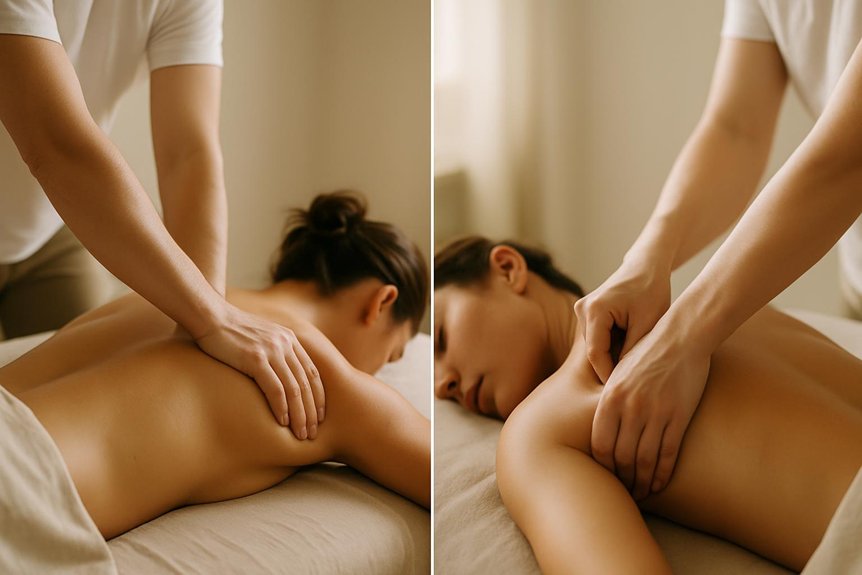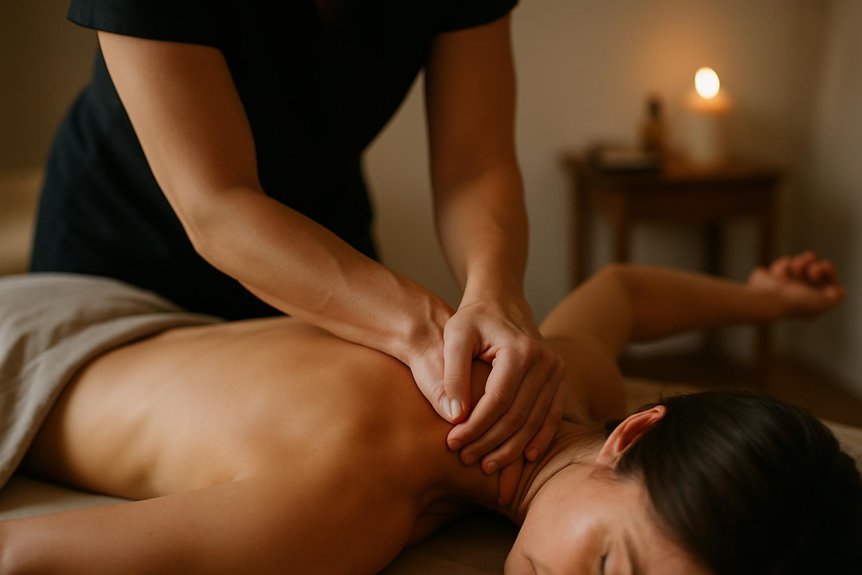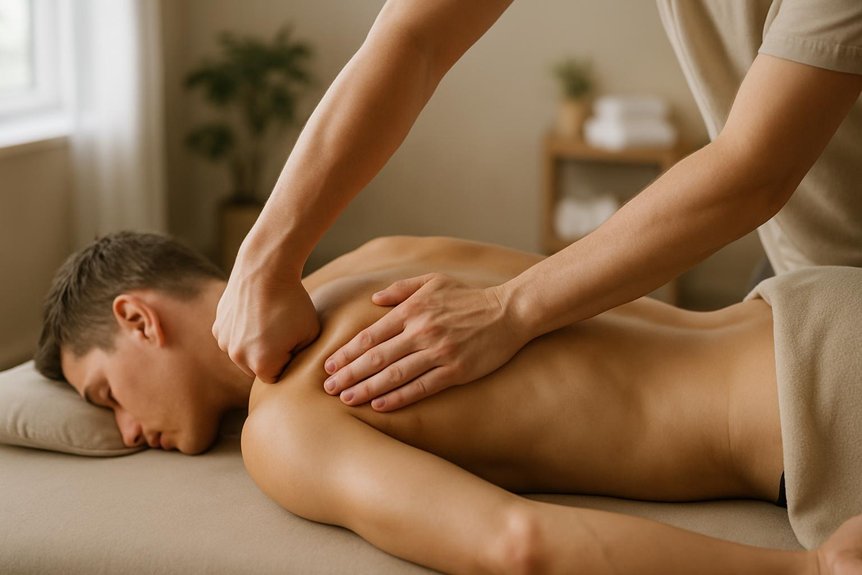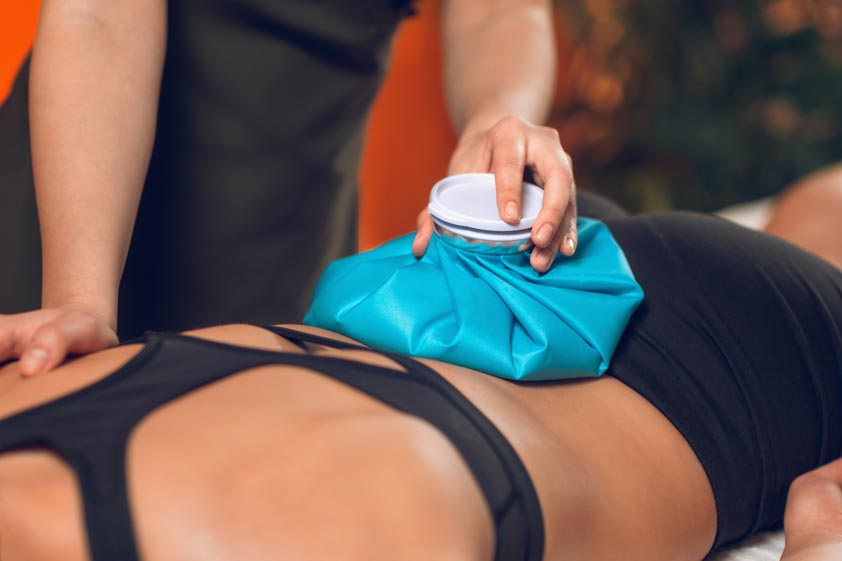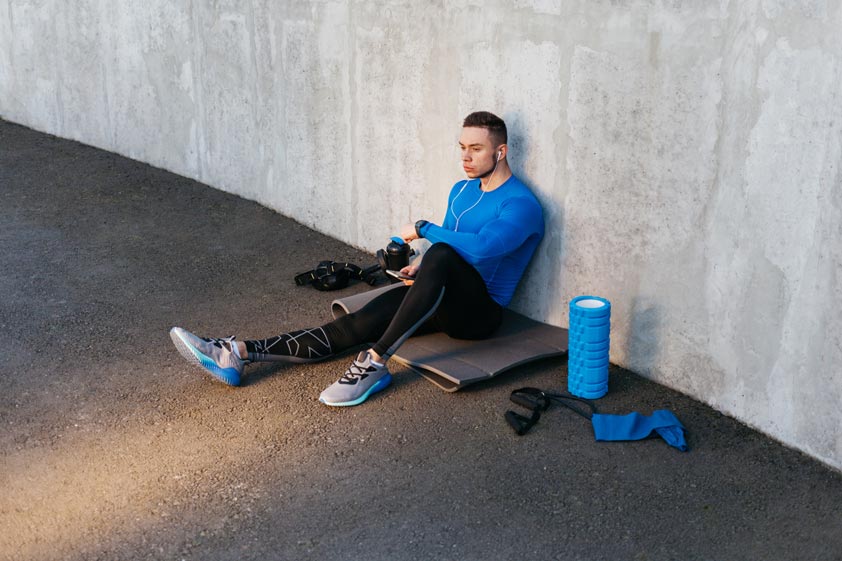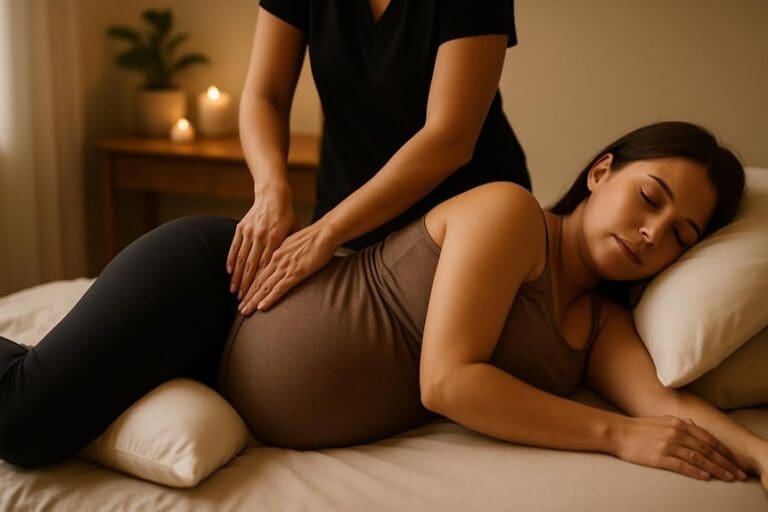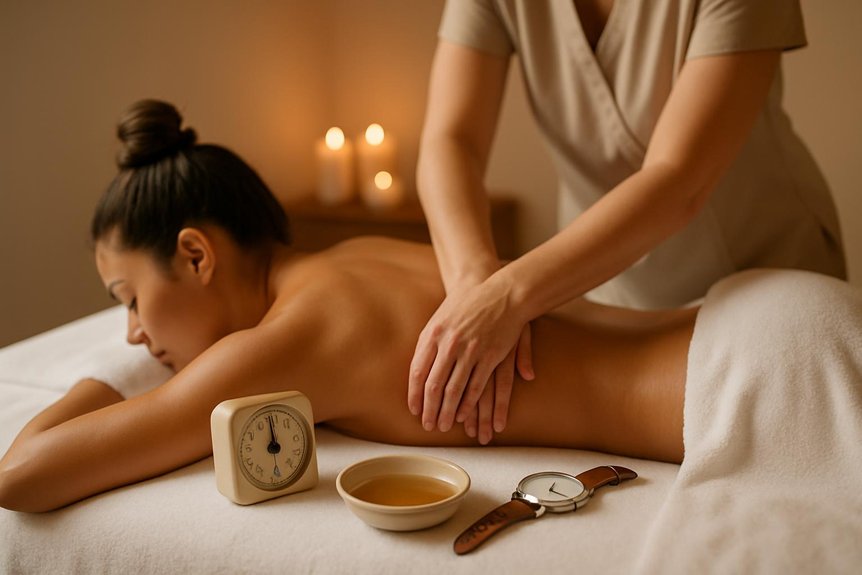
It is commonly scheduled for 60 minutes, which allows sufficient warming, progressive depth, and nervous-system settling. For a single, well-defined issue, 30–45 minutes can be effective when pressure is paced and breathing is coached. Sessions of 75–90 minutes may suit multi-area or long-standing tightness if intensity is carefully modulated with frequent check-ins. Persistent soreness beyond 48 hours can indicate excess intensity or duration. Additional guidance can help match timing to goals.
How Long Should an Deep Tissue Massage Be?
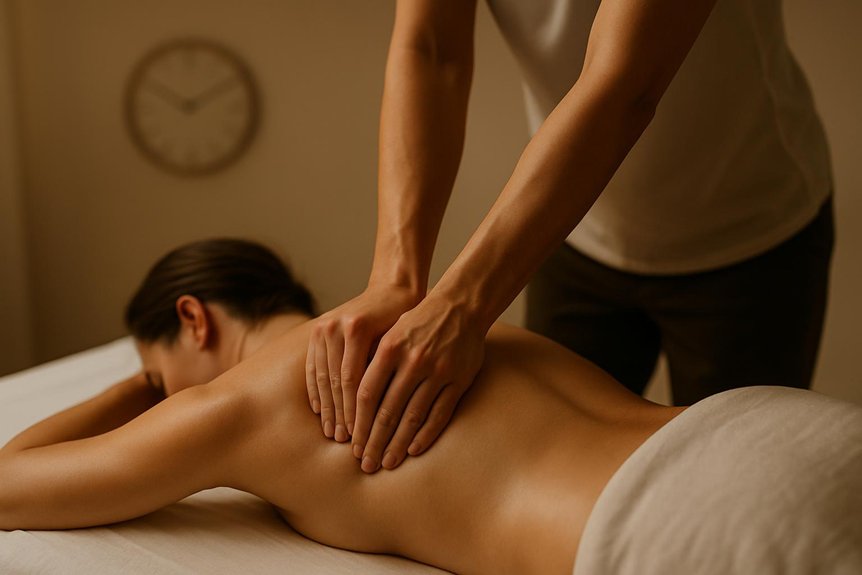
How long should an intensive tissue massage be to achieve meaningful relief without excessive post-treatment soreness? Evidence-informed practice typically supports 60 minutes as a balanced baseline, allowing adequate warming of tissue, progressive depth, and time for nervous-system downregulation.
For focused discomfort (e.g., neck, shoulders, low back), 45 minutes can be sufficient when pressure is paced and breathing is coached.
Sessions of 75–90 minutes may suit complex, multi-area tension, but only when intensity is carefully modulated and communication remains continuous.
It is often used to address chronic tightness by working into deeper layers of muscle and fascia with slow, deliberate pressure—one of the core deep tissue techniques that influences how much time is needed.
At Spa & Massage clinics across London, therapists tailor duration to tenderness, training load, stress, and recovery capacity, checking in frequently and adjusting pressure to keep the work intimate, safe, and restorative. Hydration and gentle movement afterwards reduce next-day heaviness.
What Intensive Tissue Massage Length Is Best for Your Goal?
Match the session length to the intended outcome to improve results while minimising post-treatment soreness. For targeted pain relief, a shorter, focused treatment can address one or two problem areas without overloading sensitive tissues.
For whole-body tension, a longer session allows gradual warming, deeper access to fascial restrictions, and time for calming, parasympathetic downshifting.
For sports recovery, the ideal length depends on training load, timing, and whether the aim is mobility, circulation, or specific trigger-point work.
For stress and sleep support, prioritising slow pacing and sustained contact often matters more than intensity, creating a safe, close, grounded experience.
At Spa & Massage clinics, therapists assess goals, tenderness, and recovery capacity, then titrate pressure and scope accordingly.
Intensive Tissue Massage: 30 Vs 60 Vs 90 Minutes
In clinical practice, the choice between a 30-, 60-, or 90-minute intensive tissue massage is best determined by the client’s primary complaint, tissue reactivity, and the amount of area requiring assessment and treatment.
A 30-minute session suits a single, well-defined focus—such as neck/shoulder tension—allowing targeted work without overloading sensitive tissues.
A 60-minute session is the clinical standard for most clients, balancing detailed assessment, progressive pressure, and integration across related regions.
A 90-minute session supports complex, multi-area presentations or long-standing tightness, giving time for slower, more intimate pacing and sustained tissue change.
At Spa & Massage clinics across London, therapists match duration to comfort, communication, and breath, using gradual depth, supportive draping, and clear consent throughout.
How Often Should You Get an Intensive Tissue Massage?
Typically, the ideal frequency for an intensive tissue massage depends on the client’s symptoms, training load, stress levels, and how quickly the tissues settle after treatment.
For acute flare-ups, many clients benefit from 1 session weekly for 2–4 weeks, then tapering as function and comfort improve.
For ongoing maintenance, every 2–4 weeks often supports mobility, circulation, and calmer muscle tone.
Athletes in heavy training may choose weekly or fortnightly care, timed around recovery days.
For high work stress or prolonged sitting, monthly sessions can help sustain ease and body awareness.
At Spa & Massage clinics across London, therapists reassess each visit, adjusting cadence based on tenderness, sleep, movement quality, and day-to-day intimacy with one’s own body.
Was Your Intensive Tissue Massage Too Long or Too Intense?
Occasionally, an intensive tissue massage can be counterproductive when session length or pressure exceeds what the nervous system and soft tissues can comfortably tolerate. Signs include lingering soreness beyond 48 hours, bruising, headaches, fatigue, disturbed sleep, increased pain, or a protective “guarding” response during touch.
Research on delayed onset muscle soreness and autonomic stress suggests overly aggressive work may prolong recovery rather than improve mobility. At Spa & Massage clinics across London, therapists watch for breath-holding, flinching, and loss of ease—subtle cues that intensity should be reduced.
Aftercare should feel nurturing: hydration, gentle movement, warmth, and avoiding heavy training for 24 hours. If symptoms persist, clients are advised to book a shorter, slower session and discuss pressure preferences openly.
Conclusion
Selecting an appropriate intensive tissue massage length is like choosing the correct lens for an examination: too narrow, and key structures are missed; too long, and tissues may become reactive. A 30-minute session can map one problem area, 60 minutes often supports balanced, progressive work, and 90 minutes may suit complex, multi-region patterns. Frequency should reflect training load, symptoms, and recovery capacity. When soreness persists beyond 48 hours, intensity or duration likely exceeded tolerance.