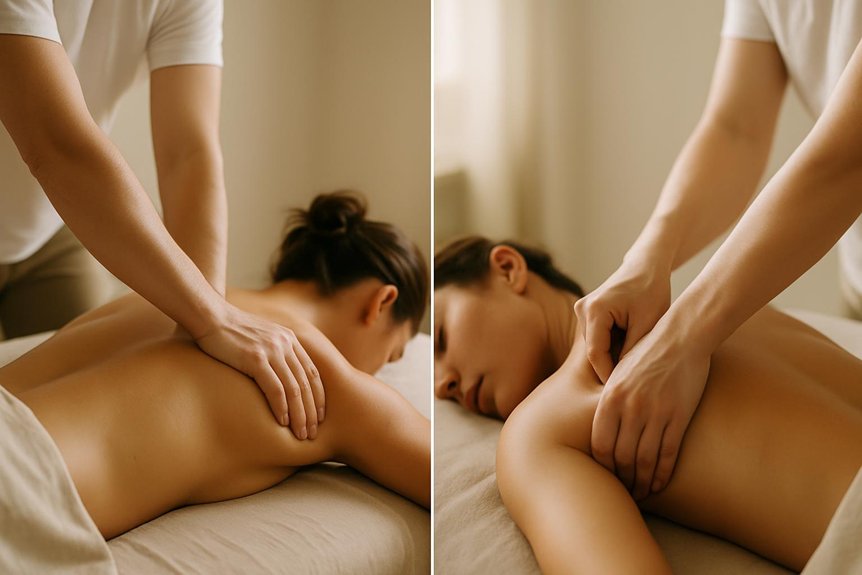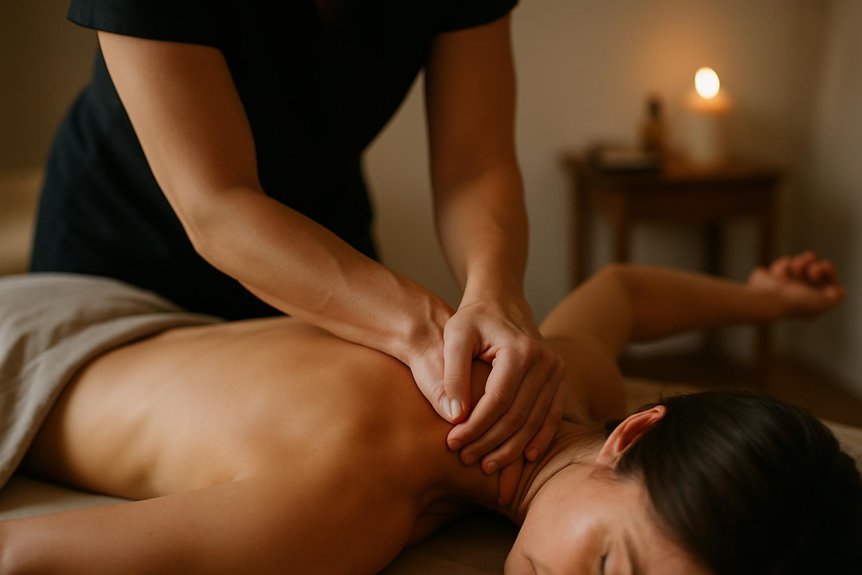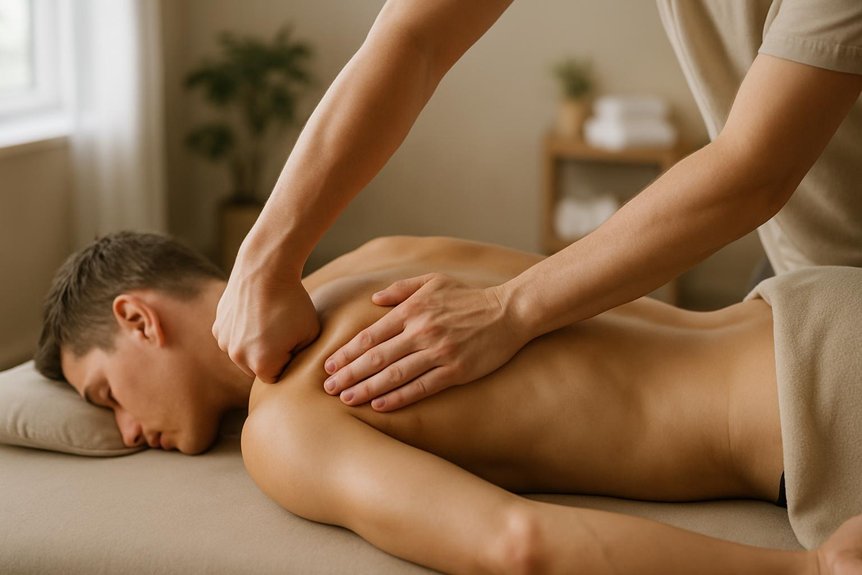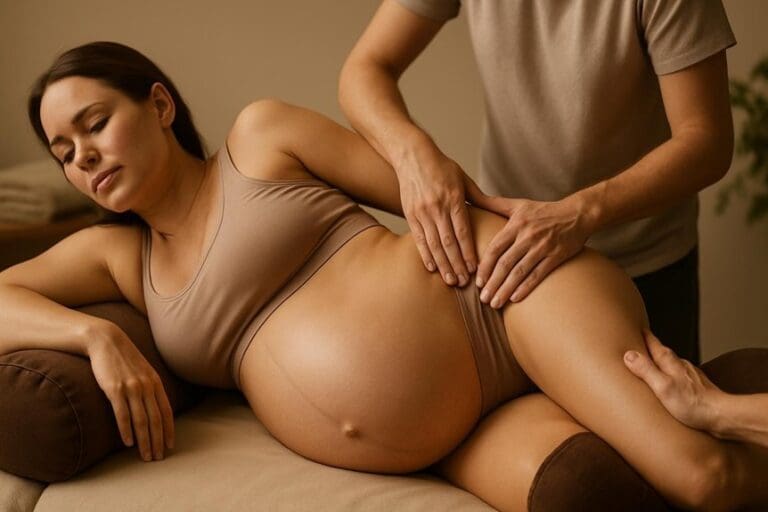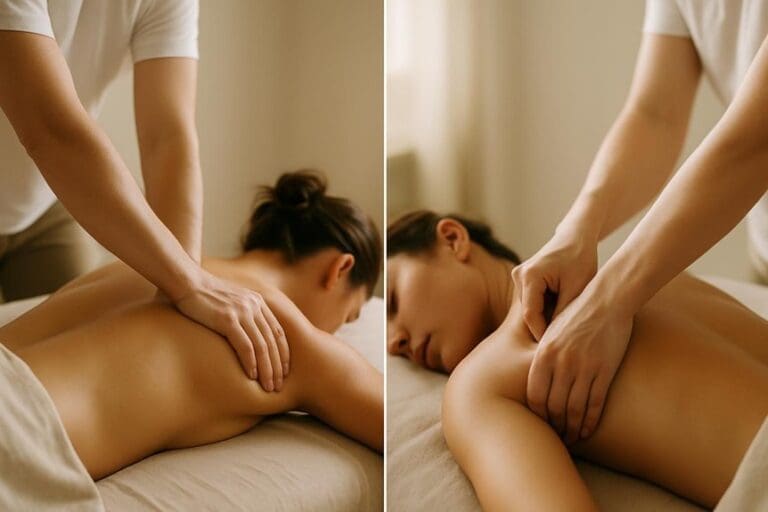

Intensive tissue massage uses slow, sustained pressure that starts light and increases in small increments as superficial tissues warm and deeper muscle and fascia soften. Intensity is typically guided by a 0–10 scale, aiming around 6–7: strong, controlled “good pressure” that allows steady breathing and relaxed muscles. Pressure should not feel sharp, burning, electrical, or radiating, and should never cause numbness, tingling, or guarding. More guidance on safe pressure cues and aftercare follows.
How Should Deep Tissue Massage Pressure Feel?
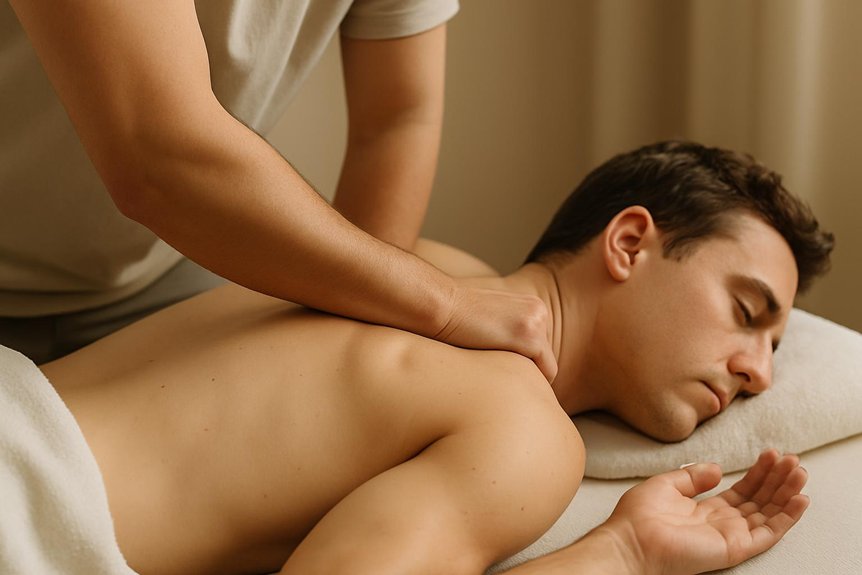
Intensive tissue massage pressure should feel like slow, targeted compression sinking into specific muscle layers and fascia, creating a strong but controlled intensity rather than sharp pain.
At Spa & Massage clinics, therapists typically begin with lighter contact to warm superficial tissues, then progress to deeper engagement of the calves, gluteals, back extensors, and shoulder girdle as the body softens.
Sensation is often described as deliberate, grounding, and closely held—firm contact that encourages release while allowing steady breathing and relaxed guarding.
A healthy response includes warmth, spreading pressure, and a sense of tissue “melting” under sustained strokes.
Because deep work targets deeper layers, deep tissue massage techniques often rely on slow, sustained strokes to reduce chronic tension and improve mobility.
Warning signs include stabbing pain, tingling, numbness, bruising tenderness, or pain that persists beyond 48 hours, which should prompt immediate adjustment.
What Does “Good” Deep Tissue Pressure Feel Like?
“Good” deep tissue pressure is typically perceived as strong but manageable, creating a controlled intensity over targeted muscle and fascial layers without sharp, burning, or radiating pain. It may register as a therapeutic “hurts so good” sensation that eases with slow breathing and clear feedback, which is why Spa & Massage therapists continuously adjust force and angle to protect sensitive structures such as nerves and tendons.
After the session, expected body signals include warmth, improved range of motion, and mild, short-lived soreness rather than bruising, numbness, or persistent pain.
Strong But Manageable
How can strong pressure still be considered safe and effective? It feels substantial yet controllable: firm contact that reaches deeper muscle layers without sharp pain, breath-holding, or guarding.
At Spa & Massage clinics across London, therapists aim for pressure that allows slow exhalation and relaxed facial muscles while specific tissue resistance softens.
The sensation is often a deep, spreading intensity along the muscle belly, not a stabbing point on bone, nerve, or joint.
“Manageable” means the client can speak clearly, keep the area relaxed, and request adjustments without embarrassment.
Safe deep pressure respects anatomy: it follows fibre direction, avoids bony prominences and neurovascular bundles, and uses gradual loading to protect skin, fascia, and capillaries.
Therapeutic “Hurts So Good
Look for a deep, diffuse intensity that stays within control rather than a sharp, pinpoint sting.
“Good” deep tissue pressure is often felt as a slow, melting ache through muscle fibres and fascia, with warmth, spreading sensation, and an urge to exhale.
The client should still breathe steadily and speak easily; guarding, flinching, or numbness indicates overload.
Pressure should track along muscle length and tendon borders (for example, upper trapezius, gluteals, calves) without compressing bony points or nerves.
In Spa & Massage clinics across London, therapists aim for a firm, intimate contact that feels secure and attentive, then adjust within seconds using feedback, pace, and angle.
The right intensity leaves muscles yielding, not bracing.
Post-Session Body Signals
After the session, tissue response provides the clearest indicator that pressure stayed therapeutic rather than excessive.
“Good” deep tissue pressure is typically followed by a sense of looseness and improved range of motion, with mild, diffuse tenderness in the worked muscles (similar to light post-exercise soreness) that settles within 24–48 hours.
At Spa & Massage clinics, therapists advise clients to note warmth, calmer breathing, and easier posture—signs that fascia and muscle tone have downregulated without protective guarding.
Hydration, gentle walking, and light stretching support local circulation and lymphatic return.
Concerning signals include sharp, localised pain, bruising, nerve-type tingling, headache, or pain that escalates or persists beyond 72 hours.
These may indicate excessive compression of superficial vessels, trigger-point irritation, or neural sensitisation, and warrant prompt follow-up.
How Do Our Therapists Adjust Deep Tissue Pressure Safely?
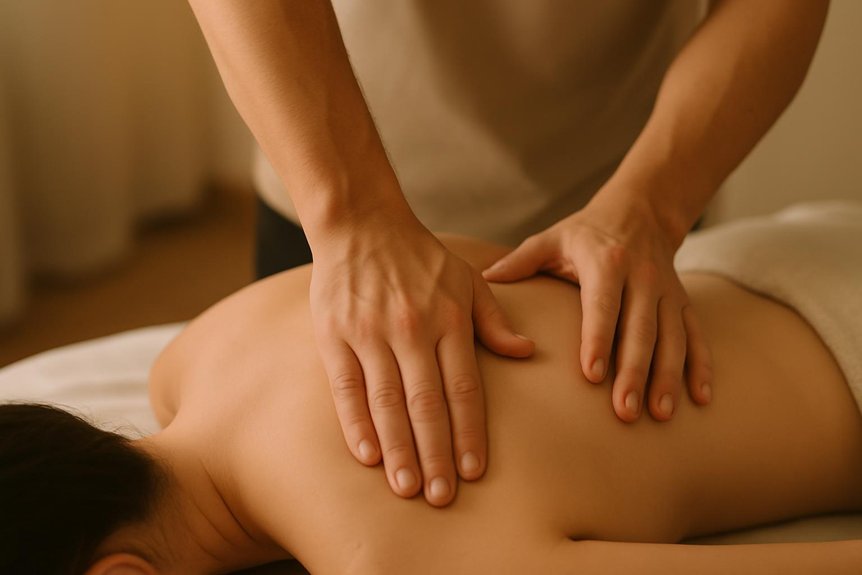
Within Spa & Massage clinics across London, deep tissue pressure is adjusted through a controlled, anatomy-led process designed to protect nerves, vessels, and vulnerable soft tissues while still reaching deeper muscular layers.
Therapists begin with lighter strokes to warm fascia, assess tissue tone, and map tenderness, then increase load in small increments while monitoring breath, facial tension, and guarding. Pressure is directed along muscle fibres and fascial planes, avoiding bony prominences and known neurovascular pathways, and using forearms or elbows only when tissue tolerance is clear.
Clients are coached to give immediate feedback using a simple 1–10 scale, keeping intensity “strong but safe” without sharp, electric, or burning sensations. Pace, angle, and duration are modified to maintain comfort and trust throughout.
Is Sports Massage Pressure Different From Deep Tissue?
Sports massage pressure is often applied with a performance-focused goal—preparing tissue for load, reducing post-exercise soreness, or addressing sport-specific strain—whereas deep tissue pressure is typically directed at releasing persistent myofascial restriction and restoring normal muscle length.
At Spa & Massage, therapists differentiate the feel and intent by targeting specific anatomical structures (muscle bellies, tendon junctions, fascia) and using techniques such as compression, friction, and stretching with carefully graded intensity.
Pressure is controlled through pace, angle, and contact surface to maintain safe tissue response and avoid provoking protective guarding or nerve irritation.
Pressure Goals And Feel
A clear distinction between sports massage pressure and deep tissue pressure lies in the clinical goal and the tissue response targeted.
Sports massage pressure is typically directed toward performance-related tissues—muscle bellies, tendons, and fascial lines—seeking readiness, recovery, and efficient glide, so it often feels brisk, specific, and changeable. Deep tissue pressure aims to downshift protective tone and address persistent restriction in deeper layers, so it may feel slower, heavier, and more sustained.
In Spa & Massage clinics, therapists frame pressure by anatomy and feedback: a “strong but safe” sensation, clear warmth, and a sense of release, without sharp pain, numbness, or guarding.
Comfort and consent remain central throughout, especially around sensitive areas and breath.
Techniques And Intensity Control
In practical terms, intensity control is achieved less by “pushing harder” and more by selecting the appropriate technique, tissue layer, and pacing for the clinical goal.
Sports massage pressure can feel different because it often targets performance tissues: muscle bellies, myotendinous junctions, and fascia along movement lines, using compressions, stripping, and active or resisted motion to change tone quickly.
Deep tissue work more commonly uses slower sinking strokes and sustained holds to influence deeper layers and adhesions, staying within a tolerable, breath-led discomfort.
At Spa & Massage clinics, therapists calibrate depth through forearm angle, contact surface, glide, and client feedback, prioritising circulation, nerve comfort, and guarding reduction.
Post-session tenderness should be mild and short-lived.
When Deep Tissue Pressure Hurts (And Isn’t OK)?
When does deep tissue pressure cross the line from therapeutic intensity to unsafe pain? It is not “good pain” when it triggers sharp, stabbing, burning, electrical, or radiating sensations, or when numbness/tingling appears—signs of nerve irritation.
Pain that spikes with a single spot, especially near the spine, ribs, front of the neck, inner thigh, or behind the knee, can indicate vulnerable vessels, lymph nodes, or superficial nerves.
Guarding, breath-holding, or involuntary muscle spasm suggests the nervous system is bracing rather than releasing.
Bruising, headache, dizziness, or lingering soreness beyond 48 hours may reflect excessive tissue load or inflammation.
At Spa & Massage, therapists prioritise slow, anatomical contact so pressure remains intimate, grounded, and safe.
What to Say to Change Deep Tissue Pressure?

Clear communication is the main safeguard once pressure starts to feel sharp, nerve-like, or provoking protective muscle bracing.
The client can say, “Reduce pressure by 30%,” “Stay superficial—no elbows,” or “Work around the sciatic area; it’s zinging.” For precision, they can name the structure: “That’s on my IT band insertion,” “Closer to the spine feels pinchy,” or “When you glide toward the armpit, my brachial plexus feels irritated.” They can also request pacing: “Slower strokes, more broad contact,” or “Hold pressure without sliding.”
At Spa & Massage clinics across London, therapists invite a 0–10 pressure scale; asking to remain at 6–7 helps maintain therapeutic depth without provoking guarding or numbness.
What Aftercare Helps After a Firm Intensive Tissue Massage?
After a firm intensive tissue massage, targeted aftercare supports tissue recovery, moderates delayed-onset soreness, and helps maintain range of motion without re-irritating sensitised structures.
Spa & Massage therapists advise steady hydration and a warm shower to ease superficial guarding, followed by light walking to support venous and lymphatic return.
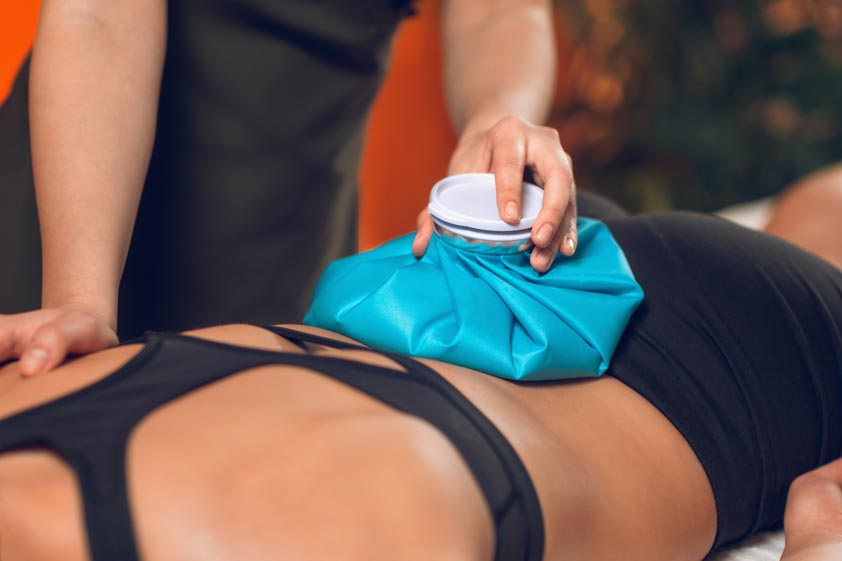
For local tenderness in muscle bellies, brief cold application (10–15 minutes) may reduce reactive inflammation; later, gentle heat can improve perfusion.
Soft, unforced stretching should stay below pain and avoid end-range compression around joints, tendons, and nerve pathways.
Clients benefit from rest, supportive sleep positioning, and avoiding heavy lifting for 24 hours.
Red flags—radiating pain, numbness, worsening swelling, or bruising—warrant prompt clinical review.
Conclusion
Intensive tissue massage pressure should be purposeful, progressive, and precisely paced to the client’s physiology. Therapists typically warm superficial fascia first, then work deeper muscle fibres with controlled body weight, monitoring breath, guarding, and pain response. “Good” pressure feels firm and focused, not sharp, startling, or spreading numbness. Sports massage may be more specific and stimulating, yet safety standards stay the same. Clear, continual communication keeps depth appropriate, supports mobility, and reduces post-treatment soreness.