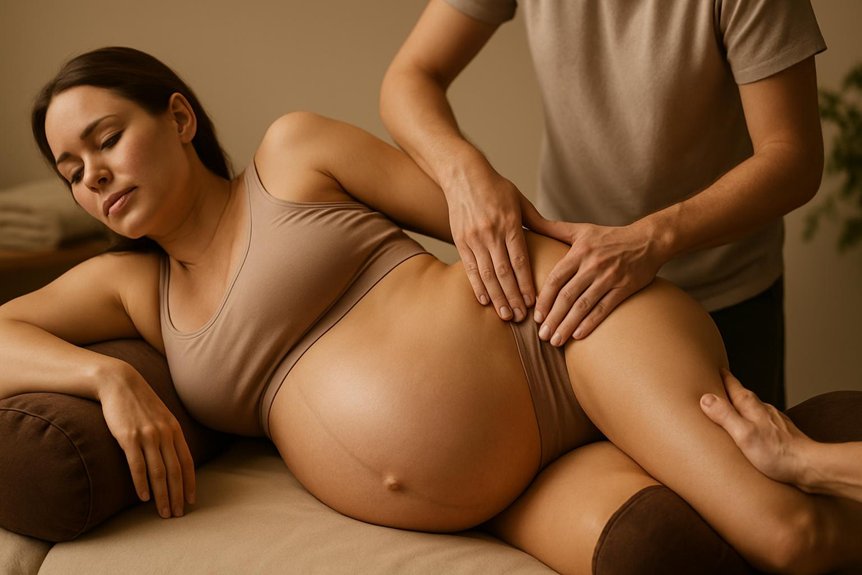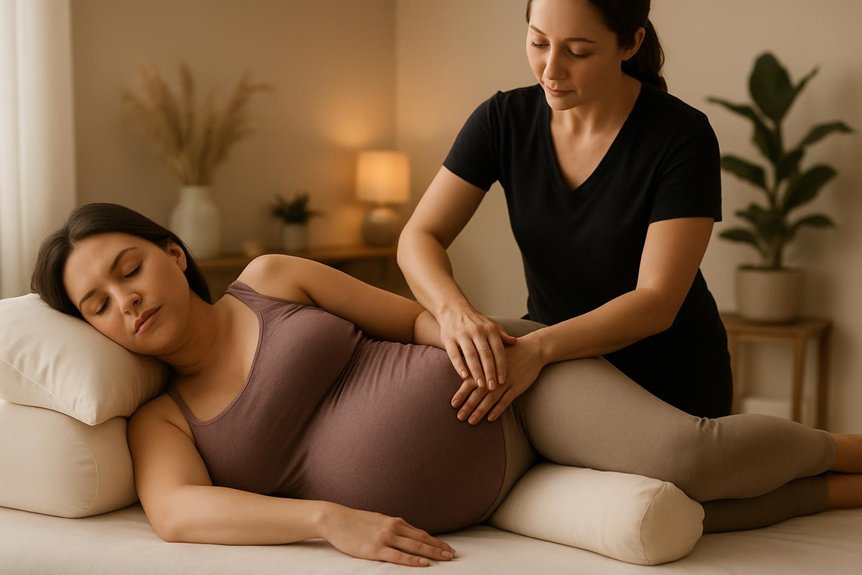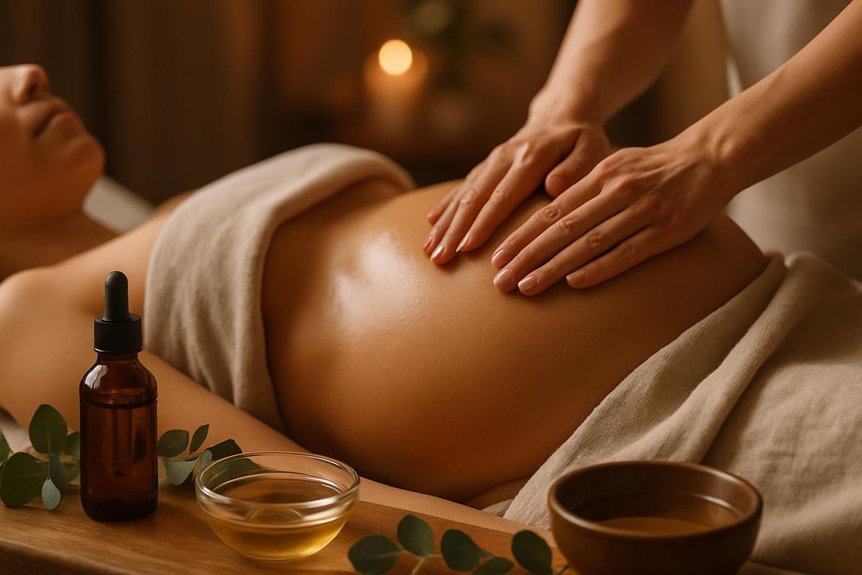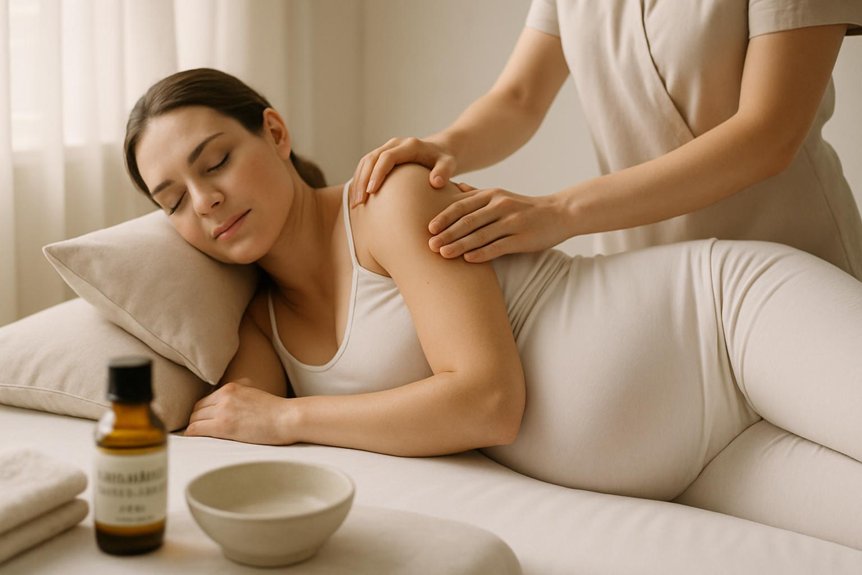
To become a maternity massage therapist in the UK, one must first complete an accredited Level 3 Diploma in Massage Therapy, then undertake specialist training in prenatal massage. This includes learning safe techniques, risk assessment, and effective client communication. Experience in general massage therapy is beneficial, as is ongoing education to keep current with best practices and safety guidelines. Creating a supportive clinic environment is essential. Further steps for a successful and fulfilling career in this field are outlined below.
Understanding the Role of a Pregnancy Massage Therapist
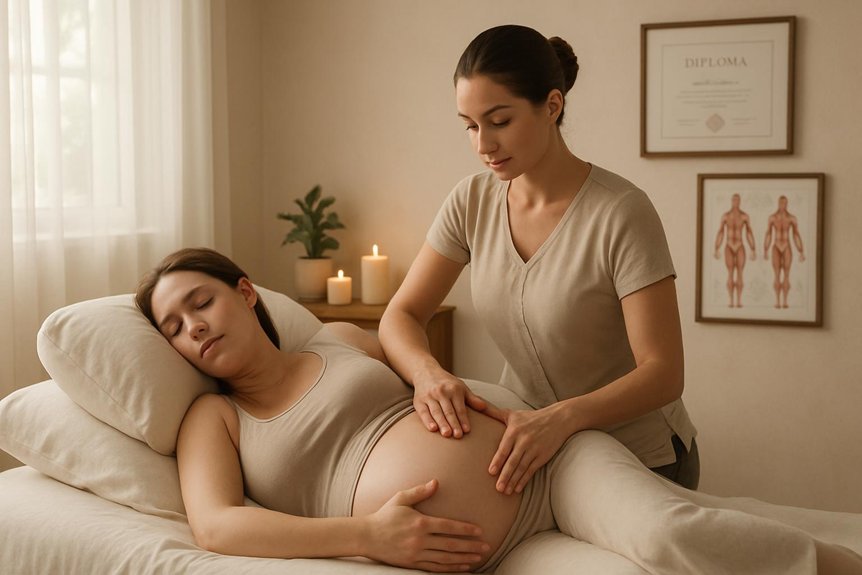
While pregnancy is a unique and transformative experience, it often brings physical and emotional changes that can benefit from specialised care.
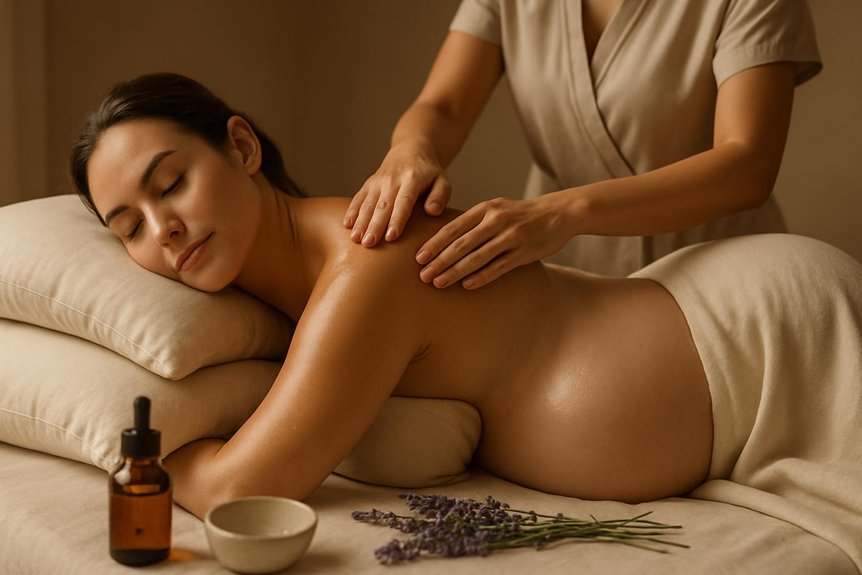
A maternity massage therapist plays an essential role in supporting expectant mothers, focusing on safe, nurturing touch to alleviate discomfort, reduce stress, and promote overall well-being.
This role requires a deep understanding of pregnancy’s physiological changes and a compassionate approach tailored to each individual’s needs.
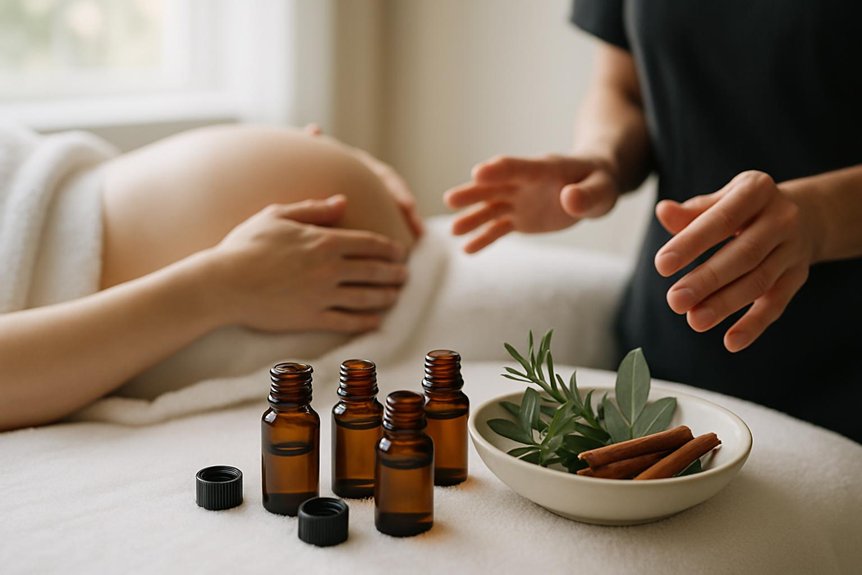
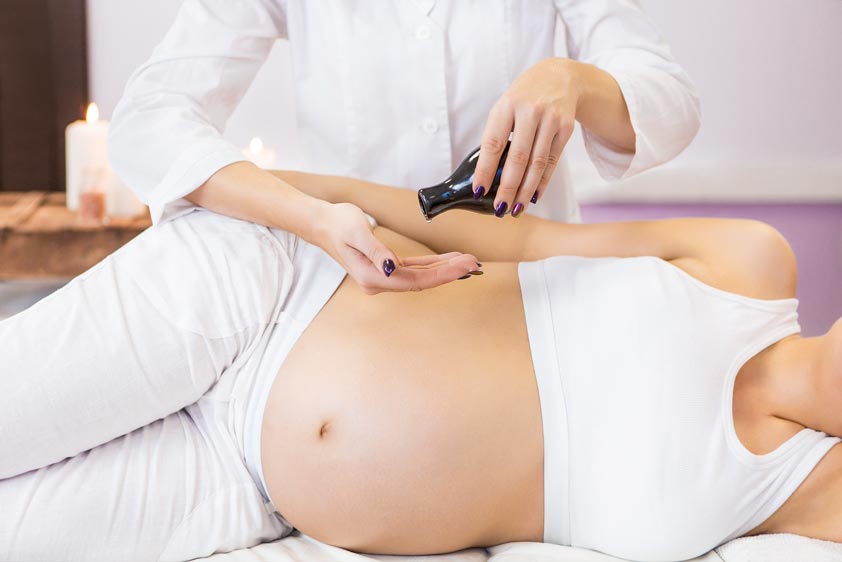
Therapists at Spa & Massage use gentle techniques and carefully selected oils, always prioritising the comfort and safety of both mother and baby.
By fostering trust and relaxation, they help clients feel cared for and respected during a significant life chapter.
Ultimately, a maternity massage therapist provides not only physical relief but also emotional reassurance and connection.
Some of the techniques used in prenatal massage may be inspired by the healing power of reflexology, which can further enhance relaxation and well-being for expectant mothers.
Meeting the Educational and Certification Requirements
To become a prenatal wellness therapist, a strong foundation in anatomy, physiology, and general massage therapy is essential before pursuing specialised training.
In the UK, individuals typically complete an accredited Level 3 Diploma in Massage Therapy as a starting point. This formal education guarantees therapists understand the body’s structures and functions, which is crucial for safely supporting clients during pregnancy.
Afterward, additional certification in pregnancy or prenatal massage is required; these courses cover specific techniques, contraindications, and client care unique to expectant mothers.
At Spa & Massage, therapists are fully qualified and receive ongoing training to maintain high standards.
Assuring all requirements are met not only protects clients’ wellbeing but also builds the trust and confidence that clients seek during such a personal time.
Gaining Experience in General Massage Therapy
Before specialising in prenatal massage, it is essential for therapists to gain experience in general massage therapy to build strong foundational skills and develop an extensive understanding of client wellness needs.
At Spa & Massage, therapists are encouraged to refine their techniques and communication through exposure to a wide range of treatments and client concerns.
This broad experience lays the groundwork for delivering safe, effective care to expectant mothers in the future.
Building Foundational Massage Skills
Although specialising in prenatal massage requires specific training, developing a strong foundation in general massage therapy is essential for any aspiring therapist.
At Spa & Massage, therapists first master core techniques such as Swedish, deep tissue, and aromatherapy massage. This foundational experience builds sensitivity to varied tissue responses, pressure modulation, and the skill of nurturing trust through touch.
Mastery of these techniques ensures therapists can intuitively adjust their approach for each client’s needs, a critical ability when supporting expectant mothers. In practice, attention to posture, draping, and effective communication are refined, creating a safe, comforting environment.
Understanding Client Wellness Needs
As therapists progress in their general massage training, understanding each client’s unique wellness needs becomes a central skill. At Spa & Massage, therapists learn to recognise subtle cues from clients—such as muscle tension, posture, and emotional state—to tailor every session.
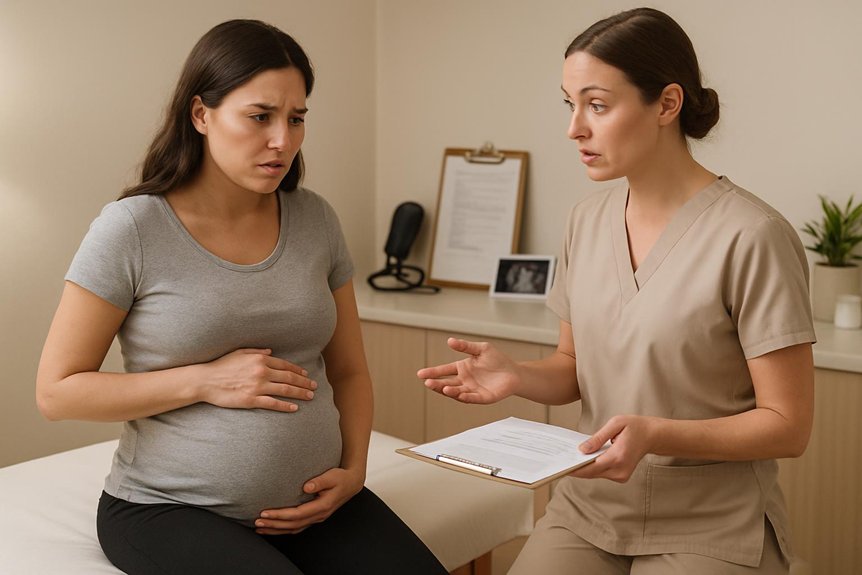
This client-centred approach fosters trust, comfort, and an environment where clients feel truly cared for. Thorough consultation practices, as used in our clinics, allow therapists to gather essential information about health history, lifestyle, and current discomforts.
This evidence-based process supports the development of personalised treatment plans, ensuring each massage is both safe and effective. Mastering this attentive, responsive communication is crucial before specialising in prenatal massage, where sensitivity to nuanced wellness needs is paramount.
In every session, genuine connection underpins real therapeutic progress.
Completing Specialised Training in Prenatal Massage
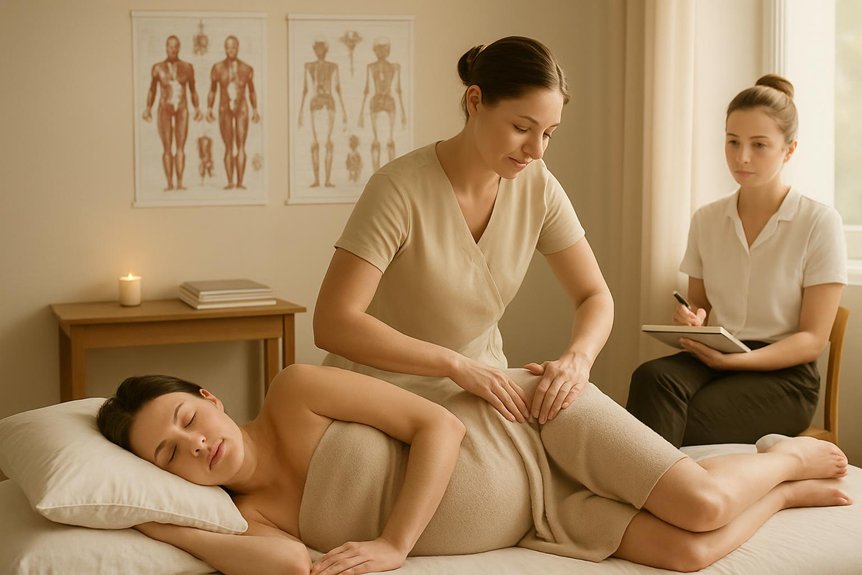
Completing specialised training in prenatal massage is essential for therapists seeking to provide safe and effective care. This process includes selecting an accredited course, participating in hands-on practice sessions, and mastering knowledge of safety guidelines and contraindications.
At Spa & Massage, therapists are thoroughly trained to guarantee each client receives expert support tailored to their unique needs during pregnancy.
Accredited Course Selection
Selecting an accredited course in prenatal massage is an essential step for anyone seeking to provide safe and effective care to expectant mothers.
At Spa & Massage, emphasis is placed on the importance of choosing programmes that are recognised by reputable industry bodies and that cover both theoretical knowledge and practical skills specific to pregnancy.
Accredited courses ensure therapists understand the unique physiological changes during pregnancy, contraindications, and safe techniques, which are crucial for client safety and confidence.
In London, reputable training ensures that therapists are prepared to meet the city’s high standards of care.
The expert team at Spa & Massage recommends seeking courses that include modules on client communication, risk assessment, and adapting standard massage techniques, laying a strong foundation for compassionate, competent practice.
Hands-On Practice Sessions
While theoretical knowledge provides the foundation for safe prenatal massage, practical, hands-on experience is essential to mastering the specialised techniques required for expectant clients.
At Spa & Massage, supervised practice sessions form a core component of training, allowing therapists to refine their touch, positioning, and communication in real-life scenarios. Through these sessions, trainees learn to adapt massage strokes and pressure to the unique needs of pregnant clients, developing sensitivity and confidence.
In our clinics, we emphasise the importance of gentle, mindful interaction—recognising how each client’s comfort and trust are built through skilled, attentive care. This immersive approach ensures that therapists become adept at providing nurturing, effective treatments, reflecting the high standards of safety and compassion that define Spa & Massage’s philosophy.
Safety and Contraindications
Why is safety so critical in prenatal massage? During pregnancy, a woman’s body undergoes profound physical and hormonal changes.
This makes careful assessment and adaptation of massage techniques essential. At Spa & Massage, therapists are rigorously trained to identify contraindications—such as high-risk pregnancies, pre-eclampsia, severe swelling, or a history of miscarriage—that may require medical clearance or avoidance of certain treatments.
Safety also involves using gentle, supportive positioning and selecting suitable oils known to be safe in pregnancy.
Maintaining open communication helps clients feel secure and understood.
By prioritising safety, therapists not only protect both mother and baby, but also foster trust and relaxation.
Completing specialised training ensures practitioners confidently deliver nurturing, tailored care while adhering to the highest professional standards.
Learning Safety Guidelines for Prenatal Clients
Understanding and adhering to safety guidelines is essential when providing massage therapy to prenatal clients, as pregnant individuals have unique physiological needs that require specialised care.
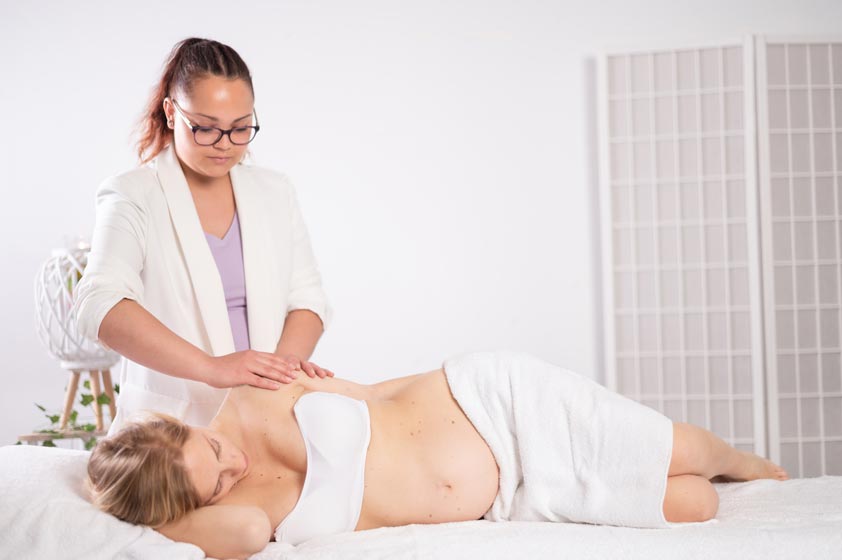
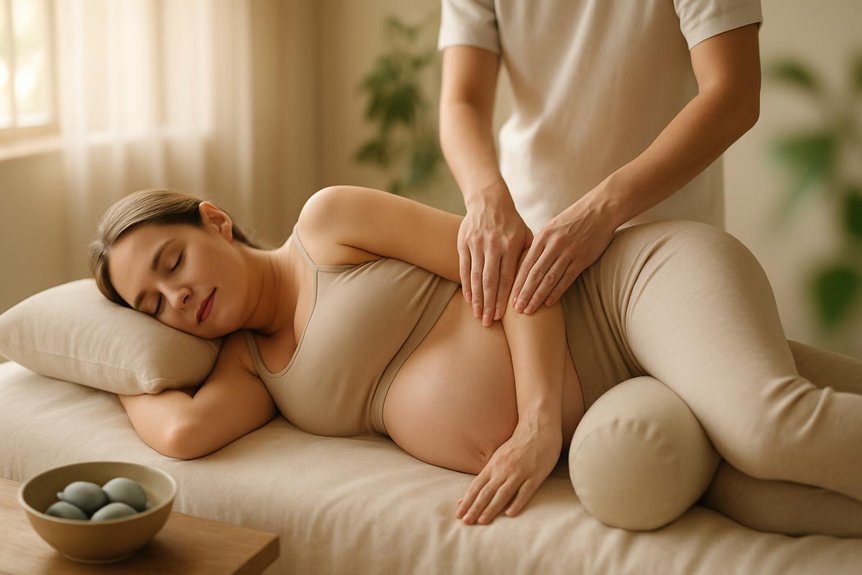
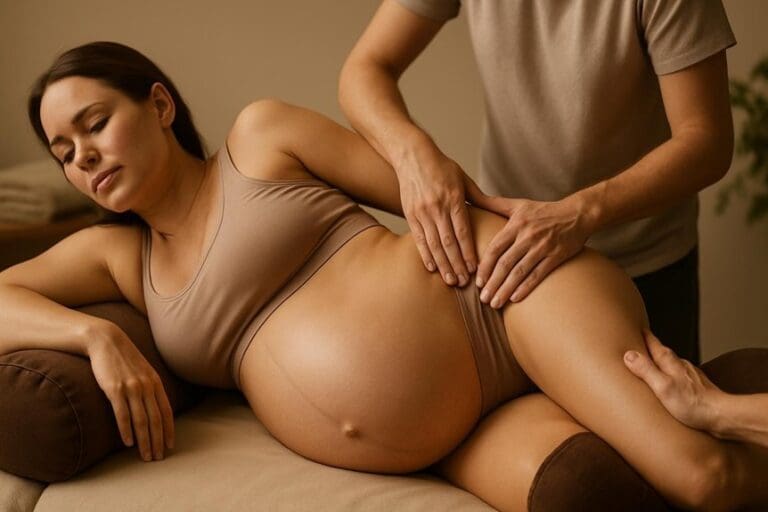
At Spa & Massage, therapists prioritise ongoing education on prenatal anatomy, appropriate positioning—such as side-lying support with pillows—and identifying areas to avoid, including deep abdominal or lower back work.
Knowledge of trimester-specific contraindications and red flags, such as swelling or sudden pain, is crucial.
Gentle, nurturing techniques and the use of safe, hypoallergenic oils are standard in our clinics, ensuring maximum comfort and safety.
Therapists remain attentive to signs of discomfort, always respecting the client’s boundaries.
Developing Effective Communication Skills
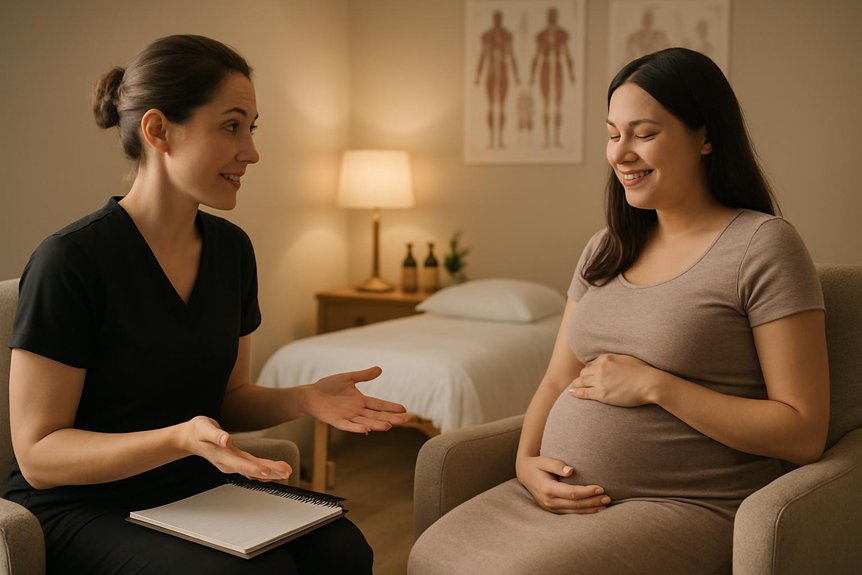
How can a prenatal wellness therapist guarantee that each client feels genuinely supported and understood? At Spa & Massage, therapists recognise that clear, compassionate communication is foundational to nurturing trust.
Practitioners are trained to listen actively, ask open-ended questions about comfort and well-being, and respond with empathy. This approach helps clients articulate their unique needs and concerns, fostering a safe space for dialogue.
Therapists also provide clear explanations of techniques and invite ongoing feedback during sessions, ensuring adjustments are made for maximum comfort. Evidence suggests that effective communication enhances client satisfaction and promotes relaxation—a crucial aspect of prenatal care.
Through attentive listening and gentle reassurance, Spa & Massage therapists help clients feel valued, respected, and confident that their well-being is the therapist’s top priority.
Building a Supportive and Calming Clinic Environment
What distinguishes a truly effective prenatal massage experience is not only the skill of the therapist, but also the quality of the clinic environment itself.
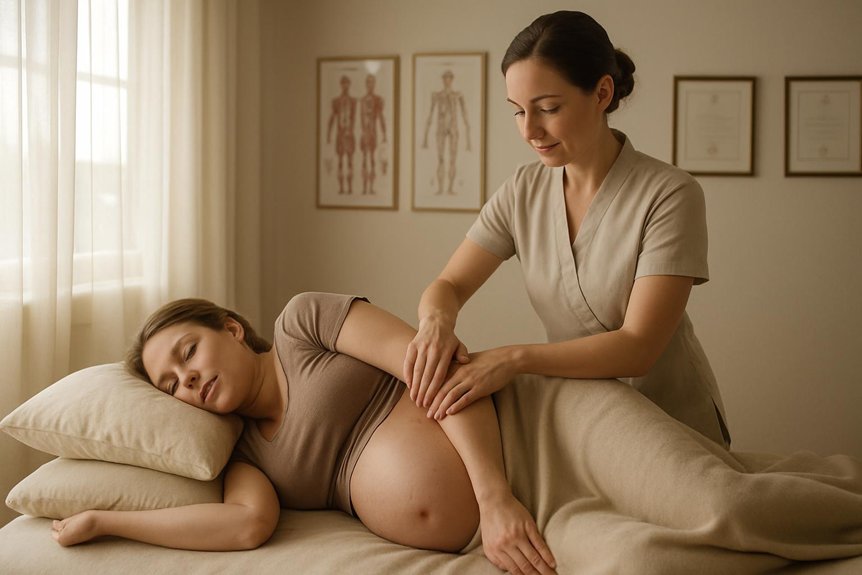
At Spa & Massage, creating a supportive and calming atmosphere is foundational. Lighting is soft and adjustable, scents are gentle and comforting, and each treatment room is designed for privacy and tranquility.
Comfortable, supportive cushions are used to guarantee safety and relaxation for expectant clients. Soundscapes—such as soothing music or nature sounds—are integrated thoughtfully to reduce anxiety and promote a sense of peace.
Therapists maintain a clutter-free, hygienic space, enhancing both emotional and physical comfort. This attention to environmental detail supports the intimate, nurturing connection that is central to a prenatal massage, fostering trust and deep relaxation.
Staying Updated With Best Practices and Continuing Education
Why is ongoing education essential for prenatal wellness therapist? Continuous learning ensures therapists remain current with evolving research, safety guidelines, and advanced techniques tailored to the needs of expectant mothers.
At Spa & Massage, therapists regularly participate in workshops and accredited courses, refining their expertise and expanding their understanding of specialized care. This commitment allows them to respond confidently to unique client situations and uphold the highest standards of safety and wellbeing.
Staying updated also helps therapists incorporate new approaches, such as innovative positioning methods or the latest recommendations for massage oils safe during pregnancy—practices embraced in our clinics.
For those seeking to excel in prenatal massage, embracing continuing education is fundamental, fostering trust and comfort for every client and reinforcing a reputation for excellence and reliability.
Conclusion
Becoming a prenatal wellness therapist is both a fulfilling and in-demand career choice. Significantly, studies show that over 60% of expectant mothers seek complementary therapies, with massage being among the most popular. By investing in specialised training and maintaining high standards of care, therapists can provide essential support throughout pregnancy. As awareness grows and demand rises, qualified professionals are well-positioned to make a meaningful difference in maternal wellbeing across London and beyond.