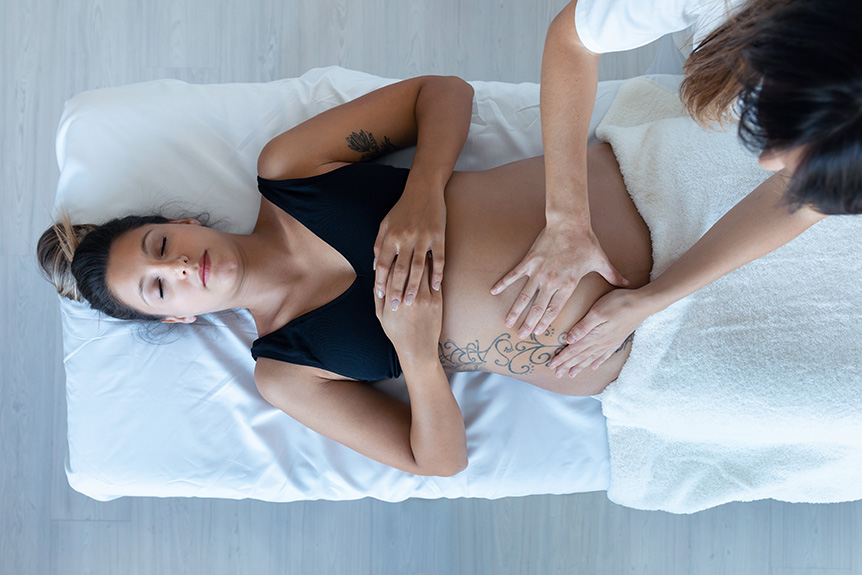
Pelvic massage during pregnancy involves gentle, slow movements and light pressure, often beginning around week 34 with clean hands and pregnancy-safe hypoallergenic oil. The expectant individual uses thumbs or fingertips with U-shaped motions just inside the vaginal opening, focusing on deep breathing and comfort. Professional assessment and caution are essential to guarantee safety, especially for high-risk pregnancies. Careful technique, environment, and ongoing communication can maximize benefits—additional guidance can clarify oil selection, aftercare, and signs for caution.
Understanding the Benefits of Pelvic Massage for Pregnancy
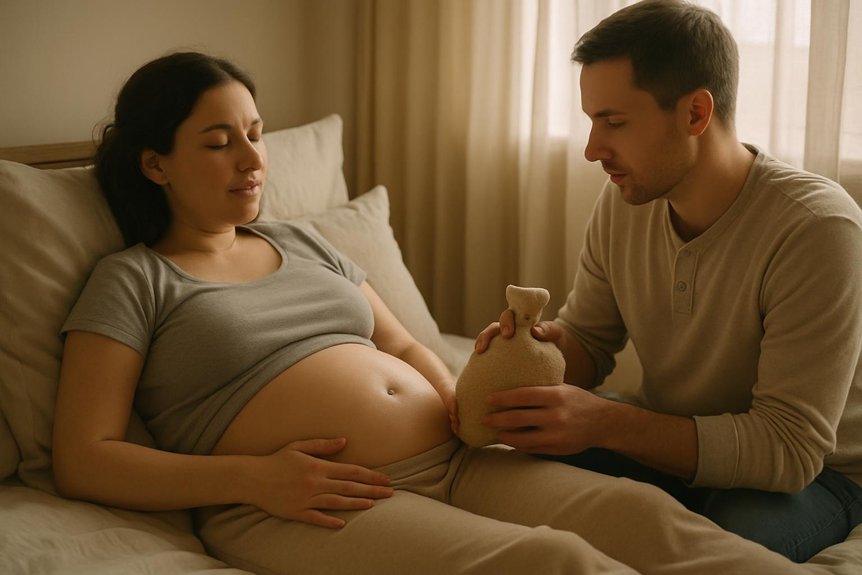
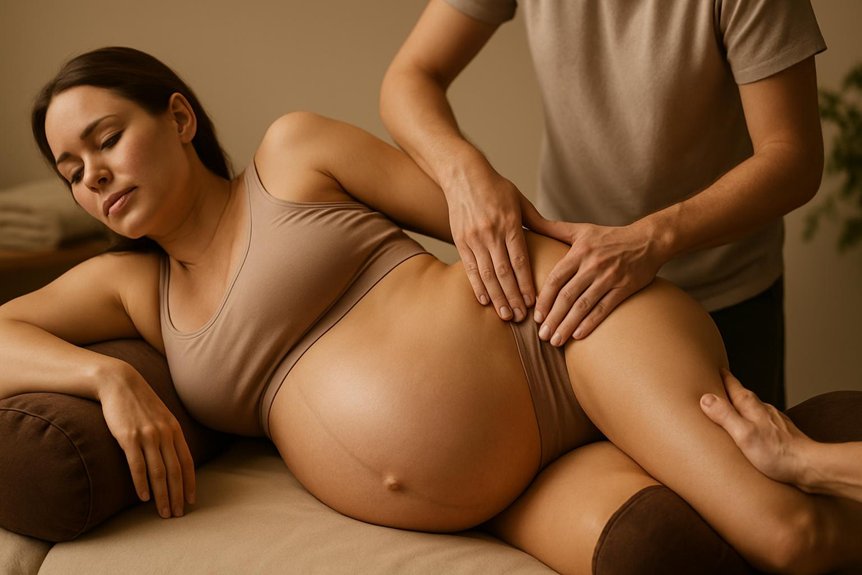
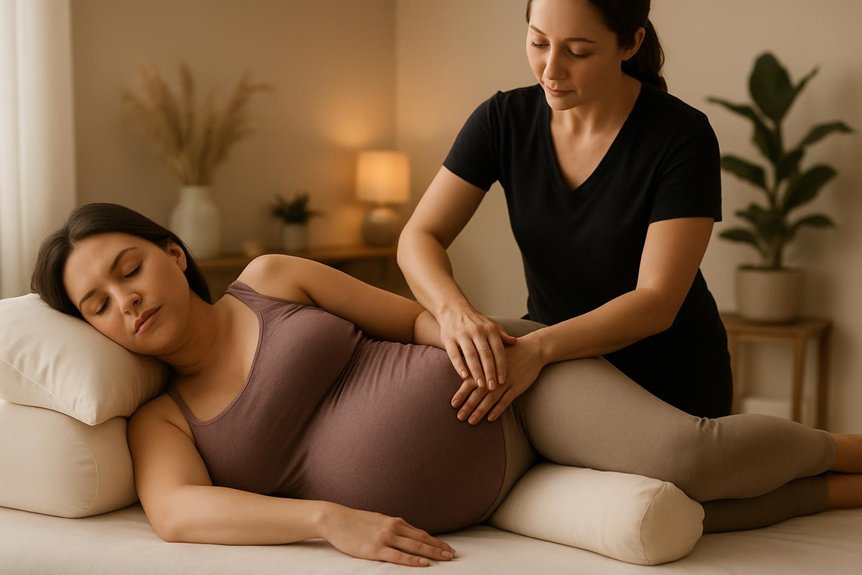
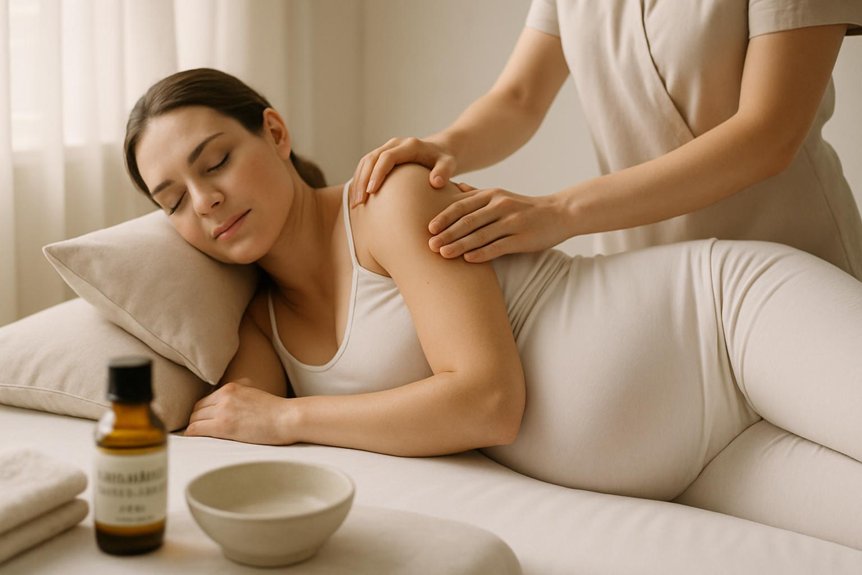
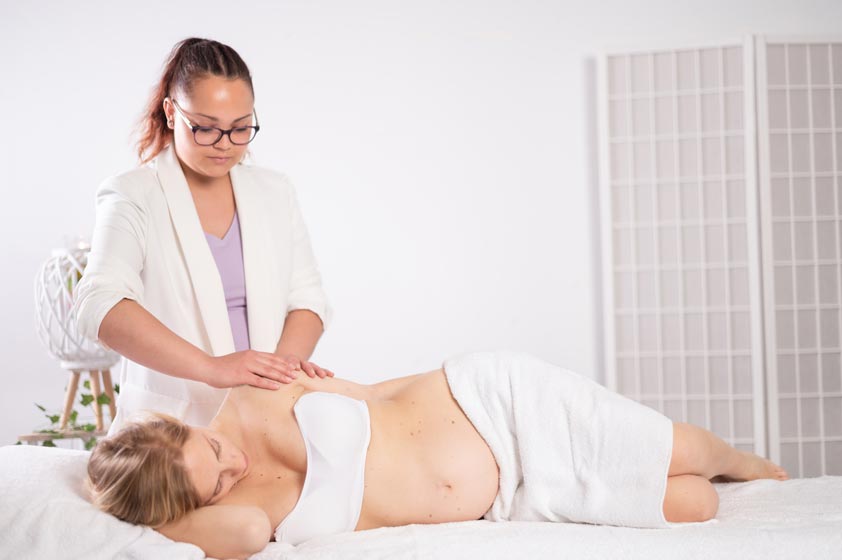
How can pelvic massage support well-being during pregnancy? Pelvic massage, when provided by trained professionals such as those at Spa & Massage, offers gentle, focused touch to the pelvic region, promoting relaxation, comfort, and a sense of connection during a transformative time.
This technique can ease tension, soothe muscle discomfort, and help maintain pelvic flexibility as the body adapts to pregnancy’s changes. Many expectant individuals find that regular pelvic massage supports circulation, encourages tissue elasticity, and fosters a deeper awareness of their changing bodies.
At Spa & Massage, therapists approach these sessions with expert care and sensitivity, creating a calm environment where clients feel respected and nurtured. This mindful practice may also help cultivate intimacy, trust, and body confidence throughout the journey of pregnancy.
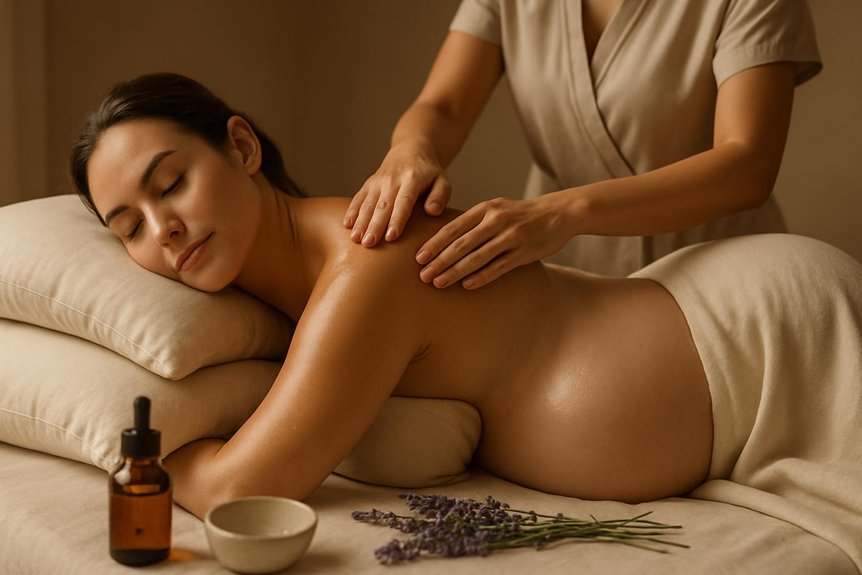
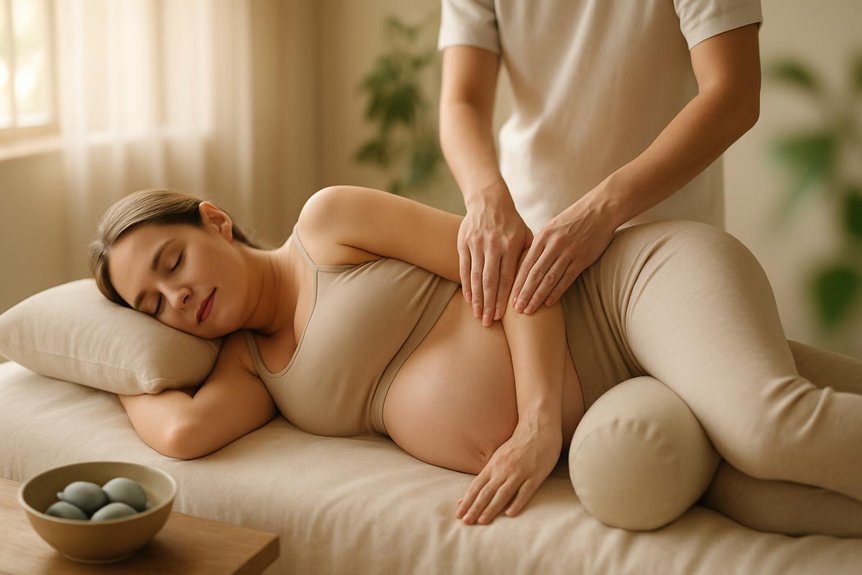
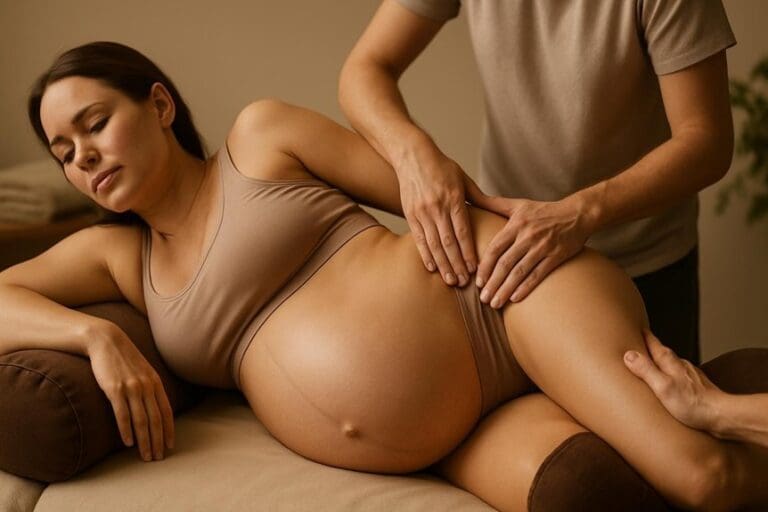
In addition, pregnancy massage provides multiple benefits for expecting mothers, including enhanced relaxation and reduced aches and pains.
Safety Considerations for Pregnant Clients
When considering pelvic massage during pregnancy, prioritising safety is crucial to guarantee both maternal and fetal well-being. At Spa & Massage, therapists adhere to rigorous protocols, including thorough consultation and assessment of medical history, to ensure massage is appropriate at each stage of pregnancy.
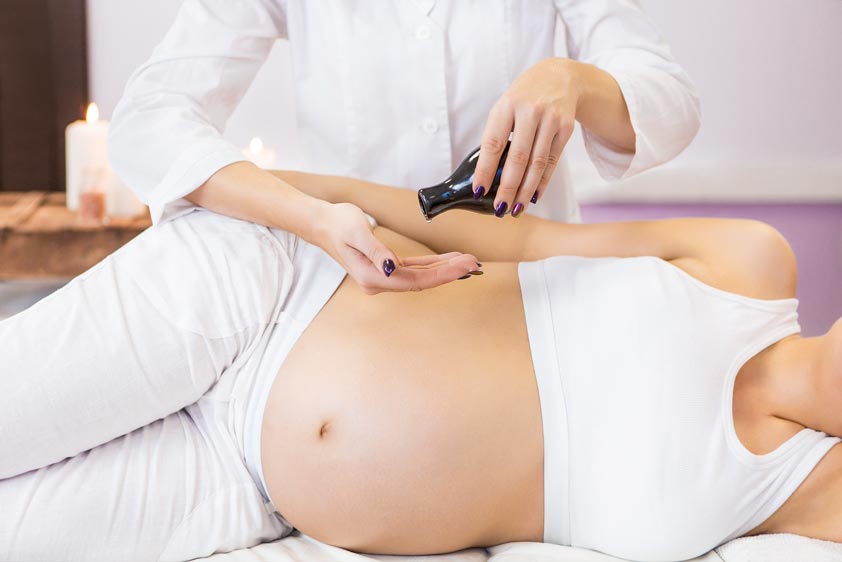
Only gentle, specialised techniques are used, and care is taken to avoid pressure on sensitive areas or positions that may cause discomfort. Therapists select pregnancy-safe oils, ensuring they are free from irritants and allergens.
Open communication is encouraged, so clients feel empowered to express any discomfort or concerns. By upholding these standards, Spa & Massage provides a secure, nurturing environment where clients can relax and trust in the expertise of their therapist throughout their pregnancy journey.
When to Begin Pelvic Massage During Pregnancy
A carefully timed approach is essential when introducing pelvic massage during pregnancy to maximise benefits and safeguard maternal and fetal health.
At Spa & Massage, therapists recommend beginning pelvic massage around the 34th week of pregnancy, unless otherwise guided by a healthcare provider. This timing guarantees the body is well into the third trimester, when tissues become more responsive and preparation for childbirth is most relevant.
Starting too early may not offer additional benefit and could introduce unnecessary risk.
For those seeking greater intimacy and comfort, clear communication with both healthcare professionals and massage therapists is encouraged.
Choosing the Right Massage Oil for Sensitive Skin
Selecting an appropriate massage oil is crucial for those with sensitive skin, particularly during pregnancy when skin may become more reactive.
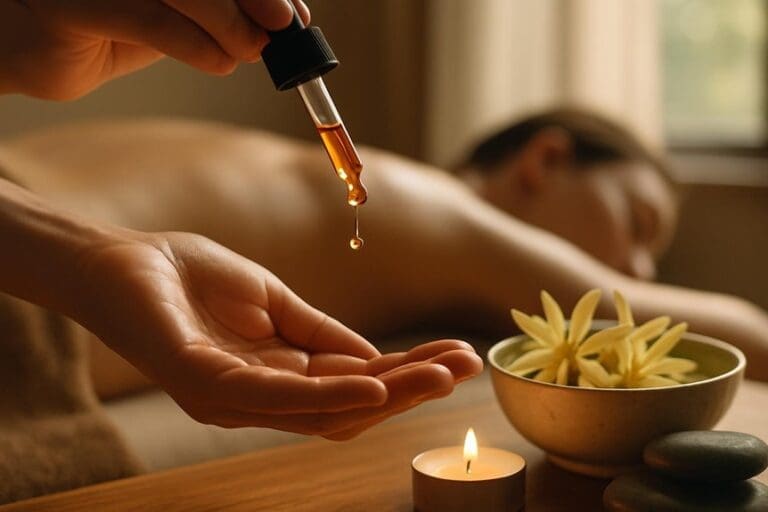
At Spa & Massage clinics, therapists recommend hypoallergenic, fragrance-free oils that are gentle and nourishing, such as pure sweet almond or grapeseed oil. These options are less likely to cause irritation and provide a smooth, comforting touch, ideal for intimate massage areas.
Cold-pressed oils, carefully chosen for high purity, help maintain the skin’s natural barrier and reduce the risk of allergic reactions. Spa & Massage prioritises client safety by patch-testing oils before use and avoiding ingredients known to trigger sensitivities.
This approach ensures both effective hydration and a soothing, intimate experience, fostering trust and relaxation throughout the massage process.
Preparing for Your Pelvic Massage Session
Before beginning a pelvic massage during pregnancy, it is essential to guarantee a calm, private setting and have all necessary supplies readily available.
Spa & Massage therapists recommend that clients clearly communicate their comfort preferences to support a safe and relaxing experience.
Careful preparation helps create an environment where both mother and baby can benefit fully from the session.
Choosing the Right Setting
How does the environment impact the effectiveness and comfort of a pelvic massage during pregnancy?
The setting plays an essential role in guaranteeing both physical comfort and emotional relaxation. Spa & Massage recommends selecting a quiet, private, and well-ventilated space, free from disturbances.
Soft lighting and calming sounds can foster a sense of intimacy and ease, which is especially important during pregnancy when sensitivity is heightened.
Temperature should be comfortably warm, supporting relaxation while avoiding overheating.
Both partners should feel at ease, with clear boundaries and mutual understanding.
At Spa & Massage clinics, therapists ensure that every session is conducted with safety and comfort in mind, reflecting the significance of a supportive environment.
A carefully chosen setting nurtures trust, enhances intimacy, and promotes overall wellbeing.
Gathering Essential Supplies
When preparing for a pelvic massage during pregnancy, assembling appropriate supplies is essential to guarantee safety, hygiene, and comfort throughout the session.
At Spa & Massage, therapists recommend starting with clean, soft towels or sheets to assure a hygienic surface and provide gentle coverage.
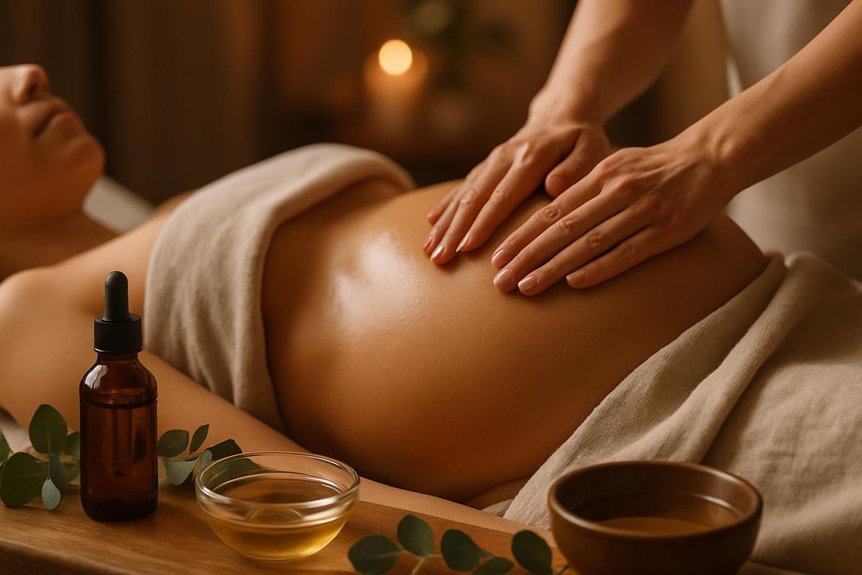
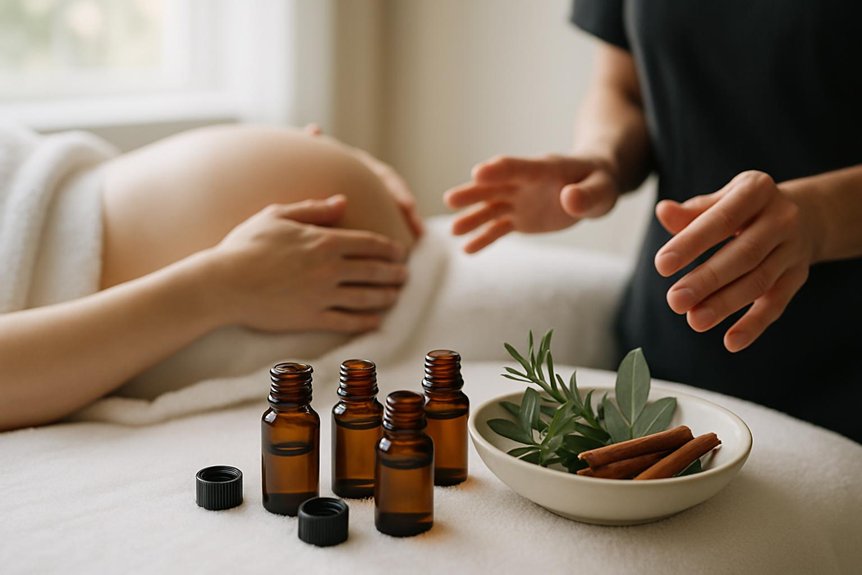
Unscented, hypoallergenic massage oils—like those used in our clinics—are ideal for reducing friction and minimising the risk of irritation to sensitive skin.
Clean hands and trimmed fingernails are critical for both comfort and safety.
A supportive pillow or bolster can enhance positioning, helping to relieve pressure on the lower back and hips.
Adequate lighting and a quiet environment further contribute to a sense of calm and intimacy, supporting both relaxation and the nurturing connection fostered during pregnancy-focused massage.
Communicating Comfort Preferences
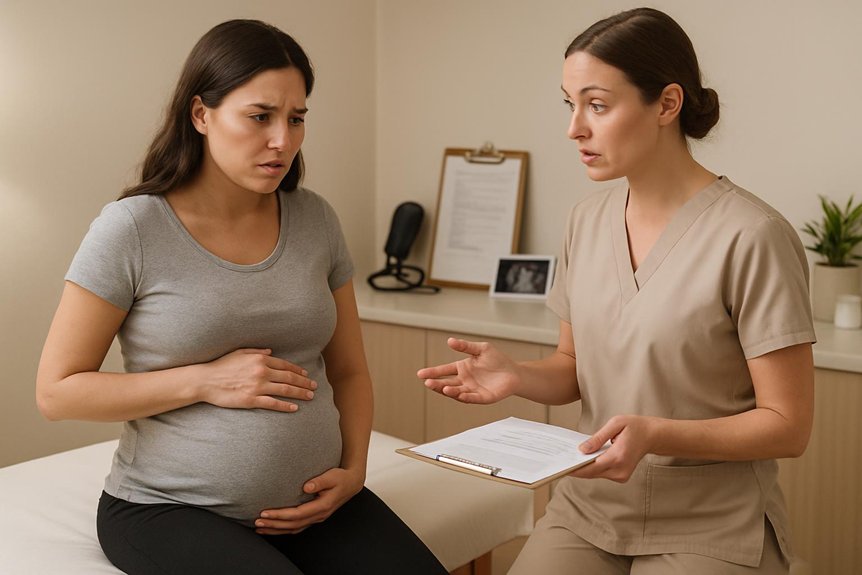
With supplies prepared and the environment set for comfort, clear communication about individual comfort preferences becomes a priority for a safe and effective pelvic massage during pregnancy.
At Spa & Massage, experienced therapists foster open dialogue to ascertain each session aligns with the client’s unique boundaries and desires. Discussing preferred pressure, sensitive areas, and required adjustments—such as pillow placements or draping—empowers clients to participate actively in their own comfort and safety.
Clients are encouraged to express any discomfort immediately, as ongoing feedback guides the therapist in refining technique and touch.
This collaborative approach, deeply valued in our clinics, promotes both physical relaxation and emotional intimacy, laying the foundation for trust.
Clear communication ensures that every aspect of the massage experience is tailored, respectful, and nurturing.
Step-by-Step Guide to Pelvic Self-Massage Techniques
To begin pelvic self-massage during pregnancy, it is important to create a calm environment and guarantee hands are clean.
Spa & Massage therapists recommend using gentle, slow movements with a suitable, pregnancy-safe oil to reduce friction and enhance comfort.
These foundational steps help promote safety and relaxation throughout the massage process.
Preparing for Self-Massage
Before beginning pelvic self-massage during pregnancy, it is essential to establish a calm and hygienic environment to guarantee both comfort and safety.
At Spa & Massage, therapists recommend selecting a private, quiet space where the individual can fully relax and focus on their well-being.
Soft lighting, supportive pillows, and gentle background music can help create a soothing atmosphere.
Clean hands and short, smooth fingernails reduce the risk of irritation or infection.
Using a high-quality, hypoallergenic oil—such as those preferred in Spa & Massage clinics—enhances glide and minimizes discomfort.
Warm the oil between the hands before application.
Taking several deep breaths and attuning to the body’s sensations supports a mindful, intimate connection, laying the foundation for a safe and nurturing self-massage experience.
Gentle Massage Movements
Once a calm, hygienic environment has been established, attention shifts to performing gentle pelvic self-massage movements with care and precision.
At Spa & Massage, therapists recommend using a small amount of hypoallergenic, pregnancy-safe oil to enhance comfort and glide.
With clean hands, the individual may gently press the thumbs just inside the vaginal opening, moving in a slow, U-shaped motion.
This technique aims to gradually stretch the perineal tissue, promoting suppleness and awareness.
Pressure should remain light, avoiding any discomfort or pain.
Focus on slow, steady breathing throughout the process, fostering relaxation and intimacy.
Consistency and gentleness are key to effective results.
Should any discomfort arise, it is advised to pause and consult a qualified professional, ensuring both safety and peace of mind.
How a Professional Therapist Can Support Pelvic Health
A professional therapist plays an essential role in supporting pelvic health during pregnancy by applying specialised knowledge of anatomy, safe massage techniques, and individualised care.
At Spa & Massage, therapists carefully assess each client’s unique needs, ensuring every session is both nurturing and effective. Their expertise helps address muscular tension, improve circulation, and promote relaxation, all while prioritising the safety of mother and baby.
In our clinics, therapists use gentle, tailored movements and select pregnancy-safe oils to comfort sensitive areas and enhance the massage experience. Clients are encouraged to communicate openly, allowing therapists to adjust pressure and techniques for maximum comfort.
Through compassionate guidance and clinical skill, Spa & Massage therapists foster a sense of trust, safety, and well-being throughout the pregnancy journey.
Signs to Pause or Avoid Pelvic Massage
While professional guidance enhances the safety and effectiveness of pelvic massage during pregnancy, certain situations require extra caution.
If a pregnant individual experiences vaginal bleeding, unexplained pelvic pain, fever, or signs of infection, pelvic massage should be paused immediately.
Additionally, those with a history of preterm labor, placenta previa, or other high-risk pregnancy factors should consult their healthcare provider before proceeding.
Swelling, intense tenderness, or any discomfort beyond gentle pressure are indicators to stop the session.
At Spa & Massage, therapists are trained to recognize these signs and prioritize the wellbeing of every client.
Open communication, attentive observation, and respect for personal boundaries are essential.
Prioritizing safety guarantees that pelvic massage remains a nurturing, supportive experience for both parent and baby.
Aftercare Tips for Optimal Comfort and Wellbeing
Following a pelvic massage during pregnancy, appropriate aftercare supports ongoing comfort and promotes ideal wellbeing. At Spa & Massage, therapists recommend resting in a calm environment and maintaining hydration to support tissue recovery and relaxation.
Gently stretching or engaging in light movement, as tolerated, can further encourage circulation and reduce any mild discomfort. Applying a warm compress to the lower back or hips may ease residual tension, always confirming the temperature is safe for sensitive skin.
Monitoring the body’s response is essential—if any unusual symptoms arise, such as persistent discomfort or spotting, clients are advised to consult their healthcare provider.
Regular communication with a qualified therapist ensures that future sessions are tailored for safety and intimacy, helping clients feel supported throughout pregnancy.
Conclusion
In conclusion, pelvic massage during pregnancy offers a gentle pathway to comfort and enhanced well-being when guided by expert hands and sound clinical principles. Isn’t every expectant mother deserving of both relief and reassurance? By prioritising safety, following professional guidance, and listening to one’s body, pregnant women can benefit from this specialised care. With the right approach, pelvic massage can become an invaluable support on the journey to motherhood, fostering relaxation, connection, and ideal maternal health.