
To perform perineal massage during pregnancy, begin at 34 weeks, using clean hands and a small amount of hypoallergenic, unscented oil. In a comfortable, private setting, gently insert thumbs 3–4 cm into the vagina and apply downward and sideward pressure with a slow U-shaped movement for five to ten minutes, two to three times per week. Discontinue if pain or infection occurs, and consult a provider if uncertain. More details can help guarantee maximum results and comfort.
Understanding the Benefits of Perineal Massage
Although often overlooked, perineal massage during pregnancy offers significant benefits for expectant mothers. Clinical evidence suggests that regular perineal massage may help increase the flexibility and elasticity of the perineal tissues, potentially reducing the risk of tearing or the need for an episiotomy during childbirth.
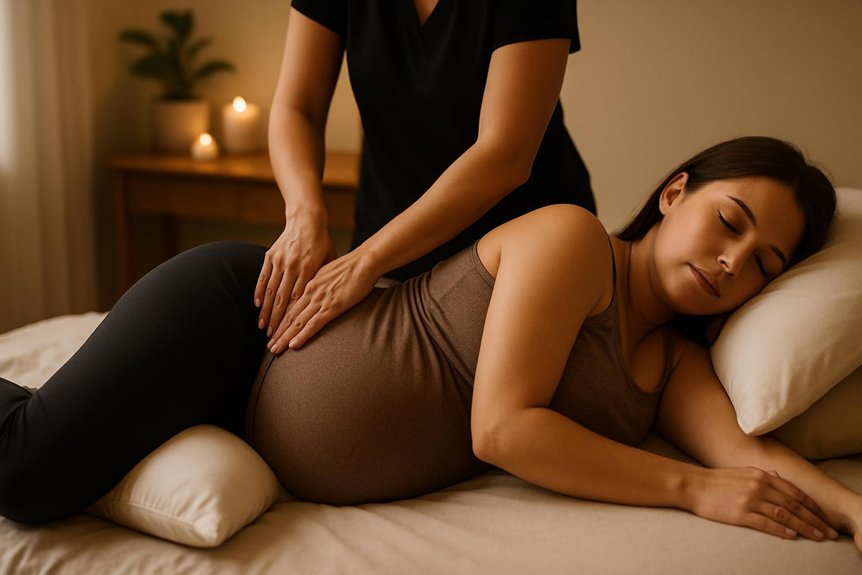
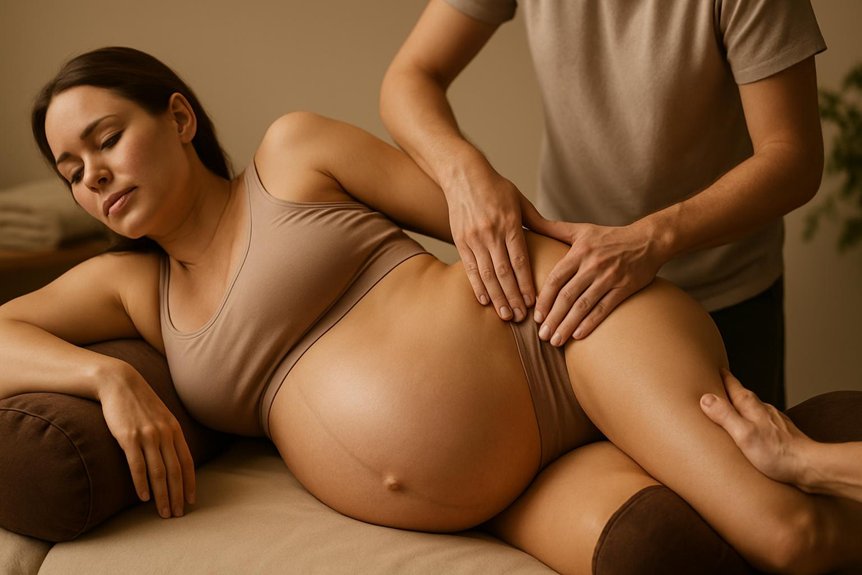
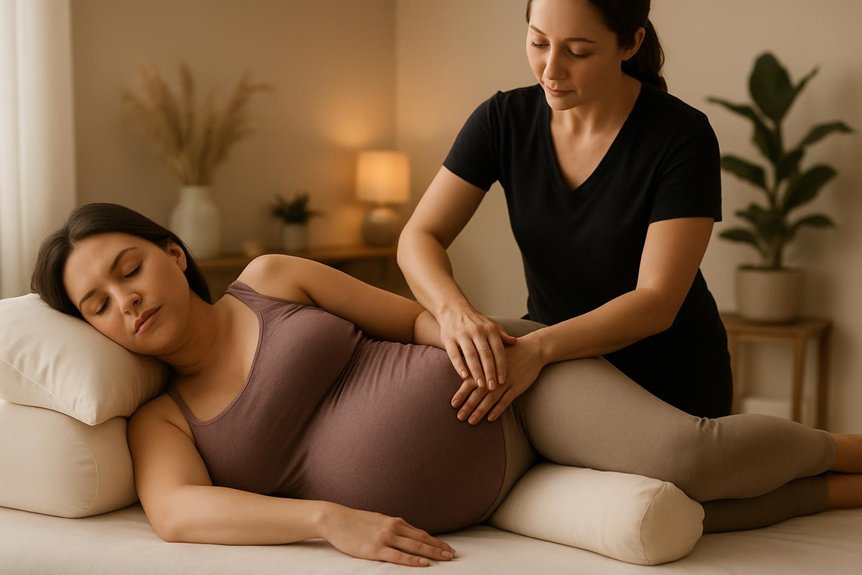
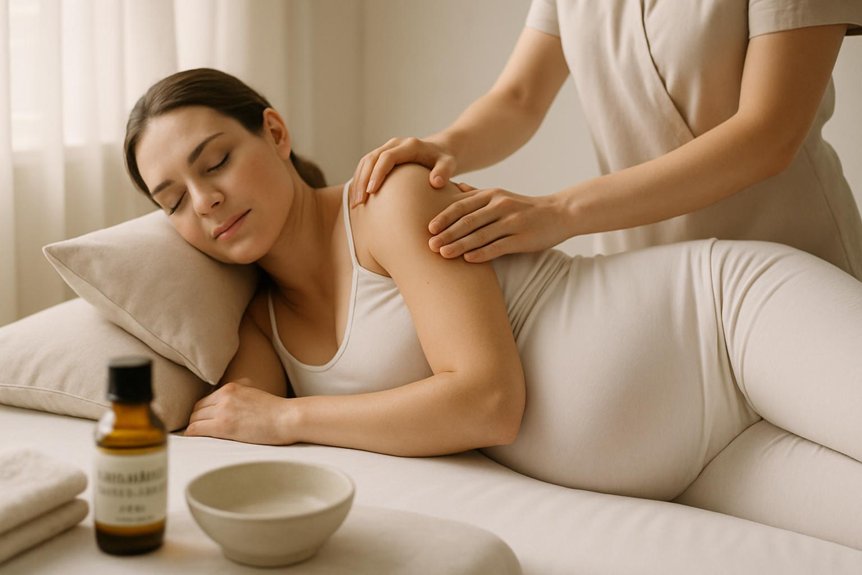
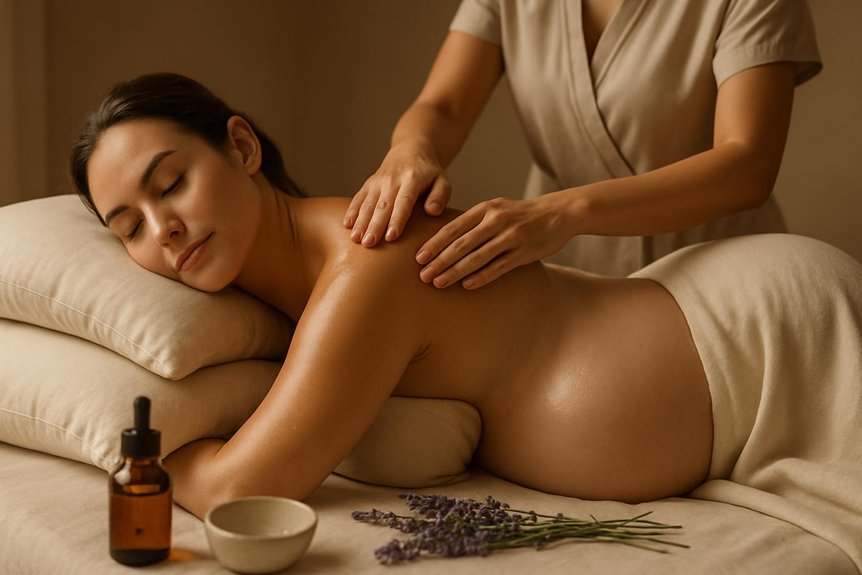
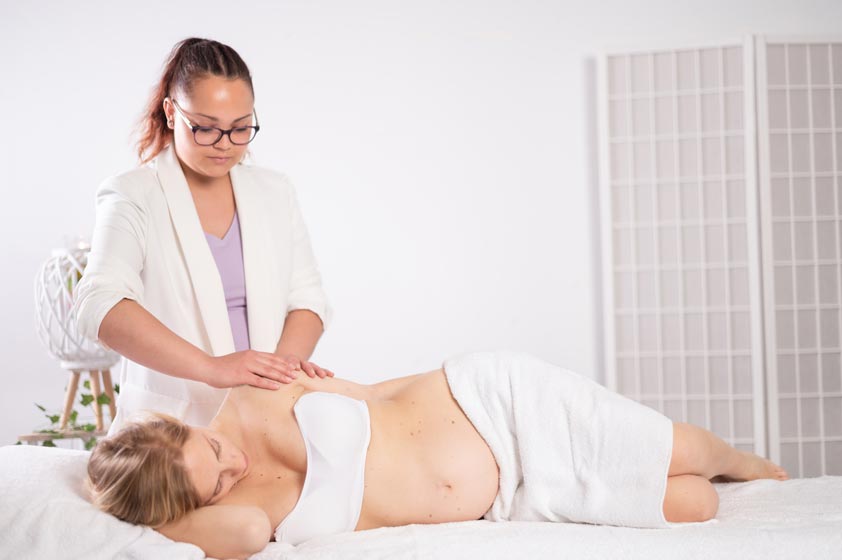
Many women also experience greater confidence and comfort as their bodies prepare for delivery. At Spa & Massage, therapists understand the importance of fostering both physical relaxation and emotional reassurance. As part of their holistic care, they also offer pregnancy massage, which supports overall comfort during late pregnancy.
Through gentle, tailored guidance, expectant mothers are supported in cultivating awareness and trust in their changing bodies. This practice not only prepares tissue for the demands of birth but also encourages a mindful connection— a quiet, nurturing intimacy that honours the journey of becoming a mother.
Similarly, techniques used in deep tissue massage emphasize the importance of targeting deeper layers of muscle and connective tissue to promote flexibility and overall well-being.
When to Start Perineal Massage During Pregnancy
When is the ideal time to introduce perineal massage during pregnancy?
Evidence suggests that beginning perineal massage from 34 weeks gestation is most effective for preparing the perineal tissues for childbirth. This timing allows the muscles and skin to gradually adapt to gentle stretching, potentially reducing the risk of tearing during delivery.
At Spa & Massage, therapists advise that starting in the last six weeks of pregnancy provides ample opportunity for the tissues to become more supple, enhancing comfort and confidence as labour approaches.
A routine of two to three sessions per week is typically recommended. This approach is rooted in compassion and expertise, supporting women in nurturing intimacy with their changing bodies throughout the final weeks of pregnancy, while fostering a sense of readiness for birth.
Precautions and Contraindications to Consider
Perineal massage may not be suitable in certain situations, such as when there are active infections, unexplained vaginal bleeding, or other pregnancy complications.
It is important to recognise signs of infection or discomfort and to avoid massage if these are present.
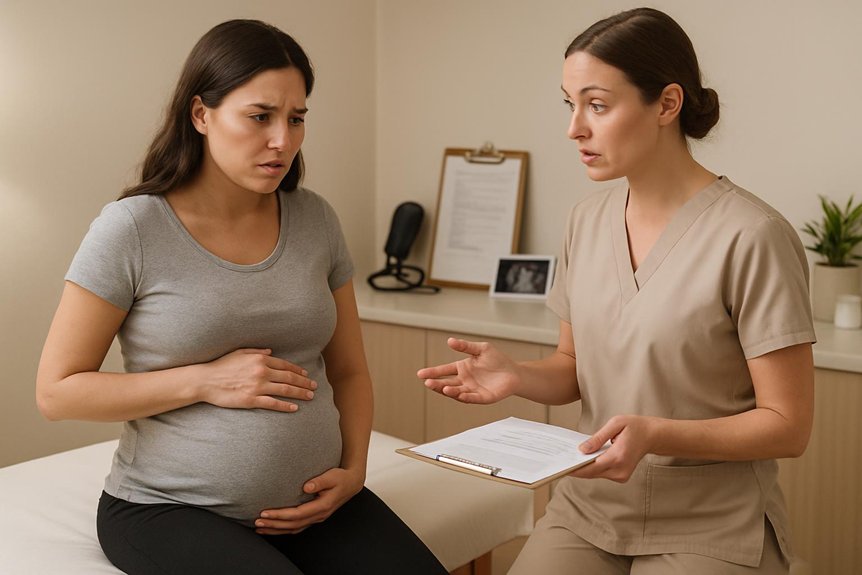
Spa & Massage recommends that all clients consult their healthcare provider before beginning perineal massage to guarantee safety for both mother and baby.
When to Avoid Massage
Why is it important to recognise the situations in which massage should be avoided?
Identifying these instances guarantees the safety and well-being of both expectant mother and baby.
At Spa & Massage, therapists emphasise that perineal massage is not suitable in all pregnancy scenarios.
Women experiencing unexplained vaginal bleeding, preterm labour symptoms, severe pelvic pain, or recent cervical procedures should abstain from this practice.
Additionally, if there is known placenta previa or a history of preterm birth, it is advisable to seek medical guidance before proceeding.
These precautions are based on clinical research and are intended to prioritise health while maintaining intimacy and connection.
Ultimately, professional assessment and open communication with healthcare providers are central to fostering a safe, nurturing experience throughout pregnancy.
Recognising Infection Risks
Although perineal massage offers significant benefits for many expectant mothers, strict attention to infection risks is paramount to guarantee safety. Any signs of vaginal infection—such as unusual discharge, itching, or discomfort—should be carefully noted, as introducing massage in these circumstances may worsen symptoms or increase the risk of complications.
At Spa & Massage, therapists emphasise that clean hands and the use of sterile, hypoallergenic oils are essential for every session, whether performed professionally or at home.
Clients are encouraged to routinely inspect the area for redness, sores, or lesions prior to massage. Should any irritation or open wounds be present, massage should be postponed until healing occurs.
This mindful approach helps foster intimacy and comfort while reducing the likelihood of infection during this sensitive period.
Consulting Healthcare Providers
Maintaining vigilant attention to infection risks lays a strong foundation for safety, yet individual health circumstances must also be considered before beginning perineal massage.
Consulting a qualified healthcare provider is essential, as certain conditions—such as vaginal infections, placenta previa, unexplained vaginal bleeding, or preterm labour—may contraindicate this practice.
At Spa & Massage, therapists emphasise the importance of open communication with midwives or obstetricians prior to starting perineal massage, ensuring that each client’s unique needs and medical background are respected.
This personalised approach allows for intimate wellbeing while safeguarding maternal and fetal health.
Professional guidance provides clarity regarding proper timing, technique, and any modifications required for safety.
In our clinics, evidence-based care means supporting each person’s journey with practical, medically informed advice for a confident and nurturing experience.
Choosing the Right Massage Oil for Perineal Massage
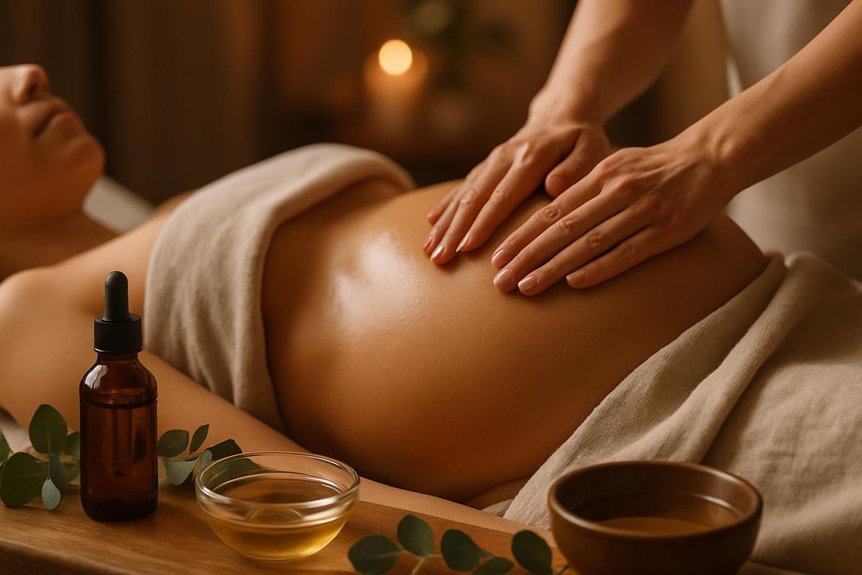
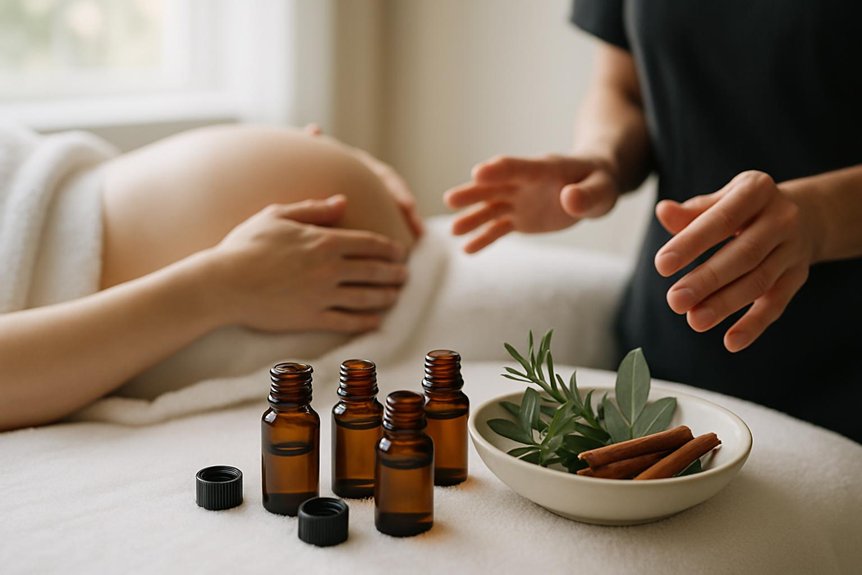
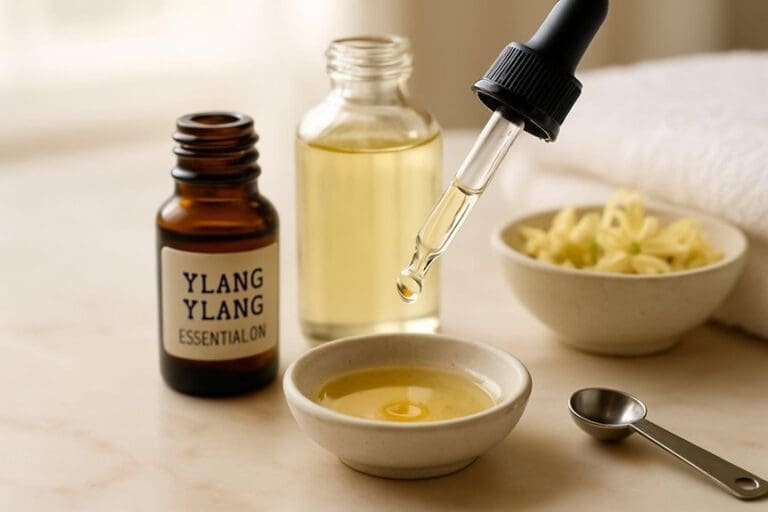
Selecting an appropriate massage oil is essential for effective and comfortable perineal massage during pregnancy. At Spa & Massage, therapists recommend natural, unscented oils—such as sweet almond or vitamin E oil—as these options offer excellent glide and minimize irritation on sensitive skin.
Evidence suggests that natural oils are less likely to cause allergic reactions and guarantee the massage is soothing and gentle. The selected oil should be free from artificial fragrances or additives, aligning with best practice for intimate care.
Spa & Massage’s expertise highlights the importance of testing a small amount of oil on the inner arm to check for sensitivity before use.
An ideal choice supports the nurturing, respectful connection couples seek during this shared, intimate preparation for childbirth.
Preparation Steps for a Safe and Comfortable Experience
To guarantee perineal massage is both safe and comfortable during pregnancy, specific preparation steps are essential. Hygiene is paramount; hands should be thoroughly washed, and nails kept short and smooth to avoid injury.
A warm, private setting fosters relaxation—many clients at Spa & Massage find gentle lighting and soft music beneficial.
Positioning is vital for both comfort and access; a semi-reclined or supported side-lying position helps maintain ease throughout the process.
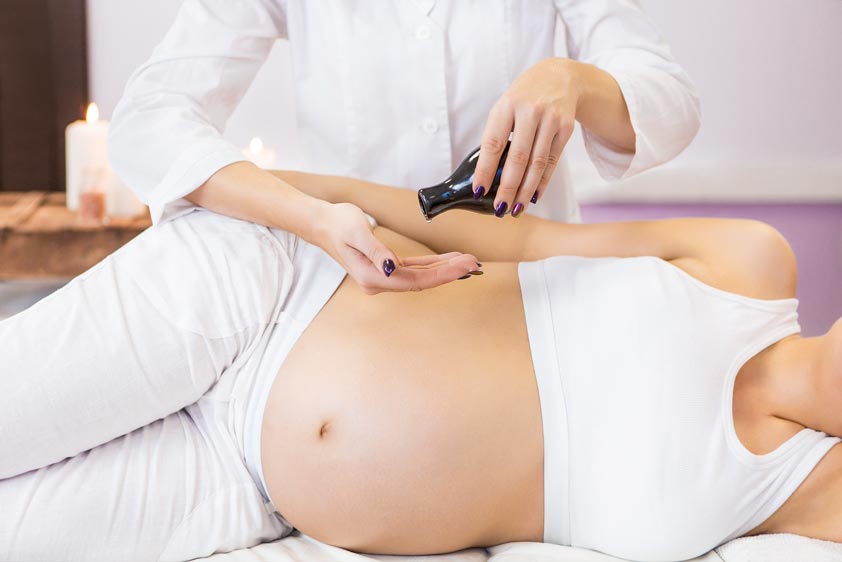
Use a recommended, hypoallergenic oil warmed between the hands, as is standard practice in our clinics.
It is also important to empty the bladder beforehand.
Taking a few deep, calming breaths can further prepare the body and mind.
These careful steps help guarantee the massage experience is calming, safe, and intimate.
Step-by-Step Guide to Performing Perineal Massage
A clear, step-by-step approach helps guarantee that perineal massage during pregnancy is both safe and effective.
Spa & Massage therapists emphasize the importance of proper preparation, comfort, and the use of gentle, evidence-based techniques.
The following guide outlines essential tips and methods to support clients in performing perineal massage with confidence.
Preparation and Comfort Tips
Although perineal massage is a gentle and straightforward technique, proper preparation is essential to guarantee both comfort and effectiveness. At Spa & Massage, therapists recommend choosing a quiet, private space where one feels safe and relaxed.
Warm, clean hands and trimmed nails are vital to avoid any discomfort or risk of infection. Many clients find that a warm bath or shower beforehand helps soften tissues and enhances relaxation.
Using a natural, hypoallergenic oil—such as those preferred in our clinics—can increase comfort and reduce friction.
It is helpful to empty the bladder beforehand and adopt a comfortable, supported position, such as semi-reclining or with one leg elevated.
Mindful breathing and taking time to relax can foster a sense of connection and intimacy throughout the process.
Perineal Massage Techniques
Once preparation is complete, perineal massage can be performed safely and effectively by following a structured approach.
Begin by applying a small amount of gentle, unscented oil—such as the ones recommended by Spa & Massage therapists—to the thumbs and perineal area.
Insert both thumbs about 3–4 cm into the vagina, pressing gently towards the rectum and sides.
Use slow, U-shaped movements to stretch the tissue, maintaining gentle pressure and conscious breathing throughout. This technique helps increase tissue flexibility and awareness.
Our therapists advise maintaining this massage for 5–10 minutes, two to three times per week, particularly in the final weeks of pregnancy.
Regular practice, combined with relaxation techniques, fosters intimacy and confidence.
Always stop if discomfort arises and consult a healthcare provider if needed.
Tips for Involving Your Partner in the Process
When preparing for perineal massage during pregnancy, many individuals find that involving a partner can enhance comfort and foster emotional support. Partners can help create a calm, safe environment, which is essential for relaxation and trust.
Communication is key: discussing boundaries and preferences beforehand guarantees both individuals feel comfortable and respected throughout the process.
At Spa & Massage, therapists recommend using a gentle, fragrance-free oil to minimize irritation and maximize comfort, a practice that can be mirrored at home.
Partners should approach each session with patience, sensitivity, and an understanding of the anatomical changes occurring during pregnancy.
Common Sensations and How to Manage Discomfort
What sensations might arise during perineal massage, and how can discomfort be effectively managed? During perineal massage, individuals commonly experience a gentle stretching or tingling sensation, and occasionally, a mild stinging or burning as the tissues adjust. These responses are normal and typically lessen with regular practice.
At Spa & Massage, therapists emphasize the importance of relaxation and suggest using a high-quality, pregnancy-safe oil to decrease friction and enhance comfort. Breathing deeply and proceeding slowly allows the body to acclimate to touch, fostering both physical ease and emotional connection.
If discomfort persists beyond mild sensations, reducing pressure or pausing the massage is advised. Open communication with partners and mindfulness during the massage can further support a positive, intimate experience, in line with Spa & Massage’s nurturing philosophy.
Aftercare and Supporting Perineal Health
Although perineal massage is a gentle and generally safe practice, proper aftercare is essential to support tissue recovery and overall perineal health.
After each massage session, cleansing the area with warm water and patting dry can help prevent irritation or infection.
At Spa & Massage, therapists recommend applying a gentle, fragrance-free oil if the skin feels dry or sensitive, as this nourishes delicate tissues and maintains comfort.
Wearing breathable, soft underwear is also advised to reduce friction.
Clients are encouraged to monitor for unusual discomfort, swelling, or persistent redness, and to consult their healthcare provider if concerns arise.
Practising mindfulness and relaxation, such as gentle breathing exercises, further supports perineal well-being—an approach aligned with Spa & Massage’s holistic philosophy of nurturing intimacy and self-care.
Conclusion
Perineal massage is a simple, evidence-based technique that empowers expectant mothers to prepare for childbirth with confidence. Research shows that regular perineal massage after 34 weeks’ gestation can reduce the risk of perineal trauma by up to 16% in first-time mothers. By following expert guidance and practicing safely, women can support their own comfort and recovery, making perineal massage a valuable addition to antenatal care for those seeking a more positive birth experience.