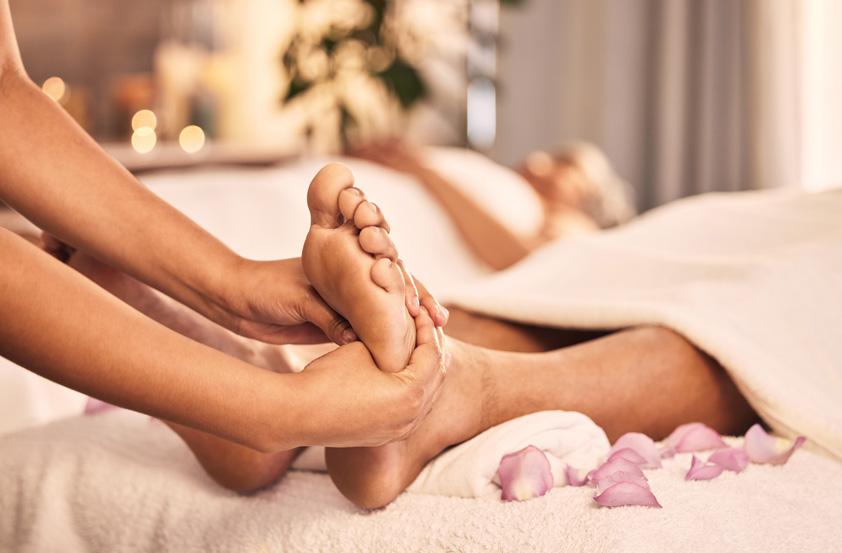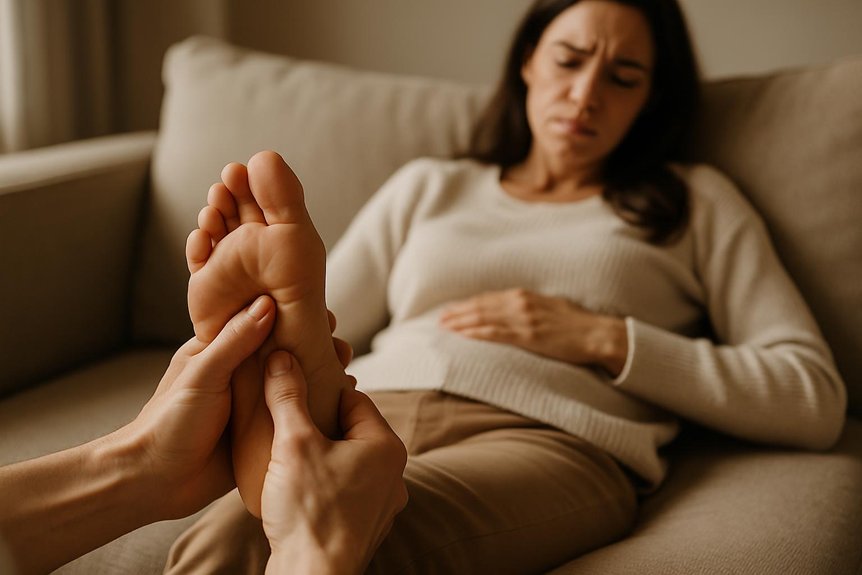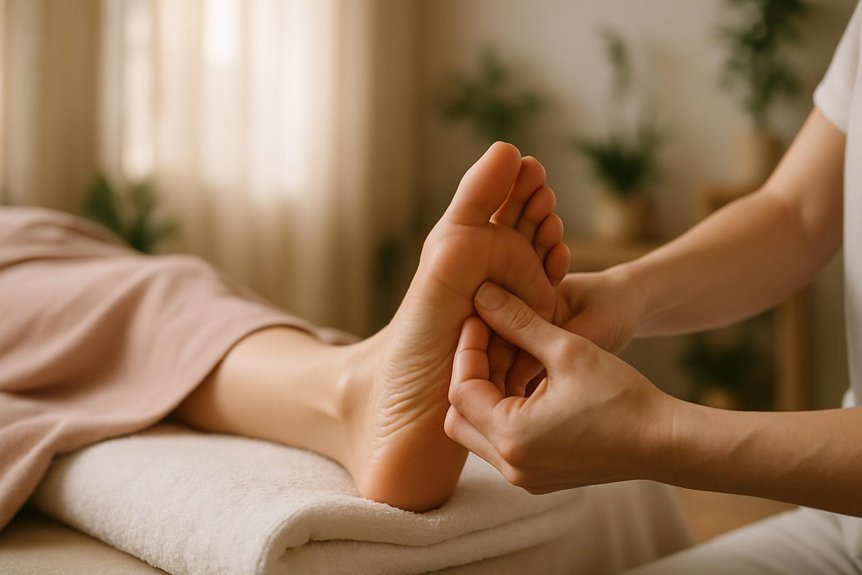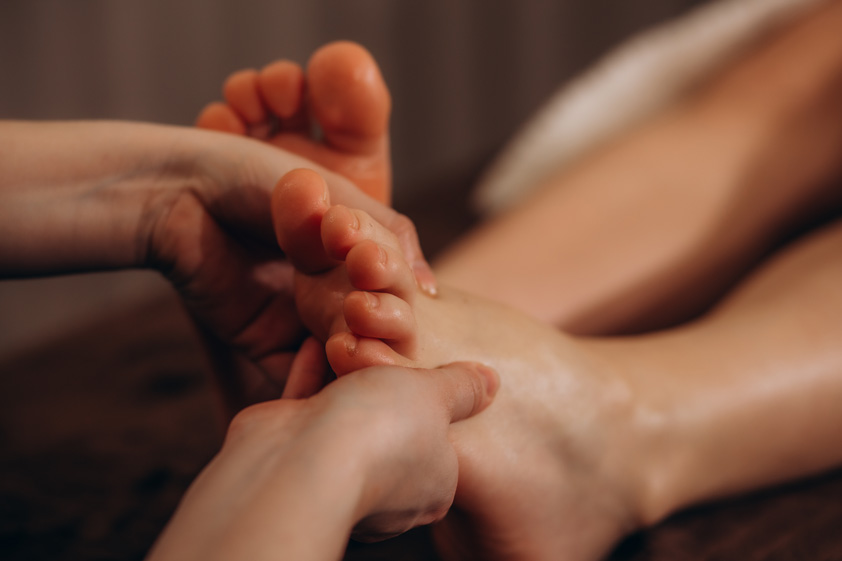
It is performed by methodically applying firm pressure to mapped reflex points on the feet or hands that correlate with body organs, using thumb and finger-walking techniques. The process begins in a calm, hygienic setting using hypoallergenic oils, and utilizes detailed charts to identify specific zones. Tools, such as wooden probes, may enhance precision. Sessions always end with aftercare to support systemic balance and wellbeing. Further guidance reveals refined techniques, mapping strategies, and ideal aftercare protocols.
Understanding the Principles of Reflexology
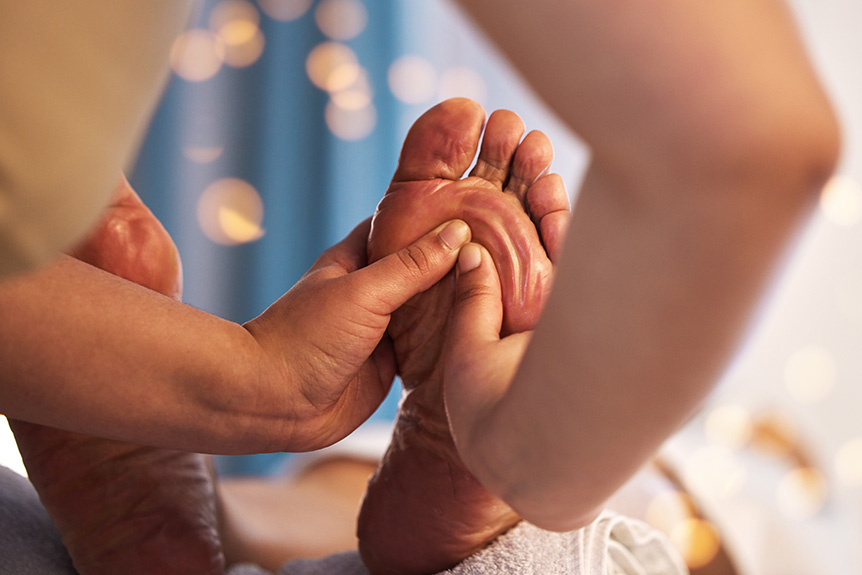
How does it facilitate holistic wellness? It operates on the premise that specific points on the feet, hands, and ears correspond to organs and systems throughout the body. By methodically applying pressure to these reflex zones, practitioners stimulate neural pathways, supporting homeostasis and physiological balance. At Spa & Massage, therapists employ targeted stimulation to promote circulation, encourage lymphatic drainage, and relieve musculoskeletal tension. The nuanced touch fosters a deep sense of relaxation, which in turn modulates stress responses and enhances overall wellbeing. It’s integrative approach aligns with holistic principles—addressing physical, emotional, and energetic aspects simultaneously. Clients often experience profound states of comfort and connection, underpinned by evidence-based techniques and a compassionate therapeutic presence. This foundational understanding guides all reflex therapy treatments within Spa & Massage clinics. Many clients are drawn to reflex therapy for its healing power, which is recognized for promoting both relaxation and overall wellness.
Preparing Your Space and Materials
Ideal conditions for reflex therapy demand a meticulously arranged environment and appropriate materials. A quiet, softly lit space enhances relaxation and supports the parasympathetic nervous system, which is integral to the therapeutic process.
At Spa & Massage, therapists prepare a supportive chair or massage table, ensuring ideal comfort and ergonomic alignment. Clean linens and towels are utilised to maintain hygiene and provide a sense of warmth and security.
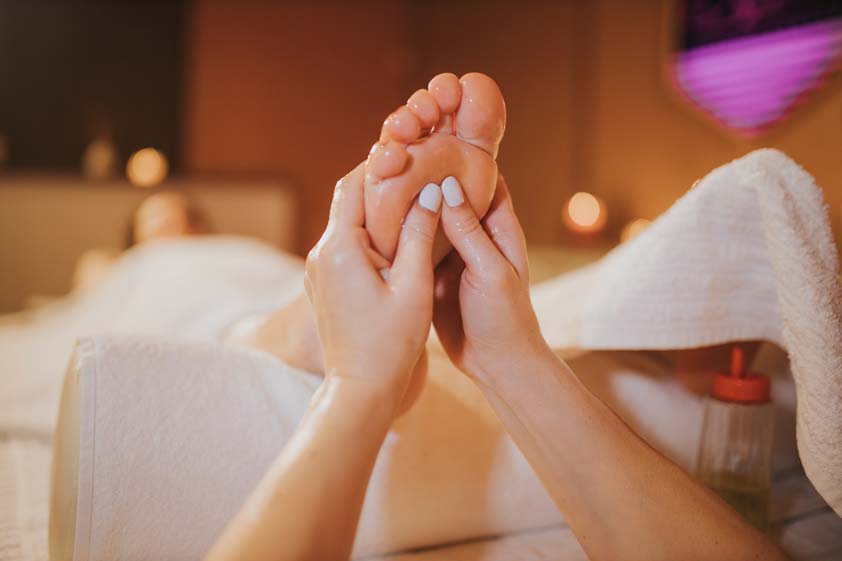
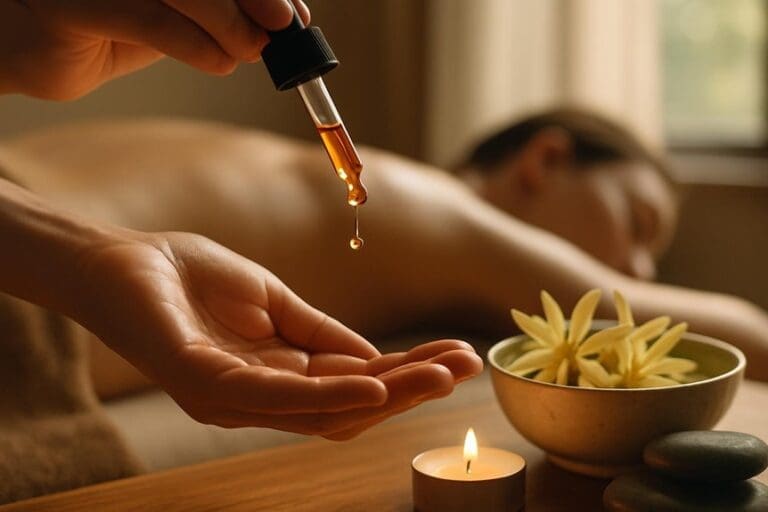
High-quality, hypoallergenic massage oils or lotions—commonly used in our clinics—reduce friction and facilitate controlled, soothing movements.
A basin with warm water and mild soap is kept nearby for pre-session cleansing of the feet or hands, reinforcing both comfort and sanitation.
All implements are sanitised, and distractions minimised, fostering a serene, intimate setting conducive to effective reflex therapy.
Mapping Reflex Points on the Feet and Hands
With a tranquil environment and necessary materials in place, accurate identification of reflex points becomes the next step in effective reflex therapy. Each region of the foot and hand corresponds to specific organs and systems within the body.
At Spa & Massage, therapists employ detailed charts to systematically locate these zones: the toes reflect the head and neck, the ball of the foot corresponds to the chest, while the arch mirrors digestive organs. The heel represents lower back and pelvic areas.
On the hands, fingertips align with the head, the palm’s center relates to the heart and diaphragm, and the base connects to pelvic structures. Understanding this intricate mapping allows for targeted pressure application, fostering deep connection and holistic well-being throughout the reflex therapy session.
Choosing the Right Oils and Tools
Proper reflex therapy practice requires careful consideration of both massage oils and specialized tools to enhance therapeutic outcomes.
At Spa & Massage, therapists select hypoallergenic, plant-based oils to guarantee ideal glide and client comfort during targeted foot and hand techniques.
Essential reflex therapy tools, such as wooden sticks and silicone probes, are utilized to apply precise pressure without causing strain to the practitioner’s hands.
Selecting Suitable Massage Oils
Selecting appropriate massage oils is a critical component in reflex therapy, as the choice of oil directly influences both tactile sensitivity and therapeutic efficacy. In clinical practice at Spa & Massage, therapists meticulously select oils that provide ideal glide while maintaining sufficient friction for precise thumb and finger techniques.
Light, non-comedogenic oils such as grapeseed or sweet almond are frequently employed to avoid residue and support skin health. Fragrance-free or hypoallergenic formulations are preferred for clients with sensitivities, ensuring comfort and enhancing relaxation.
The oil’s viscosity is matched to the therapist’s chosen modality, balancing absorption with prolonged workability. Careful application fosters intimacy through consistent, controlled contact that heightens sensory awareness and deepens therapeutic outcomes.
Clients are encouraged to communicate preferences, facilitating a truly individualized and nurturing experience.
Essential Reflex Therapy Tools
Beyond the careful selection of massage oils, the effectiveness of reflex therapy also depends on the appropriate use of specialized tools. At Spa & Massage, therapists employ instruments such as wooden reflex therapy sticks, silicone massage balls, and precision rollers to deliver controlled, targeted pressure along reflex zones.
These tools enable deeper stimulation of nerve endings and precise manipulation of tension points within the feet, hands, or ears. Each tool is sanitized between sessions, maintaining the clinic’s commitment to hygiene and client safety.
When paired with hypoallergenic oils, these devices facilitate smooth gliding and enhanced tactile feedback. Clients often report a heightened sense of relaxation and connection due to the intentional, skilled use of these implements, reflecting the Spa & Massage philosophy of thoughtful, attentive wellness care.
Basic Massage Techniques and Movements
Although it is rooted in the principle that specific points on the feet correspond to organs and systems within the body, its effectiveness depends on precise application of core techniques.
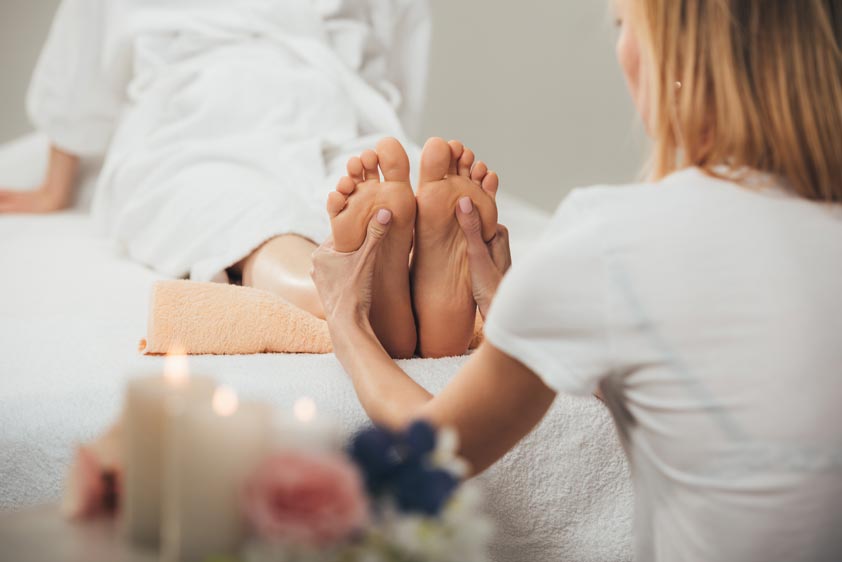
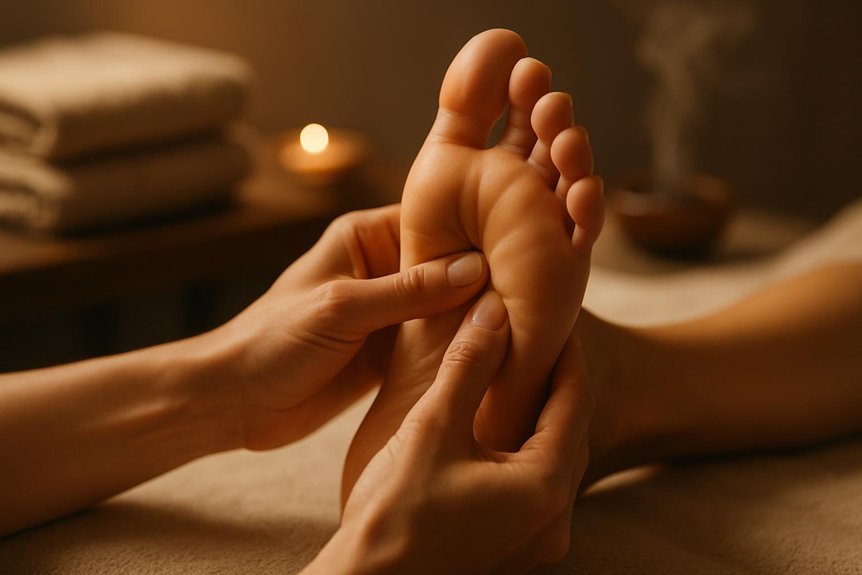
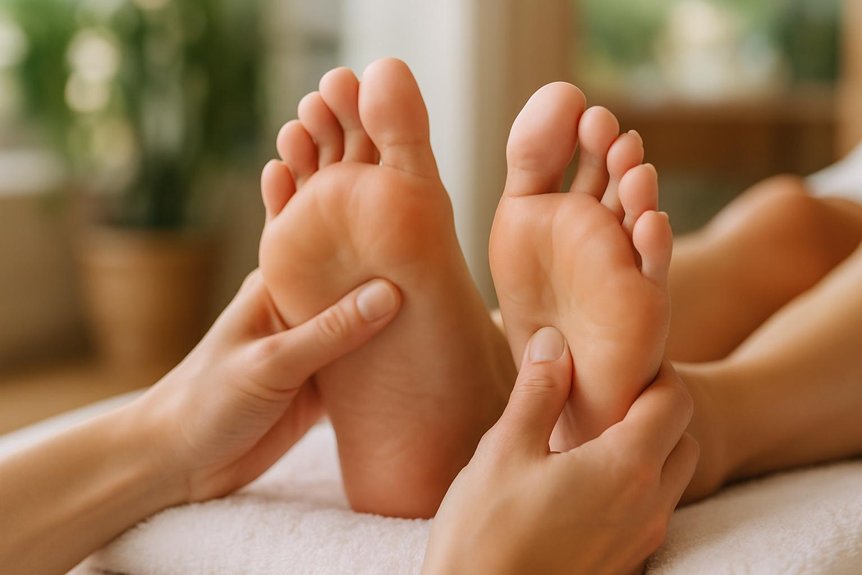
At Spa & Massage, therapists utilize key movements to assure therapeutic benefit and client comfort. The thumb-walking technique involves rhythmically flexing and extending the thumb along reflex zones, delivering consistent pressure while minimizing strain.
Finger-walking is employed for delicate areas, allowing nuanced targeting of smaller reflex points.
Alternating pressure, applied with both thumbs and fingers, encourages circulation and deep relaxation.
Rotational kneading—where the thumb or fingers move in small, circular motions—helps release tension and promotes lymphatic flow.
Our therapists recommend gentle warming strokes at the beginning and end to enhance relaxation and foster an intimate, restorative experience.
Step-by-Step Reflex Therapy Routine
A structured massage session begins with proper preparation, including client assessment and ensuring a comfortable environment. Therapists at Spa & Massage employ core reflex therapy techniques, such as thumb walking and finger pressure, to systematically stimulate specific reflex zones.
This methodical approach is designed to optimize therapeutic outcomes and enhance overall client well-being.
Preparing for a Massage Session
How does one guarantee ideal conditions for a reflex therapy session? Proper preparation is paramount.
At Spa & Massage, therapists begin by ensuring the environment is serene—low lighting, soft music, and a comfortable temperature foster relaxation.
The client is positioned in a supportive recliner or massage table, with feet elevated to promote circulation.
Sanitisation protocols are strictly followed; the feet are cleansed with warm towels and, if appropriate, a hypoallergenic foot soak is applied.
Therapists assess for contraindications such as open wounds, infections, or circulatory issues, prioritising client safety.
In our clinics, unscented, nourishing massage oils are selected to minimise sensitivity and enhance tactile feedback.
Open communication about preferences and comfort is encouraged, laying the foundation for an intimate, personalised reflex therapy experience.
Core Massage Techniques
Once ideal conditions have been established, reflex therapy proceeds with a systematic application of pressure and movement to specific points on the feet, corresponding to organs and systems throughout the body.
The practitioner begins with gentle effleurage to warm the tissues, followed by thumb-walking, a technique using the thumb’s pad to deliver steady, incremental pressure along mapped reflex zones.
Careful attention is given to the medial arch, heel, and toes, ensuring each reflex area is addressed.
Rotational movements and static holds are integrated to facilitate relaxation and stimulate neural pathways.
In Spa & Massage clinics, therapists use slow, attentive motions, adjusting pressure to client preference.
This nuanced approach encourages both physical comfort and emotional reassurance, fostering a deeply personal and restorative experience with every session.
Tips for Maximising Relaxation and Results
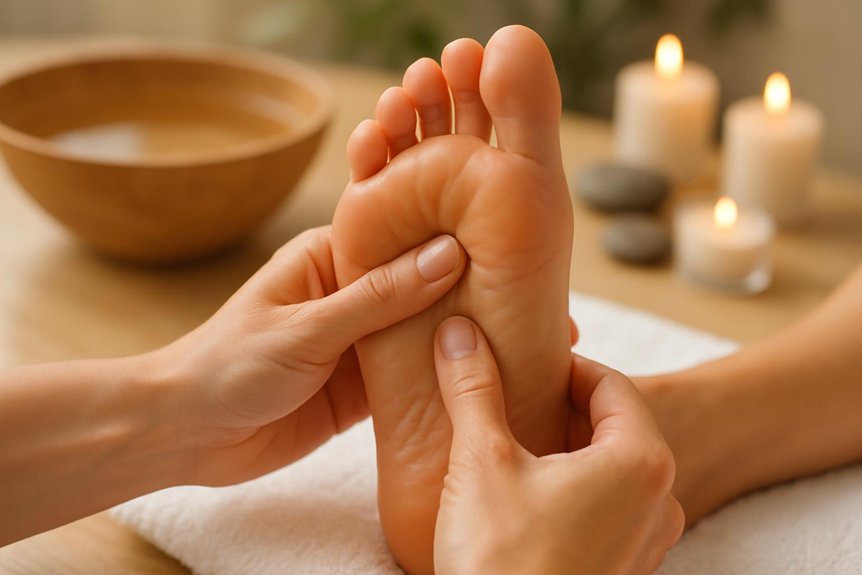
To optimise both relaxation and therapeutic outcomes during a reflex therapy session, several evidence-based strategies are recommended by Spa & Massage therapists. Establishing a serene environment—through dim lighting, gentle music, and controlled temperature—helps induce parasympathetic nervous system activation, encouraging deep relaxation.
Therapists utilise slow, rhythmic pressure with consistent pacing, allowing clients’ tissues to adapt without overstimulation. Communication remains essential; clients are encouraged to express pressure preferences and areas of sensitivity, fostering a tailored, intimate experience.
In Spa & Massage clinics, the use of hypoallergenic oils or balms enhances tactile sensation while minimising skin irritation. Additionally, diaphragmatic breathing techniques are sometimes incorporated, deepening the relaxation response.
These approaches, when combined, reliably maximise both the therapeutic efficacy and the soothing ambiance characteristic of expert reflex therapy practice.
Aftercare Recommendations From Our Therapists
Following the application of evidence-based reflex therapy techniques, the immediate post-session period presents a key window for physiological recalibration and continued therapeutic benefit.
Spa & Massage therapists advise clients to hydrate thoroughly, supporting lymphatic drainage and metabolic waste elimination. Gentle mobilization of the feet and lower legs is encouraged to enhance vascular return and maintain tissue flexibility.
Clients are counselled to avoid intensive physical exertion and stimulants, allowing the parasympathetic nervous system to predominate and extend the session’s calming effects.
Warm foot soaks with Epsom salts, as commonly recommended in Spa & Massage clinics, can further alleviate residual tension.
Clients are also guided to monitor their body’s responses, noting any delayed sensations or emotional releases, and to schedule follow-up sessions as appropriate for sustained wellness.
Conclusion
When practiced with mindful technique and anatomical precision, offers a sanctuary of calm amidst daily pressures. Visualize gentle, intentional thumb movements gliding across mapped reflex zones, each press orchestrating a symphony of circulatory stimulation and neural relaxation. As tension ebbs away, the body’s equilibrium subtly restores itself. By integrating these clinically grounded methods, individuals can confidently transform any space into a haven for holistic healing, supporting both physiological balance and deep-seated tranquility in daily life.