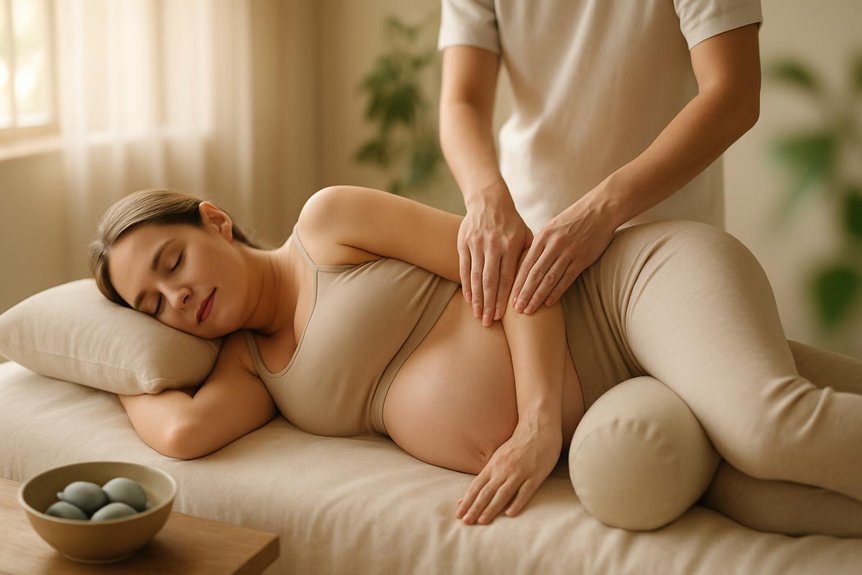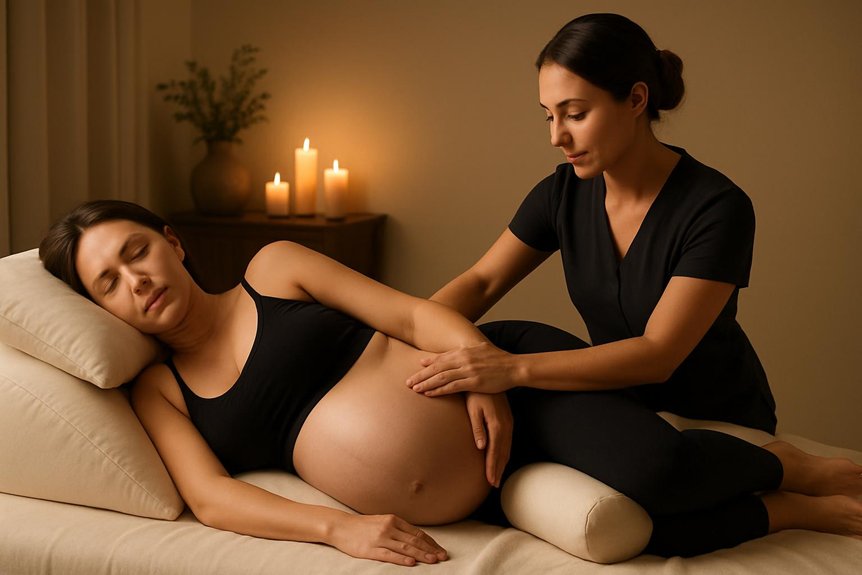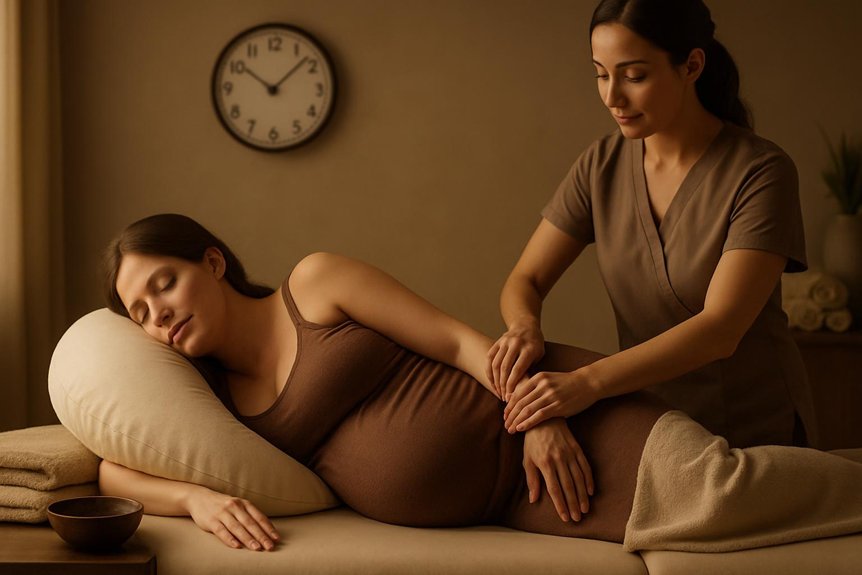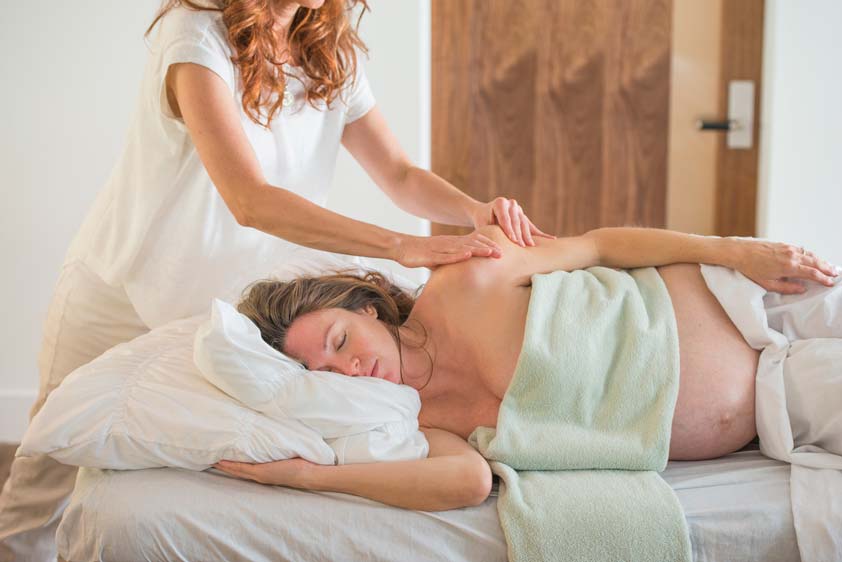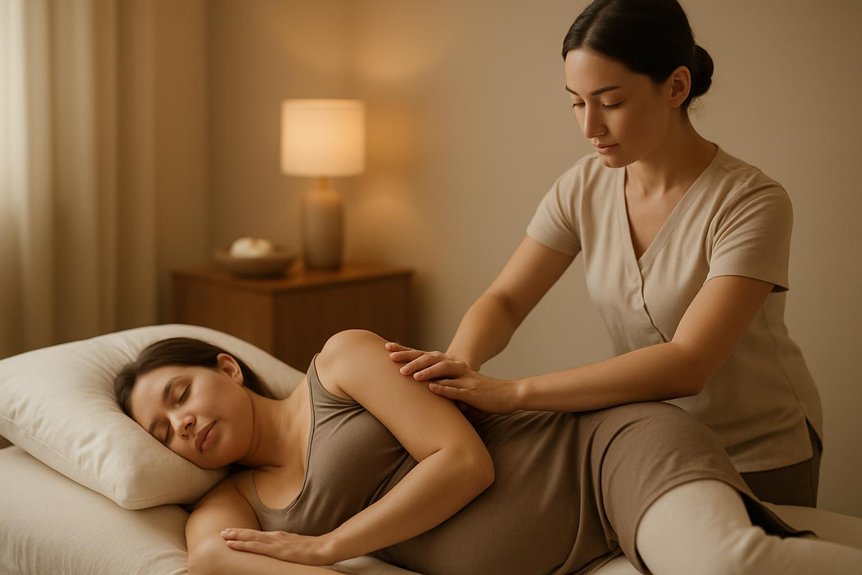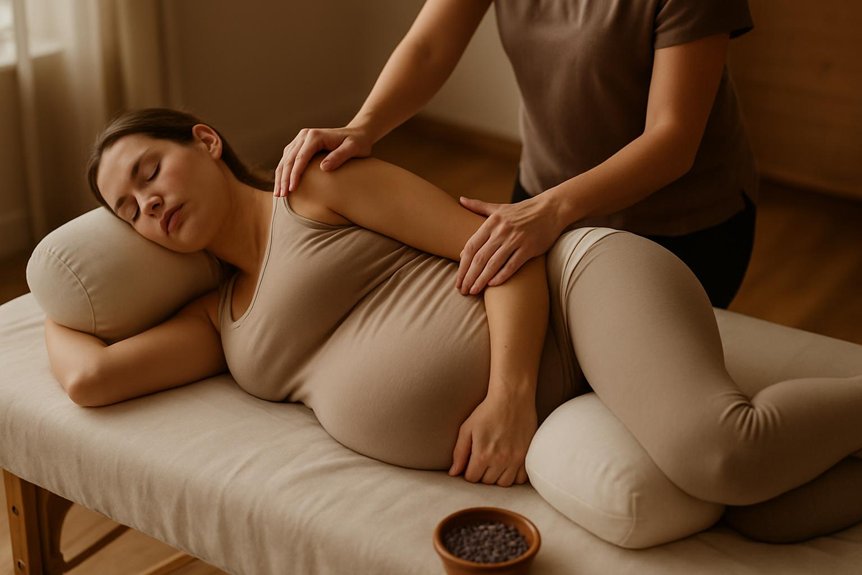

Breast massage during pregnancy involves using clean hands and gentle, circular motions with a hypoallergenic oil to support circulation, skin elasticity, and comfort. Sessions can begin in the second trimester, 2-3 times weekly, with care to avoid excessive pressure or direct contact with the nipples. Only fragrance-free, pregnancy-safe products should be used, and any persistent pain, lumps, or discharge should prompt a medical consultation. Additional guidance can aid in guaranteeing safe and effective practice throughout this time.
Importance of Breast Massage During Pregnancy
Why is breast massage during pregnancy considered beneficial? Gentle breast massage offers several advantages for expectant mothers, both physically and emotionally.
Clinically, it may help promote healthy circulation, reduce tenderness, and support the skin’s elasticity as the breasts change in size. Enhanced circulation may also aid in reducing swelling and discomfort, while gentle touch can foster a sense of connection and reassurance during a period of transformation.
At Spa & Massage, therapists emphasise the importance of safety and sensitivity, using nurturing techniques that honour both comfort and privacy. While breast massage can support well-being, it is important to approach it mindfully, respecting each individual’s boundaries.
Thoughtful massage fosters trust and can deepen feelings of intimacy between partners, enriching the pregnancy experience. Additionally, gentle breast massage can be complemented by techniques from reflexology to further support relaxation, improve overall well-being, and address pregnancy-related discomforts.
When and How Often to Perform Breast Massage
When considering the timing and frequency of breast massage during pregnancy, individual comfort and safety should remain the primary focus. Most experts, including the therapists at Spa & Massage, recommend beginning gentle breast massage in the second trimester, once any initial discomfort subsides and with approval from a healthcare provider.
The ideal frequency varies; gentle, short sessions two to three times per week can be beneficial. However, responsiveness to one’s own body is essential. It is important to avoid any pressure that causes discomfort or tenderness.
Choosing the Right Oils and Creams for Sensitive Skin
Selecting suitable oils and creams is essential for those with sensitive skin, especially during pregnancy. Spa & Massage therapists recommend products with natural ingredients, prioritizing hypoallergenic and fragrance-free formulations to minimize irritation.
This careful approach guarantees comfort and safety throughout the massage experience.
Natural Ingredients for Safety
A careful approach to product selection is essential during pregnancy, especially when considering massage oils and creams for sensitive skin. At Spa & Massage, therapists recommend natural, plant-based ingredients such as pure sweet almond oil or organic coconut oil, which are gentle, nourishing, and less likely to cause irritation.
Avoiding synthetic fragrances, parabens, and harsh additives further reduces the risk of allergic reactions or discomfort. Natural ingredients tend to absorb smoothly, supporting the comforting ritual of breast massage while respecting the body’s heightened sensitivity during pregnancy.
In the tranquil setting of Spa & Massage clinics, only products tested for purity and safety are used, ensuring expectant clients receive both effective care and peace of mind. This careful selection enhances the nurturing, intimate experience of pregnancy massage.
Hypoallergenic Options Preferred
Clients with sensitive skin or a history of allergies benefit from hypoallergenic oils and creams, which are a priority during prenatal massage at Spa & Massage clinics.
In this delicate stage, skin sensitivity may increase, making it crucial to select products that minimise the risk of irritation.
Spa & Massage therapists choose hypoallergenic formulations, carefully screened for common allergens, to ensure a safe and nurturing environment.
These products are gentle, non-irritating, and designed specifically to respect the unique needs of expectant mothers.
Therapists communicate openly with clients about any existing sensitivities, adapting their approach to foster trust and intimacy.
This attention to safety and comfort helps clients feel protected and supported as they receive the soothing, restorative benefits of tailored prenatal massage.
Fragrance-Free Product Benefits
When addressing the needs of sensitive skin during pregnancy, the use of fragrance-free oils and creams becomes essential to minimize the risk of irritation or allergic reactions.
The delicate breast area can be particularly susceptible to external products, making purity and simplicity top priorities.
At Spa & Massage, therapists consistently recommend fragrance-free formulations, as these products reduce the likelihood of inflammation and discomfort while still providing effective moisturization and glide for massage.
Selecting fragrance-free options also supports consistent skin integrity throughout pregnancy, when hormonal changes can heighten sensitivity.
For clients seeking an intimate, nurturing experience, these gentle products allow for connection and comfort without compromise.
The Spa & Massage approach prioritizes ingredients that nourish, protect, and reassure, fostering a safe and soothing environment for every expectant mother.
Step-by-Step Guide to Safe Breast Massage Techniques
How can expectant mothers guarantee their breast massage routine is both effective and safe?
At Spa & Massage, therapists recommend beginning with clean, dry hands and a comfortable, supportive posture—seated or lying down.
A gentle, fragrance-free oil, as used in our clinics, can reduce friction.
Using light, circular motions, one should start at the outer breast, gradually moving toward the center, avoiding direct pressure on the nipple.
Attention to comfort and sensitivity is essential; all movements should be soft and soothing.
Gentle upward strokes from the base of the breast encourage healthy circulation and promote relaxation.
Regularly checking for any tenderness or changes is encouraged.
This mindful approach fosters connection while respecting the body’s unique needs during pregnancy.
Addressing Common Concerns and Safety Tips
Although breast massage during pregnancy offers numerous benefits, certain concerns and safety considerations must be addressed to guarantee ideal well-being. Spa & Massage therapists emphasize that gentle pressure is essential; deep or vigorous movements should be avoided to prevent discomfort or potential tissue irritation.
It is important to communicate openly with a qualified therapist about any sensitivity, changes, or discomfort experienced in the breast area.
In our clinics, only hypoallergenic, pregnancy-safe oils are used to minimize skin reactions. Clients are encouraged to avoid massaging directly over the nipples or any areas with lumps or unusual tenderness, seeking medical advice if needed.
Respect for personal boundaries, privacy, and emotional comfort underpins every session, ensuring that each client feels safe, understood, and respected throughout their pregnancy journey.
Benefits for Postpartum Breastfeeding and Recovery
Gentle breast massage during pregnancy can offer significant benefits for postpartum breastfeeding and recovery. This approach may help promote ideal milk flow and ease common discomforts such as engorgement or tenderness.
At Spa & Massage, therapists emphasize safe, supportive techniques to help new mothers feel more comfortable and confident during their breastfeeding journey.
Enhancing Milk Flow
Why does breast massage play a significant role in supporting postpartum recovery and breastfeeding success?
Gentle, expert-guided breast massage helps stimulate the flow of milk by encouraging lymphatic drainage and enhancing circulation within breast tissue.
At Spa & Massage, therapists emphasize techniques that focus on safety, comfort, and nurturing touch, supporting mothers as they navigate the intimate experience of feeding their newborns.
Regular, careful massage can help open milk ducts, making it easier for milk to flow and reducing the likelihood of blockages that may impede breastfeeding.
By supporting ideal milk movement, these techniques empower new mothers to feel confident in their ability to nourish their baby.
In our clinics, clients receive tailored guidance to ensure every touch is safe, effective, and deeply supportive during this transformative time.
Reducing Breast Discomfort
A key benefit of breast massage during the postpartum period is its effectiveness in alleviating common sources of breast discomfort, such as engorgement, tenderness, and blocked ducts. Gentle, targeted massage can ease swelling, promote circulation, and help prevent complications like mastitis, which are especially relevant when breastfeeding begins.
At Spa & Massage, therapists prioritise gentle techniques and use safe, nourishing oils recommended for sensitive skin, ensuring both comfort and safety for clients. Regular, mindful manipulation encourages the natural flow of milk, reducing tension and supporting emotional wellbeing during this intimate shift.
Clients are guided in self-massage practices, empowering them to address discomfort at home. This holistic approach nurtures recovery, enhances bonding, and fosters confidence throughout the early stages of motherhood.
When to Seek Professional Advice or Support
While breast massage during pregnancy can offer comfort and support, certain situations require the attention of a healthcare professional.
If a pregnant person notices persistent pain, swelling, redness, unusual lumps, nipple discharge, or any signs of infection, it is vital to pause self-massage and seek medical advice promptly.
These symptoms may indicate underlying conditions that require expert assessment and intervention.
At Spa & Massage, therapists are trained to recognise when a client’s needs extend beyond therapeutic care and will always recommend consulting a healthcare provider in such cases.
Open communication with both massage therapists and medical professionals ensures the highest standard of safety and reassurance.
Prioritising well-being allows for a nurturing experience while respecting the unique changes pregnancy brings.
Conclusion
In conclusion, regular breast massage during pregnancy, when performed safely, can ease discomfort and promote circulation—benefits supported by studies indicating that up to 85% of pregnant women experience breast changes. With expert guidance and attention to safety, women can confidently incorporate gentle massage into their self-care routines. Ultimately, understanding and addressing breast health fosters physical comfort and emotional reassurance, empowering expectant mothers to navigate pregnancy and the shift to breastfeeding with greater confidence and wellbeing.