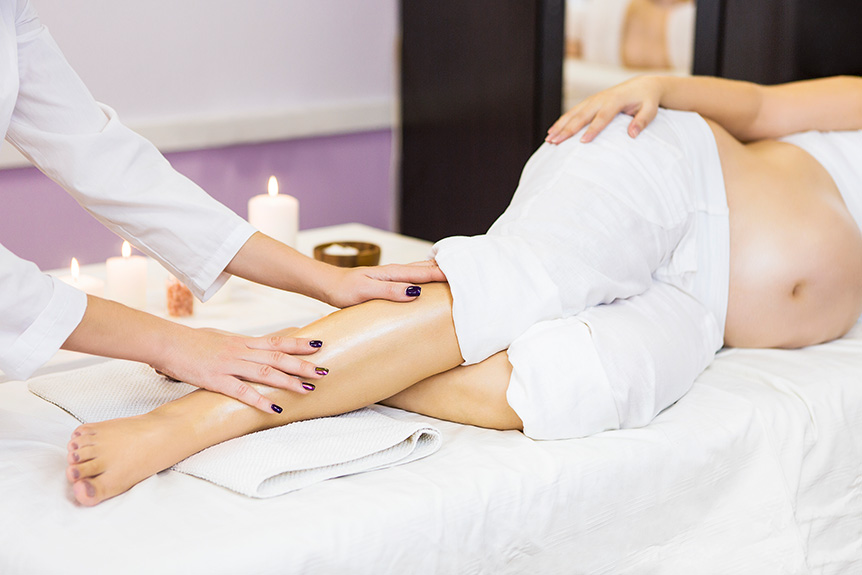
To massage legs during pregnancy safely, position the person on their side with cushions for support. Use gentle, rhythmic strokes and light kneading, always avoiding strong pressure on sensitive areas or varicose veins. Apply a mild, pregnancy-safe oil and maintain clear communication to guarantee comfort. Avoid massaging the inner thighs or behind the knees. Attention to hydration, aftercare, and ongoing gentle movement will further support leg wellness. Additional techniques, tips, and professional guidance are available below.
Understanding Leg Discomfort During Pregnancy
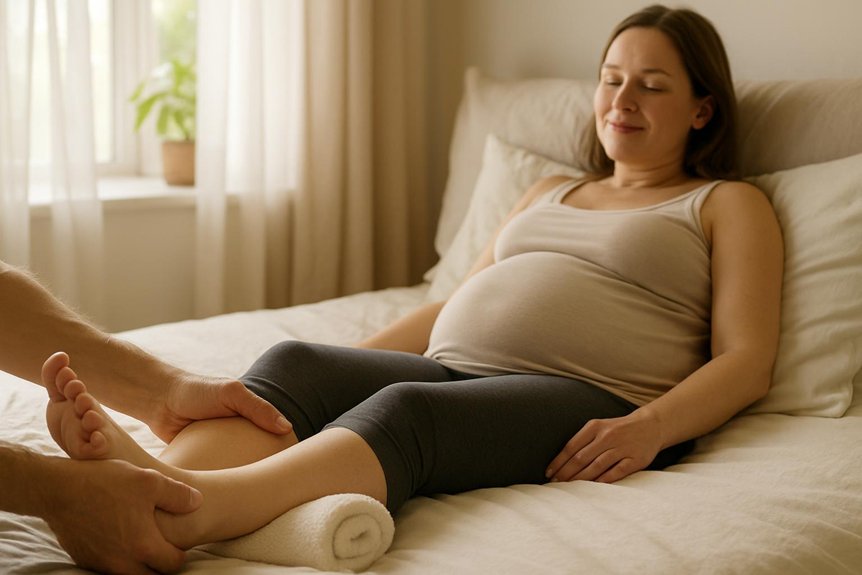
During pregnancy, many individuals experience leg discomfort due to physiological changes such as increased weight, fluid retention, and hormonal shifts that affect circulation and muscle tone. These changes often result in sensations of heaviness, aching, or cramping in the legs, especially toward the end of the day.
In our clinics, Spa & Massage therapists frequently support clients coping with these common symptoms, offering expertise and compassion.
Leg discomfort may be further intensified by standing or sitting for long periods, leading to swelling or restless sensations.
Understanding these underlying causes helps individuals feel less alone in their experience and reassures them that these symptoms are both common and manageable.
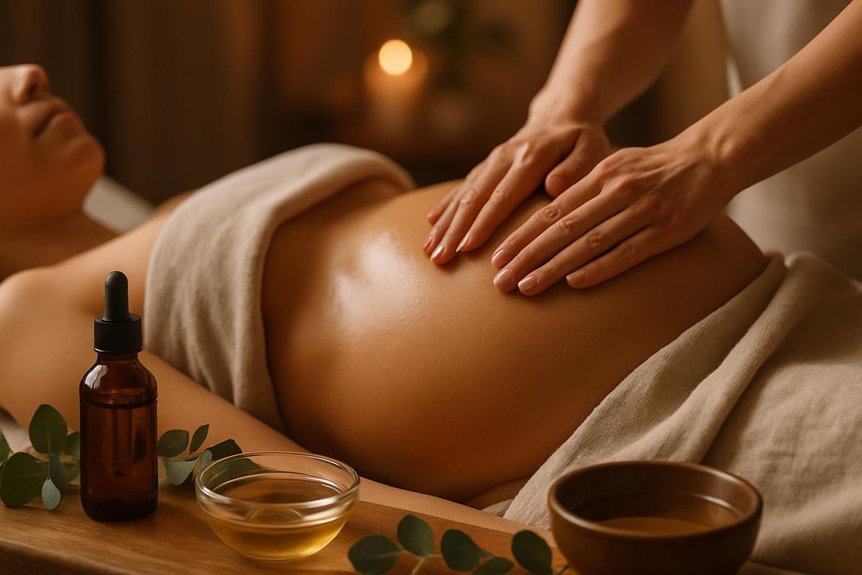
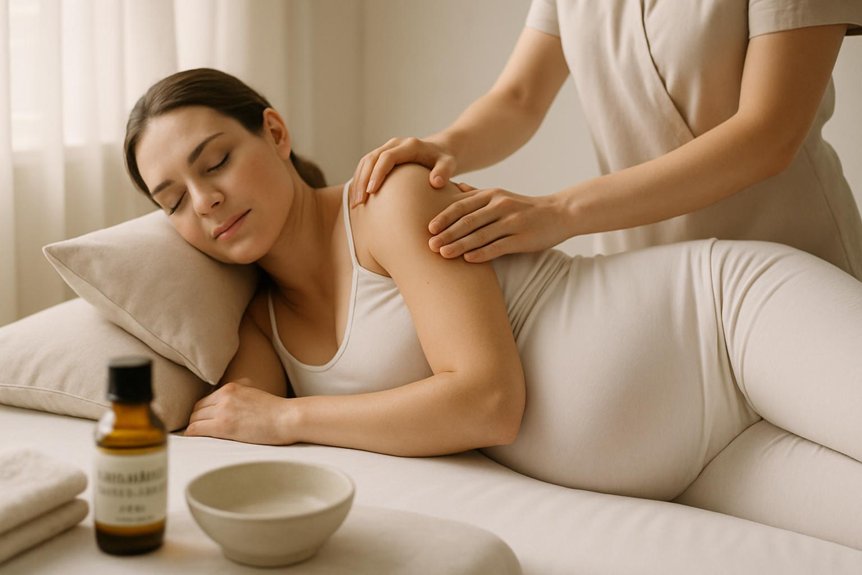
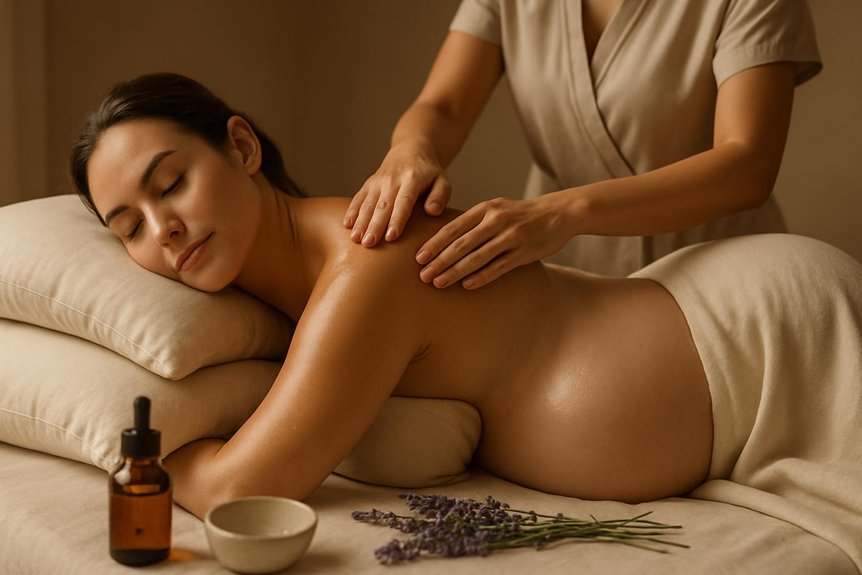
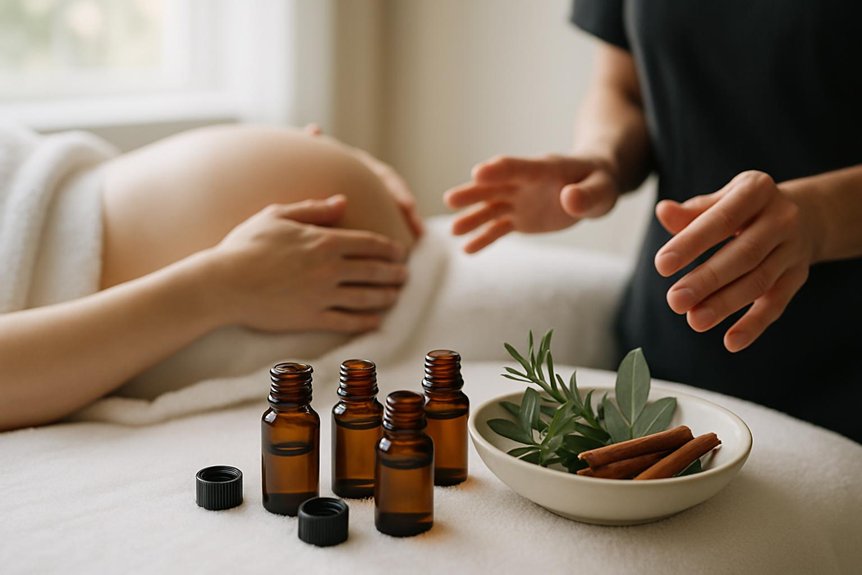
In addition to massage, some individuals find symptom relief with aromatherapy massage, which uses essential oils to help relax muscles and promote overall well-being during pregnancy.
Safety Precautions and Contraindications
When massaging legs during pregnancy, careful attention must be paid to suitable positions, appropriate pressure, and specific areas that should be avoided.
Spa & Massage therapists are trained to prioritize both comfort and safety, recommending gentle techniques and positioning that support the body’s needs.
Understanding these precautions helps protect both mother and baby while promoting relaxation and relief.
Suitable Massage Positions
Although massage can provide significant relief for pregnant clients, careful consideration of positioning is essential to guarantee both safety and comfort. Spa & Massage therapists are trained to ensure that expectant clients are supported in ways that protect both mother and baby.
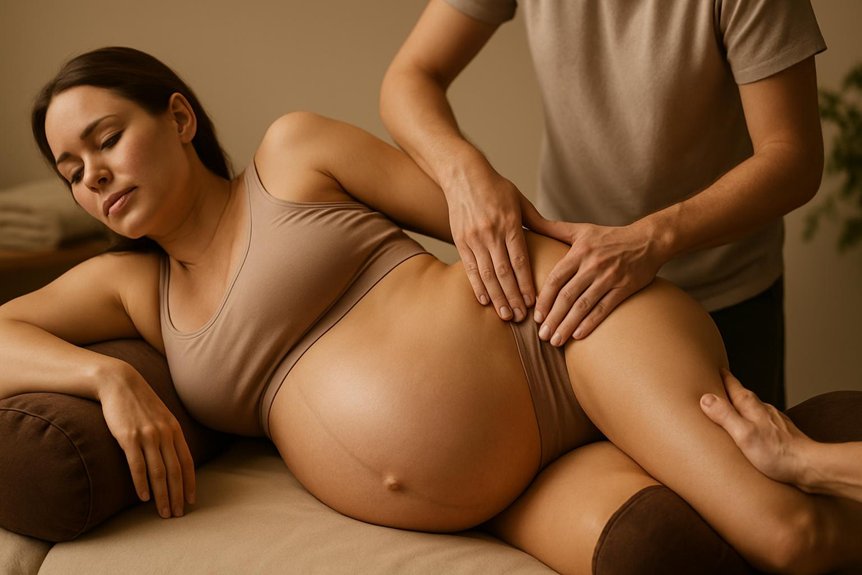
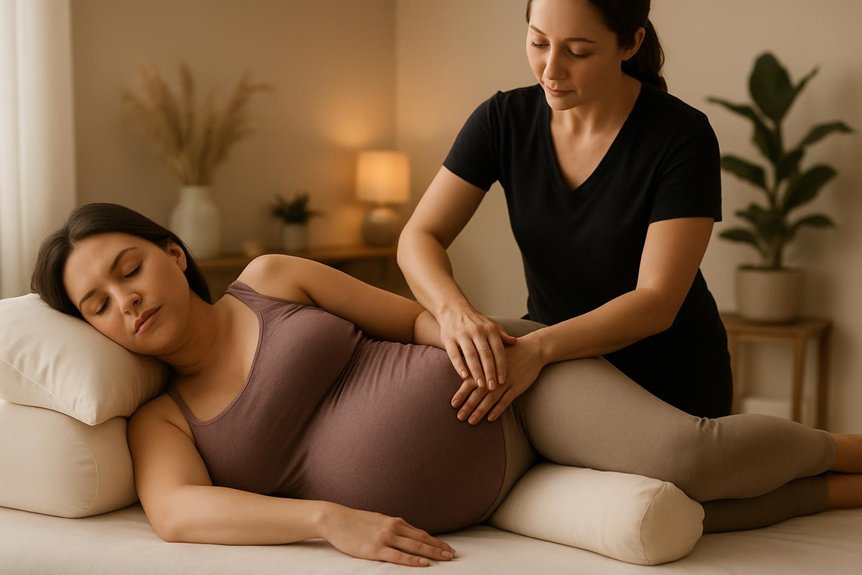
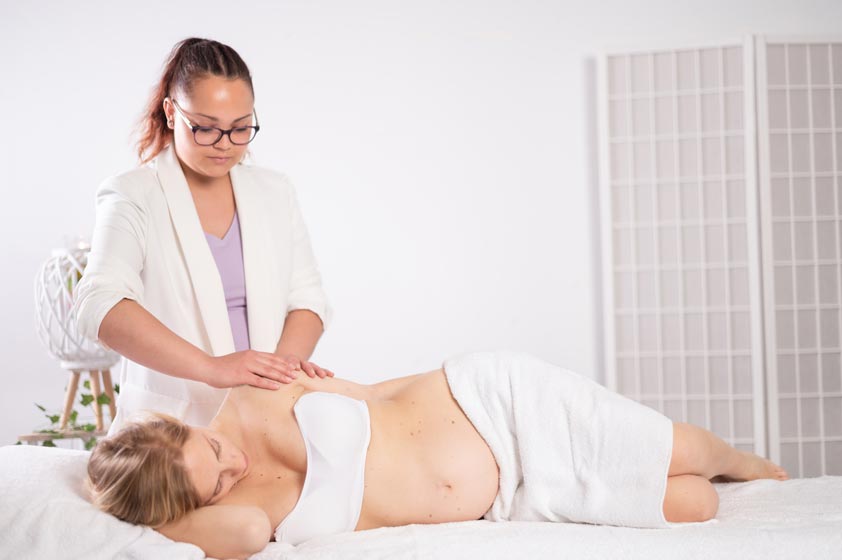
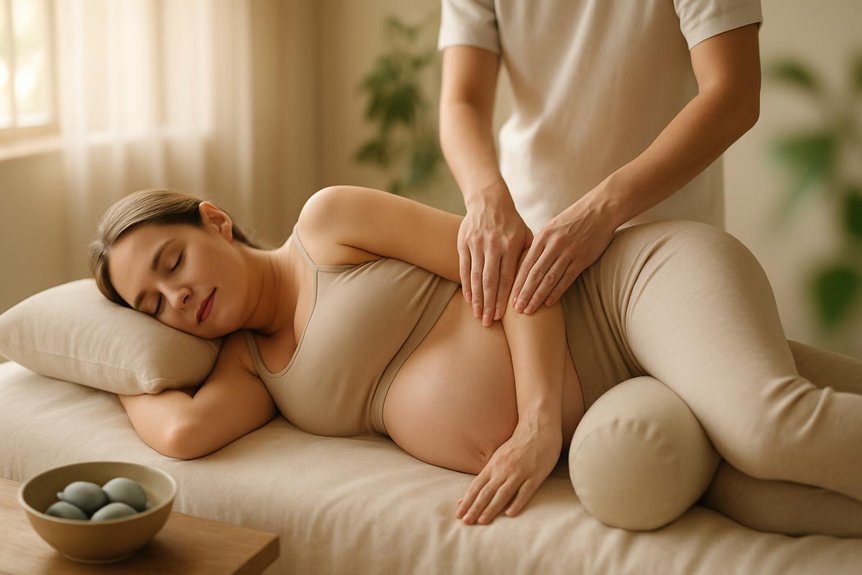
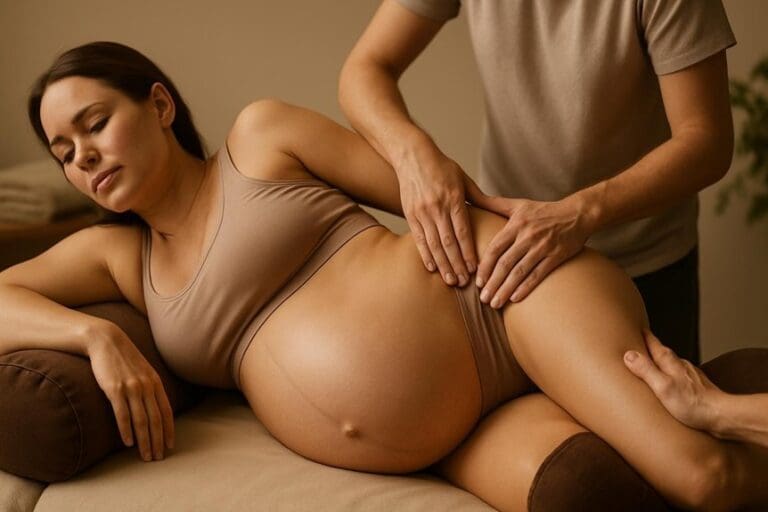
The preferred positions for leg massage during pregnancy are side-lying with a pillow between the knees, or semi-reclined with ample back and neck support. These arrangements help maintain circulation, reduce pressure on the abdomen, and foster deep relaxation.
Prone and completely flat supine positions are avoided to eliminate unnecessary strain and minimize risk.
Pressure and Technique Guidance
How can massage therapists guarantee both safety and effectiveness when working with pregnant clients’ legs? At Spa & Massage, therapists apply gentle, rhythmic strokes, always adapting pressure to each client’s comfort and trimester. Deep or vigorous pressure is carefully avoided, particularly over areas prone to swelling or sensitivity.
Slow effleurage and light kneading promote relaxation and healthy circulation, while respecting the unique physiological changes of pregnancy. Therapists maintain ongoing communication, encouraging clients to share any discomfort or concerns throughout the session.
Spa & Massage prioritises individualised care, ensuring each technique is chosen with empathy and clinical caution. Therapists are trained to recognise contraindications such as varicose veins or excessive swelling, adjusting their approach accordingly.
This combination of skilled touch and attentive listening nurtures both safety and deep relaxation.
Areas to Avoid
Why is it essential for therapists to avoid certain areas during pregnancy leg massage? During pregnancy, the body undergoes significant circulatory and hormonal changes, increasing vulnerability in specific regions.
At Spa & Massage, therapists are trained to steer clear of deep pressure on the inner thighs, behind the knees, and around varicose veins—areas where blood clots are more likely to form.
Gentle, nurturing techniques are prioritised, avoiding strong stimulation near major veins or any region experiencing swelling, bruising, or discomfort. These precautions safeguard both mother and baby, offering peace of mind during every session.
Careful touch ensures benefits while minimising risk, embodying the clinic’s commitment to safety and empathy. Open communication allows clients to express concerns, fostering intimacy and trust throughout the experience.
Preparing for a Pregnancy Leg Massage
Before commencing a pregnancy leg massage, careful preparation is essential to guarantee both safety and comfort for the expectant mother. The environment should be warm, quiet, and inviting—minimizing distractions and fostering relaxation.
Proper positioning is critical; at Spa & Massage, therapists recommend supporting the client on her side with cushions under the knees and ankles to relieve pressure and encourage ideal circulation.
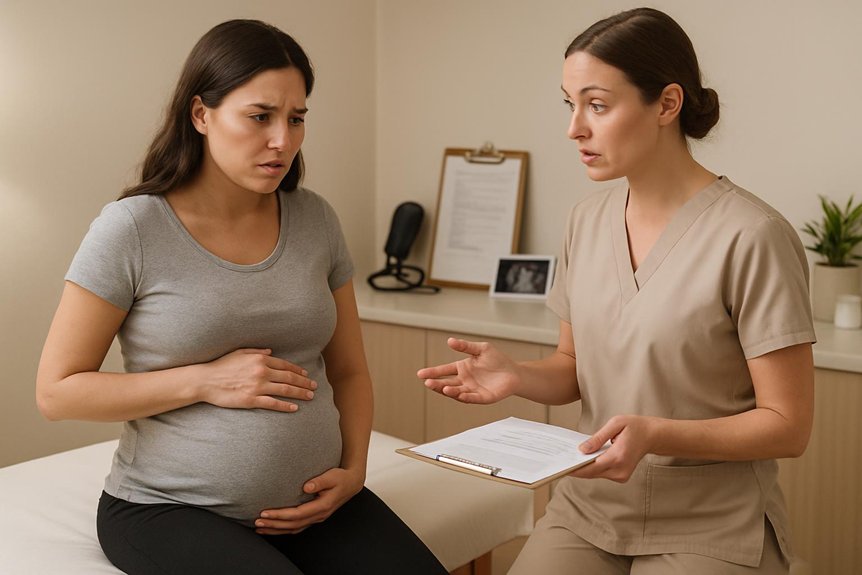
Communication is key: discussing any discomfort, health concerns, or medical advice received from a healthcare provider ensures tailored care.
Hands should be freshly washed, and all linens must be clean.
Gentle, slow movements are always prioritised to avoid overstimulation.
Choosing the Right Oils and Products
Selecting appropriate oils and products is fundamental to guaranteeing both safety and effectiveness during pregnancy leg massage.
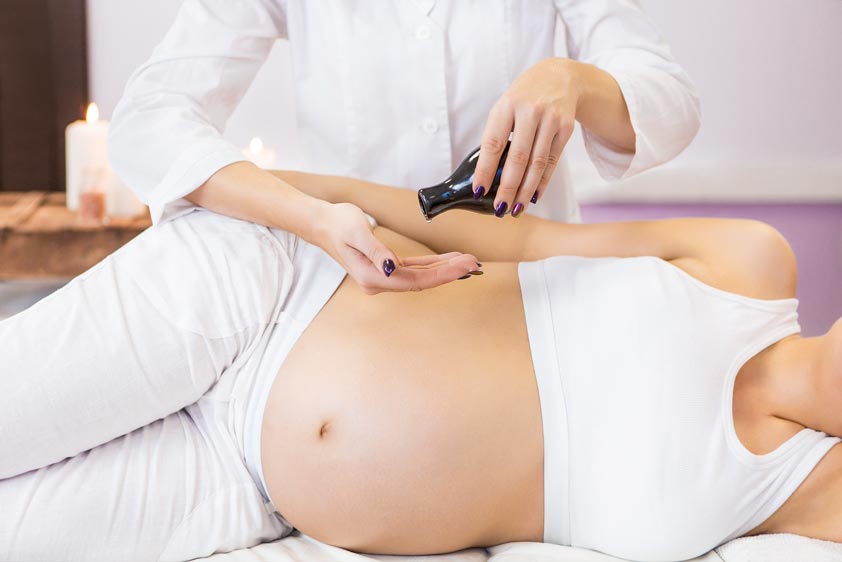
At Spa & Massage, therapists prioritise gentle, hypoallergenic oils free from harsh chemicals and synthetic fragrances, reducing the risk of skin irritation or allergic reactions.
Natural, plant-based oils such as sweet almond or grapeseed are often preferred for their nourishing qualities and smooth glide, making the experience both comfortable and soothing.
Essential oils are used with caution and always avoided during the first trimester, with only pregnancy-safe varieties considered thereafter.
Therapists also carefully observe each client’s preferences and sensitivities, fostering trust and comfort.
This attentive approach ensures every massage is both safe and deeply nurturing, supporting the unique needs of expectant mothers throughout their journey.
Step-by-Step Techniques for Massaging Pregnant Legs
How can pregnant individuals experience relief and relaxation through safe, effective massage?
At Spa & Massage, therapists begin by positioning the client comfortably on their side, using supportive pillows to alleviate pressure.
Gentle, upward strokes are applied from the ankles toward the thighs to promote healthy circulation and reduce swelling.
Light effleurage techniques, using nourishing oils recommended for pregnancy, help soothe tired muscles while avoiding deep pressure or abrupt movements.
Care is taken to bypass sensitive areas, especially the inner thighs and backs of knees, reducing any risk.
Therapists focus on rhythmic, slow motions, fostering a sense of intimacy and calm.
These step-by-step techniques are designed to honour physical changes during pregnancy, providing both physical relief and emotional reassurance in a secure environment.
Tips for Partner-Assisted Leg Massage at Home
When a partner assists with leg massage during pregnancy, proper technique and safety are paramount to guarantee both comfort and wellbeing.
At Spa & Massage, therapists encourage partners to begin by creating a calm, supportive environment—ensuring the pregnant person is comfortably positioned, typically lying on their side with supportive pillows. Use gentle, upward strokes with a nourishing, hypoallergenic oil, similar to those used in our clinics.
Focus on the calves and thighs while avoiding deep pressure. Communication is essential; partners should check in regularly to gauge comfort and adjust pressure accordingly.
Avoid massaging directly over varicose veins or swollen areas.
This mindful approach not only enhances physical relief but also nurtures emotional connection, fostering closeness and trust through safe, attentive touch.
Professional Pregnancy Massage: What to Expect
During a professional prenatal massage at Spa & Massage, clients can expect a carefully tailored experience prioritising both safety and relaxation.
Therapists with specialised training in prenatal care employ gentle, supportive techniques, focusing on relieving tension in the legs while ensuring the mother’s physical comfort. Positioning is thoughtfully adjusted, often using supportive cushions to ease pressure on sensitive areas and maintain proper circulation.
Only pregnancy-safe oils are applied, chosen for their mildness and nourishing properties.
Each session begins with a consultation, allowing therapists to understand individual needs and any areas of discomfort. Throughout the massage, communication is encouraged, fostering trust and reassurance.
The atmosphere remains tranquil and private, creating space for deep rest and emotional connection during this important stage of life.
Aftercare and Supporting Leg Wellness
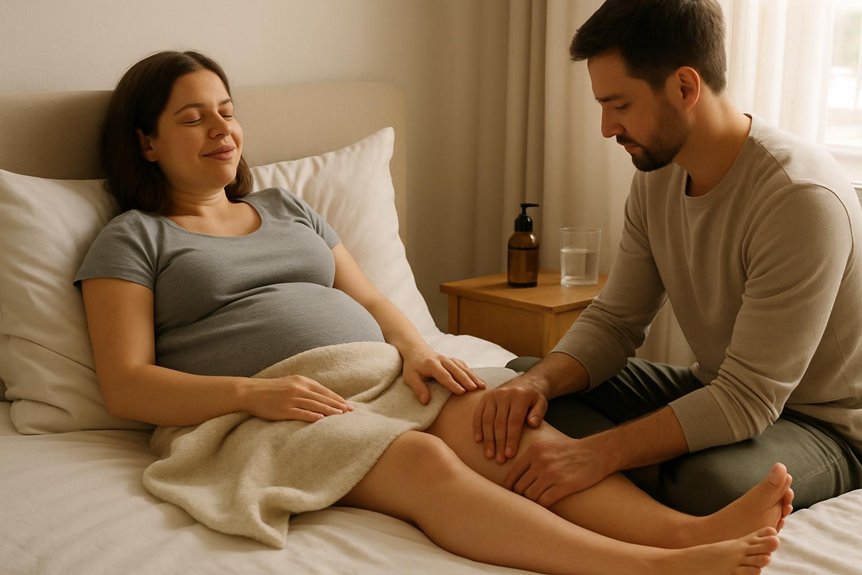
Following a pregnancy leg massage, Spa & Massage therapists recommend gentle stretching techniques to further support muscle comfort and flexibility.
Maintaining proper hydration and encouraging healthy circulation are essential components of ongoing leg wellness.
Clients are also guided on safe home care practices to help extend the benefits of their treatment between appointments.
Gentle Stretching Techniques
Although massage provides immediate relief for many expecting mothers, incorporating gentle stretching techniques is essential for sustaining leg wellness and comfort between sessions.
At Spa & Massage, therapists often guide clients through simple, safe stretches designed to support circulation and relieve tension.
Slow calf raises, ankle rotations, and gentle hamstring stretches are recommended—always performed within a pain-free range and never forcing the body.
These movements, when practiced daily, can help reduce muscle tightness, ease heaviness, and foster a deeper connection between an expecting mother and her changing body.
Spa & Massage’s approach emphasises mindful breathing and attentive self-care during each stretch, encouraging mothers to listen closely to their bodies’ signals.
This nurturing, preventative practice complements professional massage and enhances overall well-being.
Hydration and Circulation
Maintaining leg comfort throughout pregnancy relies not only on targeted massage and stretching but also on effective hydration and circulation practices. Spa & Massage therapists emphasise the importance of adequate fluid intake, as hydration supports tissue health and helps reduce swelling—common concerns during pregnancy.
Encouraging gentle movement, such as short walks or periodic calf raises, can further promote healthy blood flow and alleviate heaviness in the legs. In our clinics, therapists may suggest elevating the legs after massage sessions to enhance venous return and soothe fatigued muscles.
These approaches, rooted in our commitment to safety and nurturing care, foster a sense of well-being and intimacy.
Consistent attention to hydration and circulation is a foundational step in supporting lasting leg wellness for expectant mothers.
Safe Home Care
How can expectant mothers best support their legs after a massage session? Spa & Massage recommends gentle post-massage care to extend the benefits and nurture ongoing leg health.
Elevating the legs for short periods helps reduce swelling and encourages circulation. Hydration remains essential; drinking water assists the body’s natural recovery.
Applying unscented, hypoallergenic moisturiser, as used in our clinics, can soothe the skin and maintain softness. Light stretching—within comfort levels—may support flexibility and ease tension.
Rest is equally important; giving the body time to absorb the therapeutic effects enhances wellness. If discomfort, swelling, or unusual symptoms occur, prompt consultation with a healthcare provider is advised.
Spa & Massage’s approach prioritises safety, comfort, and lasting support for every expectant mother’s journey.
Conclusion
In sum, learning how to massage legs during pregnancy is like adding a gentle breeze to the expectant mother’s journey—refreshing and supportive. With clinical expertise, safety at the forefront, and empathy in practice, properly administered leg massage can ease discomfort and foster wellbeing. Whether delivered by a partner or professional, these nurturing techniques empower mothers-to-be to stride forward with greater comfort and confidence, making leg care an essential companion throughout pregnancy.