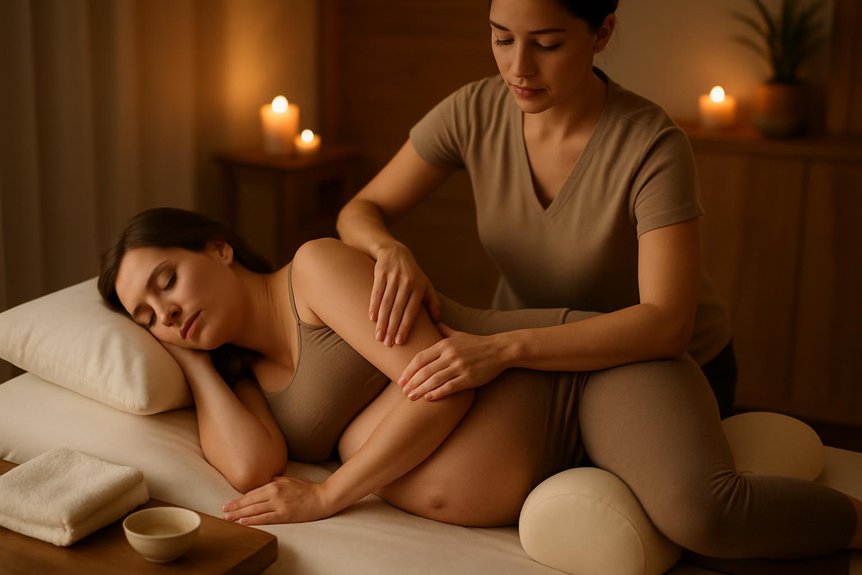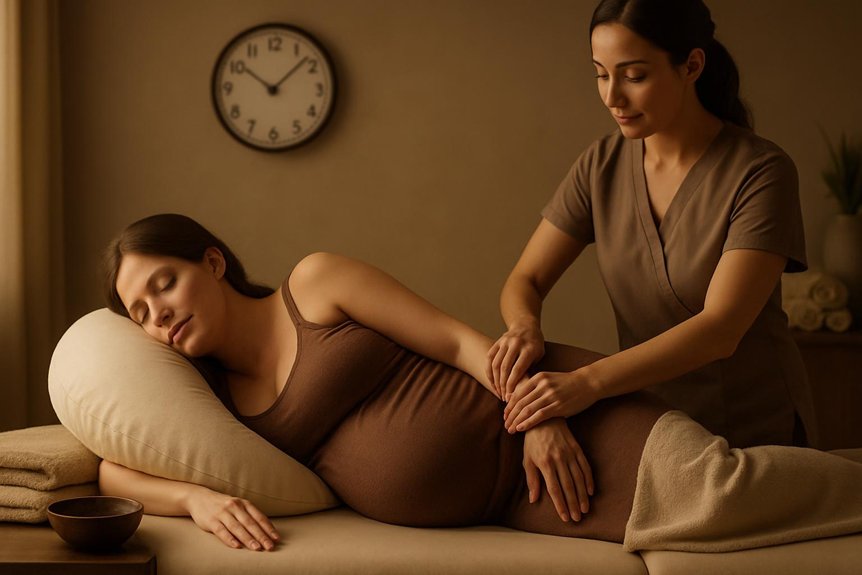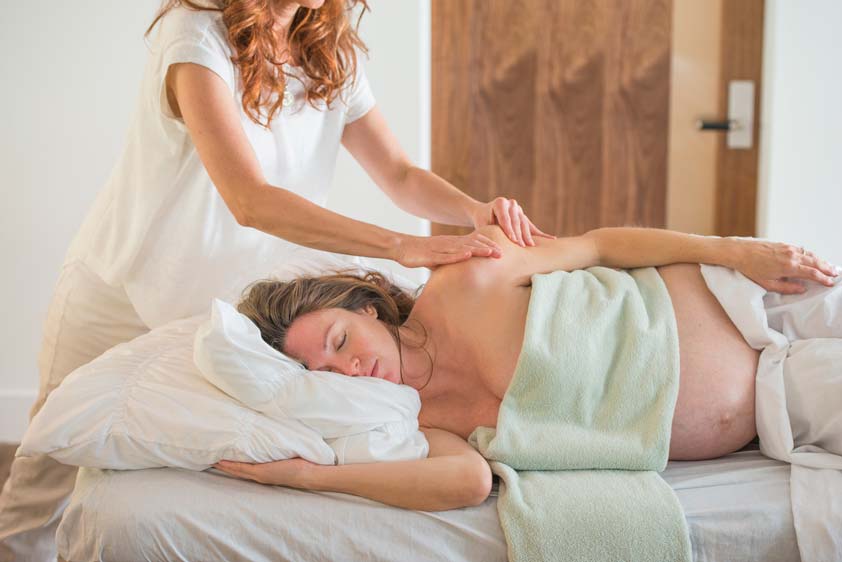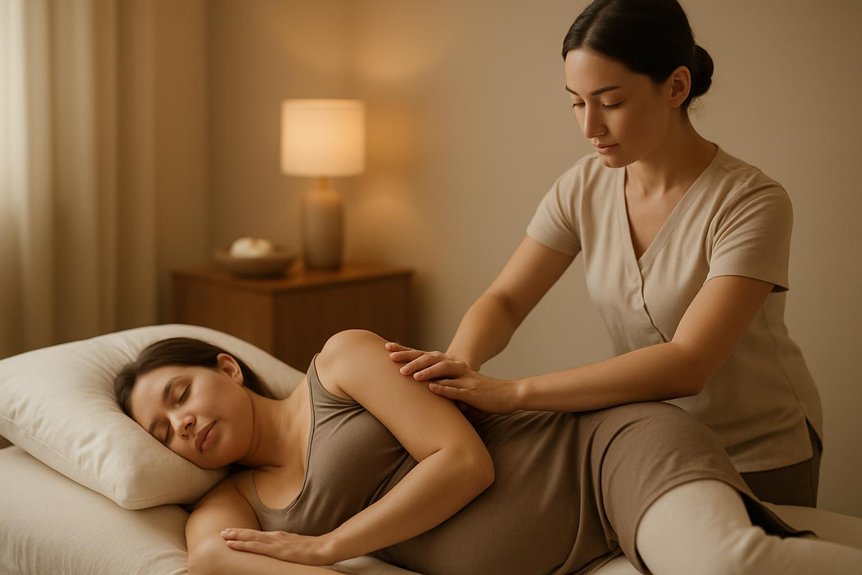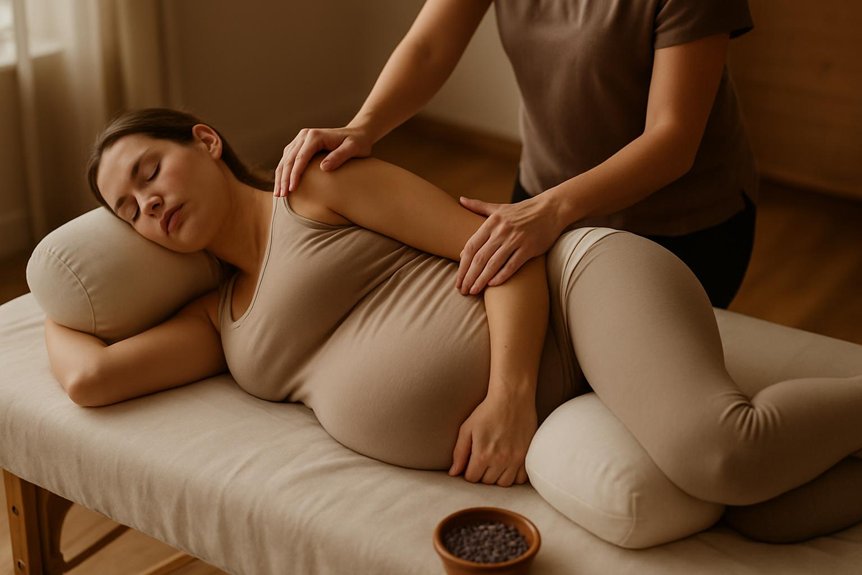
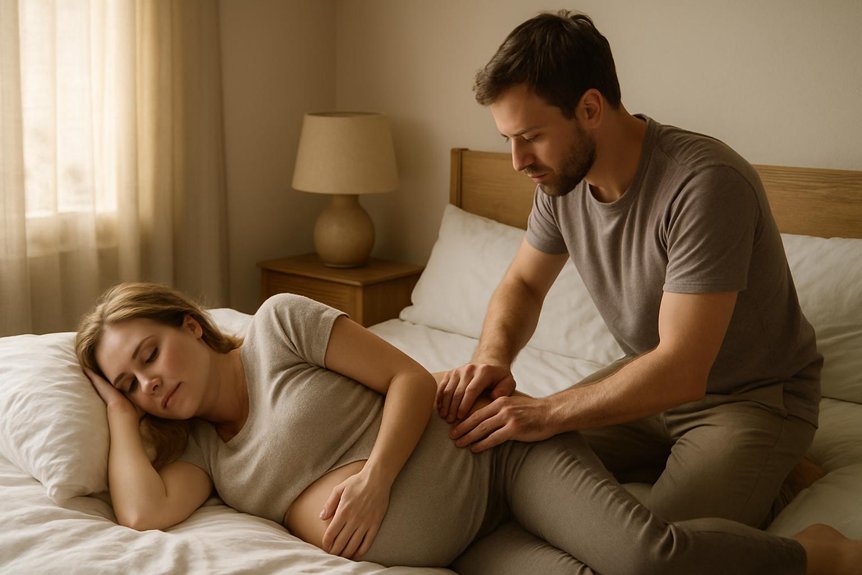
To massage lower back pain during pregnancy, use gentle, broad strokes and light circular motions with palms, focusing only on the lumbar area while the expectant mother lies on her side, supported by pillows. Avoid deep pressure and sensitive areas, and choose pregnancy-safe oils. Proper positioning and communication are essential for safety and comfort. Always consult a healthcare provider first. Additional methods and aftercare strategies can further support ongoing relief and comfort in pregnancy.
Understanding Lower Back Pain in Pregnancy
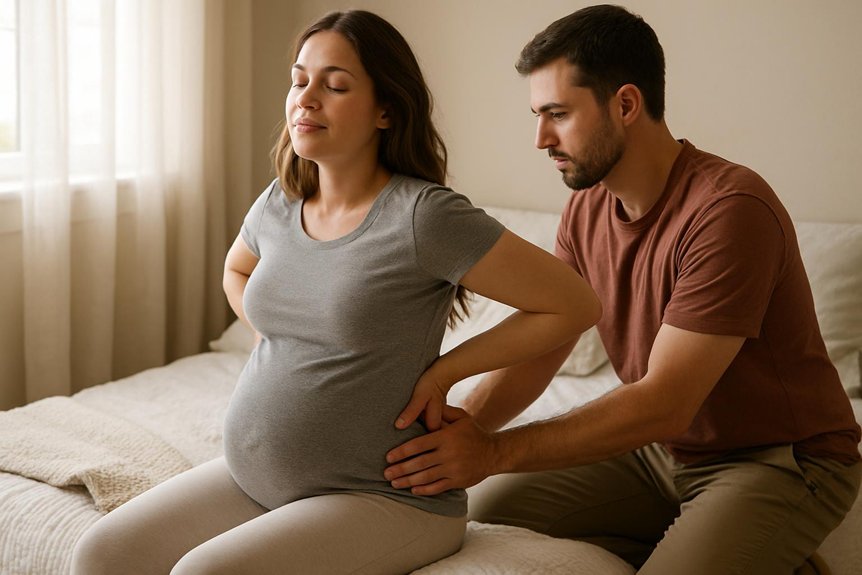
Why does lower back pain become so prevalent during pregnancy? The body undergoes profound changes to support a growing baby.
As the uterus expands, it shifts the centre of gravity forward, placing increased strain on the lower back. Hormonal changes, particularly the release of relaxin, loosen ligaments and joints in the pelvis, further reducing stability.
Additional weight gain and postural changes often intensify discomfort, making everyday movements more challenging.
At Spa & Massage, therapists recognise that every pregnancy is unique, and so are the ways pain is experienced. Understanding these physiological shifts is essential for choosing safe, effective ways to offer relief.
Above all, ensuring the well-being and comfort of both mother and baby remains central to any approach for managing lower back pain during pregnancy.
One proven approach to alleviating discomfort is through deep tissue massage, which can address muscle tension and promote relaxation when performed by a trained professional with proper consideration for pregnancy.
Benefits of Prenatal Massage for Expectant Mothers
Prenatal massage, when delivered by qualified professionals, offers meaningful relief from the discomforts associated with pregnancy-related lower back pain. At Spa & Massage clinics, therapists utilise gentle, tailored techniques designed to ease muscle tension, promote healthy circulation, and encourage deep relaxation.
Evidence suggests that prenatal massage may help reduce anxiety, improve sleep quality, and alleviate swelling, fostering a sense of well-being important for both mother and baby.
Many expectant mothers in our London clinics find these sessions provide not only physical comfort but also emotional reassurance during a transformative time.
The nurturing touch and attentive care from experienced therapists can help clients feel more connected to their changing bodies.
Safety Considerations for Massaging During Pregnancy
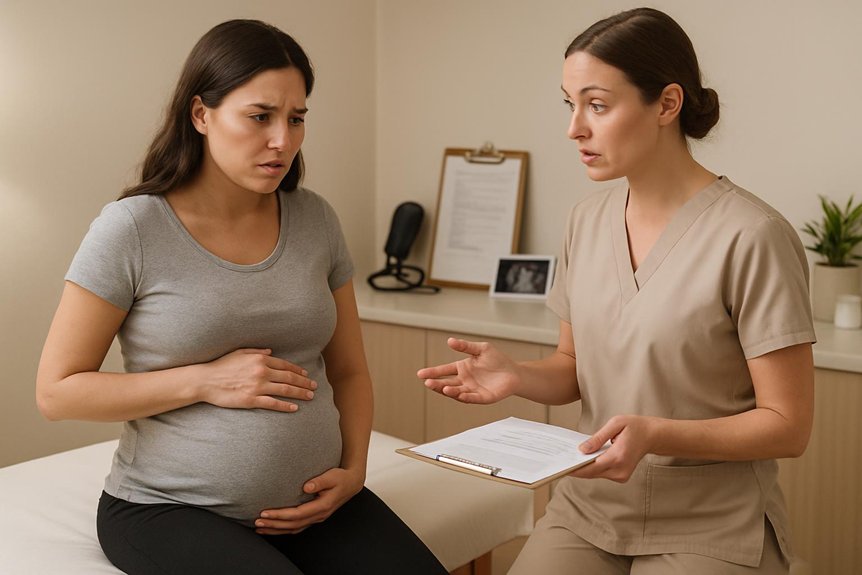
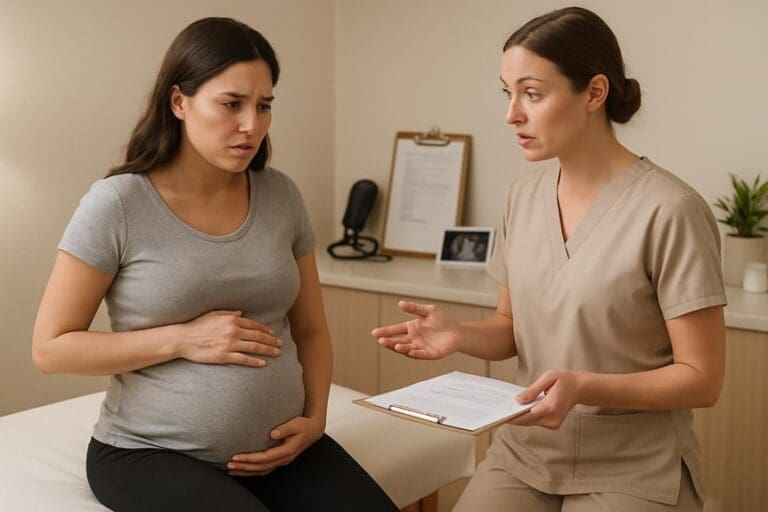
While massage therapy offers valuable relief for many expectant mothers, it is vital to prioritise safety throughout pregnancy. The experienced therapists at Spa & Massage recommend that pregnant clients consult with their healthcare providers before beginning massage treatments.
Special care is taken to avoid certain areas, such as deep abdominal pressure and specific acupressure points that may induce contractions.
Positioning is also essential; side-lying or supported upright positions are used to ensure comfort and protect circulation, particularly after the first trimester.
In our clinics, only pregnancy-safe oils are selected, and therapists remain attentive to any discomfort expressed by clients.
These measures help to foster a nurturing environment where clients feel secure, supported, and confident in the care they receive during this special time.
Best Massage Techniques for Lower Back Relief
With safety firmly established as a foundation for pregnancy massage at Spa & Massage, attention turns to the most effective techniques for easing lower back discomfort. Gentle, sustained pressure along the lumbar area, using broad, gliding strokes, is often recommended by therapists to soothe muscle tension without overstimulation. Circular motions with the palms—avoiding deep or vigorous manipulation—help promote relaxation and ease persistent aches.
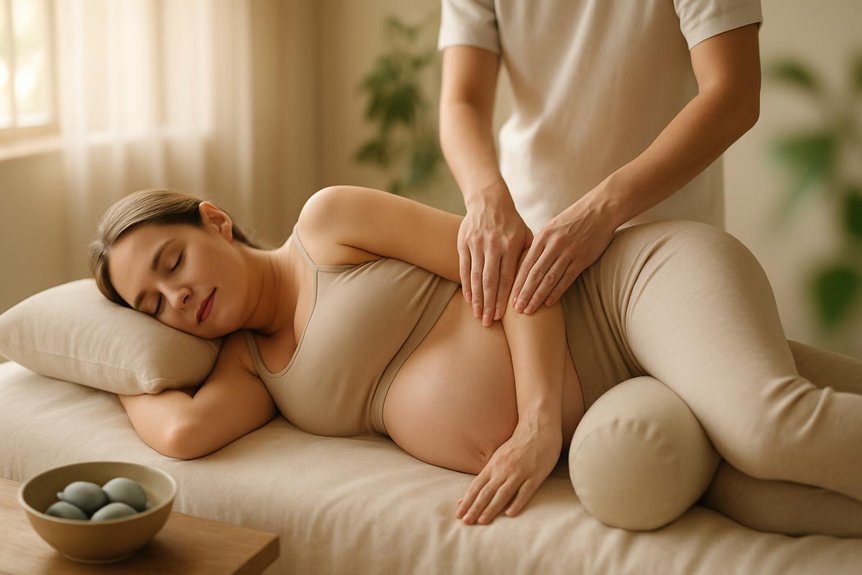
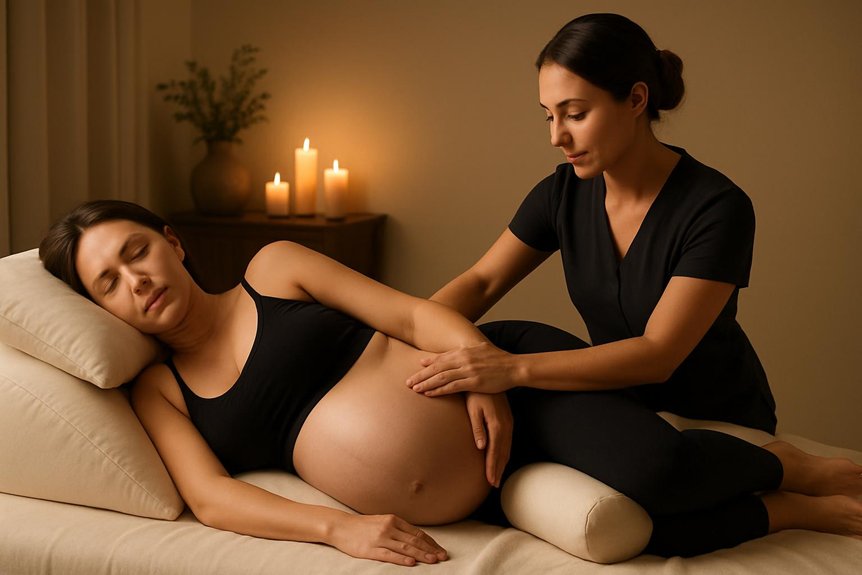
Side-lying positioning, supported by pillows, ensures comfort and alignment throughout the session. Light kneading, combined with rhythmic compressions, encourages healthy circulation and relieves stiffness. Each movement is performed with mindful attention to sensitivity and feedback, fostering trust and comfort.
At Spa & Massage, therapists personalise every session, creating a nurturing environment that guarantees the unique needs of expectant mothers.
Recommended Oils and Products for Prenatal Massage
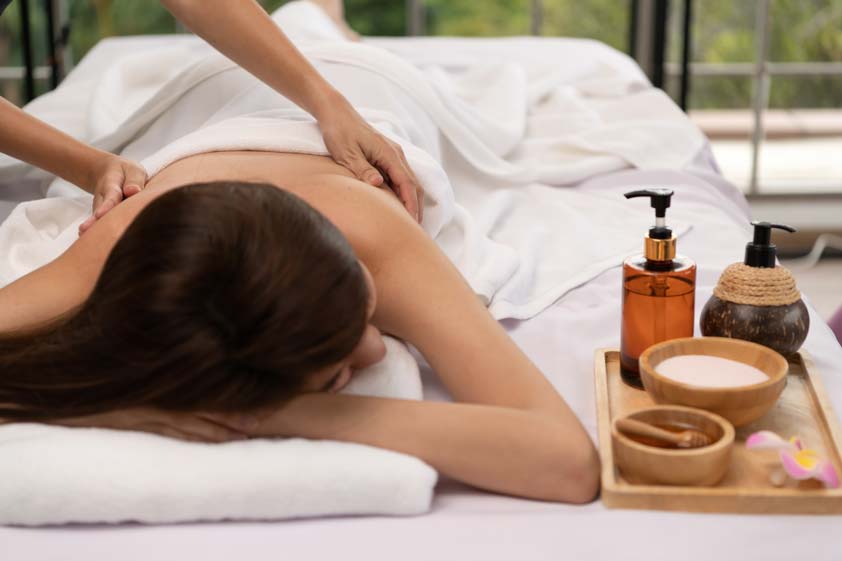
Selecting safe and nourishing oils is essential for effective and comfortable prenatal massage. In Spa & Massage clinics, therapists use gentle, hypoallergenic oils such as pure grapeseed or sweet almond oil, which are well-tolerated and safe for expectant mothers.
These oils provide a smooth glide, reduce friction, and deeply hydrate sensitive skin, fostering a sense of relaxation and closeness during the session. Fragrance-free options are prioritized to minimize any risk of irritation or sensitivity.
Essential oils are only used with careful consideration and after consultation, as some may not be suitable during pregnancy.
Supportive cushions and bolsters are also recommended products, ensuring proper positioning and comfort.
This approach reflects Spa & Massage’s commitment to safety, intimacy, and tailored care for every client’s prenatal journey.
Step-by-Step Guide to Massaging the Lower Back
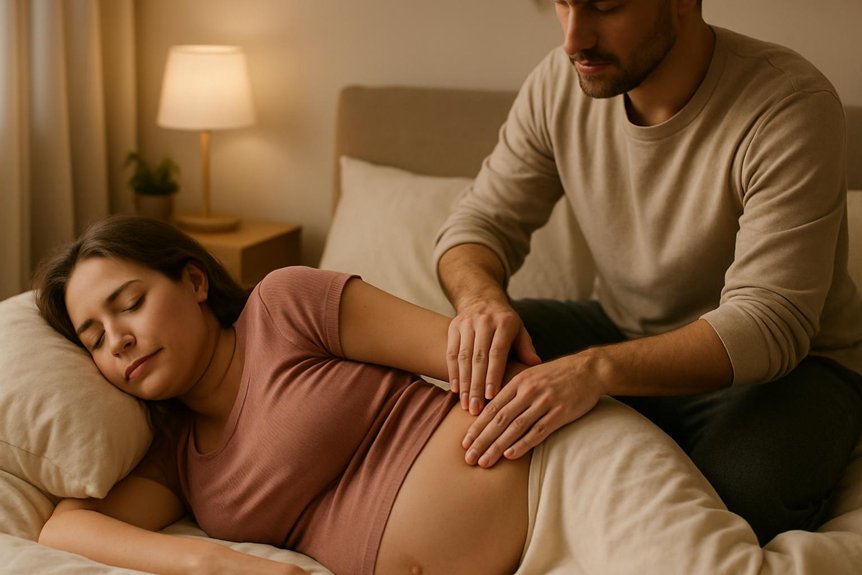
Before beginning a lower back massage during pregnancy, guaranteeing proper preparation and positioning is essential for safety and comfort.
At Spa & Massage, therapists recommend that the expectant mother lie on her side, supported by pillows beneath the knees and between the legs to reduce strain.
A small amount of hypoallergenic, pregnancy-safe oil is applied to the lower back.
Using gentle, slow strokes, the massage starts at the base of the spine and moves upward along the muscles.
Always avoid direct pressure on the spine itself.
Circular motions with the fingertips help to release tension, while broad palming motions soothe the area.
Throughout the session, communication is encouraged to ensure pressure feels comfortable, fostering trust and deepening connection during this nurturing experience.
When to Seek Professional Help From a Qualified Therapist
Although self-massage and gentle home care can provide relief for mild lower back discomfort during pregnancy, there are instances when seeking professional help from a qualified therapist becomes essential. If pain becomes persistent, severe, or interferes with daily activities or sleep, it is wise to consult a specialist.
Sudden swelling, numbness, tingling, or radiating pain may signal underlying issues needing prompt attention.
At Spa & Massage, therapists are specially trained to work with expectant mothers, ensuring each treatment is both safe and nurturing. A professional can tailor techniques, adjust positioning, and use suitable oils—always prioritising the health of both mother and baby.
When uncertainty arises, or reassurance is needed, a caring, evidence-based approach from a qualified therapist offers peace of mind and enhanced comfort.
Aftercare Tips for Ongoing Comfort and Wellbeing
Following a massage, Spa & Massage therapists recommend incorporating gentle movement, appropriate stretching, and alternating heat or cold therapy to help maintain lower back comfort during pregnancy.
Prioritising mindful rest and adequate hydration can further support recovery and promote ongoing wellbeing.
These aftercare practices are grounded in evidence-based approaches to guarantee safety and sustained relief for expectant mothers.
Gentle Movement and Stretching
After a prenatal massage, incorporating gentle movement and stretching can play a vital role in sustaining the relief and comfort achieved during the session.
At Spa & Massage, therapists often recommend slow, mindful stretches—such as gentle side bends or pelvic tilts—to help maintain flexibility and ease muscular tension in the lower back.
Evidence suggests that these careful movements can support circulation, reduce stiffness, and encourage postural balance, all of which are essential during pregnancy.
Simple walking or prenatal yoga-inspired stretches, performed within comfort limits, can further enhance wellbeing between appointments.
Safety remains paramount; movements should always be pain-free and adapted to individual needs.
Regularly practicing these techniques complements the nurturing effects of professional massage, fostering a lasting sense of relaxation and connection.
Heat and Cold Therapy
How can expectant mothers extend the soothing effects of a prenatal massage at home?
Spa & Massage recommends gentle heat and cold therapy as valuable aftercare tools.
Applying a warm compress or a microwavable heat pack to the lower back can relax tense muscles, enhance circulation, and prolong comfort after a professional massage.
For some, alternating with a cold pack may reduce inflammation and soothe tenderness, especially if swelling is present.
Therapists at Spa & Massage advise always wrapping packs in a soft cloth, avoiding direct skin contact, and limiting applications to 15–20 minutes.
It is important to avoid excessive heat, especially on the abdomen.
These simple, nurturing methods help maintain relief between sessions, supporting ongoing wellbeing and a deeper sense of relaxation throughout pregnancy.
Mindful Rest and Hydration
While professional massage can provide immediate relief from lower back pain during pregnancy, ongoing comfort relies on mindful rest and adequate hydration.
At Spa & Massage, therapists advise clients to listen to their bodies and prioritise gentle, restorative breaks throughout the day. Supporting the spine with cushions or pregnancy pillows during rest helps reduce strain and encourages ideal alignment.
Proper hydration further supports muscle health and reduces the likelihood of cramps or stiffness, both common during pregnancy. Clients are encouraged to keep a bottle of water nearby and to sip regularly, especially after massage sessions.
These simple practices, combined with professional care, foster continued wellbeing.
Consistent aftercare, including rest and hydration, truly enhances the lasting benefits of therapeutic massage during pregnancy.
Conclusion
Prenatal pain can be peacefully pacified with proper, professional practices. By blending beneficial bodywork, gentle guidance, and safe, soothing strokes, expectant mothers may manage lower back discomfort more comfortably. Consistently choosing caution and care, plus prioritising expert advice and appropriate aftercare, fosters both physical and emotional flourishing. Ultimately, a mindful massage routine, matched with medically-sound measures, supports a smoother, safer, and more satisfying pregnancy experience for mothers seeking relief and relaxation.