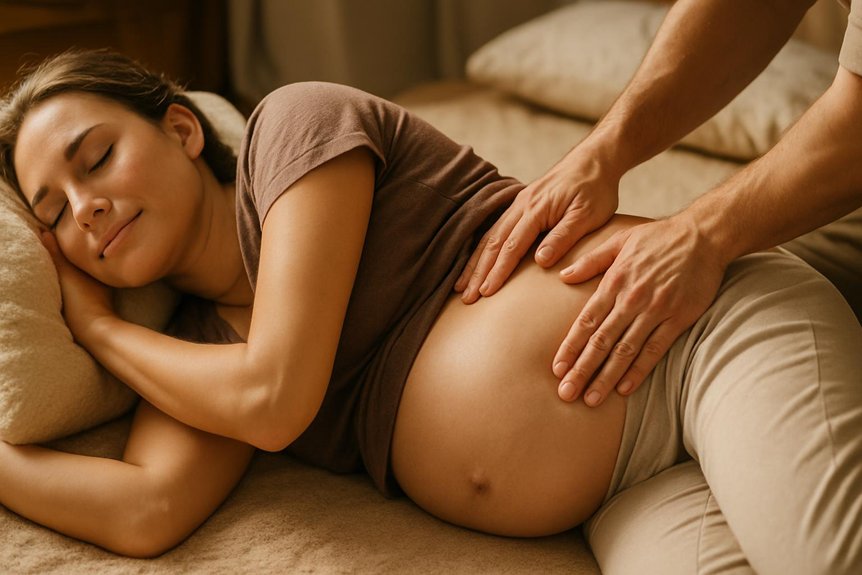
To massage sciatic nerve pain during pregnancy, a trained therapist uses gentle, targeted techniques such as light effleurage and rhythmic kneading on the lower back, buttocks, and outer thigh, always avoiding direct pressure over the spine. Proper side-lying positioning with supportive pillows ensures safety and comfort. Only pregnancy-safe, hypoallergenic oils should be used. A focus on feedback and close attention to symptoms supports well-being. There are further expert strategies and at-home tips available for thorough relief.
Understanding Sciatic Nerve Pain in Pregnancy
During pregnancy, physiological changes in the body can place increased pressure on the sciatic nerve, leading to discomfort or pain commonly referred to as sciatica. This nerve, running from the lower back down through the hips and legs, may become compressed as the uterus grows and posture shifts.
Sciatic nerve pain can manifest as sharp, shooting pain, tingling, or numbness, most often affecting one side of the lower body. At Spa & Massage, therapists understand how vulnerable expectant mothers feel in these moments.
Gentle, supportive care is essential. A tailored approach, with careful attention to each client’s comfort and well-being, helps address symptoms safely.
Clinicians emphasise open communication, ensuring any treatment supports both relaxation and the unique needs of pregnancy. In addition, many find relief through the healing power of reflexology, which can help ease sciatic discomfort by promoting relaxation and balancing the body’s natural energies.
Common Causes of Sciatica During Pregnancy
As pregnancy progresses, several physiological factors can contribute to the onset of sciatic nerve pain. The growing uterus places additional pressure on the lower spine and pelvic region, which may compress the sciatic nerve.
Hormonal changes, particularly the release of relaxin, cause ligaments to loosen, altering posture and balance. This shift can strain the lower back muscles and exacerbate nerve irritation.
Weight gain and changes in gait further increase the burden on spinal structures.
At Spa & Massage, therapists recognise that each expectant mother’s experience is unique, shaped by her body’s adaptations. Understanding these causes is essential for developing safe, nurturing approaches to pain relief, always prioritising mother and baby’s wellbeing while respecting the intimate and changing needs of pregnancy.
Benefits of Massage for Pregnancy-Related Sciatic Pain
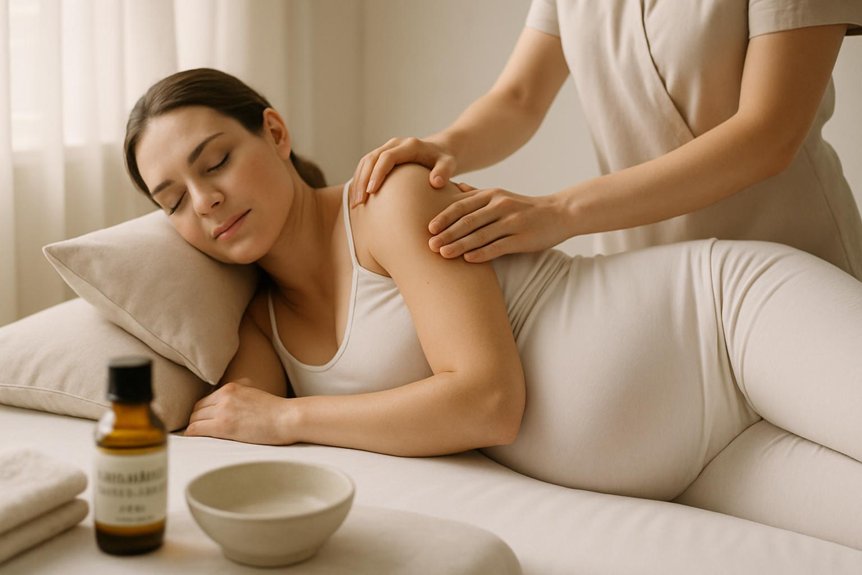
While pregnancy-related sciatica can be both physically and emotionally taxing, massage therapy offers targeted relief by addressing muscular tension and nerve compression. At Spa & Massage, therapists are skilled in gentle techniques that soothe inflamed tissues and help relax the muscles surrounding the sciatic nerve.
This focused approach often leads to a significant reduction in pain, improved mobility, and a heightened sense of comfort for expectant mothers.
Beyond immediate relief, massage nurtures emotional wellbeing by promoting relaxation and easing anxiety. Clients frequently report feeling more connected to their bodies and better able to enjoy their pregnancy journey.
Through personalised care and attentive listening, therapists at Spa & Massage create a supportive environment, fostering both physical relief and emotional reassurance for those experiencing sciatic discomfort during pregnancy.
Safety Considerations for Prenatal Massage
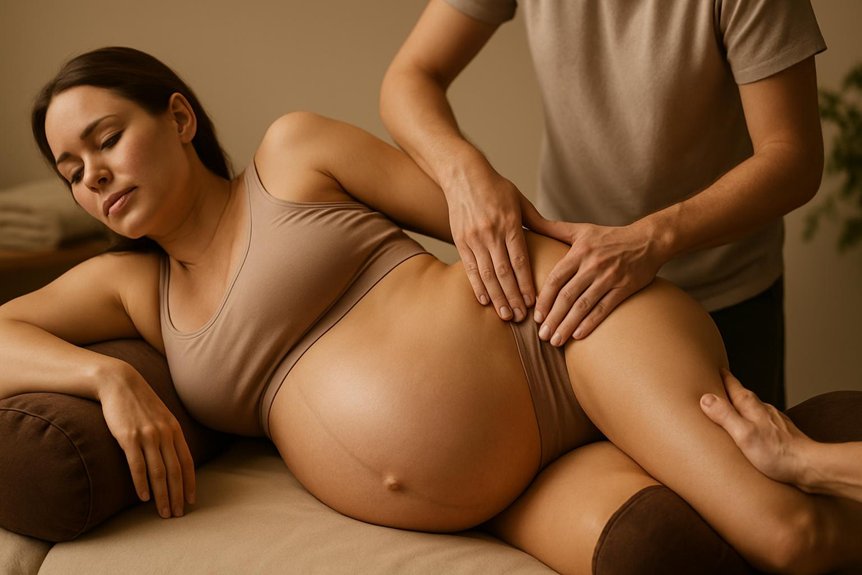
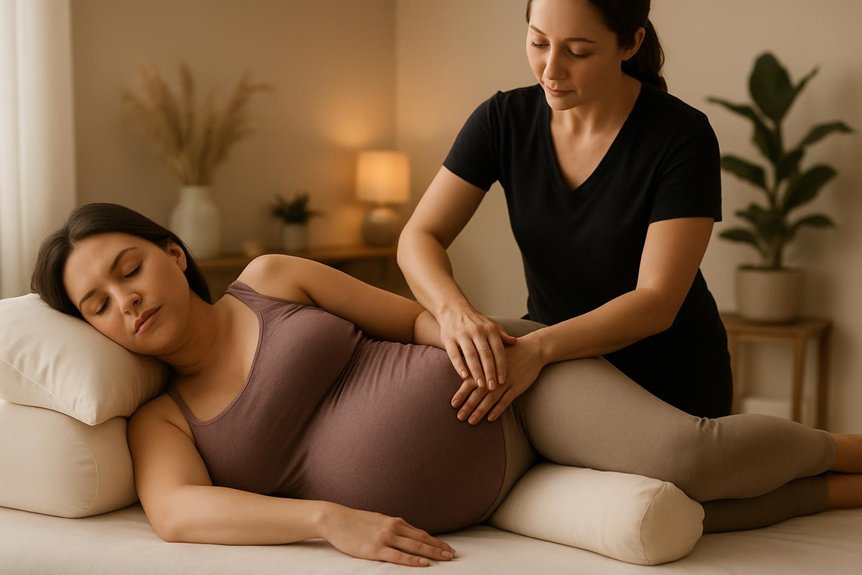
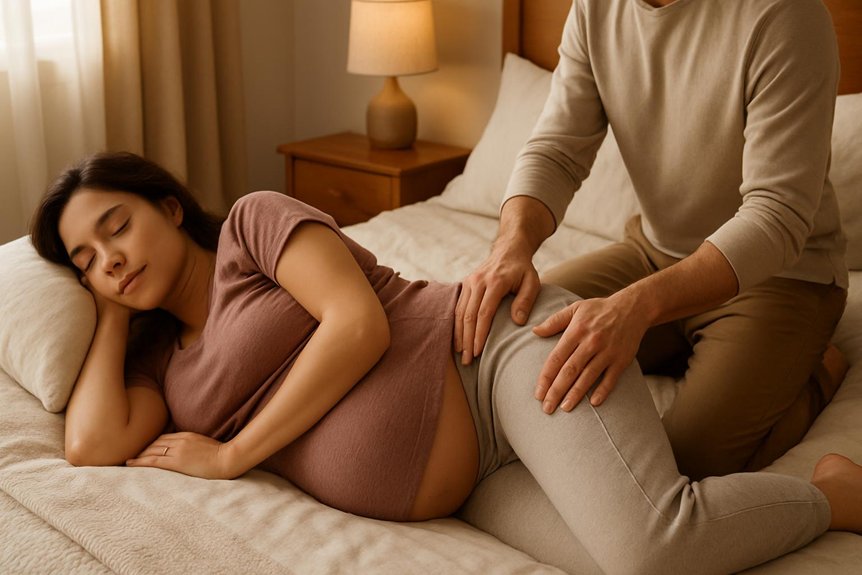
When considering massage for sciatic nerve relief during pregnancy, safety is paramount. Proper positioning, such as side-lying with supportive cushions, helps protect both mother and baby throughout the session.
At Spa & Massage, only therapists specifically trained in prenatal care deliver these treatments, ensuring comfort and reducing risk at every stage.
Safe Massage Positions
During pregnancy, ensuring both maternal comfort and fetal safety is paramount when selecting appropriate massage positions. At Spa & Massage, therapists recommend side-lying as the safest and most nurturing posture, especially beyond the first trimester.
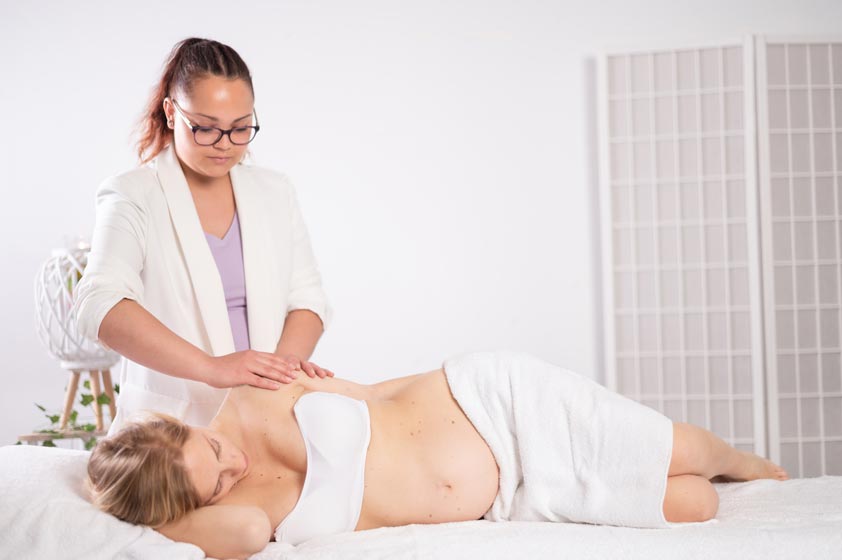
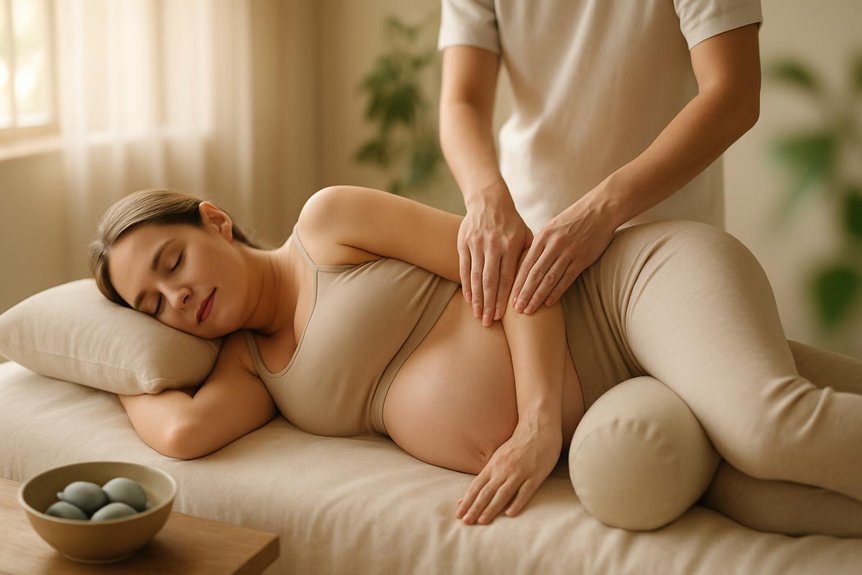
This position eases pressure on the lower back and hips, provides stability, and allows gentle access to the areas affected by sciatic discomfort. Pillows or bolsters are used to support the abdomen, knees, and back, promoting relaxation and reducing strain.
Lying flat on the back is generally avoided after 20 weeks, as it can compress major blood vessels. Therapists are attentive to subtle cues of discomfort, always adjusting positioning to individual needs.
The goal is to create a cocoon of safety, where both mother and baby feel cared for.
Therapist Qualifications Matter
Because prenatal massage involves unique physiological considerations, only therapists with specialised training should perform it.
Pregnancy introduces changes such as increased joint mobility, altered blood flow, and heightened sensitivity, making expert knowledge essential for safety and comfort.
At Spa & Massage, all therapists offering pregnancy massage are fully qualified, with advanced understanding of maternal anatomy and the specific adaptations required for expectant clients.
Proper training guarantees therapists identify areas to avoid, select safe pressure levels, and use supportive techniques that respect both mother and baby.
Qualified professionals are also equipped to recognise contraindications and respond appropriately if discomfort arises.
For those seeking relief from sciatic nerve pain during pregnancy, choosing a skilled therapist fosters trust and reassurance, creating a nurturing environment tailored to individual needs.
Recommended Massage Techniques for Sciatic Relief
How can massage provide relief for sciatic nerve discomfort during pregnancy?
At Spa & Massage, therapists use gentle, targeted techniques designed with expectant mothers’ safety in mind. Soft tissue manipulation—such as light effleurage and slow, rhythmic kneading—helps release tension along the lower back, gluteal muscles, and legs, where sciatic pain often radiates.
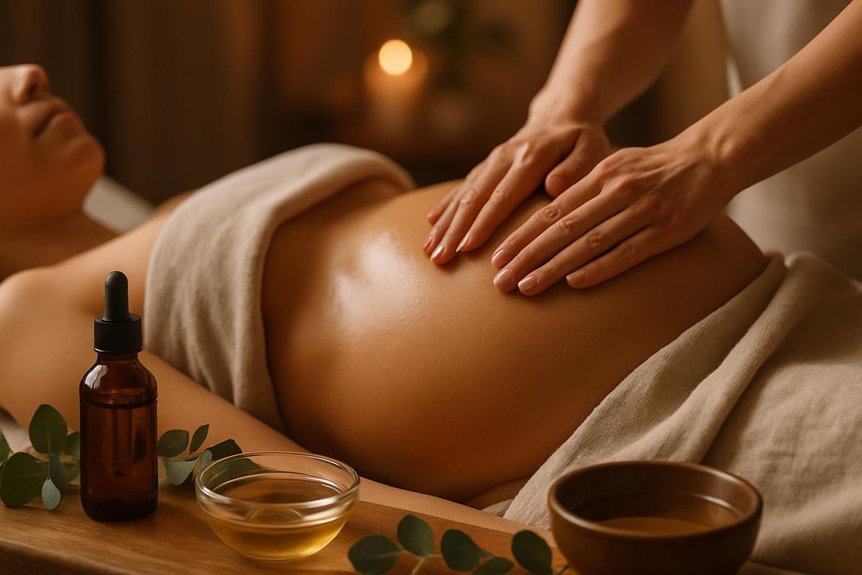
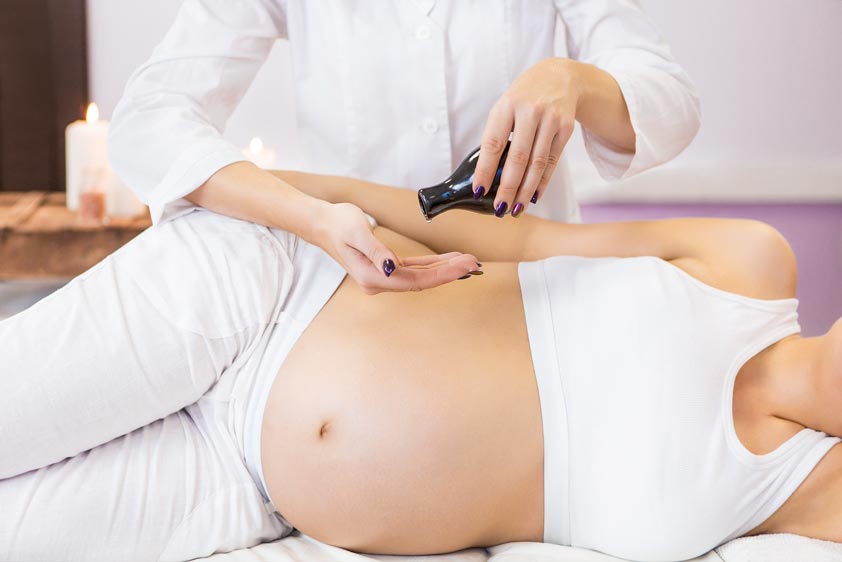
Cross-fiber friction may be incorporated to ease muscular tightness without deep pressure, which could be unsuitable during pregnancy. Therapists often apply nourishing, hypoallergenic oils for smooth, comforting strokes, enhancing relaxation and reducing irritation.
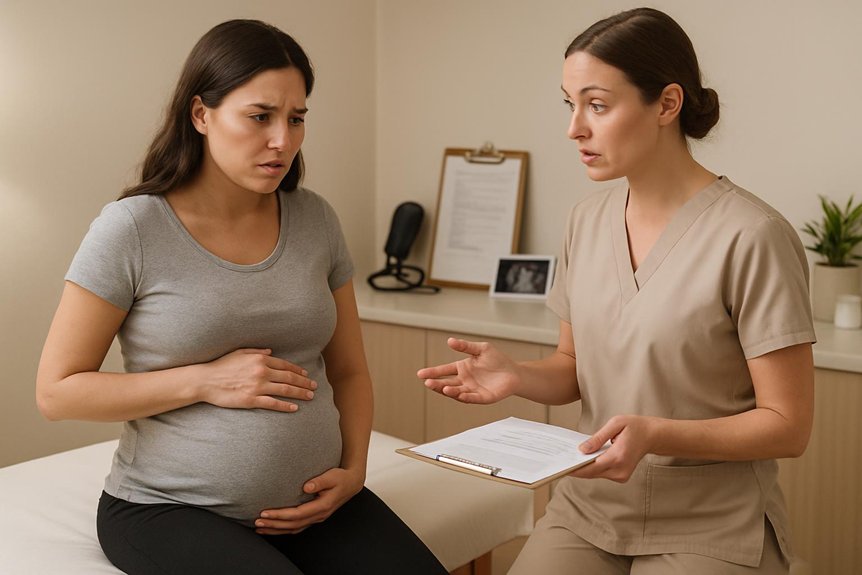
Throughout the session, communication is prioritized, ensuring pressure and technique remain within the client’s comfort zone.
Positioning and Comfort Tips for Pregnant Clients
Although sciatic nerve discomfort can be particularly challenging in pregnancy, correct positioning is essential to guarantee both safety and comfort throughout a massage session.
At Spa & Massage, therapists recommend side-lying positions, supported by pillows beneath the abdomen, knees, and between the ankles. This approach alleviates pressure on the lower back and pelvic region, ensuring ideal relaxation while protecting both mother and baby.
Adjustable bolsters and memory foam supports are used to individualize comfort, carefully accommodating the unique needs of each stage of pregnancy.
Communication remains central; therapists encourage clients to voice any discomfort or pressure sensations.
Regular repositioning and gentle draping foster a sense of security and warmth, helping pregnant clients feel cared for and deeply at ease throughout their massage experience.
Massage Oils and Products Suitable for Pregnancy
Choosing suitable massage oils and products is crucial during pregnancy to guarantee both safety and therapeutic effectiveness. At Spa & Massage, therapists prioritise oils that are hypoallergenic, free from synthetic fragrances, and gentle on sensitive skin.
Unscented base oils such as sweet almond or grapeseed are favoured for their nourishing qualities and minimal risk of irritation.
Essential oils are used with caution and only when clinically appropriate, avoiding those contraindicated in pregnancy.
Every product is selected to support relaxation while respecting the unique physiological changes of pregnancy.
Clients are encouraged to communicate any skin sensitivities or allergies, enabling therapists to tailor each session with extra care.
This mindful approach helps foster a sense of trust and comfort, allowing for truly restorative massage experiences.
When to Seek Professional Help From Therapists
While the careful selection of massage oils and products is a key aspect of safe prenatal massage, recognising when to consult a professional therapist is equally important. Persistent or worsening sciatic pain, numbness, tingling, or weakness in the leg can signal underlying issues that require expert assessment.
At Spa & Massage, therapists are trained to evaluate these symptoms and tailor treatments, ensuring both safety and comfort for expectant mothers. If home care or gentle self-massage fails to ease discomfort, or if new symptoms emerge, professional intervention is recommended.
Therapists can also provide guidance on positioning, pressure, and techniques that are specifically designed for pregnancy. Seeking timely professional support fosters reassurance and allows mothers-to-be to experience relief in a nurturing, expertly guided environment.
At-Home Self-Massage and Aftercare Advice
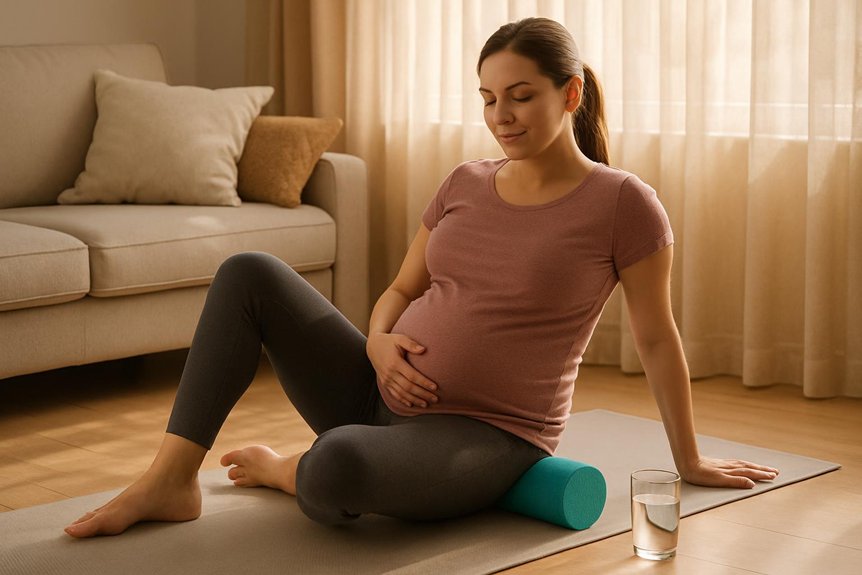
For those experiencing sciatic nerve discomfort during pregnancy, gentle at-home self-massage can offer meaningful relief when performed with care.
Spa & Massage therapists recommend using slow, circular movements with light pressure along the lower back, buttocks, and outer thigh—avoiding direct pressure on the spine or areas of acute pain.
A nourishing, pregnancy-safe massage oil may enhance comfort and reduce friction, as used in our clinics.
It is important to listen to the body’s signals, pausing if any discomfort arises.
Aftercare includes resting, staying well-hydrated, and practicing gentle stretches recommended by healthcare providers.
Many find that alternating self-massage with professional sessions provides the best support.
Above all, self-compassion and mindful attention to safety are key principles, reflecting Spa & Massage’s holistic approach.
Conclusion
Alleviating sciatic nerve pain during pregnancy is both possible and beneficial with the right approach. Research indicates that up to 60% of pregnant women experience some form of lower back or sciatic discomfort. Through clinically guided massage, individualised positioning, and safe products, relief can be attained while prioritising maternal and fetal safety. Seeking professional support ensures that each client receives tailored, empathetic care—empowering expectant mothers to experience greater comfort and wellbeing throughout pregnancy.