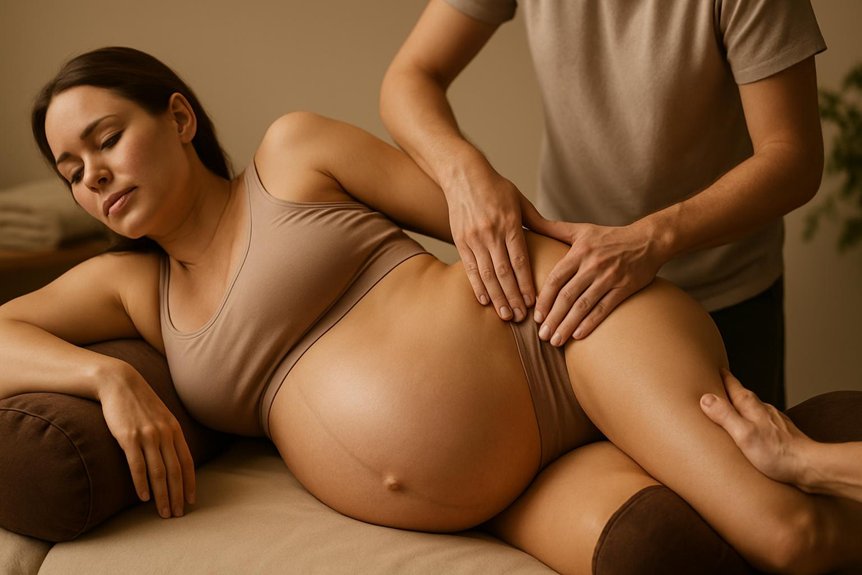
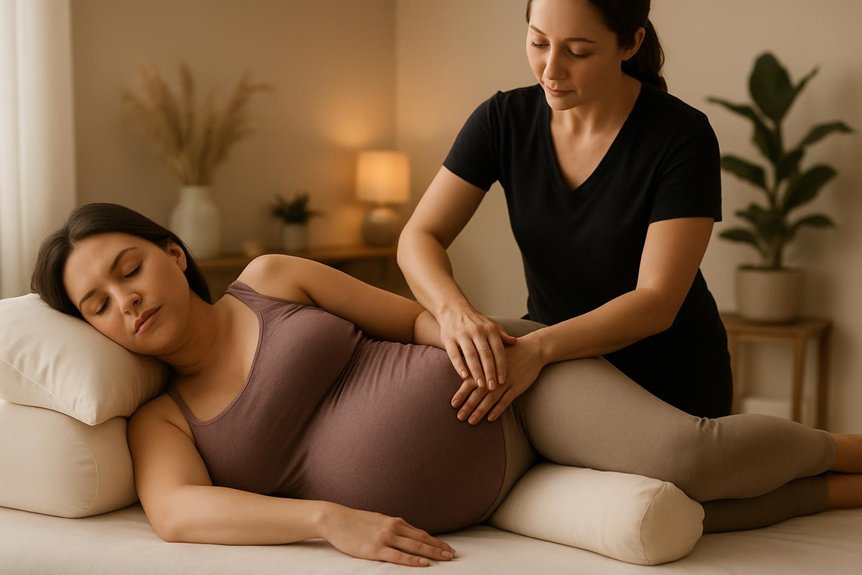
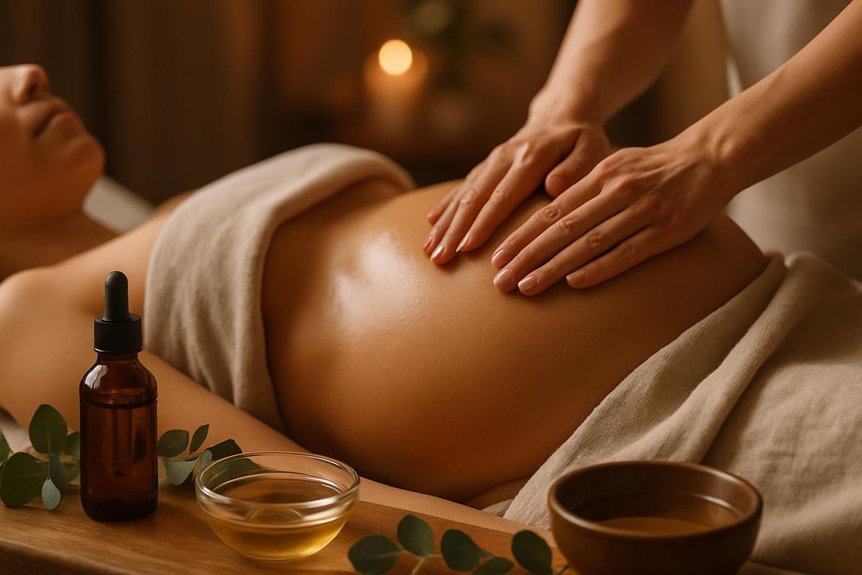
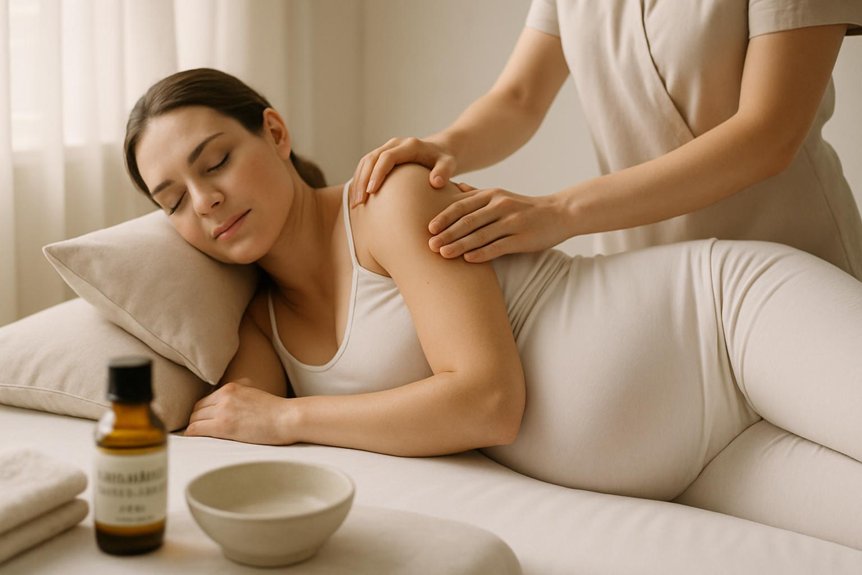
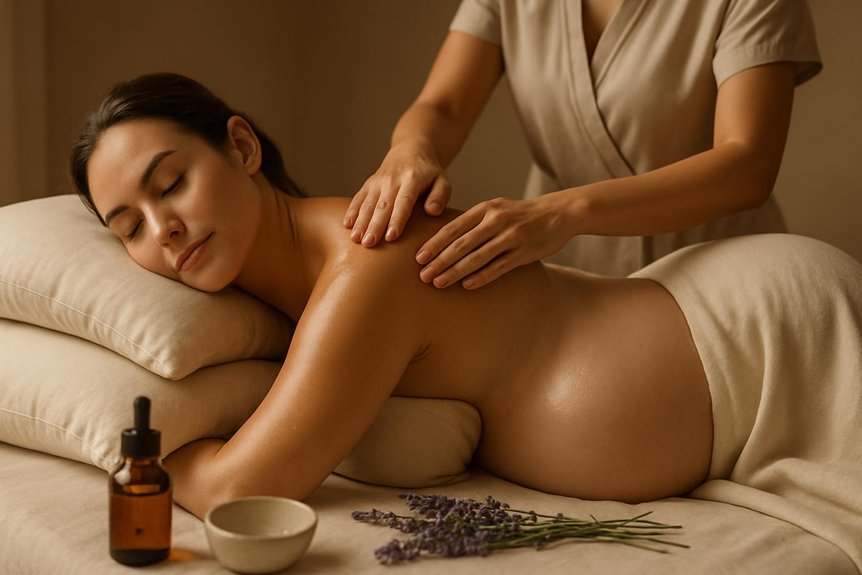
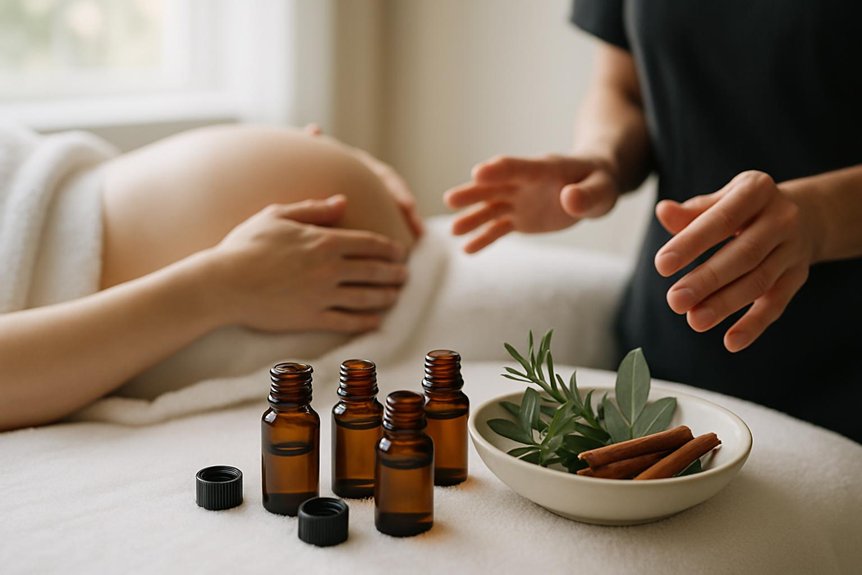
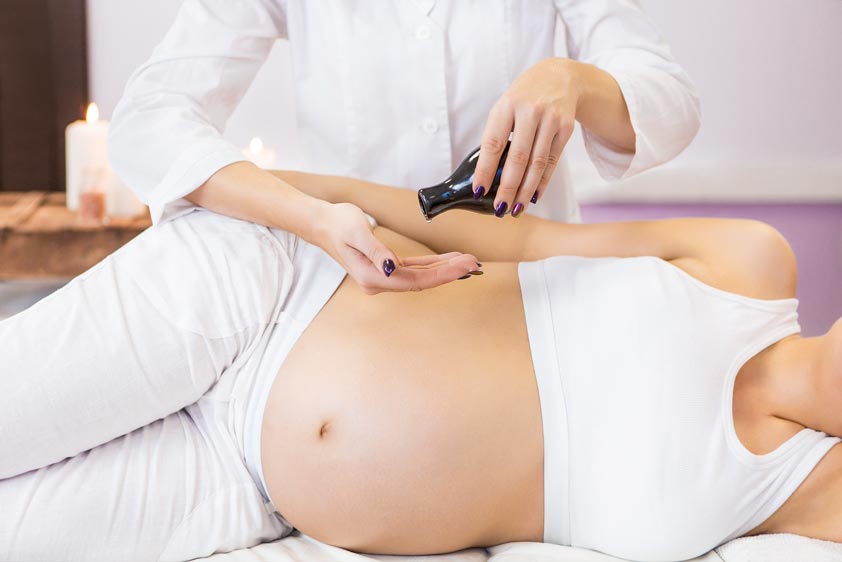
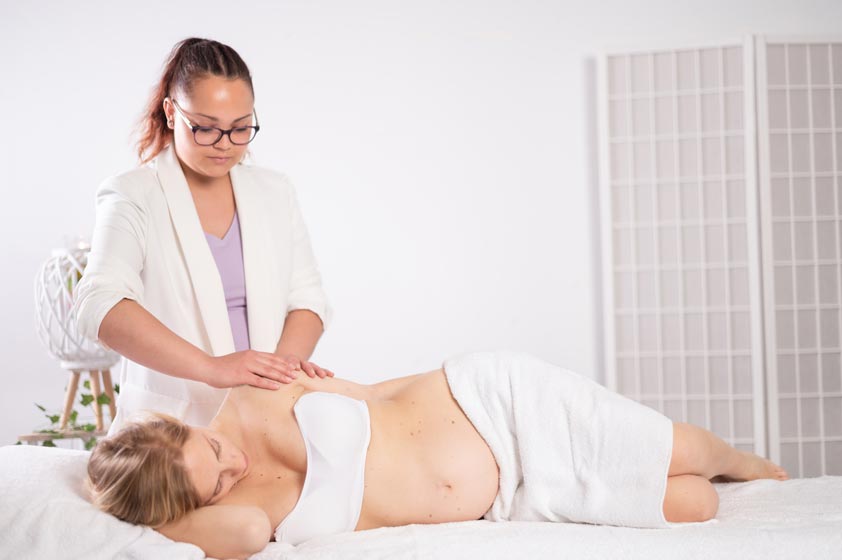
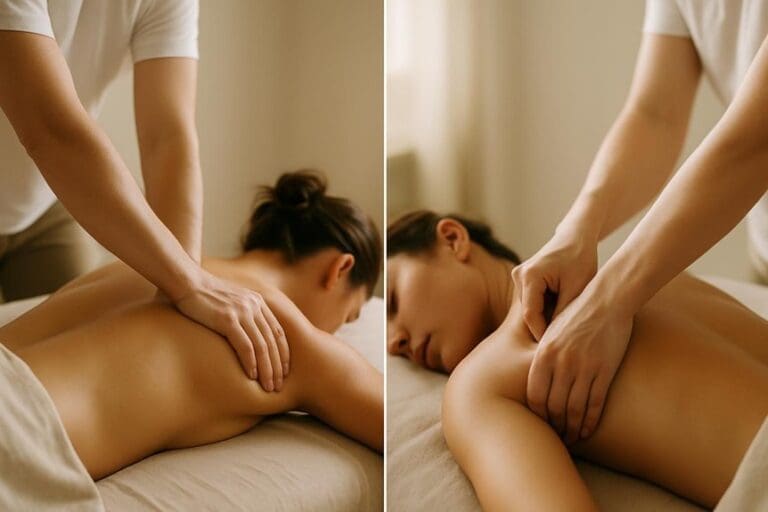
To massage swollen feet during pregnancy, gently elevate the feet and use light, upward strokes with a safe, unscented oil. Focus on soothing, circular motions around the ankles and arches, avoiding strong pressure and known trigger points. Make sure the mother is comfortably supported, and regularly monitor for any discomfort. This technique reduces swelling and promotes relaxation but always consult a healthcare provider first. Further guidance on safe techniques and at-home care can help optimize comfort and safety.
Understanding Swollen Feet in Pregnancy
During pregnancy, swollen feet—also known as edema—are a common concern, particularly in the later stages. This condition arises as the body retains more fluid to support both mother and baby, combined with increased pressure from the growing uterus on blood vessels in the legs.
Swelling often becomes more noticeable as the day progresses or following periods of standing. At Spa & Massage, therapists understand that this change, though expected, can feel uncomfortable and isolating.
The sensation of tightness or puffiness in the feet and ankles may disrupt daily routines and self-care rituals. Our team emphasizes that while some swelling is typical, monitoring its progression is essential.
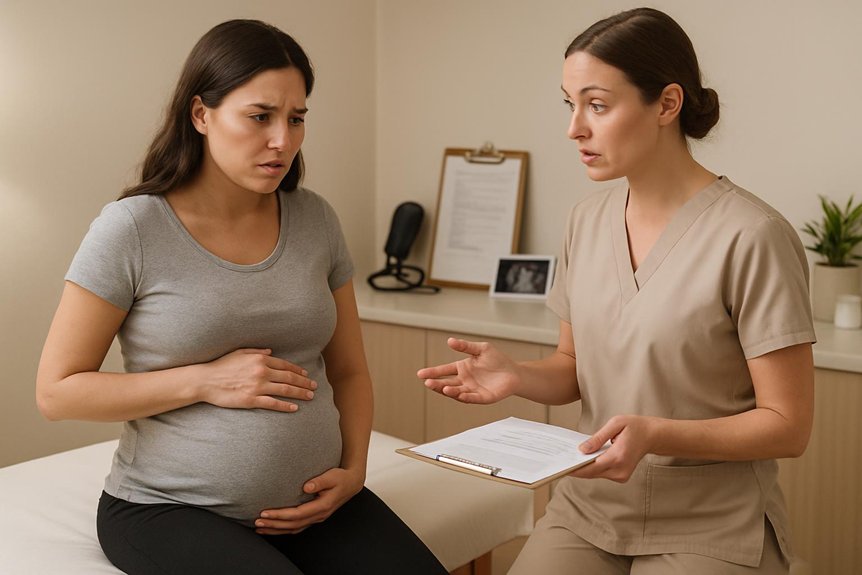
Clients are encouraged to share any sudden or severe changes with their healthcare provider for reassurance and safety. Incorporating aromatherapy massage techniques may help provide additional relaxation and comfort for those experiencing swollen feet during pregnancy.
When Is Foot Massage Safe During Pregnancy?
Recognising the discomfort that swelling brings, many expectant mothers seek relief through foot massage.
From a clinical perspective, foot massage is generally regarded as safe during pregnancy when performed by a trained therapist and after consulting a healthcare provider.
At Spa & Massage, therapists are well-versed in techniques suitable for each stage of pregnancy, always avoiding pressure points that could stimulate contractions.
Safety is prioritised, particularly for women with high-risk pregnancies or medical concerns such as preeclampsia or blood clots, who should only proceed under a doctor’s guidance.
Gentle, slow strokes are preferred, and massage is typically most suitable after the first trimester.
Creating a nurturing, tranquil environment, our therapists ensure each session is tailored to individual needs, fostering both comfort and reassurance.
Benefits of Foot Massage for Expectant Mothers
Although pregnancy is a time of profound physical change, the increased fluid retention and pressure on the lower limbs can cause significant discomfort for many women. Foot massage, when performed by a trained therapist, offers gentle relief by stimulating circulation, reducing swelling, and easing tension in tired feet.
At Spa & Massage, therapists are skilled in adapting techniques to the delicate needs of expectant mothers, ensuring both comfort and safety. Regular foot massage can also promote relaxation, relieve stress, and foster a sense of nurturing care—benefits that extend beyond physical relief to emotional well-being.
Many clients report feeling more connected to their bodies and more at ease after a session. Such attentive touch helps restore balance during this unique and intimate time.
Preparing for a Pregnancy Foot Massage
Before beginning a pregnancy foot massage, it is essential to create a calm and relaxing environment, use only pregnancy-safe massage oils, and ensure that the expectant mother is comfortably and properly positioned for the pregnancy massage session.
At Spa & Massage, therapists prioritise these steps to maximise relaxation while safeguarding both mother and baby.
Careful preparation supports an effective and safe massage experience for those managing swollen feet during pregnancy.
Creating a Calm Environment
When preparing for a pregnancy foot massage, establishing a calm and comfortable environment is essential for both physical relaxation and emotional well-being. Spa & Massage therapists understand that soothing surroundings can greatly enhance the massage experience, especially during pregnancy.
To create this environment, they recommend choosing a quiet space with soft lighting and minimizing external distractions. Comfortable seating or supportive cushions help guarantee proper positioning and safety, allowing the recipient to fully relax.
Gentle background music or subtle nature sounds may further promote tranquility. Temperature should be warm but not too hot, supporting comfort throughout the session.
This careful attention to atmosphere reflects Spa & Massage’s commitment to safety and personalized care, allowing each individual to feel cared for, respected, and deeply at ease during their massage.
Choosing Safe Massage Oils
Selecting appropriate massage oils is a critical step in preparing for a pregnancy foot massage, as some ingredients may not be suitable during pregnancy. At Spa & Massage, therapists prioritise both safety and comfort, choosing gentle, hypoallergenic oils free from harsh chemicals or potentially harmful essential oils.
Unscented carrier oils, such as grapeseed or sweet almond, are most often recommended, as they are soothing and minimise the risk of irritation or allergic reactions.
Spa & Massage therapists avoid essential oils like clary sage, rosemary, and juniper, which are not advised during pregnancy.
Clients are encouraged to communicate any sensitivities or preferences, ensuring a personalised and nurturing experience.
This careful selection of oils contributes to a safe, relaxing environment, fostering intimacy and trust throughout the massage process.
Positioning for Comfort
Although swollen feet are a common concern during pregnancy, ideal positioning is essential to guarantee both comfort and safety throughout the massage process.
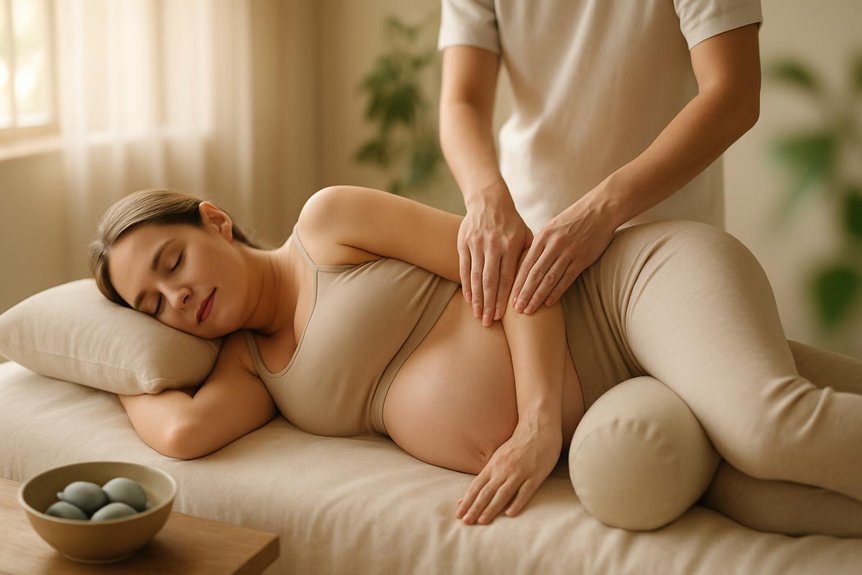
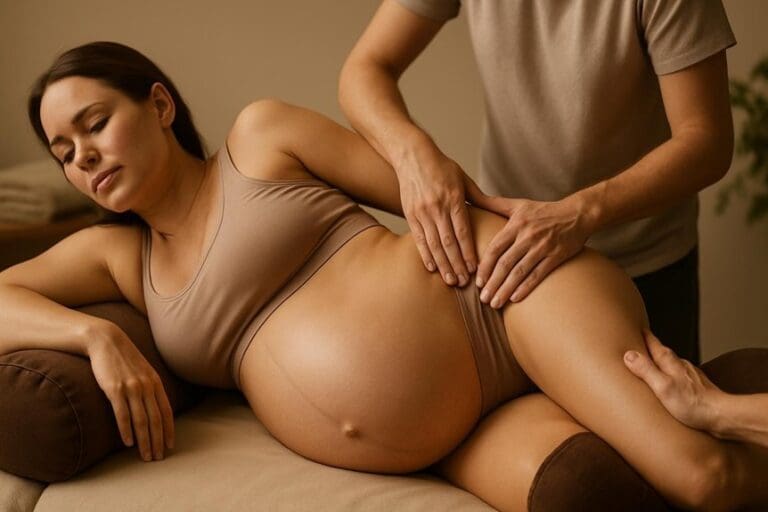
At Spa & Massage, therapists recommend reclining in a semi-upright position, supported by cushions behind the back and beneath the knees.
Elevating the feet above heart level—using a soft pillow—can help encourage circulation and reduce swelling.
Care is taken to ensure no pressure is placed on the abdomen, and the client’s comfort is monitored throughout.
Sufficient support for the lower back and legs minimises strain and enhances relaxation.
Creating a tranquil, private setting is also important, allowing expectant mothers to feel secure and cared for.
Proper positioning reflects Spa & Massage’s commitment to personalised, gentle care during every session.
Step-by-Step Guide to Massaging Swollen Feet
A safe and effective foot massage for pregnancy-related swelling begins with properly preparing the massage area to guarantee comfort and relaxation.
Spa & Massage therapists employ gentle, targeted techniques designed specifically for expectant mothers, always prioritizing safety and individual needs.
Following the massage, appropriate aftercare steps support ongoing comfort and help maintain the benefits achieved during the session.
Preparing the Massage Area
Why is careful preparation vital before massaging swollen feet during pregnancy? Preparation ensures a safe, calming environment tailored to the unique needs of pregnant clients.
At Spa & Massage, therapists emphasize cleanliness—using freshly laundered linens and sanitizing all surfaces.
Adequate support is arranged for the back and legs, with plush cushions elevating the feet to reduce swelling and promote comfort.
The room’s temperature is set to a soothing level, and soft lighting helps create a sense of intimacy and relaxation.
If oils are used, only pregnancy-safe, hypoallergenic options are chosen, aligning with our commitment to gentle, nurturing care.
This thoughtful setup not only enhances the effectiveness of the massage but also reassures clients, reinforcing trust and emotional well-being throughout the session.
Gentle Massage Techniques
Even with gentle intentions, proper massage technique is essential when addressing swollen feet during pregnancy.
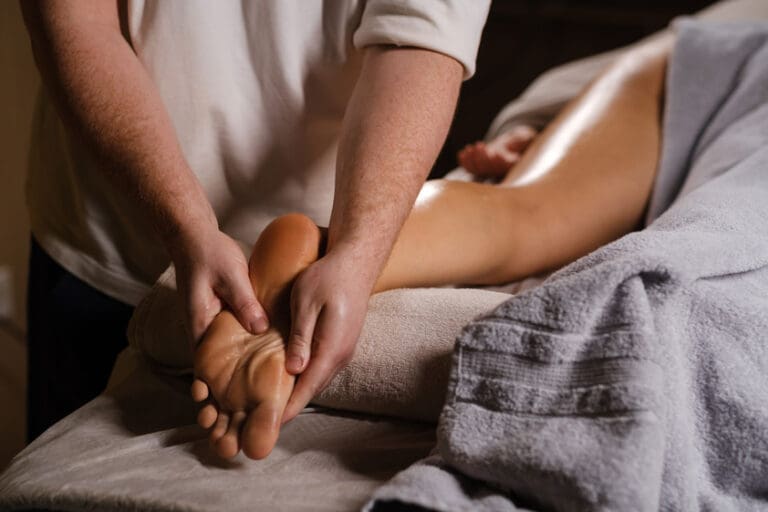
At Spa & Massage, therapists begin with light, rhythmic strokes using the palms and thumbs, always moving upwards from the toes toward the heart. This direction encourages healthy circulation and helps reduce fluid retention.
Small, circular motions around the ankles and the balls of the feet provide soothing relief without applying excess pressure. Sensitive areas are approached with extra care, and any discomfort is strictly avoided.
Unscented, hypoallergenic oils—frequently used in our clinics—can ease movement and enhance comfort. The focus remains on slow, mindful contact, fostering a nurturing connection while prioritising safety.
Gentle, attentive technique not only supports physical relief but also reassures emotional wellbeing during this delicate time.
Post-Massage Aftercare Steps
Following a soothing massage for swollen feet during pregnancy, careful aftercare is essential to maximise benefits and maintain comfort.
At Spa & Massage, therapists advise allowing a few moments of quiet rest after the session. Keep the feet elevated to encourage continued fluid drainage.
Hydration is important; drinking water helps flush out metabolic by-products released during massage.
Gently patting the skin dry, and applying a mild, hypoallergenic moisturiser—such as those used in our clinics—can soothe sensitive areas.
Monitoring for any unexpected swelling, redness, or discomfort is recommended, and seeking medical advice if these occur.
Light movement, such as ankle circles, may help maintain improved circulation.
This gentle, attentive approach ensures the positive effects of massage are preserved, supporting ongoing comfort and well-being.
Best Massage Oils and Techniques Used at Spa & Massage
At Spa & Massage, careful consideration is given to the selection of massage oils and techniques to guarantee both safety and effectiveness, especially when supporting clients with swollen feet during pregnancy.
Therapists select gentle, hypoallergenic oils—often enriched with nourishing botanicals—to soothe sensitive skin and promote relaxation. Each oil is carefully patch-tested to minimise any risk of irritation.
Techniques are adapted to the unique needs of pregnancy, with light, rhythmic strokes that encourage lymphatic drainage and reduce discomfort. Gentle effleurage, circular motions, and precise pressure points are favoured, always avoiding deep pressure or risky acupressure zones.
The aim is to foster relief, comfort, and a sense of nurturing connection, creating a deeply restorative experience that supports both physical well-being and emotional reassurance.
Tips for Enhancing Relief and Comfort at Home
While professional massage provides significant relief for swollen feet during pregnancy, certain self-care practices at home can further enhance comfort between clinic visits.
Elevating the feet regularly helps reduce swelling by encouraging fluid return; a soft pillow under the ankles is recommended.
Gentle, circular self-massage—using light pressure and slow movements—can be soothing, especially when paired with a nourishing oil such as those used in Spa & Massage clinics.
Staying hydrated and taking short, frequent walks support circulation.
While avoiding prolonged standing can prevent additional discomfort.
Wearing supportive, well-fitted footwear is essential for daily ease.
Applying a cool compress for brief periods offers immediate relief on warmer days.
These simple, mindful steps help maintain a sense of calm and connection with the body throughout pregnancy.
When to Seek Professional Help or Advice
Although mild swelling of the feet is a common experience during pregnancy, certain symptoms warrant prompt professional evaluation.
If swelling becomes sudden, severe, or is accompanied by symptoms such as persistent headache, visual changes, shortness of breath, or pain in the calves, immediate medical attention is essential. These could indicate preeclampsia or a blood clot.
At Spa & Massage, therapists are trained to recognize when massage is appropriate and when referral to a healthcare provider is necessary, always prioritizing client safety.
Persistent swelling that does not improve with rest, elevation, or gentle massage should also be discussed with a midwife or doctor.
Seeking professional advice guarantees that both mother and baby remain safe, while allowing for tailored support throughout pregnancy.
Conclusion
Much like gentle waves soothing a sandy shore, safe and expert-guided massage can bring comfort to swollen feet during pregnancy. By drawing on proven techniques, as practiced at Spa & Massage, expectant mothers and their partners can create a haven of relief and relaxation. Prioritising safety and individual needs guarantees every touch nurtures well-being, allowing mothers-to-be to step forward with greater ease, supported on their journey through pregnancy’s unique landscape.