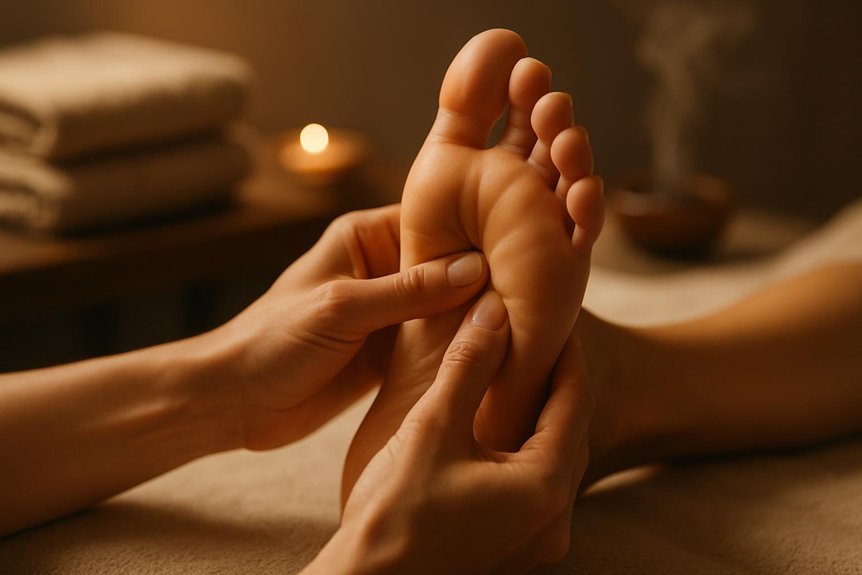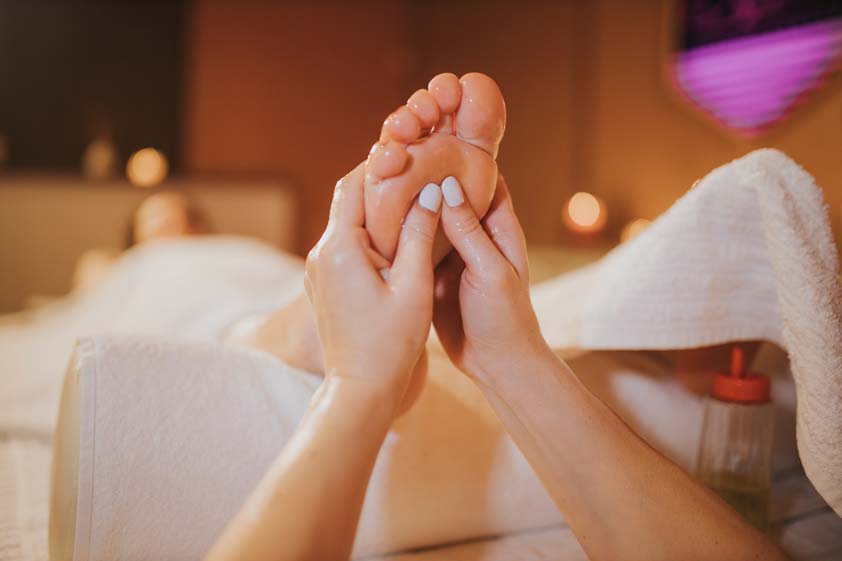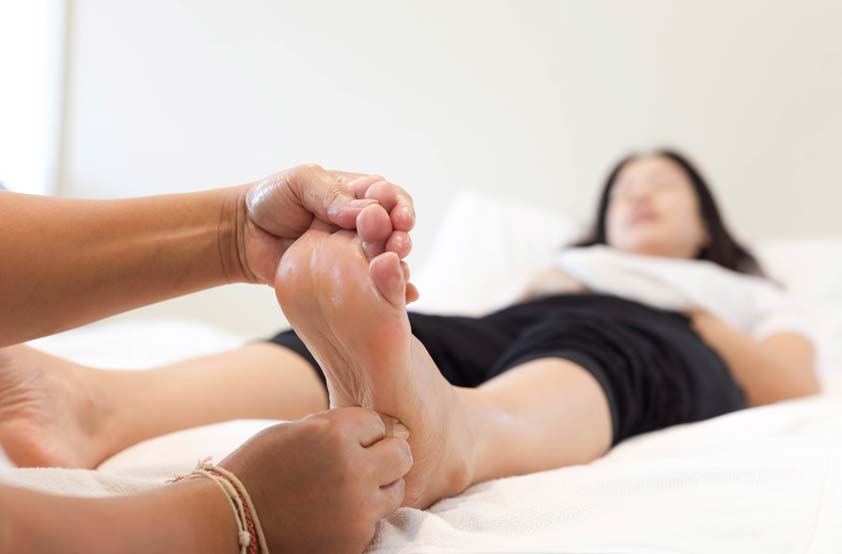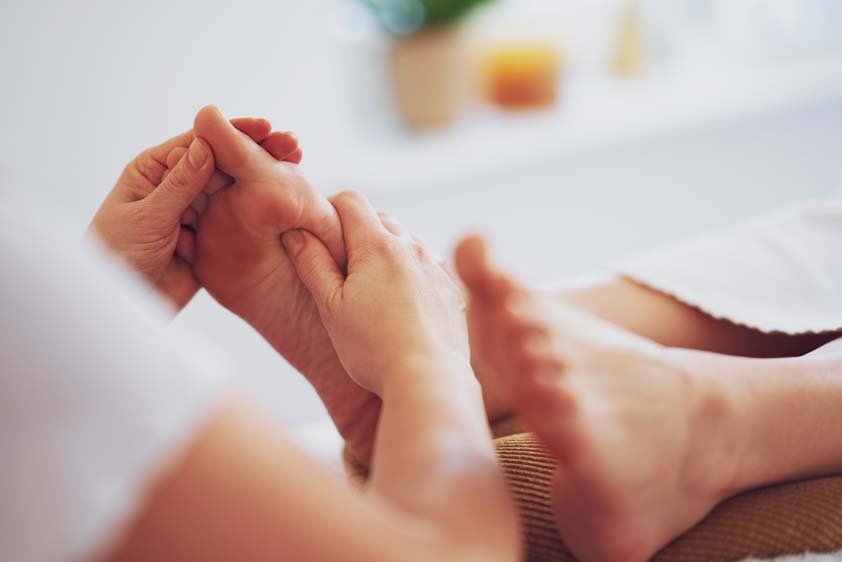
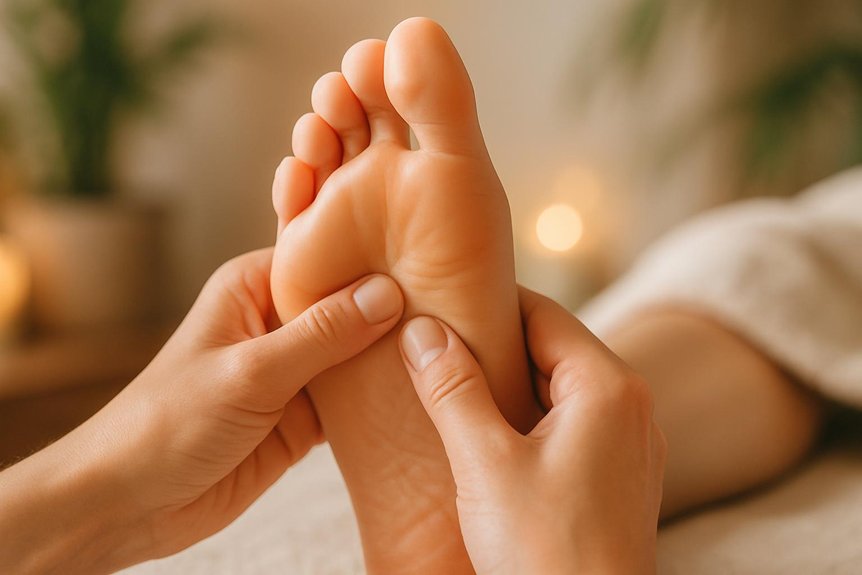
To perform it, practitioners create a calm, hygienic environment and use anatomical knowledge to locate reflex zones on the feet that correspond to specific organs. Pressure is applied with thumbs and fingers using gentle, rhythmic techniques, carefully adjusting based on client feedback. High-quality oils enhance comfort, and open communication guarantees safe, targeted results. Aftercare includes hydration and rest, with awareness of normal reactions. Further guidance covers pressure points, step-by-step techniques, and signs for seeking professional support.
Understanding the Basics of It
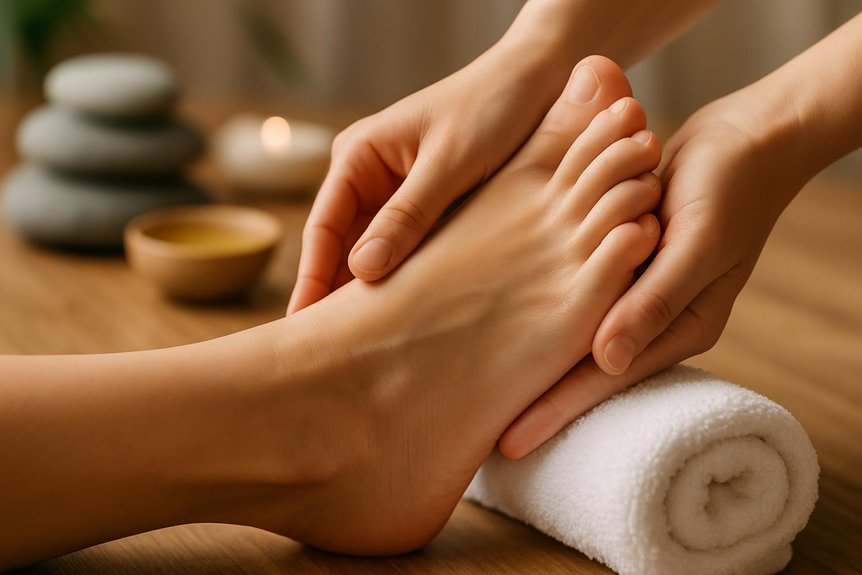
How does it contribute to holistic wellbeing? As practiced at Spa & Massage clinics, is a specialized technique that applies targeted pressure to specific points on the feet, hands, or ears. These reflex points correspond to different organs and systems within the body. Through precise manipulation, it is believed to support the body’s natural processes, promoting relaxation, improved circulation, and homeostasis. Scientific studies have demonstrated that it can reduce perceived stress and enhance mood, supporting a sense of balance and vigor. Spa & Massage therapists are trained to deliver tailored reflex therapy treatments, ensuring each session aligns with individual needs. This attentive approach fosters a deep sense of connection and comfort, making it a trusted component of holistic wellness routines in London and beyond. Discover the healing power of reflexology and experience how this practice can benefit your overall wellbeing through gentle touch and targeted pressure.
Preparing for a Session
Prior to a massage session, what steps enhance both comfort and therapeutic effectiveness?
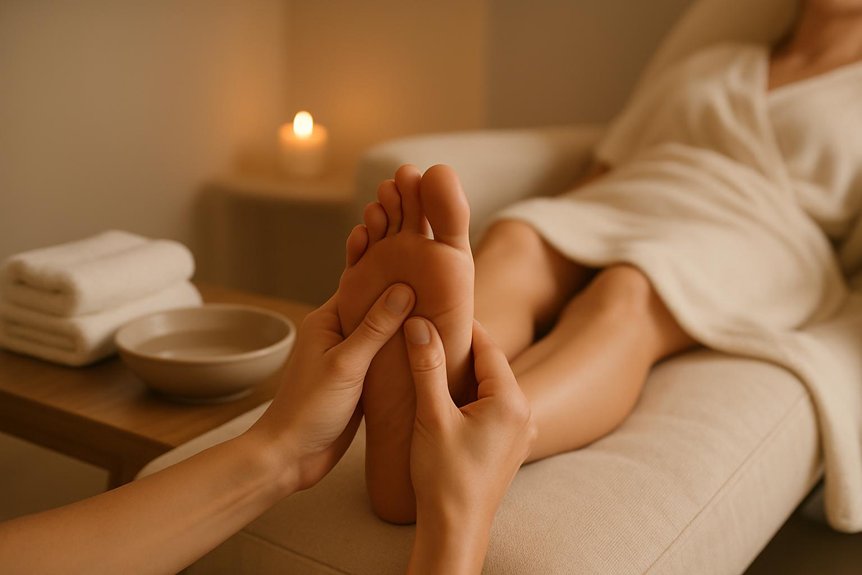
At Spa & Massage, preparation begins by ensuring a serene environment—soft lighting, soothing sounds, and a comfortable temperature improve relaxation. Clients are encouraged to wear loose clothing, allowing easy access to feet and lower legs, and to communicate any health concerns or preferences in advance.
Our therapists recommend cleansing the feet before treatment, as this not only promotes hygiene but also deepens the sense of care and intimacy. Hydration is advised, supporting cellular function and post-session recovery.
In our clinics, therapists tailor the session by discussing individual wellness goals, ensuring a personalized approach.
Attention to these details fosters trust, safety, and ideal results throughout the massage experience.
Key Zone Therapy Pressure Points on the Feet
Once a client is comfortably prepared, understanding the anatomical locations of key pressure points on the feet forms the foundation of effective reflex therapy.
Each foot contains a complex map of reflex zones, with specific areas corresponding to organs and systems within the body.
For instance, the ball of the foot relates to the heart and lungs, while the arch connects to digestive organs.
The heel often reflects lower back and pelvic regions.
At Spa & Massage, therapists are highly trained to identify and work with these zones, ensuring precision with every session.
Recognising the subtle differences in texture and sensitivity across pressure points allows for a tailored approach, cultivating a sense of trust and connection.
This anatomical knowledge enables meaningful, targeted therapeutic outcomes for each individual.
Step-by-Step Massage Techniques
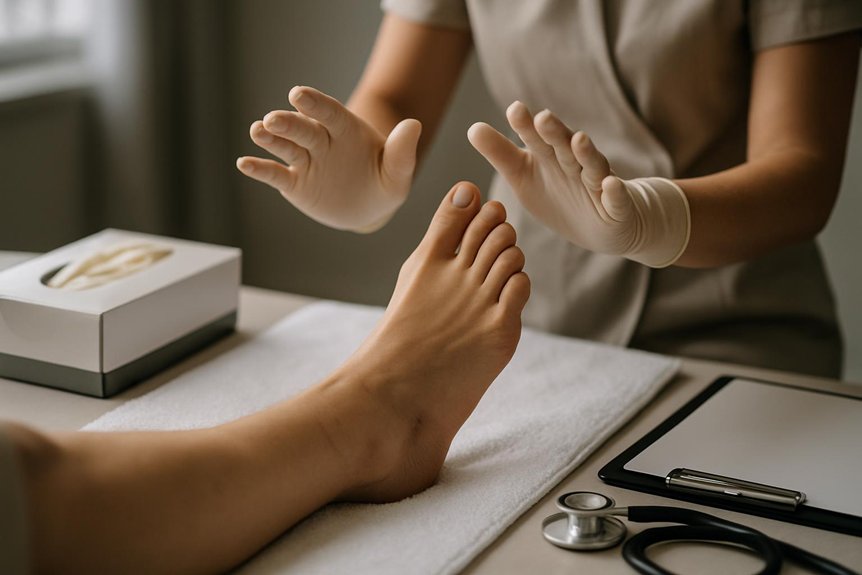
Before beginning reflex therapy, proper preparation guarantees both comfort and effectiveness. This includes washing the feet and creating a calm environment.
Therapists at Spa & Massage follow structured protocols to systematically apply pressure techniques to specific reflex points.
The following steps outline evidence-based methods for preparing for reflex therapy and performing precise pressure applications.
Preparing for Massage
How does a client achieve ideal results from reflex therapy? Preparation is crucial for optimizing therapeutic outcomes.
At Spa & Massage, clients are encouraged to arrive a few minutes early, allowing time to relax and communicate any health concerns or preferences directly to the therapist.
Clean, comfortably supported feet are essential; therapists ensure each session begins with a gentle cleansing ritual to promote both hygiene and relaxation.
The environment is meticulously curated for calm, with soft lighting and soothing music enhancing the sense of intimacy and safety.
Selecting the appropriate massage oil—often a hypoallergenic, nourishing blend—ensures smooth, sensitive contact with the skin.
These preparatory steps foster trust, enable open communication, and establish the ideal foundation for an effective, personalized reflex therapy experience.
Applying Pressure Techniques
With careful attention to anatomical structure and client feedback, Spa & Massage therapists employ a systematic approach to reflex therapy pressure techniques.
Practitioners begin by locating specific reflex points, often guided by detailed foot charts and their in-depth knowledge of human physiology.
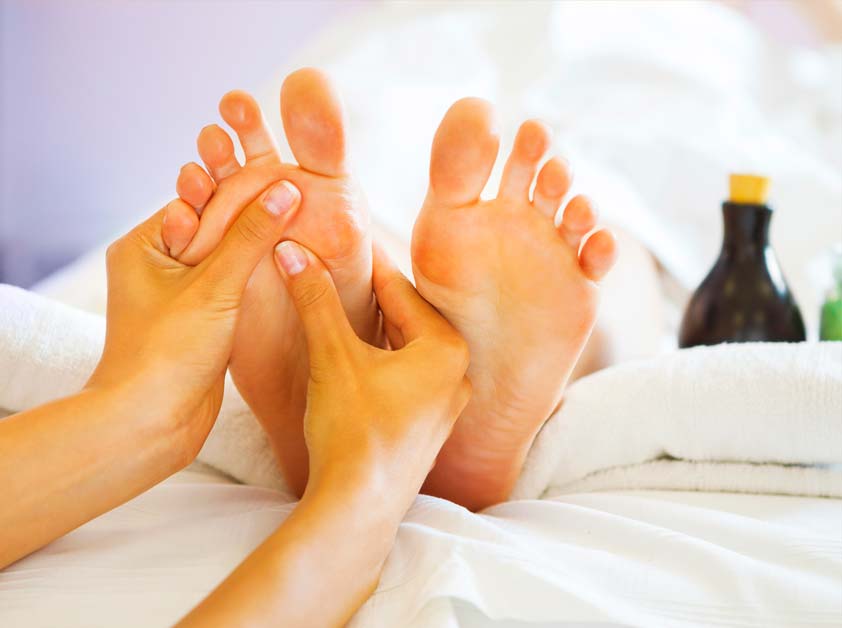
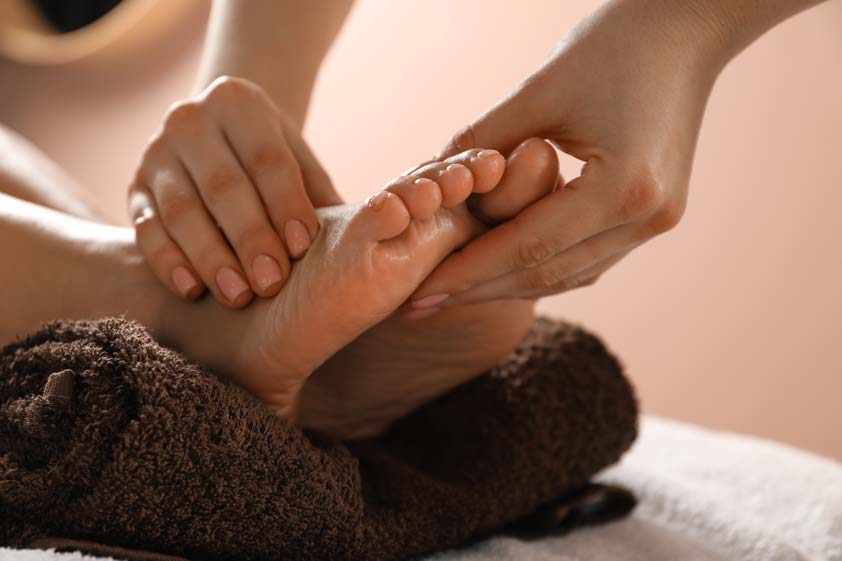
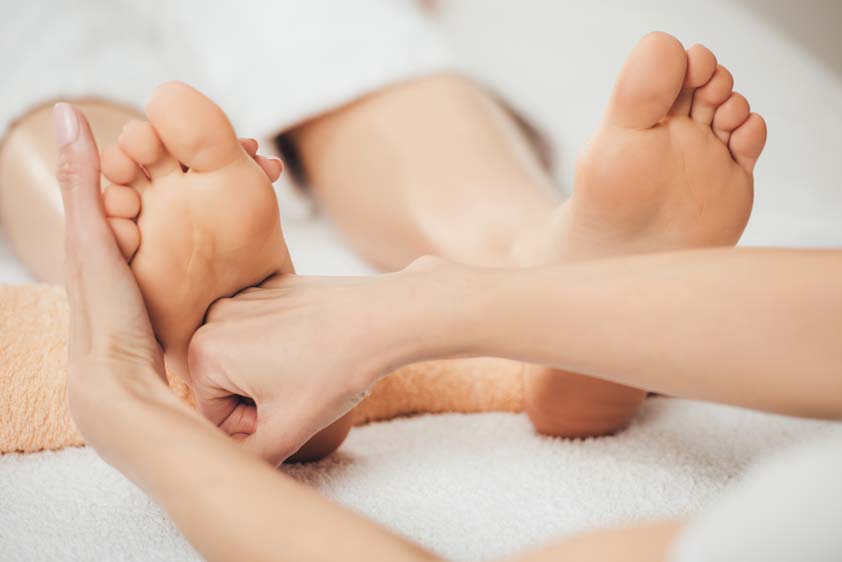
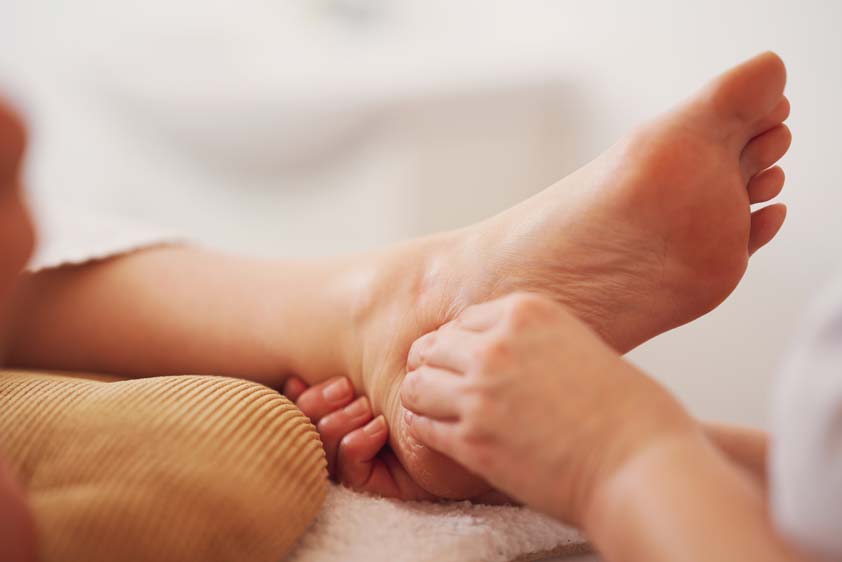
Using the thumbs and fingers, they apply gentle yet firm pressure in a rhythmic, controlled fashion, adjusting intensity according to client comfort and tissue response.
Techniques such as walking, circular motion, and static hold are utilized to stimulate targeted reflex zones, promoting relaxation and enhancing circulation.
Throughout the session, therapists frequently assess client reactions, ensuring ideal pressure and continuous communication.
This methodical application not only maximizes therapeutic benefit but also fosters a sense of trust and connection, integral to the Spa & Massage philosophy.
Tips for Enhancing Your Experience
Why do some reflex therapy sessions leave clients feeling more balanced and rejuvenated than others? The answer often lies in the careful attention to detail during each session.
At Spa & Massage, therapists recommend creating a calm environment, using soft lighting and soothing sounds to foster relaxation.
Consistent, moderate pressure tailored to the client’s comfort enhances the therapeutic effect.
Selecting high-quality, lightly scented massage oils—such as those used in our clinics—can further promote sensory immersion and skin nourishment.
Hydration before and after the session helps optimise circulation and toxin release.
Open communication about personal preferences, comfort levels, and any areas of tension guarantees a personalised experience.
These evidence-based strategies maximise the benefits of reflex therapy, deepening the sense of connection and overall well-being.
Common Reactions and Aftercare Advice
Following a reflex therapy session, individuals may experience sensations such as mild fatigue, increased thirst, or temporary sensitivity in the treated areas.
At Spa & Massage, therapists recommend specific aftercare steps—including hydration and rest—to support ideal recovery and therapeutic benefit.
It is also important to recognize when to seek professional advice, particularly if any unusual or persistent symptoms arise.
Typical Post-Session Sensations
A typical reflex therapy session may produce a range of sensations as the body responds to targeted pressure on specific reflex points. Many individuals notice immediate feelings of warmth, tingling, or lightness in the feet or hands, often accompanied by a deep sense of relaxation.
At Spa & Massage, clients occasionally report temporary sensations such as mild soreness, heightened sensitivity, or a subtle release of tension, which are considered normal physiological responses.
Some may experience increased energy, while others feel drowsy or more emotionally balanced after treatment.
It is not uncommon for gentle detoxifying effects—such as thirst or increased urination—to occur.
These reactions indicate the body’s adjustment process and are generally short-lived, reflecting the holistic and restorative nature of professional reflex therapy.
Essential Self-Care Steps
Proper aftercare is critical to maximize the therapeutic benefits of reflex therapy and support the body’s natural recovery processes. Following a session, Spa & Massage therapists recommend hydrating with water to assist the body in flushing out metabolic byproducts released during treatment.
Resting for at least 15–30 minutes allows the nervous system to integrate the effects, promoting ideal relaxation.
Gentle movement, such as stretching or walking, can further enhance circulation and maintain flexibility.
Clients are advised to avoid strenuous activity, alcohol, or caffeine immediately after treatment, as these may counteract the calming effects.
If mild soreness or emotional shifts arise, these are considered normal responses.
Applying a warm compress to the feet or hands, as practiced in our clinics, may provide additional comfort and support recovery.
When to Seek Advice
Some individuals may notice mild physical or emotional shifts after reflex therapy, as previously described. Common reactions include temporary fatigue, increased thirst, or mild emotional release. All of these are considered normal and typically short-lived.
However, if symptoms persist beyond 24–48 hours or intensify—such as ongoing pain, swelling, dizziness, or emotional distress—seeking professional advice is recommended. At Spa & Massage, therapists encourage open communication about any discomfort or unusual responses following treatment.
Clients with underlying health conditions, pregnancy, circulatory issues, or recent injuries should consult their healthcare provider before and after reflex therapy. Our therapists are experienced in providing tailored aftercare advice, including hydration, rest, and gentle activity.
This attentive approach guarantees each guest’s wellbeing and addresses any concerns that may arise in the days following a session.
When to Seek Professional Therapist
When is it appropriate to consult a professional reflexologist?
Individuals should seek professional reflex therapy when self-care techniques do not yield desired results, symptoms persist, or when complex health conditions are involved.
At Spa & Massage clinics, professional reflexologists possess advanced knowledge of anatomical structures, pressure points, and contraindications, ensuring safe and effective practice.
Those experiencing chronic pain, stress, tension, or specific medical concerns—such as pregnancy or circulatory issues—benefit from expert assessment and tailored treatment.
Professional reflexologists also provide guidance on ongoing self-care and adjustments to technique, maximising therapeutic outcomes.
For clients seeking a personalised approach within a tranquil environment, Spa & Massage offers holistic care that addresses both physical and emotional well-being, ensuring each session is precisely adapted to individual needs and preferences.
Conclusion
Like a skilled navigator charting a course, those practising reflex therapy at home can guide the body toward balance and relaxation by applying precise techniques and informed care. When performed with proper knowledge and attention to detail, reflex therapy becomes a supportive tool for wellbeing, echoing the expertise of professional therapists. However, understanding limitations and seeking guidance when needed guarantees the safe and effective integration of reflex therapy into any self-care routine, maximising its therapeutic potential.