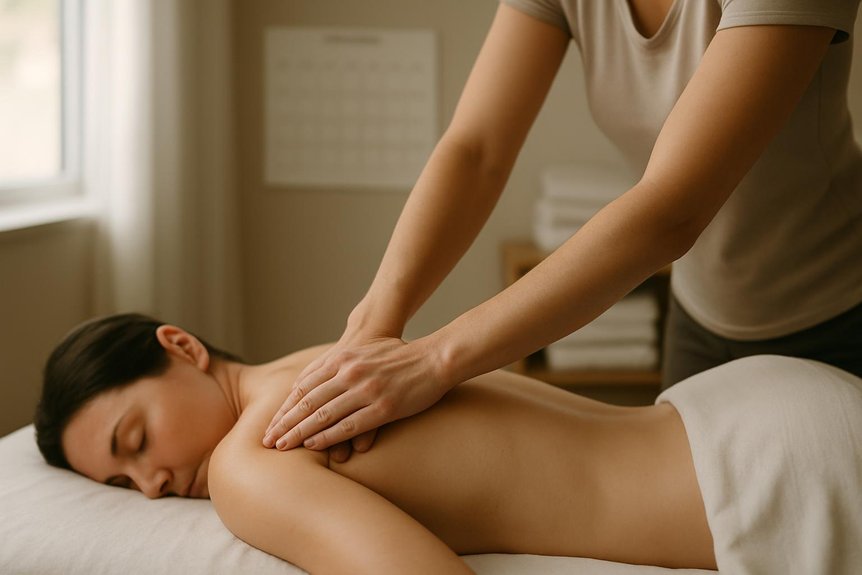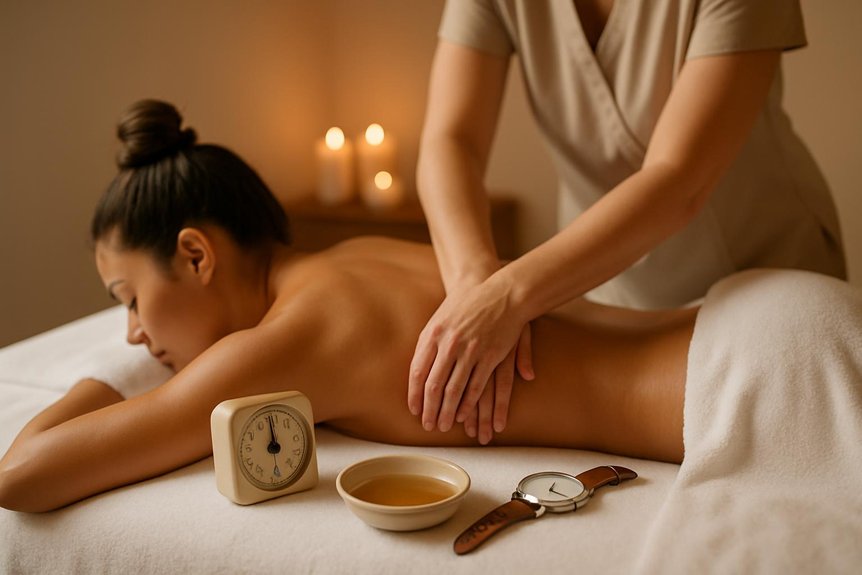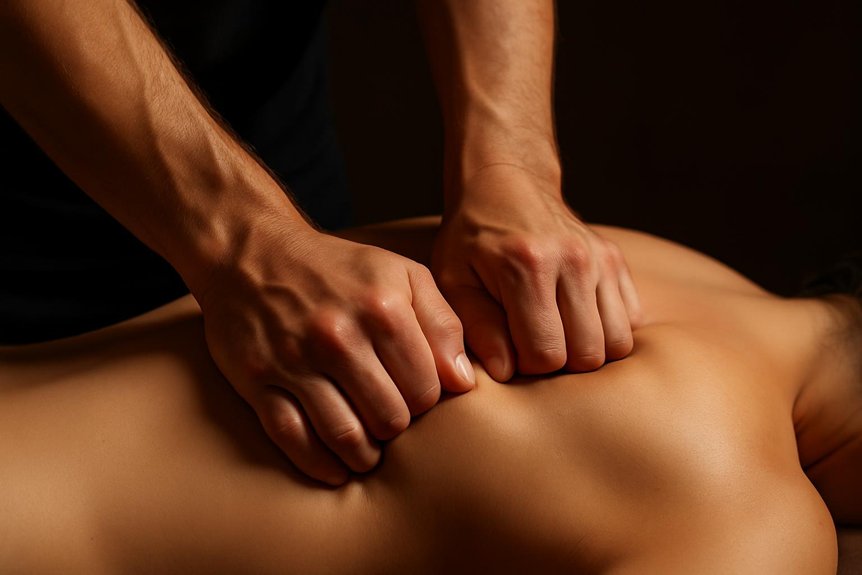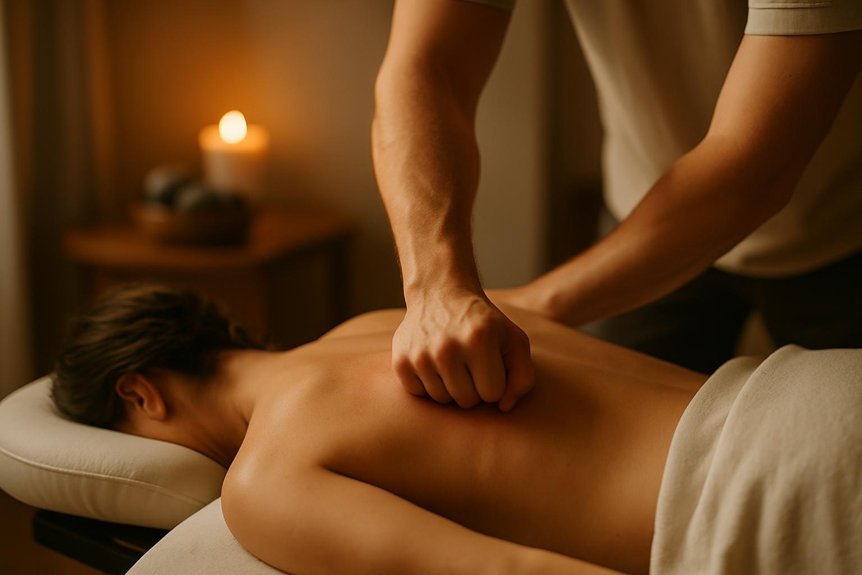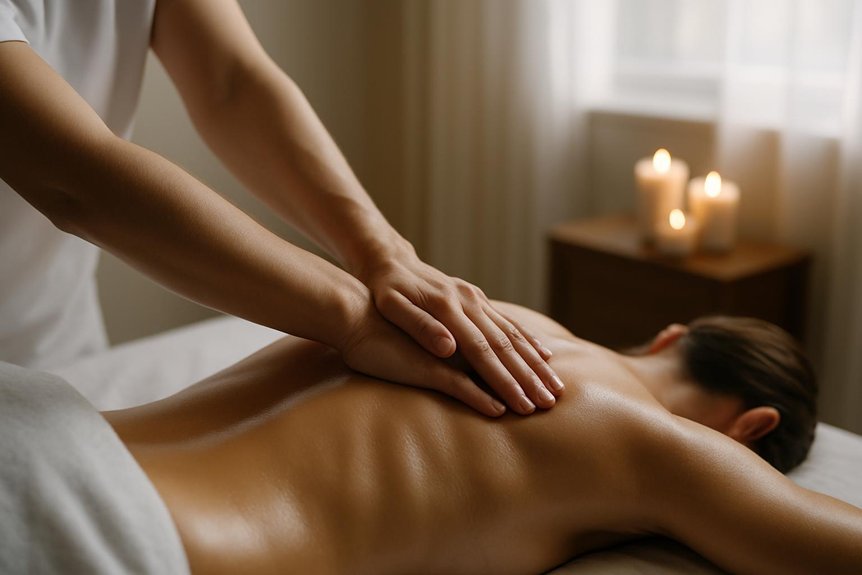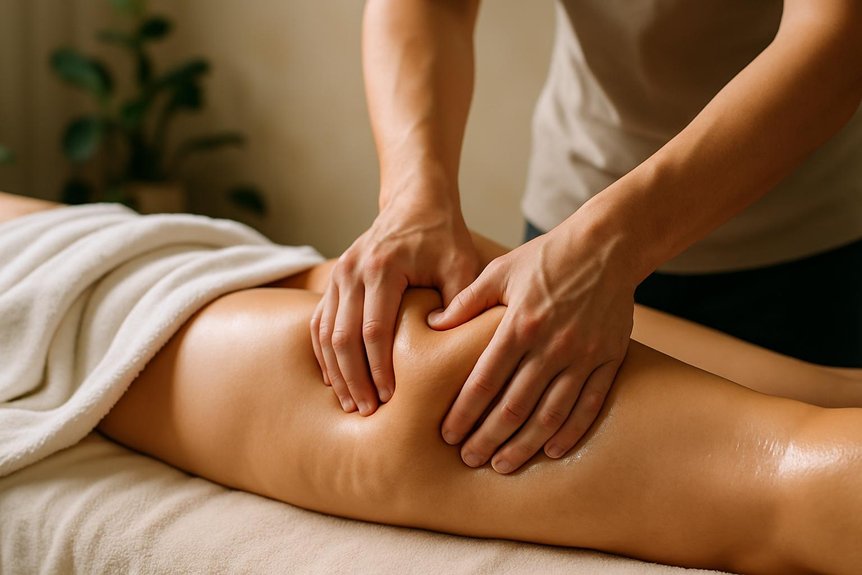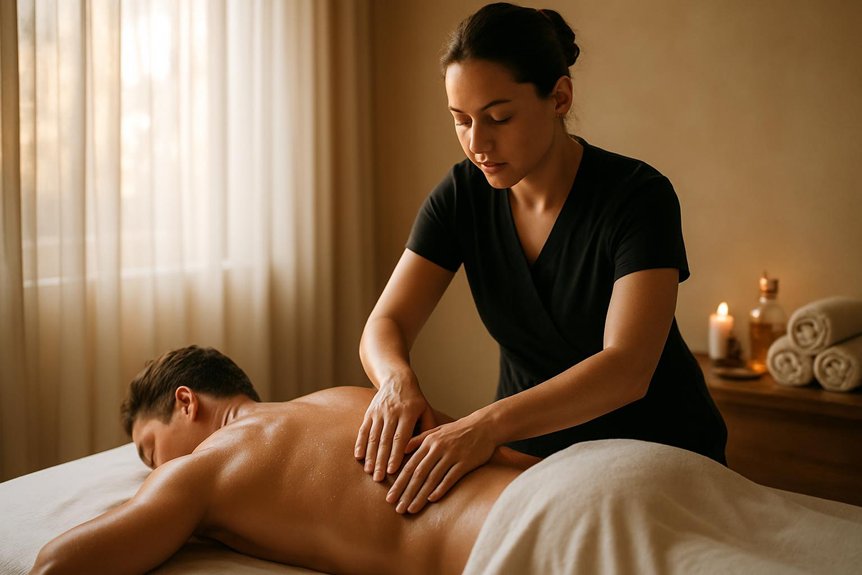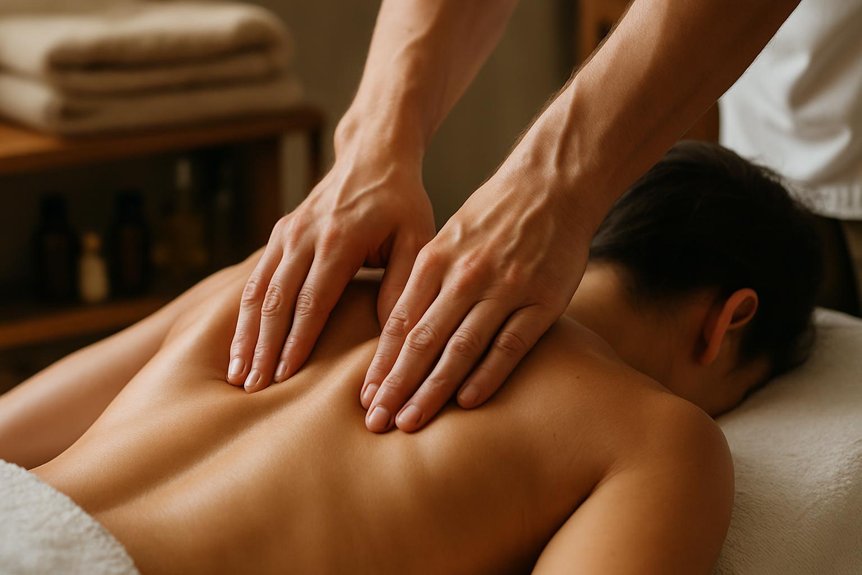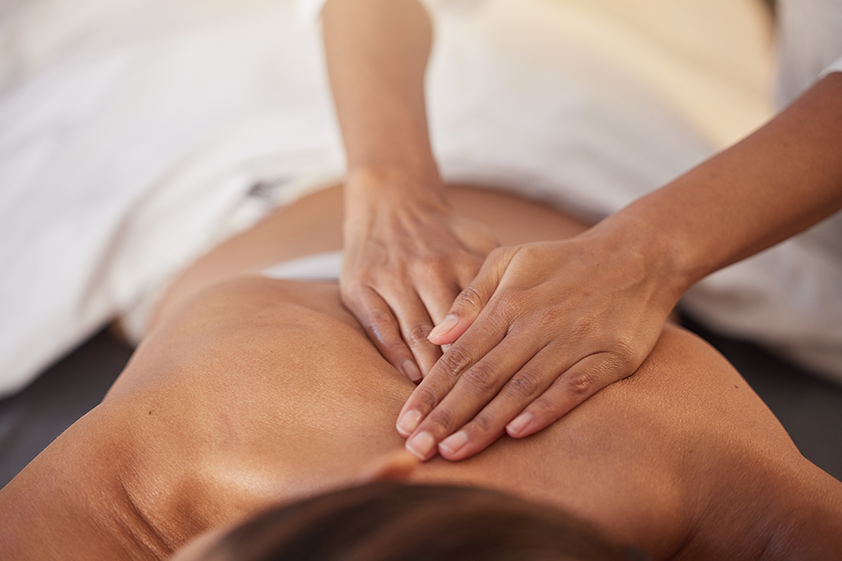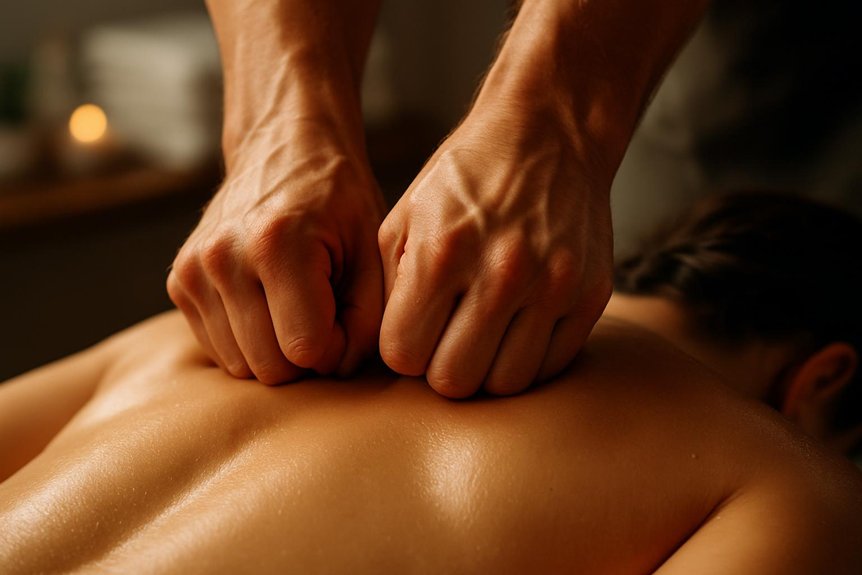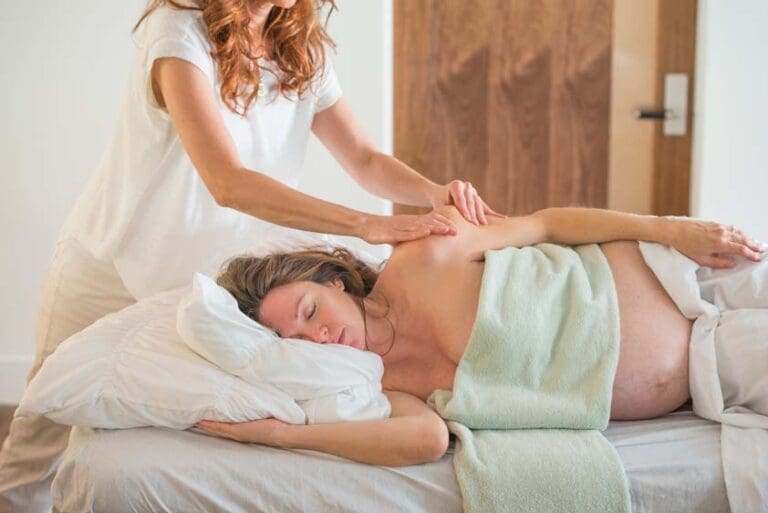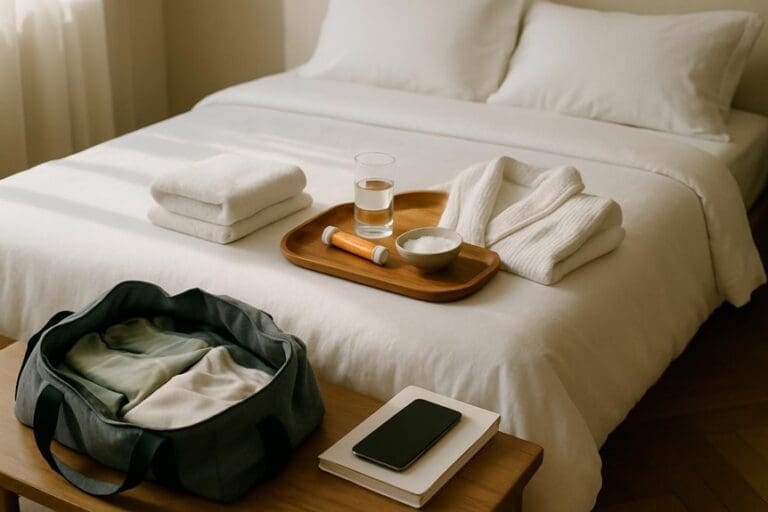
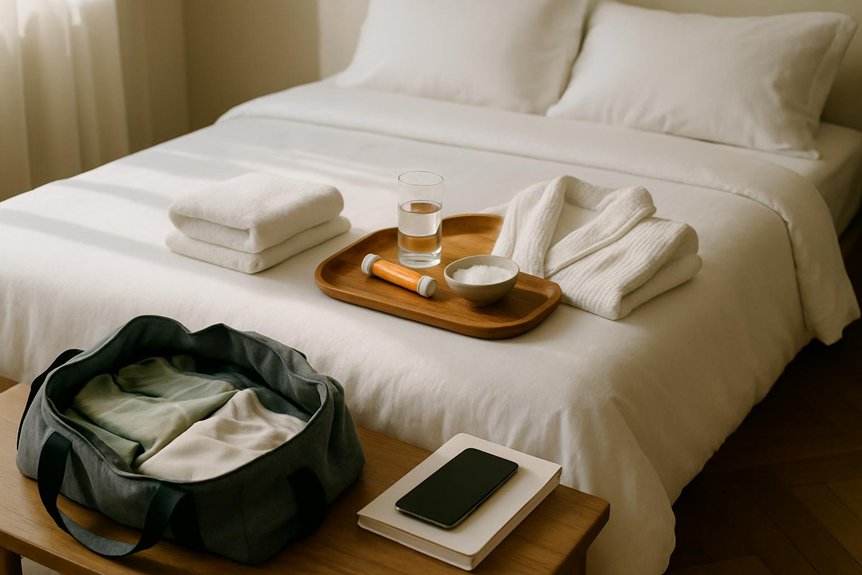
Prepare for an intensive tissue massage by booking an appropriate length (60 minutes for first-time, shorter if highly sensitive). Share exact pain locations, goals, and any sharp, burning, or radiating symptoms. Disclose injuries, surgeries, swelling, pregnancy, and conditions or medicines such as blood thinners. Eat a light meal 1–2 hours before, hydrate, and avoid alcohol. Wear easy-to-remove clothing and limit jewellery. Plan gentle activity afterward as mild soreness can last 24–48 hours. More practical guidance follows.
Is Deep Tissue Massage Right for You?
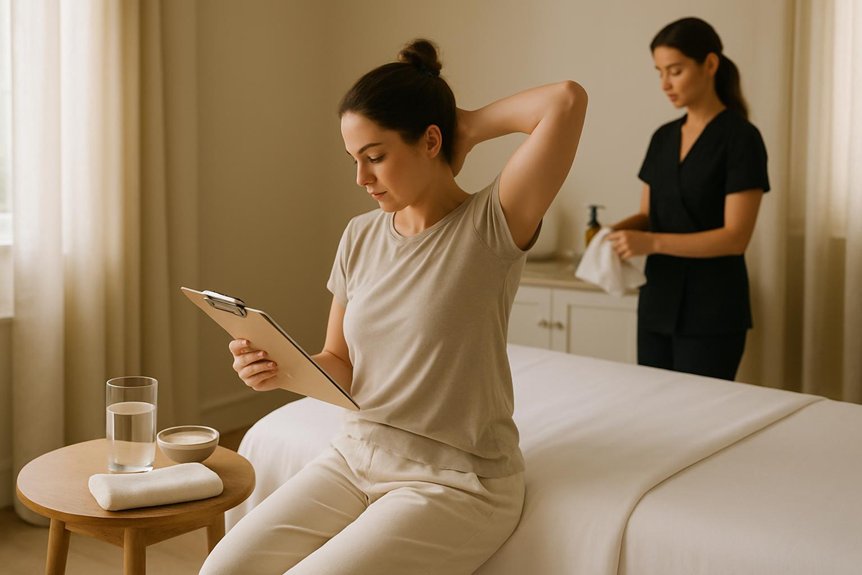
For those dealing with persistent muscle tension, postural strain, or training-related tightness, intensive tissue massage may be an appropriate option. It focuses on slower, firmer pressure to address deeper layers, and many clients at Spa & Massage choose it when gentle relaxation work feels insufficient. This approach is often used to help reduce chronic tightness by working into deeper muscle layers with controlled, sustained pressure.
It may suit people who want targeted work on shoulders, hips, lower back, or legs, and who are comfortable with intense, focused sensations that remain within a respectful, communicative boundary. It may not be suitable during acute inflammation, fever, contagious illness, recent injury, blood-clot history, or when taking blood thinners. Pregnancy, cancer care, or complex medical conditions require prior clinical guidance and therapist disclosure.
In Spa & Massage clinics, therapists discuss goals, pain thresholds, and contraindications, and adjust pressure to keep the experience safe and supportive.
Book the Right Deep Tissue Treatment Length
Once intensive tissue massage has been identified as a suitable option, choosing an appropriate session length helps guarantee the work is both effective and well-tolerated. At Spa & Massage clinics across London, many first-time clients begin with 60 minutes, allowing measured pressure, warm-up, and unhurried integration without overwhelming sensitive tissue.
A 30–45 minute session can suit those seeking focused work on one area, while 90 minutes is often reserved for experienced clients who want broader, slower attention with ample time to soften and release.
Booking shorter is safer when pain sensitivity is high, recovery is limited, or the body is fatigued. Longer sessions should include planned pauses, steady communication, and conservative intensity to reduce post-treatment soreness and support comfortable intimacy throughout.
Tell Your Therapist What Hurts and Your Goal
Before an intensive tissue massage, the client should clearly describe any painful areas, relevant injury history, and sensitivities so the therapist can work safely.
At Spa & Massage clinics across London, therapists use this information to tailor pressure, techniques, and positioning to the client’s goals—such as easing chronic tension, supporting sports recovery, or improving mobility.
The client should also share preferences (for example, pressure limits or areas to avoid) to help keep the session both effective and comfortable.
Pain Points And History
Where does it hurt, and what should the session achieve? Clients should tell the therapist exactly which areas feel sore, tight, tender, or “locked,” and whether the sensation is sharp, burning, numb, or radiating. At Spa & Massage clinics, therapists use this detail to work precisely while keeping the experience safe and comfortable.
Clients should also share when symptoms began, what triggers or eases them, and any recent increases in pain. Relevant history matters: injuries, surgery, migraines, nerve symptoms, inflammation, bruising tendencies, and diagnosed conditions.
Medications, pregnancy status, and allergies should be disclosed before treatment. Any red flags—fever, unexplained swelling, loss of strength, or sudden severe pain—should be mentioned, as massage may need to be postponed or adapted.
Treatment Goals And Preferences
Two details guide an effective intensive tissue massage: the client’s treatment goal and their comfort preferences.
Before the session, the client should describe what hurts, where it refers, and what outcome is desired—relief from a tight neck, easier shoulder rotation, recovery after training, or simply feeling grounded and calm. At Spa & Massage clinics across London, therapists use this information to choose pressure, pace, and techniques safely.
Comfort preferences matter just as much: preferred draping, areas to avoid, and whether slower, more enveloping strokes or targeted elbow work feels best. Clients should speak up if pressure becomes sharp, numb, or breath-holding. Clear feedback supports intimate trust, reduces soreness, and keeps the work effective.
Share Injuries, Medications, and Health Conditions
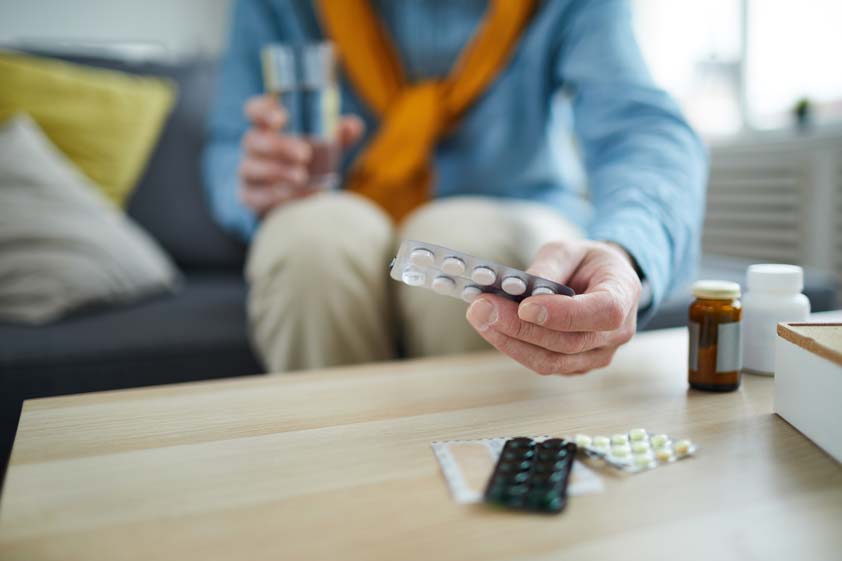
Sharing up-to-date details about injuries, medications, and existing health conditions helps guarantee an intensive tissue massage is both safe and effective. Before the session, the client should mention recent strains, sprains, bruising, fractures, surgeries, or persistent nerve symptoms, as well as areas that feel tender, numb, or inflamed.
It is also important to disclose blood thinners, anti-inflammatories, steroids, pain medication, and any topical creams, plus allergies or skin sensitivities. Health conditions such as pregnancy, high blood pressure, diabetes, clotting disorders, varicose veins, osteoporosis, autoimmune flare-ups, and cancer history can change pressure, positioning, and techniques.
At Spa & Massage clinics across London, therapists use this information to create a tailored, discreet plan that supports comfort, trust, and deeper relaxation throughout.
What to Eat, Drink, and Avoid Beforehand
Before an intensive tissue massage, light, balanced intake supports comfort and safety throughout the session. A small meal 1–2 hours beforehand—such as lean protein, fruit, yoghurt, or whole grains—helps prevent light‑headedness without feeling overly full when lying close to the therapist’s hands.
Hydration matters: clients should drink water earlier in the day and sip as needed, as deep work can be dehydrating. At Spa & Massage clinics, therapists often suggest arriving comfortably hydrated to support circulation and post‑treatment recovery.
Avoid heavy, greasy, or very spicy foods, which may cause reflux or nausea. Limit caffeine if prone to tension or anxiety, and avoid alcohol for at least 24 hours, as it increases bruising risk and dulls sensation.
What to Wear and What We Provide
For most clients, simple, easy-to-remove clothing makes arriving for an intensive tissue massage more comfortable and keeps the focus on safety and relaxation.
Breathable layers, minimal jewellery, and secure hair help the therapist access areas without tugging or distraction. Many clients in London choose to arrive in gym wear or soft loungewear, then change on-site as needed.
At Spa & Massage clinics across Crouch End, Bayswater, Chiswick, Earl’s Court, Belsize Park, and Richmond, clients are provided with fresh towels, protective draping for privacy, and a clean, calm treatment room.
Disposable underwear is available on request, and therapists use professional-grade massage oils or lotions selected to support glide while respecting sensitive skin. Clients should mention allergies or fragrance sensitivities at reception so suitable products can be prepared.
During Intensive Tissue Massage: Pressure and Communication
How much pressure is “right” during an intensive tissue massage depends on the client’s goals, pain threshold, and the tissue response in the moment, so clear, ongoing communication is essential.
At Spa & Massage clinics across London, therapists routinely check in and invite clients to say “less,” “more,” or “hold there,” so intensity stays effective and comfortable.
Discomfort can be normal, but sharp, burning, tingling, or shooting pain is a stop signal.
Slow breathing helps the body soften, allowing deeper work without forcing.
Clients may mention sensitive areas, recent injuries, or preferences about glute, hip, and chest-adjacent work; therapists maintain professional draping and consent throughout.
If emotions arise, it is acceptable to pause, adjust technique, or change focus.
After a Massage: Soreness, Hydration, Results
After a massage, some clients may experience mild soreness or fatigue for 24–48 hours, which Spa & Massage therapists consider a common short-term response to focused pressure.
Appropriate hydration, gentle movement, and rest are typically recommended in Spa & Massage clinics to support recovery and help clients gauge results over the following days.
Any severe pain, unusual swelling, bruising, or neurological symptoms should be treated as a safety concern and promptly discussed with a clinician and the treating therapist.
Managing Post-Massage Soreness
Within the first 24–48 hours, mild to moderate soreness can be a normal response to intensive tissue massage as muscles and connective tissues adapt to focused pressure.
At Spa & Massage clinics across London, therapists advise keeping the rest of the day gentle, allowing the body to settle and integrate the work. A warm shower or bath can ease tenderness, while a cool compress may help if an area feels inflamed.
Light, unforced movement such as a short walk can reduce stiffness without overloading treated tissues. Clients should avoid heavy training, deep stretching, or another intense treatment until soreness fades.
Pain that is sharp, worsening, or accompanied by bruising, swelling, numbness, or tingling should be discussed with the therapist and, if needed, a medical professional.
Hydration And Recovery Results
Post-massage tenderness often settles more comfortably when hydration and recovery are treated as part of the appointment rather than an afterthought.
At Spa & Massage clinics across London, clients are encouraged to sip water before and after deep tissue work to support circulation and reduce headache risk, especially after intense trigger-point focus. Alcohol and very salty meals are best limited for 24 hours.
Recovery results improve with gentle movement, warmth, and unhurried rest.
Many clients feel tender for 24–48 hours, then notice easier range of motion and calmer, more intimate body awareness. A light walk and slow stretching can help; strenuous training should wait if soreness is pronounced.
Persistent sharp pain, numbness, bruising, or dizziness warrants contacting the clinic or a clinician promptly.
Conclusion
Preparing for an intensive tissue massage supports comfort, safety, and better results. Selecting the right session length, clearly describing pain points and goals, and disclosing injuries, medications, or health conditions helps the therapist tailor pressure appropriately. Sensible choices around food, hydration, and clothing can reduce sensitivity and improve relaxation. During treatment, ongoing communication keeps intensity within safe limits. Afterward, mild soreness may occur; hydration and rest aid recovery. Following these steps keeps the session on the right track.