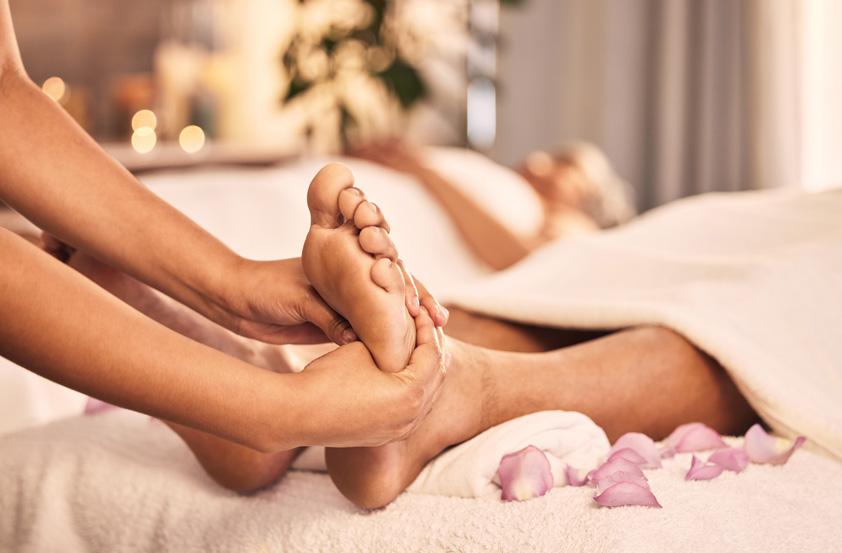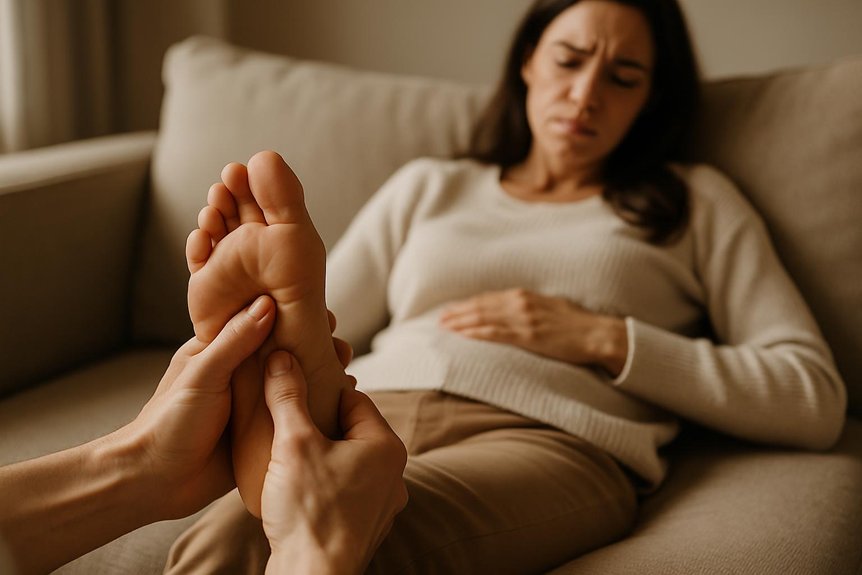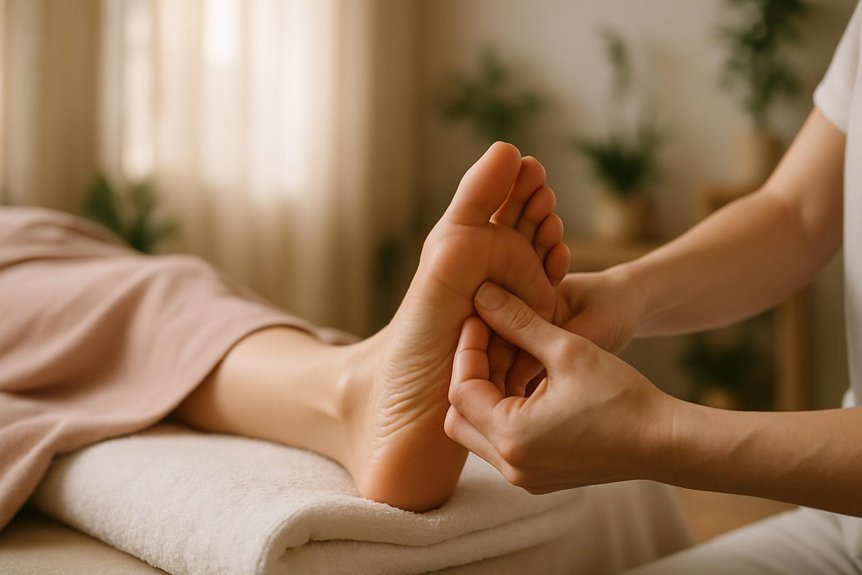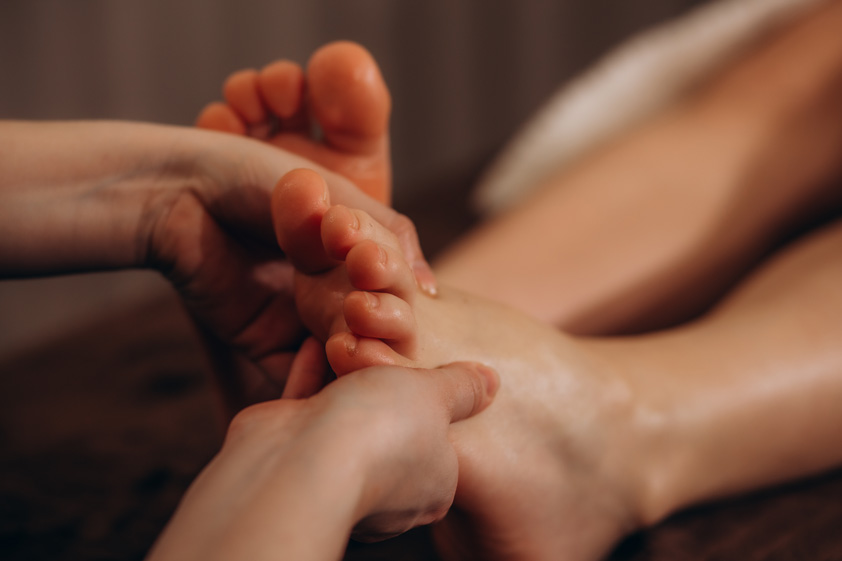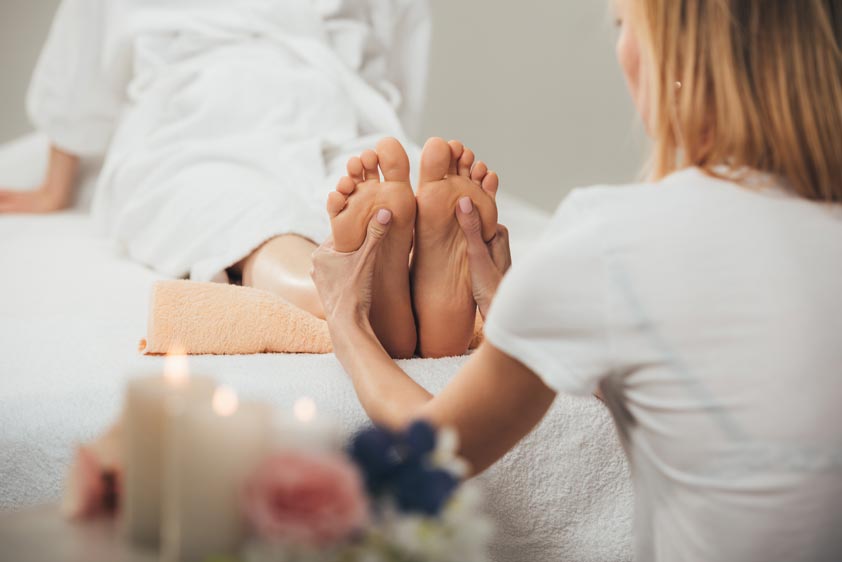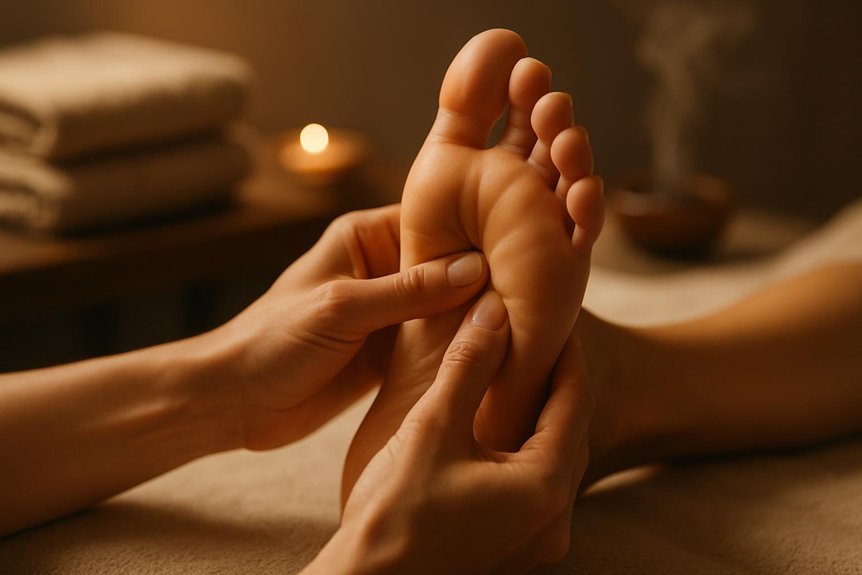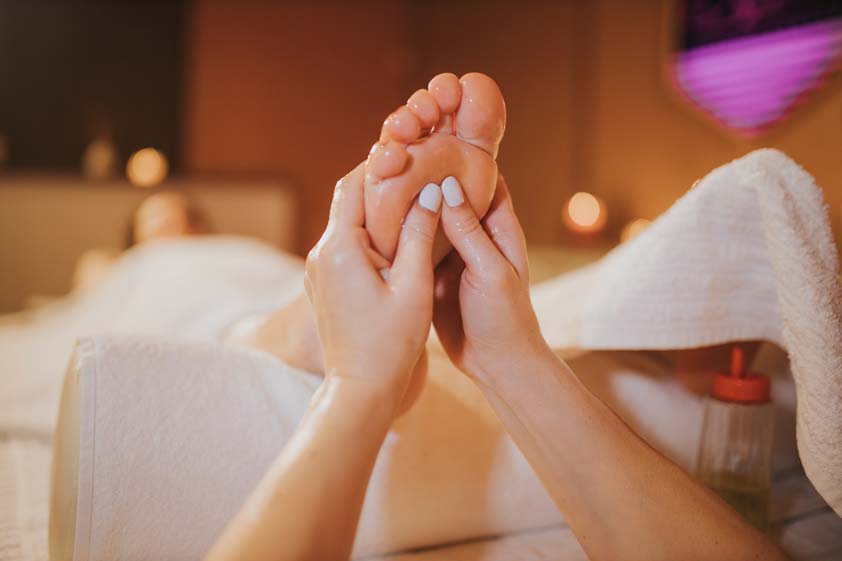
To use reflex therapy socks, first confirm the feet are clean, dry, and free from open wounds. Select properly fitted socks with clearly printed reflex zone charts. In a calm environment, identify mapped zones, then apply guided, gentle pressure using thumbs or fingertips, focusing on systematic massage from toes to heels. Incorporate moderate, circular movements and mindful breathing for maximum stimulation. Complete the session with hydration and relaxation. Further techniques and enhancements can enhance reflex therapy sock outcomes.
Understanding Reflexology and Its Benefits
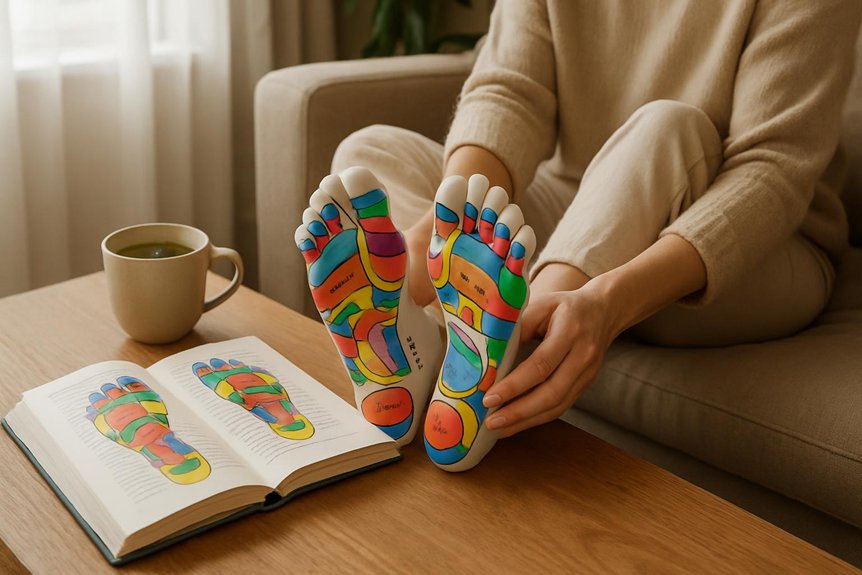
A significant body of research supports the clinical foundations of zone therapy, a therapeutic practice based on the principle that specific points on the feet correspond to organs and systems within the body.
Reflexologists apply targeted pressure to these reflex zones, stimulating neural pathways and promoting homeostasis.
Documented benefits include stress reduction, enhanced circulation, and improved lymphatic drainage.
In Spa & Massage clinics, practitioners employ methodical palpation and thumb-walking techniques, responding to subtle tissue feedback for maximum efficacy.
Clients often report a profound sense of relaxation and heightened well-being following sessions.
Zone therapy’s analgesic effects are attributed to endorphin release and autonomic nervous system modulation.
This holistic approach addresses both physical and emotional imbalances, fostering an intimate connection between mind and body for sustained wellness.
Many individuals find that the healing power of zone therapy offers a valuable complement to conventional wellness routines, enhancing both preventative care and ongoing health maintenance.
What Are Zone Therapy Socks?
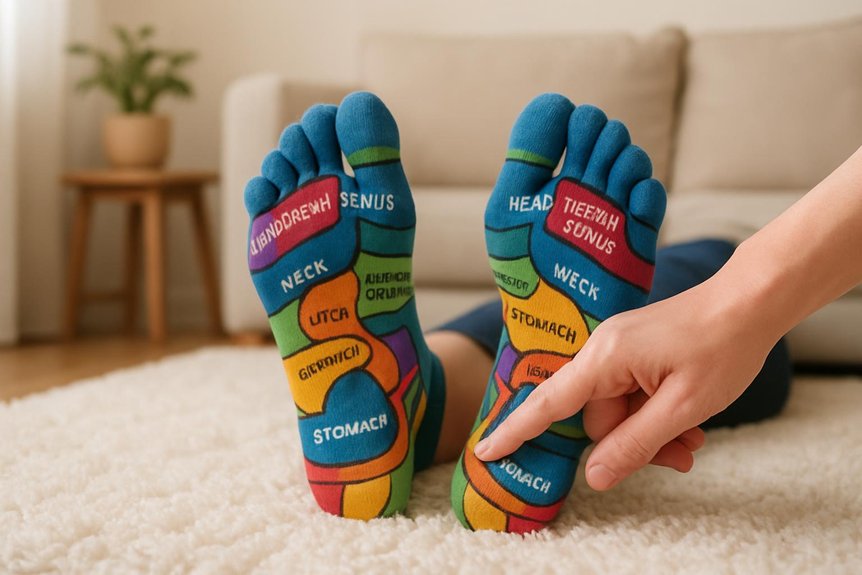
Building upon the established principles of zone therapy, reflex therapy socks serve as practical tools for self-care and guided therapy outside clinical settings. These socks are designed with mapped diagrams, clearly marking reflex zones corresponding to specific organs and systems within the body.
By wearing zone therapy socks, individuals gain a visual reference that facilitates targeted stimulation through touch or massage. The anatomical accuracy of these socks allows users to engage in evidence-based self-massage, enhancing awareness of bodily sensations and encouraging consistent wellness routines.
At Spa & Massage clinics, therapists often recommend zone therapy socks as an accessible complement to professional sessions, empowering clients to maintain therapeutic benefits between appointments. Their use fosters a deeper connection with one’s body, supporting relaxation and holistic wellbeing in the comfort of home.
Choosing the Right Reflex Therapy Socks
Selecting ideal zone therapy socks requires consideration of fabric breathability and cushioning to guarantee comfort during use.
It is vital to verify that the socks display an anatomically accurate foot chart, as precise point mapping supports effective self-treatment.
Proper sizing is important, as a secure fit ensures target zones align correctly with pressure application.
Material and Comfort Matters
When considering zone therapy socks, material composition and ergonomic design considerably impact both the efficacy of the therapy and user comfort.
High-quality, breathable fabrics such as cotton blends or bamboo fibres facilitate moisture control and prevent skin irritation during extended wear.
For ideal tactile feedback, Spa & Massage recommends selecting socks with moderate elasticity to ensure a snug, non-restrictive fit, allowing for precise pressure application on reflex zones.
Seamless construction reduces friction and enhances sensory comfort, supporting deeper relaxation throughout the session.
Clients sensitive to synthetic fibres should prioritise natural, hypoallergenic materials to avoid discomfort.
At Spa & Massage, therapists observe that material softness and anatomical contouring foster a more intimate, nurturing experience, maximising the therapeutic potential of each massage session performed in our clinics.
Accurate Foot Chart Design
Although zone therapy socks are widely available, the accuracy of the printed foot chart is fundamental to effective self-treatment and professional application.
An anatomically precise chart ensures that each reflex zone corresponds correctly to organ and system locations, providing a reliable guide for targeted stimulation.
At Spa & Massage, therapists emphasise selecting socks with clear, legible markings, accurately denoting reflex points such as the solar plexus, spine, and digestive organs.
Misaligned or vague diagrams compromise the user’s ability to apply consistent pressure, diminishing therapeutic outcomes.
For those seeking a deeper connection to their well-being, the integrity of design fosters confidence and facilitates mindful touch.
Verifying chart accuracy against standard zone therapy references is a practical step before use, supporting both relaxation and health benefits.
Proper Sizing for Fit
A precise fit is essential for reflex therapy ocks to function as intended, ensuring that each printed reflex zone aligns accurately with the corresponding anatomical area of the foot. When selecting zone therapy socks, individuals should measure foot length and width, referencing manufacturer sizing charts to achieve ideal conformity.
At Spa & Massage, therapists emphasise that an ill-fitting sock—either too loose or too tight—can result in misalignment of pressure points, reducing therapeutic efficacy and diminishing tactile sensation. Properly sized socks enhance both comfort and responsiveness during at-home massage sessions.
For a close, nurturing fit, users are advised to think about sock material elasticity and personal comfort preferences. Periodic reassessment of sock fit is recommended, especially if there are changes in foot dimension or swelling, ensuring consistent alignment and effective stimulation.
Preparing Your Feet for Zone Therapy
Prior to commencing zone therapy, ideal results depend on thorough foot preparation to guarantee cleanliness, comfort, and maximum responsiveness to pressure point stimulation.
Initiate by washing the feet with warm water and a mild, hypoallergenic cleanser to eliminate debris and bacteria, which can impede tactile sensation.
At Spa & Massage clinics, therapists recommend gentle exfoliation to remove dead skin, enhancing nerve receptivity.
Pat the feet dry, paying careful attention to interdigital spaces to prevent moisture accumulation.
If desired, a light application of unscented, non-greasy massage oil—commonly used in our treatments—can improve skin suppleness without compromising sock adherence.
Assess for contraindications such as open wounds or fungal infections, as these require professional attention.
Optimal preparation ensures a receptive, comfortable foundation for effective zone therapy.
Step-by-Step Guide to Using Zone Therapy Socks
The effective use of zone therapy socks requires proper preparation of the feet, systematic application of targeted pressure techniques, and intentional post-session aftercare.
Spa & Massage therapists recommend ensuring feet are clean and relaxed before beginning, then following mapped zones on the socks to apply controlled, consistent pressure.
After completing the session, clients are advised to rest and hydrate to maximize therapeutic outcomes.
Preparing for Zone Therapy Socks
Carefully preparing for the application of zone therapy socks enhances both comfort and therapeutic effectiveness. The process begins by selecting a quiet, softly lit environment—conditions that Spa & Massage therapists recommend for best relaxation. Feet should be cleansed thoroughly to remove any debris and to promote hygienic contact with the socks’ printed reflex zones.
For those seeking deeper intimacy, a light application of hypoallergenic massage oil, as used in our clinics, can soften the skin and increase tactile receptivity. Make sure feet are dried completely before donning the socks to prevent slippage and discomfort during the session.
Sitting in a supportive chair with legs slightly elevated aligns the body for balanced pressure distribution. This preparatory ritual establishes the foundation for a soothing, personalized zone therapy experience.
Applying Pressure Techniques
Once the zone therapy socks are properly in place, users should identify the printed reflex zones corresponding to specific organs and body systems, as mapped on the sock surface.
Using the thumb or fingertips, gentle yet deliberate pressure is applied in a slow, circular motion to each targeted area.
At Spa & Massage, therapists recommend maintaining consistent, moderate pressure for 30–60 seconds per zone, ensuring tactile sensitivity to individual comfort levels.
For deeper stimulation, a knuckle or massage tool may be used, taking care to avoid discomfort.
Progress methodically from toes to heels, following the anatomical chart.
This systematic approach encourages local circulation and relaxation responses.
Users may notice subtle warmth or tingling, typical indicators of effective reflex stimulation and mindful self-care.
Aftercare and Relaxation
Following the completion of targeted pressure techniques, ideal results are supported by structured aftercare and guided relaxation. At Spa & Massage, therapists recommend a gradual shift from stimulation to rest, allowing the autonomic nervous system to recalibrate.
Clients are advised to hydrate immediately, facilitating metabolic waste elimination and optimizing circulatory benefits.
For enhanced neuromuscular relaxation, a warm foot soak with Epsom salts—mirroring protocols used in our clinics—can further decrease residual tension.
Dim lighting and deep, diaphragmatic breathing promote parasympathetic activation, deepening the sense of tranquility.
Gentle foot stretches may be incorporated to maintain flexibility.
Our practitioners emphasize the importance of mindful presence, encouraging clients to remain still for several minutes, focusing on subtle sensations, thereby maximizing the restorative aftereffects of zone therapy sock use.
Techniques for Massaging With Reflex Therapy Socks
Because zone therapy socks are designed to map the foot’s pressure points, effective massage techniques target these specific zones to stimulate corresponding organs and systems. At Spa & Massage, therapists recommend beginning with gentle effleurage, gliding fingertips over the mapped areas to warm the tissue and enhance circulation.
Next, focus on thumb-walking—pressing and releasing along the designated reflex points—to deliver targeted stimulation. Apply gentle, circular friction to tender zones to encourage relaxation and balance.
Use moderate, even pressure; avoid excessive force to prevent discomfort. For intimate self-care, follow the sock’s printed guide, lingering on areas linked to personal tension or health concerns.
Finish with slow, sweeping strokes across the entire foot, echoing the nurturing touch used in our clinics to foster deep relaxation and connection.
Best Times and Settings for Zone Therapy Sock Use
Although reflex therapy socks can be incorporated into daily wellness routines at various times, clinical evidence supports their ideal use during periods of rest or low activity to maximize therapeutic effects.
Spa & Massage therapists recommend utilising reflex therapy socks in the evening, before sleep, or during relaxation intervals, such as after a warm bath or while reading quietly.
Calm, low-lit environments enhance parasympathetic nervous system activation, encouraging deeper relaxation and an intimate mind-body connection.
Seating in a comfortable chair or lying in bed allows perfect access to pressure points without muscular strain.
Consistent use at these times supports cumulative benefits, including improved circulation and reduced tension.
For Spa & Massage clients, integrating reflex therapy socks into tranquil home routines complements professional treatments, extending therapeutic outcomes beyond the clinic setting.
Enhancing Your Experience With Massage Oils
How can the application of massage oils elevate the therapeutic potential of reflex therapy socks?
At Spa & Massage, therapists recommend applying a light layer of high-quality massage oil—such as sweet almond or grapeseed—directly onto clean, dry feet before donning reflex therapy socks. This approach facilitates enhanced tactile stimulation and smoother gliding during manual foot manipulation.
The oils not only nourish the skin, promoting hydration and suppleness, but also allow for more effective pressure application along key reflex zones. For an intimate sensory experience, essential oils like lavender or chamomile may be blended for their calming aromatherapeutic effects.
Gently massage the oil into the arches, toes, and heels prior to sock application. This routine, as practiced in our clinics, amplifies relaxation and deepens the connection between mind and body.
Aftercare Tips for Optimal Results
Following a reflex therapy sock session, ideal recovery and sustained benefits depend on immediate and deliberate aftercare practices. Spa & Massage therapists recommend hydrating with water to facilitate metabolic waste removal and enhance microcirculation post-treatment.
Gentle stretching of the feet and ankles preserves flexibility and prolongs neurosensory stimulation. Clients are advised to avoid strenuous activity for several hours, allowing the parasympathetic system to dominate and reinforce relaxation responses.
Application of a light, nourishing moisturizer—used in Spa & Massage clinics—supports dermal integrity and soothes potential irritations.
To deepen therapeutic outcomes, participants may employ mindful breathing or progressive muscle relaxation. Continuous monitoring of physiological responses, such as localized warmth or sensitivity, ensures safety and informs future sessions.
These evidence-based aftercare steps foster intimacy, comfort, and pressing reflex therapy results.
Conclusion
While professional reflex therapy offers in-depth, tailored therapeutic impact, reflex therapy socks provide an accessible, evidence-based alternative for daily self-care. The contrast between clinical expertise and at-home practicality highlights the versatility of reflex therapy principles. By following detailed techniques—preparing the feet, applying targeted pressure, and employing massage oils—users can optimize physiological outcomes such as improved circulation and relaxation. Integrating reflex therapy socks into routine wellness bridges the gap between professional intervention and independent, empowered practice.